Month: March 2024

Customs reopen Kebbi area border to enhance international trade

By Sabiu Abdullahi 

The Kebbi Area Command of the Nigeria Customs Service has taken a significant step towards fostering international trade by reopening the Kamba Border, following directives from the Comptroller-General of Customs, Bashir Adewale Adeniyi (MFR).

The newly appointed Customs Area Controller (CAC), Comptroller Iheanacho Ojike, officially announced the reopening on Friday, March 15, 2024, marking a pivotal moment for cross-border commerce. 

In a press release issued by Mohammed Salisu, the Superintendent of Customs and Public Relations Officer for the Kebbi Area Command, Comptroller Ojike, reiterated the strategic importance of the Kamba Border, emphasising its role in revenue generation for Kebbi State.

Speaking at the border’s reopening ceremony, which was attended by stakeholders, the district head of Kamba, Mamuda Fana, and representatives from sister agencies, CAC Ojike emphasized the commitment to facilitating legitimate trade while upholding national security interests. 

The reopening of the Kamba Border signals a renewed focus on promoting lawful commerce that contributes positively to the nation’s development agenda.

Comptroller Ojike stated the readiness of Customs officers to ensure fair and transparent trade practices, provided that stakeholders comply with existing customs laws, declare their goods accurately, and fulfil their financial obligations to the Federal Government. 

However, CAC Ojike issued a stern reminder that certain commodities, particularly grains, remain prohibited for exportation due to concerns about food scarcity within the country.

This measure reflects the government’s ongoing efforts to safeguard national food security interests. 

In response to the reopening, Mamuda Fana expressed gratitude to the Federal Government for ushering in a new era of economic opportunity for the people of Kebbi State, particularly those engaged in cross-border and small-scale businesses in Kamba town.

He pledged to work closely with customs authorities to discourage illicit trade activities and promote lawful commerce. 

As part of efforts to strengthen collaboration and enhance border security, Comptroller Ojike paid courtesy visits to key stakeholders, including the Emir of Gwandu, Major General Muhammed Iliyasu (Rtd), and other sister agencies.

These engagements underscore the importance of multi-agency cooperation in curbing smuggling activities, ensuring community safety, and facilitating smooth trade operations across borders.
Muhabbat to represent Nigeria in international language festival in Germany

By Sabiu Abdullahi 

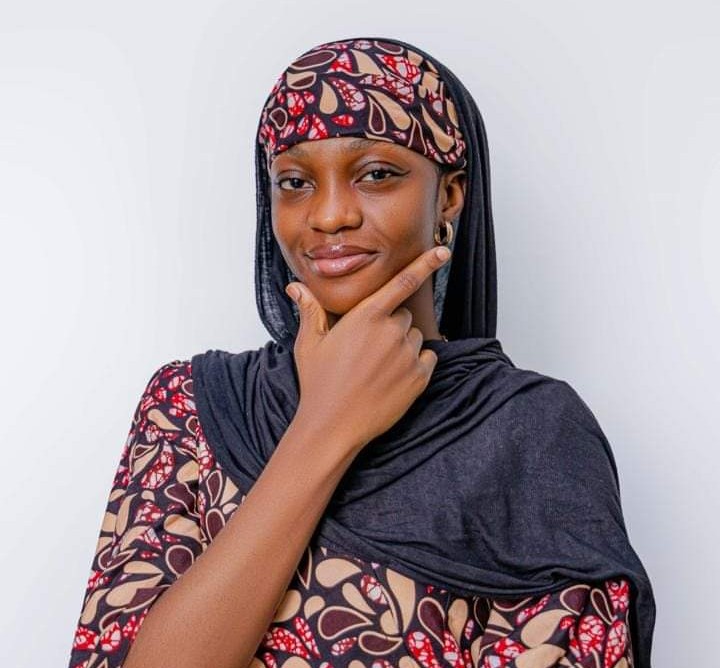
Muhabbat Yakubu, a student in SS2 at Nigerian Tulip International Colleges (NTIC), has received the prestigious honour of representing Nigeria at the upcoming International Festival of Language and Culture (IFLC) in Germany on May 31st, 2024. 

IFLC, an annual celebration of linguistic diversity and cultural exchange, serves as a beacon of unity, fostering understanding and inclusivity through the universal languages of art, dance, and music.

Originating in Turkey in 2003, the event has since blossomed into a global phenomenon, with participation from 160 countries and over 2000 talented individuals in 2015.

Its mission of promoting peace, love, and friendship resonates deeply in today’s interconnected world. Muhabbat’s selection displays her exceptional cultural awareness, linguistic talents, and dedication to promoting harmony through language and culture.

Under the guidance of NTIC, she will showcase Nigeria’s rich heritage on the international stage, embodying the spirit of unity and cooperation that defines IFLC. 

Mr. Fayzullah Bilgin, the Managing Director of NTIC, expressed pride in Muhabbat’s achievement, noting the school’s commitment to nurturing global citizens who embrace diversity and champion inclusivity.

As Muhabbat prepares to represent Nigeria with distinction, she carries the hopes and aspirations of her nation, symbolising the power of youth to build bridges of peace and understanding. 

According to a report by the National Television Authority (NTA), the NTIC community extends its heartfelt congratulations to Muhabbat Yakubu and wishes her every success as she prepares to shine on the global stage at the International Festival of Language and Culture in Germany.

Ramadan: Dangote feeds 10k people daily in Kano, shares 1m bags of rice across Nigeria

By Sabiu Abdullahi 

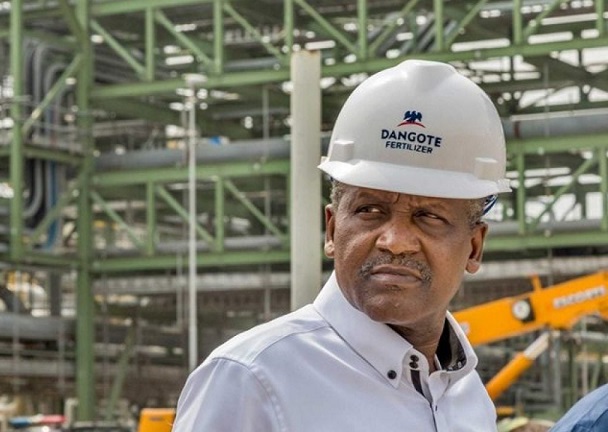
Africa’s wealthiest individual, Alhaji Aliko Dangote, has launched an initiative to feed 10,000 fasting Muslims daily in Kano State, along with distributing one million bags of rice nationwide through the Aliko Dangote Foundation. 

According to a statement by Samira Sanusi, an official of the foundation in Kano, the aim is to alleviate hunger amidst economic challenges across Nigeria.

The gesture, valued at over N13 billion, seeks to provide essential sustenance during the holy month of Ramadan. 

The distributed meals, which include jollof rice, white rice and stew, jollof spaghetti, yam, beans with chicken, and beef, are complemented with a bottle of water and a drink for each recipient.

These provisions are dispersed at Juma’at mosques, streets, prisons, orphanages, remand homes, and other locations in Kano city and its environs. 

Musas Maikatako, a beneficiary of the meal, expressed profound gratitude for the assistance, highlighting its significance in easing the hardship faced by many during Ramadan.

He stressed that the provision of solid food for breaking the fast is a significant relief, particularly for those who would otherwise have only water. 

Similarly, Hajiya Inna Tukur shared her joy at receiving such nourishing food during challenging times, expressing heartfelt thanks to Aliko Dangote and his foundation for their benevolence. 

This initiative builds upon Dangote’s longstanding commitment to philanthropy, with Mrs. Sanusi revealing that for over 30 years, the Dangote Foundation has quietly fed 10,000 residents of Kano daily with breakfast, lunch, and dinner.

This sustained effort, originating from Dangote’s mother’s residence in Koki and various cooking locations, shows a profound dedication to uplifting communities and combating hunger. 

Through such impactful initiatives, Aliko Dangote continues to demonstrate his commitment to social responsibility.

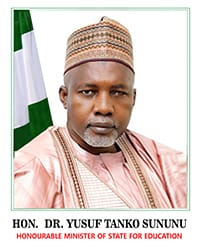
Yusuf Sununu exemplifies dedication to transforming education sector

By Abbas Datti

The state minister of education, Yusuf Tanko Sununu, has been making giant strides in improving the nation’s education sector and ensuring that all children have access to quality education. His dedication and hard work shouldn’t go unnoticed, and he deserves to be commended for his efforts.

One of the key initiatives implemented in his intertwined collaboration with the minister of education, Tahir Mamman, is expanding access to educational programmes in underserved communities. By building new schools and upgrading existing ones, the minister has ensured that more children have the opportunity to receive a quality education. This has helped to bridge the gap between urban and rural education and ensure that all children have equal access to educational opportunities.

Furthermore, the state minister has been actively working to improve the quality of education in schools. He has introduced new teacher development programmes, like the Teacher Internship Scheme (TIS), provided support for teachers, and introduced innovative programs for teachers to adapt to a new digital age and assist in the development of smart education in Nigeria. This has not only improved academic performance but has also instilled a love for learning in students, helping them to reach their full potential.

The Teacher Internship Scheme which was introduced by the Universal Basic Education Commission (UBEC), to address the dearth of teachers in the field of smart education being championed by the commission in Nigeria, with the establishment of 37 smart schools across the country.

The Korea International Cooperation Agency (KOICA) is providing technical support for the execution of the smart education programme in Nigeria and has committed about $10.4 million to the project.

Additionally, the state minister has been a champion for inclusivity in education by creating a transnational educational policy that will promote diversity and massive enrollment in tertiary education institutions. The minister has also created a welcoming and inclusive environment for all students, regardless of their background or abilities. This has helped to create a safe and supportive learning environment where all students can thrive.

Moreover, Yusuf Sununu has shown a deep commitment to improving the education sector and ensuring that all children have access to better and quality education

Abbas Datti writes from Kano via abbasdatti448@gmail.com.

Nigerian Senators’ diatribe and their corrupt national budget opprobrium

By Nura Jibo

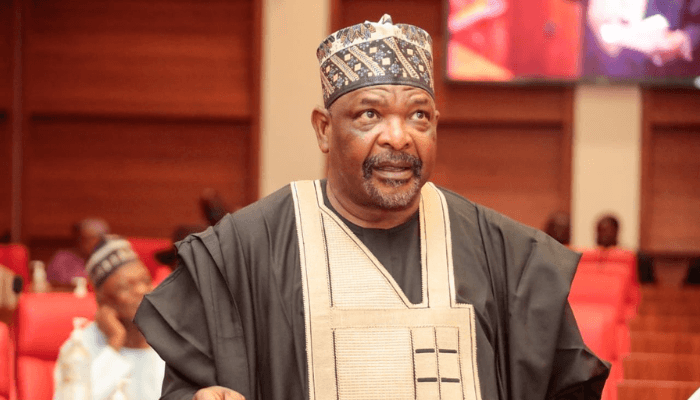
Senator Abdul Ningi remains a hero of Nigeria’s democracy. His revelations, as the senator from Edo North implied, will haunt their reputation, causing them to receive years of contempt and opprobrium from the Nigerian people.

No one takes any of the current Nigerian senators seriously.

The entire country and world leaders view their tongue-lashing as an overt confession to the national budget’s animadversion. What irony!

Indeed, the mentality of Nigerian politicians, both young and old, is the same. To enter politics, contest, “win” either fairly or by crooked means, and serve the 1st, 2nd, 3rd, and 4th terms.

This could be easily spotted in the Senate chamber. It is full of geriatrics who served eight years as governors in their respective states and have now become senators to take cover in the Senate and hide their political obloquy.

In the past two days, Nigerians have been left in no doubt that the Nigerian senators, including their Senate President, are already in a state of disgrace resulting from public opprobrium. And this is quite understandable.

There is no way a Nigerian citizen could trust any senator with his hard-earned electoral vote. Unless the senator steals it by fabricating figures the way they surreptitiously did in the 2023 national budget, where some of them were allocated ₦500 million as publicly confessed by one of their own!

For one of their own to call all of them culpable, or better yet, culprits, is certainly an obloquy and political hara-kiri—an indelible series of political somersaults.

What Senator Ningi presented was a testament to the fact that the entire Senate is now embroiled in a disturbing saga of corruption and self-incrimination, demonstrating a reckless disregard and disrespect for the public good.

Indeed, this Senate’s attitude is certainly an intentional breach of decorum that exposes them to the vagueness, vagaries, verbosity, and waffle of their statutory unconscionability!

May Allah SWT save Nigeria and its people from this kind of Senate’s malicious misrepresentation(s) of the people under the tutelage of budget padding.

President Tinubu ‘strongly’ condemns killing of soldiers in Delta

By Sabiu Abdullahi 

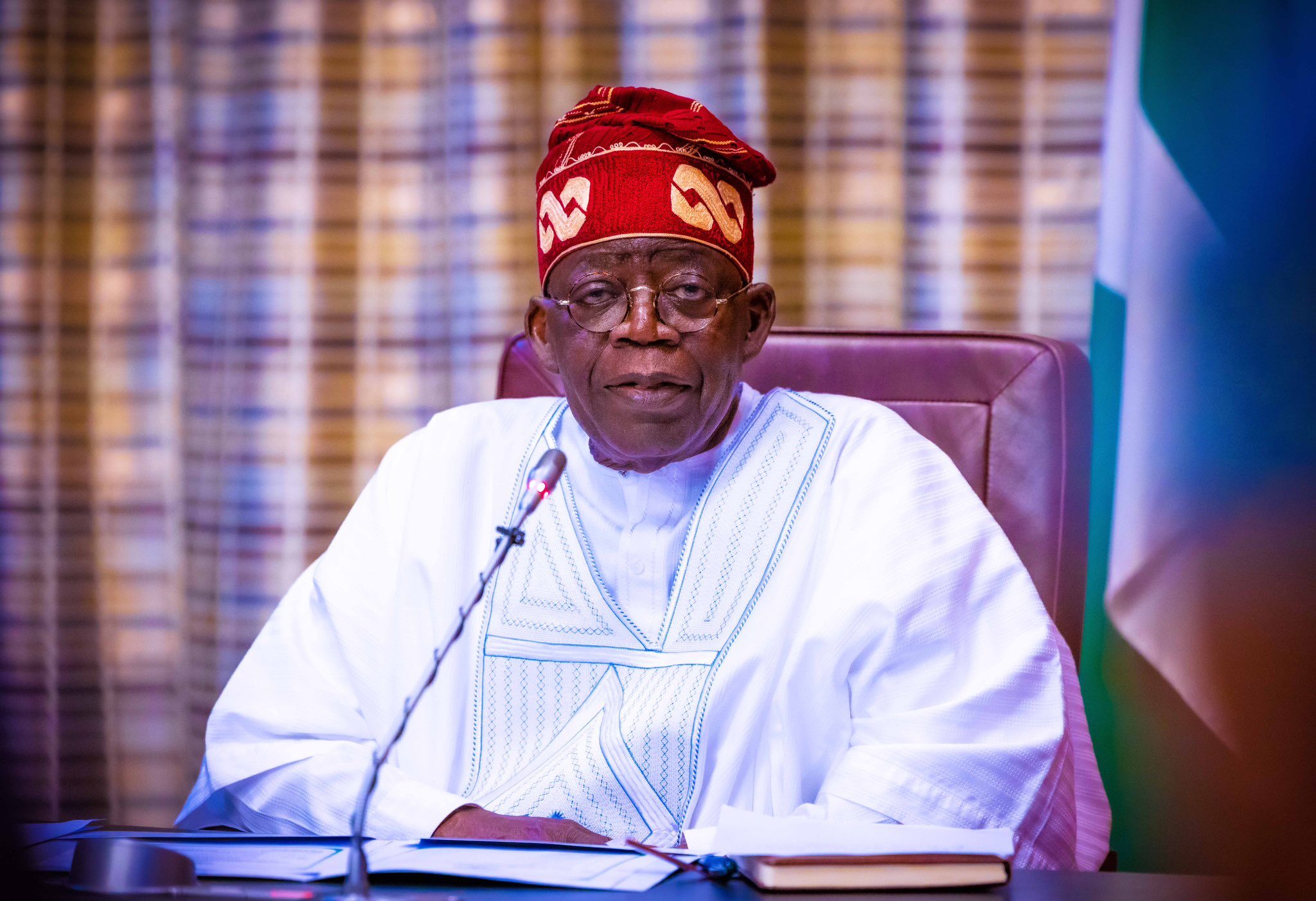
President Bola Tinubu expressed profound grief and condemnation over the recent attack on Nigerian soldiers during a rescue mission to Okuoma Community in Delta State. 

Tinubu expressed his sadness in a statement released today. 

The incident, which occurred on Thursday, March 14, 2024, reportedly claimed the lives of several military personnel, including high-ranking officers. 

The President described the attack as unprovoked and cowardly, stating the sacrifices made by the brave servicemen and women who put their lives on the line to maintain peace and security in the nation.

Among the casualties were a commanding officer, two majors, one captain, and twelve soldiers, along with one civilian. 

Tinubu extended his deepest condolences to the families of the fallen soldiers, their colleagues, and loved ones.

He was quoted as saying, “I extend my profound condolences to the families of these fallen soldiers, their colleagues and their loved ones. The military high command is already responding to this incident. The cowardly offenders responsible for this heinous crime will not go unpunished..

He noted that any attack on the armed forces is a direct assault on the nation itself and vowed to relentlessly pursue peace and security across Nigeria. 

The President granted full authority to the Defence Headquarters and Chief of Defence Staff to ensure that those responsible for the attack are brought to justice swiftly.

He praised the heroism, courage, and patriotism of the fallen soldiers, noting that they join the ranks of the nation’s esteemed defenders who sacrificed everything for the country. 

President Tinubu equally reiterated his government’s unwavering commitment to achieving peace and tranquilly in every corner of Nigeria, calling upon divine intervention to bless the Federal Republic of Nigeria and safeguard its armed forces.

Bridging our differences as Nigerians: A path to unity

By Usman Muhammad Salihu 

In Nigeria, amalgamating diverse cultures, religions, ethnicities, and political ideologies presents opportunities and challenges. To navigate this intricate tapestry effectively, embracing diversity is paramount. Rather than viewing differences as divisive, Nigerians should celebrate the richness they bring to the nation’s identity.

Ultimately, the path to unity in Nigeria lies in embracing diversity while recognizing the common bonds that unite its people. Nigerians can forge a stronger, more resilient nation by celebrating their shared heritage and respecting their differences. Through dialogue, education, inclusivity, and a rejection of extremism, they can build a future where diversity is celebrated as a source of strength.

Open and respectful dialogue is the cornerstone of understanding and reconciliation. By engaging in conversations that promote empathy and mutual respect, Nigerians can bridge divides across religious, ethnic, regional, and political lines. Platforms for formal and informal dialogue offer opportunities for meaningful exchanges that foster unity amidst diversity.

Education is a powerful tool for dispelling stereotypes and fostering appreciation for diversity. By promoting educational initiatives highlighting Nigeria’s multifaceted heritage, individuals can better understand their fellow citizens’ perspectives and experiences. 

Nigerians should advocate for policies and practices that promote equal opportunities and representation across all sectors. By championing inclusivity, they can dismantle barriers and create pathways for collaboration and unity.

Nigerians must collectively reject extremism in all its forms and embrace moderation, tolerance, and compromise. They can build a more cohesive and harmonious society by fostering a culture of inclusivity and understanding.

 Navigating Nigeria’s diverse landscape requires a commitment to dialogue, understanding, and inclusivity. By embracing diversity, fostering dialogue, promoting education, advocating for inclusivity, rejecting extremism, engaging in active citizenship, and cultivating unity in diversity, Nigerians can overcome their differences and build a more cohesive and resilient society.

Usman Muhammad Salihu writes and can be reached via muhammadu5363@gmail.com.

Kano water scarcity: How long is Governor Abba’s ‘State of Emergency’?

By Misbahu El-Hamza

Kano State makes headlines almost every year, and coincidentally, during Ramadan, for water scarcity. The frequent headlines are often attributed to electricity system failures, which disrupt water pumping or equipment faults at water treatment plants, exacerbating the situation.

About ten months ago, upon taking office, Kano State Governor Alhaji Abba Kabir Yusuf declared a State of Emergency to address water scarcity across the state, urging for patience and maximum cooperation from residents. Although I haven’t seen or reviewed the governor’s plan during this emergency, I recall that resolving Kano’s water issues was one of his campaign promises.

I remember when the governor inspected the Challawa Water Treatment Plant in May 2023 and expressed dissatisfaction with its condition. At the time, only two of the six pumping machines were functioning.

Following that, the governor gave the Kano State Water Board a one-week ultimatum to submit its demands to end the state’s water shortage. The public breathed a sigh of relief. Personally, I had hoped that we’d finally overcome this hardship.

Unfortunately, for nearly a year now, the situation has been prevalent not only in urban areas but even worse in rural communities. We are not only seeing those trending headlines of water scarcity in Kano; we’re experiencing the brunt of it.

Recently, the price of a 25-litre jerrican of borehole water in Kano surged by ₦50 to ₦150. Someone told me that he bought one at ₦200 around Kurmi market. In areas like Hotoro, Nassarawa LGA, where I reside near Kumbotso LGA housing the Challawa water plant, prices rose from ₦40 to ₦70 or higher. The Chalawa water plant is believed to have the capacity to supply the whole of Kano with water. Still, we rely heavily on individual boreholes for water, with little to no infrastructure connecting us to the water plant.

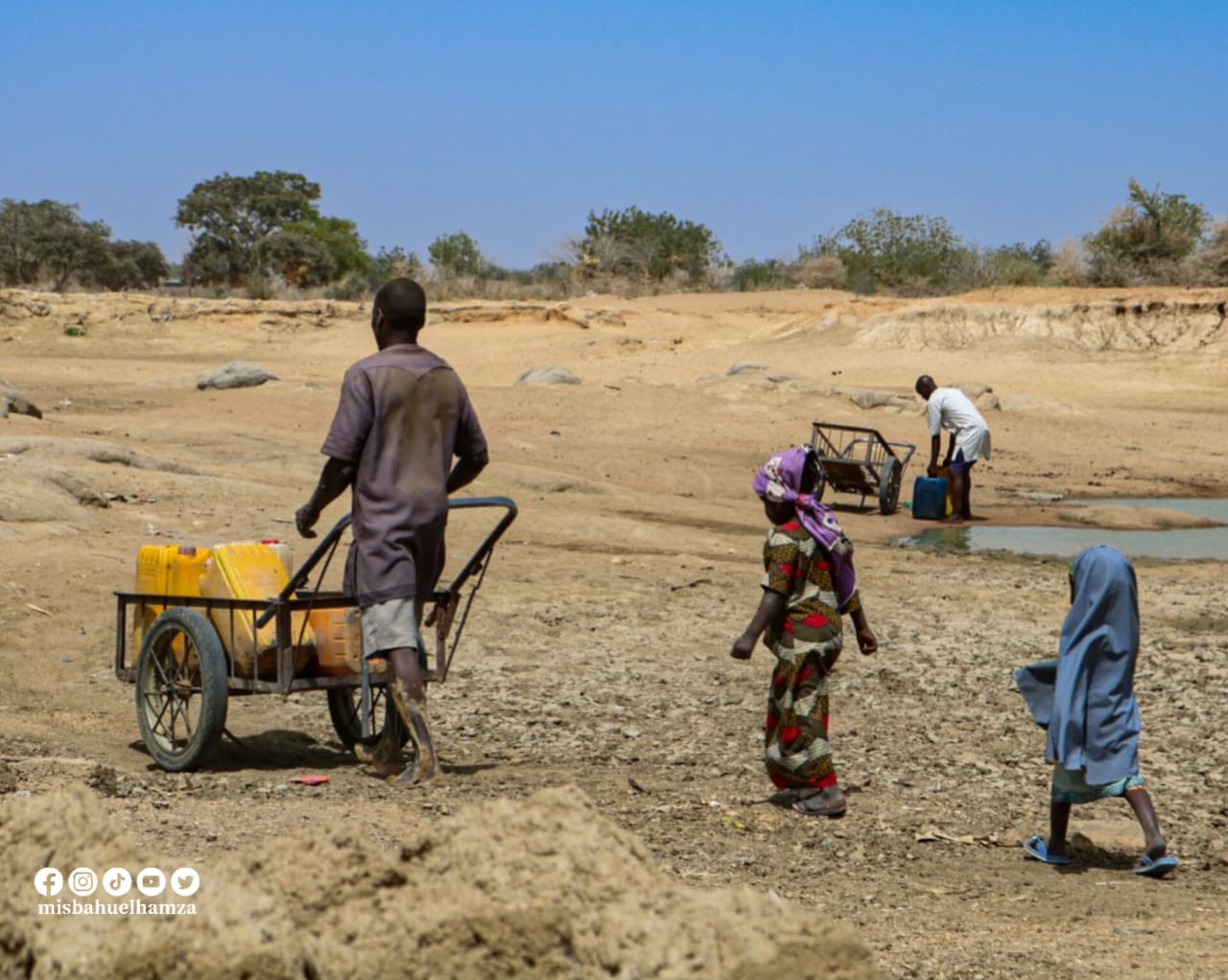
While I reside in a suburb and can afford to buy a jerrican of what seems to be clean water, in the rural areas where I often visit for work, the situation is dire. Many communities lack access to clean water sources, with broken or dried-up boreholes and wells being common. Residents, including young children, often resort to fetching water from stagnant ponds shared with cows, donkeys, camels, and even dogs. This water is what they use for all daily activities, posing serious health risks.

It’s evident that both state and local governments have neglected these communities, offering little to no solutions for their water woes. Where you see boreholes or wells in these communities, they are either constructed by individual donors or (charity) organizations, and a handful are constructed by politicians.

Governor Alhaji Abba Kabir Yusuf must be aware of the current water crisis in both rural and urban Kano. However, the pressing question remains: how long will his State of Emergency address the suffering caused by the persistent water scarcity or total lack of it across the state?

Three days ago, I heard a jingle apologizing for the water scarcity in the Kano metropolitan area, blaming the repair works at Challawa and Tamburawa treatment plants. It’s said to have been sponsored by the Kano State Water Board. To me, the jingle suggests the governor partly fulfilled his pledge; now, it’s the board’s turn to restore the water supply—or at least that’s my assumption. 

I know this isn’t the first time the board has apologized. In 2022, the then-managing director of the board was quoted as apologizing to Kano residents for failing to supply water during Ramadan. At that time, 25 litres of borehole water cost between ₦30 and ₦100.

I remain hopeful that before his remaining three years expire, Alhaji Abba Kabir Yusuf will emerge as Kano’s hero by addressing the water scarcity issue and providing relief to the growing population, including those in rural areas.

As the governor continues to address our water problem within this emergency period, I hope the demands the water board submitted to him as requested include: establishing new plants and reservoirs or enhancing existing ones, extending mainline pipes to suburbs and rural areas, ensuring independent power supply for the plants, and securing permanent employment for existing and additional staff. If the board manages its expenses independently, perhaps shifting them to the state payroll would also improve efficiency. 

With reliable service and an effective system in place, the board and the state government should be rest assured that Kano people will be more willing to pay for water, and the board does not need to depend heavily on its revenue from the industries it diverts our little water to.

Misbahu wrote from Kano via misbahulhamza@gmail.com.

Nigerian military personnel attacked during peace mission

By Sabiu Abdullahi

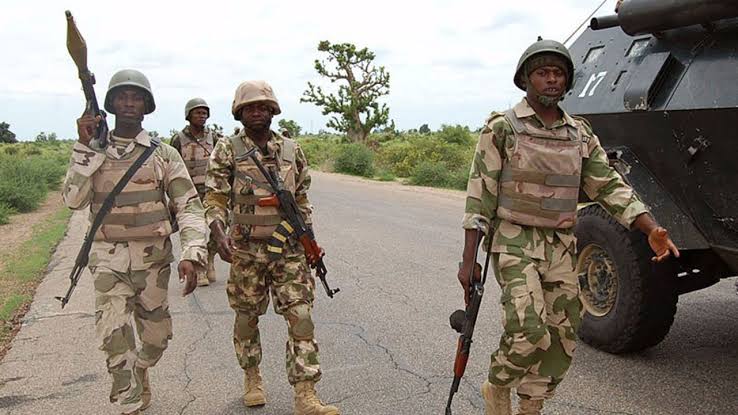
There was a tragic incident on Thursday, March 14, 2024, as troops from the 181 Amphibious Battalion, stationed in Bomadi Local Government Area of Delta State, found themselves under attack during a peacekeeping mission in the Okuoma community.

Responding to a distress call following a communal crisis between the Okuama and Okoloba communities, the military personnel were surrounded by youths from Okuoma and brutally attacked. 

The assault resulted in the loss of lives, including the commanding officer, two majors, one captain, and 12 soldiers from the reinforcement team. The Chief of Defence Staff, General Christopher Gwabin Musa, swiftly responded by ordering an immediate investigation into the incident and the apprehension of those responsible for this heinous crime.

The Delta State Government has been notified of the occurrence. In the wake of this tragedy, the military reaffirms its unwavering commitment to maintaining peace and security across the nation.

Despite the setback, efforts are underway to identify the motives behind the attack, with several arrests already made. Further details will be provided as the investigation progresses. 

Tukur Gusau, Brigadier General and Acting Director of Defence Information, issued this statement on March 16, 2024, indicating the gravity of the situation and the military’s determination to ensure justice is served.

Arewa conundrum: a clarion call for agenda and patriotic fervor

By Idris Ishaq Danwanka

Esteemed compatriots and guardians of our collective Northern ethos, in the wake of recent fiscal disclosures, a disconcerting schism has been unveiled that warrants our immediate attention and stringent critique. Senator Abdul Ahmed Ningi, erstwhile Chairman of the Northern Senators Forum, has valiantly illuminated a disquieting anomaly within the fiscal year 2024 budget proceedings.

With the budget initially proposed by President Bola Ahmed Tinubu amounting to 24 trillion Naira, the subsequent and inexplicable inflation to 27 trillion Naira post-senate approval instigates profound perturbation and necessitates scrupulous examination.

The crux of the matter lies not solely within the numerical discrepancies but more so in the disheartening dearth of collective fortitude amongst our Northern sentinels. Senator Ningi’s resignation from the venerable chairmanship of our forum, following his laudable challenge to the opaque augmentation of the said budget, is a testament to a troubling lack of solidarity and a deviation from the path of unwavering patriotism that our region is historically known to uphold.

It is incumbent upon us, as the custodians of Arewa’s legacy, to transcend the paralyzing grip of fear that threatens our tenure within the senate.

The specter of suspension or dismissal should not deter us from our sacrosanct duty to the masses. We must rally behind the banner of transparency, accountability, and unwavering integrity that Senator Ningi has hoisted, even in the face of potential political ostracism.

The significance of unity cannot be overstated in our quest for regional and national development. A fragmented front is a disservice to the populace we have sworn to serve. It is only through a cohesive and unyielding stance that we can effectively steward the resources of our polity and engender a milieu where probity is not just expected but demanded.

Let us not shy away from our responsibility to interrogate and impugn any act that undermines the fiscal sanctity of our nation. To falter in this regard is to capitulate to the whims of those who may not prioritize the collective good over individual aggrandizement. The import of our togetherness is the bulwark against the forces of division and the cornerstone of our advocacy for the masses.

In conclusion, it is our imperative to eschew the parochial fears that stifle our voice and to stand shoulder to shoulder with those who dare to speak truth to power. The Arewa spirit is one of resilience, unity, and an unyielding commitment to the greater good. May we find the moral fortitude to embody these virtues and to restore the faith of our people in our esteemed institution.

Let us not delay in reclaiming our esteemed position as paragons of rectitude and as the vanguards of the people’s will. The time for action is now; the call for unity and patriotism, ever resonant.

Yours in service to our region and our nation;

Sen. Idris Ishaq Danwanka,
B.A. English Language and Literature, Federal University Dutse.