Month: February 2024

Customs, intelligence agency strengthen collaboration to enhance security

Sabiu Abdullahi

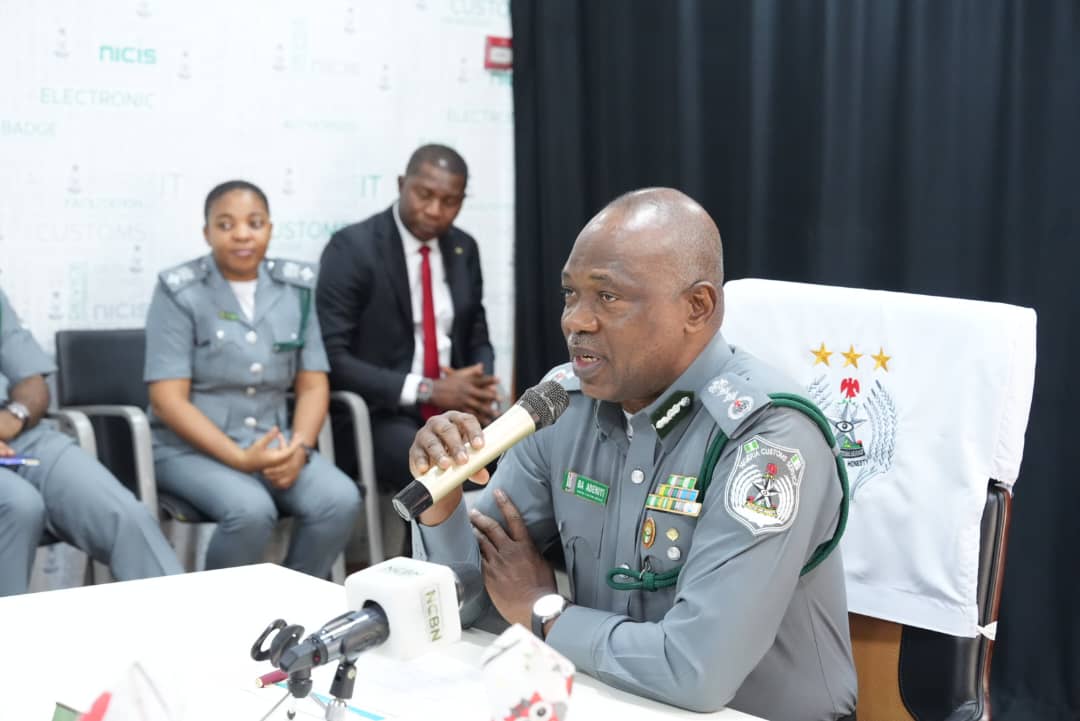
The Comptroller General of Customs (CGC), Bashir Adewale Adeniyi, in a bid to bolster security measures and foster stronger ties, convened a collaborative meeting with the Defence Intelligence Agency (DIA) at the Nigeria Customs Service (NCS) Corporate Headquarters on February 19, 2024. 

During the session, CGC Adeniyi underscored the paramount importance of the collaboration, stating its role in maintaining and deepening existing relationships between the NCS and the DIA.

He reiterated the NCS’s commitment to partnership, citing cooperation with other customs administrations and government agencies as pivotal for growth. 

“The major objective of this delegation is to maintain and deepen the relationship between the Nigeria Customs Service and the DIA. For the records, the Nigeria Customs Service believes in collaboration. We believe that we can draw strength from collaborating with other government agencies,” said CGC Adeniyi. 

Highlighting past collaborative efforts, particularly in capacity building and security projects, CGC Adeniyi affirmed the NCS’s dedication to working hand in hand with the DIA.

He referenced initiatives such as the partnership with the Armed Forces Command and Staff College, aimed at enhancing the proficiency of customs officers. 

Expressing a keen interest in further cooperation, CGC Adeniyi stated the importance of robust intelligence sharing to effectively address significant security challenges along border areas and enhance the overall efficiency of customs officers. 

“It is our strong desire to deepen this kind of partnership to ensure that we benefit more from it,” he reiterated. 

In response, Air Vice Marshal Samuel Chinda, representing Chief of Defence Intelligence Major General Emmanuel Parker, lauded the collaboration with the NCS, highlighting its pivotal role in combating border threats.

AVM Chinda reiterated the DIA’s openness to partnerships in training and operational endeavours with the Nigeria Customs Service, underscoring the agency’s commitment to strengthening ties for future collaborations. 

The collaborative efforts between the Nigeria Customs Service and the Defence Intelligence Agency signify a proactive approach towards enhancing national security measures and fortifying the nation’s borders against emerging threats.

As both agencies continue to deepen their partnership, the prospects for improved intelligence sharing and coordinated operations are expected to contribute significantly to safeguarding the nation’s territorial integrity.


Finance minister addresses economic challenges, promises relief measures

By Sabiu Abdullahi 

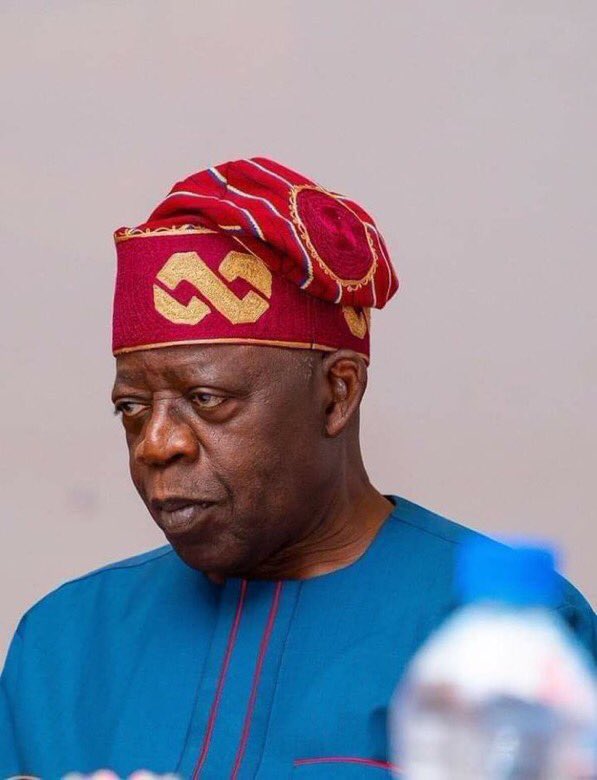
Finance Minister Wale Edun acknowledged the daunting task inherited by the current administration led by President Bola Tinubu in a recent announcement at the Public Wealth Management Conference held in Abuja.

The minister addressed the pressing issue of escalating food and commodity prices, attributing them to challenges passed down from the previous government. 

Minister Edun assured the public of ongoing efforts to mitigate the burden of high inflation rates and reduce the cost of essential food items.

He stated this with the populace, acknowledging the hardships faced by Nigerians and affirming the government’s commitment to implementing measures aimed at alleviating their suffering. 

The announcement comes amidst growing concerns over the economic strain faced by citizens, with soaring prices of basic necessities impacting households nationwide.

Minister Edun’s reassurance of governmental action seeks to instill confidence in the populace and demonstrate a proactive approach to economic stabilisation and welfare enhancement. 

As the nation grapples with economic uncertainties, the promises made by the Finance Minister signal a concerted effort by the government to prioritise the well-being of its citizens and navigate through prevailing challenges towards a more prosperous future.

AFCON 2023: Who divides Nigeria?

By Sani Bello Hamza

When Ola Aina, the Super Eagles fullback, missed the penalty during the semi-final of AFCON 2023 against South Africa, someone close to me uttered an abusive word in the Hausa language. He said, “shege Bayarabe.” From the way he voiced it, you could tell it was not intentional. He was unconscious, as we all were, and it came out of his subconscious mind. That is a typical example of what Nigerians are and how we hate one another.

A South-easterner feels isolated and does not want to be associated with the North. A Northerner also feels the South-easterners are “arna” and sees no need to relate or intermingle with them. I once came across someone who is happy and thanking God for the blessing of not visiting a particular region. You will sometimes think hatred is naturally instilled in us.

Malam Nasir El-Rufai was once seen on air lamenting how Nigerians from various parts of the country react to his social media posts. Whenever he posts an update, no matter how small, the Northerners would be there to hail and applaud him. While his counterparts from the South would abuse and curse the former governor. Why is this the case? Is it because he is from the North?

Anyway, what made me happier after the penalty shootout was not only the fact that Nigeria advanced and made it to the final, but how I saw my fellow students, regardless of their gender, age, religion, social class, and political affiliation, celebrate the significant win for our dear country. It was one of the joyous moments of my life.

Not only at ABU, I came across videos of students from other universities and communities celebrating the great win. Others went ahead to celebrate with the family of our unbeatable keeper, Nwabali. They refused to let anyone stop them.

The same thing happened during the final when we all turned up at various locations to support and cheer the Super Eagles. Even though we did not clinch the title, the outcome of the final will be a topic for another day.

Okay, back to the subject matter.

After the jubilations were over, a question popped into my mind. I said to myself, “Who is dividing Nigeria and Nigerians? Who is spreading hatred among Nigerians? Who is fueling and igniting the fire of hatred among us?”

An Igbo man is always looking for an opportunity to curse a Hausa man, and a Hausa man is always scouting for an opportunity to unleash his abusive prowess on Igbos or Yorubas for the slightest reason.

How come do we sit under the same umbrella, supporting and praying for the Super Eagles to win? Who then is creating these divisions in our country?

To answer the question above, I believe that the root of our division in Nigeria lies in rumors and mere speculations. Most of the people fueling the fire of hatred are those who have either not traveled outside their jurisdiction or refuse to open their minds to accommodate people from other regions. They limit their thinking to their regions and consume whatever they find in the media.

The above answer may not be sufficient, but as people living in the same region, if we do not speak the same language or wear the same attire, we share the same history and are meant to be together—this is undeniable. The richness and strength in our diversity are stronger than the weaknesses. So why should we opt for the weaknesses? Come on, fellow compatriots, think!

We must learn from the lessons of the 2023 AFCON: to shun our peculiarities and differences if we must progress as a nation. Our diversity should be a source of pride, not the opposite.

Sani Bello Hamza is a Law student at Ahmadu Bello University Zaria. He writes from Zaria and can be reached via sanibellohamza@gmail.com.

Hardship in Nigeria: Customs to disburse seized food items to ordinary citizens

By Sabiu Abdullahi 

In a proactive measure to address the pressing issue of food insecurity and surging prices of essential commodities, the Nigeria Customs Service (NCS) unveiled a comprehensive plan on Tuesday to distribute forfeited food items to the Nigerian populace.

The initiative, announced by the NCS National Public Relations Officer, Abdullahi Maiwada, aims to alleviate hunger and ease the financial burden on citizens grappling with escalating living costs. 

It was reported that the cache of contraband seized by diligent NCS officers and subsequently forfeited to the federal government by court order encompasses a variety of staples, including rice, groundnut oil, noodles, and other essential commodities. 

In a press statement issued on Tuesday, Maiwada underscored the urgency of the decision in light of the prevailing challenges surrounding food security and affordability in the country.

He reiterated the NCS’s commitment to President Bola Ahmed Tinubu’s food security agenda, emphasising the agency’s pivotal role in fostering economic stability and prosperity for all Nigerians. 

Maiwada articulated the operational framework for the disbursement, affirming that the forfeited food items would undergo rigorous inspection and certification by relevant authorities to ensure their suitability for consumption.

Subsequently, the items will be equitably distributed across Customs’ Areas of Operations (AoO) nationwide, ensuring widespread access for ordinary Nigerians. 

Highlighting the paramount principles of transparency, fairness, and public safety, Maiwada assured the public that the modalities for the disposal process would be disseminated through NCS formations nationwide.

He stated the NCS’s unwavering commitment to managing the exercise with meticulous diligence to ensure that the benefits reach those most in need throughout the country. 

Maiwada concluded by reiterating the NCS’s steadfast dedication to safeguarding the nation’s food security and enhancing the economic well-being of every Nigerian.

He expressed confidence that, with the collective support and cooperation of the public, the challenges posed by food insecurity would be overcome, paving the way for a brighter and more prosperous future for the nation. 

The announcement of the NCS’s initiative signals a significant step towards mitigating the adverse effects of food scarcity and affordability challenges, offering hope and relief to countless Nigerians grappling with the harsh realities of economic strain.

FG commences payment of withheld salaries of ASUU members

By Sabiu Abdullahi

The Federal Government (FG) has initiated the payment of salaries previously withheld from members of the Academic Staff Union of Universities (ASUU). 

Confirmation of this breakthrough came directly from the Chairperson of ASUU at the Federal University of Technology, Minna, Prof. Gbolahan Bolarin, who officially verified the situation.

Prof. Bolarin affirmed, “Yes, it is true. Payment has started rolling in.” 

This announcement marks a crucial milestone in the ongoing negotiations between ASUU and the FG regarding salary payments and other outstanding issues.

The resumption of salary disbursements brings relief to thousands of university lecturers who have faced financial strain due to the prolonged withholding of their earnings. 

The decision to release the withheld salaries follows President Bola Tinubu’s directive in October 2023, authorizing the payment of four months’ worth of salaries owed to ASUU members.

This action represents a proactive step by the government to address the grievances of academic staff and ensure the smooth functioning of the country’s higher education sector.

The resumption of salary payments underscores the importance of dialogue and cooperation between stakeholders in resolving disputes and fostering a conducive environment for teaching, research, and learning in Nigerian universities.

Zookeeper killed by lion at Nigerian university 

By Sabiu Abdullahi

There was a sad moment at the Zoological Garden of the Obafemi Awolowo University (OAU) in Ile-Ife on Monday as a 9-year-old male lion attacked and killed Mr. Olabode Olawuyi, a long-serving veterinary technologist responsible for animal care. 

Mr. Olawuyi, reportedly in charge of the zoo for over a decade, was feeding the lions in their den when the incident occurred.

According to university officials, Mr. Olawuyi had cared for the animals since their birth nine years ago. Despite attempts by colleagues to intervene, the lion inflicted fatal injuries, leading to Mr. Olawuyi’s passing. 

Upon receiving the news, university management, led by Vice-Chancellor Professor Adebayo Bamire, visited the scene and offered condolences to the deceased’s family.

Professor Bamire confirmed that “all first aid and medical efforts to save the life of the victim proved abortive.” 

Following the incident, the aggressive lion was euthanized to ensure the safety of remaining staff and animals.

Additionally, a thorough investigation into the cause of the attack is underway. 

This tragic event raises questions about zoo safety protocols and the risks associated with close interactions between humans and wild animals.

It follows similar incidents in 2018 and 2022, where lions attacked and killed individuals in South Africa. 

The OAU community mourns the loss of Mr. Olawuyi, a dedicated caretaker remembered for his passion for animal welfare.

The university’s investigation aims to determine the circumstances surrounding the attack and prevent similar tragedies in the future.

Fake News: Sheikh Daurawa did not resign from Kano Hisbah Command

By Aisar Fagge

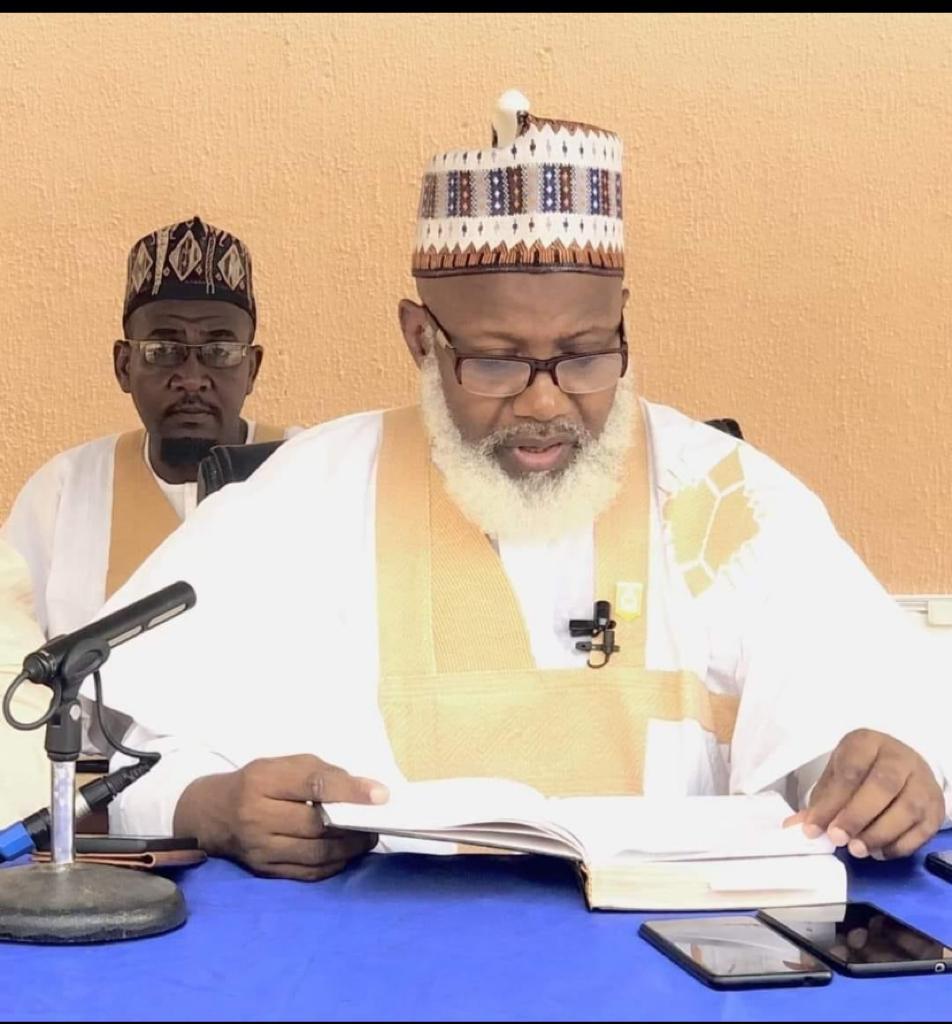
Rumours circulating on social media platforms about the resignation of Sheikh Aminu Ibrahim Daurawa, the Commandant General of Kano State Hisbah Command, were found to be false.

Speaking to Dr. Mujahid Aminuddeen, Deputy Commander General of Kano Hisbah, he said, “All those stories were fake, and Sheikh Daurawa is already in his office attending to many people.”

The development of this fake news is not unconnected to the story of the release of Murja Kunya, the embattled TikToker who was arrested by Hisbah after receiving a series of complaints against her from the residents of the area where she lives.

After being taken to court, Kunya was facing multiple charges, denied bail, and the date for her trial was set. However, yesterday, February 18th, new information revealed that Kunya had been miraculously released.

The Daily Reality is working to find out why, how, and under what condition(s) she was released.

Food Inflation: Prof. Mansur Sokoto examines recent government actions

By Ibrahiym A. El-Caleel

Muhammad Mansur Ibrahim Sokoto mni, a professor at Usmanu Danfodiyo University Sokoto (UDUS) and the Chief Imam of Abu Hurairah Mosque, has commented on recent initiatives by the Kano State Public Complaints and Anti-Corruption Commission (PCACC) and the Federal Competition & Consumer Protection Commission (FCCPC) aimed at addressing the escalating inflation nationwide. His remarks follow President Bola Tinubu’s commendation of PCACC’s efforts in scrutinizing the alleged hoarding of goods by businesspeople.

The President, who spoke through his Special Adviser on Information & Strategy, Bayo Onanuga, lauded the Kano government and urged other state governors to follow suit. Earlier on Friday, FCCPC also reportedly sealed Sahad Stores, a popular Abuja shopping mall, over “misleading pricing practices and lack of transparency”, later reopening it after reaching a mutual understanding with the store.

The actions of PCACC and FCCPC have triggered discussions on social media as Nigerians grapple with rising commodity prices. Under Barrister Muhuyi Magaji Rimingado’s leadership, Kano State PCACC has reportedly sealed over a dozen warehouses, accusing businessmen of hoarding grains and essential commodities.

A widely circulated video showed a warehouse owner explaining that the stored grains were intended for supply to NGOs like the United Nations and ECOWAS, engaged in aiding internally displaced persons (IDPs) in North-Eastern states.

Professor Mansur Sokoto mni weighed into the conversation in two separate posts on his Facebook profile, initially posing five critical questions:

  1. “Is the ongoing food inflation solely attributable to businessmen storing grains in warehouses?
  2. Without warehouses for grains, where will imported commodities be stored before distribution for purchase?
  3. Does the surge in prices affect only food, or are other commodities like steel, wood, gold, petrol, and clothing also impacted?
  4. Have commodity prices simply risen, or is the devaluation of the Naira a contributing factor? If Naira devaluation is the cause, who is responsible?
  5. Are the commodities stored in these warehouses completely unavailable in the market, indicating hoarding?

The Islamic scholar emphasized that leaders should be aware of the actual sources of the prevailing hardship and avoid actions that exacerbate challenges. Responding to a commenter’s question on Islam’s stance on hoarding, Professor Sokoto clarified the following six points on what is permissible (halal) and forbidden (haram):

1. It is permissible for an individual to cultivate food crops in any quantity, whether for personal consumption or for storage, with the intention of selling at a later time, provided that he/she has fulfilled the obligatory almsgiving, known as “Zakah”.

2. It is permissible for an individual in need of food to purchase, consume, and store it to prevent potential future cost increases.

3. It is permissible for a businessman to store food crops that he has ordered, intending to sell them later, periodically, according to market demand.

4. It is permissible for a businessman to purchase a food crop during its season, anticipating future value increases, with the intention of selling it for profit. This is permissible according to a valid opinion.

5. It is both permissible and even encouraged for financially capable individuals to buy what they and their families will consume- including items they will give as charity- for a long time, especially when food prices are rising without clear signs of decline. This perspective aligns with the viewpoint of Shaikh Ibn Uthaimeen.

6. What is NOT permissible is for businessmen to acquire food during periods of high prices and hoard it with the intention of causing hardship to the public. Similarly, it is forbidden for businessmen to accumulate and store food during scarcity periods, withholding it from the market until demand peaks. At this point, they sell it at exorbitant prices. In such instances, government authorities are authorized to compel the businessman to sell the stored food at the standard market price without imposing a loss on the sale.

Having outlined these positions, Professor Sokoto critiqued the recent actions of breaking into warehouses, deeming them inappropriate. He questioned whether the businessmen violated Nigerian laws, emphasizing that their practice is not against Islamic injunctions as they maintain inventory for trade and strategic partnerships.

He implored the government to investigate the actual causes of hardships, citing fuel subsidy removal, Naira floating, border closure, and taxation as contributors. Professor Sokoto cautioned against temporary solutions, advocating for sustainable measures and discouraging the use of the National Strategic Grain Reserve to artificially lower food prices. He drew lessons from past strategies and urged the government to avoid short-term approaches.

NCS leverages technological advancements to improve trade facilitation

By Sabiu Abdullahi 

The Comptroller-General of Customs (CGC), Bashir Adewale Adeniyi MFR, has convened a crucial steering committee meeting aimed at consolidating the strides made in the Nigeria Customs Service (NCS) Trade Modernization Project (TMP), focused on enhancing trade facilitation through technological innovations. 

Held behind closed doors at the Customs Corporate Headquarters in Abuja on Thursday, February 15, 2024, the meeting brought together members of the TMP Steering Committee, underscoring the strategic importance attached to advancing digital solutions within the NCS. 

CGC Adeniyi unveiled the overarching objectives of the Trade Modernization Project, emphasising its pivotal role in driving end-to-end automation of customs processes and procedures.

He delineated key components of the project, including the Unified Customs Management System, Trade Portal, Cargo Release System, and Automation Services such as Big Data & AI Integration and Document Management System. 

“This project signifies a milestone in our journey towards digital transformation, heralding a new era of transparency, efficiency, and effectiveness in customs operations,” remarked the CGC, highlighting the imperative of adapting to evolving market dynamics and unlocking revenue streams through digitization. 

Addressing the TMP Steering Committee, CGC Adeniyi underscored the project’s long-term vision, spanning twenty years and encompassing three distinct phases aimed at enhancing core services, implementing automation solutions, and facilitating seamless transition and handback processes. 

“We are poised to tackle prevailing challenges, make informed decisions, and chart a trajectory of progress for the service,” affirmed the CGC, expressing optimism regarding the committee’s capacity to navigate complexities and drive impactful outcomes. 

Echoing the sentiment of unwavering support, Saleh Ahmadu, Chairman of the Trade Modernization Project Limited, reaffirmed his team’s commitment to bolstering the NCS’s revenue generation efforts.

Ahmadu stated the development of software solutions geared towards integrating revenue collection systems, thereby advancing the NCS’s ambitious revenue target of N6 trillion for 2024. 

“As lifelong partners to the Nigeria Customs Service, we remain steadfast in our commitment to revolutionizing trade facilitation in Nigeria,” Ahmadu asserted, underscoring the proactive approach adopted by the steering committee in driving tangible progress.

Atiku calls out Tinubu over hardships in Nigeria

By Muhammad Abdurrahman

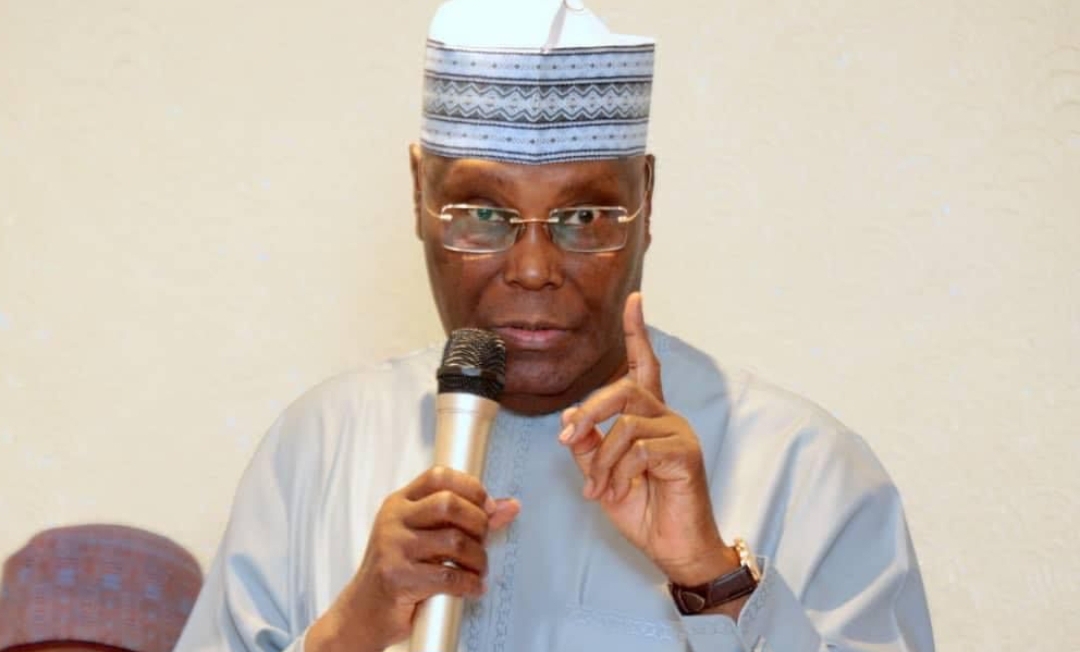
Former Vice President, Alhaji Atiku Abubakar, tackles President Bola Ahmed Tinubu over the hardships caused by the latter’s policies since assuming office as President in May 2023.

In a post on his verified social media handles, Atiku calls out Tinubu, calling the steps taken by his administration to contain the crises of currency fluctuation and poverty many people face in Nigeria “failures.”

The statement reads:

At a meeting called at his instance on Thursday to address the Foreign Exchange crisis and the problem of economic downturn, among others, Bola Tinubu failed, yet again, to showcase any concrete policy steps that his administration is taking to contain the crises of currency fluctuation and poverty that face the country.

Rather, he told the country and experts who have been offering ideas on how to resolve the crisis that he and his team should not be distracted and allowed time to continue cooking their cocktail that has brought untold hardship to the people of Nigeria.

I don’t agree with that.

The wrong policies of the Tinubu administration continue to cause untold pain and distress on the economy and the rest of us cannot keep quiet when, clearly, the government has demonstrated sufficient poverty of ideas to redeem the situation.

If the government will not hold on to their usual hubris, there are ways that the country can walk out of the current crisis.

After a careful assessment of the state of our economy at the twilights of the last administration, I knew full well that the economy of the country was heading for the ditch and came up with a number of policy prescriptions that would rescue the country from getting into the mess that we are currently in.

Those ideas, encapsulated in my policy document titled: My Covenant With Nigerians made the following prescriptions:

1. I had signed on to a commitment to reform the operation of the foreign exchange market. Specifically, there was a commitment to eliminate multiple exchange rate windows. The system only served to enrich opportunists, rent-seekers, middlemen, arbitrageurs, and fraudsters.

2. A fixed exchange rate system would be out of the question. First, it would not be in line with our philosophy of running an open, private sector friendly economy. Secondly, operating a successful fixed-exchange rate system would require sufficient FX reserves to defend the domestic currency at all times. But as is well known, Nigeria’s major challenge is the persistent FX illiquidity occasioned by limited foreign exchange inflows to the country. Without sufficient FX reserves, confidence in the Nigerian economy will remain low, and Naira will remain under pressure. The economy will have no firepower to support its currency. Besides, a fixed-exchange rate system is akin to running a subsidy regime!

3. On the other hand, given Nigeria’s underlying economic conditions, adopting a floating exchange rate system would be an overkill. We would have encouraged the Central Bank of Nigeria to adopt a gradualist approach to FX management. A managed-floating system would have been a preferred option. In simple terms, in such a system, the Naira may fluctuate daily, but the CBN will step in to control and stabilize its value. Such control will be exercised judiciously and responsibly, especially to curve speculative activities.

4. Why control, you may ask.

(i). Nigeria has insufficient, unstable, and precarious foreign reserves to support a free-floating rate regime. Nigeria’s reserves did not have enough foreign exchange that can be sold freely at fair market prices during crises.

(ii). Nigeria is not earning enough US$ from its sales of crude oil because its production of oil has been declining. And,

(iii). Nigeria is not attracting foreign investment in appreciable quantities.

These are enough reasons for Nigeria to seek to have a greater control of the market, at least in the short to medium term when convergence is expected to be achieved.

Tinubu’s new policy FX management policy was hurriedly put together without proper plans and consultations with stakeholders. The government failed to anticipate or downplayed the potential and real negative consequences of its actions.

The Government did not allow the CBN the independence to design and implement a sound FX Management Policy that would have dealt with such issues as increasing liquidity, curtailing/regulating demand, dealing with FX backlogs and rate convergence.

I firmly believe that if and when the Government is ready to open itself to sound counsels, as well as control internal bleedings occasioned by corruption and poorly negotiated foreign loans, the Nigerian economy would begin to find a footing again. – AA