Month: February 2024

CBN considers significant increase in minimum capital requirements for BDC operators

By Sabiu Abdullahi 

The Central Bank of Nigeria (CBN) is contemplating raising the minimum capital requirements for Bureau De Change (BDC) operators, with proposed figures set at N2 billion for Tier 1 licences and N500 million for Tier 2 licences.

This potential adjustment marks a substantial increase from the previous requirement of N35 million for a general licence. 

The proposed updates encompass a series of modifications to the regulatory framework governing BDC operations across the nation.

Once ratified, these revised guidelines will be implemented on a date determined by the CBN. 

Under the proposed Tier 1 classification, operators must maintain a minimum share capital of N2 billion and furnish a mandatory caution deposit of N200 million.

Furthermore, the application fee is set at N1 million, with an additional licence fee of N5 million. 

For Tier 2 operators, the proposed minimum share capital stands at N500 million, accompanied by a mandatory caution deposit of N50 million.

The application fee for Tier 2 operators is proposed at N250,000, while the licence fee amounts to N2 million. 

The CBN stated the importance of these revised minimum capital requirements in enhancing the stability and integrity of the BDC sector.

These measures are intended to strengthen the operational capacity of BDC operators, promote transparency, and mitigate risks associated with currency exchange activities. 

This prospective adjustment underscores the CBN’s commitment to fostering a robust regulatory environment conducive to the sustainable growth and development of Nigeria’s financial sector.

Gaza War: Might is Right

By Dr Raji Bello

I have no intention of aggravating anyone’s feelings over the war in Gaza. I also feel bad about it, even though I don’t write much on the subject. The main reason for this is that nothing surprises me about what is happening. I have completely anticipated what Israel would do as well as the reaction of the Western countries to Israel’s conduct. No UN vetoes or abstentions by the Western countries is a surprise or a shock to me. 

My interest in history and current affairs for over 40 years has taught me two uncomfortable truths, which I have written about a few times:

1. Might is right. Powerful civilisations, kingdoms or countries have always done as they wished and will continue to do so until the end. Most other countries would either accept or at least not confront what the powerful countries do.

2. Relations between human societies or countries have never been based on moral considerations and will never be. They have always, and will always be, based on interests. Morality only becomes a consideration when there are no compelling interests to pursue.

When these two truths have been understood, two conclusions can be made:

1. no level of horror of human suffering would make powerful countries stop pursuing their interests. This is why the US and the UK behave like they do at the UN.

2. While it is incumbent upon the less powerful countries to also pursue their interests, they should never get in the way of a powerful country’s pursuit of its interests. 

Human beings are not as mentally sophisticated as we might think. We are technically and materially advanced, but the ancient rules still apply. For less powerful countries to survive and flourish, tact is essential. They could get what they wanted through tact but would risk being crushed if they stood in the way of a powerful country. 

The only feasible way to take on a powerful country directly is by acquiring more power than them. Until a less powerful country acquires more power, its strategy should be tact, and tact only.

Haba Bauchi North Senator

By Mallam Musbahu Magayaki 

I write to draw the attention of the senator representing Bauchi North, Alh. Dr Sama’ila Dahuwa Kaila, about several lamentations over his leadership failures, coming from all angles in Bauchi North to the worst extent that the constituents in question have started giving up on your leadership. This is quite sad, I must say.

Almost everyone in Bauchi North has been confused, saying, “Is there any senator in Bauchi North?” Because nearly all the dividends of democracy are being brought to them by the members of the House of Assembly and the House of Representatives—their senator seems to have disappeared.

Sen. Sama’ila, we had high expectations before we voted you into power. Or could you tell us that it is too early to start judging you? If yes, why did your counterparts support their constituents with several programmes aimed at improving their living standards?

Meanwhile, your counterparts in Bauchi South and Bauchi Central, who, since you assumed office, have been empowering their constituents with skill acquisition materials and others with cash to start businesses of any kind,

One should remind you that Bauchi North needs your activities to sound very effective! However, the rate of people roaming the street without doing anything employable is alarming, as are the domestic terrorists, who are often framed as “yan sara-suka.” But having your supporting hands very extended to them will reduce their number in our midst, if not totally eradicated.

Sir, could you tell us that you don’t know the number of graduates Bauchi State produces yearly without having them employed by both state and federal government agencies? Kindly find the number; maybe you will instantly wake up from your chamber of slumber and start acting.

Since your swearing-in, nothing in the form of empowerment has been brought to Bauchi North by your name. Sadly, even with the palliative that was given by the Federal Government to the senators and House of Representatives members, you hoarded them and failed to distribute them to your constituents with all the starvation and economic hardship people experienced.

It’s time you woke up and lived up to your responsibilities. This is because you’re running out of time and don’t have time to waste.

Mallam Musbahu Magayaki writes from Sabon Fegi, Azare, Bauchi State.

Customs launches nationwide sale of seized food items

By Sabiu Abdullahi

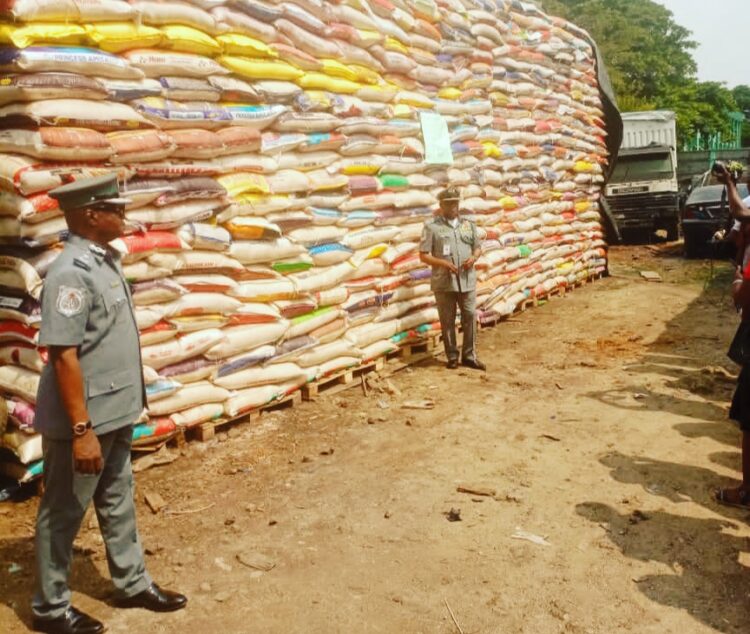
Nigeria Customs Service (NCS), in a bid to bolster food security and ensure accessibility to essential food items across the nation, has inaugurated a nationwide sale of seized items, with a bag of rice being auctioned at the price of N10,000. 

During a press briefing held yesterday in Lagos to inaugurate the sale of the food items, Comptroller-General of the NCS, Bashir Adeniyi, underscored the service’s unwavering commitment to safeguarding food security and facilitating the availability of crucial food commodities in the country. 

Adeniyi highlighted that the NCS had obtained government approval to distribute confiscated food items to deserving Nigerians at discounted rates.

The targeted beneficiaries include artisans, teachers, nurses, religious bodies, and other members of the populace. 

“In recent months, the government has been addressing the challenges confronting our economy, particularly the lingering effects of insecurity and prevailing exchange rate issues,” Adeniyi remarked. 

He expressed concern over the surge in the outflow of food items to neighboring countries, attributing this trend to the exacerbation of food security concerns.

Adeniyi noted that such practices strain Nigeria’s productive capacity and jeopardize its food security. 

The seized items up for sale comprise over 20,000 bags of assorted grains including rice, beans, maize, guinea corn, millet, and soya beans, alongside 2,500 cartons and 963 bags of dried fish.

Additionally, other items such as dried pepper, tomatoes, cooking oil, maggi, macaroni, salt, sugar, and garri are included in the sale. 

Adeniyi reiterated the NCS’s commitment to overseeing the supply chain diligently to prevent any misuse or diversion of the food items.

He assured that stringent guidelines and eligibility criteria have been implemented to ensure that the items are allocated solely to individuals in genuine need. 

The launch of this initiative signals the NCS’s proactive stance in addressing food security challenges and underscores its role in promoting the welfare of Nigerians amidst prevailing economic conditions.

Is there a silver bullet solution to Nigeria’s problems?

By Mukhtar Sani Yusuf

Nigeria grapples with a multitude of complex challenges that defy easy solutions. While there is no single panacea, I firmly believe that by addressing two crucial elements, the nation can transcend its current predicaments and ascend to greater heights.

The pivotal factors that can propel Nigeria toward progress are effective leadership and a collective shift in the attitudes of its citizens. It is imperative that we harmonize these two aspects to achieve the transformative outcomes we aspire to see.

One prevalent tendency is to attribute Nigeria’s woes solely to its leaders, given their authority and access to resources for nation-building, economic development, law enforcement, and governance. Regrettably, instances abound where leaders have misappropriated resources or allowed wrongdoers to evade accountability, further exacerbating our challenges.

However, it is imperative to recognize that even with competent leaders at the helm, the onus lies on us to cultivate a positive mindset that complements leadership efforts in nation building. While poor governance accounts for a significant portion of our struggles, the remaining share of responsibility rests on our collective attitudes toward various facets of society.

Consider this: whether you are a laborer, teacher, banker, or any other professional, are you genuinely fulfilling the expectations set by your employers or clients?

Acknowledging our fallibility as humans, it is crucial to introspect and ascertain whether the majority of our actions align with ethical standards. If not, we must acknowledge our role in perpetuating challenges and recognize that transformative change begins with personal responsibility.

When juxtaposed with developed nations, the disparity is not due to any inherent superiority but rather the dedication of their citizens to national progress. Rome was not built in a day; it required a relentless commitment and a patriotic work ethic from its inhabitants. Similarly, Nigeria holds immense potential, with its vast population and abundant resources, waiting to be harnessed for prosperity.

To witness the transformation we yearn for, each of us must instigate a change in attitude within our spheres of influence. We must combat corruption, reject impunity, uphold honesty, punctuality, and dedication in our endeavors, make informed electoral choices, and embody patriotism that prioritizes the national interest. Without these shifts in mindset, the utopia we envision for Nigeria remains elusive.

In essence, the solution to Nigeria’s challenges lies not in a singular solution but in the collective evolution of our attitudes. The nation’s reservoir of human capital and natural resources presents boundless opportunities for progress, awaiting judicious utilization.

May Nigeria and its people be blessed on this journey towards a brighter tomorrow, amin.

Mukhtar Sani Yusuf wrote from Kano.

Zamfara CP pledges to quell insurgency within 3 months

By Sabiu Abdullahi 

Amid mounting concerns over insurgency in Zamfara State, Commissioner of Police, Kolo Yusuf, has made a bold declaration to eradicate the menace within three months.

Speaking during a meeting with various stakeholders including organised labour unions, religious leaders, civil society organisations, and journalists, Yusuf outlined the government’s commitment to tackling insurgency head-on. 

In a bid to dissuade the proposed nationwide protest by the Nigerian Labour Congress and the Trade Union Congress scheduled for February 27 and 28, the Commissioner of Police highlighted the root cause of the unrest, attributing it to the removal of fuel subsidies by the administration.

He urged patience from the populace, noting that efforts were underway by both federal and state governments to address the underlying issues. 

Yusuf stressed the urgency of the situation, acknowledging the adverse impact of insurgency on the state’s economy and livelihoods.

He reiterated the government’s determination to restore peace and security, urging collective support from all sectors of society. 

However, amidst the call for restraint, tensions simmered as the Trade Union Congress expressed its determination to proceed with the planned protest, citing a lack of directive from its national leadership to suspend the action.

The local chairman of TUC, Saidu Mudi, affirmed their commitment to the cause, highlighting the need for a unified approach to addressing the prevailing socioeconomic challenges. 

As the dialogue between stakeholders continues, the fate of the proposed protest hangs in the balance, displaying the complex dynamics at play in Zamfara State’s quest for peace and stability.

With the assurance from the Commissioner of Police and the unwavering resolve of labour unions, the path forward remains uncertain yet fraught with hope for a resolution to the pressing issues facing the state.

Economy, education and the future of Nigerian students

By Abubakar Idris

From the beginning of February 2024, there has hardly been a Nigerian daily without a headline about the country’s economic hardship. For example, on Tuesday, 6th February 2024, Premium Times Nigeria reported a ‘protest over economic hardship in Minna – the capital city of Niger State’. Tribute Online, among other news agencies, also reported similar cases with traders in Kogi State and elsewhere. In such a precarious economic climate, no doubt, any additional financial strain is nothing short of a burden.

The cost of living in Nigeria is just too high. It is increasing as the country battles double-digit inflation and multidimensional poverty among most citizens and ranks with the highest unemployment rate. Whether the talk is about the ultra-expensive medication and foodstuff we couldn’t do without buying, or the non-subsidized petroleum and electricity products and services we must patronise, or any other inflated resources of necessity [take out luxury], it is clear that the income from work of an average Nigerian is not close to been enough to scale them out of Maslow’s first stage of Need Hierarchy! From Adamawa to Kebbi, Borno to Lagos, Katsina to Bayelsa, and Sokoto to Akwa Ibom, the distinction in our sociocultural variables exerts little difference on the state of suffering. Everywhere, the story is just the same.

By the look of things, the next generation of Nigerians, one hopes not, will be left with two very difficult options: either ‘not schooling’ or ‘getting education only outside their own country’. This assumption is based on the premise that education in this part of the world is at high speed on its way to its grave. At the same time, relevant stakeholders, especially the government, seem to be walking on a turtle’s back in their effort to reverse the disaster. 

As much as this line of thinking sounds pessimistic, it is the only reality one can grasp. In all honesty, any variation from this understanding is, or at least could be taken for, vague. This is because the conclusion is born out of an in-depth analysis of the current situation in which the country found itself.

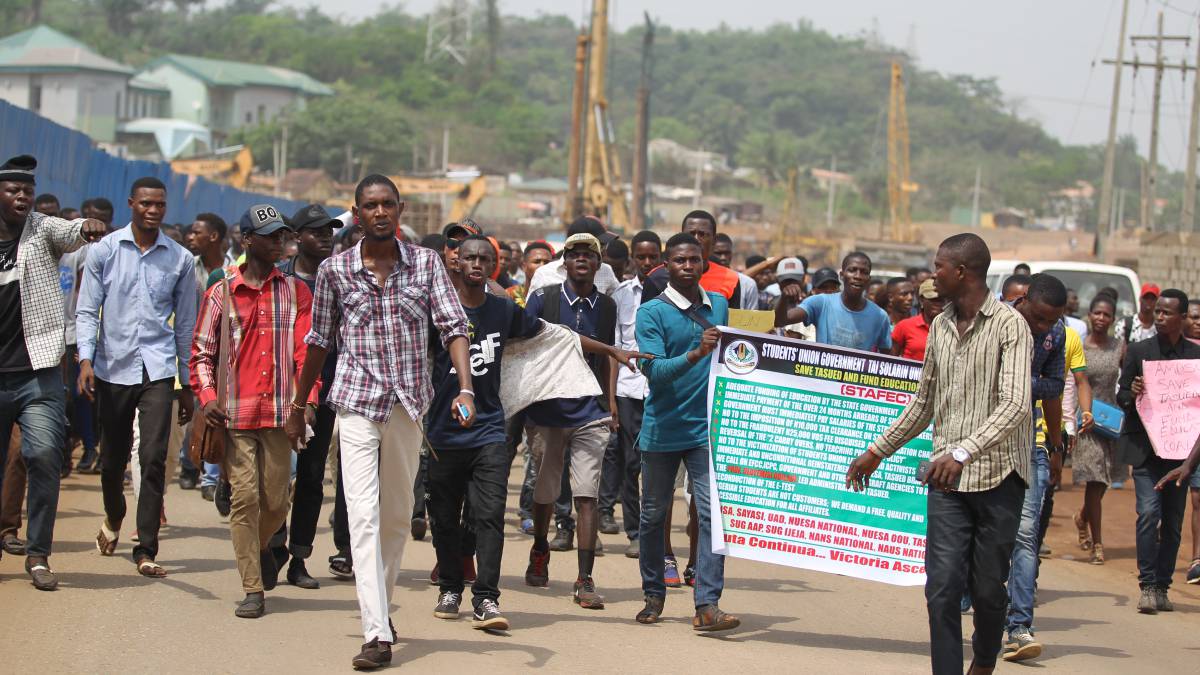
While the Senate summoned ‘economic team’ over the worsening economic situation, as was made known to the general public on Wednesday, 7th February 2024, Punch Newspaper quoted the National Association of Nigerian Students (NANS) as lamenting about “rising inflation and economic hardship” on the same day. It’s a talk about a for-long burning fire in the backyard. Namely, an increase in tuition fees in tertiary institutions. Calling it by its name, it’s a time bomb – one more wrong move and all the huts are burnt down! 

After all, this is not the first time the said students’ union has been crying over the worsening Nigerian condition, engaging the nation’s leadership, holding it accountable, and insisting on doing the right thing – particularly regarding their education. The students are too familiar with the terrain to help others navigate it. 

On different occasions since early last year, when universities started increasing their tuition fee by at least 200% in the University of Maiduguri and even up to 300% in Ambrose Alli University, Ekpoma, Edo State, NANS and other social activists such as Femi Falana (SAN) keep urging the federal government to reverse the hikes. All in vain! To date, only a few universities have not been affected by such increases. I have since saved my heart by refusing to learn about the number of students who dropped out because of the hikes.

Worth noting is that, for parents, education has always been a top priority. They sacrifice and scrimp to ensure their children receive the best possible education, often compromising and forgoing their own needs. However, the recent spike in school fees has turned this daunting task into an uphill battle. Education is supposed to be the great equaliser, offering every person a chance to succeed regardless of their background. However, this fundamental principle is being undermined by excessive school fees. Education is fast becoming a privilege reserved only for the affluent while the less fortunate struggle to keep up.

Four (4) months ago, nationwide research by the Leadership Newspaper showed a “concern that university education may soon be out of reach of the children of ordinary Nigerians [the concern of which] was prompted by the [hitherto] recent pronouncement by the minister of education, Professor Tahir Mamman, that the federal government will grant full financial autonomy to public universities.” Or, in simpler terms, the government will stop sponsoring the education entities.

Whatever the reasons the universities and government hold for the tuition fee increase, it needs no saying: the timing couldn’t be more inappropriate. At a time when parents are already stretched to their limits financially, the additional burden is pushing many families to the brink of financial ruin. Some parents are forced to make agonising decisions –between paying school fees or putting food on the table, between investing in their children’s future or simply making ends meet.

Moreover, experts believe that the impact of rising school fees extends far beyond the financial realm. It creates a sense of insecurity and uncertainty among students, affecting their ability to focus on their studies and excel academically. It also perpetuates inequality, widening the gap between the haves and the have-nots and depriving countless children of the opportunity to realise their full potential.

In light of these challenges, action must be taken to address the issue of rising school fees – with reversing the recent changes being the most important. Take the so-called ‘Students Loan Act’ out of the equation for a while; government interventions such as subsidies or financial assistance programs are urgently necessary to help alleviate the financial burden on parents and ensure that education remains accessible to all. 

Educational institutions also have a role to play by implementing transparent fee structures and exploring alternative funding sources. In case they become autonomous, let there be partnerships between them and the private sector.

Finally, stakeholders at all levels ought to prioritise education and take decisive steps to mitigate the impact of rising school fees. The country’s future depends on it, and we cannot afford to let financial barriers hinder our dreams and aspirations. It’s time to ensure that education remains a beacon of hope and opportunity for every Nigerian, regardless of economic circumstances. Until something is done, the protests witnessed in many institutions from the southern part of the country could translate to a security challenge that promises to consume a great pool of the nation’s young talents. Allah Ya kiyaye!

Abubakar Idris “Misau” is a graduate Forestry and Wildlife from University of Maiduguri. He writes from Yola, Nigeria, and can be reached via mail at abubakaridrismisau@gmail.com.

Nigerian Customs Service strengthens ties with Navy to combat smuggling 

By Sabiu Abdullahi 

The Comptroller General of Customs, Bashir Adewale Adeniyi, took a proactive step towards bolstering efforts against smuggling activities by forging a closer collaboration with the Nigerian Navy (NN).

In a recent courtesy visit to the Chief of Naval Staff, Vice Admiral Emmanuel Ogalla, the CGC indicated the importance of joint operations and intelligence-sharing between the Nigeria Customs Service (NCS) and the NN. 

During the visit on Tuesday, February 19, 2024, at the Nigerian Navy Headquarters in Abuja, CGC Adeniyi reaffirmed his commitment to enhancing the relationship between the two agencies to combat smuggling effectively across Nigerian waterways.

He stated the necessity of tapping into the Nigerian Navy’s expertise to bolster the capacity of Customs personnel serving within the Customs Marine Units. 

Highlighting the NCS’s possession of ocean-going and creek-going vessels, CGC Adeniyi disclosed plans to transport two ocean-going vessels to the Nigerian Navy Dockyard for maintenance, further noting the importance of intelligence-driven operations in combating smuggling activities. 

In response, Vice Admiral Emmanuel Ogalla expressed gratitude for the visit and reiterated the Nigerian Navy’s commitment to supporting Customs in enforcing laws against smuggling.

He pledged the availability of Navy training facilities to the NCS at no cost and affirmed the need for reciprocal collaboration to enhance maritime security effectively. 

Vice Admiral Ogalla also addressed the importance of collaboration with a specific unit of the Nigerian Navy tasked with clearing items imported by the agency to streamline operations and mitigate obstacles.

Additionally, he proposed the review of a five-year-old Harmonised Standard Operating Procedure (HSOP) for monitoring maritime crimes in light of current challenges. 

The meeting between the Comptroller General of Customs and the Chief of Naval Staff signifies a significant stride towards enhancing maritime security and combating smuggling along Nigeria’s coastal waters.

The commitment to mutual support and collaboration sets a promising precedent for future joint efforts aimed at safeguarding the nation’s territorial integrity and promoting economic prosperity.

Senate approves resolution urging continued electricity subsidy amidst hardship

By Sabiu Abdullahi 

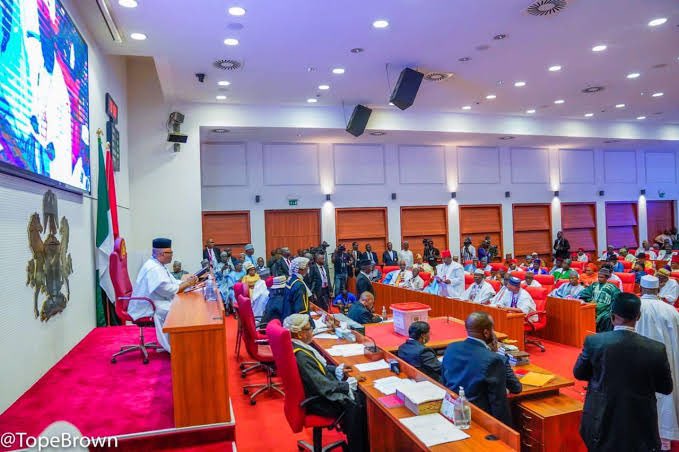
The Nigerian Senate has endorsed a resolution urging the federal government to continue with the electricity subsidy in light of the prevailing challenges confronting the nation.

This decision comes in response to the pressing concerns raised regarding the ongoing hardships experienced by citizens across the country. 

During a comprehensive deliberation at the plenary session, Senator Aminu Iya Abbas of the People’s Democratic Party (PDP), representing the Adamawa Central Zone, tabled a motion advocating for the continuation of the electricity subsidy.

The proposal garnered widespread support from fellow lawmakers, leading to its unanimous approval. 

Addressing the Senate, Senator Abbas reiterated the significance of prioritising the welfare of the populace amidst economic uncertainties and social challenges. 

The decision reflects a concerted effort by the Senate to address the concerns voiced by constituents and stakeholders regarding the affordability and accessibility of electricity, particularly during these turbulent times. 

By advocating for the continuation of the subsidy, lawmakers aim to alleviate the financial burden on households and mitigate the adverse impact of rising utility costs. 

In approving the resolution, the Senate reaffirmed its commitment to championing policies and initiatives aimed at safeguarding the interests and well-being of the Nigerian populace.

The collective endorsement of Senator Abbas’s motion underscores the bipartisan consensus on the imperative of sustaining vital support mechanisms to alleviate socioeconomic strains and promote inclusive development.

Sokoto H’Assembly moves to combat fraud, impersonation during issuance of indigene certificates

By Ukashatu Ibrahim Wakili

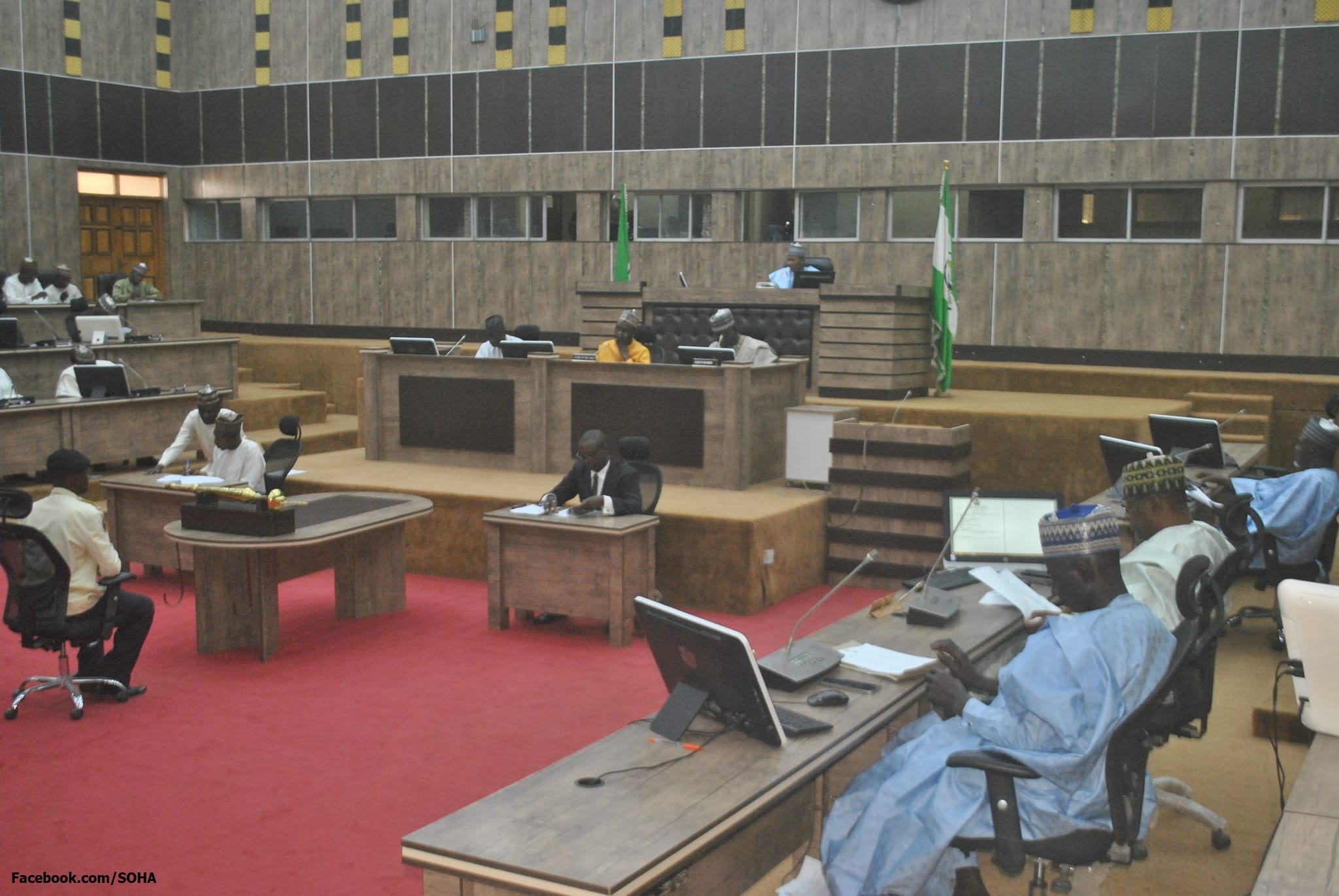
The Sokoto State House of Assembly has taken steps to strengthen government institutions and improve public trust by centralizing the issuance of indigene letters to people of Sokoto origin.

During Tuesday’s plenary, Hon. Nasiru Adamu, a member representing Goronyo Constituency, brought up the matter as an urgent public concern, which was seconded by Hon. Habibi Halilu Modachi, representing Isa Constituency.

Hon. Nasir Adamu explained that centralizing the issuance of indigene letters would have various benefits, such as ensuring that the issuance of these letters is based on consistent criteria and verification procedures. This move would minimize fraud and impersonation, among other issues.

The reckless issuance of indigene certificates to non-indigenous persons by some corrupt local government officials in the state, especially in the metropolitan areas, has been a source of concern for the citizens. This act prevents genuine indigenes from accessing opportunities allocated to the state.

The house presided over by Deputy Speaker, Hon. Kabir Ibrahim Kware, unanimously adopted the matter and directed the House Committee on Special Services and Security Matters to find ways to address the issues surrounding the issuance of indigene letters to the indigenes of the state.

The Committee was also directed to interface with the Federal Character Commission, Sokoto State Office, to address the issue of not employing state indigenes in Grade Levels 01–06.