Month: January 2024

Welcome to 2024 – the Digital Age!

By Ismaila Academician

People often frown at the content generated using AI. And I believe there is another set of people who copy and paste content generated by AI without any consideration or editing. Perhaps, the former group relies on the latter to pass their judgment. But I think both groups misuse and misunderstand the idea, they misuse AI and pass their opinions subjectively. Both fail to understand that AI is here not to do the actual work but to help us do it better.

Literally, intelligence refers to the capacity to understand principles, facts or meanings and apply it to practice. On the other hand, artificial implies something not natural to the human world, and not normal to certain principles or conditions. Put the two together you will have a complete clear picture of what AI is.

As a domain, Artificial Intelligence or AI, is a branch of computer science that aims to create machines capable of “thinking” and “acting” intelligently, much like humans. This could encompass various forms of intelligence, such as linguistic, biological and mathematical intelligence.

AI is a byproduct of human intelligence. It’s a human construct with limited and subjective experiences. It’s like a mirror reflecting our cognitive abilities. AI’s intelligence, designed to mimic our thought processes and actions, is a derivative of human intelligence. AI is currently available in various forms. The one we are most familiar with is ChatGPT. There are also thousands of machines in numerous industries doing remarkable jobs.

One of the key differences between AI and humans is predictability. AI is predictable as it operates based on pre-defined patterns subject to human manipulation. In contrast, we humans are unpredictable. We’re capable of creativity and spontaneity. We assume personality traits and express emotions. Human power is inimitable!

For instance, AI can recognise images of a cat but can never “feel or understand” what a cat is in reality because it doesn’t possess a mind of its own. AI can tell you the weather condition of your location, whether it’s cold, hot, sunny, hazy or raining without feeling any. It does not have feelings but can express them.

However, another striking difference between AI and humans is ‘Consciousness’. AI can neither assume nor replicate human consciousness. AI strictly operates based on algorithms designed by humans. The greater the data input the bigger the data output, and vice versa.
There’s a common misconception or fear that AI will replace us and render us jobless. But that’s far from the truth. AI was primarily created to complement our abilities. It’s a tool designed to help us do our jobs more efficiently and effectively, to enhance our skills, and to unearth and explore our hidden talents. AI is NOT here to do the work for us, but rather to teach us how to do the work faster, better and smarter.

Artificial Intelligence is not mere a trend. It’s a constant human companion like dogs and cats that will remain useful and loyal to humans as long as humanity stands. As we steadily navigate through the Digital Age, understanding AI is no longer a choice but a necessity. It’s crucial to know, learn and utilise the power of AI for productivity.

Sometimes, change can be difficult to cope with. But resisting change means missing out the opportunities that come along with it. Instead of viewing AI as a threat, we should embrace it as a tool for improvement, a lifelong companion that’s here to make our lives better.

Embrace AI, embrace the future!

Ismaila Academician can be reached via; 07034413534 or his email: ismailaacademician@gmail.com

Crowdfunding for ransom payment is a double-edged sword that cuts everyone but bandits

By Bello Hussein Adoto 

At last, the Al-Kadriyar family has raised the 60-million-naira ransom to free their loved ones. Asiya Adamu, a relative of the family and the de facto champion of the fundraising campaign, wrote on X, “The donation has been received. We’ve now officially put a stop to any crowdfunding concerning #Najeebahandhersisters.” 

The Al-Kadriyar family had a rude welcome into 2024 when armed men stormed their Bwari home on the night of January 2 to kidnap the father, Alhaji Mansoor Al-Kadriyar, his children, and a niece. A relative who went with the police to rescue the family was shot dead.

The father was released two days later to source for 60 million naira before January 12, or else his children would be killed. January 12 arrived, and what seemed to be a frighteningly regular occurrence snowballed into a national sensation when the kidnappers killed Al-Kadriyar Nabeeha, one of the girls in captivity. The killing incensed the nation and brought greater attention to the fundraising campaign for the ransom. 

Hours later, former Minister of Communications and Digital Economy, Prof. Isa Pantami, announced on X, via his verified handle, that he “spoke with a friend and a brother who offered to pay the remaining 50 million Naira of the 60m immediately.” 

The minister’s announcement is a relief to the troubled family. But for the crowdfunding campaign and the eventual contribution of the minister’s friend, the family would have needed at least 151 years to raise the 60-million-naira ransom if they were on the national minimum wage. However, the family’s crowdfunding success is a loss for everyone but the bandits. 

Kidnapping for ransom has become a lucrative business for bandits, terrorists, and other strains of daredevils in Nigeria. A report by Voice of America shows that kidnappers demand between 1,000 to 5,000 dollars, depending on their evaluation of the victims.

SBM Intelligence, a Lagos-based risk analysis firm, reported that Nigerians paid about 18.3 million dollars or 13.7 billion naira in ransom between June 2011 and March 2020. Some victims paid as low as 4,000 naira. The largest was 190 million. 

The latest data from SBM Intelligence, released in August 2023, showed that the kidnappers are still cashing out from the business. They kidnapped more than 3,600 people in Nigeria between July 2022 and June 2023, and demanded about five billion naira in ransom. The outcome was a 302 million naira ransom. 

Most of these payments came out of pocket. Some families of the victims had to sell their properties. A young man in Ilorin sold his car to pay ransom after his two daughters were kidnapped in 2022. Isyaka Labaran, a veterinary drugs seller in Kwali, Abuja, had to sell his three-bedroom apartment to fund his release after he was kidnapped in September 2023. 

But these pockets are running dry, and many families don’t have more to sell. The 2022 Multidimensional Poverty Index (MPI) survey by the National Bureau of Statistics (NBS) showed that more than 133 million Nigerians, 63% of the population, are multidimensionally poor, with low income and lack access to basic amenities. These are some of the people bandits compel to pay millions in ransom. Where will they get the money from? 

That Nigerians are turning to crowdfunding for ransom shows the helplessness of the situation. Late last year, parents of the 11 remaining Yauri schoolgirls started a crowdfunding campaign for the 100 million naira bandits demanded to release the students. The students had been in captivity for 19 months. The campaign started after government interventions and negotiations failed to secure their release. 

This helplessness has further encouraged a collection of savages to kidnap and maim at will, funded by the millions of ransoms hapless victims pay, and the casual complicity of the government for not providing enough deterrence.

We can debate the morality of contributing to a ransom and arming bandits to wreak even more havoc, shatter more dreams, and take more lives, or calling their bluff at the risk of losing more lives to their cold, indifferent hands, but to what end? 

Al-Kadriyar family had little option than to pay the ransom. One of their daughters had been killed; more lives were at stake. The risk of flouting the federal government’s criminalisation of ransom payment and the chilling prospect of funding terrorism was not going to be enough to deter them, especially when the government has not been able to deter kidnappers. 

Meanwhile, bandits are raking in billions. In 2023, the Nigerian Financial Intelligence Unit (NFIU) reported that two self-appointed negotiators facilitated two billion naira transactions for bandits between November 2021 and August 2022. Most of these monies were paid by the families of the kidnapped victims. 

The monies, according to the NFIU, are often used to “purchase the terrorists’ weapons and motorcycles, logistics, and further their terrorist campaign/recruitment of new members.”

Armed with hundreds of millions of naira from ransom, the bandits have graduated from attacking villagers and herders to hijacking cars on the highways, abducting children from schools, and attacking homes, trains, civilians, and security operatives. What they will do with the tens of millions they will get now from crowdfunded ransom is anybody’s guess.

The fiasco of the rampant kidnapping, the crowdfunding campaigns it inspired, and the brazen savagery of the bandits are a sad indictment of our government and a call for them to do more to secure fellow Nigerians and win citizen confidence. No amount of criminalisation or moral judgements will disincentivise families from paying ransoms or crowdfunding for it. 

For the victims and their families, the pain of captivity is raw, the threat of a repeat experience is haunting, and the horrors of the old are ever-present. They may never find closure. 

The rest of us are now wary of being the next victims of better-funded bandits with more weapons, members, and greater reach. The government is struggling to contain the crisis. 

And the bandits, basking in the success of their most recent propaganda and incoming million, lick their lips: there is more to come.

Bello Hussein writes from the University of Ilorin via bellohussein210@gmail.com.

NCS, marine ministry collaborate to enhance maritime efficiency for port advancements

By Sabiu Abdullahi

The Ministry of Marine and Blue Economy and the Nigeria Customs Service orchestrated a strategic meeting on Monday, January 15, 2024. 

This is contained in a joint statement signed by the spokesperson of the Nigeria Customs Service, Abdullahi Maiwadah, and Ismail OmipidanMedia Aide to Honorable Minister, Marine, and Blue Economy on Monday.

According to the statement, key figures present included Hon. Minister of Marine and Blue Economy, Gboyega Oyetola; Hon. Minister of Transportation, Senator Said Ahmed Alkali; Comptroller General of Customs, Bashir Adewale Adeniyi MFR; and a virtual attendee, Managing Director of the Nigerian Railway Corporation (NRC), Fidet Okhiria. 

The focal point of this consequential gathering was to devise and implement initiatives fostering cooperation, trade facilitation, and operational efficiency within Nigerian seaports. 

The statement partly reads, “The primary thrust of this collaborative venture was to deliberate and actualize initiatives that would not only open up ports but also foster seamless cooperation and trade and facilitation. A key focal point of discussion was the strategic integration of the Non-Intrusive Inspection Technology (NIIT) to bolster operational efficiency in Nigerian Seaports.

“Acknowledging the pivotal role of NIIT in actively decongesting ports, the meeting entrusted the Comptroller General of Customs with the mandate to champion and prioritize cargo scanning over traditional physical examination methods.

“Immediate action was endorsed to rectify and optimize all existing scanners at prominent ports such as Apapa, Tincan Island, Onne, and PTML. Simultaneously, the existing mobile scanners will be strategically deployed to facilitate expeditious cargo inspections.”

The statement added that in a cohesive effort, the meeting mandated the Comptroller General of Customs to prioritise cargo scanning over traditional physical examinations, recognising the pivotal role of NIIT in decongesting ports.

Plans were unveiled for efficient container evacuation from Port Harcourt to Aba, with future extensions envisioned for Onne Port. 

Considering rail track construction, the NRC agreed to bypass the fixed scanner at Apapa, ensuring unhindered scanning processes during crucial infrastructure development.

The meeting also advocated exploring public-private partnerships for scanning technology installation and maintenance to sustain efficiency and foster innovation in cargo inspection processes.

Of Abba’s triumphant welcome and court’s escape from embarrassment

By Mansur Hassan, PhD.

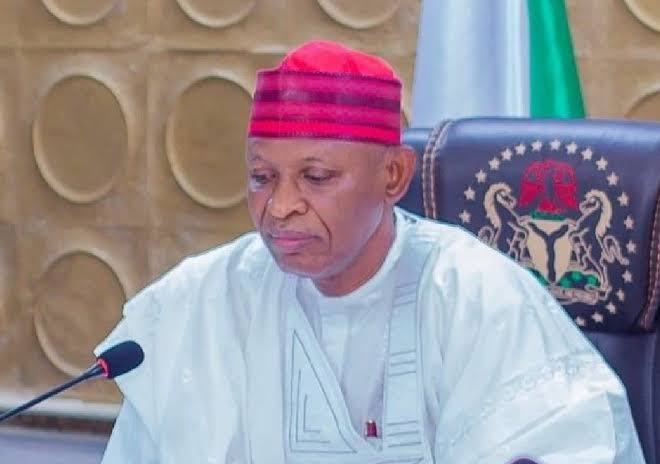
The executive governor of Kano state, His Excellency Abba Kabir Yusuf, made a triumphant return to Kano in grand style after the Supreme Court affirmed his position as the duly elected governor.

The air in Kano was filled with excitement as millions of residents gathered yesterday to welcome their leader to the commercial city centre.

His Excellency embarked on the journey from Kaduna at 9 am, and despite the approximately 13-hour journey, he arrived at Filin Mahaha Kofar Na’isa in Kano state by 10 pm. The extensive duration was attributed to the massive crowds that lined the streets, eager to catch a glimpse of their beloved governor.

The overwhelming love demonstrated by the people of Kano towards Governor Abba Kabir Yusuf serves as a powerful testament to the justice upheld by the Supreme Court. This judicial affirmation not only solidifies democracy but also underscores the importance of respecting the choices made by the masses.

Notably, President Bola Ahmad Tinubu hailed Governor Abba Kabir Yusuf as a hero, acknowledging his steadfastness and reaction during the previous judgements of the tribunal and the Court of Appeal. The governor’s resilience in the face of challenges has earned him widespread admiration.

As Governor Abba Kabir Yusuf begins his tenure, we express our heartfelt wishes for a successful term and the continued implementation of pro-masses policies that uplift the welfare of the people of Kano state.

In extending our wishes, we also hope for good health and wisdom for Senator Dr. Rabi’u Musa Kwankwaso, the grand commander of the Kwankwasiyya movement. May his guidance contribute to the betterment of the state and the nation as a whole.

Dr. Mansur Hassan is a Senior Lecturer in the Department of Mathematics, Yusuf Maitama Sule University Kano

X-Raying the physical and mental effects of bullying

By Maimuna Katuka Aliyu

I find it difficult to believe that the majority of those reading this piece right now do not know what bullying is all about. Bullying, as a matter of fact, is a common phenomenon among us now. Being bullied is both heartbreaking and miserable for those targeted.

But many adults, unless they too have been bullied, have a hard time understanding just how much kids can suffer from being bullied. They fail to realize that the consequences of bullying are significant and can have a lasting impact on one’s mental and physical health.

According to the National Institute of Child Health and Human Development (NICHD), bullying has a lifelong impact on the social and emotional development of children, which puts them at risk for everything, from severe mental health issues to stunted professional growth later in life.
Bullying is the use of force, coercion, hurtful teasing or threat to abuse to aggressively dominate or intimidate an individual. The behaviour is often repeated and habitual.

In Nigeria, this mostly occurs in boarding schools among seniors who take advantage of their timid and weak juniors, thereby forcing them to do their bidding, such as washing clothes and assignments, cleaning their rooms, collecting their food, and punishing and beating them as they wish.

According to NICHD, children who are involved in bullying experiences (on either side of the situation) are at an increased risk of developing issues in both mental and physical health aspects. Bullying can have physical, social and emotional effects, too.

The physical effects of bullying include:
– Stress response
– Headaches
– Muscle pain
– Digestive upset
– Weight changes, etc.

Those who are bullied are at increased risk for mental health problems such as:
– Depression and anxiety
– Low self-esteem and personal drive
– Trouble focusing and falling grades
– Behavioral problems
– Social and relationship issues
– Substance abuse later in life
– Dropping out of school
– Self-harming behaviours, etc.

Bullying can also affect other children who witness the acts, even if they aren’t directly involved. While it may seem obvious that those who are bullied have a higher risk of developing developmental issues, what’s less obvious is that bullying also affects the on-lookers.

Bullying brings negative effects to everyone who witnesses the act by way of creating what feels like an unsafe environment. It can make children feel as though they are helpless, planting a deep seed of insecurity and disdain for their classroom (and classmates) as a whole.

It also makes kids feel as though they can’t be protected by those they trust (teachers, aides, parents, etc.), which can lead to withdrawal and a failure to thrive. Research shows that bullying and harassment can cause adult symptoms of post-traumatic stress disorder (PTSD).

In fact, one study examining mental health in college students found experiencing bullying to be the strongest predictor of developing PTSD symptoms.

Oftentimes, it is withdrawal that is the first and most obvious sign that bullying is taking place, apart from actually seeing the incident in person.

Over time, if the bullying continues, those who witness it will likely begin to show other signs such as attention issues, fear of participating in normal activities, acting out or other behavioural problems such as vandalism or destroying toys or objects. Because kids rarely tell an adult when they experience bullying, it’s important that parents, teachers, and other caregivers are aware of the warning signs.

For instance, kids may hint that they are being bullied by saying there is drama at school, that kids are messing with them, or that they have no friends. These are all signs that they are experiencing bullying. If your kids confess to being a target, tell them you are proud of them for having the courage to talk about it.

This reinforces that you value having an open dialogue about issues they’re facing. It’s also important that you believe what your kids tell you and that you make a commitment to work with them to find solutions. While it can be difficult, try to keep your emotions in check. Instead, remain calm and work with your child to make a plan.

When kids feel as if they have options, they are less likely to be overwhelmed with negative feelings. In addition, efforts to advocate on behalf of victims will not be effective unless people truly comprehend how painful and traumatic bullying can be.

Kids who are regularly targeted by bullies often suffer both emotionally and socially. Not only do they find it hard to make friends, but they also struggle to maintain healthy friendships. Part of this struggle is directly related to low self-esteem.

A lack of self-esteem is a direct result of the mean and hurtful things that other kids say about them. When kids are continuously called “fat” or “losers,” they begin to believe these things are true. Many times, kids feel like they need to accept occasional bullying in order to belong. As a result, they will succumb to peer pressure and accept bullying as a way to maintain their social standing.

Kids who are victimized often yearn for acceptance from the very people who are bullying them. In order to remain part of the group, they may tolerate fake friendships and mean behaviour, especially if the person bullying them has a higher social standing than they do.

In fact, research shows that 50% of students between the ages of 12 and 18 who have been bullied report that the bully had more social influence. In addition, 31% indicated that they had more money. Bullying victims also tend to experience a wide range of emotions. They may feel angry, bitter, vulnerable, helpless, frustrated, lonely, and isolated from their peers.

Consequently, they may skip classes and resort to drugs and alcohol to numb their pain. If bullying is ongoing, they may develop depression and even contemplate suicide. Aside from the bumps and bruises that occur during physical bullying, there are additional physical costs. For instance, bullied kids often experience anxiety. This stress on their bodies also will result in a variety of health issues, including being sick more often and suffering from ulcers and other conditions caused by persistent anxiety.

Bullied kids also may complain of stomachaches and headaches. The bullying they experience may aggravate other pre-existing conditions like eczema. Skin conditions, stomach issues, and heart conditions that are aggravated by stress all worsen when a child is being bullied.

Kids who are bullied often suffer academically, too. Bullied kids struggle to focus on their schoolwork. In fact, slipping grades is one of the first signs that a child is being bullied. Kids also may be so preoccupied by bullying that they forget about assignments or have difficulty paying attention in class.

Additionally, bullied kids may skip school or classes in order to avoid being bullied. This practice results in falling grades. When grades begin to drop, this adds to the stress levels the bullied child is already experiencing. A study conducted by the University of Virginia showed that kids who attend a school with a severe climate of bullying often have lower scores on standardized tests.

When a child is bullied, it is not uncommon for the parents and siblings to also be affected. Parents often experience a wide range of consequences, including feeling powerless to fix the situation. They also may feel alone and isolated. And they may even become obsessed with the situation, often at the expense of their own health and well-being. It also is not uncommon for parents to feel a sense of failure when their child is bullied.

Not only do they feel like they failed to protect the child from bullying, but they also may question their parenting abilities. They may even worry that they somehow missed the signs of bullying or that they did not do enough to bully-proof their child along the way. The truth is that no one can predict who bullies will target.

Parents can do everything right and still find out that their child is being bullied. As a result, they should never feel responsible for the choices a bully makes. Instead, they should place the blame where it belongs and focus on helping their child heal from bullying.

Research shows that bullying has a lot of effects which last well into adulthood. In fact, one study found that the consequences of being bullied by peers may have a greater impact on mental health in adulthood than originally thought. Remember, the experiences that people have while they are children help mould them into the adults that they later become. So it is not surprising that the effects of bullying linger well into adulthood.

However, having a counsellor help your child with the recovery process may speed things along. If you were bullied as a child and are still experiencing the side effects, the first step toward recovery from childhood bullying is acknowledging what happened to you. Do not dismiss what happened to you or minimize the severity.

Be truthful with yourself about the pain you experienced. You also need to make healing a priority. Take time to take care of yourself and consider talking with a counsellor about your experience. A counsellor can help you make sense of your feelings and move past the negative experience of bullying. He also can help you reframe your thinking and reclaim control over your life.

While it may be painful to think about the bullying you experienced as a kid, if it is still impacting your everyday life and the way you view yourself, then it is best to face the issue head-on. Once you have come to terms with what you experienced and changed the way you view yourself and others, you will be on your way to recovery.

Conclusively, bullying prevention has been put in the spotlight in recent years and has gained momentum in educational facilities across most countries or worldly. Many schools and childcare providers now implement some variation of an anti-bullying policy, which has had a major impact on developing minds everywhere.

Most anti-bullying policies include tips such as keeping a watchful eye, utilizing activities that encourage kids to speak up about their experiences and keeping an open line of communication with youngsters to ensure they are comfortable with sharing any unwanted behaviours by others. It is time bullying in whatever form is stopped in Nigeria. One hopes that the government, school management and society at large will do something to tackle the vicious malaise.

Maimuna Katuka Aliyu is an executive intern with PRNigeria in Abuja, Nigeria.
Governor Adeleke should open a dance school – MURIC 

By Abdurrahman Muhammad

An Islamic human rights organisation, the Muslim Rights Concern (MURIC), has advised Governor Ademola Adeleke of Osun State to open a dance school. The group said such an institution would be the governor’s legacy in the state.

The advice was given in a statement issued on Monday, 15th January 2024, by the group’s Executive Director, Professor Ishaq Akintola.

He said:

“The governor of Osun State, Ademola Adeleke, has become popular with his dancing skills. He shows off his skill at every given opportunity, at public functions and official sittings. It is one thing that he takes great joy in doing.

“We admit that even his opponents admire his skill while his supporters are thrilled by his dancing. One can never have a dull moment with Governor Adeleke around. He does it with passion and takes great pride in it. Such skill should not be allowed to waste away.

“It is for this reason we would like to suggest to the governor to bequeath his skill to the youth of Osun State by opening a dance school. In the alternative, the governor can inject powerful doses of government investment into the arts department of the Osun State University with a special bias for dancing.

“Such investment may catapult the state’s tourism and entertainment to the highest pedestal among other states of the federation. It will also increase its internally generated revenue (IGR). This is one way Osun can make the best of the present situation. Adeleke has a potential legacy already.”

Criminal hideout raided, cult leader killed in Rivers police operation

By Uzair Adam Imam

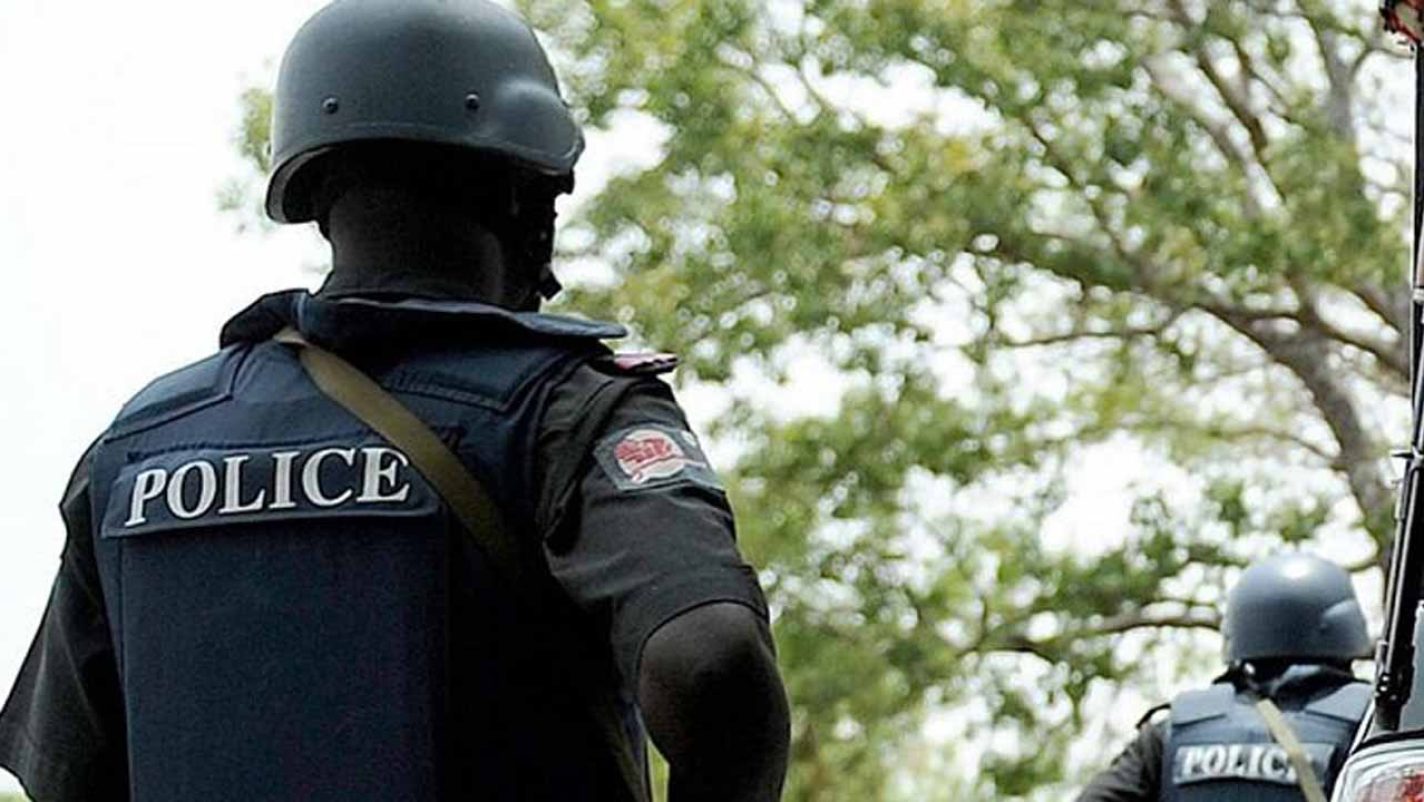
In Port Harcourt, the Rivers State Police Command has successfully raided a criminal hideout in Oderereke community, Ahoada-West Local Government Area, leading to the death of a notorious cultist and armed robber named Silas Oderereke.

The suspect, who had been on the police’s wanted list for four years, was taken down during a crossfire as he resisted arrest.

Superintendent of Police Grace Iringe-Koko, the Police Public Relations Officer, revealed that the police operatives encountered armed resistance from the criminals upon entering the den in Oderereke community.

The exchange of gunfire resulted in the death of Oderereke, known as ‘General,’ while two other suspects sustained injuries, and two managed to escape.

Oderereke, the leader of the Greenlanders’ cult group in the Ubie clan of Ahoada West, was notorious for various criminal activities, including armed robbery, land grabbing, unauthorized sales of buildings, and violent attacks on those opposing his gang.

The criminals were involved in terrorizing the community, seizing land, vandalizing property, and engaging in robbery and kidnapping.

The police received information about the gang’s robbery operation on January 11, 2024, prompting a swift response to chase the criminals out of town.

However, Oderereke and his gang retaliated by attacking a community-owned tank farm, aiming to loot its contents.

In the ensuing shootout, Oderereke and an accomplice were neutralized, while others sustained injuries.Among the seized items were a G3 rifle, nineteen 7.62x51mm ammunition, and various weapons and military camouflage.

Superintendent Iringe-Koko commended the officers for their exceptional work, and Commissioner of Police Olatunji Disu warned cultists in the state to renounce their criminal activities or face the full weight of the law.

PR New Dawn: Dr Neliaku’s 120-day game-changer for practitioners

By Tanimu Ibrahim Gambo

In the dynamic realm of public relations, leadership acumen plays a pivotal role in shaping the trajectory of professional institutions. Dr. Ike Neliaku, FNIPR, assumed the presidency of the Nigerian Institute of Public Relations (NIPR) on 24th August 2023 with his “New Dawn” vision that has materialised into transformative accomplishments within the first 120 days of his tenure.

In the space of 120 days, Dr Neliaku has hit the ground running by spearheading the seamless automation and integration of payment systems between state chapters and the national Secretariat. This not only streamlines financial transactions but also fosters greater efficiency in the Institute’s operations.

A significant milestone being pursued and which is on the verge of realisation under his leadership is the successful inclusion of the public relations cadre in both federal and state civil services. The process is at an advanced stage following the nod it received at the National Council on Establishment’s meeting, which was held in Bauchi, Bauchi State, between 11th and 13th December 2023. This achievement underscores the Institute’s commitment to elevating the standing of public relations professionals within the broader public sector.

Embracing the digital age, NIPR, under the guidance of Dr. Neliaku, is actively engaged in a comprehensive Digital Transformation Project. This initiative encompasses the digitisation of general information, the creation of a membership portal, an education portal, a dedicated NIPR app, and the provision of electronic training certificates and badges.

In a bid to amplify its reach, NIPR is set to unveil new online handles, ensuring a robust and real-time presence across digital platforms. This strategic move aligns with contemporary communication trends, enhancing the Institute’s visibility and engagement.

The Institute’s Governing Council, which Dr. Neliaku chairs, is driving the development of the NIPR Finishing School Project. This initiative aims to establish a dynamic, accessible, and smart training facility, providing members with creative opportunities to enhance their professional capacities.

Looking ahead, NIPR is poised to hold the 2024 Annual General Meeting and Conference in April at Abeokuta, Ogun State. This event promises to be a convergence of practitioners across the Nigerian states, ministries and industry leaders, fostering networking and knowledge exchange.

The Institute, under Dr. Neliaku’s leadership, is gearing up for the grand celebration of its Golden Jubilee between March and May 2024. This milestone not only commemorates the Institute’s rich history but also signifies its enduring commitment to advancing public relations scholarship and practice in Nigeria.

In just 120 days, Dr. Ike Neliaku has laid a robust foundation for the NIPR’s continued growth and relevance. His strategic initiatives are not only shaping the present landscape but also positioning the Institute as a trailblazer in the evolving field of public relations in Nigeria. As NIPR marches confidently towards its Golden Jubilee, the achievements under Dr. Neliaku’s presidency exemplify a commitment to excellence and innovation in the realm of public relations in Nigeria.

Tanimu Ibrahim Gambo is the Secretary of the NIPR Bauchi State Chapter.

No political maneuvering: APC clarifies supreme court decision on Kano governorship

By Uzair Adam Imam 

The All Progressives Congress (APC) has refuted speculations suggesting a deliberate concession of the governorship seat in Kano State. 

The party emphasized that the recent Supreme Court ruling was a matter of law, strictly decided by esteemed justices, and not part of any orchestrated plan to avert post-adjudication violence. 

Nze Chidi Duru, the Deputy National Organising Secretary of the APC, stated this in an interview with journalists on Sunday. 

He stated that while the party would have preferred to secure victory in Kano, it respects and abides by the decisions of the courts.  

He highlighted the importance of the judiciary’s role in the legal process, acknowledging the tiered system that includes trial courts, the Court of Appeal, and the Supreme Court. 

Duru explained, “Law is what it is. Law is based on law and then on facts.”  He also commended the judiciary for its impartiality and its ability to interpret the law independently, providing confidence to political actors that electoral disputes can be resolved through a fair and square legal process. 

The Deputy National Organising Secretary stated the significance of reaching out to the electorate and presenting manifestos to win elections, reinforcing the importance of an independent judiciary in upholding justice for all parties involved.

Curbing career choice struggles in teenagers

By Munirah Ibrahim Yusuf

Growing up as a teenager, one of the most challenging questions you could ask me was the almighty… “What do you want to be in the future”? I dabbled from one self-proclaimed pretty “Science course” to another for years…

All I knew was that it had to be a course in the Science field. First, it was ophthalmology, then pharmacy, and even estate management. Who am I kidding? It was a crisis.

It felt worse when I got to SS1 and saw the other options I could have had in different fields, like art and commercials. I was good in their subjects too.

I couldn’t quite understand why I chose to go to the Science Field. I couldn’t find why I decided to go there, so I held on to the fact that Allah was in control and had led me to pick it with good faith.

Years later, one morning….it hit me like a revelation. I suddenly knew why I never went to art or commercial class. It was because “THEY WERE NEVER AN OPTION”.

A certain teacher we looked up to had categorically told us things that created the impression. For example, whoever was blessed with anything close to an IQ had nothing to do with anything other than in the science field. And, like, that’s where the money is….And, like, that’s where great people and great professions belong….blah blah blah. 

Who wouldn’t want to be Great, tho? I subconsciously ruled out other fields. I still remember when we were asked to pick classes after JSS3. I knew I wanted to choose “Science” but didn’t want anything too deep in science (medical science) because of all the blood and flesh business. 

I had settled to write down courses I thought wouldn’t have too much messy work (blood, wounds), and Opthalmology was what I went with (LOL again, who am I kidding?)

Secretly, many people still regret the paths they chose in their education. Family, friends or society influenced some of us,and now we have discovered what we want for ourselves.

Let’s think about it; I don’t know about you, but in my area, kids around ages 12-14 are already in JSS 3, where they get to choose fields. Is a child that young capable of knowing what’s best for them? It’s screaming NO. The schools differ, ranging from private or government-owned, but most I’ve seen make them choose a field after JSS3.

I heard about a principal who would make the JSS3 finalists come to school during the long break after their Junior NECO exams. He would then teach them art, sciences, technical and commercial subjects and finish with some exams.

This system gave the students a little insight into what they would be dealing with when they got to Senior class and helped them make better choices regarding the subjects they found more intriguing and good Counselling. Great, don’t you think? May Allah bless his soul. Either way, no one seems to do that anymore, and we have to move on.

As a teacher or an educator whom kids look up to and adhere to with all beliefs, you should be careful with the kind of information you give kids.

Courses might be ranked, but the individual is responsible for how much utility they can produce using it. Every course is important. If not, it would not be a cause to study. (P.S.: We will talk about the effect of our country on education some other day).

As a parent or caregiver, it is important to practice mindful parenting and carry out routine checks with your kids to understand their choices and lifestyle and make sure they choose the best for themselves.

Many of us had that ‘follow follow’ stage that comes with growing up. And then you snap! And you reach the point where you have to take a step back, assess the situation and realise that this is not who you want to be.

Then, we live our lives trying to find ourselves with ever-changing wants and needs. Many of us are past that now, but you might know a kid or two going through these struggles. It is easy to recognise these stages when they talk and be on the lookout for help.

Let us give them better than we had.

Munirah Ibrahim Yusuf can be reached via ibrahimnurah99@gmail.com