Month: October 2023

NCRRD aims to improve reading culture in Nigeria

By Muhammad Aliyu Gombe

The Centre for Reading, Research and Development (NCRRD) Bayero University Kano, Nigeria, has organized its Fourth National Conference on the promotion of reading culture among students and researchers. The event which took place at Ɗangote Business School, New Site, (BUK) was a 5 day even which included a Pre-Conference Workshop which aims at sensitizing the participants on the new methods of improving teaching especially from the basic level. The theme of the conference reads ‘Children’s Books and The Teaching of Early Grade Reading in Nigeria.’

The Director of the Centre Professor Talatu Musa Garba, during her speech, says that, as part of the mandate, of the Centre, it “had instituted the annual conference in 2019 to provide a platform for teachers, researchers and other educationists to share ideas on the best practices for the promotion of teaching of reading in Nigeria.” The Director, together with the Vice Chancellor of the University, Professor Sagir Adamu Abbas, commissioned the Centre’s resource room which is named Rebecca Rhodes Resource Room. The room has a modest collection of books and e-resources. It is open to researchers, teachers and students as a reference library.

It has been noted by various participants during the occasion that reading culture is past dying not only in Nigeria but across the globe. There is a huge need to revive it through practical methodologies which will guarantee and assist young readers to be taken right from the tender age.

Some of the participants, especially students and other invited guests, showed their appreciation and happiness with these gigantic efforts which the center is putting to revive reading culture in Nigeria.

Arsenal end eight-year drought after thrashing Manchester City 1-0

By Sabiu Abdullahi 

Arsenal emerged victorious in a historic match against reigning champions Manchester City, ending their eight-year wait for a Premier League win over the Citizens.

The decisive moment came in the dying minutes of the game when Gabriel Martinelli’s shot, deflected off City defender Nathan Ake, found the back of the net, securing a dramatic 1-0 win for the Gunners. 

This long-awaited triumph sparked wild celebrations among Arsenal fans, marking a moment of sweet redemption after enduring 12 successive league defeats against Pep Guardiola’s men.

Arsenal’s victory, coming just four minutes from the final whistle, lifted them two points above third-placed City into second position, trailing behind leaders Tottenham on goals scored. 

This win holds significant weight for Arsenal, as it signifies their first top-flight success against the treble winners since December 2015.

Although Arsenal had previously defeated City in the Community Shield in August, this victory holds greater importance, positioning them as serious contenders in the title race. 

Manchester City, on the other hand, faced their second consecutive league defeat following their 2-1 loss against Wolves the previous weekend.

Coupled with a League Cup defeat against Newcastle, City have suffered three defeats in their last four games, raising concerns about their form and stability.

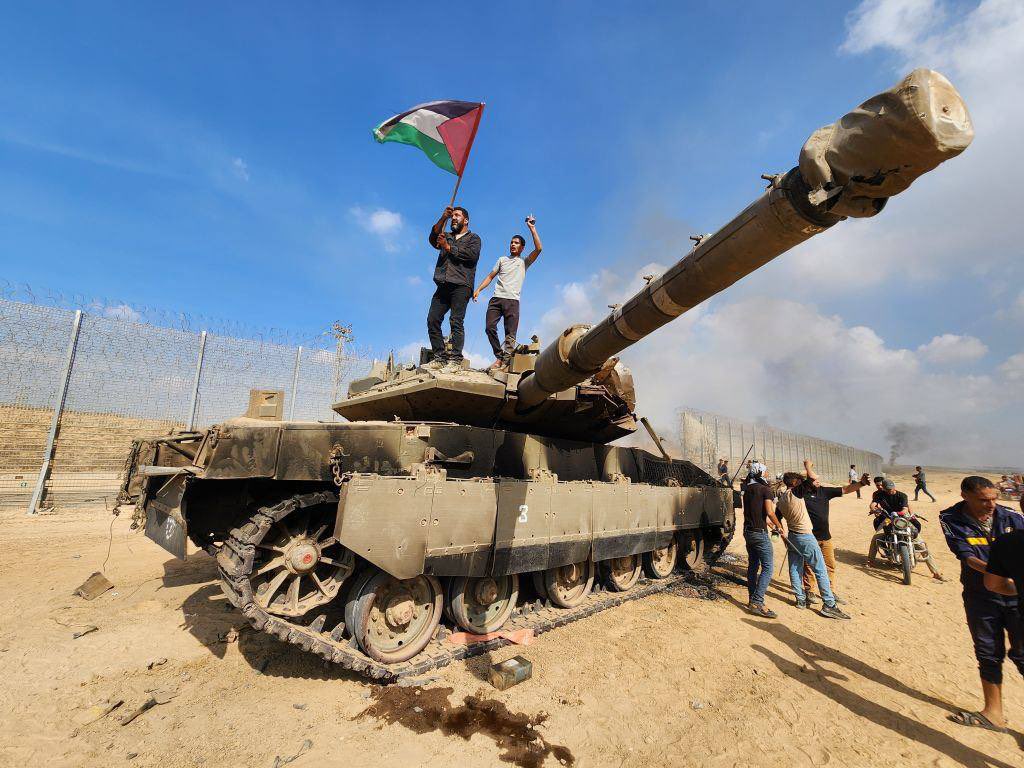
Hamas did not start this war, Israel did

By Ismail Obansa Nimah

Theodor Herzl must be restless in his tomb for what is happening in Palestine. He must have forgotten to remember that even though he succeeded in creating Zionism to champion his vision for a Jewish state in the heart of Palestine, the territory he uprooted people from and where he currently rests was never really his. In it were millions of good-hearted people, living a beautiful life in their homes, farms, families, freedom, peace and prosperity. Until all they had was brutally taken away by the entity Herzl created, the state of Israel.

The Jewish homeland chanted by Herzl since the first worldwide Jewish conference in 1897 and seen by thousands of Jews as their God-given right and as “a land with no people for a people without land”, is for the first time since its creation up in an unprecedented amount of flames.

The West championed the Balfour Declaration after the First World War. It gave the territory of Palestine to a foreign occupation to establish the apartheid state of Israel in total injustice and disregard for the basic human rights of the indigenous people of Palestine.

After the Balfour Declaration,  the Zionist movement gained momentum and confidence. Jews worldwide, particularly in Europe, began to migrate and seek refuge in Palestine. The Palestinians welcomed and gave refuge to the Jews escaping persecution, particularly during the second world war and the Holocaust by Nazi Germany. But to the Palestinian’s dismay, their kind gestures were met with a very painful backstabbing.

 Following the Second World War, the Israeli Declaration of Independence, formally the Declaration of the Establishment of the State of Israel, was proclaimed on 14 May 1948. That declaration triggered resistance from the Palestinian and neighbouring Arab states. It questioned how people’s lands and homes could be stolen from them that easily.

The resistance led to the first armed confrontation between Palestinians and the newly founded state of Israel, together with their allies, resulting in the 1948 Nakbah, which not only saw  78% of Mandatory Palestine become illegally occupied by Israel but also saw the expulsion and flight of 700,000 Palestinians, the subsequent depopulation and destruction of over 500 Palestinian village and geographic erasure, the denial of the Palestinian right of return, the creation of permanent Palestinian refugees in their lands, and the “tyrannical destruction of the Palestinian society, all of which has continued till date.

The events of 1948 uncovered fierce resistance across occupied Palestinian territories and other Muslim nations—one that gave birth to the likes of Hamas, Hezbollah, and the Palestinian resistance fighters.

Since 1948, Israel has continued expanding its occupation and settlements in the Palestinian Territories. It thrashed the two-state solution and violated almost every international law in its systemic oppression, tyranny and ethnic cleansing of the Palestinians. It has carried out numerous indiscriminate attacks and killings of innocent Palestinians. The apartheid regime in Israel has illegally demolished thousands of Palestinian homes, destroyed heritages, desecrated religious sanctuaries, particularly Al-Aqsa Mosque, murdered countless unarmed civilians, including numerous children, women and the elderly and denied Palestinians basic human rights, including their freedom.

At the heart of the Palestinian resistance is the Gaza Strip (the headquarters of Hamas), which has endured decades of Israeli terror, bombardments and siege. The Gaza Strip is a densely populated area with a land, sea and air blockade by Israel since 2007. It is basically a prison.  Israel has carried out countless inhumane, unprovoked attacks across the strip, with the most deadly being in 2014 and the most recent occurring just five months ago. On average this year, 2 Palestinians have been killed daily by Israel across its occupied territories.

The hypocrisy of the Western powers fuelling the Israeli regime for decades has allowed successive generations of Palestinians to take bold and brave initiatives, like what is currently unfolding, to defend and resist the Israeli apartheid occupation. And it appears that the more fight they put to resist, the better they get at it. One may ask, what makes the Palestinians so different from the Ukrainians?

 With the seeming cowardice stance of the Arab Nations in their pursuit of a normalisation agenda at the expense of the Palestinians, it became increasingly clear that if the Palestinians would achieve anything at all, then they would either have to fight bravely and indeed as they currently are or die trying but retaining their honour and dignity with them.

This recent attack has sent a clear message to the world that if peace and stability must be achieved, then attention must be paid to the oppressed and not the oppressor. A man who has already lost so much would not mind throwing all that is left to defend his honour and dignity. The Palestinians have been stretched too thin, and they, more than anyone, have all the right to defend themselves in this war that the creation of Israel started.

Ismail Obansa Nimah wrote via nimah013@gmail.com.

NEMA warns against imminent flooding in Nigeria

By Ahmad Deedat Zakari 

The National Emergency Management Agency (NEMA) has warned Nigerians to prepare for flooding in the country. 

The Director-General, NEMA, Mustapha Habib Ahmed, disclosed this at the National Emergency Coordination Forum Meeting in Abuja on Saturday. 

The agency disclosed that 13 states might be affected by the scheduled release of waters from Lagdo Dam in the Republic of Cameroon. 

The agency has also disclosed that over 28 people have been killed, 48,168 individuals displaced, and 159,157 persons affected by flooding in Nigeria this year. 

Ahmed further stated that there has been an upsurge of water along the flood plains of the River Benue, which he said will greatly affect states like Adamawa, Benue, Taraba, Kogi, Delta, Edo, Anambra, Enugu, Edo, Delta, Rivers, Nasarawa, and Bayelsa. 

He added that there has been a sudden increased inundation of riparian communities and farmlands along the banks of River Niger in Adamawa, Taraba and Benue states in the past 48 hours. 

Ahmed further stated that the agency has directed the activation of all emergency response units to be ready for any emergencies as the flooding will be increasing as the days go by. 

“As a result of the unfolding situation, I want to use this opportunity to alert authorities of State and Local Governments along rivers Niger and Benue basin areas to immediately activate their emergency response plans to avert potential damage and losses that will arise due to inundation of communities by flood waters,” he added.

An urgent plea for improved power infrastructure

By Mukhtar Jarmajo 

It is a tragic reality that Nigeria has been plagued by the incessant collapse of its national grid for the past few years. The nation has never been capable of generating, transmitting, and distributing sufficient electricity to its vast population. Daily life in Nigeria is synonymous with power outages, leaving citizens in perpetual darkness. The country’s electricity infrastructure is not only old but woefully inadequate to meet the needs of its growing population. This dire situation calls for immediate action from relevant authorities.

For years, Nigeria has been grappling with its power crisis. The nation’s outdated and insufficient infrastructure has failed to keep up with the times and the growing population, perpetuating the ongoing power outages. This has led to frustrated citizens and even more frustrated businesses. With the current state of the economy, power outages only worsen matters. The sector’s neglect and waning attention have only contributed to landing Nigeria in an unenviable situation.

The impact of Nigeria’s power crisis has been felt in every sector. It has taken a toll on schools, which cannot provide the quality of education necessary for the future generation. The constant blackouts also put lives in danger in hospitals as equipment fails and medical procedures abruptly halt. Businesses and industries are hit worst, struggling to remain productive amidst the darkness. Countless jobs are lost each year because of this lack of reliable infrastructure.

It is high time the authorities take these vital issues seriously and collaborate to develop solutions for the ailing power infrastructure. There needs to be a concerted effort towards investing in modern and efficient technologies, rehabilitating existing power plants, and improving power transmission and distribution systems. The current situation only highlights the pressing need for diversification in the sector, with greater emphasis on alternative and renewable energy sources.

The government must adopt pragmatic policies that attract investment in the power sector and provide incentives for clean energy solutions. It is a long-term solution that should not be underestimated and goes beyond serving the immediate needs of citizens but ensures the country’s future development.

Nigeria has the potential to generate power from a wide range of sources, including solar and wind power. Investing in these sources of energy promises considerable benefits for the nation in the long term. Efforts to tap into these sources must be expedited, and plans must be established to incorporate them into the existing power infrastructure.

Nigeria’s power crisis must be resolved today rather than tomorrow. The authorities must act urgently and focus on implementing long-term solutions that address Nigeria’s power needs. Efficient technologies and infrastructures should be prioritised to usher Nigeria into an electrified future. Only then will the country be able to realise its full potential and offer a brighter future for its people.

Jarmajo writes from Wuse Zone 2, Abuja. 

Reminiscence: My 21-day experience at the NYSC orientation camp

By Muhammad Muzzammil Bashir

She is a tall, plump, fair lady from the South. For the sake of privacy, let us call her Joy. She looked at me from head to toe and hissed, saying, “You should by now be in level 100 or 200.” I smiled uncomfortably. She added, “In fact, you’re supposed to be writing JAMB by now.” I asked her why. She replied, “You are too small to be in camp.” I managed to smile again and asked her how old she was. With a sheer, larger-than-life composure fully materialising on her face, she answered, “I’m so-and-so-year-old.” I humbly replied with my age number, and it became clear to us that I was two years older than her. She was full of apologies instantly. And guess what transpired after? We became friends.

It never occurred to me to write about my life on the camp until a day before our passing out when I was lying on my bed reflecting on the experiences I had had on camp. I wanted to write this piece immediately after we were out of camp, but many things took my attention elsewhere. I pray this piece may inspire those yet to enter the camp to open up their minds and embrace the life they are about to find inside the camp, as well as the general public to keep an open mind whenever they find themselves in a strange environment.

The National Youth Service Corps (NYSC) is a one-year mandatory service that Nigerian graduates under 30 must undergo to teach unity and discipline. I had the opportunity to camp in Kano State in Batch B, Stream I. The camp opened on the 12th of July and closed on the 1st of August. It’s located in the Kusala Dam area of Karaye local government. The camp is bounded by the dam to the west and an army barracks to the north. The east border is where the local communities are settled, and the camp’s main entrance is at the south border. I read and heard a variety of suggestions from people who had camp experience on when I should set my travel to report to the camp on either the first day or on the second or third day, with some even suggesting one week after opening the camp while backing the benefits of their claims.

I weighed the options based on what I wanted to experience and achieve during camp. I chose to schedule my travel to reach camp on the first day. I got to the camp on Wednesday, July 12th, around 11 a.m. The first thing I noticed from the gate where our luggage was being checked before we moved on to the registration process was how the NYSC officials and the security personnel treated the corps members (CM). We were treated cheerfully with dignity and respect. After completing my registration, I moved to my hostel while others were going through the same process I went through. At around 3:45 p.m., the soldiers—instructors—asked us to go and wear our white shorts and T-shirts, the dress we were to spend our 21-day stay on camp wearing except on ceremonial occasions.

Among the first things you will hear from the NYSC officials at camp is that you do not own your time. The camp officials acknowledged it. They are the ones who tell you what to do at what time. You have to abide by it if you want to finish your orientation course in peace; otherwise, you will be decamped or punished depending on the severity of your misconduct. At around 4:05 p.m., they started blowing the bugle, a valveless sound instrument that serves as an alarm system in the military or paramilitary barracks. All the CMs that were able to finish their registration were marched to the parade ground, where we started receiving training on the basics of the match pass from the instructors after the usual welcome pleasantries. We were not released until 6:30 p.m., leaving most of us tired and stressed. After the Maghrib prayer at around 8 p.m., we went to the kitchen to collect our dinner. We were told there were no other activities for that day since it was our first day at camp. We, the Muslims, went to pray the Isha prayer and joined the rest at the mammy market to buy some items and other consumables for some of us who could not cope with the camp food. By 9:00 p.m., most of us had retired to the comfort of our beds to relax our bodies from the weariness of travel and parade activities so that we would have enough sleep and make tomorrow upbeat.

We sometimes hear many things about camp life before we enter camp. One such is that soldiers wake you up from sleep as early as 3:00 a.m. On our first night at the hostel, around 3:00 a.m., most guys were awake, fully kitted out in their whites, awaiting the bugle sound. The guy in my corner tried to wake me up at that time. I refused and told him we still had enough time to sleep because I had already checked it on the orientation guidebook given to us. I managed to cope with the noise and continued my sleep until 4:10 a.m., when I set my alarm before sleeping.

Alas, the sound of the mighty bugle came at around 4:45 a.m. By then, I was fully set to go out. The Muslims went to the mosque to do our Subh prayer, and the Christians went to the parade ground to observe their morning prayers. We joined them on the floor for morning meditation. The camp officials and instructors were there. Man O’War was there too. The camp PRO is in charge of moderating most of the events on base. She is a lady of average height, chubby, and black in complexion. She came to the front, took the mic, and greeted us, and we greeted her back. She then introduced the staffers, gave some instructions that would guide our peaceful stay on camp, and told us the schedule of activities for that day. She taught us the NYSC anthem and the national prayer (second stanza).

The first two to three days on camp are the most stressful for most coppers. We were subjected to only physical exercises and rehearsals for the swearing-in ceremony for those three days. The ceremony was scheduled to take place on Friday. So we started rehearsing on Wednesday afternoon of our first day of arrival. We were stressed out doing drills on the parade ground for most of the second day; even on the ceremony day, we did a final rehearsal in the morning before we were allowed to go and dressed up in our khaki trousers, crested vest, and jungle boots. The ceremony started at around 1100 hours after the arrival of the deputy governor of Kano State. After all the pleasantries and salutary parade went off, we were sworn in by the representative of the chief judge of Kano State.

From then on, the deputy governor gave his speech in English and Hausa and declared the orientation exercise open. We were then allowed to move around, socialise, and take pictures for memorabilia after the deputy governor was escorted back to his motorcade by the quarter guards and the NYSC officials. While on the parade ground during the ceremony, the sky started to go cloudy, giving all signs to start raining; we were forewarned that we were not allowed to move anywhere if it began to rain whenever we were on the parade ground, and more in particular during the ceremony in the presence of the special guest. Fortunately, in the first place, the rain started dropping lightly and stopped abruptly within a few minutes.

One of the core missions of the NYSC is to foster unity among Nigerian youths. This is achieved at camp through social activities and competitions between the different platoons; this brings harmony, gives a sense of belonging to the CM, and keeps their stay at camp from being boring. On this note, the NYSC orientation exercise, as some of us thought, is not entirely about drills during the three weeks. There are a lot of activities that are organised for the CM. Among them are sensitisation lecture series from various government and non-governmental organisations, skills acquisition and entrepreneurship development (SAED) training, sports activities, cultural carnivals, social nights (where competition from drama to cultural and afro dances is observed), and cooking competitions, among others. After our swearing, the real camp life started, and we began to enjoy our stay there, with every day becoming increasingly impressive. Most camp friendships and love relationships form during this period and some even end in marriage. I made many friends, notably from the south and most from the north. From my short stay at camp, I cannot quantify the experience I gained, mainly from the coppers and some from the camp officials and non-camp officials (many market people). I had difficulty with the instructors’ (soldiers) language of instruction during the drills. They mostly give instructions in Pidgin English, and most of us from the North don’t understand it. I supposed they would use English, not vernacular, as a language of instruction since we are all graduates and should be treated as such.

One thing in common that most of my mentors have been advising me on is to seek leadership positions wherever I find myself. This will give me ample opportunities to gain leadership experience, build networking opportunities, and know how things are going in their grand scheme. This conviction led me to seek leadership positions and volunteer activities during my stay at camp. Everything in camp, from the level of the officials to the nonofficials and copper strata, is designed to have leadership roles. CM are each assigned to 10 different platoons by a computer algorithm. I found myself in Platoon 4. Each platoon is expected to have leaders who will coordinate its activities.

Leaders are mostly chosen through election or consensus by platoon members under the supervision of a platoon officer—an NYSC official. Hence, I had the opportunity to contest for the role of platoon leader. Two of us challenged: me and my colleague, Whinny. He was elected. Since we were both males who contested, an offer was thrown to the ladies for the position of deputy. Hence, I volunteered to take on the position of platoon secretary. Again, almost all the social activities have representatives from each platoon, mainly two people from each platoon. From social reps to sports reps, lecture reps, OBS (orientation broadcasting service) reps, parade commanders and their sub-guard commanders, and man o’ war, among others. These representative positions are primarily based on volunteerism and some on proficiency.

Upon all the rep’s volunteers during the process of selection, it never occurred to me to volunteer for anyone but lecture reps. I did that based on gut feelings; I instantly felt the urge to volunteer when it was announced. We were 20 lecture reps in number, two from each platoon. NYSC officials head the committee. Our main role is to come early in the morning, arrange the hall while morning meditation is going on at the parade ground, and help coordinate lecture activities. Also, six of us volunteered to take on the role of repertoires—the role of taking down key points of the lectures while they’re going on, typing them, and sharing them in our respective platoon WhatsApp groups for the sake of CM that were not around or not able to listen to the lectures attentively. This proved to be one of the two most demanding roles I had. It requires me to give my absolute attention to the lectures going on and, at the same time, take down important points. It deprives me of the informal opportunity to take a 2-3 minute nap that CM usually enjoy by cunningly dropping their facecap a little down to cover their eyes and escape being noticed by the officials during the lecture time. But the experience I had was worth the sacrifices. I met one of the most amazing people on camp on the committee. There is one of my Facebook friends, Abdoull Toro, whom I had never met face-to-face until in that committee. Surprisingly, we did not recognise each other until several days after we met in the committee during a normal chat we used to have while carrying out our assignment.

The other role that was so demanding was when I took on the position of Governor of Financial Inclusion Ambassadors with Chinecherem as my deputy, a very calm, intelligent young lady. This was during a 6-day training of financial inclusion ambassadors under the Federal Ministry of Youth and Sports Development in collaboration with NYSC and other sister federal agencies. The training aim is to train us with adequate knowledge to raise awareness of the knowledge and skills needed to manage individual, household, and business finances effectively, to build confidence in using financial products and services, and to strengthen participation in the formal financial sector in the community we are serving. This will serve as our CDS (community development service) during our service year, one of the four cardinal programs of NYSC; others include camp orientation, serving at the place of primary assignment, and winding up or passing out.

This training was one of the most insightful moments of my stay at camp. I found myself amid ambassadors who are majority holders of degrees in accounting, banking and finance, economics, and business administration, with me, a holder of a human anatomy degree, as their leader. The training session was mainly interactive and lively, to the point that time used to escape our notice. I met great people there who taught me many things about financial literacy and inclusion, especially our training instructor from the ministry, Mrs. Ruth Hussein, who was very accommodating and compassionate to us.

Even though holding a leadership position necessitates responsibilities, it usually comes with sacrifices. Among the camp activities I dearly missed were my drills. Members of our lecture committee do not usually attend morning meditations and parades. This left me only free to participate in afternoon parades when sports and rehearsals for parade competitions started. I was in first place among the competing parade CM. Then, out of the blue, financial inclusion training came, making me weigh my options. I chose financial inclusion based on personal convictions and other reasons. This caused me to be dropped from the parade group of my platoon because of my absenteeism. The six days of the training were the most stressful of my stay at camp. I will be in the hall from 5 a.m. until 7:30 a.m. in the morning for hall arrangements and morning lectures.

Then, I will return to the hall after breakfast from 9 a.m. until 2 p.m. for another lecture series while doing the repertoire work. By 2:30 pm, after taking my launch, I will move to the training class to be there before anyone else as a leader to arrange the class and provide everything that we may require for its smooth running. We will not leave there until 5:30 p.m. when I will have a chance to go and watch football and volleyball marches. Between the periods of Magrib and Isha prayers, that is where I mostly used to have time for chats with my roommates and other friends. Immediately after Isha’s prayer, I will move to the hall and locate a place, mainly in the front row, for social nights. I slept most days from around 11 p.m. to 4:30 a.m.; this enabled me to compensate for the siesta I was supposed to have in the afternoon and relieve my stress during the day.

While navigating the hilly valley camp life, trying to carry out all the responsibilities on my shoulders, as a human being with a desire for knowledge and life ambition, I have to make sure I create time for extracurricular activities that keep me spiritually active and intellectually creative. Under normal circumstances, even when I was in school, when it was time for semester exams, what I normally did first thing in the morning after Fajr prayer was my recitation of the glorious Qur’an before embarking on any other activity.

Camp life comes with different scenarios, and I don’t have the liberty to own my time for the time being. Despite that, I found time to recite 1-2 hizb daily throughout my camp stay. This enlightened my heart and gave me a sense of connection with my Creator. Even though all these were going on, as an avid reader of books, spending 1 or 2 days without reading makes me feel like a part of my body is missing, which I must find and place back to feel complete. I managed to read one book in camp—the book that we were reading at The Literati Book Club that month. This at least gave me a sense that I’m still moving on the right path towards my life purpose.

Apart from the experience I gained from the leadership positions I held and the volunteerism in which I engaged myself, I was given favours from the officials I interacted with and some from friends and colleagues during my stay at camp. Since before my graduation from the university, I have had the ambition to serve in Kano due to its ample opportunities, particularly in the commerce sector. My ambition later changed to Lagos, which I dropped for some reasons. Our call-up letter was not uploaded to the portal until a day before the commencement of camp in the afternoon.

I was so happy when I saw I was posted to Kano State, the state I desired. I had nothing better to do than thank the almighty God. Under normal circumstances, CM seeks to relocate to their desired state for health issues, marriage, or personal reasons. Some CMs follow the lawful means to get approval for their relocation if they meet the criteria. While some follow unlawful means, resulting in many of them falling prey to scammers. My engagement with officials gave me the privilege to relocate wherever I wanted. But what I wish to do is Kano. I was privileged to choose where I should be posted for my primary assignment. I did not have anywhere in mind. My response was always anywhere that is pretty good.

My 21-day stay at the NYSC orientation camp is momentous, with bundles of experience, knowledge, and networks I will continue to cherish.

Muhammad Muzzammil Bashir wrote via mbashir199@yahoo.com.

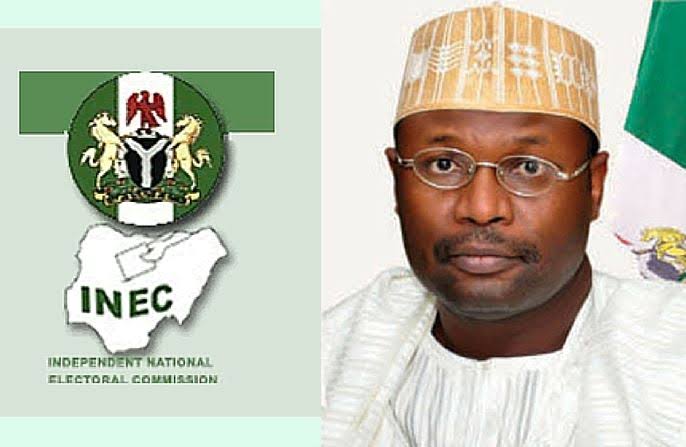
INEC refutes withdrawing from Kano governorship election petition case

The Independent National Electoral Commission (INEC) has issued a statement to clarify recent confusion regarding its involvement in the Kano State Governorship election petition case.

Reports suggesting INEC’s withdrawal from the appeal process were based on an unauthorised letter, which has since been retracted. 

In an official announcement, Sam Olumekun, National Commissioner and Chairman of the Information and Voter Education Committee, noted that the letter in question was not authorised and does not reflect INEC’s stance.

He reassured the public and stakeholders that the INEC has not withdrawn from the case or abandoned the appeal.

When INEC is involved in a legal matter, the Commission is bound to respond appropriately, and this commitment remains steadfast. 

Olumekun reaffirmed INEC’s dedication to upholding the law and ensuring justice prevails.

He stated that the Commission has instructed its legal representatives to proceed with the case in accordance with established policies, which remain unchanged.

Jubilation as Kaduna police arrest 10 suspected kidnappers, seize firearms

By Sabiu Abdullahi 

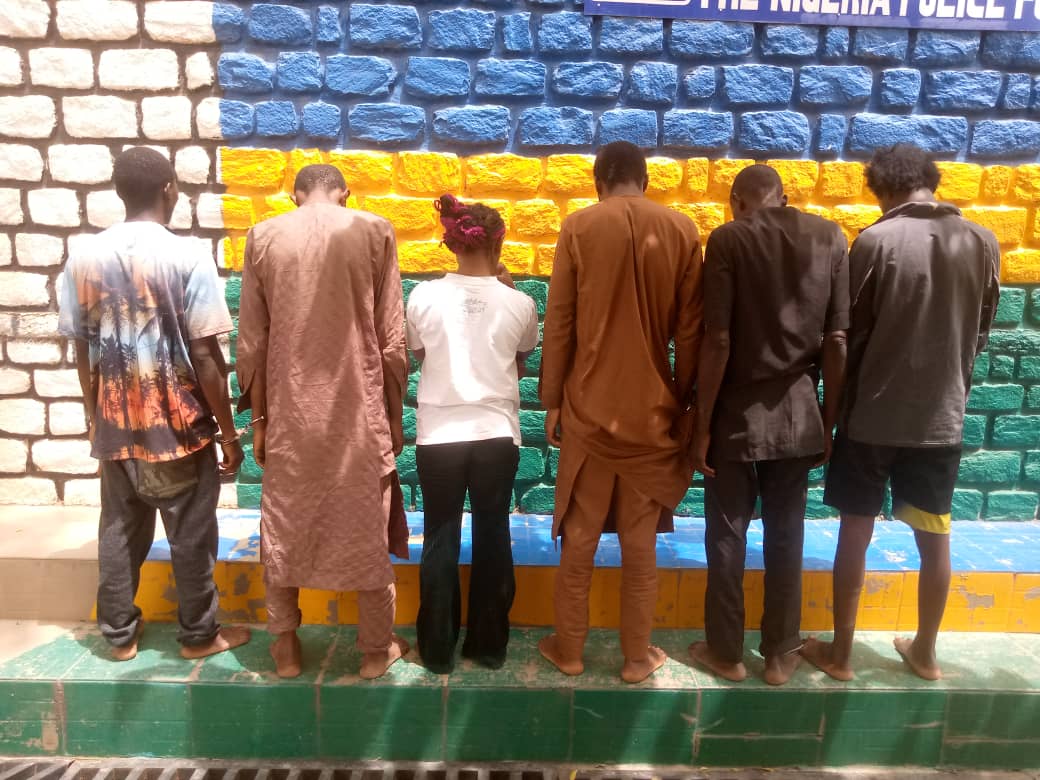
The Kaduna State Police Command arrested 10 suspected kidnappers between September and October 3, 2023.

Acting on credible intelligence, the police recovered three AK47 rifles, three fabricated 10-round revolvers, 448 rounds of live ammunition, and a cache of 15 rounds. A vehicle linked to the suspects was also seized. 

The suspects are currently being interrogated and will face legal consequences after investigations.

Police Commissioner Musa Garba commended the officers for their dedication and warned criminals to steer clear of the state.

This operation underscores the police force’s commitment to ensuring safety and security in Kaduna State.

Get good connection and communication skills for career development

By Abba Ado

Excellent connection and communication skills are significant to success, particularly in this modern world. No matter how hard you work, how smart you are, or how talented you are, you’re less likely to become successful if you don’t have good and efficient skills in communication and connecting with other people.

To stand out against your counterparts in leadership, business, or any organisation, you must effectively cooperate with people.  Undoubtedly, you can’t be smarter than everybody, and even if you are smart enough, you can never be smarter than people who connect themselves, share ideas, and come up with sufficient solutions.

The major barriers to success are the lack of ability to connect with desired people. Many people have a repressed brainiac capability, but they remain stagnant due to the absence of an effective connection. According to the definition coined by John C. Maxwell,” Connection is the ability to identify with people and relate to them in a way that increases your influence with them”.

Connection and communication are crucial to having good leadership; for you to be constructive in your leadership role, you must have excellent communication with your coworkers. The power of connecting with others cannot be emphasised; the starting point of gaining connection skills is to keep aside your biases, such as religious, cultural or ethnic differences. Connecting with people is key to success regardless of your goals.

It is good to know you can’t do everything alone; your smartness and hard work are not enough to lift you to where you want to be. You must engage with society who share the same ideology to influence each other,” if smart A connects with smart B, they arrived at having double ideas instead of one”. Several studies have shown that high achievers listen to others, consider others, and interestingly solicit ideas from those who are inferior.

In his book titled “Everyone Communicates Few Connect”, John C. Maxwell classified different ways of connecting at every level, such as:

Connecting One-on-One is the most important aspect of connection; at this level, you must know other people’s matters, listen to them attentively, and share your values with their ideas; in the end, you will gain common valuable information.

The second way is Connecting In A Group; at this level, recognise every person’s potency, acknowledge it, and be open to new ideas, especially their potential. 

The third is Connecting With An Audience: in this case, you need to convey your appreciation to the audience, do something exceptional for them, and inform them how much you enjoyed engaging with them.

The major key to success is the ability to communicate and establish a good connection with people; without connecting and communicating, Mark Zuckerberg would not have built Facebook, and Steve Jobs would not have found Apple. For us to have better socioeconomic growth, we must connect; our business moguls, especially in northern Nigeria, should come up with an effective way of communication that would lead to immaculate partnerships to build industries and markets that would employ thousands of people rather than being stagnant with one idea that won’t go anywhere.

Connections are not only about leadership or business but across all aspects of life, whether in academics,  institutions, or coworkers; once you have any idea, try to identify people who share the same ideology. You can connect with every person, such as professors, doctors, friends, or colleagues.

One of the best ways to connect with your mentors is via email address, social handle, or face-to-face. Know how to craft an attractive email address because a poorly written one may disqualify you. To become successful, you must cooperate with people no matter how smart you are. Two heads are better than one.

Abba Ado wrote via abbaadomusa0@gmail.com.

PSG players suspended for anti-LGBTQ+ chants

By Sabiu Abdullahi 

Paris Saint-Germain (PSG) players Randal Kolo Muani, Ousmane Dembele, Achraf Hakimi, and Layvin Kurzawa have been handed one-match suspensions by the Ligue de Football Professionnel (LFP) for their involvement in anti-gay chants after last month’s clash against Marseille. 

The LFP swiftly confirmed the disciplinary action, noting their commitment to combating discriminatory behaviour in football.

The derogatory chants, originating from a section of PSG supporters, led to an immediate investigation by the LFP, resulting in the sanctions against the players. 

In an official statement, the LFP condemned the players’ actions and reiterated their dedication to promoting inclusivity and respect within the sport.

Emphasising a zero-tolerance policy against discrimination, the LFP noted the importance of creating a football environment where individuals, regardless of sexual orientation, can enjoy the game without prejudice. 

The suspensions highlight the serious consequences of such behaviour in professional football, leaving PSG with a gap in their lineup for the upcoming match.

This incident serves as a stark reminder of the ongoing need to eradicate discrimination in sports and ensure a welcoming atmosphere for all.