Month: August 2023

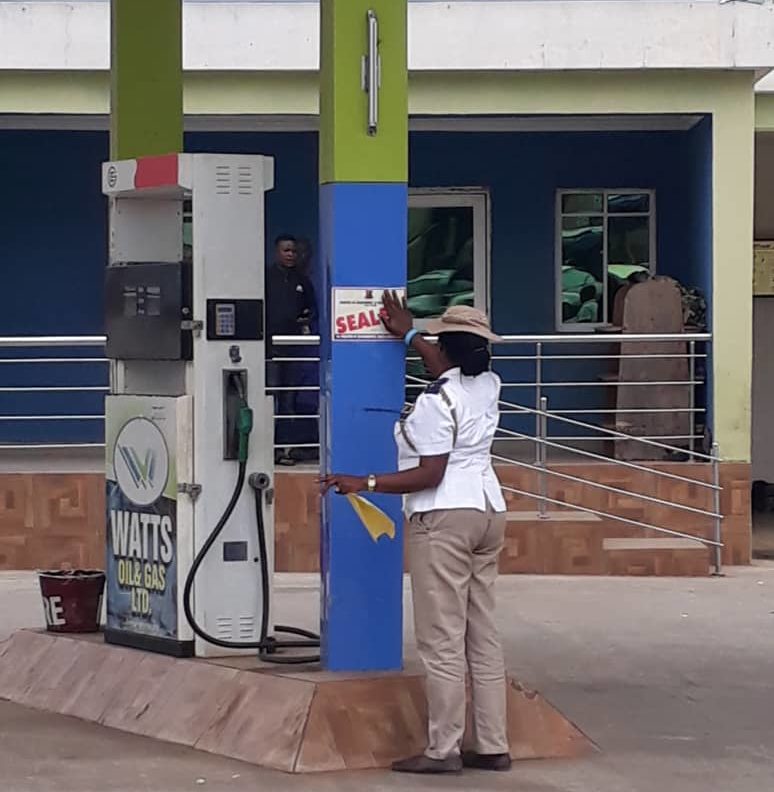
Jigawa task force on petroleum products to sanction filling stations tempering litres

By Muhamamad Suleiman Yobe

Jigawa state task force on petroleum products says it will reveal the identity of filling stations found tempering with their litres to short-charge consumers.

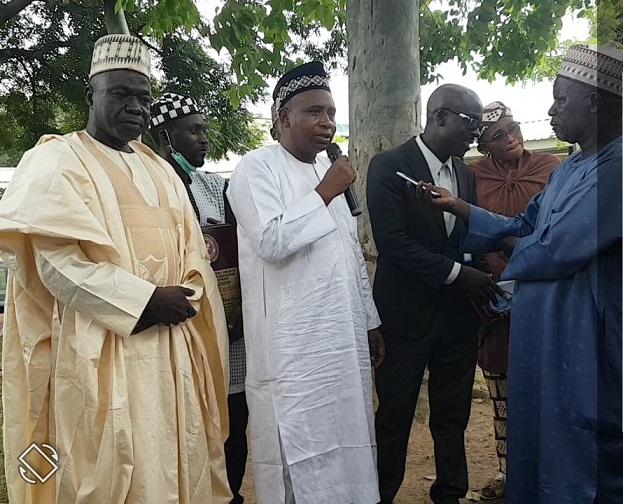
The chairman of the task force, Alhaji Alhassan Muhammad, gave the warning when members of the committee visited some filling stations in Gumel, Jahun and Kiyawa local government areas.

He also warned that any filling station that does not possess Sarafin Gauge would be sanctioned.

He said a number of filling stations visited by the committee have no standard measuring gauge.

Alhaji Alhassan Muhammad advised marketers to always check their litres before dispensing fuel to consumers.

The chairmen said that from the inception of the task force to date, more than 30 filling stations have been warned for engaging in various unwholesome activities.

He commended some marketers in Hadejia and Gumel for possessing Sarafin gauge and maintaining proper litres in their filling stations.

Humanitarian crisis grips Nigeria as UNHCR data reveals over 3.5 million internally displaced

By Muhammadu Sabiu

The United Nations High Commissioner for Refugees (UNHCR) has disclosed that Nigeria is grappling with an escalating humanitarian crisis, with over 3.5 million individuals internally displaced due to ongoing crises.

The data sheds light on the dire situation faced by countless Nigerians who have been uprooted from their homes and communities.

The heart-wrenching effects of the insurgency in the northeast have been acutely felt in Borno, Adamawa, and Yobe (BAY) states.

According to the Aid Worker Security Database, the insurgency has exacted a heavy toll, resulting in the tragic deaths of 37 aid workers since 2016.

Additionally, 24 aid workers have been wounded, and 34 others have been kidnapped.

This sobering statistic serves as a sombre reminder of the challenges faced by those working tirelessly to provide assistance to those in need.

The World Humanitarian Day commemoration in Abuja took on a poignant tone this year as stakeholders from the humanitarian sector joined forces for a road walk.

At the event, the Permanent Secretary of the Ministry of Humanitarian Affairs, Nasir Sani Gwarzo, addressed the gathering.

He emphasised the significance of this year’s theme, #NoMatterWhat, which encapsulates the unwavering dedication of humanitarians to extend life-saving aid to individuals, regardless of their identity or geographical location.

The event not only brought attention to the pressing issues at hand but also highlighted the collective commitment of those in the humanitarian sector to alleviate the suffering of affected communities.

As Nigeria navigates these turbulent times, the rallying cry of #NoMatterWhat serves as a reminder that compassion and assistance remain steadfast even in the face of adversity.

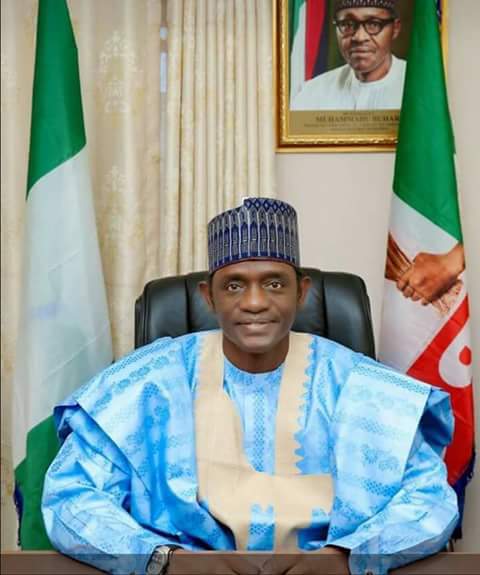
Gov. Buni approves N667 for payment of 475 retirees

By Muhammad Suleiman Yobe.

Governor Mai Mala Buni of Yobe State has approved the payment of local government pensioners across the 17 local government councils of the state.

This is contained in a state-issued to The Daily Reality by the Governor’s Director General Press and Media Affairs Mamman

 Mohammed.

The governor approved the sum of Six Hundred and sixty-seven Million, forty-five thousand, four hundred and forty-one Naira, twenty-two kobo (N667,045,441.22) for payment of the 475 local government pensioners.

Governor Buni gave the approval after the screening and verification of the Pensioners in the local government councils.

“The Committee has verified a total of 475 beneficiaries and hereby attach lists of beneficiaries and summary according to local government areas for both living and deceased Pensioners”, the approval reads.

This is in continuation of Governor Buni’s efforts to settle outstanding pensions owed to retired local government employees.

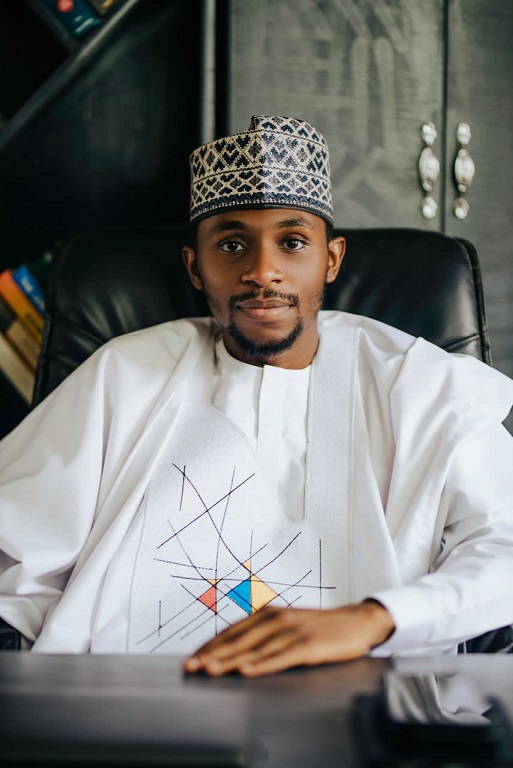
Governor Radda appoints 32-year-old Naufal Ahmed as DG ICT Directorate

By Isah Miqdad

The Executive Governor of Katsina State, Malam Dikko Umaru Radda, PhD, has approved the appointment of Naufal Ahmed as Director General (ICT Directorate).

The appointment, which is with effect from 14th August 2023, is based on the conviction that Mr Naufal will serve faithfully, diligently, and in the best interest of the service.

As the visionary founder of the esteemed Kirkira Innovation Hub, Naufal has pioneered the establishment of the first-ever technology hub in the region. This groundbreaking initiative has served as a transformative force, equipping countless young individuals with vital technological skills and providing them with a platform to thrive.

Naufal’s remarkable career as a tech ecosystem builder has been nothing short of extraordinary. With an unwavering passion for innovation and youth empowerment, his impact on the tech landscape of Katsina and Nigeria at large is undeniable.

He has been a sought-after speaker and organiser at numerous conferences across Katsina and the country, sharing his insights and inspiring others to embrace innovation.

In recognition of his outstanding achievements, Naufal has received numerous accolades, including being named among the Opportunities Hub’s 100 Most Influential Youths for his significant contributions to youth development and entrepreneurship.

How third-class degree denied PhD holder opportunities

By Ishaka Mohammed

In 2019, the University of Lagos (UNILAG) honoured Oluwaseyi Ajibade as the best PhD graduate of the year. Interestingly, 13 years earlier, he had graduated with a third-class bachelor’s degree in mechanical engineering from Lagos State University (LASU). His story exemplifies persistence.

Although Dr Oluwaseyi Ajibade’s story became news due to his exceptional performance at the PhD level, there are other third-class graduates around who proceed to obtain higher academic degrees. I recently met one, and he discussed his academic journey and an unfortunate situation with me.

His third-class bachelor’s degree necessitated his acquisition of a postgraduate diploma (PGD) before he enrolled in a Master’s programme. He received his PhD in 2020.

In addition to his academic qualifications and publications in reputable journals, he is an experienced teacher who once became vice-principal in a public school.

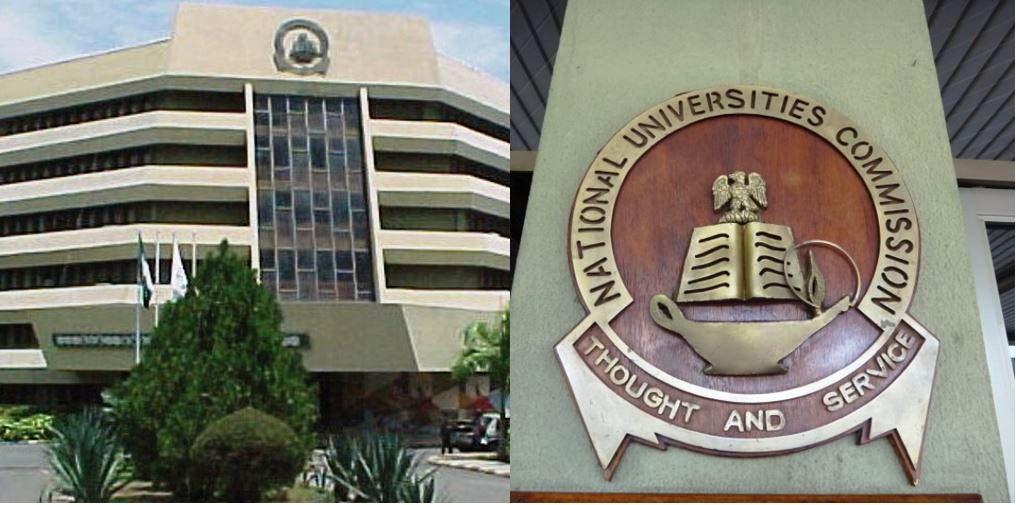
However, his weak first degree has so far blocked his aspiration to lecture at university. Two Nigerian universities have pointed this out to him, making reference to the minimum requirements set by the National Universities Commission (NUC).

The above revelation is akin to being denied admission to higher institutions because of one’s poor grades in primary school. I understand that a first-class or an upper second-class bachelor’s degree is a requirement for the position of graduate assistant in Nigerian universities, but the man’s case is different. Apart from his PGD and master’s degree, he also holds a PhD, the highest academic degree in Nigeria.

If his rejection is genuinely based on the NUC’s standards, the commission must review its standards. Aspiring lecturers’ previous qualifications should be checked only to ascertain a connection to the latest ones. Nonetheless, the grades in the latest qualifications may be considered a testament to the holders’ intellectual capacity.

Nigerien coup amidst ECOWAS diplomatic impotence

By Muhammad Muzdaleefa

The resurgence of military coups is thwarting Africa’s democratic journey. The recent coup d’état in Niger, which saw the ousting of President Mohamed Bazoum by the military, has not only shaken the stability of the country but has also laid bare the divisions and weaknesses within the Economic Community of West African States (ECOWAS). It has also exposed a wide cleavage between citizens of member countries and their governments on ECOWAS policy on Niger. 

As far as one can read the mood without the aid of a proper poll, support for military action against Niger would probably be less than 10 per cent across the region. In Niger, news footage suggests that the public is more solidly against ECOWAS military intervention. Somewhat or otherwise, the mainstream media and social media comments show deep scepticism about ECOWAS’ direction and intentions. Many, if not most, commentators believe that the West, especially France and the US, are behind the ECOWAS drive towards a military solution in Niger.

This has led to resentment, especially in the Francophone countries, where the citizens point out that ECOWAS has been silent at draconian French exploitation of their resources continuing long after independence.

One of the glaring weaknesses exhibited by ECOWAS in response to the Niger coup is its lack of unity and consistency among member states.

While some countries strongly condemned the coup and called for a swift return to civilian rule, others remained relatively silent, seemingly hesitant to take a decisive stance. This lack of a united front weakens the regional body’s influence and diminishes its ability to address such crises effectively.

Another aspect that has been brought to the forefront is ECOWAS’s flawed diplomatic approach. Despite constituting a mediation committee to engage with the coup leaders and negotiate a resolution, ECOWAS failed to halt the coup or achieve a viable solution. The committee’s lack of leverage and the limited consequences the perpetrator’s face have raised questions about the efficacy of diplomatic efforts and the regional body’s influence over military leaders.

ECOWAS has often resorted to imposing economic sanctions to exert pressure and resolve political crises. However, the effectiveness of such measures in addressing coups has been questionable. The reliance on economic sanctions has a limited impact, particularly in countries with weak economies and high poverty levels like Niger. 

The recent example of Mali, where sanctions failed to bring about meaningful change after a military coup, highlights the need a more comprehensive and proactive approach by ECOWAS. The situation has become even grimmer, with Russia increasingly stepping in to provide short-term assistance to cushion the effects of the sanctions against coup countries, which appear to have exchanged the influence of France with that of Russia.

What is worse is the fact that the Niger crisis has also highlighted ECOWAS’s inability to identify and address underlying issues that lead to political instability. This failure to take pre-emptive measures further exposes weaknesses within the organisation. Since ECOWAS gave an ultimatum to Niger, citizens in ECOWAS countries have voiced their disapproval against any military action, mainly because ECOWAS lacks the moral authority to send troops into Niger.

Many commentators have pointed out failure within member countries as a significant contributing factor undermining ECOWAS’s intentions. Some West African governments are dynasties, flawed elections taint others, while some have repressed their countries’ media and opposition parties. 

What principles does an ECOWAS military intervention in Niger seek to establish, and are they all practised in the countries that will impose them by force of arms in Niger? If democracy is essential to ECOWAS, it has to ensure that the complete panoply of democratic principles is firmly in place in all member countries. It cannot pick and choose. Therefore, to safeguard democracy, ECOWAS should invest more proactively in conflict prevention mechanisms, addressing socio-economic disparities, and promoting good governance across member states. 

Timely intervention in electoral processes, strengthening democratic institutions, and promoting dialogue are crucial steps towards avoiding crises before they occur. In addition, ECOWAS must develop a robust apparatus to communicate with citizens across the entire subcontinent and carry out programmes that promote dialogue between citizens and between citizens and governments. 

Does public opposition to military action signal a higher tolerance for military coups in West Africa? That is a difficult question, but there is no doubt that people have generally become disenchanted with the Western democratic model, given that poverty and lack of opportunity continue to be entrenched. At the same time, politicians are seen as opportunists who are in it for themselves. However, none of this can be interpreted to mean that people in West Africa prefer military regimes.

Significantly, however, the coup in Niger has exposed the leadership vacuum within ECOWAS. While the organisation has made progress in promoting regional integration and economic development, its political leadership role has been less pronounced. ECOWAS needs robust leadership capable of decisive action in times of crisis, backed by a clear framework and mechanisms that discourage power grabs and protect democratic systems.

The coup in Niger has exposed the weaknesses, divisions, and inconsistencies within ECOWAS. The regional body’s lack of unity, ineffective diplomacy, reliance on economic sanctions, inadequate pre-emptive measures, and leadership vacuum have hindered its ability to respond effectively to political instability. The regional body’s response to the coup has showcased its challenges in effectively addressing political crises, highlighting the need for a more cohesive and proactive approach to preserving democracy in the region.

To strengthen ECOWAS and protect democracy in the region, there is an urgent need for member states to forge a unified front, strengthen conflict prevention mechanisms, explore diplomatic alternatives, and foster strong leadership committed to preserving democratic values. Without addressing these fundamental issues, the fragile democratic gains achieved in West Africa may remain at risk, allowing further regional divisions and challenges to promote peace and stability.

Muzdaleefa wrote from Kaduna via mohammedadamu736@gmail.com.
Subsidy removal: 36 states, FCT to receive 5bn naira palliative each

By Muhammadu Sabiu

To lessen the impact of eliminating the petrol subsidy, the federal government has promised a N5 billion palliative for each of the federation’s states, including the Federal Capital Territory. 

Babagana Zulum, the governor of Borno State, made the announcement to reporters at the State House on Thursday after the National Economic Council meeting in Abuja. The meeting was presided over by Vice President Kashim Shettima. 

The governors of the 36 states, the governor of the Central Bank of Nigeria, and other government officials who have been coopted make up the council.

UNICAL suspends Prof. Ndifon over alleged sexual harassment

By Muhammadu Sabiu 

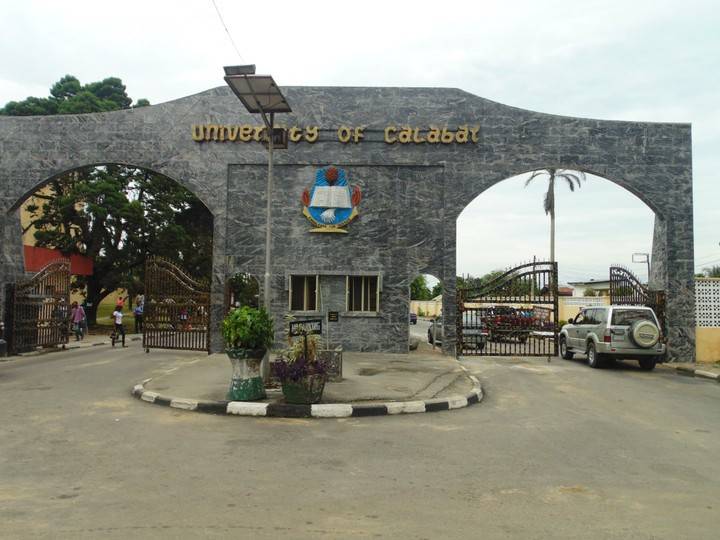
The management of the University of Calabar (UNICAL) has suspended one of its lecturers, Prof. Cyril Ndifon, for alleged sexual harassment against female students. 

The Daily Reality (TDR) understands that Prof. Cyril Ndifon has been placed on administrative leave twice in the past nine years due to allegations of sexual harassment. 

Ndifon was recently suspended for breaking the terms of the institution’s current rules and regulations in a letter dated August 17, 2023, and signed by Gabriel Egbe, the registrar of the school. 

He was suspended by the same university in 2015 following allegations of sexual assault against female students. 

A few days ago, female law students demonstrated on campus with signs demanding that Ndifon be fired. 

According to a report seen by TDR, some of the placards had inscriptions like, “Ndifon must go!” “We’re tired of sucking dicks for marks”, “Law girls are not bonanza,” and “Prof Ndifon must stop grabbing our bum bums.” 

The suspension, according to the letter, followed Ndifon’s response to a question that had previously been posed to him by the university’s management. 

According to reports, the Vice Chancellor was not pleased with Prof. Ndifon’s response to the question posed to him. 

The VC then gave the order to suspend Ndifon and remove him from his role as Dean.

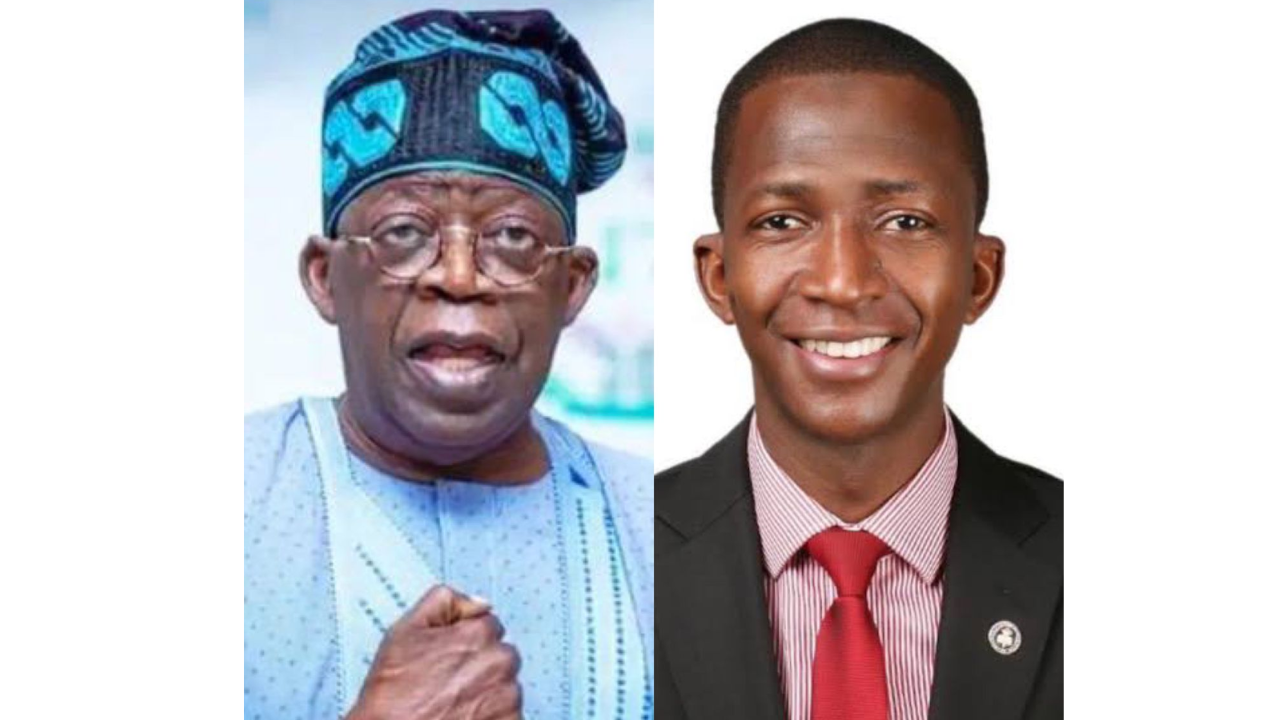
Free Bawa or charge him to court – MURIC

By Abdurrahman Muhammad

An Islamic human rights organisation, the Muslim Rights Concern (MURIC), has called on men of the Department of State Services (DSS) to set the former boss of the Economic and Financial Crimes Commission (EFCC), AbdulRasheed Bawa, free or charge him to court. 

Making the call on Thursday, 17th August, 2023, was the Executive Director of the Muslim Rights Concern (MURIC), Professor Ishaq Akintola. 

The full statement reads:

“Abdul Rasheed Bawa, former chairman of the Economic and Financial Crimes Commission (EFCC), has been in detention since 14th June 2023 without any explanation whatsoever. 

“This is contrary to the letter and spirit of Section 36 of the 1999 Constitution of the Federal Republic of Nigeria, which guarantees fair hearing in compliance with the judicial principle of audi alterem partem (i.e. hear from both sides to a case before taking a decision). Nigerians are yet to hear from the former EFCC boss. Neither have they heard from his lawyers.

“There should be no detention without trial in a democracy. It stands in contradistinction to Section 41 of the 1999 Constitution of the Federal Republic of Nigeria, which says inter alia, ‘Every citizen of Nigeria is entitled to move freely throughout Nigeria and to reside in any part thereof…’.

“Article 7(b) of the African Charter on Human and Peoples’ Rights also stipulates the right to be presumed innocent until proven guilty by a competent court or tribunal. To that extent, therefore, it must be assumed that Bawa is innocent.

“MURIC demands that he should be set free or brought to court where his charges will be read to him. He should also be allowed to see his lawyer, his personal doctor and key members of his family.

“If Godwin Emefiele, who traumatised all Nigerians for months, could be arraigned in court twice since his arrest, we wonder what special crime Bawa committed to have warranted his indefinite detention. Could it be because the former CBN governor has access to a bottomless pit of foreign and local currencies and he could therefore engage the best lawyers in the land while Bawa, a young aspiring Nigerian, cannot afford lawyers’ huge fees?

“MURIC, therefore, demands the enforcement of Allah-given fundamental human rights of AbdulRasheed Bawa. He should be set free or arraigned before a court of competent jurisdiction where he can be granted bail. 

“Our vision of Nigeria is that of a land where every man or woman is free from institutional, societal and individual coercion, a land where tyranny, oppression, injustice as well as political and socio-economic marginalisation become history.”

NMA offers free surgeries to 200 patients in Toro 

By Ukasha Rabiu Magama

Preparations are underway as the Bauchi state chapter of the Nigerian Medical Association (NMA) prepares to offer free surgical procedures to more than 200 patients afflicted with various ailments across the Toro local government area.

Dr Adamu Umar Sambo, the recently appointed Commissioner of Health in Bauchi, announced the initiative during a ceremonial event hosted by the Islamic Medical Association of Nigeria (IMAN) at the Toro chapter. 

“The Medical Association of Nigeria, NMA, will soon offer free surgery to over 200 patients suffering from various diseases across Toro local government. The association will do this to express its happiness and to thank His Excellency Bala Muhammad Abdulkadir for appointing one of them as Bauchi health commissioner.” 

The free surgeries are a gesture of appreciation for Dr Sambo’s appointment as the new Commissioner of Health and a tribute to Governor Bala Muhammad Abdulkadir for recognising Dr Sambo’s contributions to the medical field.

Dr Sambo, who formerly held the position of Chief Medical Officer at Toro General Hospital Toro and currently serves as the Bauchi Commissioner of Health, urging his successor, Dr Maryam Ahmad Abubakar, to build upon his achievements and collaborate closely with hospital unit officials to align with Bauchi state’s health sector objectives.

Similarly, Dan’zumi Abdulhamid, Chief Nursing Officer at Toro General Hospital, praised Dr Sambo’s accomplishments as the former Chief Medical Officer, highlighting advancements such as upgrading the hospital to a real general facility, provision of essential equipment including generators and X-ray machines, establishing a Covid-19 centre, a new theatre room, and the renovation of facilities including staff quarters and the Juma’at mosque.

On his part, Alhaji Aliyu Yakubu Lame, the district head of Lame, encouraged the Commissioner to work selflessly to drive development in the state. He equally commended the Governor for appointing two key commissioners from Toro and urged Dr Maryam Ahmad Abubakar to carry on Dr Sambo’s legacy.

The event was graced by the presence of the district heads of Toro, representatives from the Nigerian Medical Association, members of the Islamic Medical Association of Nigeria – Toro chapter, and other esteemed dignitaries.