Month: May 2023

Teaching is not a cheap profession 

By Mustapha Dauda

People should be screened thoroughly before becoming certified teachers. Now, Colleges of Education are home to lazy and mainly copy-and-paste students. Although there are several academic gurus in the field, a higher percentage of educational students chose to be only there because of their inability to secure admissions in their various intended courses of study.

The alarming nature and downfall of the educational system in this country will be halfway associated with this very problem. So sad. Lack of potential and rigidly talented persons in the academic career is as dangerous as a fire outbreak is to wildlife in a bush to our society. Very dangerous and heart-breaking indeed. 

Teaching is the master of every profession, no doubt. Teachers nurture students in their preferred disciplines. Teachers head and guide and direct in every place of learning. They impact the character and learning of students: they play a vital role in inculcating good moral behaviours, knowledge impassion and impartation. How beautiful and nice of a profession. Moreso, they play a parental role during school hours. 

Though the responsibilities of teachers are beyond that which I have queued and listed here, even with the little above listed, we must agree that this is not a lazy profession. Hence, it should simply be handled by readily authentic, prepared, learned and responsible personalities. A kind of people that shun examination malpractice and any illegalities. Having fully reliable teachers guarantees the production of well-educated students from all levels of education. And, God forbid, vice versa. 

The only effective weapon that will end educational failures is the availability of qualified teachers. Steps in providing qualified teachers include: Demanding higher Unified Tertiary Matriculation Examination, UTME, scores before getting admission into any institution capable of certifying one as a teacher. It also comprises impromptu student-teacher supervision during their Teaching Practice, TP, periods.

And an important aspect is an instalment of a well-paid salary system to newly employed and already teaching teachers the government. This, for sure, will get the educational system many brilliant minds. Most students go for courses they expect can fetch them money. And for already teaching staff, a kind of test of qualification can be given, perhaps, through external bodies, thereby confirming their strength and teaching capabilities, and also changing the unqualified ones to the non-academic part of the institution, to at least help them maintain the source of income and from being unemployed.

A quack doctor can only kill or jeopardise one person at a time. A building engineer endangers a family or a building at a time. For teachers, it is a different case. An unqualified teacher cheats and misleads a whole generation. And the scary part is that what he wrongly misled the current generation is the same thing that will be passed and taught to the upcoming generation by the current ones, for they’re the leaders of tomorrow. And the problem, the misleading, the imperfection will go like that. The whole generation is in vain. Uncontrollably. Unknown to all, where it may stop, just perhaps. And all these, Just a single damage, by a single teacher. Just one person. Ohh! What will a class of unqualified teachers do to our society? Or what do we think all those quack teachers out there have been doing? 

Everything is just as straightforward as everyone can see it, yeah. Students sitting silently and helplessly listening to quack teachers are helpless and hapless and don’t know the misleading they’re in the middle of. The work is ours and the government’s. From our side, we don’t encourage and invite brilliant and vibrant students to teach. Ohh, sad; one will ask that, after graduating as a well-learned and certified teacher, what will I do, as much as a source of income? This question is too head shocking, and one may hardly get an answer to continue further convincing him to go for teaching.

How I wish and how beautiful to see teachers, too, being screened, being made to practice what they were taught, being made to face challenges that make them look every inch equal to their tasks like it’s usually done to qualified engineers and doctors and every other highly regarded course of study. It will make meaning this way. Indeed, there’s a huge need to look at and upgrade our educational system, of which teachers are the backbone.

Mustapha Dauda wrote from Azare, Bauchi State, via mustaphadauda399@gmail.com.
 A Call to Action: Breaking the vicious grip of substance abuse

By Mohammed Hussaini Hamidu

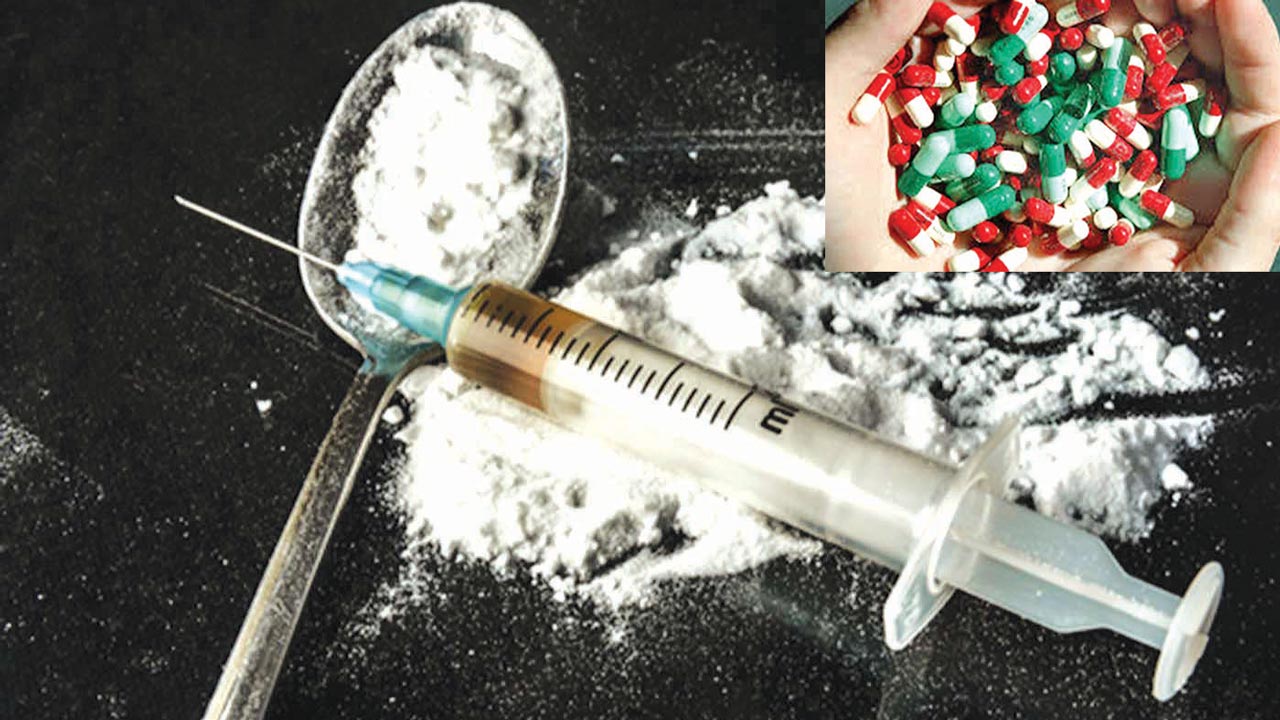
In our modern society, the prevalence of substance abuse continues to plague communities, leaving a trail of shattered lives and fractured communities in its wake. To truly understand the destructive nature of these habits, one must delve deeper and closely examine the lives of those who engage in smoking, drug use, and similar undesirable activities. The findings are sobering, revealing a harrowing landscape of financial struggles, academic challenges, strained relationships, and a lack of integration within the broader community. It is clear that these activities offer no benefits whatsoever, and therefore, they should be vehemently discouraged.

Regrettably, we find ourselves grappling with a disheartening reality – children born in the early 21st century perceive smoking, drug use, and the consumption of harmful substances as trendy. The consequences of abstaining from these activities are severe, as individuals who choose not to partake may be labelled as insufficiently masculine or excluded from certain social circles. This warped perception and societal pressure contribute to a growing crisis. As a result, crime rates in various states of Nigeria are rapidly escalating, with a significant number of crimes directly linked to drug-related activities. The repercussions of these behaviours extend beyond criminality, penetrating the very fabric of our society. Most disturbingly, a substantial majority of patients in psychiatric hospitals find themselves there due to the dire consequences of their drug and smoking habits.

In the face of such a pressing issue, one would hope for swift and decisive action from the government agency responsible for addressing substance abuse. However, our observations within the community reveal a disheartening truth. The National Drug Law Enforcement Agency (NDLEA), tasked with combating this concerning behaviour, often exhibits a lackadaisical approach to its duties. Within my sphere of observation, it is dismaying to witness the agency’s apparent indifference towards tackling this pervasive issue head-on. Offenders caught with harmful substances can secure their freedom by merely having enough money for bail, raising questions about the effectiveness of punitive measures. Even more alarming is the existence of a corrupt system, where officials can be bribed to turn a blind eye or actively support drug dealers in what they call a “return.” This deplorable practice enables the unrestricted sale and distribution of drugs, even during operations. While I have not personally witnessed such acts, claims persist that NDLEA officers themselves engage in returning and selling drugs seized during operations back to the very dealers they are meant to combat.

It is an undisputed fact that substance abuse poses a grave threat to our society, and the time for action is now. We must not remain complacent as countless lives are torn apart, and communities are left in ruins. The consequences of substance abuse demand our unwavering attention and collective effort to bring about change.

To confront this crisis head-on, we must prioritize education and awareness. Community leaders, educators, parents, and all stakeholders must come together to instil in our youth a profound understanding of the realities of substance abuse. By debunking the misguided notion of its trendiness and emphasizing the destructive consequences, we can empower young individuals to make informed decisions and choose healthier alternatives.

Furthermore, systemic shortcomings within the NDLEA must be urgently addressed. It is disheartening to witness an agency tasked with safeguarding our communities falter in its mission. The gravity of this issue necessitates comprehensive reform. Adequate funding, stringent oversight, and the implementation of effective anti-corruption measures are essential to restore public trust and dismantle the pervasive influence of drug-related activities.

In the face of this complex and deeply rooted problem, it is crucial that we rise above complacency and indifference. We must mobilize as a society to combat the destructive cycle of substance abuse. By championing awareness, education, and proactive measures, we can pave the way for a brighter future free from the grip of substance abuse. It is incumbent upon us to break the silence, challenge societal norms, and provide support and resources to those affected by addiction.

First and foremost, we must foster a culture of compassion and understanding. Substance abuse is not solely a moral failing but a complex issue rooted in a myriad of factors, including social, psychological, and environmental influences. By dispelling the stigma surrounding addiction, we can create an environment where individuals feel safe seeking help and accessing the necessary treatment and support.

Education plays a pivotal role in prevention efforts. Schools and community organizations must prioritize comprehensive drug education programs that go beyond the traditional “just say no” approach. These programs should equip young people with the knowledge and skills to make informed decisions, resist peer pressure, and develop healthy coping mechanisms. Engaging parents and caregivers in these initiatives is equally vital, as they play a crucial role in shaping their children’s attitudes and behaviours.

Collaboration between various sectors is key to tackling substance abuse effectively. Healthcare professionals, law enforcement agencies, social workers, educators, and community leaders must work in synergy to develop comprehensive prevention, intervention, and treatment strategies. By sharing resources, expertise, and best practices, we can maximize our impact and provide holistic support to individuals struggling with addiction.

To address the systemic shortcomings within the NDLEA, transparency and accountability must be prioritized. Strong leadership and robust internal controls are essential to root out corruption and ensure that officers uphold the highest ethical standards. Adequate funding should be allocated to bolster the agency’s capabilities, including the recruitment and training of dedicated personnel, improved intelligence gathering, and modern technology to enhance enforcement efforts. Collaboration with international partners can also facilitate knowledge exchange and the adoption of successful strategies from other jurisdictions.

In conclusion, the scourge of substance abuse continues to ravage our communities, leaving a trail of devastation in its wake. We must answer the call to action and confront this crisis head-on. Through education, collaboration, and systemic reform, we can break the vicious grip of substance abuse and create a society that prioritizes the well-being and resilience of its members. Together, let us strive for a future where individuals are empowered to make healthy choices, communities are supportive and resilient, and the cycle of substance abuse is finally broken.

Mohammed Hussaini Hamidu can be reached via mohammed27187@gmail.com.

Ten quick practical indicators which Tinubu should look into

By Aliyu Nuhu

First; Nigeria does not generate enough electricity to support industries and sustain growth. When leaders talk of addressing poverty and unemployment they forget the single factor holding Nigerian economy down. With 3000-5000mw of electricity, the story of Nigeria will always be associated with darkness.

Second; Nigeria is still unable to employ its youths, about 90% of them finish schools and are sitting at home or roaming streets and committing crimes. The number is alarming.

Three; Industries are either closing down due to insecurity, absence of forex to import critical spare parts or electricity.

Four; Thousands of Nigerians are losing their jobs. MTN and some banks are still retrenching. Only government is employing and doing it selectively for sons and daughters of the elites, politicians and government officials. Government can’t employ everyone. As long as the private sector is not employing, unemployment will always be high in Nigeria.

Five; Start up businesses die due to failure of banks to give them loans. No Nigerian bank gives any form of loan at all.

Six; Big and small industries are being killed by multiple taxation. There are more than 20 different taxes that companies pay in Nigeria.

Seven; Some states are taxing companies for broad band satellite receivers, something that is vital to their operations, especially banks. Other states are imposing tax on boreholes even as the governments fail to provide pipe borne water to factories.

Eight; Agricultural goods in transit, including livestocks are subjected to all manner of extortion by police, LG officials, VIO, FRSC and security forces. Once a truck or car is loaded with goods, it is fair game to security agencies. Nigeria is becoming an impossible nation to move goods, capital and equipment. No nation develops without free movement of labour and capital. In the northern part of the country, insecurity has ensured that most farmers don’t go to farms due to activities of bandits and Boko Haram.

Nine; Despite efforts to build roads, rail, bridges, power plants and other social and economic infrastructure, it is becoming clear that the government will finish its two terms leaving Nigeria with the same tragedy of uncompleted and abandoned projects.

Ten; Nigerian businessmen are being rewarded for investing abroad. In other words the government rewards them for exporting Nigerian jobs to other African countries. Dangote has been building factories outside Nigeria in the name of diversifying his risks. Government should take a cue from what Donald Trump did in America. He rewarded those that built factories in US and punished those that built factories outside the United States. He slashed taxes on American companies to encourage them employ Americans.

Matawalle, Bawa trade words over corruption allegations

By Uzair Adam Imam

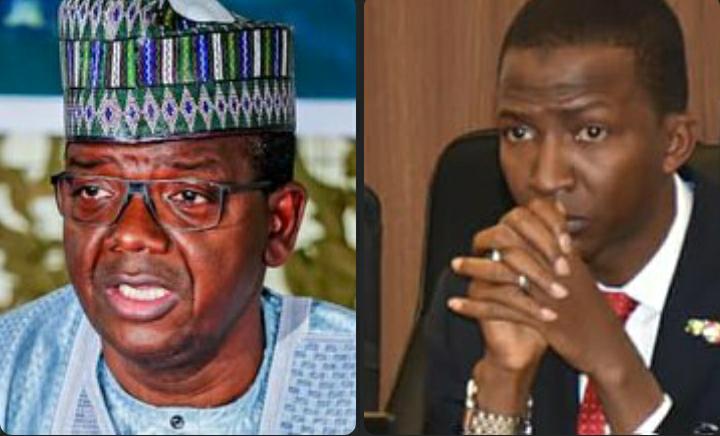
The Chairman of the Economic and Financial Crimes Commission (EFCC), Abdurrashid Bawa, and Governor Bello Matawalle of Zamfara state continue to trade words over corruption allegations.

The anti-graft agency chairman challenged Matawalle to expose him if he has any fraud record against him.

Bawa has thrown this challenge against Matawalle in an interview with the BBC Hausa Service on Thursday.

He added that even though no human being was 100 percent clean, he would love it if Matawalle could expose him.

The Daily Reality reported that Matawalle was currently under investigation over alleged N70 billion fraud.

The EFCC chairman stated that it was intriguing that Matawalle would want to take on the role of a supervisor, who tells the EFCC whom to investigate.

EFCC investigates governor Matawalle over N70b fraud

By Uzair Adam Imam

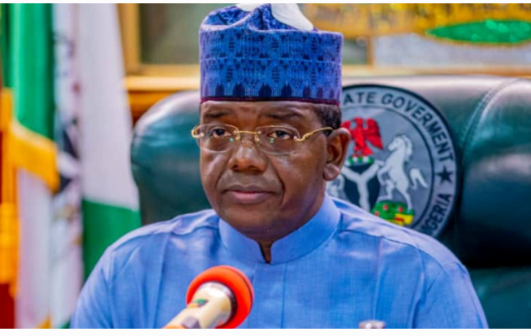
Governor Bello Matawalle of Zamfara State is currently under investigation over alleged N70 billion fraud, says the Economic and Financial Crimes Commission (EFCC).

Abdurrashid Bawa, the EFCC Chairman, disclosed about the development on Thursaday during a press briefing.

Our reporters gathered Matawalle and Bawa have recently engaged in a battle of words and Matawalle had leveled allegations against Bawa and dared the commission to go after members of President Muhammadu Buhari’s cabinet.

However, the anti-graft agency chairman urged Nigerians not to be swayed by the Matawalle’s recent outburst.

In his response through the Director of Public Affairs of the commission, Osita Nwajah, Bawa added that “It is intriguing that Matawalle would want to take on the role of a supervisor, who tells the EFCC whom to investigate.

“Is this a case of a “’thief’’ saying he must not be touched until other ‘’thieves’’ are caught?

“Unfortunately, it is not within Matawalle’s remit to dictate to the EFCC whom to arrest, when and where. Suspects in the custody of the Commission cut across all sectors and social class.

“The qualification to get a space in the Commission’s detention facility, is to commit a crime. It does not matter whether you are a priest , Imam, Governor or minister.

“Currently, a former minister of power is in the custody of the EFCC over a N22billion corruption allegation. That conveniently did not attract Matawalle’s attention,” Nwajah said.
 

We’ll hire ad-hoc doctors – Ngige threatens striking NARD

By Uzair Adam Imam

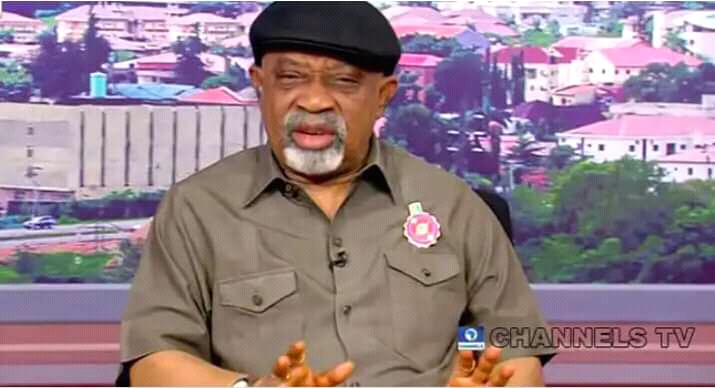
The Minister of Labour and Employment, Chirist Ngige, has thrown a threat to the striking resident doctors saying that the Federal Government will hire ad-hoc doctors to replace their positions.

The minister stated that the ad-hoc doctors would be paid with the salaries of the striking doctors.

The Daily Reality gathered that the National Association of Resident Doctors (NARD) began a five-day warning strike Wednesday.

However, Ngige, who in an interview with journalists yesterday said there was nothing like warning strike, disclosed this during Channels Television programme.

It was also learned that the association is demanding increment in the Consolidated Medical Salary Structure to the tune of 200 per cent of the current gross salary of doctors; new allowances included in its letter to the Minister of Health on July 7, 2022, on the review of CONMESS; payment of the 2023 Medical Residency Training Fund; payment of salary arrears and consequential adjustment of the minimum wage.

Ngige added that the NARD was disrespectful to the Nigerian Medical Association (NMA), which was already negotiating with the government on its behalf.

“The resident doctors are part of NMA. They are young doctors in training. So if the NMA is negotiating on their behalf as the parent body, what these young people (resident doctors) are doing is disrespecting the NMA. They are crying wolf when there is none,” he said.

Power of “I think”

By Abdurrazak Muktar

Language is a powerful tool for communication, allowing us to express our thoughts, beliefs and opinions. One commonly used phrase that often sparks debate is “I think.” While some argue that it implies uncertainty, I believe that “I think” carries more significance than mere doubt. In this article, I will explore the multifaceted nature of “I think” and how it can convey conviction, personal perspective and respectful dialogue. Let’s delve into the power of “I think” beyond uncertainty.

Expressing Personal Perspective:
“I think” is frequently used to present a subjective viewpoint. By prefacing a statement with this phrase, individuals acknowledge that their opinion may differ from others. For instance; “I think pizza is the best food ever created.” And “I think the movie was captivating, but others might find it slow-paced.”
In the above examples, the use of “I think” allows for individual experiences and preferences to be expressed without imposing them on others. It fosters a climate of an open discussion where diverse viewpoints can coexist.

Conveying Conviction and Confidence:
While “I think” is often associated with uncertainty, it can also demonstrate confidence in one’s beliefs. Consider the following examples:
“I think renewable energy is the key to a sustainable future.” Or “I think education is the most powerful tool for societal progress.”
In these cases, the speaker uses “I think” to assert their convictions. The phrase is a way of emphasizing personal belief without assuming absolute authority or dismissing opposing viewpoints. It encourages respectful dialogue and invites others to share their perspectives.

Recognizing the Limitations of Knowledge:
“I think” can also be used to acknowledge the inherent limitations of human knowledge. It reflects an understanding that our comprehension of complex issues may be incomplete or subject to change. Examples include: “I think there might be life on other planets, but we haven’t found conclusive evidence yet.” And “I think the solution to poverty requires a multifaceted approach, but it’s a complex problem.”

In these instances, “I think” is a humble recognition of the complexities of the world. It encourages curiosity, open-mindedness, and a willingness to explore different ideas and possibilities.

In my conclusion, the phrase “I think” is a versatile linguistic tool that extends beyond expressing uncertainty. It allows individuals to share their opinions while acknowledging the subjective nature of their perspective. Whether it conveys personal beliefs, invites respectful discussion, or recognizes the limitations of knowledge, “I think” plays a crucial role in communication.

Next time you hear or use the phrase “I think,” remember its power to foster understanding, encourage dialogue, and bridge the gaps between diverse viewpoints. Embrace the potential for growth and learning that arises from the exchange of thoughts and opinions.

Are Nigerians fair to Buhari?

By Prof. Abdussamad Umar Jibia

Many years ago, when I was a young lecturer at Kaduna Polytechnic, I had a discussion with a senior colleague of mine. I have always disliked having disagreements with my seniors because I easily admit defeat as I don’t want to appear disrespectful. 

My discussion with the Chief Lecturer was around General Muhammadu Buhari’s achievement as PTF Chairman. The senior colleague, who bitterly disliked Buhari, was of the opinion that PTF under Buhari “did nothing except for some roads he constructed around Katsina”. When he was reminded that the road he followed daily to work was constructed by Buhari’s PTF, the man vehemently denied it even though it was well known to all the people around the Tudun Wada area of Kaduna, and he could easily find out in case he forgot. But his mind was beclouded by hatred. Hatred stinks, and it blinds.

My discussion with my senior colleague came to my mind this week while I was travelling back to Kano from Kaduna. For two decades before Buhari assumed office as a civilian President, this road had become one of the most dilapidated in the country, and Nigerians, including myself, wrote to call the attention of President Buhari to it while his administration was still taking off. These calls did not fall on deaf ears, and even Buhari’s enemy cannot deny that the quality of work done in the renovation is high.

Of course, more work is needed on the Kaduna-Abuja side, and although it is ongoing, it is clear that the project will outlive the Buhari administration, which has less than three weeks to go. His is, however, much better than PDP governments that were more interested in politics than service.

Two other projects attracted my attention while on the same journey. They are the Kaduna-Kano-Maradi rail line and the famous AKK gas pipeline project. The speed at which the two projects are being pursued is high, but the completion date can obviously be no earlier than May 29, 2023.

On December 25, 2018, while travelling along the Kano-Katsina highway, I stopped at Tsanyawa to take a picture of an accident caused by Rabiu Musa Kwankwaso’s five-kilometre project. The five-kilometre project was a failed project of the Kano State Government under Engr. Dr Rabiu Musa Kwankwaso, in which a five-kilometre length of the expressway was supposed to be built in each local Government headquarters.

For local government headquarters on major federal highways like Tsanyawa, Bichi, Rimin Gado, etc., the state government only succeeded in spoiling Federal roads on which partitions were made without increasing the widths of the roads. I displayed the picture on my Facebook page with a call to Kano State Government to correct the mistake it made. 

Two years later, on 24th October 2020, I stopped at the same spot in Tsanyawa and took another picture of the road after Buhari’s dualization project. The dualization solved the problem in both Bichi and Tsanyawa, the two local government headquarters on that road. I am personally happy that the dualization of the Katsina-Kano road was embarked upon by the Buhari administration because it is the road I ply more than any other in my life.

So why are we only looking at the mistakes? Were our expectations from Buhari too high? Did his mistakes overshadow his achievements? Or are we simply difficult to satisfy?

A fair answer is to say, “All of the above”. You may not be happy to hear that, but it is my opinion.

I have never seen people more expectant than Nigerians. When they love a person, he is fault-free and infallible. Anyone who disagrees with him must be insulted and disgraced. He will solve all their problems. I think that is why when they eventually hate the same person, they go to another extreme of not seeing anything good with them. Buhari is a victim of this, unfortunately. Examples of other objects of extreme blind love by their supporters are Peter Obi and Rabiu Kwankwaso.

What about the mistakes? Are they too many or too grave, or both? Are all of them mistakes or blunders? Or are they simply contempt for Nigerians or some groups thereof by President Buhari?

I sometimes wish Buhari did not accept to become the President. Many people are at a loss about how he simply allowed innocent people to continuously be killed in his home state while speaking about defeating Boko Haram in the faraway North East. By the time he leaves at the end of this month, President Buhari will leave Katsina more insecure than he met it. Last week, a major national daily reported the migration of dreaded bandits in large numbers from Zamfara to Katsina state. 

On several occasions, when Buhari was asked about banditry in the North West, he dismissed it as a fight between people of the same culture and tradition. This can mean farmers/herders or Hausa/Fulani communal clash. Many victims like me are not happy with this kind of response and see it as the reason why well-known bandits’ kingpins are operating freely in our state, kidnapping, enslaving, killing, raping, etc. 

The least corrupt Nigerian politician I know will leave Nigerians in a more difficult economic hardship than he met them. I observed Nigerians taking a long time comparing their income and prices of foodstuffs (yes, food, not any luxury item) in 2015 when Buhari came and in 2023 when he is leaving. Nigerians are suffering.

What about Education? Buhari kept poor people’s children at home for eight months last year and many months in 2020 while his children were schooling in Europe is an indication of the contempt he has for the poor people of Nigeria who formed his support base. The number of out-of-school children is rising. The Almajiri Education Commission should have come earlier, but it is still a welcome development which we hope the incoming President should implement with the seriousness it deserves.

Finally, Nigerians are also difficult and unfair. When they love a politician, they don’t consider him a human being with strengths and weaknesses. If they do that at the beginning, they will certainly be fair to him at the end. But like some binary machines, they only have two states; absolute love and absolute hate.   

Prof. Abdussamad Umar Jibia wrote from Bayero University, Kano. He can be contacted via aujibia@gmail.com.

Allow senate presidency to go to Southern Christians – MURIC

  • NewsDesk

As Nigeria approaches May 29, the inauguration date of a new administration, newly elected lawmakers and politicians have intensified the lobby game. The Muslim Rights Concern (MURIC), an Islamic human rights group, has also joined the debate. Though a Muslim group, MURIC wants the Senate presidency to go to a Christian from the South. The group has therefore called on all Muslims vying for the post to withdraw.

This was made known in a statement issued on Thursday, May 18, 2023, by the Executive Director of the group, Professor Ishaq Akintola.

The statement reads:

“As the clock ticks away for the 29th May inauguration date of the Bola Tinubu administration, elected lawmakers and politicians have intensified the lobby game. We have seen how the different geo-political zones, as well as individual politicians and stakeholders, have demanded key positions in the National Assembly.

“Chief among those positions is the Senate presidency as it is the Number 3 position in the country after the president and vice president. As a major stakeholder in the affairs of Nigeria, we have followed with keen interest the imbroglio, which greeted the Muslim-Muslim ticket and how it ended in Nigeria having a Muslim President-Elect and a Muslim Vice President-Elect.

“In view of this outcome and considering the multi-religious character of our dear country, Nigeria, it is our considered opinion that the post of senate president should go to a Southern Christian. Nigeria needs the cooperation of both Muslims and Christians because only such collaboration can engender peace and development.

“Although we are a Muslim group, we believe very strongly that Muslims should not take all the top posts despite being the undisputed majority group in the country. Muslims must be ready to share power with their Christian compatriots. Politics is a game of give and take, and Nigerian Muslims must play it right.

“We must all be ready to demonstrate a willingness to work together as a people in spite of our religious differences. Afterall, there is no Muslim electricity supply, no Christian roads, no Muslim public transport system and no Christian naira. Our problems are identical, and whatever affects our country affects both Muslims and Christians together.

“A good example is COVID-19. Hunger knows no Muslim, and malaria knows no Christian. Poverty is common among the adherents of both faiths. Let us, therefore, share what belongs to all with love and find solutions to our common problems together.

“MURIC, therefore, calls on all Muslim candidates vying for the position of the senate president to withdraw in order to allow Christian candidates from the South to have a free hand in the competition (preferably the South-South because the South East has occupied the post on several occasions).

“In addition, MURIC tips any suitable candidate from the North West for the post of deputy senate president in view of the fact that the zone gave the largest number of votes to the party and the candidate that won the election.” 

Journalists work may lead to mental shutdown, death – doctor

By Uzair Adam Imam

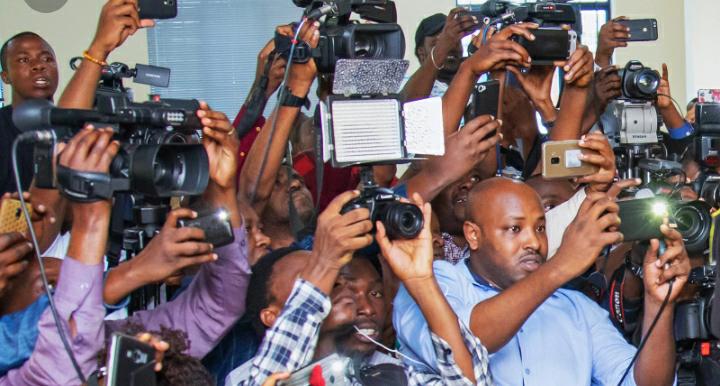
A psychiatrist, Dr. Adeoyo Oyewole, said the physical and mental stress journalists are exposed to daily has psychological effect on them that could lead to mental shutdown.

The doctor said the pressure used to create a mental disequilibrium which manifests psychologically and phphysically.

Dr. Oyewole, who is a consultant at the Ladoke Akintola University Teaching Hospital, also added that lack of proper stress management killed journalists discreetly.

He made this shocking revelation on Monday at a seminar organised by Fountain University for practising journalists and final year Mass Communication students of the institution.

The seminar was themed: Effect of Poor Stress Management among Nigerian Journalists on Mental Health Productivity, at its campus, Osogbo.

The doctor further stated that Nigerian journalists carry Nigeria on their shoulders at a mental cost, and struggle daily to gather information in spite of humiliating cultural and bureaucratic bottlenecks.

He added, “There is a need for journalists to be proactive in managing time, value relationships and posses the will to break through barriers to achieve daily goals.

“Financial freedom is also essential. No journalists should be underpaid in discharging their responsibility as a professional in order to meet their daily demands both personally and as a family.

“A journalist must be able to meet his daily diet and supplement demand to be physically and mentally ready for the rigours of the job”, he said.