By Abdullahi Muhammad Yalwa
As Nigerians lay their former president, Muhammad Buhari, to rest, a lively yet insightful debate has ignited on social media. Buhari’s death on the evening of Sunday, 13 July, has sparked a wave of polarised reactions across Nigeria and beyond. These responses, though all too familiar to ignore, are nonetheless difficult to tolerate either.
Ruling one of the most ethnically heterogeneous populations, the name BUHARI means different things to different people. For some, his death marks the end of a revered statesman’s journey, a disciplined military man turned democrat who embodied integrity and sacrifice. As such, religious apologists and loyalists have rushed to sanctify his legacy, cloaking his tenure in a veneer of divine purpose and moral uprightness. Yet, beneath the watershed emotions, lies a more sobering narrative, an impersonal truth which is hard to accept as it’s bitter to swallow.
For history and to serve as a springboard of truth, Buhari’s legacy is one that history will not so easily forgive nor forget. It’s a force that will be reckoned with in Nigeria’s history. A turmoil journey that lumbered from one crisis to another and finally ended in an overwhelming sense of failure. The truth, though uncomfortable, is therefore that Buhari’s legacy is a tale of squandered goodwill, unfulfilled promises, and a nation left more fractured than he found it.
In 2015, when the Saviour proclaimed his campaign, which would finally mark his ascension to power, Buhari, in a boisterous voice, chanted the “CHANGE” mantra, and citizens across the nation’s divides chanted CHANGE, and so the sound echoed. Hailed as a man of discipline, Buhari, in his usual austere demeanour and military pedigree, promised a break from the corruption and mismanagement that had plagued previous administrations. Equally, he promised to tackle insecurity, root out corruption, and stabilise a faltering economy. We saw in him a Messianic figure who would finally weed Nigeria of its bad seeds and breed a new garden for the poor. Sadly, however, the euphoria that greeted his election was a sad, fragile foundation of selective memory.
Buhari’s economic legacy is perhaps the most damning indictment of his tenure. Although he inherited an economy already strained by falling oil prices, his policies exacerbated the crisis, plunging Nigeria into two recessions within five years. By 2023, inflation had soared from 9% to over 22%, unemployment surged from 10.4% to 33.4%, and the naira lost 70% of its value against the dollar. Nigeria, once Africa’s largest economy, became the world’s poverty capital, with 133 million citizens living in abject poverty by the end of his tenure.
His economic interventions, such as the 2019 border closure to boost local production, backfired spectacularly, spiking food prices and straining relations with neighbouring countries. The naira redesign policies, implemented in 1984 and again in 2022, caused widespread hardship, with long queues and economic disruption for ordinary Nigerians. These measures, while framed as anti-corruption tools, were poorly executed and lacked strategic foresight. The ballooning national debt, reaching $150 billion by 2023, forced Nigeria to allocate 96% of its revenue to debt servicing, a fiscal albatross that continues to choke the economy.
Though it might be argued that Buhari inherited a comatose economy from Jonathan, riddled with corruption scandals like the $2 billion arms deal misappropriation, he promised to come and make a change, not to make excuses. Equally, his infrastructure projects, such as the Enugu-Port Harcourt Expressway and the Nigeria Air initiative, might be cited as evidence of progress. Yet, these achievements pale in comparison to the scale of economic devastation. The reality is that Buhari’s economic policies were not just misguided- they were catastrophic, leaving Nigerians poorer and more desperate than ever.
On the side of security, Buhari’s campaign promise to defeat Boko Haram and restore security was a cornerstone of his 2015 victory. Though there may be some early gains against Boko Haram, including the reclamation of territories, which briefly bolstered Buhari’s credentials, these victories were fleeting. By the end of his presidency, Nigeria was grappling with an unprecedented wave of insecurity, with over 63,000 deaths recorded from violent incidents between 2015 and 2023—an average of 22 deaths per day.
The rise of banditry, kidnappings, and farmer-herder clashes compounded the Boko Haram threat. The #EndSARS protests of 2020, sparked by police brutality, exposed his administration’s heavy-handed approach to dissent. Buhari’s silence during these crises, a hallmark of his leadership style, only deepened public distrust.
Buhari’s anti-corruption crusade was perhaps his most touted promise, yet it remains his most glaring failure. Though some positive outcomes were recorded, Buhari’s administration’s selective prosecution of opponents, such as Dasuki’s, raised questions about its sincerity. High-profile cases, such as the trial of former Central Bank Governor Godwin Emefiele, who’s one of the key figures during Buhari’s administration, continue to grab headlines, but systemic corruption persists. When the then Kano Governor Umar Ganduje was caught on video stuffing dollars into his robe, Buhari dismissed the evidence as doctored, undermining his anti-corruption credentials. The Economic and Financial Crimes Commission (EFCC), which he helped lay the groundwork for, became a tool for political vendettas rather than a beacon of reform. Many prominent figures were either pardoned or overlooked due to their political leanings or personal interests. As such, on anti-corruption, Buhari’s promises were a hoax.
Overall, Buhari’s cold, distant, arrogant air — that rigid, dry, unbothered, “I’m above you” type of character — which pervaded his leadership, remains deeply painful in the minds of his subjects. The fact that he spoke to his citizens during their tough times as if he was doing them a favour by acknowledging their existence is a poor record to reckon with as part of Buhari’s terrible legacy as a leader. There should be warmth and humility in public relations.
In the end, history is the most invisible phenomenon. As President Buhari is laid to rest, religious and regional loyalists should not seek to sanctify his legacy, framing him as a patriot who served Nigeria with unwavering dedication. Such eulogies, while expected, gloss over the harsh realities of his tenure. Equally, claiming that Buhari’s policies were sabotaged by external forces or inherited challenges ignores his role in exacerbating Nigeria’s woes. Instead, the uncomfortable truth is that Buhari’s legacy is one of missed opportunities and disappointment. He entered office with unprecedented goodwill, yet left Nigeria more divided, poorer, and insecure. His rigid, authoritarian style stifled dissent and eroded judicial independence, as seen in the prolonged detention of figures like Sambo Dasuki despite court orders. His failure to communicate effectively, evidenced by his silence during crises like #EndSARS and the ASUU strike of 2022, alienated a generation of young Nigerians.
History will remember Buhari not as the saviour Nigeria hoped for, but as a leader who squandered a historic mandate. His presidency teaches a bitter lesson: discipline without vision, and integrity without competence, cannot redeem a nation. As Nigerians mourn his passing, we must also confront the cost of his failures-a fractured nation, a struggling economy, and a generation of youth disillusioned with governance, standing on the brink of a precipice.
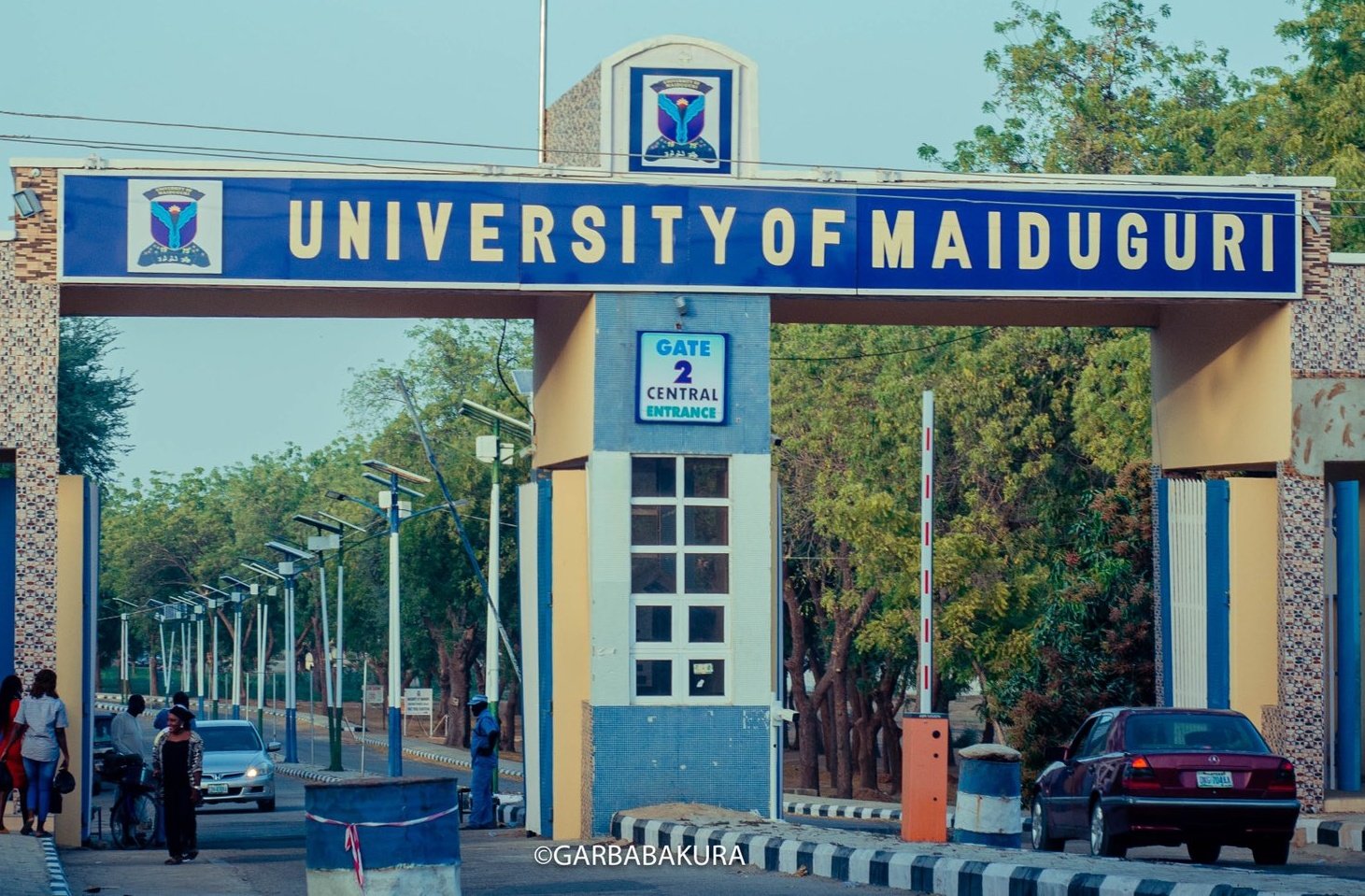
Abdullahi Muhammad Yalwa hails from Azare. He’s a graduate of Law from the University of Maiduguri, looking forward to serving his Country.