Nigeria

Farming: Alternative for Nigerian university students

By Abdulmumini Lawal

The fate of university students in Nigeria undergoes various hiccups and calamities. Among these are the frequent industrial actions by different Academic Unions and Non-Academic Unions, the probability of hike increment in school fees, uncertainty in life itself whether one will even graduate or not,  constant mutable thinking on what tomorrow might bring, and overall, the competitive race awaiting there in the labour market – life after graduation. Economic hardship is another phase of constraint students undergo towards pursuing their academic careers.

However, those above and other threats in academic space have been the main predicaments for Nigerian students and have to serve as a deterrent to one and evolve his perspective approach of who thinks the only way he can excel in life is by obtaining a degree and/or eventually securing a job (white collar one as many say). The limitation of thinking faculty in university students is expected to differ from layman’s, so he has to admit as such.

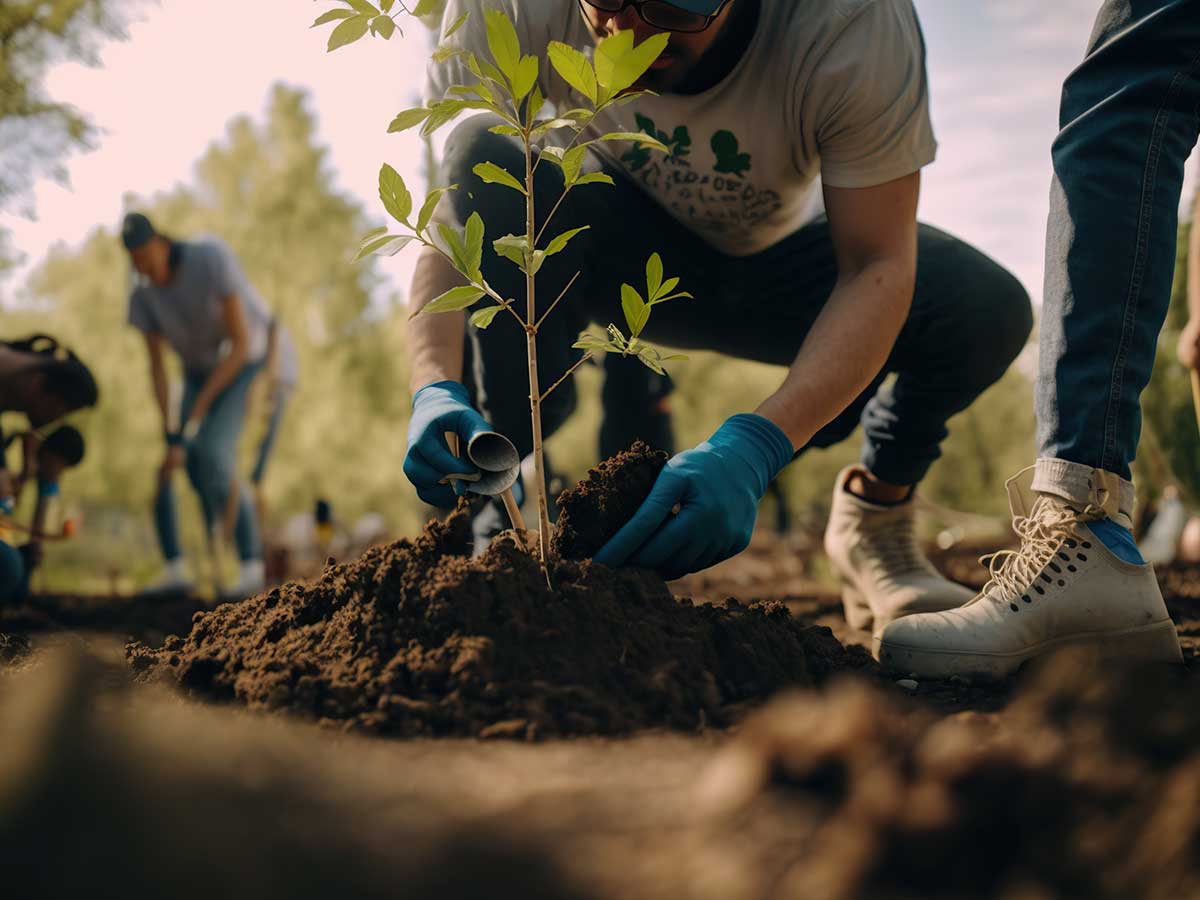
To my brothers and sisters, preferably those from low-income family backgrounds, I call upon your attention to erase the sense of thinking about when and why you will meet your desired expectations by the government in academia. You have many alternatives to make your life different; the agricultural sector is one of thousands. 

Initially, citing examples from my humble self and being a farmer for ten consecutive years, I decided to embark on farming activities last year. This was a result of the incessant ASUU strike. I vowed to utilise the time I had then positively. During the year, I realised I knew little or nothing among the bounties of opportunities therein. Meanwhile, my ten years of experience in the field is limited. It doesn’t widen the scope of the lucrative opportunities in the farming investment. I strived a lot, putting in the effort I could, most notably money and time, to achieve it.

Alas! So many blessings will never meet you openly but will surely reach you in disguise. To me, the ASUU strike was a blessing in disguise for every university student since this was coming purposely to divert from being affected by the trauma of the ASUU strike.

Subsequently, the outcome was favourable. To sum it up, despite the fertiliser price hike, when I calculated the profit, it multiplied the capital I invested by 4 – 5 times. That’s to say, the profit reached 400 – 500%. I accomplished my dream. I have learnt a lot. There are numerous opportunities there. Many have become what they are today not by the certs they obtained, but by those skills many university students understand. 

Moreover, today’s life is becoming more challenging every day. Today can’t be yesterday, just like tomorrow can’t be today. We see new changes every day, everywhere. It is supposed to be the turn of our parents and guardians to reap from what they have been investing in. Where does our thinking go? Okay, we think they will reap after we graduate and get employed. The uncertainty of securing a job after graduation is a constant gesture. The number of unemployed graduates keeps increasing. Universities keep producing. The white collar jobs are no longer to be found. 

Meanwhile, the incessant government’s negligence in line with education concerns many other threats that have nothing to do with your failure and could never be the reason behind your excellence. Whatever Allah decides for you is a blessing in disguise. It’s either you misuse it or unknowingly leave it untouched.

Let’s wake up! Thousands of opportunities are there waiting for us. Let the cert be the second priority. Strive fervently day and night. For the little chance you have, make use of it appropriately. 

I wish you a better tomorrow in all your endeavours!

Abdulmumini Lawal is a student of Mass Communication at Ahmadu Bello University, Zaria.

How to make Bomboloni doughnut: The struggle of every Nigerian baker

By Muhammad Kanya Hauwa’u 

Kindly permit me a space in your widely read newspaper to unfold the procedures and the process of making delicious bomboloni doughnuts, the struggle of every Nigerian baker. A doughnut is a small fried snack of sweetened dough that comes in the shape of a ball or ring. It is popular in many countries; my country, Nigeria, is not left out. The doughnut is prepared in various forms that can be homemade or purchased in bakeries. This can also be glazed, frosted, or iced with powdered sugar. 

However, Bomboloni is a slightly crispy, soft, and light Italian doughnut, typically with an overwhelming sweet filling like whipped cream, jam, caramel cream, and chocolate, eaten as a snack food and dessert. Bombolone, also known as a bombe, means “big bomb” as it is a real explosion of flavour in the mouth. 

We have two types of bomboloni: the original Tuscan style and the Krapten style, more common in the regions that used to be under Austrian rule. The first is known to be more traditional, and the latter has become more common over the years. Both are made with yeast dough, proofed for a few hours and then fried in vegetable oil.

The market for doughnuts in Nigeria is growing big as there is an increasingly high demand for this mouth-savory snack by people of all ages. Many Nigerian bakers are struggling to make Bomboloni doughnuts, which have become the new popular recipe that allows for creativity and experimentation with different fillings to attract more potential customers in the Nigerian market. 

Making doughnuts may not be as simple as it is, according to a talented Nigerian baker, Tasty Dainty, who spent three months before she mastered the Italian doughnut, narrating some difficulties bakers face, especially those who are toiling to make it. These include incorrect way of kneading, putting too much flour or less, pouring water at once, over-proofing the dough, high heat for frying, bad yeast, bad ingredients and bad recipe. As a result, the dough becomes sticky when fried, failing to give the actual taste, texture and shape required. 

To start a successful bomboloni doughnut production business in Nigeria, it’s essential to have a delicious and enticing recipe to keep customers coming back to you. Here are the step-by-step methods to get you started:

1. 500g all-purpose flour

2. 120g sugar

3. 1 tbsp instant yeast

4.250ml milk

5.50g butter 

6. 1 cup water

7. 1 egg

8. 3 inches deep oil

Firstly, you don’t need a mixer to make bomboloni. You can knead the dough until it feels tacky and does not stick to a clean finger when quickly touched. Put the flour, sugar and yeast in the mixer bowl and stir to combine. Scatter butter cubes over the flour so it’s evenly distributed, then pour in the egg, lukewarm milk and water. Bring the dough out onto a clean surface. Shape the dough into a small ball by kneading it 2-3 times.

Place the dough in a clean bowl lightly greased with oil and cover with plastic wrap. Leave to prove for 2-3 hours. If the doughnut doesn’t rise and the yeast is good, then preheat your oven to a very low temperature, turn the oven off and then stick your bowl of dough in the oven. The warmth in there will help it rise faster.

Once the dough has risen, knead it into a smooth ball, flatten it with your hand, and use a cookie cutter to cut around the doughnut about 3-5 inches in diameter. You can cut it into a shape. Place the cutout doughnut on a surface lined with baking parchment and leave to prove until tripled in size. Once proven, fry in an oil around 3 inches for the best result. Leave to Cool. It is best served with hot chocolate or a chilled drink. 

Hauwa’u Muhammad Kanya is a student of Mass Communication at Ahmadu Bello University, Zaria. She wrote via hauweemuhammadkanya@gmail.com

Journalists ‘urged’ to avoid stories that strike fear among people

By Uzair Adam Imam 

The Coordinator, National Counter-Terrorism Centre, Office of the National Security Adviser (NCTC-ONSA), Rear Admiral Yaminu Musa (Rtd), has called on journalists to avoid inaccurate and sensational reporting. 

Musa also urges journalists not to be used to create fear and enhance kidnappers’ evil narratives. 

He said that such stories could often be detrimental to public trust, exacerbate fear and anxiety, and even hinder counterterrorism efforts. 

Speaking on Wednesday during the `Anti-Kidnap Multi-Agency Fusion Cell Media and Communication Workshop’, organised by ONSA in collaboration with the British High Commission, Musa made this call. 

He stated, “The agenda setting role of the media cannot be over emphasised in the fight against terrorism and other associated crimes like kidnapping. 

He further said that the large volume of kidnappings taking place in the country and the proceeds generated through ransom payments are being used to fuel terrorism. 

He said, “Kidnapping for ransom has been identified as one of the means of funding terrorism. Thus, carnage unleashed by kidnappers in affiliation with terrorist groups all over the world leading to loss and disruption of lives and properties, is a major concern. 

“Evidently, the kidnapping menace requires concerted and sustained efforts by every citizen, government at all levels, international community and the media which of course is the Fourth Estate of the Realm. 

“You will agree with me that proceeds of kidnap for ransom enterprise have continued to serve as a platform for financing terrorism not only in Nigeria but across the Sahel. 

“Hence the need for collective efforts in advancing measures to check the threat,” Musa added.

One life, one liver: Hello North, a hero has fallen – Adieu Dr Tijjani Ibrahim

By Fadhila Nuruddeen Muhammad

The journey towards becoming a doctor often begins in childhood, driven by a deep desire to help others and positively impact people’s lives. For many, like myself, the path may take unexpected turns, leading to different callings. I recall my childhood fascination with medicine, even playfully emulating the role of a doctor in my school days, using improvised tools such as cloth face masks and hand gloves to “perform surgery” on classmates’ pens. I’d then transfer the ink from one tube to another, all to save my classmates from running out of ink. Life has a way of guiding us, and for me, that path led to journalism.

Tijjani Ibrahim, however, followed his childhood passion to become a committed and dedicated young medical doctor. His journey was filled with promise, but it took an unfortunate turn when he was diagnosed with advanced Chronic Liver Disease, Liver Cirrhosis, a consequence of Hepatitis B Viral Infection in June 2023.

Dr Aisha Danbatta, a medical consultant at Murtala Muhammad Specialist Hospital, explained Hepatitis B as a global health challenge that targets the liver, causing both acute and chronic illnesses. “This virus can be transmitted through various means, such as from mother to child, unscreened blood transfusions, exposure to contaminated materials, sexual contact with an infected partner, and even through saliva. Unlike HIV, Hepatitis B has a longer lifespan, making it easier to transmit.”

Dr Danbatta emphasised the prevalence of undiagnosed cases due to a lack of immunisation, leaving many unaware of their condition. Those diagnosed often struggle to afford vital tests like viral load measurements, which determine the quantity of the virus in the blood and assess the extent of liver damage. Physical examinations, ultrasounds, and fibroscans are also crucial in evaluating liver fibrosis and scarring monitoring the progression of the disease.

Dr Tijjani was first at the National Hospital, Abuja, where he was doing his house job and diagnosed with Liver Cirrhosis at the same hospital in June this year. The cost of his treatment was quite high, and he could not afford it. The National Hospital Abuja could only support his medical bills by creating an official memo. He was later transferred to Aminu Kano Teaching Hospital in Kano.

Hamza Danyaro, a friend of the late Dr Tijjani Ibrahim, explained that “his return to Kano was motivated by the hope that the National Medical Association (NMA) Kano State chapter could provide support. However, it was revealed that to benefit from their assistance, he needed to complete his National Youth Service Corps (NYSC), pay his dues, and work for at least a month or two before becoming eligible.”

“Tijjanii was not strong enough to go through these. Instead, we rallied to seek help from dignitaries such as politicians, the House of Representatives members of his local government in Kumbotso, and organisations. Unfortunately, the lengthy protocols inherent in today’s politics prevented direct outreach,” Danyaro added.

Tijjani was left with no other option than to seek funds. His friends organised the fundraising. The campaign was expected to raise a sense of urgency and necessity to help support a young medical doctor with funds to support his medical bills. This kind of transparency can prompt people to contribute to the cause. But only a tiny amount was raised after several days of campaigns.

Fauziyya D. Sulaiman, a philanthropist with a heart of gold, shared her disappointment on social media, writing, “It’s unfortunate that despite our community boasting politicians and business leaders among us, we couldn’t muster N25,000,000 to support Tijjani. If this were about some trivial matter, you would have seen some of us at the forefront. This is undeniably a disgrace.”

Dr Khalid Sunusi Kani, a medical doctor and health advocate, penned an open letter addressed to President Bola Ahmad Tinubu through Solacebase online newspaper. In this heartfelt letter, he expressed the critical need for Dr Tijjani Ibrahim’s services in Nigeria, emphasising the pressing issues within the country’s healthcare sector and the alarming rate of “brain drain syndrome.”

He wrote, “Your Excellency, Nigerians too are in desperate need of his services, looking at the manpower deficit in the health sector and the rate at which we suffer from ‘brain drain syndrome.’ I strongly believe Nigeria and Nigerians are unprepared and cannot afford to lose someone like Dr. Tijjani Ibrahim.”

Chronic Hepatitis B places individuals at a high risk of cirrhosis and liver cancer, leading to severe health consequences. In July 2023, the World Health Organization revealed that 296 million people were living with chronic hepatitis B infection in 2019, with 1.5 million new conditions occurring yearly. While there is no specific treatment for acute hepatitis B, medicines can effectively slow the progression of cirrhosis, reduce the incidence of liver cancer, and improve long-term survival.

Dr Tijjani Ibrahim died on September 6, 2023. His dedication to the medical field and his efforts to make a difference in the lives of others will be remembered and cherished.

Witnessing a doctor who devoted his life to saving countless others facing such challenging circumstances is genuinely disheartening. He dedicated his life to the mantra of ‘One Life, One Liver,’ yet our society struggled to come together to save his life. In a world where trivial issues on social media can garner an astonishing number of likes, it’s heartbreaking that Tijjani needed just 25,000 people to contribute a mere dollar each or someone who can just pay the total amount.

Tijjani’s story serves as a poignant reminder of the power of collective action and the importance of rallying together to support those in need, especially those who have dedicated their lives to serving others. Let us reflect on this unfortunate situation and take it as a call to action. Together, we can make a difference and ensure that the heroes who dedicate their lives to saving others do not suffer in silence.

“One Life, One Liver”: A heartfelt tribute to a fallen hero leaving an indelible mark on the world. May Allah rest his soul, amin.

Fadhila Nuruddeen Muhammad is a social media influencer based in Kano and can be reached via fadhilamuhd@gmail.com.

Nigeria strengthens trade relations with India – Trade Minister

By Uzair Adam Imam

The Minister of Industry, Trade and Investment, Dr Doris Uzoka-Anite, has said that Nigeria is exploring ways to improve trade and investment relations with India.

She said that Nigeria was making efforts to woo various Indian entrepreneurs who are already doing business in Nigeria.

The minister stated this during a bilateral meeting with the Indian Minister of Commerce and Industry, Piyush Goyal, in the ongoing G-20 Summit in India.

In a statement, Uzoka-Anite said: “Our trip here has so far been fruitful and Nigerians should be proud of our achievement here. We signed an agreement on Infrastructure Corporation of Nigeria Limited (InfraCorp) and Invest India.

“We also signed another agreement between the Nigerian Ministry of Communication, Innovation and Digital Economy and the Indian Ministry of Electronics and Information Technology. We have also secured investment commitments from multinationals like; SkipperSeil Group, Jindal Steel and Power Limited, Bharti Enterprises, Indorama Petrochemical Limited amounting to several billions of dollars.”

She further stated: “We have more than 130 Indian companies that are active in Nigeria from manufacturing to hospitality to oil and gas, and healthcare sector.”

Medical doctors must sanitise their profession against quackery

By Bello Hussein Adoto

Medicine is a sacred profession where trust is vital. Yet, fakes and their accomplices undermine this trust and put everyone at risk. Medical doctors must stand up and sanitise the system first by not promoting quackery.

Meet Abawulor Omenka, a 35-year-old Nigerian who made headlines after presenting a second-class upper degree in Medicine and Surgery to Covenant University Medical Centre, Ota, Ogun state, for employment.

For those who don’t know, medical degrees are not classified. It is either you pass or you don’t. There is no first-, second-, or third-class, as you have in education, law, engineering, and pharmacy programmes.

So, for Mr. Omenka to present a second-class upper degree shows something was wrong. True to suspicion, he was found to be a fake doctor and handed over to the police. Omenka’s case is symptomatic of how doctors contribute to quackery, deliberate or not.

The role of doctors in quackery is subtle yet significant. For instance, Omenka, in his interview, talked about the different hospitals he has worked for. One of his interviewers told The Punch, “…he (Omenka) had worked at the hospital owned by some of our colleagues that we know. We put a call across to them, and two of them actually confirmed that they knew him very well. I told them he was trying to apply as a medical officer, and they told me he worked with them as an auxiliary nurse or, better put, as a hospital assistant.”

Imagine if he had earlier been reported to the police or the Nigerian Medical Association and removed from circulation. He wouldn’t have had the guts to apply to be a medical officer at a hospital.

Beyond that, doctors should not allow their hard-earned certificates and licenses to be used to register clinics run by unqualified individuals. Many quacks wouldn’t have had clinics to experiment on patients without doctors registering the clinics for them.

The practice of quacks using a doctor’s license to operate their clinics is well established. As Professor Shima Gyoh, a former provost of Benue State University College of Health Sciences, told the International Centre for Investigative Reporting, “A lot of these illegal clinics are run by cleaners in the hospitals; I knew some who started clinics without approval. What they do is you start a clinic, you ask a doctor to stand behind you and register the clinic in his name, then you pay the doctor something. Instead of the doctor inspecting what you are doing, he does not do that, and then you continue to run your clinic independently. Yet, you are not a doctor.”

Moreover, doctors are honourable people who should not be found near quacks and quackery. Yet, some doctors help quacks run their clinics. The quack will open a clinic and handle common illnesses while the trained doctor comes in for the severe ones. This partnership gives the quack a veneer of legitimacy, which allows him to attract more patients and handle even bigger cases.

Another factor is economical. I know things can be challenging for doctors, especially those in private practice. They must establish standard hospitals, hire competent staff, meet regulatory standards, and offer quality services. All these cost money.

Nevertheless, the need to balance the chequebook does not excuse hiring untrained hands as cheap labour or training them to become health workers themselves. The male trainees graduate to become ‘doctors,’ while the female ones are called ‘auxiliary nurses.’ Whatever that means.

Let’s be clear. I don’t have a beef with medical doctors. If anything, I am grateful for their remarkable job in the face of limited resources and an overwhelming workload. My aim is to call on them to sit up and excise this cancer eating into their noble profession.

Of course, fakes are not exclusive to the medical profession. Bogus certificates and fake professionals are around us in the form of fake doctors, fake lawyers, fake soldiers, fake engineers.

Nevertheless, patients place enormous trust on their caregivers and doctors should know better than to endorse quackery. They are trained, more than most, to know the value of health and wellness and respect the sanctity of their patients.

They have read tonnes of materials, done lots of practicals, and spent years doing exams upon exams to show they have studied human functionality and diseases and can apply the training to treat people. They shouldn’t be found contributing to quackery in any form.

Medicine should have no room for quackery. Human life is too sacred, and the burden of care is too great for those not qualified by training, experience, and certification to play poker.

One could say that doctors and non-clinical health workers can work together in a task-shifting, task-sharing arrangement. This way, routine, low-skill tasks can be shifted to health workers like community health extension workers (CHEWs) and health technicians so that we can have better use of our depleted workforce and ensure that everyone gets quality healthcare. I agree with this arrangement.

In a task-shifting, task-sharing arrangement, everyone knows their job. However, what some doctors do currently is not task-shifting or task-sharing. What they do instead is aiding and abetting an aberration fast becoming a norm. This needs to stop.

Bello Hussein writes from Ilorin via bellohussein210@gmail.com

A truly blessed son of the North and a proud Nigerian

By Usman Muhammad Salihu

As a genuinely blessed son of the North and a proud Nigerian, I am honoured to be part of a rich and diverse culture that has contributed significantly to the growth and development of Nigeria. From our unique customs and traditions to our rich history, the North is a region that has stood the test of time and remains a force to be reckoned with in the country.

Growing up in the North, I was exposed to a different way of life from other parts of Nigeria. I was taught to respect my elders, to honour my ancestors, and to always put family first. These values have stayed with me throughout my life and have helped shape the person I am today.

One of the things I am most proud of as a Nigerian is our ability to come together as a people, regardless of our differences. We may speak different languages, have different beliefs, and come from other parts of the country, but when it comes to matters of national importance, we stand united as one.

As a truly blessed son of the North, I have witnessed firsthand the resilience and determination of the Nigerian people. We have faced our fair share of challenges over the years but have always come out stronger on the other side. This is a testament to the spirit and resilience of our people, and it is something that makes me incredibly proud to be a Nigerian.

Overall, being a truly blessed son of the North is a great privilege I do not take for granted. I am honoured to be part of a rich and diverse culture that has contributed so much to the growth and development of our great nation. May we continue to work together towards a better future for ourselves and future generations.

Usman Muhammad Salihu can be reached via muhammadu5363@gmail.com.

A clarion call to make breastfeeding and work, work!

By Tukur Hafsat Sani 

The art or science of breastfeeding can be projected to be as old as the childbirth phenomenon itself. Some historians have hypothesised that this important act became a widespread practice about 2.6 million years ago.

Inappropriate marketing of breast milk substitutes, stigmatisation, body image crisis, and public shaming, among others, have continued to undermine the efforts of medical experts and world organisations to improve breastfeeding rates and duration worldwide. With the world evolving, this is gradually changing.

In view of the importance of breastfeeding, over 30 years ago and even more precisely on February 14th, 1991, the World Alliance for Breastfeeding Action (WABA) came up with the World Breastfeeding Week (WBW), of course in partnership with World Health Organisation (WHO), United Nations Children Fund (UNICEF), government agencies and other non-governmental organisations across the globe.

The event was innovative, aiming to establish a global breastfeeding culture and provide support for breastfeeding mothers or even surrogates everywhere while promoting exclusive breastfeeding for a minimum of six months.

Therefore, World Breastfeeding Week is an annual tradition celebrated from the first and ends on the seventh of August worldwide, each year with a peculiar theme or slogan. Interestingly today, more than 100 countries globally participate in this important event.

On themes, for example, WABA, for the year 2020, chose “Support breastfeeding for a healthier planet’’ as its theme. The focus of WBW 2020 was aligned with thematic area 3 in WBW-SDG 2030 and is on the impact of infant feeding on the environment or climate change and the imperative to protect, promote and support breastfeeding for the health of the planet and its people owing to the fact that breastmilk is environmentally safe; produced and delivered without pollution.

In 2021 it was “Protect Breastfeeding: A Shared Responsibility”, which was with respect to the survival, health and well-being of women, children and nations, as well as how nursing mothers can be supported. For last year, it was “Step up for Breastfeeding – Educate and Support”. The WABA for this year set a theme – “Enabling breastfeeding: making a difference for working parents.”

Breastfeeding is the process of feeding a mother’s breast milk to her infant – newborn baby because, apart from the bond of love that is built between a mother and her child through the process, breast milk is the most important and essential food an infant should receive due to colostrum it contains, and this colostrum possess antibodies and other immunological benefits that can give babies a healthy boost.

Universally, breastfeeding is of two types, exclusive breastfeeding and partial breastfeeding, which only a few in our society are able to differentiate and know the significance of.

Exclusive breastfeeding implies availing a child only breast milk without any solid food for the first eighteen weeks of his or her life, while for partial breastfeeding, an infant receives both breast milk and solid or semi-solid food. Noteworthy of the fact that exclusive breastfeeding is highly recommended by health professionals both for the benefit of mother and child. 

Since is singular act of breastfeeding helps mothers, according to studies, reduce conditions such as depression and breast cancer while simultaneously breeding children who are physically, biologically and mentally alert, it becomes imperative to help drive the 2023 campaign of “Let’s make breastfeeding and work, work!” – a campaign which focuses on promoting practices that can help support workplace-related breastfeeding in different countries.

Hence, employers of labour should support working-class mothers in different countries across different contract types and sectors and promote action that can be taken to help ensure breastfeeding works for all working-class women.

This can be achieved through sensitisation, supporting rather than stigmatisation of this prime natural process, and providing secluded areas where working mothers can feed their babies without eyes preying on them needlessly while at work. 

While mothers across the globe are encouraged to keep up the good work of breastfeeding in other to build a healthier and smarter global population, providing them access to breastfeeding their babies while at work would mean that we are making breastfeeding and work, work!

God Bless All Mothers Across the World.

Hafsat, a 200-level Student of Ahmadu Bello University, Zaria, Kaduna State, writes via hafsasarney@gmail.com.

Umaru Musa Yar’Adua: Nigeria missed a chance to become the “Giant of Africa”

By Saifullahi Attahir

“It’s still morning in Nigeria, democracy is just eight years old, our Nation has changed for the better, but there is much left to do……for Nigeria of today,  the Sun is still rising” – Yar’adua during campaign 2007.

I deliberately chose the above phrase as a   subtitle of my essay due to the sorrow  I felt whenever I remembered the chances our dear country missed by losing the above rare political figure through the cold hand of death. Although I’m a Muslim who believes in destiny, I still can’t help but recount the countless opportunities and milestones we were about to scale during a very golden hour in the political history of Nigeria.

Before 2007, little was known about this gentleman apart from his home state, Katsina. Although many Northern Governors were busy lobbying in Abuja for President Obasanjo to anoint them as PDP presidential flag bearers, Umaru Yar’adua was far in the remote state of Katsina. Unconcerned with the political atmosphere in Abuja, he was busy building a legacy of service known in his family’s blood.

In a  dramatic twist of fate, President Obasanjo handed over the PDP ticket to Umaru Yar’adua after inviting him to Abuja. This singular act of courage and benevolence by Obasanjo, which deserved accolades, was done after scrutiny of all the Northern Governors at that time, with historians quoting Obasanjo as saying, ‘Yar’adua was one of the few spotless politicians with a good track record of efficient administration’.  This can be a powerful message to powermongers, especially in today’s politics,  that God can give it (power)  to whom He likes without lobbying or cutting corners.

Umaru Yar’adua was born in 1951 to Late Musa Yar’adua, a former Lagos Minister during the Tafawa Balewa administration. His father was also a Chieftain (Matawalle)  in Katsina Royal court. Their household was a signatory of service, honesty and discipline that produced many notable figures, including his senior brother, Late General Shehu Musa Yar’adua.

Yar’adua attended the prestigious  Ahmadu Bello University (ABU)  Zaria,  where he obtained a degree and master’s in chemistry education between 1972 and 1978. He had a stint as a lecturer at CAST in Zaria and Katsina Polytechnic. Umaru Yar’adua was a teacher by heart who took teaching as his favourite hobby and job despite his affluent family background. This can testify to this man’s ultimate humility and love of service for his Nation.

It was not only teaching that Yar’adua knew, as part of their family tradition, but he was also later a Director of several companies that were founded by either his brother or Late father, including;  Habib Bank Limited, Lodigiani Nig Limited, Hamada Limited, Sambo farms. This is to show that Yar’adua has a taste in the private sector as a prudent manager of resources with vast practical knowledge of the economy.

During his tenure as Governor of Katsina state, he was the first in Nigeria to declare his assets to the public. He also saw to the massive construction of public schools, equipping and rehabilitating hospitals, good road networks, and prudent management of Katsina treasury. These are not just created lies but historical facts. One example that can testify to this is how Yar’adua picked and groomed one of the finest intellectual and hardworking administrators Nigeria has ever had, Tanimu Yakubu Kurfi. This economic guru has worked closely with Yar’adua as an aide and later as commissioner of finance. The hard work of this fellow led to Obasanjo appointing him as Chairman of the Federal Mortgage Commission. Indeed, Tanimu Yakubu would be an article I would separately write one day by God’s grace.

The choice of Yar’adua as the presidential candidate was not without foes; even among the Cabinet Ministers of Obasanjo, some people looked at themselves as the most competent for that job, so this automatically created harsh criticism between them and Yar’adua even before the government took off.  The example of what transpired between Mallam Nasir El-Rufa’i and Yar’adua was an unfortunate event. Although I see El-Rufa’i as an exemplary leader and my political mentor, his bitterness and open hatred toward Yar’adua were less expected of him. At least, it should have ended after his death, but to the surprise of many, his untimely death has become a source of pride and rejoicing for others.

Among the first surprises Yar’adua to the world after his election was his confession that the election that brought him to power was faulty, but he asserted his commitment to bring change in electoral reforms. He quickly again declared his assets. The choice of Cabinet members in the Yar’adua government was a testimony to his commitment to Nigeria. Most of his political appointees are people of unquestionable character,  integrity and experienced technocrats.

Dr Shamsudeen Usman, a Kano-born Economic guru, was the Minister of National Planning. Dr Mansur Mukthar, another Kano technocrat, was the Minister of Finance.  Sanusi Lamido Sanusi, a radical Economist, was the head of CBN. Colonel Abdurrahman Dambazau, another Kano-strong man, was the chief of Army staff. Ojo Maduekwe, an intelligent diplomat, was the Foreign Minister. Dora Akunyili, an iron Lady, was the head of NAFDAC. Tanimu Yakubu, a rare gem, was the Chief Economic Adviser. Segun Adeniyi, a veteran writer and mentor, was the Presidential spokesperson. Abba Sayyadi Ruma, a confidant of Yar’adua, was the Minister of Agriculture. Dr. Aliyu Modibbo is in charge of FCT. Mrs.  Fareeda Waziri as EFCC boss. Attahiru Jega, as the unforgettable INEC chairman. Even Mallam Nasir Elrufa’i was initially part of the government as head of Energy sector reform. These are some of the few members of Umaru’s administration to give an idea about what he intended for this country.

Immediately after its inauguration,  Yar’adua set the agenda for this country as ‘VISION 2020’ to set Nigeria as one of the world’s top 20 countries with a strong economy by 2020.

These were not empty promises or the usual character of some politicians, but a tangible and committed road map he has charted for Nigeria with the strong political will to deliver. Yar’adua developed the famous ‘7 POINT AGENDA’, a simplistic approach to good governance and a roadmap for a brighter Nigeria. This is unlike the multiple, complex, ambiguous, and confused slogans we have witnessed since his demise by the subsequent regimes.

7 POINT AGENDA is a set of policies Yar’adua envisioned concentrating on during his tenure as President. They are as follows: 1)Power and Energy.  2)Food security. 3) Wealth creation 4) Transportation. 5) Land reforms. 6) Security. 7) Human capital development/Education.

Despite the short period of his government, which was also interspersed by crises and frequent health concerns, within three years between May 2007 and May 2010,  Yar’adua was able to leave an indelible positive mark as one of the best leaders this country ever produced. Most Nigerians believe that had Umaru left in 2015, our story would have been a different one, full of hope.

1)Yar’adua was able to solve the crisis of the Niger Delta; this automatically brought security to the region and also boosted the crude oil production of Nigeria.

2)Yar’adua maintained the rule of law, especially in electoral matters, by bringing many reforms in INEC. Hence, many elections were won and given to the opposition parties, exemplified in Ekiti and others.

3) Inflation was dramatically brought down during his regime when many commodities became cheaper and subsidised, including petrol, fertiliser, food, etc.

4) Yar’adua gave Sanusi Lamido Sanusi the green light to carry out the radical reforms in the banking sector that led to rescuing our economy from recession and corrupt elites.

5) Yar’adua initiated and completed the draining of the river Niger to boost the hydroelectric power supply to Nigeria, especially in the blackout  Northern part.

Despite the above achievements, the Yar’adua government faced many challenges during his time. The Boko Haram crisis escalated after the killing of Muhd Yusuf (its leader). Also, Nigeria entered a diplomatic crisis with the US after arresting Farouq Mutallab in an airport, allegedly trying to detonate a Bomb. His government also faces many corruption cases perpetrated by some Cabinet and political associates.

Yar’adua was a doer, a silent achiever, a respected diplomat, and a prudent manager. He was married to his brave and confidant wife, Turai Yar’adua, in 1975. Three of his nine children were married to 3 Governors then ( Isah Yuguda, Sa’idu Dakin-gari, and Ibrahim Shema). His wife said Yar’adua’s favourite foods were ‘Kosai da biredi’ ( bread and bean cake, a popular simple Hausa food). He sometimes wore a wristwatch until it started rusting due to his simplistic life.

His life was cut short on 5- 2010 due to  Pericarditis, a complication from an underlying Chronic Kidney disease he has had for a long time.

Humility, honesty, discipline, listening ear, prudence, simplistic life, and hard work attracted Yar’adua to Obasanjo by anointing him as the  Presidential aspirant. They are the same characteristics that help him to deliver some of the promises he has made; they are also the same qualities that endear him to millions of Nigerians  13 years after his death.

Saifullahi Attahir wrote via saifullahiattahir93@gmail.com.

Tinubu’s 100 days: The ticking time bomb and the danger of the elite’s silence

By Abdelghaffar Amoka

It is 100 days in office and six months after President Bola Ahmed Tinubu won the election, and the government seems directionless. It is more news that the hardship that President Muhammadu Buhari introduced us to has multiplied. Whether he removed the fuel subsidy or Buhari did, he has no excuse to be clueless for the past six months on the way forward. He asked for the job.

My problem is how our leaders are comfortable putting burdens on the people, burdens they have not prepared them to carry. There was a plan to remove the fuel subsidy. Common sense should tell them that it will affect purchasing power. It is that simple. But why was it so difficult to put up a parallel plan to stabilise the purchasing power of the people once the subsidy was removed? How some people are comfortable with a policy that does not follow the natural law of growth and development beats my imagination.

When a child is born, he is nurtured and trained to become an adult. He is either sent to school or learns a trade and gets empowered to take responsibility. He then gets a wife, has kids, and starts to take responsibility. Imagine giving the boy a wife with kids at 15 without empowering him to take care of the responsibility and expecting him to be fine. It is against the law of nature to burden anyone without preparing him for it.

Fuel subsidy removal was a long battle, and many people have campaigned to remove fuel subsidies since 2010. They made it look like the removal would save the government money for infrastructure and do wonders. But they never discussed the consequences of the removal on the people. How much have we saved for 100 days, and what have we achieved with it? What infrastructure is better than the general well-being of the people?

Funny enough, some of the advocates of the subsidy removal are currently complaining about the hardship on the land. That made me wonder what they were thinking when advocating for the removal. Some are even intellectuals. They thought subsidy was like a tap that you just switch off, and everything is fine. They think it’s that simple. The state government has now given money to share some stuff as palliative. Is 5kg of rice or Semovita all we need to overcome this heartless burden? Who are the people giving them economic advice?

There are three schools of thought on the post-fuel subsidy removal. Those benefitting from the removal will never see anything wrong with it. Those who feel we should endure the hardship and wait for the government to invest in infrastructure. Then, those who see everything wrong with the removal instead of fighting the corruption that shrouded fuel subsidies.

We are being advised to cut our expenses. They seem to have agreed with Buhari’s “Sharholiyah” (wasteful spending) principle. Where is the waste to cut? Those people think everyone has as much as they have to spend. How do you expect a junior staff working at the federal secretariat earning about N40k monthly to cut his expenses and manage? What will he cut? How do you expect a graduate working at the federal secretariat and earning about N60k monthly to cut costs? What will he cut?

For the first time since I became an adult,  federal government workers are being asked to work 2 or 3 days a week to reduce the cost of going to the office. Unfortunately, that will not help reduce the cost of living.

Fuel subsidy is removed, and we are expected to be patient and cope. School fees have increased due to the present economic reality, as acknowledged by FG, and we are expected to come with it. Floating naira to dollar in a country that imports 80% of its needs is a disaster.

The danger of keeping quiet.

It is no more news that crime rates have increased over the last months and are getting worse. Meanwhile, there are three classes of people: the upper, middle, and the lower class. The upper class is inaccessible. They have security escorts, bulletproof cars, tall fences, and gigantic gates with security dogs. The kids are abroad or well-secured. The middle class is accessible and lives not far away from the lower class. As far as the lower class is concerned, the upper and middle classes ( a fast-depleting class) are responsible for the difficulties they are experiencing.

As long as you can still manage to drive your car and feed, you belong to the haves as far as the lower class is concerned. As the crime rate soars, your house will be the first target to be vandalised and bugled. This narration from my friend, Muhammed Hashim Suleiman, keeps ringing the bell in my ear. The narration keeps reminding me of our likely danger in this situation. 

He managed to muster the courage to buy a few litres of petrol for his old Tokunbo car. The petrol station was swarming with people, young and old, not buying petrol but waiting for any buyer to saunter in, and they descended on that unlucky buyer begging for alms. After he purchased the few litres he could afford, entering his car became a struggle because the beggars were begging between him and the car. He silently ignored them and found his way inside the car. Then, a very old woman stood before the car until the petrol attendant shouted at her. 

Instead of leaving the front of my car, the old woman walked towards the driver’s side. On reaching his window, in a cold voice, she said: “Kun kwashe kuɗin ƙasar, kun bar mu da yunwa, yanzu muna roƙon ku abun da zamu ci amma kun hana mu. Wallahi, idan muka mutu da yunwa, sai Allah ya kama ku.” That: “You people have stolen the nation’s money and left us in hunger, now we are begging you for what to eat, but you won’t give us. If we die of hunger, I swear God will never allow you free.”

We are all victims of public embezzlement, but the old woman who happened to belong to the lower class is unaware of it. As we keep quiet adjusting to living with the burden placed on us by these elitists in government, know that the lower class that has been driven far below the poverty line has placed you on the same page with those that have stolen the nation’s money.

It is 100 days of disaster. I hope the government gets its acts together and be purposeful. Any government that fails in the general well-being of the people is a failed government.

Dear Nigerians who are supposed to be in the middle class but tending towards the lower class, If nothing is done and the time bomb should explode, you will be the first casualty. Your silence will cost you a lot. That will be a double casualty for a crime you and I are victims of.

Abdelghaffar Amoka Abdelmalik, PhD, wrote from Ahmadu Bello University, Zaria. He can be reached via aaabdelmalik@gmail.com.