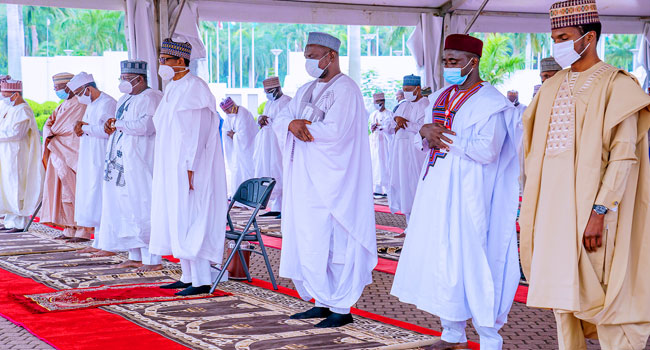
Muslims

Eid-ul-adha: July 20 and 21 declared public holidays

The Federal Government of Nigeria has declared Tuesday, July 20, and Wednesday, July 21, 2021 as public holidays.

The declaration was made by Interior Minister, Ogbeni Rauf Aregbesola. The minister congratulates all Muslim faithful home and abroad. He also advises them to “imbibe the spirit of love, peace, kindness, and sacrifice as exemplified by the holy prophet Muhammad (peace be upon him).”

The minister also implores the Muslim faithful to pray in the period for “peace, unity, prosperity, and the stability of the country, considering the challenges of insecurity we face at the moment.”

He gives assurance on the commitment of Muhammadu Buhari’s administration on security of lives and prosperity of Nigerians, empowerment, social investment programs, and adequate security for schools.

He also states the need for all Nigerians to keep on observing the COVID-19 protocols by wearing face masks, washing hands regularly, and keeping physical distance which can help in stemming the transmission of the dreaded pandemic in the country.
Significance of the ten days of Zhul-Hijja


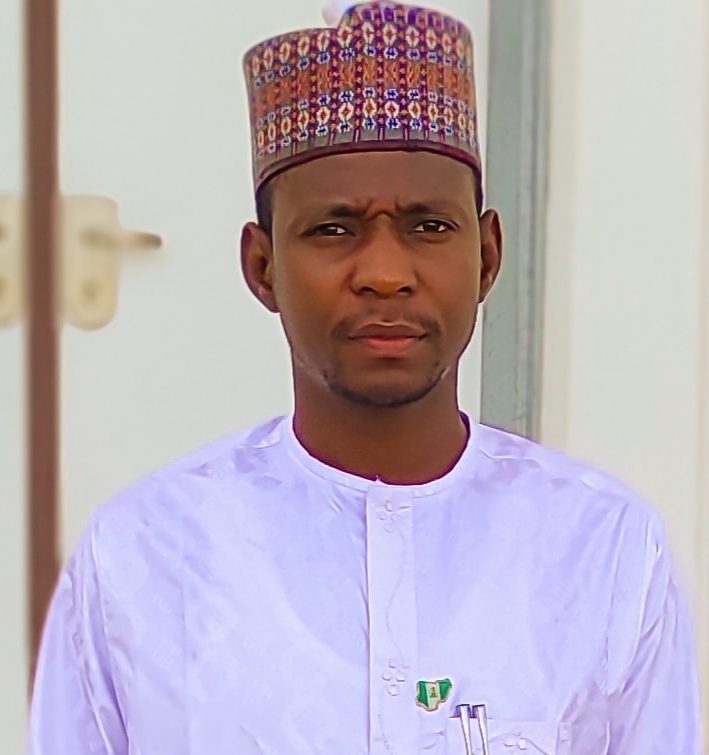
By Tajuddeen Ahmad Tijjani

According to the highest body saddled with the responsibility of moon sighting in Nigeria (the sultanate council), Sunday the 11th of July 2021 was declared the first day of the month of Dhul-Hijjah in Nigeria.


The first ten days of Zhull Hijja (the last month on the Islamic calendar) are observed with reverence by Muslims worldwide. Prophet Muhammad, peace and blessings of Allah be upon him (PBUH), said: There are no days on which good deeds are more beloved to Allah than the days of Hajj.


Muslim faithful globally assemble in Meccah to perform one of Islam’s fundamental principles (Hajj). Unfortunately, due to the Covid-19 pandemic, only Saudi nationals are allowed to perform the Hajj this year. However, those who cannot visit the holy land are not left behind to accomplish good actions. Those at home are admonished to thank their Lord frequently, seek forgiveness, intensify prayers and fast throughout the nine pivotal days or at least fast on the Arafat day.  Muslims are enjoined to make sacrifices on the tenth day to seek Allah’s pleasure. 


According to Islamic teachings, remembering Allah wipes away sins, cures problems, and eliminates calamities no matter how burdensome they may be. Speaking about difficulties and calamities, indeed Nigeria is a country in a critical period; now is the perfect time for our Muslim brothers and sisters to intensify prayers and seek Allah’s intervention to free the country from the shackles of Boko Haram, banditry, kidnappings, armed robbery, violent secessionists, domestic violence, and other forms of terrorism.


Sallah is in a few days, but ordinary Nigerians can no longer afford the Salla ram, thanks to inflation. So while it’s part of Sunnah to make sacrifices by slaughtering an animal at the end of the ten days, it is strongly advised that the fortunate among us should give aid to the less privileged. Doing so will increase their wealth and will please Allah, adding more blessings to their wealth.

 
Tajuddeen Ahmad Tijjani writes from Galadima Mahmud street, kasuwar-kaji Azare, Bauchi State.