How Lifestyle Choices Affect Your Kidney Health
By Uzair Adam
As National Kidney Month comes to an end, health experts continue to emphasise the need for greater awareness about Chronic Kidney Disease (CKD) and the steps people can take to prevent it.
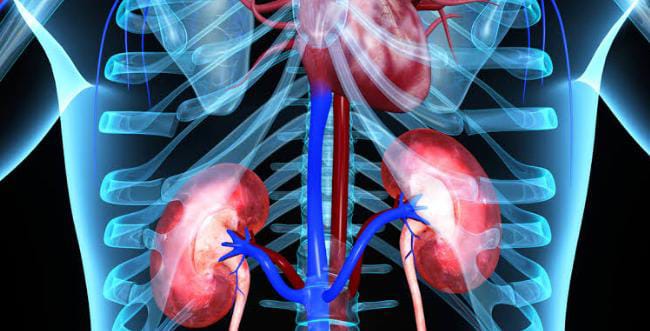
The kidneys play a vital role in the body by filtering waste products and excess fluid from the blood. When these organs become damaged, they gradually lose their ability to perform this function properly.
Over time, this can lead to chronic kidney disease and, in severe situations, kidney failure.
A 2025 study reported that CKD is becoming an increasing global health concern, affecting about 11 to 14 percent of adults, with more than 25 million people potentially living with the condition.
In Nigeria, however, many people remain unaware of the dangers, often resulting in late diagnosis when the disease has already progressed to advanced stages.
Understanding daily habits that may contribute to kidney damage can play a key role in preventing the condition. Several lifestyle choices that seem harmless can gradually place pressure on the kidneys if they are repeated frequently.
One common habit is not drinking enough water. Proper hydration is essential for the kidneys to function effectively because they rely on water to filter waste from the blood and produce urine.
When the body lacks sufficient fluids, toxins can accumulate, increasing the likelihood of kidney stones and infections. Severe dehydration can also weaken kidney function over time.
Health experts recommend a daily intake of about 2.7 litres of water for women and 3.7 litres for men.
Another habit that may harm the kidneys is the frequent use of painkillers. Many people turn to medications to cope with physical stress and fatigue, but excessive or unsupervised use can damage the kidneys.
Drugs such as Ibuprofen and Aspirin, which belong to the group known as non-steroidal anti-inflammatory drugs, may gradually affect kidney tissues when taken too often.
Long-term misuse has been associated with a condition known as Analgesic Nephropathy, where the filtering units of the kidneys become damaged.
These medications can also reduce blood flow to the kidneys, raising the risk of injury and scarring.
Frequent consumption of energy drinks is another lifestyle habit that can negatively affect kidney health.
Although many people use them to cope with daily stress or fatigue, these drinks typically contain large amounts of caffeine and sugar.
Excess caffeine increases urine production, which can lead to dehydration and additional strain on the kidneys.
High sugar intake, on the other hand, may contribute to health conditions such as Type 2 Diabetes and High Blood Pressure, both of which are known risk factors for kidney disease.
Studies have also linked heavy consumption of energy drinks to several kidney-related complications, including reduced kidney function and acute kidney injury.
The combination of caffeine, taurine and sugar found in many of these beverages may increase oxidative stress and gradually put pressure on the kidneys.
Another factor that can affect kidney health is physical inactivity. Research shows that many adults do not engage in enough exercise, contributing to a sedentary lifestyle.
A lack of regular physical activity has been associated with a higher risk of chronic kidney disease and faster decline in kidney function.
Health experts advise that maintaining healthy habits — including staying hydrated, using medications responsibly, limiting energy drinks and engaging in regular physical activity — can significantly reduce the risk of kidney-related diseases.