Cheap Drones, Costly Consequences
By Zayyad I. Muhammad
Low-budget drones are reshaping the architecture of modern warfare in ways that were unimaginable just a decade ago. They allow combatants to engage targets with minimal human contact, reduced battlefield exposure, and significantly fewer casualties. Unlike traditional air power that requires expensive fighter jets, trained pilots, and sophisticated logistics, drones can be produced at low cost, deployed quickly, and operated remotely with high precision. This shift is lowering the barrier to entry for military capability and redefining how wars are fought.
More importantly, this transformation is changing the balance of power between strong and less-powerful nations. Previously, military dominance depended heavily on air superiority, armoured divisions, and naval strength, all of which were controlled by a handful of major powers. Today, relatively smaller or less-equipped countries can use swarms of low-cost drones to challenge technologically advanced militaries. This has made conflicts more prolonged, unpredictable, and difficult to decisively win. Even well-funded armies now face persistent threats from inexpensive systems that are hard to detect and cheap to replace.
The Ukraine-Russia war is a clear example of this shift. A country with fewer conventional military resources has been able to slow down and at times stall a larger, more powerful opponent by using drones for surveillance, artillery guidance, and direct strikes. Commercial-style drones modified for military use have destroyed tanks, disrupted supply lines, and targeted command positions. This has contributed to battlefield stalemates and reduced the effectiveness of traditional heavy military advantage.
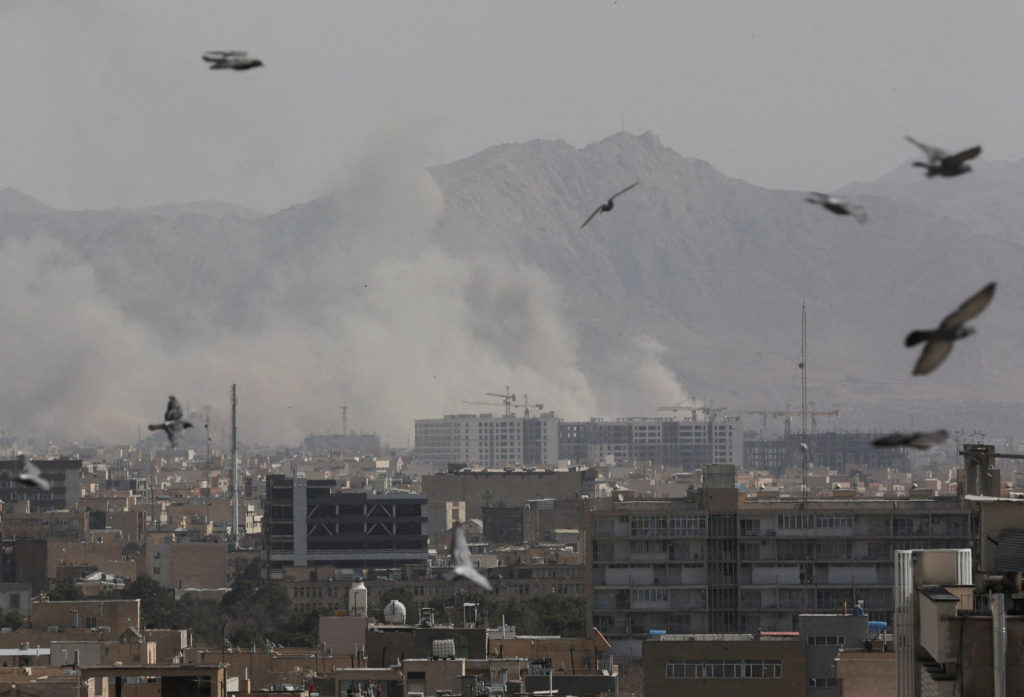
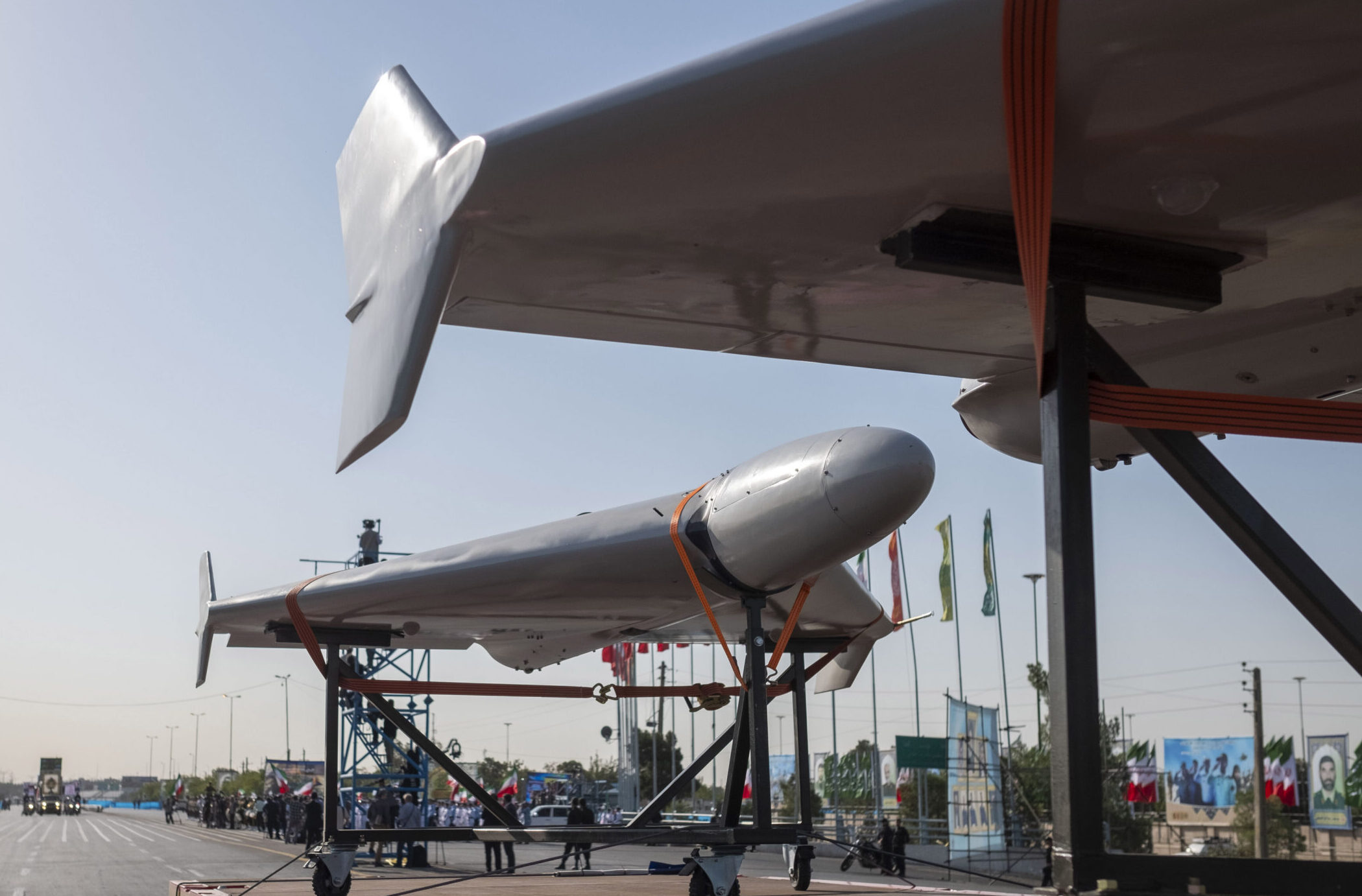
Similarly, the United States-Israel-Iran war has demonstrated how drone technology is changing deterrence dynamics. Iran, with its Shahed drones, was able to withstand the US and Israel at the same time, including being able to attack other countries. Iran was able to attack military bases, infrastructure, or naval assets across the Gulf and Israel using its relatively cheap drones; these have altered strategic calculations of the entire war. Furthermore, this suggests that even nations without overwhelming conventional strength can project power and create credible resistance.
However, while low-cost drones provide tactical advantages, they also introduce serious risks. The biggest concern is that non-state actors, militias, insurgent groups, and even criminal organisations can now access and deploy drone technology. Unlike fighter jets or missiles, drones are easier to acquire, modify, and operate. This increases the likelihood of asymmetric attacks against states, critical infrastructure, and civilian targets. What was once the exclusive domain of national militaries is now accessible to smaller groups with limited funding.
In essence, low-cost drones have ‘democratised’ air power. They have changed the face of war, reshaped military strategy, and reduced the dominance of traditional superpowers. But at the same time, they have introduced a new era of insecurity where conflicts may become more frequent, more decentralised, and harder to control. The same technology that reduces casualties on one side also increases the risk of widespread, unpredictable confrontations, especially when used by non-state actors beyond conventional rules of engagement.
This trend is no longer limited to state actors alone. Multiple credible reports and security analysts confirm that Boko Haram and ISWAP (Islamic State West Africa Province) have increasingly deployed low-budget, commercially available (COTS) drones, often modified quadcopters, in attacks on Nigerian military positions in the Northeast. These drones are reportedly used for surveillance, reconnaissance, and in some cases, direct strikes against troop locations and defensive positions.
Beyond Nigeria, other non-state actors in different parts of the world have also been reported to use low-budget, commercially available drones, typically inexpensive quadcopters or FPV models, modified with improvised explosives, grenades, mortar rounds, or IEDs. These systems are deployed for intelligence gathering, target acquisition, and direct attacks. The accessibility of these platforms makes them attractive tools for irregular forces seeking to offset conventional military disadvantages.
Zayyad I. Muhammad writes from Abuja via zaymohd@yahoo.com.