Education

Mushroom Universities: Other Togo and Cotonou sisters

By Muhammad Sani Usman

It is not just in Togo or Cotonou; mushroom universities are widespread in Asia, especially in India, Thailand, Indonesia, Malaysia and even some parts of core Europe.

The incident with this Cotonou one-year degree made me curious to discuss the issue with a student in Germany. He told me about the presence of substandard schools even in Germany. If such universities can be found in Germany, I wonder, where is safe? Most often, our federal universities in Nigeria, in comparison, seem to offer a more reliable education.

The significance of university rankings becomes apparent, particularly in the West, during job hunting. Employers often emphasise the importance of your university’s ranking in their consideration for an interview.

That’s why you’ll see graduates from places like Sudan or Cyprus facing challenges in passing medical and dental council exams in Nigeria due to the issues associated with their questionable degrees and institutions.

The situation in India is the worst one, and our best Nigerian students are often directed to these quack private universities, which are not on the accreditation list globally.

You’ll be seeing celebrities flaunting their graduation pictures and certificates obtained from Cyprus private universities while we know they are here in Nigeria shooting “Izzar So” and whatnot. How and when they studied still remains a mystery to all.

While not intending to generalise, our thirst for foreign certificates poses these challenges. Until we go for the best, our education and leadership will go nowhere.

Our government did an excellent job on these Benin and Togo degrees/certificates, until a system is established to check and authenticate these universities, the proliferation of quack PhD holders, which can indeed be detrimental to our growth will surely be the order of the day. Investing in our own institutions and striving for excellence globally should be our main priority and concern.

Muhammad Sani Usman can be reached via muhdusman1999@gmail.com.

The impact of poverty on health, education, social structure, and crime

By Umar Sani Adamu

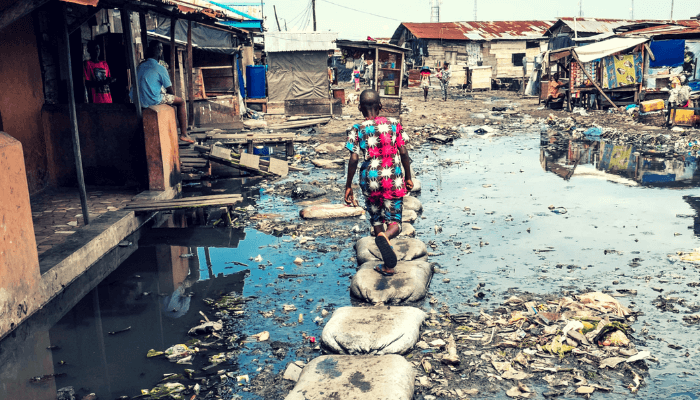
Poverty has far-reaching consequences on various aspects of society, including health, education, and social structure. Understanding these repercussions is crucial for addressing the root causes and developing effective strategies to alleviate poverty and its associated issues.

1. Health

Poverty significantly impacts health outcomes. Limited access to nutritious food, clean water, and adequate healthcare services contributes to a higher prevalence of malnutrition, infectious diseases, and chronic conditions among the impoverished. Lack of resources often results in substandard living conditions, exposing individuals to environmental hazards. Additionally, stressors associated with financial insecurity can lead to mental health issues, further exacerbating the overall health burden.

2. Education

Poverty creates barriers to educational attainment. Families struggling with economic hardships may prioritise immediate needs over investing in education. Children from impoverished backgrounds often face challenges such as inadequate access to quality schools, resources, and educational support. Limited access to books, technology, and extracurricular activities hinders their development. As a result, the cycle of poverty continues, as these individuals may find it challenging to break free from their circumstances through education.

3. Social Structure

The social fabric of a community is intricately linked to economic well-being. Poverty can contribute to the fragmentation of social ties as individuals grapple with the stress and uncertainty of their circumstances. Communities with high poverty rates may experience increased social inequality and a lack of social cohesion. This can manifest as reduced community engagement, weakened support networks, and a diminished sense of belonging.

4. Crime

Poverty is often identified as a significant factor contributing to crime. Several mechanisms explain this relationship. Firstly, individuals in poverty may resort to criminal activities as a means of economic survival. Limited opportunities for legitimate employment can lead some to engage in illegal activities to meet basic needs. Additionally, impoverished communities may experience higher rates of substance abuse, which can further contribute to criminal behaviour.

Furthermore, the lack of access to quality education and limited social support in impoverished areas can result in a higher prevalence of delinquency. The frustration and hopelessness stemming from persistent poverty may lead individuals, particularly young people, towards criminal behaviour as an alternative to breaking free from their challenging circumstances.

Addressing the Link Between Poverty and Crime

A multi-faceted approach is necessary to mitigate poverty’s impact on crime. Policies to reduce poverty through economic empowerment, education, and healthcare access are crucial. Investments in education, vocational training, and job creation can provide individuals with opportunities to escape the cycle of poverty and reduce the likelihood of resorting to criminal activities.

Social support programs that strengthen community bonds, mental health services, and addiction rehabilitation can address some of the root causes of criminal behaviour associated with poverty. Additionally, targeted efforts to improve law enforcement-community relations and reduce systemic inequalities can contribute to crime prevention.

In conclusion, poverty has profound consequences on health, education, and social structure, with a direct link to increased crime rates. Breaking this cycle requires comprehensive strategies that address the systemic issues contributing to poverty and simultaneously provide individuals and communities with the tools and resources needed for positive transformation.

Umar Sani Adamu (Kawun Baba) wrote via umarhashidu1994@gmail.com.

Teaching: the most underrated profession in Nigeria

By Ibrahim Tukur

Teaching, a practice dating back to the inception of human civilization, remains the cornerstone of knowledge dissemination and societal development. Across diverse forms, teaching has wielded a profound influence in shaping our lives and the world at large. It is the vessel through which knowledge, information, and invaluable experiences are preserved and transmitted across generations. In the structured confines of schools, students engage with various disciplines, not solely to absorb knowledge but also to challenge, reframe and contribute to a brighter future.

Yet, despite being the progenitor of all professions, Nigeria seems to overlook the significance of the teaching profession. Unlike professions like law or medicine, where extensive training and years of study are prerequisites, teaching frequently appears as an accessible career path, sometimes attracting individuals without the essential pedagogical skills or comprehensive subject mastery.

This oversight manifests glaringly in the under-appreciation of teachers by the Nigerian government, notably in the form of insufficient compensation. The meagre salaries offered to educators fail to recognize the intricacies and demands inherent in their roles, severely limiting their ability to perform optimally and affecting their morale.

Additionally, the teaching landscape in Nigeria grapples with a multitude of challenges which impede effective delivery. Inadequate infrastructure, including scarcity of classrooms, laboratories, libraries and teaching materials, acts as a significant barrier to effective teaching and learning processes. This scarcity, coupled with a shortage of qualified educators and deficiencies in teaching methodologies, hampers students’ ability to reach their academic potential. The lack of comprehensive and quality teacher training programs stands as a significant challenge faced by educators in Nigeria.

Many teachers enter the profession without adequate preparation, lacking essential pedagogical skills and updated teaching methodologies. This deficiency in training directly impacts their ability to effectively engage students, cater to diverse learning needs, and employ innovative teaching techniques. Insufficient training also hampers educators’ efforts in adapting to evolving educational trends, impacting the quality of education imparted to students across various levels of schooling.

Consequently, Nigeria’s education system suffers, and the negative ramifications are dire. If not rectified, this neglect of teaching – the bedrock of all professions – will perpetuate the birth of under-qualified professionals. It’s a situation that could escalate brain drain, where competent educators seek opportunities abroad where their expertise is appreciated and duly rewarded.

Recognizing the pivotal role which teachers play in shaping society, there’s an urgent need for substantial reforms. It starts with acknowledging and properly compensating teachers for their arduous task of moulding minds and futures. Additionally, investing in comprehensive teacher training programs, extending the duration of educational courses to allow for a more thorough mastery of teaching methodologies, and implementing stringent selection processes for educators are imperative steps.

The government’s commitment to furnishing all schools with adequate resources and facilities is equally crucial. This holistic approach is essential to ensuring seamless teaching and learning experiences, vital for the nation’s educational advancement.

In conclusion, it’s paramount to accord teachers the reverence and support they deserve. Their pivotal role in shaping both individuals and the world demands not only acknowledgement but also concrete actions aimed at rectifying the systemic deficiencies currently hampering the teaching profession in Nigeria.

Ibrahim Tukur is a hearing-impaired individual who hails from Ingawa town in Katsina. He earned his first degree in Special Education/Sociology. He is a Disability Rights Advocate and can be reached via inventorngw@gmail.com.

Governor Bala: What is the position of education in Bauchi State?

By Ukasha Rabiu Magama

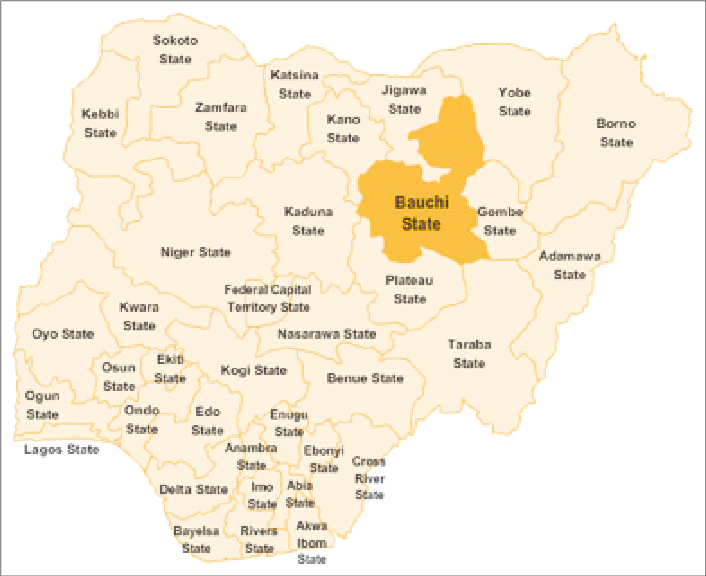
The last time the Bauchi state government recruited teachers in its primary and secondary schools was in 2014-2015 when Dr Malam Isah Yuguda was in power. Since then, no single teacher has been employed again in the sector, though there have been cases of retirement, changes of cadres, and death.

It may not interest readers to hear that with these sad and unwelcome developments, Bauchi state has been enumerated among the states with many out-of-school children in Nigeria. According to UNESCO, in October 2022, Bauchi had the highest figures, amounting to 1,239,759.

These alarming figures are not unconnected to the government’s failure to recruit apt teachers, provide enough instructional materials and non-payment of staff salaries. This weird and mind-boggling development has thrown thousands of Bauchi kids out of school and, sadly, others to street begging and other criminal activities. 

Imagine a primary school having one teacher with a population of about 350 pupils. There are many schools in the Lame district of Toro local government with only one teacher. Also, not just Lame district but almost all primary schools in the state’s rural areas face similar problems. Pupils receive classes under the shed trees with no chairs. Hmm! Primary schools and even our secondary schools are in terrible condition.

Recently, the Daily Trust newspaper reported how the lack of teachers and infrastructure forced the closure of many primary schools and turned pupils into farmers in Alkaleri, the governor’s local government. Still, Daily Trust gathered that multiple public primary schools, especially in the semi-urban and rural areas of the state, are either run by volunteer teachers hired by the community development committee or by public-spirited individuals in their quest to attract parents and children who are shunning school.

Surprisingly, the authorities are aware of the situation. There was a time when Korijo Usman, the SUBEB director of state, told journalists that there were 79 primary schools in Misau’s local government, and each school had one teacher.

The governor had once condemned the system while expressing dissatisfaction with the Dumi school’s bad condition. He stated that he was unhappy with SUBEB and the state’s ministry of education. 

Therefore, if the governor can condemn the system and nothing has been done to fix it, then our kids’ future is at stake. Also, the government has indicated its ineptitude to restore the system.

If the World Bank and other NGOs could donate huge funds, just revamp the system. I accused the state government of embezzling the funds since nothing has been done yet.

However, the dilapidating condition of the schools must be attributed to the activities of vandals and the negligence of the host communities; government negligence contributed to nearly 70% of the problems. It is undeniable that unscrupulous elements are carting away schools’ belongings, having government agents as masterminders.

Therefore, education in Bauchi state is on the verge of collapse as there are many no’s. As such, I’m calling on the present administration of Bala Muhammad Abdulkadir to employ sufficient teachers, build enough classes, and renovate the abandoned ones as a matter of urgent public importance. 

Notwithstanding, paying teachers’ salaries on time and promoting those who are supposed to be promoted would help revitalise the education sector in the state; if not, the whole system will soon collapse, and the position of the state education sector will be nowhere to be found. 

Ukasha Rabiu Magama writes from Magama, Toro, Bauchi State, and can be reached at Ukasharabiu95@gmail.com.

Why the Bauchi State government needs to rescue education

By Muhammad Miftahuddeen Isa

The plight of secondary school students in government schools across Bauchi State is getting worse by the day, and their situation, if left unattended, would do a lot of harm to the future of the State. 

Education is the key to civilisation; it influences growth and frustrates mediocrity in thoughts and aspirations. It, therefore, becomes pertinent to teach the right mindset to students, teachers and those saddled with the responsibility of providing quality education to our brethren. However, while orienting our brothers and sisters in secondary schools on how to succeed in life, we were baffled to learn that our schools lack adequate teachers to teach and guide students towards a prosperous future. 

BALAWSAN Law Week was my way of bidding farewell to the one-year service to the Bauchi State Law Students’ Association of Nigeria—as its President. But contrary to what people had imagined, all my programs centred on secondary school students. At least, that’s what many would say, even though the Members of BALAWSAN were never left behind.

We intended to unveil young men with great potential and build more capable leaders through mindset reorientation and capacity building. We have achieved that— through the direct beneficiaries of the programs— our members and the secondary school students—most especially during the Debate Competition we organised between Secondary Schools, where young, intelligent students were given the platform to display their oratory prowess and consequently, the chance to realise their worth and capabilities. I am happy with how things turned out, for I am confident now that we do not lack talents in Bauchi State; we lack the will to invest in them. I will explain this further in the subsequent paragraphs.

On the 26th of October, 2023, my team and I arrived at Sa’adu Zungur Model Secondary School at about 11 am for a Career Awareness Program, with which we declared open the first BALAWSAN Law Week, 2023. The School is among the most reputed Public Schools in Bauchi State, and naturally, we would expect their standards to fit their public image. The Principal gave us a warm welcome, after which we were ushered into the Hall booked for the event. 

My friend, who coupled as the Master of Ceremony, introduced the purpose for which we were there, after which I was invited to deliver a brief lecture on “what it means to be a Lawyer” and subsequently, Miss. Atika Garba Hassan and Mr. Bilyamin Aliyu Salisu— both fresh graduates of Law— delivered lectures on “The Requirements for Law Admission in Nigerian Institutions” and “The Mindset for Success”, respectively. It was both an exciting and impactful program for everyone until we started dishing out questions, and as expected, the students answered passionately. 

As is the practice, we allowed for questions from the audience. Both students and staff asked many important questions, but the one that occupies my mind even as I write this piece is: “Literature in English, as Miss. Atika has explained it is a requirement for a person who intends to pursue a career in Law, and we have no Literature on English teaching in this school. Not only in this School but in the whole of Bauchi State, we had two of them, one of whom is deceased now. The Government is doing its best. The question now is, how could our students be qualified to study law under this circumstance? Another thing is that we do not have sufficient teachers to teach Government.”

Ordinarily, every good citizen would find it troubling to know that one of the best public secondary schools in Bauchi has no teacher available to teach one of the most important subjects for every Art Class Student— I am a good citizen. To call this a disappointment is the highest I could go in leniency, and to call a spade a spade. It is the zenith of cruelty perpetrated by the government of Bauchi State, every stakeholder in the state’s education sector, parents, and all the people of Bauchi State. How could this be happening without anyone saying anything? This is a time bomb, and unless it is dismantled, an abode is guaranteed in hell for all of us— both the Actors and Spectators. If this is what we found out in less than the Two hours we had been in the School, how much more does the Ministry of Education know? How much more does individual School Management know? And how much more do we need to know before we act?

It is common knowledge that even the Commissioner and Directors of the Ministry of Education and Principals and Teachers of Public Schools do not have their wards enrolled in public schools, which has contributed to the criminal neglect of the schools. How can you be selling to people what you cannot use yourself? How can you ask people to trust the institution you steer when you do not trust such institutions with your children? But it is okay. I know they would rather point fingers than do the right thing, but at least these students— the ones we have neglected— should have qualified teachers capable of helping them (the students) achieve their goals. 

I know many schools face the same or worse challenges, and it is equally public knowledge that the State Government has the means to build roads; why would those funds not be diverted to support the God-given talents of the thousands of students caged in cave-like classrooms, with goals and the willingness to pursue them, but with no teachers to teach important subjects? Why would Parents have the energy to supervise the distribution of palliatives but turn a deaf ear to the intellectual sufferings of their wards? Why would Student Unions continue to waste funds on frivolous events even after knowing the problems bedevilling our brothers and sisters in schools? There are many whys, but the most important is why we call ourselves “human beings” when we peacefully sleep at night ignoring the plight of thousands of young promising students who have no one but us to fight for them?! Why?!

To fight this menace, all hands should be on deck to champion the change required to restore public confidence in public schools. The Government should provide a conducive environment for learning, engage the services of qualified teachers for every subject— in every school— and improve the welfare of both the teaching and non-teaching staff in the Education Sector. Adequate measures should also be implemented to ensure those saddled with responsibilities discharge them effectively. Parents should be willing to inquire about the things being taught in schools through diligent inspection of notes and friendly conversations tailored towards finding out the needs of their wards about their plans and whether the school can cover those efficiently. 

Student Union Leaders should accept the responsibility that comes with their titles; they should prioritise quality education through advocacy, and tangible projects centred towards achieving access to quality education and career guidance. Private Organizations should utilise the resources available for their corporate social responsibility, or a reasonable percentage thereof, to support the Government in realising access to quality education. 

We must do what we can to curtail this menace that feeds on the foundation of our civilisation and progress. Every one of us must do what we can to uphold the integrity and standards of our Educational System. Every Child deserves a fair chance at proving their worth and capabilities, and no child deserves a school that lacks the facilities to support their dreams. Everyone must be able to speak up when they see anything undermining the quality of education received anywhere— in private and public schools.

Muhammad Miftahuddeen Isa writes from Bauchi State and can be contacted via Muftahuddeenisa@gmail.com.

A new era for higher education in Nigeria

By Nusaiba Ibrahim Na’abba

In his inaugural professorial lecture, Professor Muhammad Muftahu addressed the need for the institutionalisation of higher education as a field of study and professional practice in Nigeria. This came amidst increasing debates about skills over degrees or vice versa and other higher education problems that continue to stunt the growth of education in Nigeria.

In the lecture, which took place on November 14, 2023, at Kaduna State University, Prof. Muftahu disclosed the massive strategic importance of higher education in the development of Nigeria. He had served in various capacities as a professional higher education consultant and researcher. In his journey, he has navigated the multitude of intricacies of the discipline while teaching revered values in various institutions and organisations around the world.

In the years of my professional engagements with Prof. Muftahu, particularly in higher education research, article writing and research reviews, we have both documented facts and valuable insights that have given higher education the needed spotlight. Today, the sum of the knowledge I have gained has eased my current engagement as a content writer at a higher education institution. Prof. always insisted that we had learned from each other until my contracted work arrangement elapsed.

The higher education field is an essential asset to Nigeria’s all-round development, as he highlighted while delivering his lecture titled ‘Institutionalizing Higher Education as a Field of Study and Professional Practice in Nigeria’. It solidifies and amplifies every element purposely chosen to support general development by promoting economic growth and social progress, among other pillars that ensure the thriving of societal development.

Higher education is a multilayered field of endeavour. Existing therein are all tertiary institutions of learning, comprising mono-technics, polytechnics, colleges of education, centres of excellence in research, and universities, among other tertiary structures, not forgetting higher education programs. They are solely established to enable the production of new knowledge through skills, innovation and value-based education. This is necessary to keep steering the affairs of the country towards betterment and advancement.

Growing recognition of the importance of the field, growth and diversification of Higher Education Institutions, the influence of technology, the impact of policy and politics, and the globalisation of higher education are among the major components that transform research and studies in the higher education discipline. These components must be creatively streamlined into the higher education system to institutionalise its practice in full capacity.

Prof. Muftahu’s inaugural lecture comes at a time when the Academic Staff Union of Universities (ASUU) and the Nigerian government have sharp disagreements over the autonomy of universities, the Integrated Payroll and Personnel Information System (IPPIS), the allowances of lecturers and notably the ‘Japa syndrome’ that has infested the universities. By the day, resourceful researchers in Nigerian universities seek lucrative, greener pastures abroad. Hence, they are trooping en mass to other countries, leaving behind the slowly decaying and pathetic system at home.

According to Muftahu, “Certainly, governance issues in higher education play a significant role in developing higher education practice in Nigeria. The lack of promotion of evidence-based policies and programs in higher education, as well as throughout the system, contributes to the difficulties in developing a strong pool of higher education researchers in Nigeria.” With the ‘Japa syndrome’ overwhelming the system, organising the strong pool of professionals dedicated to higher education research can be herculean.

The new era of higher education can be achieved through institutionalising it as a professional practice and a field of study in Nigeria. And doing that surely needs a redefined and robust approach. Critical areas that should be highly prioritised to elevate the status quo of higher education include higher education research and policy development, leadership, professional practice, a national strategic action plan and the establishment of a national institute for Higher Education research.

Higher education is a holistic collection of programs and institutions that serve as a think tank for every nation’s development. In advanced countries and developing ones like the US, Malaysia, Singapore, etc., higher education proudly supports decision-making at all levels of governance and public engagement with research and innovation. With the institutionalising of higher education using the key aspects, they have achieved a phenomenal transformation and development.

For Muftahu, “Without a doubt, a country’s overall development depends on the strength of its higher education system, which is heavily reliant on the presence and contributions of higher education professionals”. But, adapting to the contemporary practices of advancing higher education in Nigeria will be tricky.

In fact, with the current hike in university tuition, the tertiary education system is deterring youth from pursuing careers. This will also stagnate the development of a pool of resourceful higher education professionals that can ably streamline global best practices in the country’s education sector.

Nigerians are always on the search by global companies, research institutes, and other prominent organisations, courtesy of their well-regarded knowledge and abilities. A strategic national higher education roadmap is desperately needed to save the experts from trooping out of our country.

It is high time to stop the dramatic display of theatrics by the Nigerian government concerning higher education matters with evidence-based policies at institutional and national levels. These policies and programs can only be achieved by acknowledging the importance of skilled professionals in pursuing higher education excellence and values.

Nusaiba Ibrahim Na’abba is a content writer at Skyline University Nigeria (SUN). She obtained a degree in Mass Communication and a Master of Communication Studies. She is also a communication researcher and freelance writer.

From doubt to determination: My journey to HND in Mass Communication

By Usman Muhammad Salihu

In the world of education, some paths are straightforward, while others are winding, challenging, and filled with unexpected detours. My journey towards obtaining an HND in Mass Communication at Abubakar Tatari Ali Polytechnic (ATAP) in Bauchi State, Nigeria, certainly falls into the latter category. It’s a tale of determination, sacrifice, and the unwavering support of family, mentors, and friends.

The story began in early 2020 when a conversation with my model, Abu-Ubaidah Ibrahim Kuna, led to my contemplating furthering my education. During my diploma days, I had already embarked on a professional course, Mass Communication, but some circumstances are forcing me to delve into sociology. Abu-Ubaidah’s advice struck a chord in my heart, prompting me to reconsider my choices.

Yet, life had its complexities. I was now a family man, responsible for providing for my loved ones. Pursuing my passion for Mass Communication while residing in Gombe seemed daunting. The course was unavailable nearby, and sponsorship was scarce. This predicament led me to opt for sociology. As they say, “In the absence of desirability, you make the availability your desirability.”

As fate would have it, the Direct Entry application period had elapsed, and waiting for another year was not a viable option for me. I thought of returning to Abubakar Tatari Ali Polytechnic in Bauchi, but the distance from Gombe presented its challenges. Who would sponsor my education and care for my family during this journey?

With courage and determination, I applied for HND in Mass Communication at ATAP and, to my delight, secured admission. In November 2021, I embarked on a motorcycle journey from Gombe to Bauchi State, joining my fellow students as lectures had already commenced.

As if the journey had become more challenging, I found myself in Stream B, paying registration fees every semester without a sponsor. However, divine intervention came through my elder brother, Jubril Salihu (Baban Hajiya), who provided much-needed support.

Balancing lectures and providing for my family back in Gombe was no easy feat. I travelled back almost every week, seizing every opportunity for sustenance that came my way. Skipping breakfast and even lunch became the norm, but our determination to succeed remained unshaken.

The challenges were numerous, from putting food on the table to completing assignments with limited resources. Still, we pressed on, making our presence known inside and outside the classroom as we joined the school unionism.

Our lecturers, especially Mal. Abdul Ahmad Burra singlehandedly led us to the membership of the pen profession, Mal. Nazir Abba Pali and Mal Abdul Rasheed Bala Tulu were pivotal in our journey. They nurtured us into aspiring journalists, and our articles began appearing in renowned Nigerian dailies and online media outlets. Friends like Muzaffar, Adams, Raheenert, Bello class rep, Jalam, Alpha, Aliyu, Yahya, Ibrahim, Wale, Usaina, Saeedah, Celestina, A’isha, Rinret, Anas, Baba Fema, Baba Damina and many others became our pillars of strength.

I would be remiss not to express my gratitude to my family, especially my parents, brothers and sisters, the heads of department at ATAP, my mentors, and Dr. Saidu Wanzami, who supported us during our educational journey.

In the face of adversity, we persisted. With the unwavering support of our loved ones and mentors, we overcame the obstacles on our path. Our journey to an HND in Mass Communication is a testament to the power of perseverance, determination, and the support of a strong community. As we graduate, we look back with gratitude and forward with hope, ready to embrace the challenges that lie ahead, knowing that with faith and resilience, nothing is impossible.

Usman Muhammad Salihu writes from Jos, Plateau State, Nigeria, and can be reached via muhammadu5363@gmail.com.

Extortion and exploitation: the double banes of quality education

By Salim Yunusa

Salim Yunusa As the summer break draws to an end and schools are set to resume in the coming weeks, parents are already grumbling over the increased school fees across many private primary and secondary schools across the nation, despite their salaries not increasing even by an inch. Due to the not-so-great condition of the public schools, parents have no other options than to send their wards to these private schools.

Although private schooling is a money spinning venture for many school owners, the least these schools should provide is excellent service delivery in teaching and imparting discipline on students. Unfortunately, this is not the case in many instances.

The learning facilities are substandard, to say the least and the teachers are below par in quality. Their sights are set on the profit the schools will return, not the excellence they’ll deliver and the students they will be proud of at the end of the day. Most of the buildings rented by these low budget schools are originally residential houses or uncompleted buildings that are converted to classrooms with little or or no ventilation; with tiny classrooms containing high number of students in each space.

Many of these schools are not fit for learning, with some of these classes demarcated with cardboards or plywood to create more space. There is absolutely no regard for safety standards and building regulations of any sort. I know of a “school” facility that serves as a school during the day and a football viewing centre at night.

Another school that upsets me anytime I pass it by is a school for young kindergartens and primary students that is directly beside a huge fueling station and inches away from a major highway.

I wonder what the development control authority was thinking; approving such a chaotic land use violation. Yet, it is these schools that charge parents outrageous amount of money every time. It is high time the government wades into these fraudulent waters; making sure that every private school that operates is duly registered, has a license and has ticked off every box of standards and regulations. It also has a responsibility of regulating the uncontrolled and unreasonable school fees and levies set by these schools themselves.

One would think that as these schools are extorting parents in broad daylight, their staff would be well paid. That is far from the reality. Teachers employed in private schools suffer the worst form of dehumanisation and extortion by their employers, unfortunately. They’re overworked and underpaid, with some teachers in some schools taking home less than N10,000 in a month…in 2023!

Their employers take advantage of the saturated labour market that is filled to the brim with young, unemployed teachers – qualified or not – and are desperate for employment. Some of these teachers are unqualified and burdened with many subjects in order to cut the cost of hiring more teachers. They learn on the job for long hours and meagre pay, with threats and deductions for the smallest of mistakes. They’re constantly in fear of speaking up or speaking out against their employers because they can be sacked without any reason whatsoever.

It is the height of wickedness to make parents pay through their nose for their children’s’ education without actually getting the value for their money in a tight, cramped up environment that is not conducive for learning while at the same time underpaying and overworking their staff.

Schools should not only be an avenue to generate more money for their rich owners. They should uphold a standard of excellence and quality delivery of education that’ll produce educationally sound students who can compete nationally and globally.

The government, as a matter of urgency, should continue to upgrade its schools so that they become more attractive to parents than private schools. That way, it will be a healthy competition; judged based on excellence and quality education but before then, they have the responsibility of registering, regulating and standardising private schools for the development of education in the nation.

Salim Yunusa writes from Zaria and can be reached at syunusa@gmail.com

Provide qualitative education to wards – College don charges parents

By Abdulbasid Aliyu Adam

Parents have been reminded of the need to play their parental role in providing qualitative education to their wards to curtail social vices.

Dr Abdullahi Jaji of Aminu Saleh College of Education Azare remarked while presenting a paper themed, the challenges of post-primary Education in Northern Nigeria: the Role of Stakeholders at the closing ceremony of the three-day annual quiz, debate and essay competition organised by MSSN Bauchi State Area Unit.

Dr Jaji, who spoke at length on the challenges of post-primary Education in Northern Nigeria, attributed the menace to the misplacement of priority by the parents. Hence the need for parents to shoulder all the responsibilities of their children’s education described knowledge as the bedrock of every development.

Earlier in his welcome address, the quiz coordinator of MSSN Bauchi state, Dr Muhammad Adamu Hamid, said the program was designed to improve the readiness of Muslim students in Bauchi State to face the Senior Secondary school Certificate Examination to meet world tertiary institution entry requirements in an examination malpractice free environment.

Dr Hamid, a lecturer with the Department of Mass Communication, Pen Resource University Gombe, charged the participants to double their efforts in seeking religious and Western education.

Speaking at the occasion, Amir of the MSSN Bauchi State Area Unit, Dr Rabi’u Barau Mball, applauded the efforts of the host communities for their job well done and urged the relevant authorities to continuously support the activities of MSSN at all levels for the speedy development of education and the state at large.

Dr Barau Mball, a lecturer with the Department of Sociology, Bauchi State University Gadau, used the medium and informed the public that the leadership of the society would host the 2023 National Islamic Vocation Course (IVC) hence the need for government support and all the sister agencies.

In their separate remarks at the occasion, Hon. Ahmed Mai Kudi Yaya, a member representing the Misau constituency in the State Assembly and Hajiya Bahijja Auwal Babaji, deputy chairman of Giade Local Government as well as the District Head of Giade represented by the Galadiman Giade, commended the state leadership of MSSN for organising the August, events and prayed for its sustenance.

The program, which draws participants from SS one and two of all secondary schools across the twenty local governments of the state, held at the Government Science Secondary school Giade, declared Katagum local government as the overall best, followed by Bauchi and Toro as Second and third, respectively.

Education: Empowering divorcées to pursue their dreams

By Kamal Alkasim

For many divorcées, the decision to return to school and pursue their dreams after parting ways with their husbands presents a significant challenge. In this article, we will explore the undeniable transformative power of education and its role in empowering divorcées to build a brighter future for themselves. Through the voices of these resilient women, we will understand the importance of providing them with the opportunity to pursue higher education and break free from the false theories that have hindered their path.

The Transformative Power of Education

Education is a powerful tool that can turn any individual into a star; women are no exception. By prioritising their studies over remarriage, divorcées can equip themselves with knowledge, skills, and confidence to overcome obstacles and shape their destiny. Education serves as the foundation for the development of any society and holds the key to personal and societal growth.

Challenging False Theories

Unfortunately, outdated and false theories surrounding women’s education in tertiary institutions have deterred many from pursuing their dreams. These misconceptions have created barriers for divorcées seeking to return to school. By challenging these beliefs, society can open new opportunities for these women to thrive.

Voices of Empowerment

Through conversations with divorcées who have chosen to pursue their dreams through education, we gain valuable insights into their determination and resilience. One woman shared her regret for not pursuing her studies earlier but expressed optimism about the positive changes education would bring to her future. Another divorcée spoke of her unwavering ambition to gain an education and fulfil her goals despite her challenges.

“If I had known earlier, I would have pursued my studies long ago. But now, this opportunity will bring positive changes to my future. I may have faced some challenges, but with education, I can overcome any obstacle.” – Divorcée.

“My greatest ambition is to gain an education, and after my divorce, I promised myself that I would come back to achieve this goal.” – Divorcée.

“People may judge me based on appearances and talk rubbish, but that won’t deter me. I will mind my own business and study human behaviour. This knowledge will help me solve matrimonial cases and more.” – Divorcée.

Overcoming Judgment and Criticism

Divorcées often encounter judgment and criticism from others, but their determination to succeed remains unshaken. One brave woman acknowledged the judgment she faced but declared her commitment to minding her own business and studying human behaviour to help others in similar situations. These voices exemplify the strength and resolve of divorcées in their pursuit of education.

Empowerment Through Education

Let us join hands in defeating these nonsensical theories and supporting divorcées in their educational journey. By empowering these women with education, we provide them with the tools to overcome obstacles and create a brighter future. Education holds the potential to transform lives and enable divorcées to achieve their dreams without fear or judgment.

Education is a beacon of hope for divorcées seeking to rebuild their lives and pursue their aspirations. By allowing them to learn and grow, society can break down barriers and empower these women to become agents of positive change. Let us recognise the transformative power of education and support divorcées in their quest for knowledge and self-fulfilment. With education as their ally, the future holds boundless opportunities for these strong and determined women.

Kamal Alkasm is writing from Kano.