

Religion and the 2023 presidential election: A quick take
By Muhsin Ibrahim
Religion was central to Bola Tinubu’s emergence as the APC’s candidate for the 2023 presidential election. We discussed the issue as if it would not end. Since the 1993 annulled election of Abiola/Kingibe (both Muslims), no major candidate and his running mate have ever come from the same religion until now: Tinubu/Shettima (both Muslims). But, as the election approaches (we are, in fact, counting hours), only a few people talk about that. However, religion will play a significant role in the voting pattern.
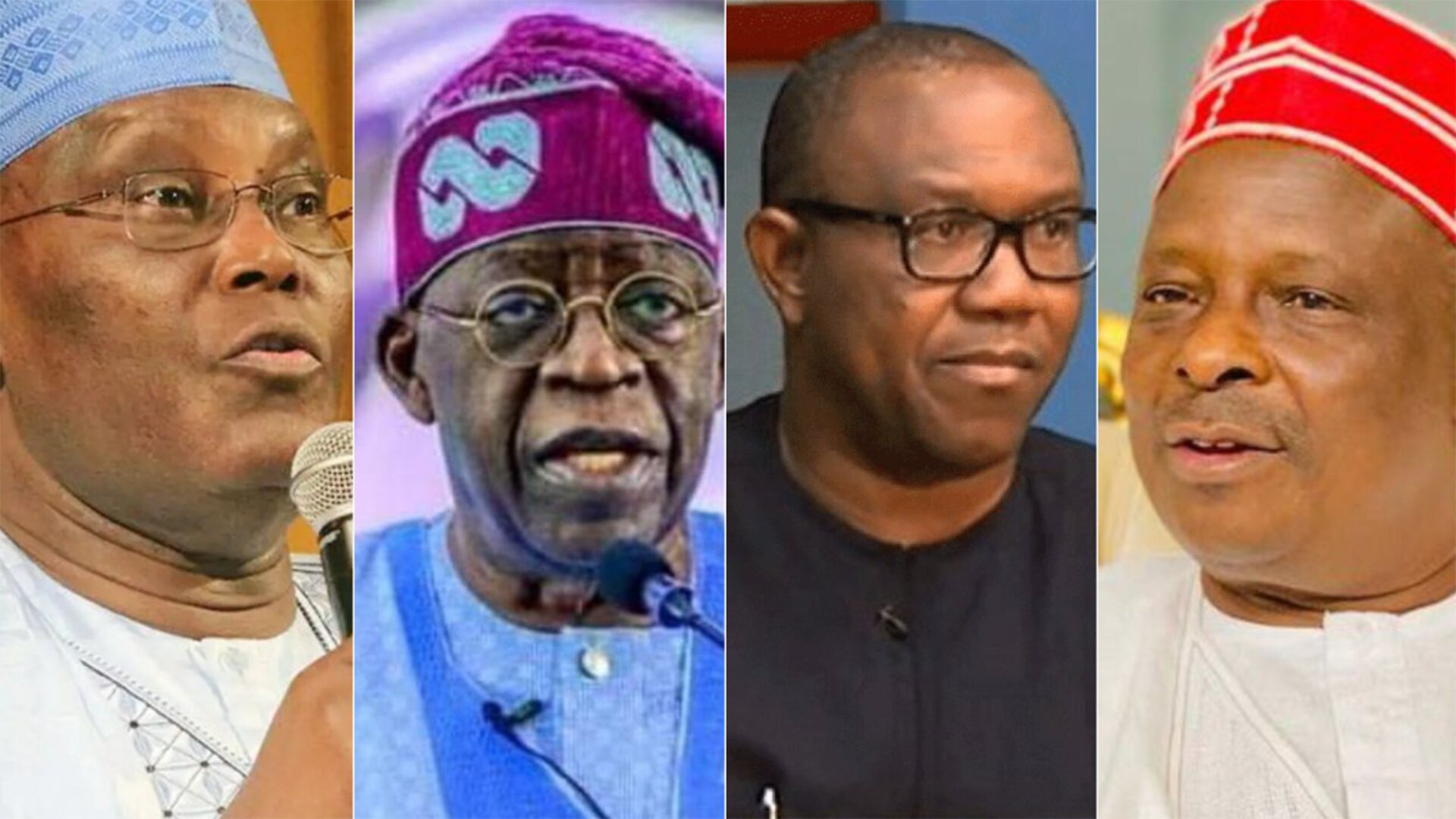
The wild popularity of Labour Party’s Peter Obi on social media and his appeal to foreign media has something to do with his religion. I know this may sound controversial, but it is so. The three other front candidates are Muslims, while Obi is Christian. Besides this, I can’t see a glaring difference between him and NNPP’s Engr. Rabiu Musa Kwankwaso per se.
Tinubu and PDP’s Atiku Abubakar are in their 70s, while Kwankwaso and Obi are in their 60s. The four leading candidates are stinking rich and belong to 1% of the Nigerian elite. Interestingly, the candidates represent Nigeria’s so-called major ethnolinguistic groups of Yoruba, Hausa and Igbo, alias WAZOBIA.
Though, there is a parallel between Obi and Tinubu. Many people will vote for them because of their religious identities. I learned that many churches, especially in the North, had ordered their members to vote for Obi. Likewise, the faith-based civil liberties organisation Muslim Rights Concern (MURIC) recently “reminded Northern Muslims of their promise to support a Southern Muslim [i.e. Tinubu] in the 2023 presidential election”.
Given the above, I agree with some observers and analysts that Obi may surprise his critics, such as myself, in the upcoming election. The votes from his Christian brethren and others supporting him for other reasons will make a difference. However, Tinubu has many more advantages – being APC the ruling party and his decades-old political footprints, among others.
Anyway, we hope for the best and pray for peaceful elections. But, please, stay away from violence. Your safety should be your most treasured possession. No politician or political party is worth dying for.
With love from a disenfranchised Nigerian citizen.
Muhsin Ibrahim works and lives in Cologne, Germany and can be reached via muhsin2008@gmail.com.
Atiku vows to implement CAN’s policy document
By Uzair Adam Imam
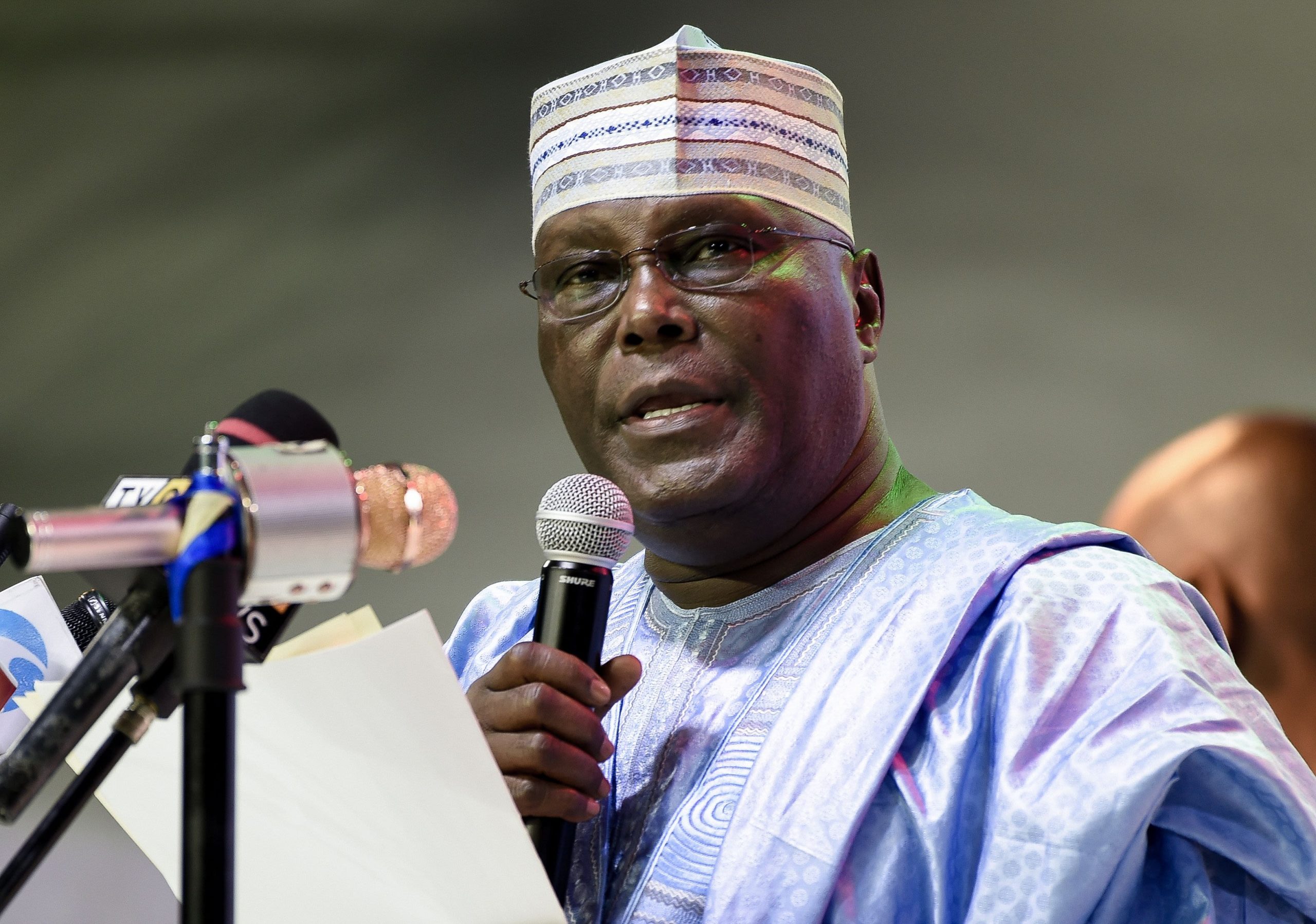
The Presidential Candidate of the People’s Democratic Party (PDP), Atiku Abubakar, vowed to implement policies presented to him by Christian Association of Nigeria (CAN) on Tuesday.
According to him, the CAN’s policy document was not in contradiction with his belief, as some of the points presented were contained in the book he wrote when he was a vice president of Nigeria.
The Presidential Candidate made this disclosure during his meeting with the CAN leadership in Abuja Tuesday.
He said, “I have listened to the presentation of the CAN document and I can tell you the CAN document is totally in conformity with my thoughts in a book that I published when I was the Vice President and this led to a fundamental disagreement with my boss as well as my constituents.
“There is no difference between my book and CAN’s presentation. I stand before you not to campaign but to tell you the honest truth, what you have presented is what I have always believed in. And if I have the opportunity, I swear to God I will do it.
“Oil didn’t send me to school, my parents paid cattle tax, market tax, radio tax and these were the taxes that sent me school from primary to university. If God has given you gold or oil, take your oil or gold but I will tax you.
“Why should we be fighting over resources that have been endowed to whoever it is endowed to,” said the presidential candidate.
Atiku was received by the CAN’s President, Archbishop Daniel Okoh, the Secretary of the association, and other executive members.
The CAN’s president, while presenting the document they titled “Policy Roadmap for Future Nigeria”, said the the document was for avoidance of doubt.
He said, “For avoidance of doubt, we present the policies that we believe will address the crises of development in Nigeria.”

Synopsis of the legal perspective between patients and healthcare providers in Nigeria
By Abdullahi Yusuf
Globally, the health care system is governed by ethical principles guiding the professional conduct of different professions within the coordinated body of health care delivery. Those ethical principles regulate service delivery in every profession and safeguard the well-being of the patients handled by those professionals within the scope of their professional practice.
Nigeria, with no exception, has its own healthcare system encompassing three delivery levels, ranging from primary, secondary and tertiary healthcare. Each level has personnel that are professionally trained in the various fields of health practice to take care of patients according to their expertise and professional boundaries.
The relationship between a healthcare provider and his patients from a legal perspective is contractual. The healthcare provider owes his patient a duty of care, and the patient owes the healthcare provider a token as payment for the service rendered. A contract is known to be an agreement between two or more parties that is legally binding, but in some cases, the relationship between the health care provider and the patient is not mutual, as the patient might not be in the right state of mind to make decisions. Regardless, the relationship is contractual, as implied by law.
In every contractual relationship between parties, there is a legal obligation that is to be fulfilled. Failure to fulfil the obligation will be regarded as a breach of contract. Breach of contract, according to law, generally attracts damages and, in some exceptions, can attract restitution, quantum meruit or specific performance, as the case may be. Inadequate knowledge of the law leads to the exploitation of many patients by some healthcare providers, which usually slides without punishing the offenders.
A healthcare provider can exploit his patient through breach of contract, medical negligence that could give rise to tortious liability, violation of some specific fundamental rights or violation of the patient’s rights under the National Health Act 2014. A healthcare provider can be punished when he/she commits any action under the aforementioned through specific disciplinary mechanisms set aside by the law.
The disciplinary mechanisms could be a civil or tortious liability, where the offender will be required to pay for damages by the court; criminal liability, where the offender will be punished based on the intensity of his crime according to the penal code of the state; and professional punishment can be served by the professional body that the offender belongs to by demotion, revoking of license or dismissal as the case may be.
There are instances where the management of a health facility could be held responsible for an accident that occurred to the patient in the facility—it is referred to as “Occupier’s liability” in law. In this regard, the accident must be a result of the negligence of the management, caused by failure to provide something necessary in which its absence resulted in the accident, or there may be a lack of maintenance of some equipment or devices that might have led to an accident.
Vicarious liability is also a situation where the management of a health facility can be held responsible for an act committed by their employee. When a patient is maltreated in a health facility by any member of staff, be it a violation of the right, tortuous act or breach of contract, the patient can sue the whole management of the facility in court for justice to prevail.
Any health consumer in Nigeria that once in a while visits a health facility to patronise health care services should know his rights as stipulated under the National Health Act 2014.
Part III of the National Health Act 2014 (Rights and obligation of users and health care personnel) encompasses eleven sections, starting from section 20 to section 30. Eight of those sections (sections 20, 23, 24, 25, 26, 27, 29 and 30) directly state the right of patients in relation to the health care provider.
Section 20 is about “emergency treatment”, where the section mandates any healthcare provider on duty to attend to a patient in an emergency without any hesitation or formality. Contravening the section can attract a fine of ₦100,000 or imprisonment of not more than six months, or even two, as the case may be.
“User (Patient) to have full knowledge” is what section 23 is all about. It explained the right of a patient to be well informed of his condition and the possible treatment that will be administered to him/her, unless in the case where informing the patient will cause more harm. Section 24 expatiates the “duty to disseminate information” by federal, state or local government health authorities. Facilities should make such information visible at the entrance. The information should include the services provided by the facility, operating schedule and visiting hours, processes for making complaints and the rights of the patients as well as the health care providers.
Section 25 explained the “obligation to keep records”. This record involves the demography, treatment as well as medical history of the patients. It is mandatory for any health facility to keep records of their patients for future reference. “Confidentiality” of the patients must be a priority for any health facility and its personnel, as stated in section 26 of the National Health Act 2014. Disclosure of a patient’s information without a genuine reason is an offence that can attract punishment if reported.
The health record of the patient can be disclosed in some cases where the disclosure is in the best interest of the patient or is required by the court of law for judgement. It is stated as “Assess Health Record” under section 27 of the National Health Act 2014. “Protection of health record” is stated under section 29. Negligence in handling the record of a patient or deliberately tampering with any information without legitimate authorisation is an offence that can attract conviction to imprisonment for not more than two years or a fine of ₦250,000.
The last section with respect to patient’s rights under the National Health Act 2014 is section 30, which expatiates on the “Laying of complaints”. Any patient that is maltreated by any health personnel has the right to complain. The complaint should be in accordance with procedures provided by the federal or state ministry of health.
As a citizen of Nigeria, knowledge of fundamental and specific rights is necessary regardless of one’s level of education. People are being oppressed and maltreated on a daily basis due to ignorance of their rights and how to seek justice. To have a just and egalitarian society, people need to be aware of their rights and what should be considered a violation of those rights.
Conclusively, the law is set aside for justice to prevail, and nobody has the authority to deprive you of your right to justice. To get justice, you have to find it by going through the right channel. Albert Einstein said, “In matters of truth and justice, there is no difference between large and small problems, for issues concerning the treatment of people are all the same”.
Abdullahi Yusuf wrote is a final year student of Health Education, Department of Human Kinetics and Health Education, Bayero University Kano. He can be contacted via abdoolphd@gmail.com.
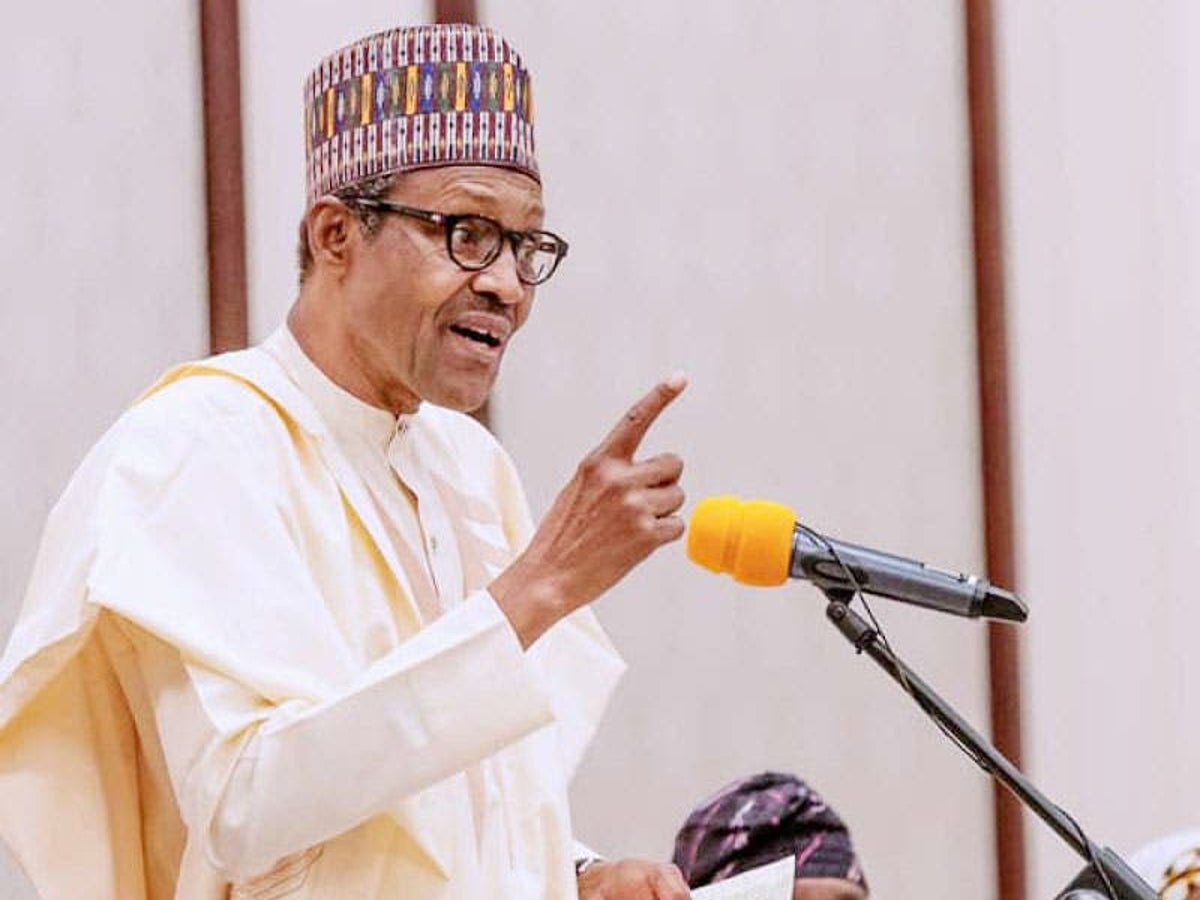
Is Buhari paying them back in their own coins?
By Tijjani Muhammad Musa
To become President, they made him publicly cry, swallowed his pride, compromised his principles, made him have dinner with the devil, and almost sold his soul to the accursed. If it’s the only way, he walked the shameful path.
When he emerged as the President, the underlying wounds of aye were opened afresh, with many calling him a former dictator, military General, GMB, not a Democrat and many other hurting labels. He took it in his strides and refused to bear his fangs. In fact, he went and got his incisors removed.
Then he was taken ill and had to fly abroad for the required medical attention, which wasn’t available in the country. Something he had used in his campaign and had no option but to swallow up his vomit. Speculations and rumours followed that he had died, but the news of his death was being censored.
Many of his party bigwigs welcomed the development and even started reassigning and sharing positions in the government, only for him to return back in one piece. An alarm was raised that a cabal existed in the presidency and were the ones running his government, but he didn’t fret or say a word about that.
His family was used to expose his weakness and humiliate his stance as a man of principles and strong resolve. Concerted efforts were made to break up his marriage and disgrace him before the world. He barely managed to escape that plot. That, too, he bore with utmost patience.
Several palliatives he approved, employment and empowerment of youths, monies he signed to be disbursed to the populace, and grants he endorsed to be released for the public benefits were mostly stashed away by the greedy Governors, making him look like a supporter of corruption, even if he himself was not.
The Boko Haram insurgency he inherited from the previous government he subdued, only for Banditry, Kidnapping, Extortions and so on to rear their heads and be used by politicians and some of the traditional ruling class to tarnish the achievements of his government with regards to security and good governance. Here too, he hurt in silence.
Many of his staunch supporters like yours truly were utterly stripped of all their fighting tools, points of defence and arguments in debates, their pride as diehard Buharists quashed, so much so that the Buharists Movement and Ideology ended up as almost nothing, but a stillbirth. The man showed no public annoyance but cried for them within.
The so-called “cabal”, along with his kitchen cabinet, had a field day running the affairs of government as they deemed fit. They made his government such a disappointment to the poor people who donated their meagre earnings, stood in the harsh sun and voted for him twice to be their President, all in the hope of a new and better Nigeria, which has yet to see the light of the day.
The opposition, along with the judiciary and legislative arms of government, left no stone unturned to frustrate his fight against corruption, thereby ensuring that his stance against reigning in the criminality of many embezzlers and criminals came to an embarrassing caricature of purpose. At a point in time, he became a laughing stock of those who thought of him as a champion of the fight to annihilate the looting of the treasury.
Meanwhile, the chess master player and military strategist that he is, Buhari waited until the right moment to checkmate his opponents by making his winning move! For a moment, when he allowed Emefiele to stay on as CBN Governor despite all the corruption allegations levelled against him, some analysts thought President Buhari was the “nonchalant” H.E. as usual. Only for him to surprise all with the aces up his sleeve.
The new Naira redesign shocked them all. And with that single master stroke, the stash accumulated over time to be used in continuing the corruption flight by politicians heading to Elections 2023 was instantly crushed. Those who used to make his government look evil by collecting several billion in ransom for kidnapping and banditry are also left with no cash but trash.
A cashless policy, by the way, is not a Buhari government’s call but a new global agenda. His government is just following orders to implement it, and probably as requested now by the puppet masters pulling the strings. Buhari or no Buhari, this policy has been designed to come to pass. In fact, it has been long overdue as India towed that line since 2016.
It is just the way that the policy is being implemented that seems to be the problem, as the poor masses are becoming the collateral damage of the project, though the process is being used, possibly unintentionally, to crash out the government in power. This is because the ones bearing the brunt of the implementation, the populace who happen to be the voters, would want to take their pound of flesh at the upcoming polls. The irony of it all is that Buhari is the one implementing it.
And this is what is making some Governors who have prepared to use the money to influence the outcome of the eventual elections lose their calm, cool and composure. Suddenly, they realise their folly that they have been taken to the cleaners by the old fox they grossly and unfortunately underestimated.
We, core and genuine Buharists, often surprise many when we reaffirm that was the old war horse still eligible to run for the presidency of this nation Nigeria. We would have lined up, bore the scorching sun and cast our votes wholeheartedly once again for him despite all said and done.
Why? Because we know for certain in our heart of hearts his good intentions and strive to make Nigeria great was pursued with all the vigour and sincerity on his part. It was the saboteurs of our national progression that made all efforts to see that Nigeria did not emerge out of her countless doldrums.
As someone said, the problems of Nigeria are the means through which many of its citizens (Nigerians) are making their money, getting their means of livelihood and earning a living. Take any sector of the economy, for example, finance, education, health, security, oil sector, housing, civil service, politics, agriculture and many more. It is all the same, systemic corruption!
And there are many other non-citizens and even certain countries whose economies partly depend upon Nigeria’s lack of headway to consolidate their earnings. Thus, how can they allow their means of survival, i.e. Nigerian problems be solved? They will do all they can to ensure it never gets sorted out! And that is why we have not been able to solve Nigeria’s limitless quagmires.
Therefore, for us true Buharists, the chant and slogan “Sai Baba!!!” are my as dear to our hearts and still ring from Sokoto to Bayelsa, Maiduguri to Lagos. He has not failed Nigerians, but rather Nigerians have failed themselves.
Tijjani Muhammad Musa, alias Poetic Tee, is the Chairman of the Association of Nigerian Authors (ANA) Kano Chapter. He can be reached via mmtijjani@gmail.com.

Polygyny: The silenced narrative of an added wife
By Khalilah Yahya Aliyu
Nothing like polygamy has been grossly abhorred and misunderstood in marriage, especially among women. It trends both ways, be it positive or negative, with the latter being blown out of proportion – leading to an intense phobia for women young and old.
Please note that we Muslims don’t practice polygamy. What we are allowed to practice is polygyny. The difference here is that in polygamy, both men and women are allowed to have multiple wives or husbands, respectively, while polygyny refers to a husband taking more than one wife, four to be precise. So, I will use polygamy for this article.
The piece will be dominated by my point of view, garnished with some spicy personal experiences. Writing this has been difficult because I felt as though I was laying bare a part of my soul. After going through numerous articles and books on polygyny, I realised that much attention is given to the perspective of the first wife or existing wives. Their fears and insecurities when confronted with polygyny and ways to overcome them were discussed in detail. Therefore, the added wife is left to nurse her worries and insecurities alone as it is being treated as non-existent.
During my secondary school days, we did ask ourselves questions regarding polygyny, and we all wanted to be the first wife. This position to our understanding back then, comes with these benefits:
Societal empathy towards the first wife, with the man and his new wives, considered wrongdoers, conspiring to destabilise the existing wife’s life.
You enjoy the man’s prime years and resources, which translates to more attention and care. You get a clearer understanding of the man’s personality as a husband, having spent more years with him and his close and extended family.
Being his first and as humans, we tend to get sentimentally attached to our first of everything, be it a child, car, job, etc.
Those are a few of the benefits. They could be more or less depending on the person and the current situation. All these made me crave that position, too, to the extent of being willing to welcome co-wives so that I could hold on to the bragging rights of knowing him first. Well, fate has an entirely different story lying in waiting for me.
I met this amazing man. I have always been an incurable romantic at heart, placing emphasis on those zings and sparks you feel when you meet someone you share a strong chemistry with. “This here is the man of my dream,” I exclaimed to myself. The feelings were mutual; I am sure you will be like, “why didn’t you get married right away” as it is the only legal way to have a relationship with non-Mahram. It wasn’t that easy because here I am, a not previously-married young lady from a monogamous home presenting a married man as a suitor to her family. The more the number of wives, the more difficult it is for our parents to accept the man as a spousal choice for their girls. In my case, it was even wives, not a wife, an unsurmountable wall, it seemed.
As parts of the tenets of our Deen, we must accept “qadr”, otherwise known as the divine decree, regardless of how it comes. I drew strength from this and presented him as my choice. During the waiting period before the wedding, I was riddled with nerves and bouts of insecurities. This shows that added wives, too, have fears. What if the other wives are better looking, cooks and humans than I am? No day passes without my heart racing faster when I think about what lies ahead. Your intentions might be noble, but you can’t say the same about the other parties with the recent ugly trend of co-wives harming one another. The what-ifs were actually numerous, including the ability of our husband to treat us fairly.
I channelled the energy generated by these fears into finding a better version of myself, seeking religious knowledge and reading more on human psychology to understand better the tricks of maintaining a healthy relationship between humans—anything on polygyny I devoured keenly to better prepare for what lies ahead. Marriage is a lifetime journey, and no preparation is termed too much. So when I felt ready, armed with prayers and all I have learnt, I plunged bravely into it and “Alhamdulillah”, it was not as difficult as I envisaged.
Though no amount of preparation is adequate when reality finally hits, coping mechanisms are needed to maintain a healthy relationship when jealousy glares its ugly head. A naturally occurring phenomenon, even our mothers, the wives of our noble prophet (S.A.W), were not spared. Feeling bouts of jealousy is normal, but borrowing a leaf from how our role models, Mothers of the Faithful, dealt with theirs will keep this strong emotion in check. How you handle this emotion can make or break you. I try to always look at a person as a human first, and no matter how jealous or angry I get, I will try my best to treat the person humanely. No one is worth your “Iman” I repeat, never lose your “Iman” over anything. Keep striving to maintain a better version of yourself. Study your co-wives because understanding their temperaments will make it easier for you to relate with them accordingly. It might not lead to friendship per se, but an amicable relationship is assured.
Plus, always remember that humans are dignified creatures, and every soul has its unique form of beauty. As a famous saying goes, “beauty is in the eyes of the beholder” sister, you are beautiful. Indulge in many positive affirmations, eat healthy, exercise, and maintain positive hygiene to boost your self-esteem should you ever feel your co-wives are better.
Contrary to popular belief of competition between co-wives, you are there to compete with no one; be yourself and try as much as you can to support and not bring them down. Remember, as your sisters in Islam, you owe them that. Banters will be thrown, especially that of knowing him before you did or you coming to marry their husband. He was never meant for them alone; it was decreed that he would marry you all in the manner or order he did. You have the same right as any of them, but this shouldn’t make you disrespectful. Support your spouse; it takes a lot of spunk and sacrifice to maintain a wife and talk more about wives.
Personally, polygyny has been a blessing. Ask pizza lovers; having a slice of it is better than not having a taste at all. I wouldn’t have been able to enjoy the good moments with the man of my dreams if it wasn’t legal for him to marry me too.
Regardless of being the first or last, we are all advised to make it work. Equip yourself with what it takes to build a peaceful haven or sanctuary for yourself, your husband, and everyone visiting your home. He is yours; make every moment count. It is not how much time is spent but how qualitative it is. To the added wife, know this, you are brave and unique, and you’ve got nothing to fear. Be yourself, and I wish you the best.
Khalilah Yahya Aliyu writes from Kaduna and can be reached via khalilah20@gmail.com.

Manyan Mata: A new, worth-watching Hausa series
By Salim Toro
Yesterday, after meeting with Usman Toro, I returned home immediately to have dinner before retiring to bed. My siblings were watching a Hausa web series, Manyan Mata. So, while having dinner, I caught half of the episode they were watching. I found it captivating and worth watching.
I later learned it’s a new Hausa web series that premieres on YouTube and airs on Arewa24 every Saturday at 9 pm. The series is produced and directed by Ahmad Amart and Sadiq N Mafia, respectively. It brings all the leading Kannywood actors and actresses, such as Ali Nuhu, Adam A Zango, Sadiq Sani Sadiq, Hadiza Gabon, Fati Washa, Saratu Gidado, Momee Gombe and much more.
The storyline of the series is fascinating, entertaining, and educational as well. It highlights and depicts most of the trendy issues in our society (Arewa), such as marital and parental responsibility, girl child education and Almajiranci.
While I find the series riveting and worth watching, I recommend it to everyone here. Rest assured that you will benefit from it in one way or another. Happy watching!
Salim Toro sent this via salimabdulhamid0909@gmail.com.
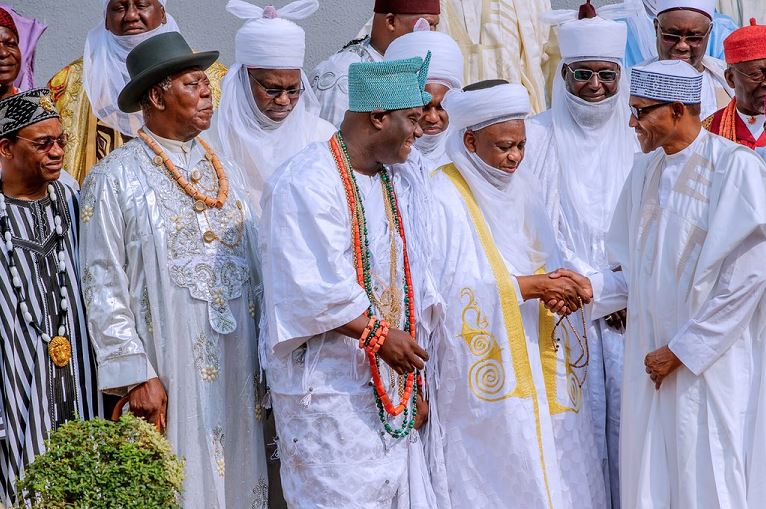
The need to revive our traditional institutions
By Usman Muhammad Salihu
Our traditional institutions are institutions built on the historical culture, norms, values, and religious beliefs of the said community, often led by an Emir, an Igwe, an Oba, and so on. Like almost all societies, Nigeria had witnessed times when traditional rulers effectively agitated the activities of their various communities, particularly prior to the arrival of colonial masters.
Although they have no formal power, our traditional institutions are well equipped and standard, allowing the colonial masters to wield effective indirect power, particularly in northern Nigeria, and to a lesser extent in the west, and ineffective in the east. This is because our traditional institutions are solid and effective.
Our Institutions suffered a significant decline, particularly after independence, as political office holders were elevated far above our traditional rulers — who mingle, co-exist, and know the needs of the community and the solutions to its enormous problems in most cases better than elective politicians.
The importance of these institutions cannot be overstated because they play a vital role in mediating and resolving minor conflicts, enhancing mutual identity, and serving as guardians of culture and tradition, among other things. Their opinions and commandments are held in high regard and respected by members of their various communities, as they are considered sacred in some communities.
They also promote peace, unity, cohesion, and harmonious relations as one of the government’s goals, especially among their various communities, which leads to rapid development. According to Joseph I. Igwubor, ‘traditional rulers are bridge builders that the government can use to cement existing relationships between different ethnic groups in Nigeria.’
The main factor pushing back our traditional institutions is the lack of clear roles for these institutions in the 1999 constitution, since also after the 1979 constitution failed to provide precise functions.
These institutions play essential roles in maintaining peace, security, and the rule of law in the country and also in achieving development goals, which is why they must be revived because they are closer to the people.
The government should enact legislation that will give these institutions constitutional recognition and support. This will allow them to discharge their obligations effectively. The government should also collaborate with these institutions on policy implementation. When they issue a resolution, the government should critically evaluate it and consider whether it is feasible to implement it in our contemporary society.
They must also be encouraged to help secure their respective domains. As grassroots leaders who are closer to the people, they may have some knowledge of community-related security issues, which, if handled with utmost importance and secrecy, will undoubtedly help reduce the threat of insecurity that plagues our country, as both government and traditional institutions will manage security-related issues.
Finally, when these institutions are revived and carried out constitutionally, they significantly impact issues of development in their various communities and security. As grassroots leaders, people hold them in high regard. Their followers regard them as cultural and traditional guardians, and their words are considered, respected, and held in high esteem. Therefore, these institutions are in an excellent position to provide lasting solutions to the problems that would set our country back if they were removed.
Usman Muhammad Salihu writes from the Mass Communication department, Abubakar Tatari Ali Polytechnic, Bauchi, Bauchi state. He can be reached via muhammadu5363@gmail.com.
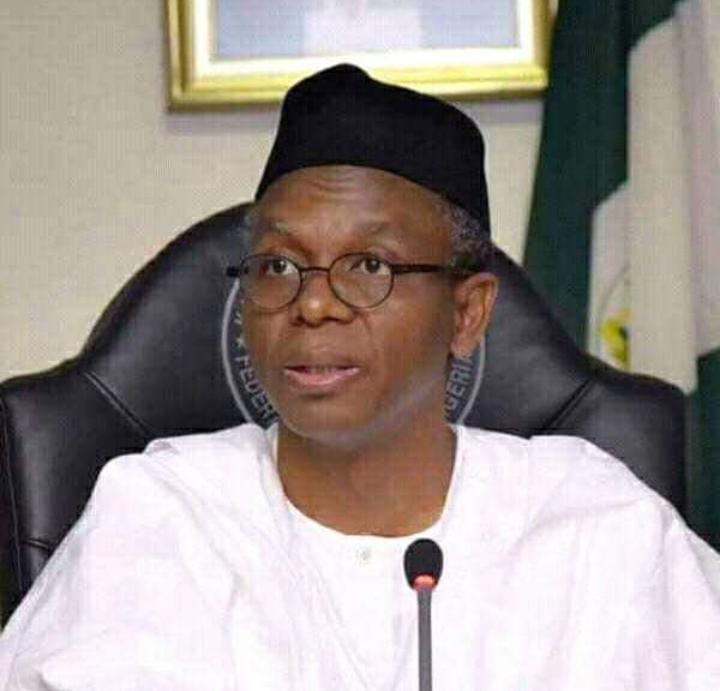
Again, El-Rufa’i orders collection of old Naira notes in Kaduna
By Sumayyah Auwal Ishaq
The Governor of Kaduna State, Malam Nasiru Ahmad El-Rufa’i has ordered ministries, agencies and departments in the state to accept old and new currency.
In a statement signed by the Special Adviser, Media and Communication, Mr. Muyiwa Adekeye said that, “In line with the subsisting order of the Supreme Court, the Kaduna State Government has directed its ministries, departments and agencies to ensure that their collection agents continue to accept payments made in all denominations of the naira, old and new”.
It further stated that “the laws of Kaduna State do not allow personnel of government agencies to be involved in cash collection of revenues. The collection agents authorised by state government agencies do offer citizens a route for cash payment, and are expected to comply with the subsisting court order”.
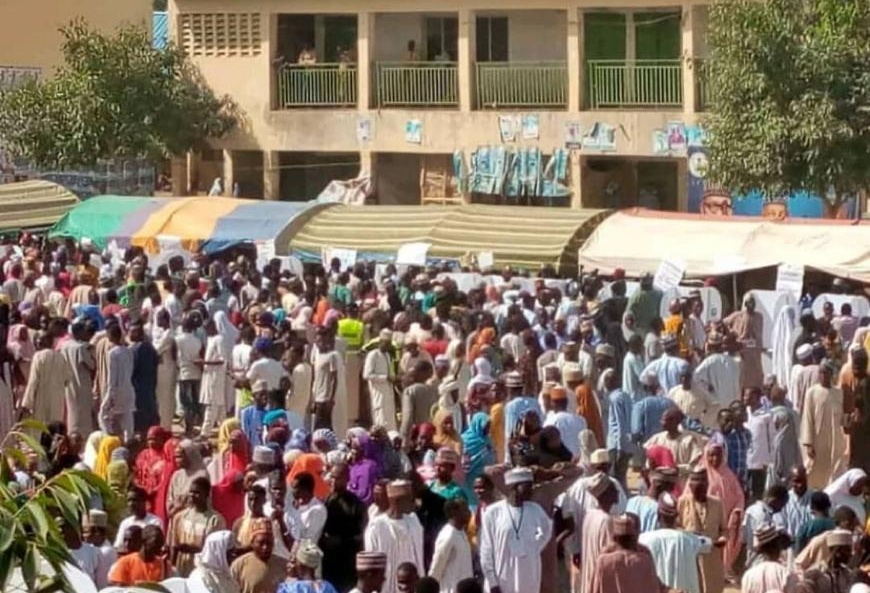
As Nigerians head to the polls
By Salim Yunusa
In less than a week, Nigerians will get to exercise their democratic and electoral rights in carefully selecting and choosing new leaders that will steer the affairs of the country and represent them across local, state and federal levels; with the hope of bringing on board people that will – among many other things – secure the country and improving its economy.
The last 8 years have been characterized by a turbulent administration; with glaring insecurity caused by banditry and kidnapping in the North-West and North Central, IPOB uprising in the South – East and the lingering Boko Haram insurgency in the North – East.
The Nigerian economy took hits and was severely battered, with double digit inflation figures and millions of Nigerians plunged into poverty. Recently, the cashless policy, which is good in the long run, has caused untold hardship to many Nigerians, with protests and riots in some places.
As Nigerians head to the polls, they’re left with clear choices of who they want to steer the affairs of this country; a leader who can tackle the insecurity ravaging the country, a leader who can improve and strengthen the economy and mostly, unite a nation whose unity is precariously held by few loose strings.
Nigerians should elect a leader with a clear-cut vision on how to effectively utilize the millions of youths that are unemployed and underemployed. They should vote vote a leader devoid of religious, ethnic and regional bias for the betterment of the country.
Someone who will prioritize education – enrollment of the millions of out-of-school children roaming on the streets – and will put to an end the incessant industrial strikes bedeviling the public universities.
Nigerians should opt for a leader that listens and doesn’t infringe on their rights – whatsoever right that may be. We have seen how this administration banned Twitter, one of the most popular platforms that gave young Nigerians a voice, for six months. We have seen how the government cracked down on young Nigerians protesting police brutality during the #EndSARS protests.
We have seen how the government has tried to gag press freedom through the introduction of the social media bill. No sensible Nigerian should bring forth a leader that will enshrine this.
As Nigerians go to the polls, they should remember that the greatest mistake they made was placing all their hopes in the hands of one person; thinking that one person alone would ‘change’ the country. They should know – and if they do know – they should remember that change and nation building is not a job that can be done and achieved by just one man.
That it is a collective responsibility of everyone to play their part in making the country work for everyone. They should know that there is no magic wand that will swish away the problems of this country and that there’s no messiah that will come and save us.
Luckily for Nigeria, the problems are clear – and that’s half the problem solved. It is left to us to choose what is right over what is easy; to look away from hype and what is in vogue and to opt for options that will put first the interest of Nigerians and Nigeria.
Salim Yunusa is a prolific writer, poet and public affairs commentator. He writes in from Zaria, Kaduna.
Nigerians and mass migration: Addressing the Japa syndrome
By Umar Yahaya Dan’inu
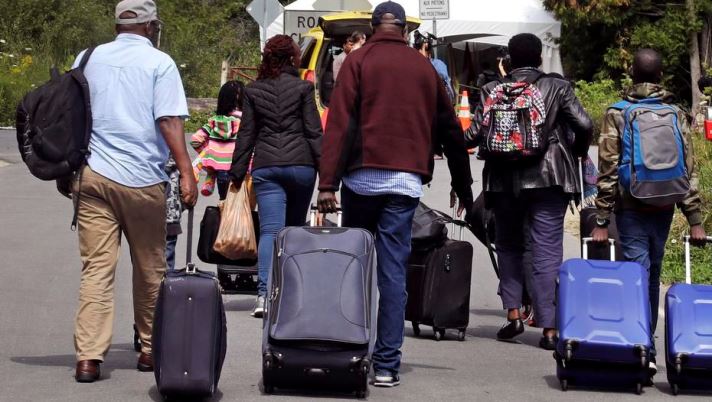
Mass migration is a complex and multifaceted phenomenon that affects individuals, communities, and entire countries. It is driven by factors such as economic opportunity, political instability and natural disasters as people seek to improve their lives.
In Nigerians, many people are driven to migrate for better lives, education and healthcare, and job prospects. Political instability, such as conflict, insurgency and human rights abuses, also contributes to a mass migration of Nigerians.
The term “Japa” refers to the migration of Nigerians to foreign countries, especially Western ones, in search of a better life. A lack of quality leadership in the country at all levels often causes this phenomenon. Several reports and writing has shown that despite their love for their home country, many Nigerians have lost trust in their leaders and feel compelled to leave in search of a better future. Moreover, the decay in leadership has caused division within the polity; every tribe or region is suspicious of one another, and there is fear of domination and marginalisation.
In the 60’s and late ’70s, Nigeria was a country that commanded respect in the global arena. Our passport is a thing of pride at any entries and departure level. The Nigerian currency and economy were in good shape. However, the challenges facing Nigeria, such as insecurity, kidnapping, banditry, corruption and political violence, have led to the decline of the country’s economy and international standing. This decline has driven many young people, skilled and unskilled, to leave in search of a better life.
In Northern Nigeria, where Islam dominates the culture, people prefer to migrate to Middle Eastern countries, such as Saudi Arabia and recently Dubai and Qatar, where they share the same religion and beliefs. In contrast, Southern Nigeria is the centre of migrants, as people seek to escape bad governance and poor leadership. Despite the differences between the North and South in terms of access to education, quality of life, job prospects and economic opportunities, many young people still feel compelled to leave.
However, the skilled and unskilled knows what they can do to navigate their way to leaving Nigeria. In Benin, the state of Edo, people are trafficked in the name of migration to get a better life, and they mostly end up enslaved and sold to work without regard for the dignity and respect they left in their country.
Furthermore, some skilled migrants bring positive changes to Nigeria; they are doing wonders in their new countries, such as setting up companies that employ Nigerians, impacting the economy positively. In addition, statistics have shown that Nigerians are highly skilled people in the UK and the US, contributing to the economies of the host countries.
The migrations of these groups affected Nigeria negatively because Nigeria is among the world countries with the highest numbers of out-of-school children and increased maternal mortality rates. Nigerian-trained Doctors, Engineers, Scientists, Musicians and filmmakers are all over the world doing great work. Nigerian government needed their services and contribution to help in reducing the numbers of maternal mortality and to help in actualising effective education take place at all levels.
To address the Japa syndrome, a multi-faceted approach is needed that addresses the root causes of migration and its challenges. These involved improving economic opportunities, promoting stability and security, and increasing access to education, healthcare, and employment opportunities can help reduce migration. In addition, strengthening the democratic process, improving wages and salaries, and enhancing the country’s security architecture are also important steps that need to be taken.
Nigeria is ours, and our responsibility is to ensure a bright future for our nation and youth. We must take action to address the Japa syndrome and create a future that is worth staying for.
Umar Yahaya Dan’inu wrote from Hausari Ward, Nguru, Yobe State. He can be contacted via umarnguru2015@gmail.com.