
El-Rufai’s son declared winner of House of Reps seat in Kaduna
By Uzair Adam Imam
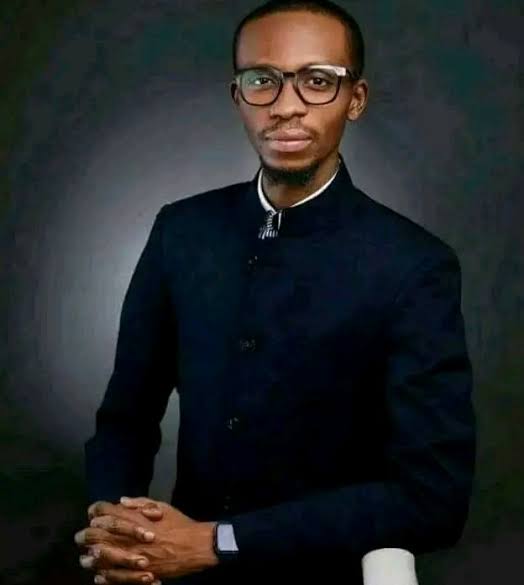
Muhammed Bello El-Rufai, the son of the Kaduna State Governor, Nasir El-Rufa’i, has won a House of Representative seat under All Progressives Congress (APC) party.
Bello, who is the eldest son of El-Rufa’i, disclosed this on his verified Twitter handle on Monday.
He said, “Alhamdulillah. I have just been declared as the Kaduna North House of Representatives-Elect.
“I had 51,052 votes, while my closest opponent, Hon. Samaila Suleiman scored 32,802 votes.
“I would like to thank Allah SWT, all the people of Kaduna North and my committed team. Thank you,” he twitted.
The Daily Reality gathered that other candidates defeated were Shehu Mohammed Faisal of the Labour Party who scored 7531 and Aliyu Muhammad Ahmad of NNPP who scored 10,148.

CAN declares support for Christian guber candidate in Taraba
By Ahmad Deedat Zakari
The Taraba Chapter of the Christian Association of Nigeria (CAN) had cautioned their members not to lose the incoming gubernatorial election in the state to another faith.
Bishop Manasseh Silas Rifore, the State CAN Secretary, issued the directive on behalf of the Christian leadership in the State on Friday.
“Dire caution must be exercised so that we Christians don’t lose our ancestral land to another faith”, He warned
According to Mr Rifore, the Christians in the state must therefore accept, mobilize and vote massively for Colonel Kefas Agbu of the PDP to ensure Christian votes in Taraba remain undivided among the five contenders.
The CAN noted that the association’s decision is not in any way associated with any political sentiment.
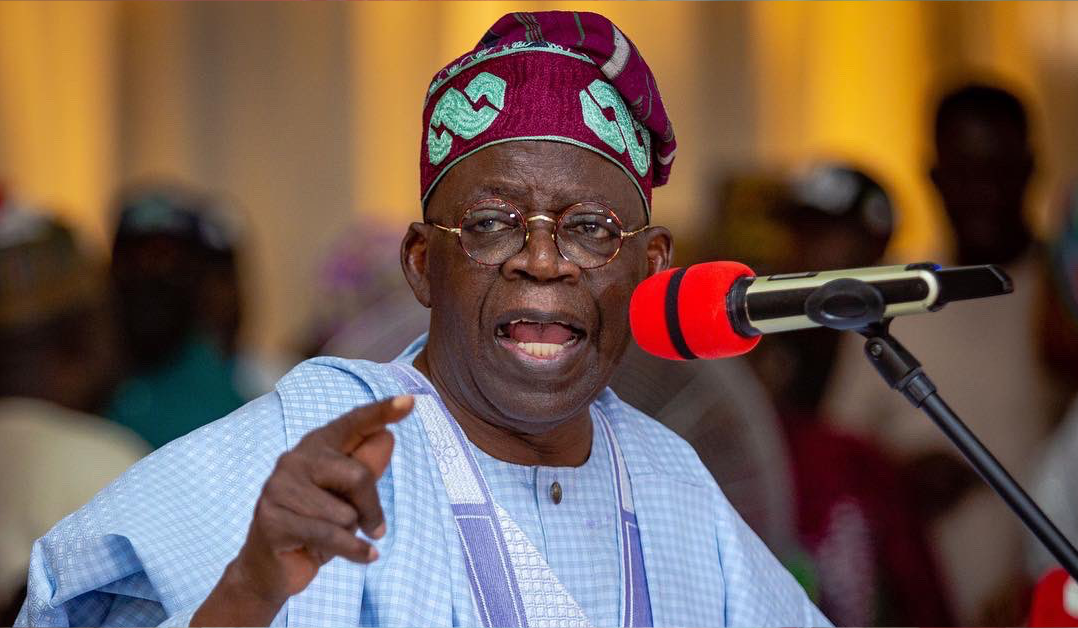
Lagos: Tinubu appeals for peace as hoodlums attack traders over APC’s loss
By Uzair Adam Imam
Bola Ahmed Tinubu, the Presidential Candidate of the All Progressives Congress (APC), has urged the Lagos State people to avoid violence against his loss to Peter Obi, the Presidential Candidate of the Labour Party (LP), in Lagos State.
In Saturday’s presidential elections, Obi defeated Tinubu in Lagos with a total vote of 582,454, whereas Tinubu got 572,606 votes.
Different reports from the state indicated violence in some parts of the state as hoodlums attacked some traders.
However, reacting to the incident in a statement by his Director, Media and Publicity of the APC Presidential Campaign Council, Bayo Onanuga, Tinubu said the defeat should not be a source of violence in Lagos State.
He added, “The fact that the APC narrowly lost Lagos State to another party should not be the reason for violence.
“As a democrat, you win some; you lose some. We must allow the process to continue unhindered across the country while we maintain peace and decorum,” the former governor of Lagos State said.

NigeriaDecides: We won’t accept election results—PDP
By Muhammad Sabiu
Nigeria’s main opposition party, the PDP, has declared to contest the presidential election results.
Dino Melaye, a PDP representative at the national collation centre in Abuja, stated this on Monday while raising the alarm over presidential election results coming from Kwara.
Mr Melaye contended that the results are in doubt since INEC failed to promptly post the results from the polling units online.
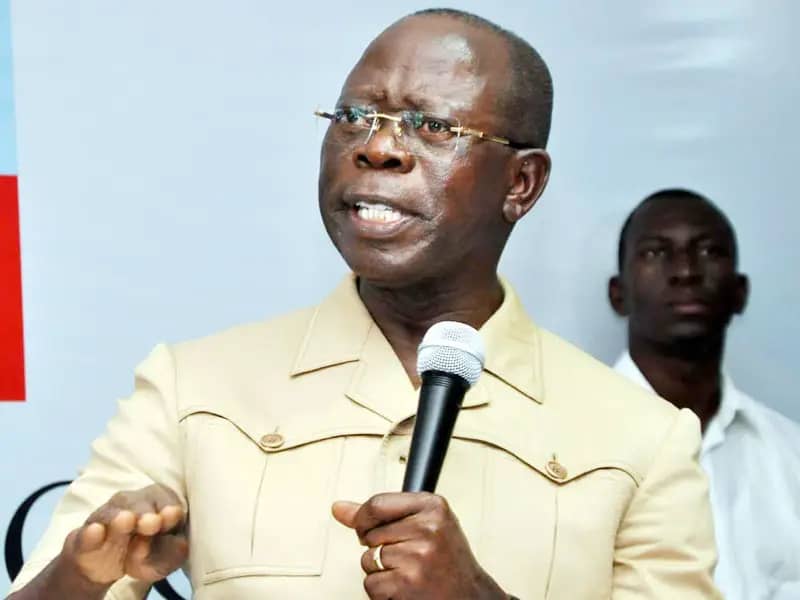
Oshiomhole wins senate seat in Edo
By Muhammad Abdurrahman
The Independent National Electoral Commission (INEC) has declared Adams Oshiomhole of the All Progressives Congress (APC) as the winner of Saturday’s election for Edo North Senatorial District in Edo.
Benjamin Adesina, the INEC Returning Officer, on Sunday in Auchi, declared Mr Oshiomhole as the winner of the polls with 107,110 votes.
He defeated the incumbent Senator Francis Alimekhena of the Peoples Democratic Party (PDP), who scored 55,344 votes.
“Adams Oshiomhole of APC, having scored the highest number of votes, is hereby declared as the winner of the election conducted on the 25th of February for Edo North Senatorial District,” Mr Adesina said.
(NAN)
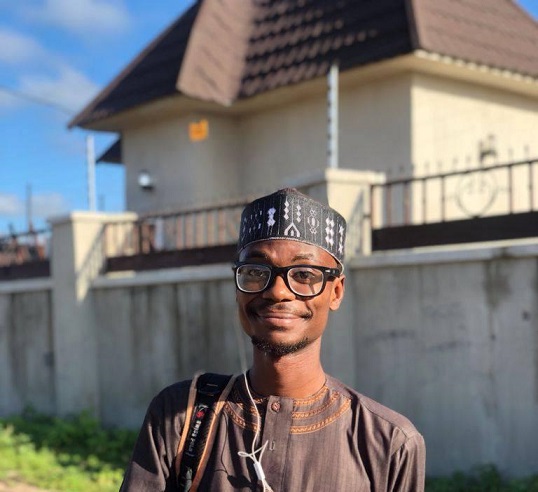
Journalist’s role in tackling Nigeria’s security and humanitarian challenges
By Ibrahim Nura Aliyu
Nigeria is one of the most populous countries in Africa, with over 200 million people. It is also one of the most diverse countries. Its rich and varied cultural landscape comprises various languages, religions, and ethnic groups. Nigeria is also an essential global player in commerce and industry. In addition, the country’s abundant natural resources and strategic location make it an important economic hub in West Africa.
However, its recent history has been challenging. The country has faced several security challenges, including the Boko Haram insurgency, cross-border terrorist attacks, and regional rebellions. In 2017, the country faced a major humanitarian crisis due to extreme weather conditions.
Nigeria has many problems with security and helping people, and journalism has played a big part in solving these problems. The media plays a significant role in informing the public and raising awareness of these issues. They also play a crucial role in reporting the government’s response to these challenges. This has assisted in ensuring that the public has a better understanding of the challenges faced by the country and the measures taken to address them.
Journalists have done more than just report on what the government is doing. They have also worked to bring attention to the humanitarian crisis. This has helped get more people behind the efforts to deal with the problem. It has also ensured that the humanitarian situation is given adequate attention.
Journalism has been critical in tackling Nigeria’s security and humanitarian challenges. It has helped ensure that the public has a better understanding of the challenges faced by the country and the measures being taken to address them. Nigeria’s security and humanitarian challenges are among the many issues that urgently need attention from the Nigerian government and the international community.
Also, because the old naira notes can no longer be used, there is a need for cash and food in the country. This has led to widespread hunger and illness and placed the lives of many Nigerians at risk.
Another urgent humanitarian problem is that there aren’t enough naira notes to go around, hurting the economy.
Most of Nigeria’s population is poor, relying on cash transactions for necessary household goods and services. This has caused great hardship for the family budget and has pushed millions into poverty. The recent ban on using naira notes has made it harder for millions of Nigerians to buy food and has led to widespread malnutrition.
Nigeria’s struggling economy has only the naira note as a form of currency inefficiency, which worsens the situation.
The challenges faced by Nigeria’s humanitarian crisis are several. This includes the lack of quality education, healthcare, food, water supply, and access to basic sanitation. Journalism has been one of the key players in helping to require accountability and prevent the spread of terror.
Journalists have been able to get the latest information and give essential perspectives on the conflict by doing their jobs. They have also been able to shed light on many issues that are causing the humanitarian crisis.
Ibrahim Nura Aliyu can be contacted via khalilnuradeen@gmail.com.
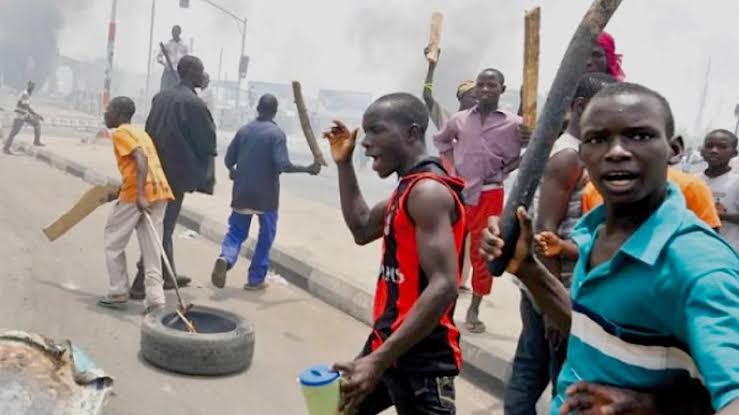
INEC officials escaped lynching in Gamarya, Gaya LGA
By Ibrahim Mukhtar
According to an eyewitness who was on the scene of the election, hundreds of thugs entered the Gaya town polling unit and attacked everyone who was around.
A victim of the attack narrated that “the thugs attacked us in the process of collating results in Gamarya Ward, Gaya. I had to escape through the window into the wild bush to save my life.
Thanks to Allah, I am now safely in Gaya town. It was really a terrible experience.”
Reports indicate that the Gamarya ward’s counsellor led the thugs together with some prominent politicians of the ward to disrupt the peaceful process of the collation.
The Daily Reality learnt that some people were reported to be severely injured and maimed while many others scampered and lost their valuables.
Voting suspended at 141 polling units in Bayelsa
By Muhammadu Sabiu
Reports reaching the Daily Reality (TDR) indicate that voting at 141 polling units in Bayelsa state has been suspended by the Independent National Electoral Commission (INEC).
According to INEC Chairman Mahmood Yakubu, the exercise was suspended due to disruption as the voting process had been interfered with.
This was stated on Saturday when the INEC chairman addressed journalists at the collation centre in Abuja on the ongoing general elections.
As of the time of filing this report, TDR has not been able to gather more details about the decision taken by the electoral body.
Just-in: FCT PDP chairman dies in an accident
By Ahmad Deedat Zakari
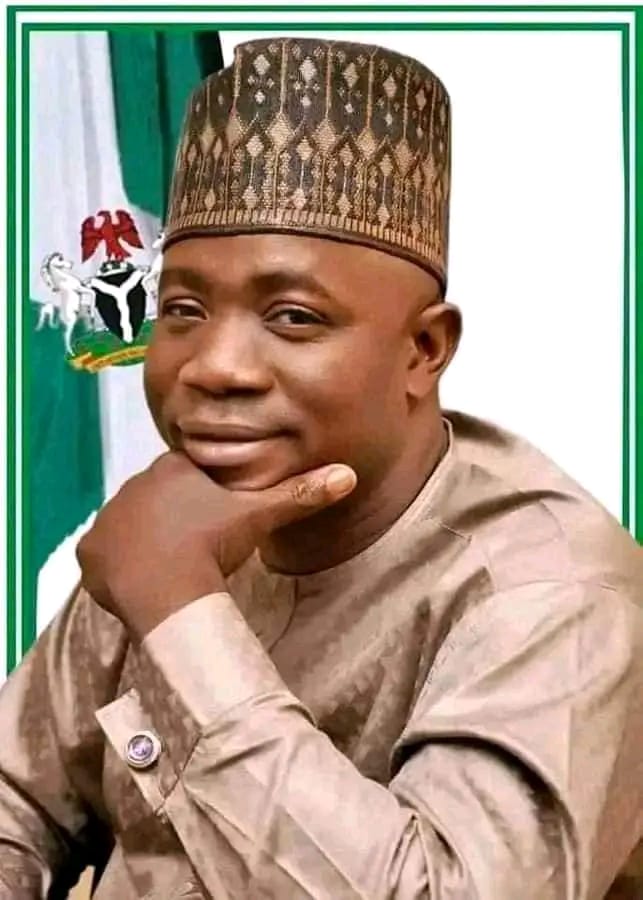
The Federal Capital Territory Chairman of the People’s Democratic Party (PDP), Sunday Zaka, has passed on.
Mr Zaka, who was popularly known as HIV, was involved in a car accident that claimed his life on Saturday morning.
Bawa Benjamin, a close aide of the deceased confirmed his demise to newsmen.
According to Bawa, Mr Zaka lost control of his car and crashed into a tree on his way home from the party’s meeting.
He also disclosed that the deceased was rushed to the University of Abuja Teaching Hospital Gwagwalada, where he was confirmed dead by doctors.
Reports have it that Mr Zaka’s personal security also died alongside his boss in the car crash.
A chieftain of the party, Michael Kpatuba mourn the death via a post on his Facebook page on Saturday morning.
“Dying Election day is really heartbroken to the FCT, PDP family.
“Rest in peace, Hon Zaka Sunday, FCT PDP Chairman”, the post read.
Nigeria’s security, humanitarian challenges and the role of journalism in tackling them
By Uzair Adam Imam
Nigeria as a nation has been battling with security challenges over the years. The issue has disrupted many activities in the country and, sadly, as the 2023 general elections approaches, there is no safe corridor in the country.
Nigeria, it is a bitter truth the citizens have to swallow, has relinquished its sovereignty in many parts of the country to terrorists.In the North East, there is the 12-year-old Boko Haram war that has displaced thousands, claimed hundreds of thousands lives and destroyed property worth billions of naira.
In the North West and some parts of North Central the activities of bandits is the new normal. Zamfara, Sokoto, Katsina, Kaduna and Niger states are the epicenters of this new wave of terrorism. In some parts of the above mentioned states bandits slum huge taxes on locals before they allow them to farm.
In the South West cultists and kidnappers have a field day. They machete people to death on a daily basis. The media are awash with the news of people being burnt alive.
In the South East the Indigenous Peoples of Biafra (IPOB) terrorists maimed their victims in broad daylight; and have extended this carnage to security formations in the region. One of the attributes of a failed state is insecurity, when the government is not in charge.
This drives away many foreign investors. This is the reality of Nigeria today.Humanitarian crisis in Nigeria comes in many hues. While some are caused by natural disasters, insecurity has worsened the situation.
Many states in various political zones in the country, internally displaced persons camps have opened up. Drug abuse, abortion, sexual exploitation, extortion, among other social vices, are rampant now.
In different parts of the country locals have no access to potable drinking water. Many of them drink from the same stream their cows drink, and they wash their clothes there, too. This has exposed them to different kinds of diseases like cholera and other life-threatening diseases.
The condition of our hospitals, especially in rural areas, is bad. Many of these facilities are understaffed and lack working materials. There are not enough beds and sometimes patients have to lay down on the floor for treatment.
As a student-journalist I believe journalism has an important role to play in tackling these lingering issues bedeviling Nigeria over the time. This includes but is not limited to public enlightenment, responsible reporting, countering fake news and balanced reporting (social responsibility of journalists involved here).
For example experts and analysts believe that many bandits are into banditry because of their ignorance. Balanced and factual reporting can help end terrorism in some ways.
This can only be achieved with adequate training of journalists on terrorism reporting.Recent documentaries by BBC and Daily Trust have laid credence to the argument above of how ignorance, unbalanced reportage and fake news contribute to insurgency or terrorism in Nigeria.
In conclusion, while insecurity is weighing down Nigeria as it worsens to humanitarian crises, journalists can tackle it by fighting fake news, balancing their report and enlightening the public of the danger ahead.