Opinion

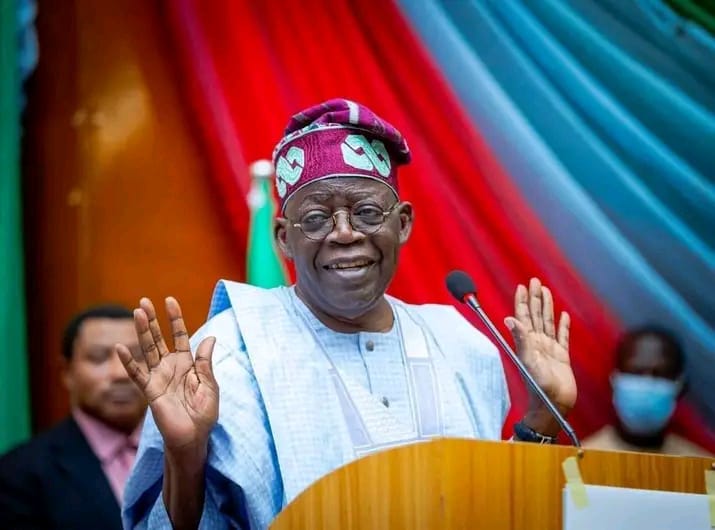
Prof. Yusuf Bara Jibrin: A medical trailblazer

By Usman Abdullahi Koli, ANIPR

In the words of the great German and one of the most impactful scientists, Albert Einstein, “Intellectuals solve problems, geniuses prevent them.”

In medicine, intellectualism and professionalism are the hallmarks of integrity. Back in Nigeria, like every sector, health faces its challenges. And in the words of the great scientist, dodging problems may not be far from shifting disaster; he believed that as an intellectual, the problem should be solved head-on. Professor Yusuf Bara Jibrin, the Chief Medical Director of Abubakar Tafawa Balewa University Teaching Hospital, Bauchi, epitomises these traits.

As a Professor of Internal Medicine specialising in infectious diseases, Yusuf Bara Jibrin has made significant strides in clinical development, research, training, staff welfare, and community engagements.

Prof. Jibrin is a beacon of intellectual curiosity and an embodiment of generosity in serving humanity. Through groundbreaking research, he has revolutionised our understanding of disease diagnosis and treatment, yielding numerous advancements in the medical field. His pedagogical prowess has inspired generations of medical professionals, nurturing their talents and fostering a passion for healing. Beyond his discipline, his expertise embraces various subjects, with an unending commitment to mentoring and guiding his staff and students.

Under his leadership, ATBUTH Bauchi has emerged as a premier healthcare institution in Bauchi and beyond. The sophisticated new facilities, including the General Outpatient Department (GOPD) complex, ENT department, Infertility Centre, and the upcoming Dental Clinic and Diagnostic Centre, are a testament to his commitment to excellence. His efforts have also led to the establishment of robust community engagement and management development programs, enhancing the hospital’s visibility and operational efficiency.

ATBUTH Bauchi has achieved numerous clinical milestones under this exemplary leadership. The hospital conducted its first endoscopic laser therapy for kidney stones, a significant advancement in minimally invasive surgery. The Pharmacy Department has begun using a drug formulary, aiming for essential service delivery. The successful execution of the first spinal surgery operation and the introduction of laser urethral stone procedures further underscore the hospital’s clinical capabilities.

The NCDC recognises the Molecular Genetics and Infectious Diseases Laboratory at ATBUTH as a national surveillance system, thanks to its advanced sequencing equipment. The Lassa Fever Isolation Centre has recently invested in new dialysis machines, effectively reducing Lassa fever fatalities and positioning the centre as a leader in managing Lassa fever cases in Bauchi. The Pharmaceutical Production Unit has commenced making sanitisers and hydrogen, contributing to the hospital’s competence in pharmaceutical manufacturing.

ATBUTH Bauchi has launched an Emergency Medical Service and Ambulance System equipped with a highly responsive team to provide effective emergency medical assistance. The Geriatric Management Centre is set to commence home services, focusing on the well-being of elderly individuals. The implementation of the Electronic Medical Record System has significantly reduced patient waiting times, improving overall service delivery. The established Oxygen Plant has become an independent supplier, reliably providing oxygen to Bauchi and its neighbouring states.

The management team at ATBUTH, under Prof. Jibrin’s visionary leadership, has transformed the hospital into a beacon of excellence in healthcare delivery, research, and training. Their collective efforts have propelled ATBUTH to new heights, ensuring it remains at the forefront of medical innovation and patient care.

As we acknowledge these achievements, we pray for continued success and growth for ATBUTH Bauchi. May their efforts be rewarded with further advancements and improved healthcare outcomes for the benefit of all.

Usman Abdullahi Koli wrote via mernoukoli@gmail.com.

InvestJigawa and matters arising

By Saifullahi Attahir Wurno

” …. In the next 25 years, Jigawa state should be the preferred investment destination in Nigeria”.  – Sule Lamido

On June 4, 2024, the Jigawa State Investment Agency, with the collaboration of other key economic sectors, convened a summit to raise awareness on how to facilitate easy access to small credits and attract foreign investment.

Many dignitaries across the state gracefully attended the summit, including various agencies concerned with investment in the state and the private sectors involved in providing job opportunities for our army of unemployed youths.

Summits like these were crucial to highlight key areas that urgently need investment in Jigawa state. These investments would serve as catalysts for job creation, improve economic indices, and attract more internally generated revenue (IGR) for the state.

I was delighted by a speech by Mal Audu Ahmadu from CBN, who highlighted the role played by commercial banks in hindering small enterprises’ access to loans because of their high interest rates, which amount to over 30 per cent instead of the more tolerable 25 per cent or less.

Commercial banks created other bureaucratic formalities that prevented local investors from getting easy loans. They required collateral assets to be presented, sometimes demanding that they be in the nation’s capital, Abuja, or other unreachable locations.

Although many banks were invited, the commercial bank Zenith Limited required special mention not only for being the only bank honouring the invitation but also for analysing its activities over the years in Jigawa state aimed at improving the standard of living of ordinary people in the state. The bank formulated a specially designed program called Z-Women to give medium-term credit to women interested in domestic marketing.

Other key dignitaries in the summit who were among the frontiers as local investors include Dr Sambo of Sambo Hospital Limited, Dr Yamuna Kani of Albarka Hospital Limited, Mallam Umar Babayaro of Limawa Table Waters, and Mallam Hassan Hashim from Hasina Confectionery Limited.

Another key guest was Mallam Aminu Bizi, CEO of the renowned Bizi Mobile Cashless Consultancy Limited. He was instrumental in providing millions of jobs in the technology sector across many States in Northern Nigeria through mobilisation, marketing, and public awareness of POS services during the early CBN introduction of the cashless policy.

Aminu Bizi other ventures include; Bizipay Fintech Account, NASIA health insurance, Jigawa JICHMA health insurance, and Jigawa Palliative shops. All these were his endeavours to provide jobs for unemployed youths in the state through partnerships with the state government.

Jigawa state was in dire need of investment, and the unfortunate low profile caused the poor turnout of foreign investors. However, with the appointment of the current Director General of the Agency, Hajiya Fureira Jumare, many positive strides were made to attract potential investors to the state.

For the benefit of outsiders, Jigawa state is one of the most peaceful states in the country, with political stability that would protect capital venture investments. The state has a population of over 6.5 million people, which is a readily available market for any investment and cheap labour for manufacturing.

In 2018, the World Bank ranked Jigawa state second among states with ease of doing business. The state has a rainfed land of over 1.9 million hectares, of which 400,000 is Fadama readily for rice farming. The state is mainly Agrarian, with vast land that fruitfully yields Sesame, grains, Hibiscus, tomatoes, and Onions. Jigawa is blessed with about four major markets that have an extensive network linking the state to others and international markets like Niger and Cameroon. The market include; Sara, Gujungu, Maigatari, and Hadejia.

Jigawa state has over 22,000 square kilometres of land, over 3000 km of road network, and a state-of-the-art International Airport. The current and previous administrations have led the way in bolstering the state’s economic indices and attracting foreign investors.

InvestJigawa was founded in 2013 after the first economic investment summit under Governor Sule Lamido (the father of modern Jigawa). Seven years later, with the appointment of the current DG, she strives to create a commendable five-year strategic plan (2021-2026) for the InvestJigawa journey. 

The roadmap would constitute a public-private partnership (PPP) and comprehensive development framework (CDF) to revive key employment avenues like MSMEs, tourism, solid minerals mining, renewable solar energies, and the already established Agriculture.

Jigawa state aims to attract at least 1 billion USD and create 2500 jobs by the end of 2030. This is thanks to other investments made during previous administrations, such as the Kila Cassava processing plant, Hadejia rice mills, Gagarawa Sugarcane plants, Gagarawa Industrial Park, and Dutse Ceramic Processing Company.

Saifullahi Attahir Wurno wrote from Dutse. He can be reached via saifullahiattahir93@gmail.com.

Secrets to elegance and self-care for women

By Aisha Musa Auyo

Come, let me share some secrets with you, my sis. Sure, many will not accept it as a fact that most men dislike heavy makeup and artificial stuff. Of course, like in every rule, there are exceptions. So, know your man. 

My opinion is based on the fact that you can look very classy, elegant, and feminine without using hard makeup or loud stuff. Yes, in most cases, decent men prefer the natural looks of the opposite gender.

Gurl (this also applies to you, bro.!), neatness is paramount in all cases. Bathe at least twice a day. Take time to wash your underarms, under and between busts, thighs, and navel. Pay attention to your feet, areas around your ears, and between your face and neck, and wash down with warm, clean water.

Brush your teeth at least twice daily, and floss at least once daily. Shave at least once a week. Use deodorant at least once a day. Use alum or lemon on your armpit if deodorant is expensive for you. Once in a week, try to exfoliate your lips. Dry, cracked lips are a turnoff. Mix sugar and olive oil to form a scrub, then rub on your lips for a few minutes. Clean with a wipe. Repeat the process more than once a week if you have dry skin. The result is something I consider a subject for another day. But know for now that moisturized and soft lips are more alluring than lipstick-painted lips.

You see, exfoliation or scrubbing is very essential. Our body releases new cells daily, and the old cells die. Ordinary soaps do not exfoliate. This is where bath salts, bath sugars, scrubs, and exfoliating body washes come in. These products ensure the dead cells leave your skin and let the new cells breathe. This will make your skin look fresher, softer and younger. This will make you neat and glow. Just as it will help eradicate bad smells from your body.

If money is a problem, there are cheaper options. Lemon. Squeeze lemon in your bathing water. It helps to remove dirt and impurities from your skin. It also removes all bad smells and won’t let your sweat smell during the day. It also lightens your complexion and leaves your bathroom smelling fresh. Scrubbing your body with salt once in a while similarly does the trick. Henna (lalle) also helps exfoliate, soften, and remove bad smells from the skin.

On perfume, this is tricky, especially for us Muslims, because our religion frowns at women using it. So, deodorant, cool body spray, and a kullaccam will work when you go out. When you’re home, if you like, bath with perfume. If you’re married, check with your husband what kind of perfume he prefers on you. 

Another very important self-care is manicures and pedicures. You see, the first thing people, both men and women, subconsciously observe in your body is your feet. It’s crucial, therefore, to work on your toes and fingers. Make sure your nails are trimmed. Learn how to cut cuticles and shape your nails. If you can afford it, go to the salon for expert service.

Long nails are a turnoff, please! As a Muslim, please use natural henna—black, red, or maroon- if you must colour your nails. If you’re married, check if your husband likes it before you do. “Kada garin neman gira a rasa ido.’

Let’s talk about the feet. Our feet must be clean, regardless of the weather or your skin type. If you have dry skin and cracked feet, make time every day to exfoliate the dead cells, and apply shear butter after every ablution and bath. That will soften the feet and make it look neat. Also, use socks regularly. If you’re lucky your feet don’t crack, make sure they’re always dirt-free and moisturized. Cracked, dirty, and dry feet are a turnoff. Soft, moisturized, neat feet are a turn-on.

For your palms, always use moisturizers after washing or using water. Because we ladies touch water often, this results in dryer, harder palms. Coconut oil, olive oil, and shea butter help with moisture and softness, but they darken the skin. Let’s look for hand creams made specifically for hands to overcome this. If you can’t afford one, vaseline also works wonderfully well.

Dear lady, the choice of body cream or moisturizer you use significantly affects your life. I’m not exaggerating. Girls who are comfortable with their skin colour, in other words, who do not bleach their skin, clearly exhibit contentment in how our Lord created them. They exude confidence, and they don’t smell like rotten fish when they’re under the sun. These ladies have almost the same skin colour throughout their bodies and do not have to hide their palms and toes. 

Don’t disobey your Lord and harm your body to attract men. Decent men prefer women in their natural colours. Moreover, while your skin colour or body may attract a man, it’s your character that will keep him.

Universally, that’s in time and space. Women have always known that our hair and how we take care of it play a huge role in our looks and attractiveness. 

Wash your hair regularly. Plait your hair, or style it in ways that accentuate your beauty. (Some ladies look better with braids, while others look better without them.) Or, in ways your husband prefers… if you’re married.

Wash your hair with shampoo and conditioner regularly, steam it monthly, and dry it after washing. Find a good-smelling hair moisturizer, or use natural oils that smell nice. You can add a drop of oil perfume to your hair creams or oils. When you’re home, please allow your hair to breathe. 

Earrings are the basic jewellery. If you can, necklaces and waist beads are perfect additions. Some people like anklets, nose piercings, bracelets, wristwatches, rings, etc. Please don’t overdo it—it’s classless! Keep it simple and modest.

When it comes to clothes, decency should never be compromised. But please don’t look like a granny when you’re a teen or even anything less than 60 years old. Even the grannies are now slaying—they don’t care for anybody! 

Tight clothes are bad for you religiously and health-wise. They make you look cheap and classless. Even hygiene-wise, tight clothes are bad. People who wear tight clothes smell! Yes, because the human body needs to breathe, and tight clothes hinder that process. 

Avoid shouty colours or mismatched colours when dressing. Don’t interchange corporate dressing with wedding attire. Dress nicely and appropriately for each occasion, and don’t take any outing for granted. You don’t know who you’ll see or meet. The phrase ‘Dress the way you want to be addressed’ is something you should always hold on to. 

Accessories like shoes and bags are available at different prices. You know better than me what you can afford, but they’re a must-have for ladies. Wear shoes that will not embarrass you, that are comfy, and that will not splash sand on your feet. We are in Nigeria. When they say there are shoes for car owners and trekkers, understand that it’s nothing but the truth. Shoe shining and polishing are not only for men. Please keep your shoes and bags neat.

Let me stop here… I’m tired😒… I’ll conclude with this statement. “No matter how neat and beautiful you are, you sink if your character stinks. In other words, there ain’t no need telling it: with a character that stinks, you’re finished, girl. So work on your personality more than your physicality”.

You are welcome😉.

Aisha Musa Auyo is a Doctorate researcher in Educational Psychology. A wife, a mother, a homemaker, caterer, parenting, and relationship coach. She can be reached via aishamuauyo@live.co.uk.

LGBTQ+ bill and the magic of word choice

By Isma’il Hashim Abubakar 

I was prompted to pen this essay by two writeups of prominent newspaper columnists: Mr Gimba Kakanda and Professor Farouk Kperogi. The latter is one of the people I have been following due to their mastery of using his pen to communicate ideas. Both Kakanda and Kperogi have painstakingly struggled to deodorise the infamous Samoa (perhaps it’s more suitable to call it Tamoa) Agreement and exculpate it of its meticulously wrapped pro-LGBTQ+ substances. 

Maybe the authors of the document containing details of this agreement are so cunningly sagacious to beat the conscience and intelligence of the Atlanta word master who, as far I know him, is so wide-eyed to read things between the line and discern and decode messages from even unarticulated and not well coughed or well-lettered communications. Farouk Kperogi is not at all that simplistic type of a person that one could hoodwink by suggesting to him that a week is different from seven days or a year is anything else but twelve months. 

The 12-page document explicating different stages of agreements entered into by the EU and African, Caribbean and Pacific states is so clear in the very first paragraph that “the multiple negotiation levels, the coronavirus crisis and difficulties in reaching agreement on sensitive issues, such as migration management and sexual and reproductive health and rights, …”. A witty reader would not even wait to be told that sexual rights emphasised in the quote would never mean the existing sexual customs prevailing in the beneficiary states just as no one will argue that sexual rights in this sense refer to what the West conceives of as new normal, acceptable sexual culture.

All the dull, lengthy noise and regular references to vague resolutions and procedures in the document, beating around the bush in most instances, reflect strategies meant just to propagate the incongruous norms the West is relentlessly hellbent on imposing on third-world countries. It may also sound controversial if one claims that the so-called autonomous countries like ours are, in real and practical terms, undergoing another form of colonialism in the modern day, of course, heavily pretentious, more diplomatic, possibly negotiable, and less confrontational.

Daily Trust, the newspaper outlet that took centre stage in unravelling Nigeria’s role in this agreement, should be commended for quickly alerting Nigerians to what our increasingly gluttonous, money-hungry leaders who could not resist a dubious multimillion-dollar loan are up to. 

The document being circulated currently seems not to be the only manual laying guidelines and terms of the negotiations. It refers to a monitoring group under the Committee on Development (DEVE) set up by the European Parliament, whose consent was crucial in the approval of the negotiations. In the report submitted to the  EU through the DEVE committee, several recommendations were adopted, including a particular “chapter on human rights” which “should explicitly list the forms of discrimination that should be combated (such as sexual, ethnic, or religious discriminations) and mention sexual and reproductive rights”.  

It appears that while the available document now within public reach may remain implicit and brief about the nature of rights this bill wants to get protected, there are appendixes which may be at the domains of leaders and top representatives of concerned countries and which explain in greater details and specify perhaps in exact terms the list of kinds of the so-called discriminations that must be stopped once the agreement is entered into. 

Admittance that there are divergences in positions on sexual orientation and gender identity (LGBTI rights) among EU Member States is not a definite declaration or solemn undertaking that this agreement will not pursue that goal. It doesn’t require any mental labour to know where this agreement is heading, even if it does not now literally endorse LGBTQ+. The reference in the agreement document about scepticism and misgivings nurtured by some affected countries is nothing but a deceptive pretence of objectivity and balancing, such that later it will be presented as a mere debate and leaning toward the LGBTQ+ as a mere result of in-house voting among donor institutions, vetoing the concerns of and leaving affected countries like our own with no option but to accept and be committed to the terms based on which we are handsomely paid. 

In fact, without any further denial, disclaimer or clarification, the document observes that “prior to the signing of the agreement in Samoa, several African and Caribbean CSOs called on their governments not to sign the agreement, fearing that it might lead to modifying domestic laws, in particular, to endorse LGBTI rights”. The authors do not attempt to deny the allegation above or make any further comments that will allay existing fears, thereby reminding us tacitly that to be forewarned is to be forearmed.

Both Kakanda and Kperogi capitalise on the lack of literal mention to promote Lesbian, Gay, Bisexual, Transgender, and Queer (LGBTQ+) in the document, thereby accusing the Daily Trust of misguided reporting but also rubbishing the understanding of the majority of Nigerians who interpreted the clauses emphasising the need to protect sexual rights and orientation as another way of reintroducing LGBTQ+ using the power of juicy loans. 

Since Kakanda is in government, we have no difficulty forming the proper framework to read his intervention. As a former activist now enjoying dividends of democracy, one should either keep quiet if one cannot defend the truth or at least not pretend to be ignorant of how Nigeria is run and what are the ulterior motives and hidden goals behind all loans that the third world is lured into accepting.

Kakanda’s points revolve around the absence of explicit devotion and literal commitment to LGBTQ+. Kakanda reiterates the insignificance of the anxiety this new agreement saga is generating by referring to the anti-gay law signed during the Jonathan administration, and he thinks that is absolutely enough to guarantee our safety and to suggest that the money could be collected and consumed without serious implications and disastrous consequences. If Kakanda is sincere, let him advise the government in which he now serves to institute operational frameworks that will deploy the same anti-gay laws enacted about a decade ago to end the LGBTQ+ movement that already practically exists and is being rigorously promoted and advertised via social media platforms.

Meanwhile, Kperogi, who has built a reputation of siding with the masses always against different government antisocial policies, has fallen so low this time around to fail to discern that sexual rights and other terminologies used in the document are not even so vague to think they are different from all those bizarre rights and queer sexual orientation freedoms. We are all not oblivious to how highly sophisticated and cunning heirs of former colonialists are and not as gullible to declare support for the scary LGBTQ+ catchphrase glaringly in their proposal, given that they faced resistance in earlier phases of their project. We ought to be mature enough and vociferously critical to detect proposals to institute LGBTQ+ even by mere mention of key phrases like “gender violence”, “women’s and girl’s empowerment”, “fight against discrimination”, “right of self-determination”, and so on, not to talk of sexual and reproductive health rights.

Kperogi is merely angry that people have been, for operational reasons, refusing to kowtow to his admonition to rise and execute his yet esoteric, misunderstood and almost ‘impracticable’ revolution. Now that people seem to be once again united and appear determined to fight this dubious bill which is at our doorstep, which, to him perhaps, is innocuous or at least less harmful, Kperogi is tactically venting his anger on people and accusing them of misplacing priority. 

In other words, people in Kperogi’s theory should better fight anti-masses policies which institutions like the IMF and World Bank are forcing Nigeria to implement than jawbreaking and investing unnecessary energy on sexual rights issues, which, after all, is what he encounters in the U.S day in day out, unlike the excruciating poverty and bad governance that bedevil Nigeria. 

At any rate, within a decade or something like that, even as LGBTQ+ right was successfully illegalised and the law to fight it constitutionally still exists, there has been a proliferation of growing LGBTQ+ movements, largely operating without any hitch in the virtual world and particularly on the social media cyberspace. Who knows if institutions behind bills and agreements like the Samoa agreement do not sponsor those movements and groups? Why is there little or no evidence at all to show and establish that those breaking anti-gay laws and other unusual customs have been made to face the wrath of the law? 

Sexual rights agents, manifesting in many forms, have now become celebrities and operate freely on the media while clandestinely running ventures that everybody knows are nationally outlawed. Sponsors of these agreements might have been convinced that it is now the right time to secure legal frameworks for protecting their representatives, having taken some years to experiment and implement their projects successfully. 

We should not be deceived by any government defence on this matter—either by a government official or a likely bribed or even gagged scholar. We all know well what some powerful elements in the Western world are after when they set goals they want to achieve at all costs, deploying short—and long-term plans, even if the latter will span a century. As things go this way, let us ponder what will happen in the next 50 years for those who will live to see that period.

 As people are now sinking into excessive materialism, suffering from a lack of focus and shortsightedness,  and unduly obsessed with imitating the Western lifestyle, it is so hard to suggest that posterity could effectively challenge and fight bills like LGBTQ+.  Therefore, there is a need to start thinking of ways and techniques to instil zeal and introduce mechanisms for combatting moves like this in future. If they have not succeeded now, they have patience; they could wait and hope to see their plan triumph within less than a century from now. One better way to start tackling LGBTQ+ is to begin addressing the decline of morality that has been mainstreamed on social media now. Otherwise, once the law succeeds one day, God forbid, it will consume us unimaginably.

Isma’il writes from AERC, Rabat and can be reached via iahashim@fugusau.edu.ng.

Your beauty will attract a man, but it’s your character that will keep him

By Aisha M. Auyo

I asked a medical doctor a weird question. It went like this: “Dr, you have been seeing all sorts of women daily—beautiful, voluptuous, and many more. How do you know which one to love or choose as a spouse?”

His reply is the most sensible thing I read today, he said:

“Because we have been seeing a lot of them, we have seen all sorts of them, we have realised that it is not the body or the face that matters… besides, everything is almost the same… It is the brain and the heart that varies. That’s what matters most for decent guys, anyway. ” 

The same applies to university lecturers. They have seen them all, fresh students every year. My Dad once told me that of all the thousand female students he taught at that time, my Mom caught his attention because of her intelligence, manners, and decency. 

So my sisters…..  

Work on your personality more than your physicality. 

Work on your manners. 

Work on your attitude. 

Work on your social skills. 

Work on your emotional intelligence. 

Work on your neatness. 

A great body can be bought; Liposuction is everywhere. 

Kayan ciko’ are everywhere. 

Fair skin can be bought, and bleaching and skin lightening are everywhere. 

Fine faces can be bought; plastic surgery is everywhere. 

But good manners, patience, humility, intelligence, empathy, a clean heart, etc., can never be bought. They’re priceless. 

That’s what will distinguish you from the others. That is what will keep a man glued to you. That’s what will help you stay married.

More than Khaki: The invaluable skills derive from the NYSC scheme 

By Haroon Aremu

Fostering national unity and cohesion is one of the core objectives of establishing the National Youth Service Corps (NYSC) Scheme. Grouping with other prospective corps members en route to the camp is a simple act that highlights the spirit of togetherness and brotherhood that the NYSC scheme promotes.

During the Man O’ War drills, we delved into the essence of leadership. Practical lessons taught us that as leaders, we must make wise decisions, stay steadfast, dedicated, and remain disciplined. Initially, people may rally around you, but when challenges arise, you might find yourself alone, tasked with solving problems independently. Good leaders are always alert, willing to learn and unlearn, and possess strong listening skills. They understand the importance of carrying people along when necessary. These are invaluable lessons that stay with you, and for those who have gone through this, the memories and practical examples serve as lifelong guides.

Another enriching aspect of NYSC is the opportunity to make friends from various tribes and states, including those who studied abroad. The camp environment is a melting pot of cultures and ideas, providing ample networking opportunities. Whether you seek fruitful relationships, financial growth, or career advancement, the connections you make at camp can be pivotal in your next life phase.

While camp life can sometimes be stressful, it is equally interesting and filled with numerous advantages crucial for our future. The experience fosters personal development and resilience, equipping you with skills and insights invaluable in your professional and personal life.

Participation in the NYSC is mandatory for all Nigerian graduates, whether you studied within or outside Nigeria,provided a person does not reach 30 years of age at graduation. The implications of not serving your nation may have ripple effects on any chosen career development. Without completing the NYSC, one cannot contest for any political office or receive political appointments. 

This rule was underscored by recent events involving prominent figures such as the Minister for Arts, Culture, and Creative Economy, Hannatu Musawa, who had to complete her youth service quickly to retain her ministerial position. Similarly, former Minister of Finance Kemi Adeosun faced a significant scandal for not participating in the NYSC, which ultimately led to her resignation.

The NYSC scheme allows graduates to contribute to reducing the flames of tribalism and nepotism, fostering peaceful coexistence and good neighbourliness. The program cultivates a sense of love and unity, reinforcing that we are all one Nigeria.

The NYSC experience is a transformative journey that every Nigerian graduate should embark on. It prepares you for the future by instilling leadership skills and fostering valuable connections, but it also plays a crucial role in national unity and development. Embrace the NYSC scheme and join the movement that builds a stronger, more united Nigeria.

Haroon Aremu Abiodun is a corp member with PRNigeria centre, Abuja and wrote in via exponentumera@gmail.com.

LGBTQ: An open letter to Kano State Governor, Abba Kabir Yusuf

Dear Government of Kano State, the Kano Emirate, Hisbah Board, and the Kano State Council of Ulamas

Peace be upon you,

An effort is being made to spread LGBTQ advocacy in Kano State in the name of human rights, seeking “freedom” and sustainable livelihoods for our daughters and helping orphans, the needy, and those with special needs.

This advocacy is being spread publicly without shame, disregarding your esteemed positions and influence in Kano State— in schools and neighbourhoods. Shockingly, even government officials were cornered in the name of dialogue or capacity building.

The organization behind this heinous act in our state is the Women Initiative for Sustainable Empowerment and Equality. They refer to themselves as “WISE.” From what we have seen on their platforms, they even have an independent office in Yankaba Kawaji, Bompai GRA, Kano.

In a statement we saw on the pages of this organization, we noted that they once organized a workshop for officials from Hisbah, KAROTA, NDLEA, and others!

If this organization has grown strong enough to gather these officials in one place under the guise of a workshop—regardless of the topic—we fear the influence they have already exerted in our state.

To verify all these, please check their Facebook page named “Wise.”

You might recall the recent uproar over the Samoa Agreement signed by the Federal Government, which is alleged to have come with strings attached, one of which is to allow advocates of LGBTQ, like WISE, to pursue their agenda freely.

This has sparked controversy in Nigeria over the past few days. We have seen how the scholars in Kano stood firm on their pulpits, as we expected, to vehemently condemn this attempt, should it prove true.

This controversy has further revealed that there are laws in our country that outright prohibit any attempt to propagate the agenda of LGBTQ. We have also found solace in the unity of Muslims and Christians in rejecting this thing we collectively see as immorality in our culture and religion.

With this, we call upon the Governor of Kano State, Alhaji Abba Kabir Yusuf, the Emir of Kano, Mallam Muhammadu Sanusi II, the Chairman of Hisbah, Mallam Aminu Daurawa, and the leadership of the Kano State Council of Ulamas, to ensure that this organization, WISE, packs up and leaves our dear state and that its activities are banned by any means possible.

The people of Kano State are your trust! And God will question you about this trust on the Day of Judgment!

We’ve done our part by letting you know about this issue. We have informed you if you were unaware of this organization or its activities.

Misbahu Hamza  

July 7, 2024

The ripples from the Central Bank of Nigeria 

By Zayyad I. Muhammad 

The Central Bank of Nigeria (CBN) has been in the news for both good and bad reasons since President Bola Ahmed Tinubu’s administration was inaugurated a little more than a year ago.

From Godwin Emefiele’s dismissal and subsequent arrest to the unprecedented devaluation of the Naira, the controversial transfer of staff from Abuja to Lagos, the firing of 26 out of 29 directors, the revelation of the theft of $6.3 million from the CBN vault during Emefiele’s tenure, and the intense pressure on the Olayemi Cardoso-led management to restore normalcy, the CBN has never faced such a tense and tumultuous period in recent memory.

Who is to blame? The CBN Governor, Olayemi Cardoso, and his four deputy governors? President Tinubu’s sudden decision to float the Naira? Emefiele’s evident recklessness and partisan politics? Or the entire political and economic system

Cardoso and his four deputies have résumés and experience comparable to professionals worldwide. However, critics argue that, despite his experience as a commercial banker, Cardoso lacks the expertise of a central banker. They also contend that his previous role as Tinubu’s commissioner for Economic Planning and Budget could influence his performance, suggesting he might view the CBN Governor’s position as merely a form of patronage.

The CBN reached its lowest point during the Emefiele era when its regulatory and stabilizing functions became intertwined with politics and business interests. Court documents revealed that on February 8, 2023, four individuals stole $6,230,000 in cash from the CBN. Additionally, the Federal High Court in Lagos recently ordered the final forfeiture of properties valued at N12.18 billion linked to Godwin Emefiele.

The developments (above) indicate that Emefiele’s successor will encounter significant challenges. Nevertheless, the primary role of a central banker is to ensure stability during crises, focusing not only on critiquing past actions but also on delivering effective results that positively impact the economy and its citizens.

Cardoso and his team are currently grappling with several challenges: the instability of the Naira, public perception of the CBN, and widespread belief that Bureaux De Change operators wield undue influence, while the CBN has struggled to establish a mutually beneficial operating framework with them. The reality is that Cardoso’s ‘by-the-book’ approaches have not yielded [the] desired results. Although the CBN has managed to achieve some consistency in forex supply and clear the backlog of dollars owed to airlines and other foreign investors, the transfer of staff to the Lagos office and the dismissal of 25 out of 29 directors and additional staff must be considered in the context of policies initiated as far back as the reign of Lamido Sanusi.

Regarding dismissing directors and senior staff, how can Cardoso be expected to work effectively with individuals deeply influenced by Emefiele’s actions? Even in the military, police, and paramilitary forces, such restructuring is not uncommon, where hundreds of generals can be retired simultaneously, and the world moves on.

It’s also important to commend Cardoso and his team’s collaboration with the Nigeria Economic Summit Group (NESG) and other stakeholders to enhance the business environment. Such efforts are crucial for the CBN to build trust, ensure price stability, and implement effective monetary policies that prevent economic instability and improve foreign exchange rates and inflation.

On the other hand, why hasn’t the CBN been able to restore the Naira to its actual value against the dollar? The biggest mistake we make in Nigeria is sometimes applying global theories and laws to our unique system, which operates differently from other countries. These theories and laws succeed elsewhere because they strictly adhere to the principles and standards that support their effectiveness. However, CBN’s attempts to elevate the Naira to its expected value have consistently defied conventional economic laws and theories.

Cardoso and his team should consider adopting a strategy that combines established economic laws and theories with innovative approaches. One of their critical assets could be neighbouring countries such as Cameroon, Chad, Republic of Benin, Equatorial Guinea, and Niger Republic, along with other West and Central African nations, as well as Nigeria’s agriculture and manufacturing sectors. These countries import significant quantities of agricultural and manufactured goods from Nigeria, making them prime targets for the CBN’s efforts to strengthen the Naira.

A proactive step would involve the CBN collaborating extensively and effectively with governments of border states to establish well-structured international free-zone markets at border points. These markets would exclusively transact in Naira for all Nigerian products sold there. This approach could incentivize businesses from neighbouring countries to prefer purchasing goods in Naira due to its low-cost advantage, thereby increasing demand for the Naira.

Furthermore, the CBN must address one of its weakest points: inadequate public relations (PR). There is a pressing need to enhance its PR strategy because most of the public perceives the current CBN management as solely on a vendetta mission to discredit anything associated with Emefiele and engage in political maneuvering rather than recognizing its efforts to rectify systemic issues.

The Cardoso team must acknowledge that despite being a strategic institution, the CBN is susceptible to being viewed like any other Nigerian government entity. Therefore, the CBN must establish and maintain a robust PR program that informs the public about its activities and portrays the institution as independent from political influences despite being overseen by politicians.

Part of the CBN’s PR strategy should involve revitalizing and restructuring its commendable agricultural programs, which were previously undermined under Emefiele’s tenure. Cardoso should seize this opportunity to lead the relaunch of these programs and engage with the public to demonstrate his commitment as a genuine central banker, focused on economic stewardship rather than engaging in political vendettas.

Zayyad I. Muhammad writes from Abuja via zaymohd@yahoo.com.

A life-changing experience: My NYSC journey

By Dr. Ibrahim Hassan Aliyu

On July 10, 2023, I received my deployment letter for the mandatory one-year national youth service in Oyo State. The orientation exercise was scheduled to start on July 12, which coincided with my induction ceremony into the Veterinary Profession. Unfortunately, I couldn’t report to camp that day.

I began my journey from Sokoto (Seat of Caliphate) to Oyo State (Pacesetter State) on July 13 and arrived at the NYSC Permanent Orientation Camp in Iseyin Local Government on July 14. After completing my registration, I resumed camp activities the next day. My camp experience was unforgettable; despite the stress, I learned a lot, made many friends, and broadened my horizons in all aspects of life.

On August 1st, we had our passing-out parade, and I was posted to the Ministry of Agriculture and Rural Development (MARD) in Ibadan North Local Government. Later, I was reposted to Clucky Livestock Farms Limited, a reputable organization in Ido Local Government, Ibadan South zone.

While travelling from the University of Ibadan to the Oyo State Secretariat for the World Rabies Day procession, organized by the Nigerian Veterinary Medical Association (NVMA, Oyo State Chapter), I received a call from someone with an American accent requesting a meeting. He offered a deal, which I accepted, and we scheduled a visit to the site.

The following day, I visited Clucky Farms Limited, a world-class poultry farm and chicken processing plant with a marketing unit. The company provides conducive accommodation, a lovely environment, growth opportunities, freedom of religion, staff equality, and a dedicated team committed to transforming the livestock industry and achieving food security.

The Managing Director/Chairman, Mr. Olawale Adeyemo Adewale, is a humble, generous, and approachable leader who has taught me valuable skills, including leadership and decision-making. He impressed me with his punctuality, arriving 15 minutes before our meeting time.

On Saturday, October 7, he picked me up from my initial residence at Ikolaba and drove me to my new accommodation at Clucky in his SUV. This gesture of humility from the Managing Director/Chairman of the company exemplifies his generosity and approachability. He is an amiable leader with a strong sense of equality, sincerity, dedication, and a knack for solving complex problems. He is highly resourceful and eager to learn.

Working with him has given me life-changing opportunities and skills, including leadership and decision-making. I consider myself the luckiest NYSC member in Oyo State, a sentiment shared by my friends and colleagues who have visited me. I am deeply grateful to Mr. Olawale and the entire Clucky Family for making my stay an incredible experience.

In addition to my primary assignment, I participated in the Community Development Service (CDS) at the Local Government level in the Freedom of Information and Awareness (FOIA) syndicate. I served under Mrs Ajijola Taiwo Joan, a devout and iconic Local Government Inspector (LGI). Her departing words, “Don’t ever allow anybody to shed tears because of you,” continue to guide me.

I appreciate my State Coordinator, Comrade Odoba Abel Oche (Mr. Wisdom), whose speech inspired me to write and reflect. My sincere thanks also go to Mrs. Bola Obarinde, the Local Government Inspector (LGI) of Ibadan North 1, the Zonal Inspector of Ibadan North zone, and the entire NYSC community in Oyo State.

I extend my gratitude to my family, the Nigerian Veterinary Medical Association (NVMA) Oyo State Chapter, MCAN Family, MARD Oyo State, and everyone who made my service year prosperous and memorable. Serving in Oyo State was a distinct and rewarding experience.

Ibrahim Hassan Aliyu writes from Sokoto.

Diabetes week 2024: Understanding, preventing and managing a global health challenge

By Mujahid Nasir Hussain

Diabetes Week is an annual event dedicated to raising awareness about diabetes and encouraging prevention and management strategies to support those living with the condition globally. As the world comes together for Diabetes Week 2024, observed from June 10th to 16th, communities, healthcare professionals, and organizations united in a series of events and campaigns to foster a deeper awareness and a proactive approach towards combating the condition.

According to the 2024 International Diabetes Federation (IDF) report, diabetes is a significant and growing global health issue affecting diverse regions and populations. Approximately 537 million adults (20-79 years) worldwide are living with diabetes, with this number expected to rise to 643 million by 2030 and 783 million by 2045. One of the major concerns regarding this increase is that Nigeria is among the countries facing such a significant rise, with current estimates showing millions affected and a substantial proportion of cases undiagnosed. Thus, there is a need for improved diabetes education, prevention programs, and accessible treatment options to combat this growing health crisis.

Diabetes is a chronic condition characterized by high blood glucose levels. This occurs when the body either doesn’t produce enough insulin or cannot effectively use the insulin it produces. Persistent high blood glucose can damage various organs and systems, leading to significant health complications. Although there are many forms of diabetes, according to numerous literature reports, there are generally three. Viz: Type 1 diabetes, Type 2 diabetes and Gestational diabetes.

Type 1 Diabetes

Type 1 diabetes is an autoimmune condition where the body’s immune system mistakenly attacks and destroys the insulin-producing beta cells in the pancreas. This destruction leads to little or no insulin production, crucial for regulating blood sugar levels. Individuals with Type 1 diabetes require lifelong insulin therapy, either through injections or an insulin pump, to manage their blood glucose levels. This type of diabetes often manifests in childhood or adolescence but can occur at any age. Symptoms include excessive thirst, frequent urination, unexplained weight loss, extreme fatigue, and blurred vision.

Type 2 Diabetes

Type 2 diabetes is the most common form of diabetes, accounting for about 90-95% of all diabetes cases. It occurs when the body becomes insulin resistant, or the pancreas fails to produce enough insulin. This condition is often associated with lifestyle factors such as obesity, physical inactivity, and poor diet. Risk factors also include age, family history, and certain ethnic backgrounds. Symptoms are similar to Type 1 diabetes but may develop more slowly, making early detection and management crucial. Lifestyle changes, oral medications, and sometimes insulin therapy are used to manage Type 2 diabetes.

Gestational Diabetes

Gestational diabetes occurs during pregnancy when the body cannot produce enough insulin to meet the extra needs of pregnancy. This condition typically resolves after childbirth but increases the mother’s risk of developing Type 2 diabetes later in life. Gestational diabetes can lead to complications such as high birth weight, preterm birth, and increased risk of cesarean delivery. Managing gestational diabetes involves a healthy diet, regular physical activity, and monitoring blood sugar levels. In some cases, insulin therapy may be needed.

Diabetes Complications

Unmanaged diabetes can lead to severe and potentially life-threatening complications, emphasizing the importance of effective management. These complications include:

Cardiovascular Disease: People with diabetes have a higher risk of developing heart disease and stroke due to damaged blood vessels and nerves.

Neuropathy: High blood sugar levels can damage nerves, especially in the legs and feet, leading to pain, tingling, and even loss of sensation. Severe cases can result in foot ulcers and amputations.

Nephropathy: Diabetes is a leading cause of kidney disease, which can progress to kidney failure, requiring dialysis or a kidney transplant.

Retinopathy: High blood sugar can damage the blood vessels in the retina, leading to vision problems and even blindness.

Skin Conditions: Diabetes can make individuals more prone to bacterial and fungal infections and other skin disorders.

Treatment Strategies for Diabetes

Effective diabetes management requires a multi-faceted approach that includes lifestyle changes, medication, regular monitoring, and education & support.

Lifestyle Modifications: Adopting a balanced diet rich in fruits, vegetables, whole grains, and lean proteins while reducing intake of processed foods and sugary beverages. Regular physical activity, such as walking, cycling, or swimming, is essential to help maintain a healthy weight and improve insulin sensitivity.

Medication: Treatment depends on the type of diabetes. For Type 1 diabetes, insulin therapy is essential. For Type 2 diabetes, oral medications like metformin or other hypoglycemics may be prescribed, and in some cases, insulin may be required.

Monitoring: Regular blood glucose monitoring ensures levels remain within the target range. Continuous glucose monitors (CGMs) provide real-time data, allowing for better management and adjustment of treatment plans.

Education and Support: Diabetes education programs help individuals understand their condition, make informed decisions about their care, and provide emotional support. Support groups offer a platform to share experiences and coping strategies.

Mujahid Nasir Hussain is an undergraduate prize awardee for Physiology 2023, Bayero University, Kano, Nigeria. He wrote via mujahidhnasir@gmail.com.