Opinion

How possible is DanBello’s classroom standard?

By Abdurrazak Muktar

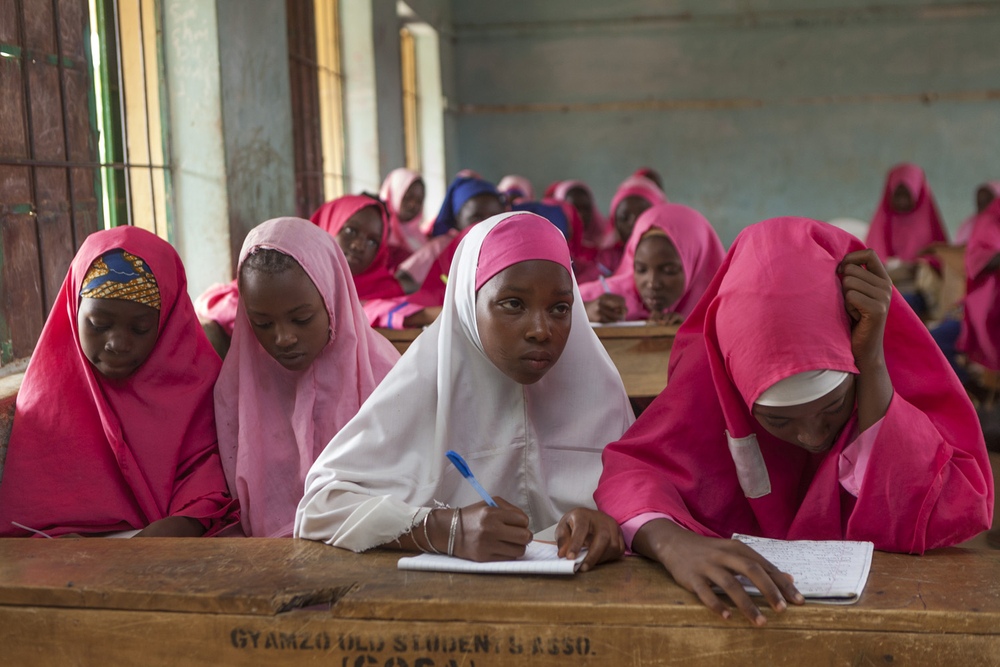
The DanBello’s standard of classrooms is not a far-fetched goal, but one that can be achieved with commitment and gradual effort. Improvement in educational infrastructure, like any meaningful change, requires time and sustained focus. Often, people expect change to happen overnight, but real progress takes time. Just as one cannot earn a degree in a day, transforming a nation’s educational facilities must be seen as a long-term goal. What is needed is dedication and a clear plan to move towards this vision step by step.

One essential way to initiate this transformation is for governments to commit resources towards upgrading school facilities. Imagine if a government will dedicate an entire year’s income specifically for renovating schools, bringing them up to the DanBello standard. If each subsequent administration followed the same path, in 30 years or even less, the educational landscape of the country would be entirely different. Each government would leave behind a legacy of improvement, contributing to a better future for generations of students.

While the government plays a crucial role, it is equally important that they avoid falling back on excuses. Too often, we hear claims of limited resources or competing priorities. However, the reality is that every journey, no matter how long, begins with a single step.

The excuse of limited resources should not hinder the progress that could be made by taking that first step. Even modest improvements made consistently will accumulate into significant advancements over time.

In addition to the government’s efforts, other sectors of the society should also play a role in transforming education. Commercial banks, companies, and philanthropists have the capacity to contribute meaningfully to this cause. These institutions and individuals can partner with the government to provide funding, materials and expertise. Such collaboration would not only expedite the renovation of schools but also ensure the maintenance of high standards.

Corporate social responsibility (CSR) can be an excellent platform through which companies support education. By investing in schools and improving infrastructure, companies not only contribute to the public good but also create a more educated workforce for the future.

Many global corporations have long understood that investing in education is investing in their future workforce, and local businesses should embrace the same perspective.

Philanthropists can also have a powerful impact. Individuals with the means to give can sponsor entire schools or contribute to educational projects that raise the standard of learning environments. Their contributions may come in the form of scholarships, infrastructure improvements, or the provision of resources like books and technology. Such generosity can help bridge the gap where government funding falls short.

In conclusion, achieving the DanBello standard of classrooms is within reach, but it requires the concerted effort of all stakeholders. Governments, businesses, and philanthropists all have important roles to play in transforming the educational system. Change may not happen overnight, but with a gradual, focused approach and the commitment of diverse sectors of society, the vision of a high-standard education for all can be realized. The journey has begun, and every step taken brings us closer to a brighter future.

Abdurrazak Muktar Makarfi
08038219091

Ajuri Ngelale’s Exit: Tinubu should rejig his media & PR team 

By Zayyad I. Muhammad

Ajuri Ngelale, President Asiwaju Bola Ahmed Tinubu’s special adviser on media and publicity, has announced that he will be taking an indefinite leave of absence to focus on medical issues concerning his immediate family. Ngelale hoped to return to national service when circumstances, recovery, and fate allow.

President Bola Ahmed Tinubu has accepted the decision and wishes Ngalele well.

Ngalele’s leave of absence has sparked numerous reactions from many Nigerians. This comes as no surprise; anyone taking an ‘indefinite’ leave or resigning from President Tinubu’s administration is likely to be viewed negatively due to the country’s current economic challenges and some of the administration’s unpopular decisions and policies. 

Additionally, there is a public perception that those not in the Tinubu administration’s ‘inner circle’ may encounter difficulties or hiccups—though such assumptions have always been Nigerian. However, the Daily Nigerian reported that Ngalele was forced out. The paper said that Mr Ngele was only given a soft landing to quit as presidential spokesman, but he chose to quit all his positions.

Since Mr Ngelale’s appointment, which was influenced by the first family, campaign spokespersons have been under internal pressure to replace him with “someone with better media relations” or “someone the president is more pleased with.”

DAILY NIGERIAN also gathered that Mr Ngelale was also on a collision course with other media aides working for the president for allegedly sidelining them in the running of the affairs of the office. According to sources, Mr Ngelale had also chewed more than he could bite, taking several roles that affected his primary media relations role. The sources said the tasks of being a Special Presidential Envoy on Climate Action and chairman of the Presidential Steering Committee on Project Evergreen have created a role strain and given the cabal a reason to convince the president to replace him.

Given his skills, experience, and expertise, Ngalele has done an outstanding job as a spokesperson. While the Tinubu administration must find a capable replacement for him, they must focus on more than just appointing another Senior Special Adviser on Public Affairs. The administration requires a dynamic and versatile media and PR team that can shift from a reactive to a proactive approach, as Nigerians will not now listen to just standard good English.

President Tinubu needs a PR team that can effectively reinvent Nigerians’ familiar image of Asiwaju Bola Ahmed Tinubu. The focus should not be on finding a replacement for Ngalele but on assembling a dynamic and strategic team capable of rebranding and promoting Tinubu. This team should highlight his accomplishments and present them in a way that can restore public confidence. 

For instance, Tinubu’s PR should focus on the North, where the president’s rating decreases daily. Moreover, it’s essential to showcase the value and contributions of each cabinet member, emphasising what they bring to the administration’s overall agenda. The greatest mistake Tinubu will make is to bring on board politicians; most Nigerians will not listen to them.

President Tinubu should Rejig his media and PR team, and they must communicate in a way that resonates with Nigerians and actively engage with them. They must speak to Nigerians in the ‘language’ they understand, but the bottleneck is that the only language Nigerians understand is what will bring ‘rice and beans’ to their tables.

Zayyad I. Muhammad writes from Abuja via zaymohd@yahoo.com.

Nigeria: A country on the precipice of dystopia

By Aliyu Hamza

It is so sad that Nigeria’s economic and security architectures are obviously on the precipice and it is so unfortunate nothing much tangibly convincing is being done to salvage the sorry situation. This is especially worrying as it seems that overtime, the leaders of our country have resolved to subject us to a state of dystopia. Every reigning administration always seem to perform worse than its predecessor.

On the security front, the Nigerian state has submitted the fates of its citizens to the “Mercy” (or should one say Wrath) of rag-tag terrorists and bandits marauding and slaughtering about with impunity. Some theories even suggest the security crisis is State-abated and certain information and explanations, especially as they relate to Solid mineral deposits in worst hit areas, command logical credibility to such theories especially as it relates to Zamfara and Sokoto states.

On the economic front, the Nigerian economy continues to defy every economic logic. For decades, a country producing petroleum resources has never had a single petroleum drilling/extracting company only to outsource services to international firms who are also looking to feast on our resources.

Paradoxically, the home refineries meant to process the extracted crude have been deliberately incapacitated to favour fuel importation, a venture which benefits a few selected oil moguls who sell imported products at discretionary prices amid a shady subsidy regime.

Then came, subsidy removal in 2023. The nation was told it would favour competition which would force down prices. On the contrary, we’ve seen price hikes eversince including the recent September hike which ironically, was introduced same day as the first private domestically built Dangote refinery commenced roll out of its refined petrol product.

In normal mainstream economic sense, internal production ought to have eliminated importation and other overhead costs which would bring down prices. But in our country, the reverse is the case. The resource managers of our nation always cite new economic jargons to the bewilderment of the masses to justify price increases every now and then.

STATE-BACKED PSYCHO–FINANCIAL TERRORISM

Today, there is nothing cheap in Nigeria as a result. Even the most common of foods such as Garri and sweet potatoes are no longer cheap and are nearly out of reach for the poor.

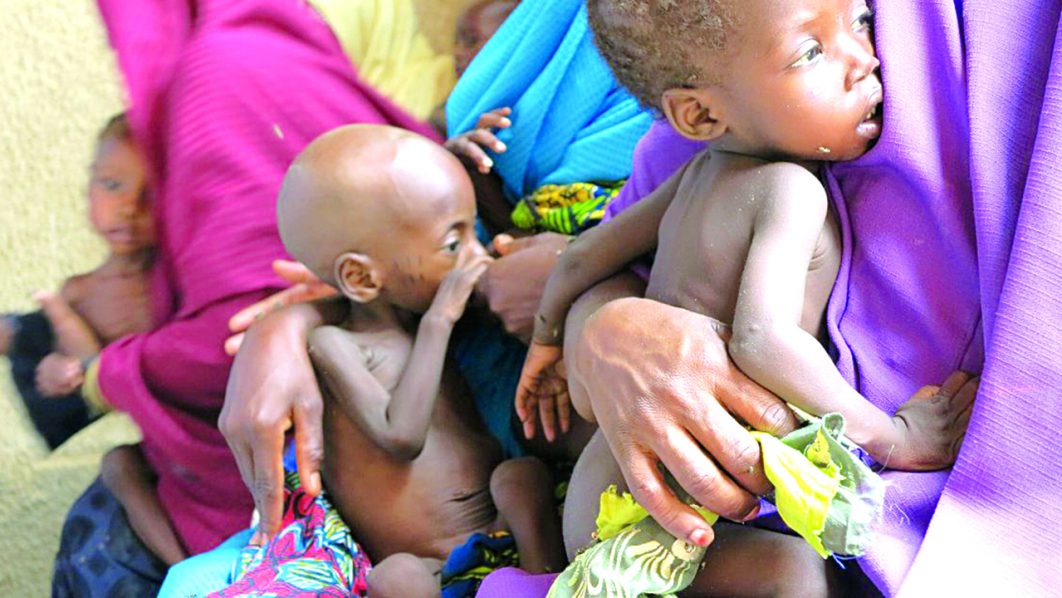
Pathetically, there are now people who feed on edible weeds to survive because they can’t afford basic food. There are also those including many familiar faces who were formerly doing averagely ok financially, but who have now become visibly emanciated while always wearing worried looks — clear symtomatic manifestations of the current oppressive economic climate.

Meanwhile, the government keeps on rolling backwards on its duties by eliminating incentives and subsidies (from kerosine to petrol, electricity to education) while heaping taxes (VAT and others). This is as incomes remain stagnant in the midst of an insecure/unstable environment unfavourable to both internal businesses and foreign direct investments.

The so-called minimum wage the government pledged to increase after much dragging with the labour unions has not even been implemented but the same government has already devised strategy of taking it back with the other hand through the outrageous fuel price increase.

In essence, the message being signalled to us is that ordinary Nigerians are expected to continue bearing brunts upon brunts of every economic austerity measure and pains that accompany them.

Contrarily, government officials keep on perpetuating mind boggling and incomprehensible state thefts regime after regime – financial crimes of which majority of the perpetrators go virtually unpunished.

For the citizens, they say we should keep on exercising patience for better days of prosperity, days that don’t ever look forthcoming as the economic squeeze bites harder. This is what I call State-backed and tolerated Psycho-financial Terrorism being perpetuated against its people.

NATIONAL PATRIOTISM?

Some may say it is an incitement to sedition but to be bluntly honest, the sense of optimism and patriotism I used to have for Nigeria have been significantly degraded all thanks to the mounting levels of socio-economic and security dystopia that have now thrived for at least over a decade. Nothing I think, would bring back such national fervour in me unless there’s tangible national progress as I now live as a helpless passive citizen.

As the government has proven incapacitated (at best description) or unwilling (at worst) to provide the basics for its citizens, patriotism in the common man as he concentrates on how to survive seems farfetched. One should not even mention the plights of our droves of Internal Displaced People (IDPs) languishing in miserable camps. For many, claims of patriotism today are a mere fantasy. A mere fantasy indeed!

Aliyu Hamza is a PhD student of Political Science in Ahmadu Bello University. He is also a writer, public affairs commentator and international relations analyst. You can contact him via haliyu86@gmail.com.

The Fulani Identity: Tradition, misconception, and the truth

By Hassan Abdulkadir

The Fulani are traditionally a nomadic, pastoralist trading people across the dry hinterlands of their domain. They are the largest nomadic ethnic group in the world, inhabiting several territories over an area larger than the continental United States.

The Fulani follow a code of behaviour known as “PULAAKU,” which encompasses patience, self-control, discipline, prudence, modesty, respect for others (including foes), wisdom, foresight, personal responsibility, hospitality, courage, and hard work.

It wouldn’t be fair to judge an entire faith, religion, or tribe by the actions of a few aberrant individuals. It is more just to evaluate them based on the scriptures and teachings of the faith or the traditions and conventions of the tribe. 

History has shown that some of the greatest massacres committed on this planet were by individuals like Adolf Hitler, a European Jewish Christian. However, his actions were never equated with his religion or tribe. 

Similarly, Benito Mussolini and Menachem Begin, who were responsible for numerous atrocities, were not judged by their faith or tribe. Yet, when a single Fulani or Muslim individual commits an act of terrorism, the entire religion (Islam) or tribe (Fulani) is unjustly blamed.

Moreover, the most infuriating aspect of this situation is that many of these individuals are brainwashed and used by heartless people who are not Fulani. For example, videos circulating online vividly demonstrate this is true. In one instance, an arrested Fulani man explains how much the masterminds paid him after abducting someone. 

The amount given to the Fulani men is not even a quarter of the ransom collected, yet they are still blamed. It’s important to note that some of them are forced into this due to intimidation and life threats by the gangsters. These masterminds exploit the Fulani and Bedouins because they know the bush well. 

For God’s sake, as educated, wise, and prudent individuals, how can anyone believe that the people they consider inept could successfully carry out such complex operations without being caught? They can’t even perfectly operate phones. This is unfair. Such acts require logic, strategies, and prudence. However, due to biased perspectives, Nigerians are generalising the entire tribe instead of targeting the deceived and manipulated individuals among them.

Candidly, the truth must be trumpeted. When our southern brothers say “Hausa-Fulani,” they’re not referring to the tribe but to a Muslim or Northerner, whom they consider terrorists, bandits, and so on. Meanwhile, in some parts of the southern region of this country, there are places where humans are slaughtered like animals. Generalising the Fulani as bandits and terrorists is truly unfair and unjust.

All the calamities this country, especially the North, has been facing—such as insecurity, insurgency, banditry, terrorism, and critical hardship—are not due to the Fulani people but are the result of politics, business, and the selfishness of our unpatriotic and tyrannical politicians.

I urge the youth to be patriotic, equip themselves with adequate and pure knowledge, and engage in politics. The rich also have a crucial role to play by sponsoring these energetic youths in politics for the betterment of our country and for the coming generations to flourish.

May Nigeria prosper and thrive, amin.

Hassan Abdulkadir wrote via hassanabdulqadeerabubakar@gmail.com.

After NYSC: A call for national job creation and youth empowerment

By Haroon Aremu Abiodun

The Nation’s clarion call resounds, and the youth—our graduates—respond. The National Youth Service Corps (NYSC) is central to this national narrative. Some may argue that these graduates bask in the comfort of government stipends for a year, while others counter, “How substantial is this money anyway? It’s merely enough to keep body and soul together.”

For many, this stipend transcends mere sustenance; it symbolises stability. Upon completion of their service year, the promise of a regular income dissipates like a mirage. As I approach the conclusion of my service year, my thoughts drift back to a reflection penned in 1993 by Yushau Shuaib, the esteemed publisher of PRNigeria and Economic Confidential.

His words resonate profoundly: “After the National Youth Service, what next? From here, where next? How long have you fantasised about your next port of call after dedicating your life to academic pursuits? Will you further your studies, seek employment, or perhaps get married?” If marriage is part of your post-service plans, ensure you save for the honeymoon.

As my time in NYSC draws to a close, I can’t help but ponder the uncertain future that awaits me and my fellow corps members. For many, this may mark the last time they receive a government-issued salary. Some leave the country for greener pastures, convinced that this nation offers them no future.

Others, however, have jobs waiting for them, merely contingent on their release from service. Yet, many corps members will never earn as much as they did during their service year; some may find even better opportunities, while others remain lost amidst uncertainty. In today’s society, we question: Are we destined to join the legions of unemployed graduates? Is education no longer the key to societal recognition?

We witness individuals with multiple degrees grappling to find viable employment, seemingly rendering education futile. The rise of the “Yahoo boys,” who embody the new elite without formal education, fosters the narrative that “school is a scam.” Our education system requires rigorous restructuring and oversight, but we also need a comprehensive reorientation of our values and aspirations.

One acquaintance is willing to resort to unethical means to secure a job, even contemplating bribery for a lucrative position, craving societal approval. But what of those lacking the financial means or connections? Who stands by us?

The fear of poverty could well be the beginning of misguided pursuits. Might some be tempted to resort to fraud, political thuggery, or even prostitution—now sanitised as “hookups”? Will others turn to terrorism or kidnapping, driven by necessity, as opportunities evaporate in the job market?

Private organizations face significant hiring constraints stifled by economic instability. In fact, many are laying off staff simply to stay afloat—how, then, can they possibly accommodate fresh graduates? What becomes of those of us unwilling to engage in illicit activities? Are we consigned to a life of struggle?

For some, the service year impedes success; for others, it serves as a crucible for personal growth and dream realisation. Some may even decline job offers, viewing the pay beneath them, while others face a daunting lack of direction.

How can we elevate our nation when out of millions of corps members, only a fraction—perhaps five hundred—find meaningful employment? And of those, many receive insufficient compensation to support a family amidst this unforgiving economy. How can youth deprived of job opportunities or financial means to foster their ventures lift our nation?

Nigeria has devolved into a landscape where viable jobs are an elite commodity. In the 70s and 80s, even an O-level holder could readily secure employment; today, the opposite rings true. Are we not at an impasse? Is my generation not doomed to suffer for the decisions of the past? While I believe in humbly serving my nation, this conviction must be matched with tangible opportunities.

To President Bola Ahmed Tinubu: One crucial step toward alleviating terrorism and insecurity is ensuring job security for our youth. An idle mind may indeed become the devil’s workshop. If corps members exit service devoid of decent employment, they may turn to unlawful means for survival, jeopardising our nation’s safety.

In this digital age, AI has transformed many operational processes, executing tasks with unprecedented speed and efficacy. Yet, rather than perceiving AI as a threat to job security for corps members, we should embrace the potential for collaboration, where human creativity meets AI’s efficiency. Mastering this synergy could unlock exceptional possibilities in the workforce.

Mr. President, we recognize the intricacies of governance, but we implore you to prioritise job creation for corps members and youth. We are eager to contribute to national development with commitment and integrity, aspiring to build our nation through unity and loyalty.

To our security agencies: Strengthening your efforts requires greater employment prospects for youth, particularly graduates. Doing so would alleviate the rates of insecurity plaguing our nation. Please take our concerns to the President and collaborate with experts in the field.

We advocate for a specific percentage of corps members to be employed by the government upon the conclusion of each NYSC batch yearly. This initiative would instil hope in the youth, steering them away from crimes and social vices.

We extend our gratitude to the NYSC for the training and life lessons garnered throughout this journey. The NYSC must collaborate with the government to catalyse job creation amid an industrial revolution. Such a partnership would solidify the NYSC’s reputation as a cornerstone for job creation and national growth.

To our legislators, senators, and esteemed members of the National Assembly: We urge you to convene and enact laws that foster job creation through the NYSC scheme, benefitting graduate corps members.

State governments must also step up, providing increased employment opportunities for departing corps members. This collective effort can rekindle hope among the youth and everyday citizens, paving the way for national progress. Nigeria is our home; Nigeria is who we serve.

Haroon Aremu Abiodun is a candidate for national development and a Mass Communication graduate serving with PRNigeria in Abuja.

A legacy of strength and wisdom: Remembering Emir Yunusa Muhammad Danyaya

By Usman Abdullahi Koli, ANIPR

In the rainbows of history, some leaders leave an indelible mark that time can never erase. Alhaji (Dr.) Yunusa Muhammad Danyaya, the revered Emir of Ningi, was one such leader. His influence reached far beyond the borders of his emirate, touching lives with his wisdom, strength, and dedication to his people. His departure marks the end of an era, a monumental loss not just for Ningi but for the entire nation.

Born in 1936, Alhaji Yunusa Muhammad Danyaya was destined for greatness. His educational journey began at Ningi Elementary School and continued through Bauchi Middle School. He later attended the School of Hygiene in Kano and earned a diploma in Public Administration from Ahmadu Bello University, Zaria. Before ascending the throne in 1978, he made significant contributions to the Ningi Emirate Council, the Medical and Health Department, and other critical roles within the region’s governance.

Ningi Emirate, a land steeped in history and resilience, has long held strategic importance in northern Nigeria. Founded by Islamic scholars who migrated from Tsakuwa in Dawakin Kudu Local Government Area of Kano State, the emirate’s origins are rooted in a principled stand against unjust taxation. Throughout his reign, Emir Yunusa Muhammad Danyaya upheld these principles, ensuring that justice, fairness, and equity remained the foundation of his leadership.

As Emir, Alhaji Yunusa Muhammad Danyaya was a steadfast guardian of tradition and a visionary leader who steered Ningi through an era of transformation and progress. Under his leadership, the emirate witnessed significant development initiatives that significantly improved the quality of life for its people. His reign was a masterful balance of tradition and modernity, preserving Ningi’s rich cultural heritage while driving progress.

The people of Ningi hold their late Emir in the highest esteem, remembering him as a just and fair leader deeply committed to their welfare. His passing leaves a void that will be difficult to fill, but his legacy will continue to inspire and guide future generations. 

We are reminded of the Hausa saying, “Kwari garin jan kaya, kwarin da ba ruwa ya ci mutum, da akwai ruwa da ya ci duniya,” which translates to, “The wasp is known for its resilience, even without water, it can take a man down; with water, it could conquer the world.” This saying, deeply rooted in the spirit of the Ningi Emirate, speaks to the enduring strength and determination that defined Emir Yunusa Muhammad Danyaya’s life. 

Another saying resonates within the emirate: “Ko yaki ya ci Ningi, zai bar Dutse,” meaning “Even if war defeats Ningi, it will leave behind its mountains. ” This demonstrates the resilience that the Emir exemplified throughout his reign.

His journey into royalty began in 1959 when he was turbaned as the District Head and Chiroman Ningi. Over the decades, his leadership was marked by wisdom, courage, and commitment to his people. More than just a ruler, he was a mentor, a guardian of tradition, and a beacon of progress. His reign embodied the resilience and strength of the Ningi Emirate, much like the majestic elephant known for its unyielding spirit.

Alhaji (Dr.) Yunusa Muhammad Danyaya’s legacy will forever be etched in the hearts of those he served. As we mourn his passing, we also celebrate a life dedicated to service, leadership, and the upliftment of his people. His contributions to the Ningi Emirate and to Nigeria will never be forgotten. Though the giant has fallen, his impact will continue to resonate for generations to come.

Usman Abdullahi Koli wrote via mernoukoli@gmail.com.

The urgent need for action on kidney disease-related deaths in Gashua

By Mujahid Nasir Hussain

Gashua, a local government area in Yobe state, Nigeria, is facing a distressing public health crisis. An alarming increase in the number of individuals succumbing to kidney diseases is being reported, yet the underlying cause remains unidentified. 

The kidneys are essential organs located in the retroperitoneal part of the body. These bean-shaped organs perform several crucial functions, including blood filtration, blood pressure regulation, electrolyte balance, acid-base balance, blood calcium regulation, and many more. However, when they become impaired, those vital functions are compromised, leading to severe and devastating deterioration and complications.

The rising number of deaths linked to kidney diseases in Gashua is a cause for serious concern. It is impossible to implement effective interventions without identifying the underlying cause, whether environmental, genetic, or related to lifestyle factors. 

The Yobe state government must prioritise an investigation into the root causes of these kidney diseases to find an end to the problem. Public health agencies, researchers, and medical experts should be mobilised to conduct thorough epidemiological studies and screenings to identify potential risk factors. 

In addition, there is also a need to take proactive measures through:

  • Raising Awareness:  Educating the community about kidney health, risk factors, and early symptoms of kidney disease to encourage timely medical consultation.
  • Enhancing Healthcare Facilities: Improving access to quality healthcare services, including dialysis centres and nephrology specialists, to manage and treat kidney diseases effectively.
  • Providing Clean Water: Ensuring the availability of clean drinking water is essential, as contaminated water is a known risk factor for kidney damage. 
  • Encouraging Lifestyle Changes: Promoting healthy dietary practices and regular medical check-ups to prevent kidney-related diseases.

Mujahid Nasir Hussain studies at Bayero University, Kano, Nigeria and writes via mujahidhnasir@gmail.com.

From love to labor: how relatives become oppressors

By Fatima Musa Yakubu

Family is often called the best gift of life, a place of love and care. Living with family should feel like a blessing, even when some members are so strict.

Parents, even when they are tough, love their children and want the best for their future. As the 12th child in a family of eighteen, I was surrounded by my brothers and sisters. We laughed, played, argued and shared meals together. It was very cheerful and happy moments which I didn’t fully value and appreciate—until I when lost it.

Everything changed when my aunt’s husband died. In Islam, a widow must stay inside her home for 4 months and 10 days, only leaving for exceptionally important excuses. Since my aunt had no children, my grandmother decided I should stay with her to keep her company. I was excited at first, imagining that I would be treated with kindness and have meals all to myself. I couldn’t have been more wrong.

One Saturday morning, after prayers, I wasn’t feeling well and decided to rest. Suddenly, a sharp slap landed on my face. My aunt, angry for reasons I didn’t know or understand, dragged me out of the bed and beat me badly. Then, she told me my new daily tasks: fetching water from a faraway well, washing dishes, clothes and her car, and sweeping the compound—all before 10am. I was only ten years old then.

According to a report by the International Labour Organization (ILO), more than 15 million children in Nigeria are forced into child labor. Many of these children, like me, are treated unfairly in their own homes by relatives. Instead of going to school, we do heavy chores and endure painful experiences. I was taken out of school for years and suffered in silence.

I wanted to tell my parents about my aunt’s behavior, but I was too afraid. She threatened me, and I feared what she would do if I spoke up. When I made her angry, she beat me with a copper wire, hit my head against the wall or dragged me across the floor. Sadly, this kind of abuses happen to many children living with relatives.

A UNICEF report says that nearly 60% of children in Nigeria who live with extended family face some kind of abuse, often hidden as “discipline.”

Life with my aunt wasn’t just about hard work—it was lonely. I felt isolated and scared all the time. Meanwhile, I watched other children in my neighborhood, also living with relatives, being treated like with kindness of a family. One girl, who I thought was living with her parents, was actually staying with her guardians. They treated her like a queen, sending her to the best school and giving her everything she needed. It was painful to see such a difference.

My suffering ended when I turned fifteen. My aunt, who had treated me like a servant, passed away after falling sick with typhoid. Even7though she hurt me, I felt sad when she died. Over time, I learned to forgive her. As Maya Angelou once said, “We often forgive those who have wronged us, not for their sake, but for our own peace.” This has been true for me.

Today, I am grateful to be alive and well. I am happily married, with two children, and I have returned to school to continue my studies. Looking back, I realize that after every hardship, relief eventually comes. My story is just one example of many.

In Nigeria, more than 7 million children live with extended family due to poverty, loss of parents, or other reasons. Many of them suffer, just like I did. Unfortunately, their stories often remain unheard. According to Human Rights Watch, abuse of children living with relatives is a big problem that needs more attention.

I am sharing my story to let others know that this issue is real and must be addressed. Children who live with relatives deserve the same love and care that their own parents would give them. The Nigerian government and organizations fighting for children’s rights must do more to protect these vulnerable children. Laws against child abuse need to be enforced, so no child has to suffer in silence like me.

To my readers, remember this: after every storm, there is calm. If you are going through a tough time, hold on, relief will come. And for those who can help, we must speak up for children who cannot defend themselves. Every child deserves a life without fear.

Fatima Musa Yakubu writes from the Department of Mass communication,
Bayero University, Kano, Nigeria.

The menace of job racketeering in Nigeria

By Usman Muhammad Salihu,

Recently, while scrolling through Facebook, I came across a post by Dr. Muhsin Ibrahim, a lecturer and editor of The Daily Reality. He wrote, “We need to address the issue of buying and selling job offers in Nigeria. It’s disheartening that we no longer condemn this corrupt practice; it’s becoming normalised.” His words hit home, reminding me of my own experience.

A day after graduating from Abubakar Tatari Ali Polytechnic, Bauchi, a familiar acquaintance, approached me and asked, “Now that you’ve graduated, what’s next?” I replied, “NYSC and then maybe looking for a job.” He chuckled and said, “Nigeria is now about who you know or what you have in your pocket. I can help you get a job, but it’ll cost you.” Shocked, I asked, “Where would I get that kind of money?” and walked away, disturbed.

This encounter and Dr. Muhsin’s post made me recall Jibrin, a man I knew in Gombe State. He fell prey to one of these “pay-for-a-job” schemes. Desperate, he sold his house for far below its value to pay the fee, only to end up with neither the job nor the house. Jibrin’s case is sadly not unique. Countless others have been conned by job scammers who vanish, leaving their victims penniless.

The growing prevalence of job trading in Nigeria is alarming. It undermines merit, creating a system where people secure jobs based on connections and bribes rather than qualifications. Deserving candidates are sidelined, while unqualified individuals fill critical roles. This feeds a cycle of corruption, further deepening economic inequality and breeding frustration among the youth.

What is even more troubling is the normalisation of this practice. Instead of condemning the outright sale of jobs, society seems to have accepted it as a new reality. Many young people now believe that they stand no chance in Nigeria’s job market without money or connections. This erodes confidence in a fair system, where hard work and qualifications should decide securing employment.

To tackle this issue, the media needs to lead the charge by highlighting the perils of job trading. The negative impact of this corrupt practice should be exposed through investigative journalism, public debates, and social media campaigns. However, raising awareness alone is not enough. Nigeria needs stronger recruitment regulations, where organisations are held accountable for corrupt hiring practices.

Whistleblowing must be encouraged, and safe and anonymous channels must be provided for reporting job scammers. If potential whistleblowers fear retribution or harassment, they will unlikely come forward, leaving corruption unchecked. The government must establish legal protections and incentives for those who help expose corrupt recruitment activities.

Government agencies and private firms must also ensure transparency in their hiring processes. Job openings should be advertised on official websites with detailed selection criteria. Recruitment processes should be publicised, and there should be clear communication with candidates regarding the status of their applications. This would make it more difficult for corrupt individuals to infiltrate the system and sell job offers.

Civil society organisations and advocacy groups also have a crucial role to play. They can organise awareness campaigns, engage with policymakers, and help victims of job scams seek justice. These groups can push for necessary reforms and create public forums where citizens can voice their concerns.

As individuals, we have a responsibility to reject this corrupt system. We must resist the temptation to pay for jobs, recognising that such actions perpetuate inequality and injustice. By speaking out against job trading and advocating for merit-based recruitment, we contribute to building a more just society. If job seekers refuse to participate in corrupt practices, it will weaken the power of those profiting from them.

In conclusion, job trading is a serious issue in Nigeria, eroding the values of merit and fairness. It is a dangerous practice that widens the gap between the haves and have-nots, promoting a culture of entitlement and greed. This trend needs urgent attention from all sectors of society. Nigeria can combat this corrosive practice through collective action, transparency, and strong legal frameworks and build a future where merit truly matters. It’s time for a change, and the fight starts with each of us.

Usman Muhammad Salihu is a fellow of PRNigeria Young Communication Fellowship 2024. He can be reached via muhammadu5363@gmail.com.

Matawalle’s controversies and gains in the defence sector

By Haroon Aremu Abiodun

As they say, “Uneasy lies the head that wears the crown,” but Bello Matawalle, appointed by President Bola Ahmed Tinubu as Minister for State Defence in 2023, has risen to the challenge. His tenure in office so far is marked by a blend of persistent controversies and significant achievements, with the latter shining a bright light on his leadership and the impact of his decisions.

As Governor of Zamfara state, Matawalle was reported to have taken stringent measures against banditry and insurgency, which led to some success in the fight against terrorism in the Northwestern region.

As such, it is not surprising that he and Mohammed Badaru Abubakar, another former governor of Jigawa State, were appointed Ministers to supervise the defence sector.

This feat was accomplished through military precision and a strategic, forward-thinking focus on infrastructure revitalisation. Their joint efforts led to the rehabilitation of military barracks nationwide, improving the living conditions for soldiers and their families—a clear demonstration of their commitment to the military’s welfare and the future of Nigeria’s defence sector.

A recent major highlight of Matawalle’s leadership was his role in revitalising Nigeria’s defence infrastructure. He worked closely with the Defence Industries Corporation of Nigeria (DICON) and the National Agency for Science and Engineering Infrastructure (NASENI) to establish a domestic arms and ammunition production facility.

This initiative is projected to save Nigeria $60 million annually by reducing the need to import military hardware, marking a significant step towards self-reliance in defence production.

Matawalle’s focus on defence sector reforms to improve efficiency has also caught attention. His reforms are designed to build a more resilient military by streamlining procedures and holding the system accountable.

One of Matawalle’s standout initiatives was his hands-on approach to addressing the grievances of military personnel. His open engagement with soldiers about delayed allowances and welfare issues demonstrated a rare willingness to tackle the heart of the defence system’s morale, evoking empathy for the soldiers and their struggles.

Despite these accomplishments, Matawalle’s tenure has not been without its controversies. Allegations of corruption and mismanagement, along with disputes over his qualification to run the defence ministry, continue to cloud his leadership. Critics question whether these shadows will define his legacy or if his achievements will ultimately shine through.

Born on February 12, 1969, in Maradun, Zamfara State, Matawalle’s educational background includes studies at Yaba College of Technology and the University of West London. His journey from a teacher to a politician has been marked by resilience and a steadfast commitment to public service.

After a successful stint in the Zamfara State House of Assembly during the Abacha regime, he served as a state commissioner before being elected to the House of Representatives in 2003. His political career reached new heights in 2019 when he became the Governor of Zamfara State following a Supreme Court ruling that disqualified the supposed winner.

During his tenure as governor, Matawalle made efforts to address the rampant insecurity in Zamfara State, a region plagued by banditry and violence. He initiated dialogue with various armed groups and made efforts to implement infrastructural projects across the state, including constructing governor’s lodges in all 14 Local Government Areas (LGAs) of Zamfara.

Matawalle’s career reflects a blend of determined public service and significant scrutiny, particularly regarding his financial decisions as governor.

A fanatical loyalist of President Bola Ahmed Tinubu, Matawalle’s leadership in various capacities during this period laid the groundwork for his current role in national defence, where he continues to confront external threats and internal controversies.

Matawalle must prioritise transparency and communication to secure his legacy, ensuring the public understands his decisions and reforms. His continued focus on the welfare of soldiers and veterans, alongside his strategic defence initiatives, will be crucial in determining whether his story will be one of triumph or a missed opportunity.

The final chapter of Bello Matawalle’s legacy is still being written. The world watches as he walks the fine line between triumph and turmoil. Will he be remembered as a transformative leader, or will the crown’s weight prove too much?

His legacy teeters on the edge, and only time will reveal whether his story is one of greatness or missed opportunity.

Haroon Aremu Abiodun is a Mass Communication graduate and a corps member with PRNigeria Center, Abuja. He can be reached at exponentumera@gmail.com.