Opinion

Getting rid of fraudsters’ trap

By Rabiu Sirajo Toro

How hackers manage to compromise people’s accounts, particularly on platforms like Facebook, Instagram, and especially WhatsApp, and often send messages to the contacts of the account owner, requesting money for account details that do not match the owner’s name is baffling.

They frequently claim that network glitches or limits have been exceeded to justify their requests.

This situation has occurred multiple times, yet people seem to overlook it. It’s essential to consider the different account details compared to the owner’s, as well as the context in which the message is written.

Some messages might be the first communication between two individuals, leading the recipient to act without hesitation. Instead of questioning or calling the person for confirmation, they may decide to send money immediately.

We must remain vigilant regarding anything related to money and property, as scammers are becoming more prevalent.

Many people are looking for quick and questionable wealth by any means possible.The first time I received such a message from someone of high status, I promptly contacted the owner of the phone number and discovered that I was the first person to inform her about the incident.

Whenever you receive a message that seems abnormal in your daily chats, especially one that involves a request for money, it is crucial to call that person for confirmation if you can’t ignore it.

For added security, anyone you are involved in business with or who might send you money should always confirm transactions first, preferably through phone calls rather than platforms alone or physical meetings are preferable for any monetary exchange.

We must make an effort to remember these incidents and protect ourselves from scammers.

Rabiu Sirajo wrote in from Toro Local Government Area in Bauchi State.

Kano’s football renaissance: A testament to Senator Barau Jibrin’s visionary leadership

By Jamilu Uba Adamu,Kano

The 2024 Nigeria National League’s kickoff has sent waves of excitement throughout the country, and Kano State is no exception. The football match between Barau Football Club and Plateau State’s Mighty Jets at the newly refurbished Danbatta Stadium marked a significant milestone in Kano’s football history. This development is a shining example of Senator Barau Jibrin’s commitment to sports development in the Kano North Senatorial district.

As a sports enthusiast, I find it heartwarming to witness the remarkable impact of Senator Barau Jibrin’s dedication to sports development in Kano State. The senator representing Kano North has consistently demonstrated his commitment to the welfare and development of his constituents, with a particular focus on sports.

The refurbishment of the Danbatta Stadium is a shining testament to Senator Jibrin’s visionary leadership. This world-class facility promotes sports and contributes significantly to the community’s economic growth and social cohesion. The stadium has the potential to unite not only people across Kano North but the entire Kano State, fostering a sense of pride and belonging.

Senator Jibrin’s recognition of the importance of sports development in rural areas is equally commendable. He understands that structured sporting events can profoundly impact these communities, providing a platform for young talents to emerge and promoting job creation, socialization, unification, and economic emancipation. This is a critical aspect of his leadership, as it acknowledges the often-overlooked potential of rural areas to contribute to the state’s sports development.

As Deputy Senate President, Senator Jibrin’s commitment to sports development is a shining example for other politicians to follow. His efforts have marked a significant milestone in Kano’s football history, 

In conclusion, Senator Barau Jibrin’s unwavering commitment to sports development in Kano State is a beacon of hope for the future of sports in Kano. His visionary leadership and dedication to the welfare of his constituents make him an exemplary politician. 

Adamu, a Kano-based freelance sports writer, can be reached via jameelubaadamu@yahoo.com.

CCT Chairman: The Missteps of lawmakers and lawyers on Constitutional Matters

By Haroon Aremu

As a concerned young Nigerian, it’s disheartening to witness lawmakers and esteemed legal practitioners grapple with fundamental constitutional principles—especially regarding the Code of Conduct Tribunal (CCT).

It is astonishing that those tasked with crafting laws and interpreting them could exhibit such a glaring misunderstanding of the legal framework that governs their actions. The recent attempts by the Nigerian Senate to remove Mr. Danladi Umar, Chairman of the CCT, serves as a case in point.

In their misguided effort, the Senate invoked Section 157 of the 1999 Constitution, mistakenly applying it to the CCT. This section is pertinent to the Code of Conduct Bureau (CCB) and other executive bodies, but it has no bearing on the CCT, which operates under a different constitutional framework. As noted by PRNigeria’s fact-checking team, the remedial actions regarding judicial bodies such as the CCT require broader legislative consensus than the Senate alone can muster – specifically, a two-thirds majority from both the Senate and the House of Representatives, a detail curiously overlooked by the lawmakers.

Further complicating matters, the Senate suggested Mr. Abdullahi Usman Bello as Umar’s potential successor. However, it must be emphasized that Mr. Bello was appointed to lead the CCB, not the CCT. Moreover, constitutional stipulations require that the CCT Chairman possess qualifications akin to those of a judge of a superior court—qualifications which Mr. Bello notably lacks. This misstep reflects either a profound ignorance or a blatant disregard for the constitution.

It’s also alarming to observe the Senators conflating the roles of the CCB and the CCT, erroneously linking Umar’s situation to that of Bello. Their claims regarding the 9th Assembly’s investigations into Umar also deserve scrutiny, especially given that they appear to stem from a petition filed by a security guard concerning an unrelated incident —ironically, even after an anti-corruption agency had already cleared him of any wrongdoing.

Adding a layer of complexity to the situation is the media’s role in disseminating information. While there was widespread coverage of the Senate’s resolutions, many outlets failed to substantiate or fact-check their claims against the Constitution. This lapse in journalistic vigilance contributes to the propagation of misinformation, thereby undermining public trust in our governance systems.

The situation becomes even more troubling when senior lawmakers defend their misguided actions. The 1999 Constitution (as amended) clearly delineates that the appointment of the CCT Chairman and its members must follow the National Judicial Council’s recommendations, which should be informed by the Federal Judicial Service Commission. Thus, any motion to remove the CCT Chairman necessitates formal attention from both legislative chambers, not simply the Senate.

To complicate an already delicate situation, the newly elected President of the Nigerian Bar Association (NBA), Afam Osigwe (SAN), boldly claimed that the Senate adhered to constitutional protocols. Such statements from a figurehead of the legal profession raise questions about the level of legal literacy within our ranks.

Even more alarming was the endorsement from renowned human rights lawyer Femi Falana, also a Senior Advocate of Nigeria. By supporting the Senate’s push for Umar’s removal, Falana and others reveal a troubling trend where senior legal practitioners sidestep constitutional requirements, jeopardizing the sanctity of Nigeria’s judicial and legislative systems.

In light of these developments, distinguished legal scholars such as
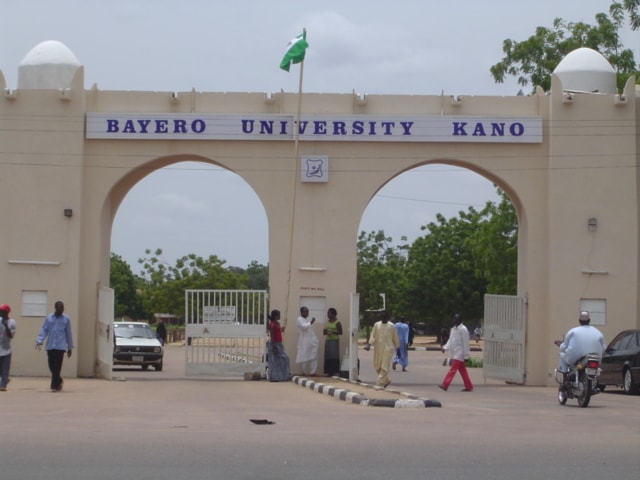
Professor Mamman Lawan Yusufari, a former Dean of the Faculty of Law at Bayero University Kano (BUK), Professor Yemi Akinseye-George, the Executive Director of the Centre for Socio-Legal Studies, and Dr. Wahab Shittu have denounced the government’s handling of the CCT issue. They described these actions as blatant violations of constitutional mandates, calling on the Attorney-General of the Federation, Prince Lateef Fagbemi, SAN, to provide guidance to President Bola Tinubu on adhering to constitutional pathways for such significant personnel decisions.

Senior Advocate of Nigeria Yunus AbdulSalam further criticized the misinterpretation of the Constitution, labeling it alarming and indicative of a dangerous lack of diligence within both the executive and legislative branches. He remarked, “Their unconstitutional and desperate attempt to remove the CCT Chairman undermines the spirit of the Constitution and poses a serious threat to democratic integrity.”

It takes a whole week before the Senate admitted and corrected the procedural error by invoking the correct constitutional provisions, including Paragraph 17(3) of the Fifth Schedule and Section 22(3) of the Code of Conduct Bureau and Tribunal Act.

This entire debacle serves as a clarion call for lawmakers to strictly observe constitutional provisions. Legal protocols should never be compromised for political convenience. Moreover, the media must enhance its accountability in fact-checking claims that significantly influence national governance.

The independence of the judiciary and the integrity of the legislative process are cornerstones of Nigeria’s democracy; they must be protected from missteps and oversights, both from lawmakers and in media coverage. This incident reinforces that constitutional provisions are not mere guidelines; they are the foundation of a functioning democracy. The Senate’s actions reflect a troubling ignorance that could jeopardize the integrity of Nigeria’s legal system. As a nation, we must recommit ourselves to upholding the rule of law and rigorously adhering to constitutional procedures to safeguard judicial independence and the health of our democratic framework.

Haroon Aremu Abiodun is a co-author of ‘Youth Service for National Stability: A Corpers’ Chronicle.’ He can be reached at exponentumera@gmail.com

The Kano durbar UNESCO inscription: Beyond the jubilations

By Salim Yunusa

The formal inscription of the annual Kano Durbar by the United Nations Educational, Scientific, and Cultural Organization (UNESCO) on its Representative List of Intangible Cultural Heritage of Humanity is a welcome development to not just Kano but Nigeria as a whole. The nomination, adopted on the 6th of December, 2024, in Paraguay, at the 19th session of UNESCO’s Intergovernmental Committee for the Safeguarding of the Intangible Cultural Heritage, makes it the 8th element to be inscribed from Nigeria. UNESCO is a specialised agency of the United Nations that promotes peace and security through international cooperation in education, science, culture, and communication.

According to many sources, the Kano durbar is the world’s largest procession of colourful horses. It has evolved with the history, religion, culture, and tradition of the Kano people over time. It is usually done to mark the Islamic holidays of Eid-el-Fitr and Eid-el-Adha, among other special celebrations. While other similar durbars are carried across almost all Northern Nigerian cities such as Zaria, Katsina, Bauchi, Gombe, Hadejia, Maiduguri and Sokoto, the Kano durbar stands out due to the sheer number of participants, tourists, spectators and days of celebrations.

This global recognition is a significant milestone, celebrating one of Nigeria’s most vibrant cultural festivals. Renowned for its majestic horse parades, traditional regalia, and music, the Kano Durbar reflects Northern Nigeria’s cultural pride and rich heritage. While the jubilations over this achievement are justified, it is essential to explore the opportunities and responsibilities that come with the UNESCO inscription.

 Beyond the celebrations, stakeholders must now prioritise preservation, promotion, and leveraging this global acknowledgement to foster tourism, break down stereotypes, and drive cultural and economic development in Kano and Northern Nigeria as a whole.

Kano—and Northern Nigeria as a whole—is a goldmine of culture and tradition preserved for ages, although these are currently under threat of extinction. The Dye Pits of Kofar Mata, founded in 1498 and spanning five centuries, are at risk of becoming extinct due to disrepair and unsustainable practices in recent times. The walled city of Kano is gradually disappearing to give way to commercial structures along the busy roads of Kano. There is a growing threat of climate change eroding sites like Dala Hills, Gidan Makama and others due to neglect. Sustainable protection and preservation of sites like this must be done for future generations.

This particular UNESCO inscription underscores the need to preserve the Kano Durbar for future generations through strategic documentation and archiving of the festival’s history, rites, and performances. High-quality visual content and written materials can help maintain its essence while creating accessible records for global audiences. This will effectively engage the youth, which is vital to ensure the tradition remains dynamic.

In addition, effective and efficient collaboration between the Kano Emirate council, non-governmental organisations (such as MACOBA, UNESCO, Global Shapers, etc.) and government agencies (NICO, Ministry of Arts and Culture, Tourism Development, etc.) is necessary to provide funding, technical support, and regulations that safeguard the festival’s cultural integrity.

In a state like Kano, boasting the highest population in the country and being the most populous in Northern Nigeria, the Kano Durbar has the potential to become a cornerstone of Nigeria’s cultural tourism, becoming a blueprint for other durbars across the region. To achieve this, a well-coordinated tourism strategy is essential. This could include partnering with airlines, hotels, and tour operators to create attractive travel packages for domestic and international tourists. Marketing campaigns highlighting the Durbar as a unique travel experience should be launched across social media platforms and international media outlets. Collaborations with influencers and travel bloggers can also amplify its appeal.

Furthermore, enhancing the visitor experience is key. Infrastructure around festival venues should be improved, with better roads, accommodations, and festival-specific amenities. Creating dedicated viewing platforms and cultural villages can also enrich the experience for attendees, making the Durbar more accessible and enjoyable.

Beyond cultural pride, the inscription opens doors for economic development. Investments in Durbar-themed merchandise, souvenirs, and artisanal crafts can generate revenue for local communities. E-commerce platforms can facilitate the sale of these items to a global audience.

Additionally, recognising the festival as an international heritage can attract global partnerships and funding for sustainable development initiatives in the region. Furthermore, technology offers endless possibilities to promote the Kano Durbar. Virtual reality (VR) and augmented reality (AR) experiences can bring the Durbar to audiences unable to attend physically. Comprehensive online platforms can offer ticket sales, merchandise, and interactive content, ensuring year-round engagement with the festival. These digital initiatives can transform the Durbar from a localised event into a global cultural phenomenon.

Finally, the festival could serve as a hub for cultural exchange, inviting participants from other regions and countries to share their traditions and learn about the Durbar, fostering mutual respect and understanding. It could be so much more, with proper organisation and intention by the stakeholders involved.

The UNESCO inscription of the Kano Durbar is a momentous achievement that places the festival on the global stage. However, this recognition comes with responsibilities. By preserving its legacy, harnessing its tourism potential, and leveraging technology and cultural exchange, stakeholders can transform the Durbar into a beacon of Nigeria’s cultural excellence. Beyond the jubilations lies an opportunity to turn this acknowledgement into a catalyst for cultural pride, unity, and economic development. The time to act is now.

Salim Yunusa writes from Abuja, Nigeria and can be reached at syunusa@gmail.com.

Reforming Nigeria’s electoral system by tackling malpractice and apathy

 By Suleiman Usman Yusuf 

As we mark one month since the sham local government elections conducted in Kaduna State, it is imperative to broaden our discourse beyond the immediate events and delve into the systemic issues that have led to electoral malpractices, voter apathy, and the overall degradation of Nigeria’s electoral system. 

Having been a founder and the pioneer National Chairman of the Youth Party (YP) as a registered political party in Nigeria, I have gained invaluable insights into the root causes of these electoral challenges. While these issues are multifaceted, I will focus on several key aspects that are critical to understanding and addressing the problem, as follows: 

1. NEGLECT OF INTERNAL PARTY ELECTIONS: One significant factor contributing to the electoral malaise is the Nigerian populace’s tendency to prioritise general elections over internal party elections. The credibility, skills, and knowledge of party officials heavily influence the quality of candidates emerging from primary elections. When citizens neglect the election of these officials, they unintentionally allow unpatriotic and incompetent individuals to manage party affairs at all levels – wards, local governments, states, and nationally. 

For instance, in many local government elections, candidates are often selected based on their connections or financial support rather than their qualifications or commitment to public service. This negligence ensures that capable and well-meaning Nigerians remain sidelined, relying on flawed party structures to secure candidacy. 

 2. LACK OF INTERNAL DEMOCRACY: The absence of internal democracy within political parties is another root cause of electoral failure. Ideally, political parties should transcend individual candidates, ensuring their structures promote democratic values and accountability. Unfortunately, many candidates, especially those with amassed wealth or political power, often overshadow their parties, undermining their foundational principles. Party officials, rather than being recruited based on merit, usually come from the ranks of politicians, leading to a cycle of dependency and diminished accountability. The failure to enforce disciplinary measures further erodes the integrity of party operations, allowing influential individuals to manipulate party dynamics for personal gain. 

Take, for example, the recent primaries of major political parties in Nigeria. Decisions are frequently made by a small group of party elites, often sidelining grassroots members and leading to the emergence of candidates who do not reflect the electorate’s will. Parties lack the frameworks to generate independent funding and operate effectively, allowing influential individuals to manipulate party dynamics for personal gain. 

 3. BRAIN DRAIN FROM POLITICAL ENGAGEMENT: Our nation’s most talented individuals frequently gravitate toward secure positions in the public or private sectors, leaving political engagement to those who may not have the nation’s best interests at heart. For example, many young professionals, including engineers, doctors, and entrepreneurs, seek opportunities abroad or in stable private sectors rather than entering politics, where they perceive a lack of integrity and opportunity for meaningful change. This trend undermines the potential for transformative leadership, as the voices that could drive innovation and reform in governance are absent from the political arena. The resulting leadership vacuum allows for the perpetuation of mediocrity and stagnation in our political landscape. 

 4. INEFFECTIVE ROLE OF OPPOSITION PARTIES: Another critical issue contributing to electoral malaise in Nigeria is the failure of opposition parties to effectively engage with the government in power. In a healthy democracy, opposition parties are expected to check on the ruling party, advocating for the populace’s interests and holding the government accountable for its actions. Their role is not merely to oppose for opposition’s sake but to advance the causes of the people, ensuring that governance is responsive and transparent. For instance, during significant policy debates, such as those regarding the national budget or security measures, opposition parties often resort to sensational accusations rather than providing substantive alternatives or critiques. 

 Unfortunately, many opposition parties in Nigeria have engaged in trivial disputes rather than focusing on substantial, issue-based discussions. They often lack coherent alternative policies or robust arguments that challenge the government’s decisions. This absence of constructive criticism diminishes the quality of political discourse and leaves citizens without viable options or clear pathways for reform. By failing to present well-researched alternatives to government policies, opposition parties contribute to a stagnant political environment where the ruling party faces little pressure to improve or innovate in its governance. 

 Additionally, the lack of strong opposition undermines public confidence in the democratic process, as citizens may feel their concerns are not adequately represented or addressed. Opposition parties need to rise to their responsibilities and engage in serious debates about policies and procedures that affect Nigerians’ lives. By doing so, they can promote a more dynamic political landscape that encourages accountability and responsiveness from the government. 

 5. LACK OF INVESTMENT IN KNOWLEDGE AND RESEARCH: Most political parties in Nigeria do not prioritise investing in knowledge and research, which are crucial for informed decision-making and policy development. The absence of dedicated policy and research units within parties means that they often operate in a vacuum, disconnected from society’s pressing issues. This gap results in poorly formulated policies that fail to address the needs of citizens or adapt to changing circumstances. For example, without adequate research, parties may propose initiatives that do not resonate with the challenges faced by their constituents, leading to ineffective governance and further disenchantment with the political process. 

 Based on the foregoing, I hereby advance the following recommendations for reform: 

 1. PROMOTION OF INTERNAL DEMOCRACY: Political parties must adopt transparent processes for electing officials and candidates. Implementing democratic practices within party structures will empower grassroots participation and ensure that the best candidates emerge, promoting a culture of accountability and responsibility. 

 2. ENCOURAGING YOUTH PARTICIPATION: Engaging the youth in the political process is essential for the future of Nigeria. Programs that educate young people about the importance of political involvement and the electoral process can cultivate a new generation of leaders committed to change. Initiatives such as mentorship programs and civic education can inspire active participation among young Nigerians. 

 3. ESTABLISHING INDEPENDENT MECHANISMS: Political parties should explore diverse funding sources beyond wealthy individuals to enhance their autonomy and operational capacity. These may include membership dues, grants, and partnerships with civil society organisations. By diversifying funding streams, parties can operate more independently and reduce the influence of money in politics. 

 4. STRENGTHENING VOTER EDUCATION: Comprehensive voter education campaigns are vital to combat apathy and encourage active participation in all electoral processes, including internal party elections. Educating citizens about their rights and the importance of their votes can empower them to demand accountability from their elected officials. 

 5. ENHANCING THE ROLE OF OPPOSITION PARTIES: Opposition parties must fulfil their critical role in engaging with the government and providing constructive criticism. They should focus on presenting well-researched alternative policies and robust arguments that address pressing issues affecting the populace. By promoting a culture of accountability and transparency, opposition parties can help ensure that governance remains responsive to citizens’ needs. These parties must rise above trivial disputes and engage in meaningful dialogue that reflects the interests of the people they represent. 

In conclusion, the recent elections in Kaduna State serve as a vivid reminder of the vulnerabilities within Nigeria’s electoral system. To safeguard democracy and promote effective governance, we must confront these root causes head-on, fostering an environment where transparency, accountability, and active participation thrive. 

It is time for Nigerians to reclaim their political landscape, ensuring that those who seek to represent them do so with integrity and a genuine commitment to the public good. By addressing these systemic issues, we can pave the way for a more robust democratic process that genuinely reflects the will and aspirations of the Nigerian people. 

God Bless Nigeria! 

Suleiman writes from Kaduna State, Nigeria, and can be reached via suleimanusmanbac@gmail.com.

The erosion of values: How Hisbah’s decision to stop arrests is affecting Kano, by Muhsin Ibrahim

By Muhsin Ibrahim – Cologne, Germany

Let me say it aloud today: the Kano Hisbah Board’s decision to stop arresting people is quite disturbing.

Of course, I am one of those brave few commentators who criticised their method of arresting suspects some time ago, and I still stand by that view and criticism.

From Berlin to Baltimore, London to Lahore, Tel Aviv to Taipei, and Moscow to Muscat, security operatives sometimes manhandle individuals when arresting them. We are all humans!

If all arrests are halted, people will have free rein in Kano. Soon after Hisbah’s announcement, some socialites from other states and countries began relocating to Kano. They act freely and upload their videos on social media.

Kano is cosmopolitan but has unique norms, values, cultures, and religion that deserve respect. We cannot stop globalisation and cultural diffusion, but we should be concerned when our values are undermined.

Globally, countries still protect their “values” in one way or another. “Muhammad” can be – and is – the most popular baby name in England and Wales, but that doesn’t mean Muslims can, for example, legally practice polygyny. This is just but one example.

Kano State Government should reconsider how it manages Hisbah. You either have a functioning Hisbah or no Hisbah at all.

Hisbah should not be a toothless dog. Several clerics are already preaching (wa’azi, nasiha, etc.). It’s not Hisbah’s role to do just that; they need some power to use “force” at a certain level.

May we be guided, amin.

Muhsin Ibrahim is a Kano-born lecturer at the University of Cologne, Germany. He can be reached via muhsin2008@gmail.com.

Navigating Kano’s complex politics and challenges 

By Abubakar Hassan Muhammad BUK 

Kano State politics has been a subject of interest in Nigeria, especially since the Supreme Court judgment restored Abba Kabir Yusuf as the governor of Kano State. Yusuf, a member of the New Nigeria Peoples Party (NNPP), had his election initially nullified by lower courts, but the Supreme Court unanimously upheld his victory in the March 2023 election.

The State has a rich history of leadership, dating back to the Kingdom of Kano, which existed from 1000 AD to 1349. The state’s capital and largest city, Kano, is Nigeria’s second most populous city after Lagos. The incumbent governor, Abba Kabir Yusuf, was sworn in on 29 May 2023.

Kano State faces several challenges, including attacks by Islamist terrorist groups, inter-religious violence, and extreme poverty. The state operates under Sharia law within the legal framework of the Nigerian constitution. The Supreme Court’s decision to restore Yusuf as governor has received mixed reactions from Nigerians, with some praising the judgement and others expressing concerns.

The State has a diverse economy with a strong focus on industry, agriculture, and Islamic banking. The state is home to several large markets, including Kurmi Market and Kantin Kwari Market, which specialise in textiles and grains. Agriculture is also a significant sector, with crops such as millet, cowpeas, and sorghum being cultivated for local consumption.

Kano State politics are complex and multifaceted, reflecting the state’s rich history and cultural diversity. Under Governor Yusuf’s leadership, the state faces significant challenges and opportunities for growth and development. But he has been trying his best to overcome these challenges.

Abubakar Hassan Muhammad wrote via abubakarsadik2023@gmail.com.

Mental Health: Strategies to prevent sociopathic and psychopathic behaviours

By Maimuna Katuka Aliyu

In recent times, there has been a disturbing rise in violent crimes perpetrated by loved ones, friends, or neighbours, leaving families and communities devastated. These acts of violence often reveal psychopathic or sociopathic behaviour, underscoring the importance of understanding how to protect oneself from such individuals.

Understanding Sociopathy and Psychopathy

Antisocial personality disorder, commonly known as sociopathy, is a mental health condition where a person consistently disregards right and wrong and shows a lack of empathy toward others. People with this disorder are manipulative, deceitful, and indifferent to the harm they cause. They often engage in impulsive or violent behaviour, violate laws, and struggle with relationships and responsibilities.

Psychopaths are more calculated and egocentric. They lack conscience and empathy, and while they can follow social norms when they benefit them, they typically harbour deep-rooted criminal tendencies. Sociopaths, in contrast, are more volatile and prone to sudden outbursts of anger. While psychopaths can maintain a façade of normalcy, sociopaths struggle to control their emotions and often lead chaotic lives.

Challenges in Societal Protection

In Nigeria, where insecurity has become a significant issue, many citizens feel unsafe. The government’s inability to consistently enforce laws and protect its people has only heightened the risks. For instance, despite the Firearms Act prohibiting the possession of firearms without a license, many criminals are rarely held accountable. Terrorists and other violent offenders often walk free shortly after being arrested, eroding public trust in law enforcement.

One heartbreaking case is that of Christiana Idowu, a Federal University of Agriculture Abeokuta student who was abducted and later killed despite her family paying the ransom. Her kidnapper was eventually apprehended after police traced the bank details used for the ransom payment. This tragic incident illustrates the chilling reality of unchecked violence in Nigerian society.

Elsewhere, in Atlanta, 14-year-old Colt Gray shot and killed two students and two teachers at his school, a crime linked to his experience with bullying and parental separation. Such incidents are stark reminders of how mental trauma if left untreated, can lead to catastrophic outcomes.

Signs of Sociopathic and Psychopathic Behavior

It is crucial to recognise early signs of mental health issues that could lead to sociopathy or psychopathy. Common symptoms include:

– Persistent feelings of sadness or hopelessness

– Withdrawal from social activities

– Extreme mood swings

– Difficulty concentrating or maintaining focus

– Lack of empathy or remorse

Sociopaths, specifically, tend to:

– Display impulsive, hot-headed behaviour

– Have violent outbursts

– Fail to maintain stable jobs or relationships

– Rationalize their harmful actions despite knowing they are wrong

Psychopaths, on the other hand, often:

– Exhibit cold-hearted, manipulative behaviour

– Maintain a “normal” life to cover up their criminal actions

– Lack of genuine emotional attachments, even in close relationships

Impact of Childhood Trauma

Childhood trauma, such as abuse, neglect, or bullying, significantly increases the risk of developing violent or antisocial behaviour. These experiences can disrupt emotional development, impair attachment to others, and lead to aggressive tendencies. If left unaddressed, childhood trauma can manifest in mental health conditions such as depression, anxiety, or schizophrenia, with potential long-term consequences.

How to Protect Yourself

Given the prevalence of sociopathic and psychopathic behaviour, it is essential to take precautions to safeguard yourself. Below are a few practical steps to consider:

1. Be Aware of Red Flags: Pay attention to signs of manipulation, dishonesty, or indifference to the feelings of others. Sociopaths and psychopaths often use charm to disguise their true intentions.

2. Set Clear Boundaries: Protect yourself by establishing firm personal boundaries. Do not allow people to guilt or manipulate you into actions or decisions you are uncomfortable with.

3. Keep Your Loved Ones Informed: Always share your location and movements with someone you trust. This simple step can go a long way in ensuring your safety and preventing unnecessary panic during emergencies.

4. Trust Your Instincts: If you feel offended by someone’s behaviour or a situation that makes you uncomfortable, trust your gut feelings and distance yourself from the individual or scenario.

5. Educate Yourself: Stay informed about the tactics sociopaths and psychopaths use to exploit and manipulate others. The more you know, the better equipped you are to recognise and avoid their toxic influence.

6. Build a Supportive Network: Surround yourself with trusted friends and family members who can offer guidance and emotional support. A strong support system can provide a buffer against harmful individuals.

Conclusion

In a world where mental health challenges are becoming more apparent, understanding the traits of sociopaths and psychopaths is critical to self-preservation. By staying vigilant, setting clear boundaries, and cultivating supportive relationships, you can protect yourself from their harmful behaviour and ensure a safer, more fulfilling life.

Maimuna Katuka Aliyu wrote via munat815@gmail.com.

How oil dependence affects Nigeria’s economy

By Talent Akpan 

Nigeria’s economy has been heavily reliant on oil exports for decades, accounting for approximately 70% of government revenue and 90% of foreign exchange earnings. This dependence has far-reaching consequences, affecting various aspects of the country’s economic, environmental, and social landscape.

The country’s over-reliance on oil has hindered the development of other sectors, such as agriculture, manufacturing, and services. This lack of diversification makes Nigeria vulnerable to fluctuations in global oil prices, leading to economic instability and uncertainty. Moreover, oil wealth has fuelled corruption, with estimates suggesting billions of dollars lost to mismanagement and embezzlement.

Furthermore, oil exploration and production have devastated Nigeria’s environment, particularly in the Niger Delta region. The degradation of natural habitats and resources severely affects local communities, affecting their livelihoods and well-being.

Despite these challenges, opportunities exist for diversification. Nigeria has vast agricultural potential, with opportunities for growth in crops like cassava, rice, and maize. Developing manufacturing sectors, such as textiles and electronics, can create jobs and stimulate economic growth. Growing the services sector, including finance, tourism, and IT, can reduce reliance on oil. Investing in renewable energy sources, like solar and wind power, can also reduce dependence on fossil fuels.

Policy reforms are necessary to mitigate the risks associated with oil dependence. Diversification strategies, investments in human capital, transparency and accountability, and economic reforms can promote sustainable economic growth and development.

Some potential strategies for diversification include:

– Developing infrastructure to support non-oil sectors

– Providing incentives for private sector investment

– Enhancing education and training programs

– Encouraging foreign investment

– Promoting entrepreneurship and innovation

However, implementation challenges exist. Institutional weaknesses require strengthening, powerful interests may resist reforms, and Nigeria’s infrastructure requires significant investment to support non-oil sectors.

Addressing these challenges will require cooperation from various stakeholders, including government officials, private sector leaders, and civil society organisations. Nigeria can reduce its reliance on oil and build a more sustainable, diversified economy by working together.

Nigeria’s oil dependence poses significant economic, environmental, and social challenges. Diversification and policy reforms can mitigate these risks and promote sustainable economic growth and development.

Talent Bassey wrote via basseytalent@yahoo.com.

The dangerous consequences of Nigeria’s tax reform bills on IT infrastructure and the race for Artificial Intelligence

By Haruna Chiroma

The tax reform bill is currently stirring controversy. It poses a severe threat to the growth of information and communication technology (ICT) in Nigeria, as it proposes to terminate funding for the National Information Technology Development Agency (NITDA) by 2027. When I first read this shocking news in the newspapers, I was compelled to investigate further. A section of the bill explicitly states, “National Information Technology Development Fund: 20% in 2025 and 2026 years of assessment, and 0% in 2027 and thereafter.” This provision indicates a progressive reduction of NITDA’s funding until complete withdrawal by 2027. At a time when nations worldwide are significantly increasing their investments in technology to drive innovation and economic growth, Nigeria’s decision to defund its premier ICT development agency is deeply concerning.

Globally, governments play a pivotal role in funding and coordinating computing technological advancements through agencies like NITDA. Leading examples include the U.S., where El Capitan, the most powerful supercomputer with over 11 million processors, is hosted at the Lawrence Livermore National Laboratory with government funding. Similarly, Japan’s Fugaku supercomputer, Italy’s Leonardo supercomputer at the Interuniversity Consortium for Automatic Computing of North-East Italy, and China’s Sunway Taihulight supercomputer at the National Supercomputing Center are all funded and maintained in millions of dollars by their respective governments. These centres drive artificial intelligence (AI), climate research, and national security breakthroughs.

Nigeria’s move to stop NITDA’s funding undermines its ability to establish comparable infrastructure, potentially sidelining the nation in the global race for technological leadership, especially in this era of AI boom. NITDA needs a significant increase in government funding, not a reduction or cessation of funding. This support is essential for transitioning from its current focus on providing basic systems with internet connectivity to delivering advanced computing infrastructure. 

The NITDA has been instrumental in providing IT infrastructure to tertiary institutions and centres across Nigeria, aiming to enhance hands-on experience with technology. While this initiative has made IT resources more accessible, its impact has been limited due to the basic nature of the infrastructure provided. NITDA often delivers facilities such as buildings with basic computing devices and internet connectivity.

Although helpful, this approach falls short of addressing the advanced needs of tertiary institutions, which should be hubs for high-impact research, innovation, and technological development. The computers provided in institutions should have at least one server with 4 GPUs, multi-GPU systems, Dual GPU Xeon W-2400, and advanced workstations capable of running 70 billion parameter models. Such limited interventions fail to prepare Nigeria to lead Africa in technological advancements and global IT competitiveness.

Tertiary institutions are critical for pioneering research and fostering innovations that drive national development. However, the resources provided by NITDA rarely go beyond basic systems, leaving institutions ill-equipped to conduct groundbreaking research or develop cutting-edge technologies. High-impact research requires advanced state-of-the-art computing infrastructure, advanced software tools, and specialized facilities, all of which are currently lacking. As the “Giant of Africa,” Nigeria should empower its higher education system with resources to catalyze technological breakthroughs, enabling the country to lead in global innovation. Unfortunately, the limited scope of NITDA’s current offerings restricts this potential.

Rather than addressing these shortcomings, the proposed tax reform bill aims to phase out budget allocations for NITDA by 2027. This move is a significant setback for a developing nation that aspires to secure a place on the global technology map. Eliminating funding for NITDA would exacerbate the already inadequate IT infrastructure in tertiary institutions, undermining efforts to equip students with the skills needed for the Fourth Industrial Revolution. It would also signal a lack of commitment to nurturing a robust ecosystem for research and innovation, essential for long-term economic growth.

Increasing funding for NITDA is crucial to ensure it can provide an infrastructure capable of supporting advanced research and development. By investing in high-performance computing clusters, research laboratories, and innovation hubs, NITDA could transform tertiary institutions into true centres of excellence. Such investments would enhance education quality, foster industry partnerships, and attract global attention to Nigeria’s technological capabilities. These steps are necessary to empower students and researchers to develop solutions that address local and global challenges.

The NITDA should refocus its efforts from constructing buildings to investing solely in advanced IT infrastructure and power solutions. Beneficiary institutions can provide the necessary physical space, allowing NITDA to channel its budget toward cutting-edge computing systems and robust power setups essential for research and development. This shift would maximize resources and provide institutions with tools to foster innovation, invention, and impactful research and development.

NITDA’s approach should prioritize building supercomputers with at least 400,000 processors (mostly accelerators) capable of handling complex computations and simulations required for high-impact research. Additionally, data centre storage units with capacities in petabytes should be established to support the growing demand for data-driven research and AI training models.

Cybersecurity infrastructure must be provided in the relevant institutions equipped to monitor Nigeria’s cyberspace, conduct advanced forensic investigations, innovate, research, and defend against cyber threats. This holistic approach would create a technological ecosystem capable of addressing the needs of both academia and the nation, bridging the gap between research, innovation, and real-world applications.

Rather than building and distributing basic computing devices across institutions, which provide limited value, NITDA should aim to establish at least one high-performance computing and cybersecurity centre in Nigeria’s six geopolitical regions. Establishing high-performance computing centres in each region is a strategic move that could transform the nation’s technological and research landscape. These centres would serve as centralized hubs for cutting-edge computation, enabling tertiary institutions and regional research bodies to access advanced resources essential for high-impact research, innovation, invention and technology development.

These centres would empower researchers and students to engage in frontier areas such as AI, climate modelling, biotechnology, and space exploration by providing access to supercomputers with thousands of processors, vast petabyte-scale data storage facilities, and state-of-the-art cybersecurity infrastructure.

To ensure sustainability and efficiency, these HPC centres should be supported by reliable power infrastructure, skilled personnel, and strategic funding models. Power-intensive facilities like these require an uninterrupted energy supply, which could be addressed through investments in renewable energy solutions such as solar farms or microgrids.

Haruna Chiroma, a University Professor of Artificial Intelligence, wrote from the University of Hafr Al Batin, Saudi Arabia, via freedonchi@yahoo.com.