Opinion

Unlocking Nigeria’s innovation potential for economic growth and prosperity 

By Salisu Uba, FCIPS

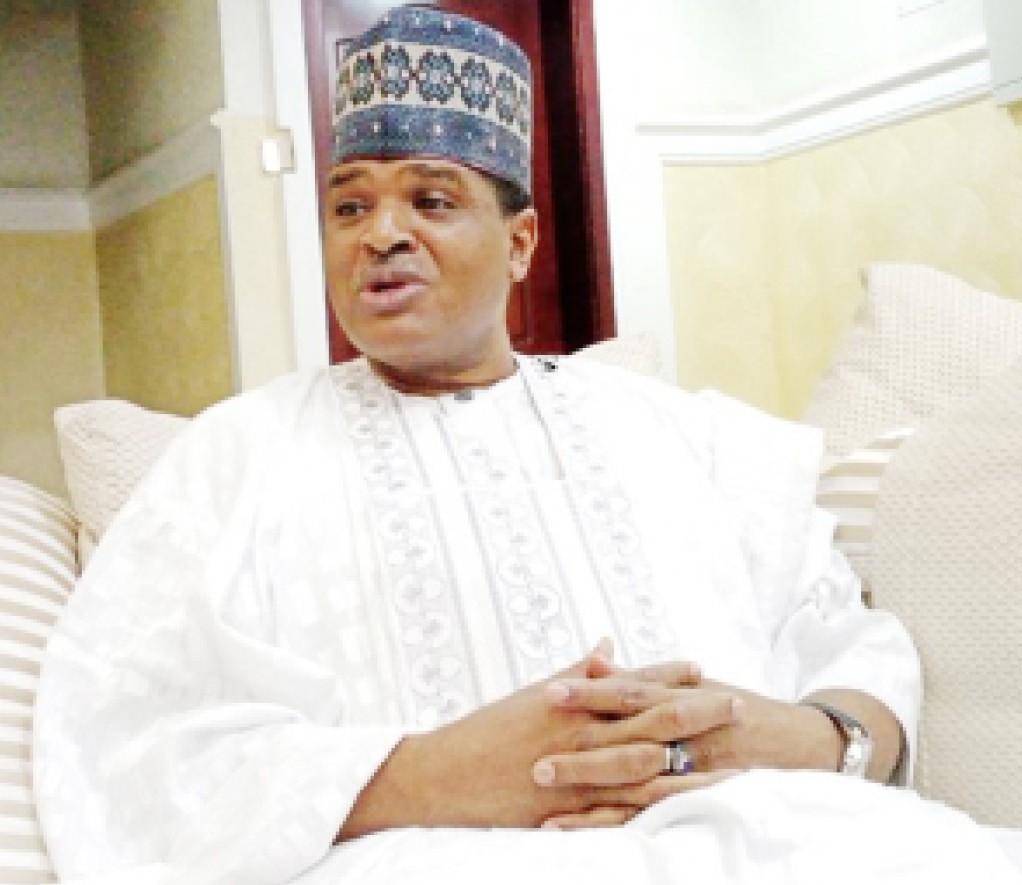
I spoke on unlocking Nigeria’s innovation potential for economic growth and prosperity at the Digital Nigeria International Conference #DigitalNigeria2022 Innovation and Ecosystem Day in Abuja, held on the 28th of October, 2022. 

I focused on what innovation is in Tech and examined the top ten innovative countries; the difference is that they prioritise human capital development, infrastructure, and knowledge-based approaches to innovation. 

I emphasised Nigeria’s competitive landscape, which includes a youthful population, ICT-savvy people, low labour costs, the recent Startup Act, digital economy leadership, and internet access, as key drivers that can transform Nigeria into an innovative nation. 

I also stressed the importance of understanding how to diffuse innovation using the well-known Roger’s diffusion of innovation model. Surprisingly, despite technological advancements, the model remains applicable. 

I also discussed what young people could do to get to the point of developing and commercialising their ideas, emphasising the importance of equipping themselves with skills, networking, and openness. I consider these as factors that will propel one to success. 

More than 1000 people from all over the world attended the conference, which featured speakers from Europe, Asia, America, and the Middle East.

The full presentation and panel session can be found on the websites of Digital Nigeria and NITDA.

Salisu Uba, FCIPS, is a blockchain expert and supply chain and commercial leader from Glasgow, United Kingdom. He can be reached via salisuuba@ymail.com.

Why ‘The Atiku Plan’ is better for youth empowerment and job creation

By Abdulhaleem Ishaq Ringim

As rightly identified by policy documents of both Atiku Abubakar and Bola Ahmed Tinubu, young people remain the country’s most valuable assets. However, this tremendous resource base is severely underutilized, as evidenced by unemployment and underemployment numbers. This makes job creation and youth empowerment significant points of policy focus and concern for both candidates. 

Tinubu, to start with, in the 3-paged “Youth Empowerment and Entrepreneurship” section of his policy document titled “Renewed Hope 2023”, outlined a number of strategies his administration would implement if elected into office to ensure enhanced job creation, youth entrepreneurship development and empowerment. 

Identifying the lack of access to credit at the fore of the challenges impeding youth entrepreneurial development, Tinubu plans to ensure easy access to low-cost credit for youth-led enterprises and simplification of loan application processes. He plans to leverage the instrumentality of the CBN to develop suitable incentives for commercial banks in this regard and mandate federally owned and affiliated financial institutions to develop similar schemes. 

He also plans to bolster intergenerational business mentoring and cooperation with 2 million volunteer entrepreneurs and professionals across the nation committed to working with youth to find employment, hone job skills and create businesses. Per the plan, a Youth Advisory Council would be inaugurated to the Employment Action Plan the administration would develop if elected. 

In his bid to reform the National Youth Service Corps(NYSC), Tinubu intends to develop and strengthen a job-matching programme for graduates to enable more corps members to enter the private sector during their service years. Employers would also be incentivized to retain corps members at the end of their service.

Additionally, he intends to expand business incubation centres to support youth innovators to acquire and protect through patent and trademark registration, intellectual property and other proprietary rights over inventions and innovations. 

As far as governance and political appointments are concerned, his administration intends to preserve at least 3 cabinet positions for persons under 40, 6 more positions for persons under 50 and 20 per cent of political appointments to MDAs to persons under 40. A Presidential Fellowship Scheme would also be established to train future leaders. 

On the other hand, Atiku dedicated 10 pages to discussing his plans on “Job Creation”, where he outlined four pathways(to jobs ) his administration would create if elected President come 2023. 

The first pathway is the Informal Sector Pathway to Jobs. It starts with relaunching the National Open Apprenticeship Programme(NOAP). The programme would recruit 100,000 Master Crafts Persons(MCPs) annually who would, in turn, train 1,000,000 apprentices(especially those who have lost the opportunity to attend or complete basic education) on various trades and skills. 

The MCPS and apprentices(upon graduation) would be beneficiaries of 21st-century standard business advisory services, and their training clusters would serve as robust ecosystems that would guarantee ease of access to finance and other ancillary services. 

National Board for Technical Education(NBTE) would be mandated to create a credible, recognized and verified skills/competencies certification system for the beneficiaries of the programme. The certificates would serve as credentials for employment purposes in the “new-collar” or informal skills-based sector. The Programme, of course, would be operationalized in close collaboration with the private sector and relevant trade associations. 

The second pathway is the Entrepreneurship Pathway. It starts with working towards the speedy passage of the National Research and Innovation Fund(NRIF) Bill. When passed, the Fund would receive funding from the CBN’s MSME Fund, Development Bank of Nigeria, Bank of Industry and other private sector institutions and donor agencies. It is expected that at least 100,000 budding entrepreneurs will be added annually. 

Support from the NRIF will be in the form of grants, loans or equity investments in small enterprises. It shall be provided either as start-up capital or to scale up innovations that have already demonstrated a strong track record of impact and effectiveness. 

Atiku also seeks to introduce and actively promote a Graduate Trainee Internship Programme (GTI), which would target National Youth Corps members. The GTI will transfer useful employability skills to Corps members to increase their chances of finding sustainable employment. While they undergo entrepreneurship training, the NYSC will be matched with potential employers for internship/traineeship in the private sector. 

The technical and financial capacity of the Industrial Training Fund (ITF) would be grossly improved to operate its internship and apprenticeship programmes at a much higher scale to cover a minimum of 2 million workers per year.

The Schools to Jobs Pathway is the third pathway identified by Atiku. Here, a formal Technical and Vocational Education and Training (TVET) system will be supported and technical colleges and vocational skills acquisition centres will be re-positioned to produce skills and competencies for innovation and the creation of new ideas and products inside enterprises from where future jobs and future prosperity will derive. 

This would be followed by training of a low-level workforce, such as operatives, artisans, craftsmen and master craftsmen for commerce, industry, agriculture, and ancillary services. The absorptive capacity of the formal post-basic TVET and Vocational Centres will be increased from the current total enrolment and completion of fewer than 200,000 students to 500,000 in 2025 and 1,000,000 by 2030. 

Additionally, selected vocational training institutions would be remodelled into a one-stop shop to provide vocational training, entrepreneurship (accounting, management training expertise), life-skills programmes, etc. 

Enterprise start-up training programmes to be delivered by SMEDAN would be provided to the graduates of technical and vocational training centres who opt for self-employment. Upon completion of the training, participants will submit business plans to Micro Finance Banks and apply for loans from the Bank of Industry, which will be supported by a start-up grant from the National Innovation Fund. 

Graduates of the technical colleges will receive loans and Business Development Service coaching and support from SMEDAN/ Business Development Service Providers. On successful repayment of loans, graduates will receive a final grant (matched to the value of the original loan value) to boost their businesses.

The fourth and final pathway, as outlined by Atiku, is the MSME /ICT Special Entrepreneurship Pathway. This shall start with the facilitation of the establishment of the SME Venture Capital Fund by the private sector to provide longer-term capital for targeted small firms. The administration shall aim to attract a minimum of $250 million in private-sector funding for Nigerian small businesses. 

The administration would create a platform for de-risking SME lending, increase the MSMEs funding window from N200 billion to N500 billion, and set aside the same for the new platform. Awareness of the National Collateral Registry of Nigeria will be rigorously promoted, and the collateral registration process will be further simplified, especially for places without internet access. Enhanced registration access will help unlock much-needed finance for MSMEs. 

The administration would also establish the Financial Innovation Fund((FIF) to incentivize commercial and Microfinance banks to develop innovative solutions for providing credit facilities to the MSMEs sector. The Small-scale Industries and Graduate Loan Guarantee and the Small -Scale Industrial Credit Scheme shall be reformed and reintroduced. 

Special focus on the ICT sector will be provided by Atiku’s administration, and Nigeria shall be aggressively marketed as an outsourcing destination. With a robust IT infrastructure in place and more than 150 million mobile phones, opportunities abound in Business Process Outsourcing with the potential to create 2 million direct and indirect jobs. Nollywood, a great labour employer, would be actively promoted to make it the 3rd largest film industry in the world. 

And on political appointments, 40 per cent of the cabinet would be reserved for youth and women. 

On comparison, one would notice certain points of convergence from the above excerpts as directly culled from both policy documents. For example, both documents identified a lack of access to credit and finance as a major impediment to youth entrepreneurial development. 

However, while the Tinubu plan heavily stresses easing access to commercial loans and simplification of loan application processes, Atiku’s planned interventions seem more specific, overarching and diverse (with adequate involvement of the private sector). They also seem more sustainable as most of them would be backed by legislations and institutional pillars like the NRIF, SME Venture Capital Fund, Financial Innovation Fund etc. 

Another point of convergence is the identification of the imperative of intergenerational business mentorship as a veritable avenue for job creation, youth empowerment, and entrepreneurial development. However, with ease of access to funding interventions, the Atiku plan seems more practical considering specific policy prescriptions like the establishment of the NOAP under the Informal Sector Pathway to Jobs. It also seems more sustainable as it seeks to create a new labour market and standard for employment to be legitimized by the new NBTE skills/competency certification system. 

Additionally, while Tinubu’s NYSC reform focuses heavily on ensuring more corps members join the private sector mainly by simply incentivizing employers to retain them, the Atiku plan approaches the problem more prudently as it seeks to equip corps members with high-value employability and entrepreneurial skills through the Graduate Trainee Internship(GTI) programme before matching them with potential employers. No incentive matches the availability of employees with enhanced employability and entrepreneurial skills for private sector employers as it means enhanced productivity. 

The same goes for other interventions that both policy documents commit to pursuing. One intervention, however, that is important but seems missing in the Atiku plan is the Presidential Fellowship Scheme proposed by Tinubu to serve as a platform that gives young people the opportunity to experience and participate in public service and governance as with Kaduna State’s Kashim Ibrahim Fellowship and Lagos State’s Lateef Jakande Leadership Academy. 

Notwithstanding, the Atiku plan clearly provides more specificity and seems more practical and sustainable(backed by legislation and institutions). It is also more diverse in scope and solutions pathways for identified impediments towards enhanced job creation and youth entrepreneurial development. The Atiku plan is better for job creation and sustainable youth empowerment.

Abdulhaleem Ishaq Ringim is a political/public affairs analyst. He writes from Zaria and can be reached via haleemabdul1999@gmail.com and @pragmatist_AIR on Twitter.

Atiku as ‘an honest flattering man’

Sule Abubakar Lucky Mark

What aphorism could have more aptly encapsulated Atiku’s socially divisive, searing and bigoted mannerism better than the saying in William Shakespeare’s play – ‘Much Ado About Nothing’ – which goes thus: ‘Would rather be a plain-dealing villain than an honest flattering man.’? By being a ‘plain-dealing villain’, Shakespeare means to be strict and yet upright so that people could even swear that despite your ever-growing strictness, your uprightness is still intact. So, in summary, it means to be a sharp model of rectitude.

And, being ‘an honest flattering man’, on the other hand, means, in a nutshell, to be tactically implicit in your wording so that no one’s ox would ever be gored, i.e., to be politically correct!

And so, I’ve always wondered why Atiku Abubakar, who intends to rule a multi-ethnic and multi-religious country like Nigeria, would be trapped in a circle of ‘honest flattery’ in his political voyage, and the most surprising thing is the fact that he does this without remorse. If you want to rule people, you should instead be a ‘plain-dealing villain’ than an ‘honest flatterer’, for it is in your ‘plain-dealing villainy’ they will know whether you would express deep concern about their collective plight or not in case you eventually become their leader.

On 16 October 2022, in an interactive session, Atiku reportedly told the Northern Elders Forum in Kaduna, ‘…I think what the northerners need is someone who is from the north and also understands the other parts of Nigeria, who has built bridges across the country. This is what a northerner needs. He doesn’t need a Yoruba candidate or an Igbo candidate.’ – Punch newspaper.

Atiku’s geo-ethnic bigotry and supremacism can be likened to what Shakespeare described in the play above as ‘mortifying mischief.’ And this ‘mortifying mischief’ of Atiku, if he is not adequately cautioned for it, could fan the flames of deep cleavage among Nigerians.

A presidential candidate who is said to be a ‘unifier’ should not carelessly shout an ethnic slur on/against other regions. He is expected to strengthen the dwindling bond of our existence and not weaken the already ailing breath of the fatherland. A patriotic ‘unifier’ should not play the ethnic card in the north and play ‘the unifier card’ in other regions. That’s sheer hypocrisy!

In his usual ethnocentric delusion, Atiku has always played ostrich when it comes to pressing national issues. On 12 May 2022, when some homicidal youths took the life of Deborah Samuel at Shehu Shagari College of Education, Atiku quickly posted on his verified Facebook account and condemned the illegal act. Still, after some people threatened that they would not vote for him, Atiku shamelessly removed the condemnatory post he had made earlier. That act alone has a subtle undertone: Atiku is in thrall, and he has no guts to pilot the affairs of this country!

And who knows if William Shakespeare also had Atiku Abubakar in mind when he described one of his characters in that same play: ‘Thou wast ever an obstinate heretic in the despite of beauty.’ In Atiku’s case now, despite his undeniable beauty, seemingly athletic figure, etc., he is still a rash reprobate. And if you are still inwardly an ‘obstinate heretic’, as a man, despite your beauty, especially in contemporary Nigerian society, you cannot be a reliable leader. Your government will be fraught with fabulous fraud and a glittering facade!

At this critical stage of national politics, people must be careful as they make their choices because they are in the hands of manipulative political musketeers who masquerade like angels with their honeyed rhetoric and empty promises. And if Nigerians are not careful, they will later have to find an answer to Birago Diop’s rhetorical question in his poem, which goes thus:‘If we cry roughly of our torments, what hearts will listen to our clamouring’?

Sule Abubakar Lucky Mark sent this article via suleabubakarmark2020@gmail.com.

The Nigeria of my dreams

By Abdulrazak Muktar

Dreaming big gives one a sense of accomplishment even if the dream didn’t come true. Interestingly, when people dream, they set their sights on something bigger than their imagination, even when it may seem practically impossible. This gives them the motivation and willpower to make changes and take action towards actualizing their dreams. The Nigeria of my dream should be a poverty-free, or poverty-reduced Nigeria, educated Nigeria, peaceful Nigeria, rich infrastructural Nigeria, and should be Nigeria with massive opportunities for its teeming population. A highlight of these in no particular order is given;

1.  Poverty-free or reduced poverty state: Several countries at various levels of development have shown in the last few decades that it is possible to successfully reduce the level of poverty in a country. However, with the pace of reduction slowing in recent years, poverty is becoming increasingly concentrated in tough-to-reach places. This comes amidst uncertainties that the entire world is facing. From high inequality to slow growth, from macroeconomic imbalances to trade tensions, challenges loom on the horizon that can not only make it difficult to reduce extreme poverty but threaten to reverse the gains. While we have a set of policies that can help to effectively reduce poverty, each policy intervention should be tailored to the needs of Nigerians. I want a Nigeria that is not associated with a host of health risks, including high rates of heart diseases, diabetes, hypertension, cancer, infant mortality, mental illness, malnutrition, lead poisoning, asthma, and dental problems. Obviously, poverty exerts heavy tolls upon those who fall within its traps. For example, one of the most consistent findings in epidemiology is that the quality of an individual’s health is negatively affected by lower socioeconomic status, particularly impoverishment.

There have been several attempts to quantify the cost of poverty in terms of monetary amount. However, the ability to estimate the magnitude of the costs surrounding an issue like that of poverty is exceedingly complex. Poverty affects every Nigerian, whether rich or poor. Again, issues such as crime, access to and affordability of health care, religious fanaticism, ethnic bigotry and job productivity, to name but a few, are the major concerns of all Nigerians. All these as a result of the monster – poverty. The general public winds up paying a heavy price for allowing poverty to walk naked in the streets of Nigeria.

2. Educated Nigeria: A Nigeria without lingering ASUU strike will be truly interesting. If this is achieved, there will be a greater chance of producing more capable graduates. There is also a greater chance that degree holders will have full-time jobs that will ultimately provide health insurance and retirement benefits. With an educated Nigeria, there is going to be more employment opportunities for our teeming population, especially the youth. At present, you often need to compete with hundreds of other equally qualified candidates for a single job position.

In addition to this, the lower the education level, the greater the number of people applying for the same low-paying entry-level post. However, with the right qualifications and educational background, you are likely going to increase your chances of landing a fulfilling job. Would you like to stand out from a pool of applicants? Educate yourself, graduate, get as many qualifications, and learn valuable skills as much as possible.

Also, an educated Nigeria will help in securing a higher income; people with higher education and varied experience are more likely to get high-paying jobs. Dedicate your time and effort to acquire contemporary knowledge and high-level competencies if you would like to lead a comfortable lifestyle. Your credentials are what will motivate a potential employer to choose you instead of others. Studying hard throughout your schooling shows you can handle workloads and you are able to fulfil your goals. Employers see this as a huge advantage as they prefer a responsible and knowledgeable workforce. Once you graduate, you can start searching for jobs that will give you the opportunity to practice what you have learned and, at the same time, secure sufficient pay for your needs.

An Educated Nigeria will provide problem-solving skills. One of the benefits of education is that the educational system teaches us how to develop critical thinking skills so we can be able to make independent decisions. When children become adults, they are faced with lots of challenging issues – paying off their student loans, getting a job, buying a car and a house, catering for their family, etc.

However, if one has spent years educating himself. They should be able to make sound decisions on these various quandaries. Not only are people able to form their own opinions, but also good at finding solid and reliable arguments and evidence to back up and confirm their decisions.

Literate Nigeria will help in improving the economy. People with good academic and educational backgrounds tend to get well-paid jobs. The higher their education and accomplishments, the better employment chances they get. People who grew up poor but educated themselves have a high chance to transform their lives, thus decreasing society’s poverty rates. Education helps countries grow economically since it is about getting knowledge and being able to apply it wisely in our lives and, at the same time, improving other people’s lives.

Truly, education helps in providing a prosperous and happy life. Education has always secured respect from society. In order to ensure a comfortable lifestyle, people should educate themselves to be successful and satisfied. It helps gain a better reputation and increases the chances of climbing the career ladder more easily and faster. It provides financial resources for stable lives people can afford to buy their own house or apartment, thus securing their children’s happiness and success. Furthermore, being able to own a house provides stability and increases self-confidence. It also leads to creating a positive environment for families and communities. “Children of homeowners are 116% more likely to graduate from college than children of renters of the same age, race, and income. According to research at the University of Tennessee, they are also 25% more likely to graduate from high school and have higher math and reading scores, with fewer behavioural problems.

Education contributes immensely to society. How does education benefits society? Educated people understand how valuable living in a stable and secure community is. They are more prone to taking part in projects that help improve not only their neighbourhood but also their society. In addition, when people are able to afford their own house, they are more likely to take part not only in improving their homes but in solving local problems, as well. After all, it is quite important to get involved and give a hand to the less fortunate ones in order to build a better place for all of us to live.

Education is the key to modern Nigeria. Education is the key essence of modern society. One needs to learn about culture, history and other important aspects so that they would be able to contribute to modern society. Education moulds people into leaders not only with knowledge about (college) subjects, but it also shows them how to lead with emotions and true values. Educated people can easily differentiate between right and wrong. Thus, education helps reduce the crime rate. Bad events are happening around the world only competent leaders can help guide us on the good and right path.

Digital Nigeria is possible if we become a literate society. Digital education helps connect with people and organizations around the world. Borders are no longer there. Communicating and sharing opinions with people from other countries and cultures widens horizons and helps us understand and appreciate each other.

Education creates equal opportunities. The importance of education in society has always been great as it is irrespective of caste, race, gender, or religion. Educated people are treated as equals on the basis of their knowledge and competence. In addition to this, educated people are open-minded and are able to listen and accept other people’s views regardless of the fact of how different they are. Education offers the possibility to live independently and thus be free. It is our shelter against financial storms and wrong decisions.

Education helps in initiating empowerment projects; in introducing empowerment, education is the key to turning a weakness into a strength. It offers different tools and ways to understand problems that lay ahead of us and help resolve them. More importantly, education provides us with the considerable mental agility to make the right decisions and spring into action when needed. Many types of research show that educated women can more easily stand up against gender bias and marital violence as they have improved their decision-making capabilities. Whether it is about respect, a higher position in society and a professional environment, financial security, family stability, education provides all of these and much more. Home stability provided by owning a home helps children who grew up in their own houses or apartments become more successful. They are more likely to graduate high school (25%) and finish college (116%). As Nelson Mandela said, education is the most powerful weapon you can use to change the world. Education helps people become better citizens, get better-paid jobs, and shows the difference between good and bad. Education shows us the importance of hard work and, at the same time, helps us grow and develop. Thus, we are able to shape a better society to live in by knowing and respecting rights, laws, and regulations. Learning languages through educational processes helps interact with different people in order to exchange ideas, knowledge, and good practices. It teaches us to live in harmony.

4. A peaceful Nigeria: I want a united working Nigeria where I can relate with my friends and brothers from six geopolitical zones, the North Central (NC), North East (NE), North West (NW), South West (SW), South East (SE) and South-South (SS) freely as One.

A banditry-free Nigeria

A Nigeria free from ISIS, Boko Haram, kidnapping, sara-suka, phone snatchers, IPOB and any terror group that is threatening peaceful coexistence.

A Nigeria that guarantees the safety of travelling by road and by rail as well, a Nigeria where one can hold an iPhone by the street making calls or chatting without fear of losing it to phone snatchers.

I want a Nigeria that’s free from sexual abuse, a Nigeria that’s free from domestic violence and disturbances.

5. Rich infrastructural Nigeria: I pray one day I’ll wake up to a Nigeria that has become like China economically, as it’s now the wealthiest nation in the world according to McKinsey & Co report.

I want Nigeria to be as beautiful as Italy because Italy is truly the most beautiful country. It flaunts the most inspiring cultural treasures and magnificent scenery, which you cannot find anywhere in the world, e.g., Venice, Florence and Rome; with their diverse Architecture, Tuscany, with its rolling hills, will surely mesmerize its visitors.

I have a dream that one day Nigeria will possess technological expertise like that of Japan, not even South Korea or China, the United States, or Germany, talk less of Russia, the United Kingdom (UK) or Singapore; it was ranked eighth in the list of world countries with amazing technological expertise.

6. A Nigeria with many opportunities for the youth without connection: Nigeria’s popular saying says, “it’s not what you know, it’s who you know.’’ On several accounts, many people were denied job opportunities not because they were not qualified but because they knew nobody. Even the lecturing job was denied to many finest brains and given to those with connections; it got to the extent that grades can be manipulated for some reasons; a friend of mine was almost denied first class if not because of the connection he has with school management. Such a problem is all over the country and is beyond any denial. Many people are buying offers of appointment in several ministries, and those who sell the offers do not care whether you can deliver or not, so far as the price is good.

I also hope Nigeria will one day be one of those countries that look for expertise, not only connections, as is the case today.

Finally, the Nigeria of my dreams is possible when we deliberately choose not to repeat the mistakes we made in choosing leaders for our country.

Abdurrazak Muktar wrote via prof4true1@gmail.com.

Suic*de: Measuring our well-being with pseudo scales 

By Lawal Dahiru Mamman

An attempt to kill oneself in response to a tragic or stressful situation is termed ‘attempted suicide’, while success in such an attempt is referred to as ‘suicide.’ This profoundly affects families, especially when such an attempt is successful, and when one survives, they battle other mental disorders.

For suicide not to be seen only as a storm in a teacup, the International Association for Suicide Prevention, in conjunction with the World Health Organisation in 2003, slated the 10th of September to annually commemorate what it termed ‘World Suicide Day’. Issues surrounding suicide are discussed with the hope of ending the horrendous act on the day.

This year’s event got me reminiscing on an incident in my neighbourhood three years ago where a nine-year-old girl in Primary 4 sent herself to the grave by hanging. What would have prompted her? This question continues to resonate in the minds of those unfortunate to see her hanging lifeless. 

Seven hundred thousand people commit suicide yearly, according to the world health organisation (WHO), with 70% occurring in low and middle-income countries. WHO’s country representative to Nigeria, Dr Walter Mulombo, said: “for every suicide, twenty (20) other people are making an attempt and many more have the thought to commit same.”

Ingestion of pesticides, hanging and firearms are said to be the most common method of committing suicide globally. In high-income countries, suicide has been associated with mental disorders like depression and alcohol use disorder. In contrast, in low-income countries, life problems like financial crises, relationship break-ups, chronic pain and illness take credit – these are primarily associated with adults.

On the other hand, children may become suicidal due to poor performance in school, coupled with pressure at home to do better, bullying, losing friends, etc.

Thanks to civilisation and technological advancement, people have become more and more isolated. At the same time, others try to emulate the more often pseudo lives of others they see on TV or social media. Mr A wants his child to be as bright as the child of Mr B; Mrs X wants her husband to provide the luxury Mr Y is providing for his family; Mr M wants his wife to be as dazzling as the wife Mr N, the list goes on. All these think this way while still battling financial crises and others. 

While the authority is setting up mental healthcare centres, and organisations are trying to do the same at workplaces, families need to start being the haven they should be for their members. Parents should understand that failure for children is just okay when they have given their best while helping them be the best version of themselves.

Generally speaking, marriages, relationships, education, intelligence, social status, and all that encompasses life should not be measured using the yardstick we see in the media. As the saying goes, not all that glitters is gold.

Nigeria is a place where religion is held in high esteem. Therefore, religious leaders could take it upon themselves during sermons to discourage suicide. The haves should remain humble and thankful for their possessions, while the have-nots should not despair for whatever position they find themselves in; others aspire to get there.

Dale Carnegie, an American writer, stated, “It is not what you have, who you are, where you are or what you are doing that makes you happy or unhappy. It is what you think about it.” Understanding this will go a long way in curtailing suicide.

When all hands come on deck, we would be “Creating Hope Through Action.”

Lawal Dahiru Mamman, a corp member, writes from Abuja and can be reached via dahirulawal90@gmail.com.

Nigeria of my dream

By Anas Abdullahi

The Nigeria of my dream—and arguably every patriotic Nigerian’s dream—revolves around the vision of a ‘thriving’ country; a country where the living condition of its citizens matches its natural endowments; a country where everyone, irrespective of background, has a sustainable source of livelihood, a secure environment to enjoy it and is able to attain the pinnacle of his/her potential. While there are divergent views of how this dream can be realised, everyone agrees that it is just a dream in the face of a dark mirror of an undeniable fact of life. The second part of the essay promptly asks an even more important question: how do we transform this dream into reality? From the onset, it appears that this question will be more accurately disserted by policy and strategy experts—two fields beyond the full grasp of my expertise. Nevertheless, in my own very limited way, I will give some ideas that may steer us towards the realisation of this vital dream.

Our problems are complex and multi-dimensional but traceable to a few independent variables; our deficient education system is chief among those variables. Education is the bedrock of every ‘elite’ society, but our government has gotten the basics of ours completely wrong. Basic education, which ought to be, according to the global standard, the level of education that must be free and accessible, is the most neglected by our government. The level of degradation in our public primary and secondary schools is such that many parents would rather their kids stay at home than attend such schools. Surprisingly, Nigeria spends three times more on tertiary education than it does on basic education. In a country with a high percentage of out-of-school children, this is not only a gross misplacement of priority but doesn’t also reflect our national priority. It becomes imperative then, as a matter of national agenda, that different tiers of government embrace and focus on basic education in addition to whatever they might be pursuing. This is viable via increased funding and robust teacher training to meet the challenge of providing quality basic education for all. Secondly, there’s a need for increased supervision; in most cases, private schools perform better than public schools because of stricter consequences management.

There is also a need for us to re-adjust our position on the payment of tuition for tertiary education. Is it not ironic that basic education, which is supposed to be free, has become more expensive than tertiary education? Most parents no longer have confidence in our public primary and secondary schools and prefer high-paying private schools. The bigger irony is that even those parents expect tertiary education to be free. To be honest with ourselves, researching innovation—the hallmark of tertiary institutions—requires a lot of funding, and government cannot do it alone. If we truly want to have a world-class education, then we must be ready to do what it takes to have it. Nigerians squander billions of Naira in pursuit of quality education abroad, and while this is not inherently bad, why are they then disinclined to

pay tuition in Nigeria? Meanwhile, the fact that students pay tuition does not mean the government should discontinue funding our tertiary institutions; tuition is only meant to increase the revenue of tertiary institutions, which in turn expands infrastructure and research capability. Students who can afford it should pay, while exceptional students whose parents are poor should receive scholarships and student grants. This will induce healthy competition for academic excellence and make parents demand more from teachers and institutions.

The restructuring requires our post-secondary education to be expanded. The glamour attached to university education at the expense of polytechnics and colleges of education conflicts with Nigeria’s contemporary and future needs. What a country bedevilled by high unemployment needs is high-level, hands-on manpower, which comes from polytechnics; as a matter of urgency, there is a need for our education at all levels to be solidified along vocational, technical and academic lines. There are many opportunities in ICT, construction, manufacturing, services, etc., that do not even require a university degree but some specific skills and certifications. Government can even go as high as liaising with companies to offer internships and apprenticeships, and the companies get reduced taxes. The one-year mandatory national service scheme NYSC has outlived its relevance and should also go in that direction. The government must realise that its politically-motivated attempts to expand university access without increased investment will only increase the amount of ‘unemployable’ graduates, which remains a major issue in the labour market. Fixing our education remains the key to fixing our country. It is necessary that we get the basics and the structure absolutely ‘spot-on.’

The proportion of youths in our population is probably our greatest cause for optimism, but only if we are able to groom a generation that is more preoccupied with “what can I do?” rather than “what certificate do I have?” As youths, we must be ready to understand how today’s labour market works and outgrow the comfort zone where a university certificate is tantamount to a government job. Albert Einstein famously said: “Problems cannot be solved by the same level of thinking that created them.” We must learn the skills that are needed by today’s highly demanding market and if the job doesn’t come, be ready to look within our environment and find opportunities; we must see education as a tool that helps us navigate the high-competitiveness of today’s job market and a mirror through which opportunities are seen; we must desist from excessive and often pointless use of mobile phones but instead leverage on the formidable power of the internet as a learning tool; we must be ready to accept that unemployment is not the inability to get a job, but rather the inability to see opportunities and utilise them; we must not be discouraged by our situations and remember that all the things we admire in the world today were not the product of people that complained about their

situation, but products of those who changed their situations. Poverty, it is said, is passing over opportunities repeatedly.

Parents have a crucial role in grooming this new generation of Nigerians. In addition to quality education, parents should teach their children resilience, discipline and the ruthless art of ‘living’ right from childhood. We must recalibrate our thinking to align with our reality and environment; parents must be willing to let go of the obsolete notion that learning a trade or handwork is detrimental to the pursuit of academic excellence. To achieve the Nigeria of our dreams, we must throw away a fundamental misconception about the role of government: the job of the government is not to create jobs but to create an enabling environment for businesses and the private sector to thrive and, in return, the government gets revenue through taxation. The misconception of the role of government has led to people demanding the government create jobs, and because the government wants to please people, what does the government do? Create endless and often unnecessary agencies and roles so that they can create jobs. The result is an exponential rise in recurrent expenditure that the government cannot simply afford. And because the government cannot afford it, they try to find ways to supplement their revenue. The government has been increasing taxes and VAT to pay salaries, and who is the innocent victim? Nigerian citizens and businesses are the very groups the government ought to protect.

Don’t get me wrong: I am not, in any way, asserting that the Nigerian government has done its part or that government should not be giving people jobs, but this sustained pressure has led to the over-saturation and, ultimately, the inefficiency of our civil service. The gross redundancy and inefficiency are nothing compared to the massive corruption that is going on in this place; civil service is simply the epicentre of evil in Nigeria. During the COVID-19 pandemic, low-ranking civil servants were asked to stay at home for two years; given the fact that these cadres constitute the majority ranks in the service, it is safe to say that most civil servants sat at home. One would have expected things to stagnate especially given the huge amount of money that is spent on salaries every month; quite the contrary, everything moved seamlessly. The country, both the government and the public, did not feel the effects whatsoever; there was simply no vacuum created by this absence. Think about this very carefully: the civil service executes the economic and social function of any government; it is the medium through which the impact of government is felt. In Nigeria, it is more of a curse than a blessing because it consumes a chunk of our revenue without performing its vital function. Nigeria will not change unless the institutions of government are changed and corruption is drastically reduced. Unless civil service is reformed, the dividends of government will never be truly felt in Nigeria.

Public institutions must be streamlined, professionalised, and realistically incentivised; government must block fiscal leakages and let off redundant agencies and roles while

concentrating on having an efficient civil service department that will contribute towards solving the socio-economic problems of this country. The government should be bold enough to take the next step, which is, of course, privatisation. The government must, simply and plainly, back off. Every sector that seems to work effectively in Nigeria is because of less government, not more. Government, economists say, has no business running businesses. Many sceptics of privatisation argue that privatisation is a mixed fortune in Nigeria. While this is true, is it not better to embrace something that partially works rather than something that doesn’t work at all? The commercialisation and planned privatisation of NNPC is laudable. More state-owned assets like airports, railways, power plants, etc., should follow. We are sentimentally attached to these things, but when we look critically, it is easy, as Nigerians, to see why privatisation is the way forward. For example, our four refineries have a combined monthly operational cost of N10 billion despite not refining anything; no businessman, in his right senses, will accept this. In addition to greater efficiency, privatisation will free up government responsibilities and allow the government to concentrate on social sectors like education, health, roads, etc.

Privatisation, though, will be met with strong resistance. To begin with, privatisation of NNPC means petroleum subsidies will be scrapped, adding to the economic situation that is already looking gloomy; half of the population already lives in poverty; the unemployment rate has, according to the latest statistics by the National of Bureau of Statistics (NBS), rising to 33%; and inflation is high, which means the prices of commodities in the markets are not affordable to the poor. Secondly, despite the incessant call by the government that Nigeria is broke, many people simply couldn’t believe the government, and sometimes, for good reasons. This assertion doesn’t align with the larger-than-life lifestyle of politicians and top government officials, nor has it been helped by a stereotype propagated especially among the lower class that if this country’s wealth were to be divided among its citizens, everyone, even an unborn child, would never experience poverty. It becomes necessary, therefore, that the government show transparency and carry Nigerians along the way. The first place to begin is our expenditure; the governments must re-prioritise by spending only on very essential items and reducing the cost of governance. A radical idea, albeit difficult, is to cut down the size of the national assembly. Again, the government must explain things to Nigerians in a matter that they would understand. Continued subsidy payment means N6 trillion will be borrowed next year, adding to the cost of servicing our debt, which according to the finance minister, exceeds our revenue. We are not even talking about the principal yet.

Why does this matter? CBN will be forced to keep covering financial gaps through means and ways that may have severe inflationary consequences. Furthermore, exploiters of financial leakages offered by the scheme and their networks will keep getting returns until the scheme is terminated. Privatisation will set the tone for our economic revival. The next economic reform

will be to increase our revenue through proper taxation. This is achievable through efficient tax generation and collection processes, strengthened tax laws and demands more compliance (by individuals and corporations). Tax collection agencies should also collate data on businesses and individuals in the informal sector and facilitate easy compliance, and more tax should be imposed on harmful products. The caveat is low economic growth; when individuals and companies are not making money, you can’t effectively tax them. One very important question that everyone at this juncture may be desperate to ask is: will this increased revenue translate to the prosperity of the people? Will it give us the Nigeria of our dream? Increased revenue means increased capacity of the government to carry out developmental projects, but it certainly doesn’t solve all our problems because even when the economy blossomed, many Nigerians wallowed in poverty—the Nigerian economic paradox. This is further illustrated by the fact that Nigeria is the largest economy in Africa but ranks below many other African countries in human developmental indexes. To address all the problems, we need to go back to the fundamental of growth.

Nigeria typically exports primarily raw materials and imports finished consumer goods. While this may increase GDP, it has negative effects on other developmental areas as a result of the low participation of citizens in this model. What we need is to fully maximise the entire value chain of our raw materials; manufacturing touches all parts of development and is much more resistant to external economic factors that can bring sudden cracks to the economy. Economic diversification is a worn-out narrative in Nigeria, but we need to see it happen. Our policymakers took this too far and tried to achieve forced industrialisation by restricting imports. The result was counterproductive. We do not need to produce ‘everything’ we consume; we should instead play to our strength by exploring areas of production and trade where we have a comparative and competitive advantage and by dominating value chains in which we have factor endowments. This will cater to our domestic demands and, at the same time, give us a strong export push given the free trade platform that the African Free Trade Area (AfCFTA) provides. We must be intentional about this: we should select a few industries that we desire to compete in, focus on them and assist them for the next few years. What is the sense, for example, in having timber and importing paper? Our internal disparity should also be taken into consideration. For example, the northern part of Nigeria produces greater agricultural output and has a greater proportion of semi-skilled and unskilled labourers. By extension, this means that agro-processing factories will be suited to this region.

Restoration of the ‘enabling environment’ for this structural transformation is necessary to attract local and foreign investors. To this effect, the government should clearly define and make accessible its policies, regulations, and tax laws to remove the issues of multiple and duplicate regulations, which often emanate from the excessive drive for tax revenues. Secondly, foreign exchange currency should be made easily available and accessible to

manufacturers to purchase raw materials and equipment from foreign countries. Thirdly, infrastructural challenges posed by dilapidated transport networks and insufficient power supply should be eliminated. Government should rehabilitate major roads leading to industrial areas, improve access to ports and continue the ongoing development of the rail system; these will drastically reduce the operating cost associated with transportation. Another constraint that must be overcome is electricity fluctuations. The bill recently supported by our lawmakers to allow the state governments to generate and transmit electricity is recommendable. This will allow private investors to take part in the Nigerian energy market. Another alternative is using abundant renewable energy sources (hydro, solar, wind) to supplement the national energy mix, which will be particularly instrumental in remote areas where the distribution of electricity is difficult.

Finally, we need a ‘meritocratic’ environment for anything to work; an environment where hard work, excellence and discipline are rewarded and corruption bastardised; an environment where achievement becomes a function of merit and not sentiment; an environment where everyone will be given what is due for them at the right time; an environment where accountability and transparency are institutionalised in government. For us to achieve the Nigeria of our dream, we must grant full and complete independence to our judicial system; whoever is found guilty must be punished according to the rule of law. No amount of ideas will work in Nigeria with selective justice and wasteful expenditures by the ruling class. I dream of Nigeria with selfless leaders who are not afraid of ‘one big man’ and who put the national interest above their interests. I dream of Nigeria, where everyone does what ought to be done to the best of their ability. I dream of a country where corrupt officials become ‘outcasts’ in society. I dream of a country where politicians will be unable to mortgage the conscience of the people with bread and butter.

Endowed with 923,768km² of land mass (80% arable), 37 billion barrels of crude oil deposit (estimated), huge deposits of solid minerals, an 853km long coastline, and a youthful demographic—Nigeria is a country that oozes ‘greatness.’ What remains is for us to collectively put our hands together right now to achieve the Nigeria of our dream.

Anas Abdullahi sent this via anaschemical2008@gmail.com.

Kano 2023: Why Bala Gwagwarwa is the best man for the job

By Ibrahim Uba

Many observers have already concluded that no gubernatorial election in Kano has ever drawn more aspirants like the forthcoming 2023 election. There are over ten politicians who are vying for the governorship position. All these contenders have started their publicity campaigns, creating political razzmatazz on social media, radio stations, and across every nook and cranny of Kano state.

I carried out some research about each of the aspirants and also studied their campaign activities carefully. Some appear to lack experience and competence to govern the great Kano state, while others adequately fit the job. But I form an opinion that Bala Gwagwarwa, of SDP, is the overall best for the following reasons:

1. Of all the aspirants, Gwagwarwa is the only one who held leadership positions in all three tiers of government — local, state and federal. He served as local government chairman, commissioner for water resources; commissioner for science and technology; and national treasurer of the All Progressive Congress (APC). None of the other aspirants has as huge hands-on administrative experience as he does.

2. From his interviews and speeches, Gwagwarwa is very aware of how people suffer from growing poverty, especially in rural communities. He also seems to understand all the needs clearly and wants of the Kano people. The recurrent statement in all his speeches is that:

 “When I am elected as the governor of Kano, my administration will prioritise vital sectors of the economy. I will not concentrate on insignificant projects of building flyovers and underpasses which have nothing to do with the economic progress of the people. My administration will  empower the poor and restore the autonomy of local governments to help the development of rural communities…”

3. Moreover, while the rest candidates are campaigning through splashing money and political mobilisations, Gwagwarwa’s campaign focal point is explaining his blueprint and plan of action. He is fully prepared and ready to swing into action from day one. I was awed at his recent interview on radio stations, where he skillfully explained ways to revitalise small business owners in Kano.

4. Gwagwarwa is also well-educated and visionary. Moreover, he is a man with a good disposition and charisma that the Kano people will be proud to call their governor.

I hope the good people of Kano state will pay attention and vote wisely. Any aspiring candidate who is inexperienced and/or without a manifesto doesn’t deserve our votes. We tried many, but they failed us. Our inability to vote for the right people is the main problem.

May Allah make the best of choices for us, Ameen!

Ibrahim Uba wrote from Kano via ibrahimuba752@gmail.com.

Menopause: Cognition and Mood

By Aisha Musa Auyo

World Menopause Day (WMD) is held annually on the 18th of October. The purpose of the day is to raise awareness of menopause and the support options available for improving health and well-being. Professionals and women are encouraged to participate in this global awareness-raising campaign by printing and sharing these materials, organising events to engage their communities, and sharing WMD social media posts. The theme for the 2022 WMD is Cognition and Mood

Before going into this year’s theme, I’ll explain the basics of menopause as a reminder and enlightenment for those who do not know much about it.

Menopause happens to most women with an average age of 51 years, but it’s normal to have menopause anywhere between 45 and 55 years – although some women have it earlier or later. Perimenopause is the time leading up to menopause, and postmenopause is the time after the final period. So it’s likely that you have reached menopause if you haven’t had a period for 12 months.

What happens at menopause?

From about 35–40 years of age, a woman has fewer eggs left in the ovaries, so one often doesn’t ovulate (release an egg from your ovary) regularly. Menopause means ovulation and periods stop.

Hormones are chemicals in one’s body that relay messages through the bloodstream. For example, your hormones tell your body to eat and sleep. The three main hormones that change as one approaches menopause are oestrogen, progesterone, and testosterone; change in hormone levels leads to different menopausal symptoms and the menopause transition

1. Perimenopause is the stage before your final period (menopause). It’s when your body reaches the end of its reproductive years. Perimenopause is a natural part of a woman’s life, and it usually happens sometime in her 40s. On average, it lasts four to six years but can also last from one to 10 years.

During this time, your ovaries begin to run out of eggs. This causes hormone levels, particularly oestrogen, to fluctuate, causing different symptoms like hot flashes and mood swings. Changing hormones can also affect your menstrual cycle. For example, your periods may be irregular, shorter (or longer), lighter (or heavier), or they may not come for a few months.

Some months you may ovulate, and other months you may not. You may even ovulate twice in a cycle. Symptoms include: Irregular periods, vaginal dryness, hot flashes, chills, night sweats, sleep problems, mood changes, weight gain and slowed metabolism.

2. Menopause occurs when you’ve stopped producing the hormones that cause your menstrual period and have gone without a period for 12 months in a row. Once this has happened, you enter postmenopause.

3. Post-menopause is the time after menopause has occurred. Once this happens, you’re in post-menopause for the rest of your life. Your hormone levels will remain low, and you will no longer have a monthly period. You can’t get pregnant because your ovaries have stopped releasing eggs.

Most people in post-menopause feel lingering symptoms from menopause. However, the symptoms are less intense. In some cases, they almost disappear. Lingering symptoms are caused by low levels of reproductive hormones. Women in post-menopause can feel symptoms such as hot flashes and night sweats, vaginal dryness and sexual discomfort, depression, changes in sex drive, insomnia, dry skin, weight changes, hair loss and urinary incontinence.

Talk with your healthcare provider if your symptoms become more intense or interfere with your daily life. They may want to rule out any underlying condition causing these symptoms.

How do I manage symptoms of post-menopause on my own? Particular lifestyle or at-home changes can help you manage symptoms of postmenopause. Some of these include:

• Using a water-based vaginal lubricant during sex to make it more pleasurable. Lubricating the vagina helps with dryness and pain.

• Regular exercise, meditation and other relaxing activities can help with depression and other side effects of postmenopause.

• Eating a diet rich in phytoestrogens (plant-based sources of estrogen) such as whole-grain cereals, flaxseed, chickpeas and legumes. Reducing caffeine and alcohol intake has also been shown to help.

Cognition and mood in menopause

Cognition

During the menopausal transition, many women complain of memory problems such as difficulty with words, forgetfulness and “brain fog”, thus suggesting that hormonal changes related to menopause may be responsible for changes in cognition. This is due to the deep connection between estrogen and cognitive function. Still, some lifestyle changes one can make may ease symptoms and improve memory.

For example, you should eat a well-balanced diet; a diet high in low-density lipoprotein (LDL) cholesterol and fat may be bad for your heart and brain. Also, get enough rest, and exercise your body and mind.

Mood

Irritability and feelings of sadness are the most common emotional symptoms of menopause. Often, they can be managed through lifestyle changes, such as learning ways to relax and reduce stress. Here are some tips that may make it easier for you to handle your fluctuating emotions: Exercise and eat healthily; find a self-calming skill to practice, such as yoga, meditation, or rhythmic breathing; avoid tranquilisers and alcohol; engage in a creative outlet that fosters a sense of achievement; stay connected with your family and community; nurture your friendships.

Supporting someone through the menopause

Menopause can be associated with many physical and emotional changes for women, making it a challenging and complicated time.

If you know someone who might be going through menopause or perimenopause, it’s helpful to find out more about how you can support them. For example, some women will drop out of the workforce if not supported. Adapting working policies, such as providing access to flexible working, can help women remain in the workplace.

Learn more about menopause

Getting yourself and others informed is a significant step. It will give you an idea of what your partner, family member, friend or colleague might be going through.

A good first step would be to learn about all the various symptoms of menopause, the impact these symptoms may have on your loved one and others, and the potential treatments and support available.

Listen to them

Communication is key. Ask about how others feel or what they’re going through. It’s essential to keep in mind that not everyone might want to talk about specific symptoms or feelings. It is also important to remember that everyone’s menopause is different, so don’t make assumptions about what they are experiencing. However, letting them know you’re there if they need you will make them feel supported.

Encourage them

They might not feel like doing things they usually would, and their self-esteem might be low. Words of encouragement can help make them feel more uplifted and empowered. Inviting them to engage with various people or activities will also provide opportunities to feel good about themselves even when experiencing symptoms.

Help with their symptoms

An active, healthy lifestyle can ease some of the symptoms of menopause. For example, you can encourage them to go for a walk, swim or try a yoga class to get more active. In addition, changing the ways you spend time together, like cooking a healthy meal together.

Menopause and the workplace

Many women have said that they often find managing symptoms of menopause in the workplace very challenging. Coping with symptoms in the workplace can be hard, especially as many women find it difficult to talk about menopause at work.

Workplaces

It is vital that women feel supported to continue working throughout their menopause. Managers and organisations can make many small changes to ensure workplaces are healthy and welcoming places for women going through menopause.

Supporting staff

Menopause is a normal transition for many women. Thus, employers can contribute to a positive work environment by providing help and support for women who are managing menopause symptoms at work.

Menopausal symptoms can also be protected by employment law. Therefore, it is crucial that managers and colleagues feel informed and comfortable about the symptoms and impact of menopause.

Aisha Musa Auyo is a Doctorate researcher in Educational Psychology, a mother of three, a Home Maker, caterer and parenting/ relationship coach.

An open letter to Plateau State Governor, His Excellency Barr. Simon Bako Lalong

Your excellency sir,

The people of the Yelwa community have recently received soothing news of your plan to re-install a head for them, who will help revive and fight for the development of the community and beyond. The community had a joyous celebration at hearing this good news because they had long been waiting, praying for such action. Sadly, however, the tribalism-influenced reactions from some of your tribesmen (Goima people) show how envious they are about this long-awaited development.

Three to four days after the news reached every nook and cranny of the community, some rioters from your tribe were all over the streets of Yelwa Shendam protesting against the re-instalment of the new community chief. Their protest didn’t stop there; it got to a point where they violently defaced many cars, attacked innocent passers-by and set some places afire. My dear Governor, what are we going to call this? Terrorism or what?

According to their unreasonable, selfish statements, the people of the Yelwa community must have been under the control of the Nsher community head, which is impossible if Justice is considered. My dear Governor, how on earth can a 30-year-old village be a mother to a 200-year-old community? Is this something to agree with? No. Nsher is a 30-year-old village, while Yelwa is a 200-year-old community. There’s 170 years interval between the two. Therefore, Yelwa is, whether they like it or not, a grandmother to a mother of Nsher.

Since November 26, 1992, when the community head, chief Adamu Othman died, Yelwa has been without a leader to date (almost 30 years today). The previous administrations, at some point, vowed to re-install a new head for the community but didn’t keep their promises. It is surprising and questionable for a populous community like Yelwa to be left this long without a ruler. Many more villages in Plateau State have less population, businesses and other developmental things than Yelwa, but none is without a head. Why Yelwa?

Truthfully, Yelwa deserves to be upgraded to the status of Local Government, not only chieftaincy, for it has all it takes to be one.

Finally, my dear governor, the people of the Yelwa community really appreciate your tremendous support and care towards them. You are indeed a true definition of a good leader. Yelwa people have no words to thank you enough. But there is one thing you seem to forget. I have already demystified it above.

Thank you, sir.

Muhammad Abubakar

Writing

By Salisu Yusuf

Writing is the act of inscribing some signs, symbols and codes which a reader absorbs, encodes and interprets to act on, connect to, or change an attitude towards something. Writing is the fourth of the four basic language skills: listening, speaking, reading and writing. This, however, does not make writing the least important; in fact, writing is the most critical language skill in the current global context due to its perceived wider, heterogeneous and scattered audience and its permanence.

Speaking is also instant and irretrievable (at least before the invention of modern communication and broadcasting systems). You can only apologise after saying something. Writing can be edited and is retrievable. In other words, writing has some measure of revisability or verifiability. Every other form of communication is ephemeral. Only writing survives time because of its encryption. Moreover, the purpose of reading is defeated if there’s no writing. Writing has preserved divine scriptures.

Writing can make you happy because when you write, you instantly release a pent-up feeling. When you unburden, you feel you’ve got rid of something. Writing makes your day. It makes you great, famous and successful. Writers are known to have defied time and become immortals. Writers are immortals because their names defy times: Chinua Achebe, Khaled Hossein, Nuruddeen Farah, Newal Elsadawy, etc., are timeless names. The power of the pen has bound people and made the world better.

Good writing skills, the ability to convince, and the ability to communicate with a good command of language will likely attract a mass audience. These make public relations and propaganda tools for controlling narratives and persuasion.

One secret to writing is that writing widens your horizon and increases your critical thinking and sense of reasoning. It broadens your analytical skills. Writing makes you more sensible. It opens new vistas and can lead you to explore lands and thoughts that men have never explored. So, write, write, rewrite until you write the right.

Writing is, however, a slippery slope. Lest you forget, writing reveals you- it lets your audience know your personality, character traits, likes and dislikes, troubles, etc. This is because, when you write, you leave out gaps, aporias which the reader fills.

Though writing is a joyful venture, it can be a self-destructive escapade. So, know your subject matter well and write on what’s verifiable. Avoid defamatory, slanderous materials. You should know that laws of defamation cover writing, so don’t bring an issue that will likely injure the reputation of an innocent one. Men are dignified creatures. Don’t dare denigrate them.

Moreover, while writing, do not infringe on others’ copyright. Make your copy the right one. Copyright laws strictly bind writing; when you quote, acknowledge your source correctly.

As a writer, you should know that writing is fluid; it has no fixed shape. Therefore, it yields explications, expositions and interpretations. So, when you write, as Roland Barthes said, you’re a dead author. People rightly interpret your write-ups and derive multiple meanings. Therefore, when you write, you’re no longer in control of your text. You’re a dead author. Only the readers are alive and in control of the meaning.

As a writer, the sensibility of your audience is respected. Writing always goes with its moral appeal. I have not seen a fool as one who writes to level old scores, which hurts feelings. That’s the definition of a fool. 

For some, writing is a profession. For others, writing is a skill, while some look at writing as an escapement. Whatever it’s to you, write and rewrite until you write the right.

Salisu Yusuf wrote from Katsina via salisuyusuf111@gmail.com.