Opinion

On the rapist palace guard and the homosexual emir’s servant

By Safiyanu Ladan

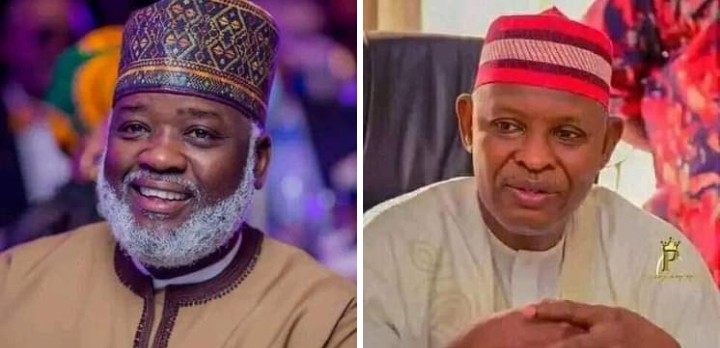
In the last couple of weeks, Zazzau Emirate was thrown into a bewildering dilemma after the arrest of one Shehu Umar Ciroman Baraya (Emir’s servant) by the police for sodomising a minor and the arrest of Sama’ila Abubakar Rimini Tsiwa for allegedly gang-raping a would-be bride. Both incidents did not go down well with one of the oldest emirates in the country.

The reports of such an abomination, which occurred within a few days, drew condemnations within and outside the emirate. While commenting on the issue of sodomy, the emirate expressed ‘rude shock’, saying that as an institution that believes in the rule of laws, it will not allow any form of immorality to exist within its ambit.

It also appealed to the police and any other security agencies handling the matter to expedite action and ensure that the accused is prosecuted without further delay to serve as a deterrent to others.

While people are still contemplating the vast degree of damage the case of sodomy would bring to the palace following associating the culprit with the revered institution, another one struck. And it’s the most disgusting and disturbing.

Traditional institutions are the custodian of the people’s norms, values, and traditions. As such, people with questionable characters should not be allowed to associate closely with them because their immoral attitudes will tarnish their image and jeopardise their hard-earned values and norms. Therefore, the prompt action of the Zazzau emirate for the immediate dismissal of the randy palace guard and condemning the heinous act of homosexuality is commendable as it would serve as a deterrent to others.

Sexual exploitation in whatever forms are unacceptable. For these rapists to use their positions to obtain sexual favours from vulnerable victims is callous, and it, therefore, stands condemned. Given the current happenings and the rate at which cases of rape are being reported almost daily in our society, the lack of provision of a coherent and vibrant system that will deal ruthlessly with perpetrators to serve as a deterrent to others has aided its escalation.

While noting that the suspects were reportedly prosecuted and currently languishing in prison custody awaiting trials and judgement, I call on the Kaduna state government and other stakeholders not to relent. Instead, you should ensure that the cases are thoroughly investigated and that justice is served accordingly.

Safiyanu Ladan wrote from Zaria via uncledoctor24@gmail.com.

Can Arsenal be stopped?

By Aliyu Yakubu Yusuf

Arsenal are far and away the best English Premier League team so far this season. Of course, football is always a team game, but whenever I look at Arsenal, I realise that their title aspiration rests on the form and fitness of five players: Saliba, Zinchenko, Partey, Odegaard, Saka and Jesus.

So far, Arsenal have been lucky with injuries. Their only casualty is Gabriel Jesus, for whom Eddie Nketiah has deputised admirably. But can Arsenal fare well if (or rather when) injuries strike? This is where squad depth comes in handy.

As it stands, Mikel Arteta relies heavily on his preferred starting lineup featuring Ramsdale, White, Gabriel, Saliba, Partey, Xhaka, Odegaard, Saka, Martinelli and Jesus (Nketiah). If (and it’s a big IF) this group stays healthy and firing on all cylinders, Arsenal will walk away with the English Premier League title.

But has there ever been a coach whose preferred starting lineup stays healthy and firing throughout the season? Well, I don’t know any. So the onus is on Arteta to extract good performances from the likes of Tomiyasu, Tierney, Smith-Rowe, Lokonga, Vieira and Holding. If these fringe players follow the footstep of Nketiah, then Arsenal will be home and dry.

My conclusion is that if Arsenal are ever going to be stopped, it is going to be because of a lack of squad depth. If they are lucky with injuries, then the rest of the Premier League should just aim to be the best of the rest.

Aliyu wrote from Kano, Nigeria. He can be reached via aliyuyy@gmail.com.

Philips Curve and Nigeria’s economic reality: a macroeconomic analysis.

By Muhammad Sagir Bauchi

Stabilization of prices and achieving full employment are among the core goals of every economy in their macroeconomic policies. In this case, there are two main approaches to curtail inflation, recession, unemployment and other negative macro-economic phenomena. These approaches are monetary and fiscal policies. While monetary policy refers to the central bank activities which are directed towards influencing the quantity of capital (money) and credit in an economy, fiscal policy refers to the government’s decisions on taxation and spending. Both monetary and fiscal policies are used to regulate economic activities over time. They can be used to accelerate growth when an economy starts to slow or to moderate growth and activity when an economy starts to overheat. In addition, fiscal policy can be used to redistribute income and wealth.

The overall goal of these monetary and fiscal policies is channelled to the creation of a healthy economic environment that could sustain economic growth, facilitate positive employment and stable inflation rate.

In a plain language, the main aim of these two policies is to steer an economy in the sense that the economy does not experience economic boom that could be followed by high period of low or negative growth, high level of unemployment and unstable price. In this situation, people can feel safe in their consumption, savings and investment decision and government could concentrate on economic decision making. And this is where the idea of Monetarist, Classical and Keynesian Schools of Economics come to play, where they have different views in respect to the effectiveness of the two policies.

PHILIPS CURVE FROM A SHORT GLANCE:

The issue of inflation and unemployment is not a new concept in the realm of economics and it’s one of the concepts that reflect the science of economics as a true reflection of reality, since that, almost everyone is feeling the impact of either of the two.

The history of Philips Curve can be traced to the research findings of A.W Philip, an economist who analyzed the relationship between unemployment and the rate of change of money wages in the United Kingdom in the years 1861-1957. At the end of his findings, he suggested that there is an inverse or negative relationship between wages and unemployment. In simple term, he meant that whenever there’s growth in unemployment, there would be a low level of inflation. And the rationale behind the justification of his idea is that wherein there’s employment, people have more money, which leads to high demand for goods and services, and eventually pushing prices up. On the other hand, when there’s a rise in unemployment, INFLATION will go down since there will be low demand for goods and services as there’s less money in circulation.

Philips and Other Economic Perspectives: there are different opinions with regards to the application of the curve and the measures to contain the phenomena.

According to Monetarist School, the issue of unemployment is a supply side phenomena, therefore, demand side measures cannot be used in curtailing them, and even if it occurs, it can be for a temporary and will accelerate price instability at the end. While to the Keynesian school, they argue that there can only be “demand deficient unemployment” And in the time of recession, demand side measures can reduce unemployment for long-term with little of inflation.

Nigeria’s Economic Reality:

In Nigeria, since its independence, unemployment and inflation are among the major distractions in the growth and development of the nation’s economy. This is evident as we are all witnessing a scenario where too much money is chasing few goods and another case of high supply of labor with low demand of it. According to data from the National Bureau of Statistics NBS), Nigeria’s inflation rate has been consistently high, averaging around 11% in the past decade. The high inflation rate can be attributed to a number of factors such as the devaluation of the Naira, increase in the cost of imports, and a rise in fuel prices.

In an effort to curb inflation, the Central Bank of Nigeria (CBN) has introduced and implemented a number of monetary policies, such as the recent cashless driven economy module; through daily and weekly money withdrawal limit, increasing interest rates, tightening liquidity, devaluing the Naira, etc. However, all these policies have not been entirely successful in bringing inflation under control. Additionally, the Nigerian government has also implemented fiscal and monetary policies such as capping government MDAs cash withdrawals limit to minimal amount, increasing taxes and cutting government spending to curb inflation, however, the effectiveness of these policies remains uncertain and challenging. Same goes to the apex bank ongoing monetary policy, especially the weekly withdrawals limit policy, which is an unprecedented threat to urban and rural businesses due to poor mobile/internet banking mechanisms in the country. As such, the apex bank must address these concerns through shifting the effective implementation date until all the proper mechanisms required to operate a cashless economy are put in place. This can be done if the CBN reasons and constitutes a committee that includes technocrats, bankers and internet service providers, which will make sure that effective moblie/internet services are made available to cover the whole country before the policy kicks off and kicks up.

In conclusion, the relationship between inflation and unemployment as represented by the Philips curve is a complex one that is influenced by a variety of factors. The Nigerian economy is facing significant challenges in terms of cashless economy application, high inflation and unemployment rates, and finding effective solutions to these issues will require a rigorous political will and careful consideration of both monetary and fiscal policies. It is important for the government and the central bank to continue to monitor and analyze economic data and make adjustments to policies as needed, in order to create a stable economic environment that supports growth and employment.

Muhammad Sagir Bauchi, is a graduate of Economics from Sa’adu Zungur University, Gadau, Bauchi State. He can be reached via ibrahimsagir1227@gmail.com

Shettima’s legacy: A brief look at home 

By Lawan Bukar Maigana 

“Home is wherever you leave everything you love, and never question that it will be there when you return.” – Leo Christopher

My two-week stay in Borno after being away for a year has exposed me to some of Governor Babagana Umara Zulum’s developmental projects across the Maiduguri Metropolitan Council. I have seen the ongoing reconstruction and construction of quality drainages and roads. The expansion of roads at Monday Market, Bulabulin Alinkotoko and Gwange Areas, among other places in the metropolis, is commendable and timely. It has been long overdue. There would be no traffic jams when the projects are completed, and people will have easy mobility within the metropolis. 

The state capital has however been in total blackout for the past two years since the destruction of utility poles along Damaturu road by the Boko Haram murderers. It is on record that the governor has spent a lot of resources on restoring electricity in the town, but all efforts have been consistently sabotaged by the terrorists. Their defeat and displacement have however supported the restoration of light in parts of the metropolis. 

My neighbour told me that they enjoy a minimum of 4-hour power supply daily. That is far better than being in a total blackout which the people endured for years.  

“They mostly restore electricity after Magrib and interrupt it before midnight. That is how we manage it,” he said. 

However,  I have heard many people bitterly complaining about the high rate of unemployment that is becoming a threat to the fragile peace of the state. The state has limited opportunities for youth. It is said that criminal activities likely thrive in places where a larger population of youths are restive and jobless. Therefore, Governor Zulum should introspect and start focusing on job creation. 

My interaction with some young people has made me realise that opportunities are limited in Maiduguri at the moment. One of them told me that even becoming a labourer is now not an easy task. According to him, the only sustainable and reliable job is tricycling.

The very day I got to Maiduguri, I saw campaign banners and posters everywhere courtesy of young people who were either hungry for power for the sake of it or living off godfathers. That is not bad, but it would have been better to invest their youthful energy and time in more productive ventures like learning a craft, acquiring a skill or doing business, each of which can stand the test of time. 

The state government has invested a lot in infrastructural projects which are spread across the state. However, Borno needs a lot of investments in human capital if the state must recover from the many years of destruction caused by the Boko Haram sect. 

In terms of business, the economy is struggling. Families have accused marketers, especially foodstuff sellers, of overpricing. They accused them of hiding under the exchange rate in the country to unjustly increase the price of goods and services in the state. They want the market authorities and state government to work together to ensure that marketers stick to the prices of goods without any corrupt changes. 

Shettima’s Legacy 

This is another opportunity to recall that the immediate past governor of the state, Senator Kashim Shettima, put about seven production firms in different parts of the state, and they were meant to create jobs, eradicate poverty and generate revenue for the government. 

The plants include Tomato Plant, Garri Plant, Water line Plant, Solar Panel Plant, Onion Dehydration Plant, Corn Chips Plant, Plastic Plant and others. Out of all the plants, only the plastic plant is functional, and it has created jobs for an appreciable number of youths in the state. 

Aside from these plants, the state has other abandoned industrial establishments that can help generate revenues for the state as well as create job opportunities for youths. Why can’t we invest in those firms to overcome joblessness? Borno should learn from Kano, Kaduna, and other states that build firms to boost their revenue and provide jobs for their people. Borno state should not only build these factories but sustain them and take advantage of them, not abandon them. 

It is high time Governor Zulum directed his attention towards the establishment and reformation of institutions that can accommodate jobless youths and give their lives meaning. 

The fact that a lot of these firms are already in place, having been built by Senator Shettima, is a huge advantage for the present administration. Aside from the advantages of having those plants fully operational to the state, Governor Zulum should be more interested in sustaining the legacy of his boss and predecessor. 

Lawan Bukar Maigana writes from Abuja and can be reached via email: Lawanbukarmaigana@gmail.com.

Cost of university education in Nigeria: Facing the reality

By Salim Ibrahim Isa

Since late last year, many public universities have released revised fees, primarily reviewed upwards in unprecedented percentages (mostly more than a 100%). Students, parents and other stakeholders have expressed shock, with many blaming the Academic Staff Union of Universities (ASUU) for being behind the increase as a response to the Union’s fallout with the Federal Government last year and members of the Union laying responsibility to the executive councils of respective universities.

Whatever the reason for the increase and whoever is behind it, the rising cost of education is a reality students and other stakeholders have to face, for it is doubtful to be reversed.

It will be useful to consider the following discussion, especially by students who would be directly affected by the fee hike.

Choice of courses

Choosing a course to study has been a longstanding issue. Many students go to university to study courses for years only to realise later that they could have made better choices regarding their aspirations. With education being more expensive, prospective students will save themselves much disappointment later in their studies or after graduating by researching courses before applying for them and making informed decisions. Nobody wants to pay massive amounts of money to study a course only to find out later that it has no job prospects or something like that.

Alternatives to degrees

It is not a divine revelation that everybody must have a degree. Colleges of education, polytechnics and other higher institutions offer various types of training and award multiple certificates, which can be as useful as a degree, depending on how the holder uses acquired knowledge. A student who cannot afford the higher costs of a university education shouldn’t lose all hope. It is still OK to seek other affordable alternatives and acquire training and certification.

Many non-degree holders have had spectacular achievements the world over. The most important thing is the training and how and to what use it is put.

Distance learning

Thanks to the internet, a significant number of universities all over the world now offer many courses online. This eliminates the burden of physical presence and its attendant financial implications, making the courses a lot cheaper while maintaining the quality of the courses. Many of these courses have flexible payment schedules, so students can pay in instalments and flexible classes, allowing students to work while studying. One may explore the availability of courses of choice both within and outside Nigeria and enrol in a good course at a good university. In addition, students may apply for discounts and fee waivers to make their studies even more affordable.

Scholarships and sponsorships

Governments, universities, foundations, companies and even individuals within Nigeria and abroad offer scholarships and financial aid to students under various schemes to subsidise education. Some scholarships involve moving to the supporting country/institution, while others support candidates locally. Sponsorships may also be complete or partial. A good way to be up-to-date on scholarship information is to subscribe to scholarship advertising websites and make a good network, especially in academia. Students need to remember, however, that all scholarships have criteria, and many of these criteria revolve around sound academic performance. Nobody wants to waste money on candidates who are not serious about studying, so all need to buckle up.

Salim Ibrahim Isa wrote via saalimibraheem@gmail.com.

Rahama Sadau is just a western copycat

By Aliyu Nuhu

Rahama Sadau has not hidden the fact that she is a cultural and religious rebel. But the laws guarantee her freedom, Nigeria is not Iran. So why bother yourselves about her dress mode? Leave that to her parents.

But for Rahama, she obviously never heard the dictum by John F Kennedy, that “if you try to copy something, you will end up being the caricature of that thing”. There is beauty in our cultural dresses. Other Kannywood actresses that stick to Islamic and Hausa mode of dresses are more beautiful, stylish and appealing. They are more salable abroad.

Check the most beautiful actresses in Kannywood. Momme Gombe, Fati Washa,Aisha Aliyu Tsamiya, Halima Atete, Maryam Waziri and Hadiza Gabon. They dress cultural. Beauty is in the eyes of the beholder but I daresay Rahama is not in their league. While they are cultural icon, Rahama is just a western copycat. You can’t beat the white in their own game. It is the reason why our musicians are making headway by using pidgin and vernaculars.

Salif Keita uses Bambara language in most of his songs. He is the most celebrated musician from Africa. Fela used pidgin and Yoruba. He is the most popular musician from Nigeria.

Cerebrovascular accident and the fairy tales of “Garsa”

By Abba Muhammad Tawfiq

Garsa is a sinister superstition label ubiquitously attached to stroke patients particularly in some Hausa-Fulani community. The conception of cerebrovascular accident as demon-ridden problems is continuously denying its victims the pleasure of urgent medical intervention. This delay in appropriate medical care inevitably complicates the patients’ condition and make it even difficult to treat after all the efforts of traditional treatments have proved abortive.

The vagueness over which the accident is traditionally considered as “being possessed” ailment is refuted and cleared by sophisticated medicinal sciences. This piece will help to comprehensively elucidate more on what cerebrovascular accident and its management entail.

Adequate life sustaining nutrients and oxygen necessitate the survival of the building blocks of life. Hence, the circulatory system is primarily programmed to efficiently execute the function of meeting the fundamental requirements of body tissues and cells. This however can successfully be achieved by the way of transporting nutrients and metabolic wastes to and away from the body. Also, establishing a stable homeostatic state in all the tissue fluids by transporting biological chemicals called hormones from the part of its synthesis to where its effect is necessary in order to ensure an optimally continuous survival and robust function of the body tissues and cells through the means of blood and blood vessels.

Physical and organic pathology that disorient the rudimentary pattern of circulation that shape various tissues give rise to life threatening complications. And this conceptualizes the basis of “STROKE” with regards to brain.

Stroke otherwise known as cerebrovascular accident occurs as a result of an interruption to or loss of blood supply to a part of the brain from an assault to the concerned arterial supply to the brain. The American Heart Association defined stroke as “a disease that affects the arteries leading to and within the brain.

Globally, stroke is said to be the leading cause of morbidity and mortality. It is the No. 5 cause of death and a leading cause of disability in the United States. The current prevalence of stroke in Nigeria is 1.14 per 1000 while the 30-day case fatality rate is as high as 40%.

On pathological ground, the disease lends itself to two categorical divisions, namely; Ischemic stroke and haemorrhagic stroke.

The former is the most common type of stroke and associated with blocked or narrowing of the brain’s blood vessel caused by fatty plagues which build up in the blood vessels or by blood clots or other debris that travel through the bloodstream, most often from the heart, and lodge in the blood vessels in the brain. This consequently leads to the death of brain tissue from poor nutrients and oxygen supply to the brain.

However, the latter occurs due to a rupture or leakage in blood vessel in the brain. This is mainly associated with atherosclerosis or a local dilation of the blood vessel (aneurysm) which leads to the burst of the blood vessel hence leading to hemorrhagic stroke

The predisposing factors that lead to cerebrovascular accident can be categorized into modifiable and non modifiable factors. And the major modifiable risk factor for stroke is sedentary lifestyle. People’s manner of living exerts impact on their state of well-being. Obesity caused by unhealthy diet, excessive alcohol consumption and smoking may result in high blood pressure or deposition of fatty droplets in the arterial wall causing arterial narrowing or bursting, thus consequently leading to stroke. Others include uncontrolled hypertension, gestational or pregnancy hypertension and diabetes.

The non modifiable risk encompasses factors such as family history and ageing. Although stroke does not wreck havoc on any age or age group exclusively, but older individuals are at higher risk of having stroke than other individuals. This is because the complications of ageing are mainly associated with arterial narrowing and loss of elasticity. Hence the susceptibility of the arteries to be damaged by fatty droplets and other debris in circulation, thus; resulting in stroke is high.

History of severe idiopathic headache, dizziness and vomiting are being clinically associated with haemorrhagic stroke. Facial, arm, or leg weakness on either or especially one side of the body denotes the onset of stroke. Other symptoms include confusion or trouble in understanding other people, difficulty speaking, visionary problems, trouble with walking and coordination.

Obesity and or weight control by the means of lifestyle/dietary modification and exercises are the mainstay for the prevention of stroke. The revelation of the aforementioned symptoms of stroke should urgently be reported to a close healthcare facility for immediate care and complications minimization. Notable blood pressure should be regulated through exercises and medications.

Multidisciplinary approach is essential for the effective management of stroke. This comprises a team of a well trained healthcare professionals and most precisely doctors, speech therapist, occupational therapist and physiotherapists. Surgical procedures can also be employed to repair vascular damage in the case of haemorrhagic stroke, while obstruction of adequate blood flow and oxygen supply to the brain by clogged garbage in the vessels can be flushed out through the use of medication.

The physiotherapy specialty covers a wide scope in the management of patients with neurological conditions such as stroke and their aftermath on the body function. Following stroke, patients show and suffer from multiple complications such as muscles flabbiness, accumulation of secretion in the lungs and loss of speech, loss of balance and coordination, which may not be or difficult to manage by medication.

Various physiotherapy techniques are applied to improve muscle physiology, prevent deformity, improve coordination, facilitate airways clearance by removal of accumulated secretions in lungs and improvement of overall quality of life. Physiotherapists therefore bridge this gap by playing restorative and preventive role in restoring the lost function and preventing post stroke complications.

Abba Muhammad Tawfiq, graduate of Medical Rehabilitation, University of Maiduguri, Borno State, Nigeria.

Nigeria and its challenges: The need for competent leadership

By Muhammad Nazif Abubakar

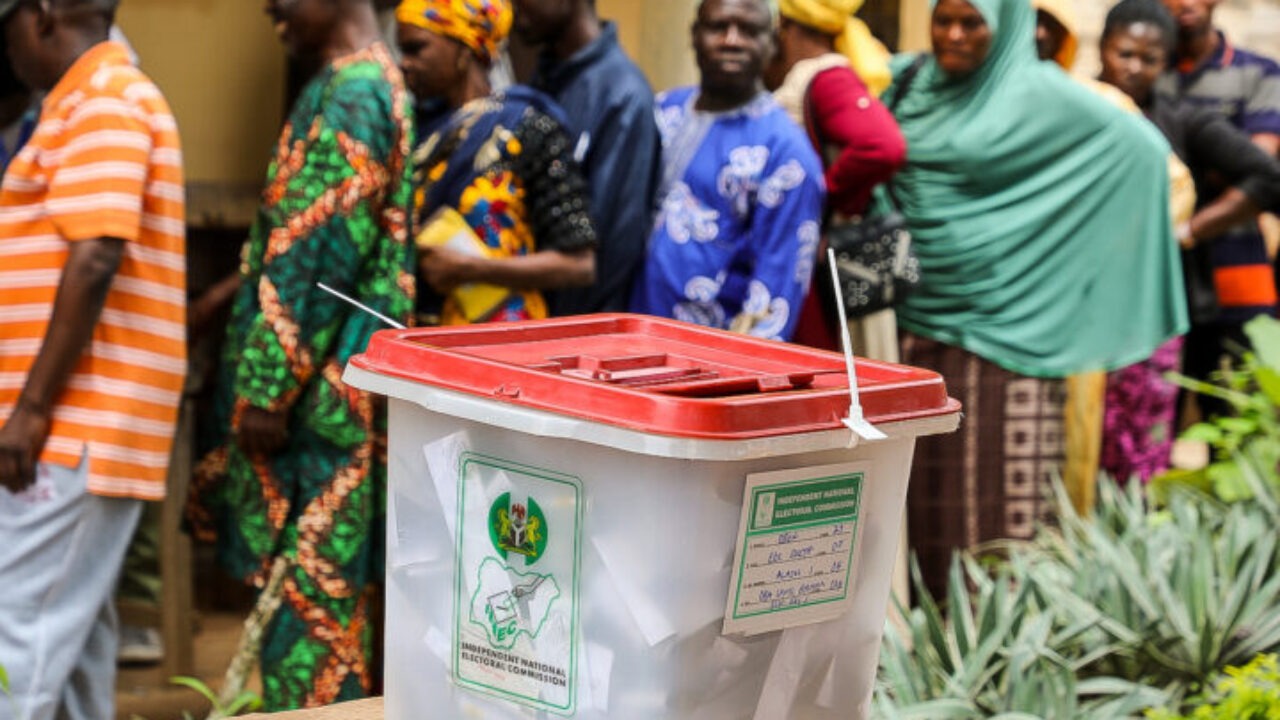
Nigeria is facing several challenges that threaten its stability and prosperity. From economic struggles to political corruption, the country is at a crossroads and, come February, must take to the ballot and vote for competent leadership that can take actions to address these issues to secure its future.

Nigeria’s numerous economic challenges can be overwhelming in recent years, including declining oil prices and organised oil theft. The latter has significantly impacted the country’s economy, leading to billions of dollars in lost revenue for the government and oil companies and lost profits for businesses operating in the oil industry. This lost revenue could have been used to fund critical public services and infrastructure projects, exacerbating the adverse economic effects of crude oil theft. Moreover, the financial struggles in Nigeria have led to high levels of unemployment, particularly among young people, and have contributed to widespread poverty. In addition, the country has struggled with high inflation levels and a weak currency, making it difficult for people to afford necessities.

Political corruption is another major issue in Nigeria. Politicians and government officials are frequently accused of embezzlement and misusing public funds. Examples of this corruption, most of which were documented by Dr Nura Alkali in his book entitled When Stealing is Not Corruption: Nigeria Under President Jonathan, include the 2015 elections, which were marred by allegations of vote buying and the use of government resources to support certain candidates; the 2012 fuel subsidy scandal, in which billions of dollars in subsidies were embezzled by government officials; the 2010 Halliburton scandal, in which the company paid bribes to Nigerian officials to secure contracts; and the 2015 DasukiGate scandal, in which former National Security Adviser, Colonel Sambo Dasuki embezzled public funds meant for military equipment. More recently, a former Accountant General of the federation was involved in over a 100-billion-naira scandal. Corruption has contributed to a lack of trust in successive governments. It has made it difficult for the country to address its many challenges.

In addition to these economic and political challenges, Nigeria is also facing several security threats. Before 2015, the country was plagued by violence and terrorism, with groups like Boko Haram carrying out attacks on civilians and government targets. This has destabilised the country and made it difficult for citizens, especially in the northeast, to go about their everyday lives. Attacks by members of Boko Haram have drastically subsided in recent years. However, Nigeria is struggling with increasing levels of banditry in its northwest region. This has included armed robberies, kidnappings, and attacks on communities and security personnel. These bands of criminals have caused widespread fear and insecurity in the region, especially in Katsina and Zamfara. In addition, they have made it difficult for people to go about their daily lives.

The root causes of this banditry are complex and multifaceted. Poverty and unemployment are major contributing factors, as many of these bandits are driven by the desire to make a quick profit. In addition, the lack of effective law enforcement and security in the region has made it easier for these criminal groups to operate with impunity. The government has attempted to address this issue by deploying security forces and implementing programs to address poverty, but these efforts have had limited success. It will require a more comprehensive and coordinated approach to effectively address the problem of banditry in Nigeria’s northwest region.

Nigeria has a large and diverse population and a rich history and culture. With exemplary leadership and policies, Nigeria has the potential to become a thriving and prosperous nation. However, this will require a concerted effort to address the issues holding the country back. This will require tackling corruption, improving the economy, and managing security threats. It will also require working to build a more inclusive and just society where all citizens have the opportunity to succeed and thrive.

Despite Nigeria’s many challenges, there is hope for the country’s future. This hope lies in the decisions made during the next election cycle. The person chosen to lead Nigeria must be capable of addressing the country’s problems. As former US Senator Daniel Patrick Moynihan once said, “The single most exciting thing you encounter in government is competence because it is so rare.” Competence is a rare quality in the Nigerian political landscape. Still, it is essential for the success and prosperity of the country. Therefore, we must choose a competent leader to navigate Nigeria’s challenges.

Muhammad Nazif Abubakar from Kaduna via muhd.abubakar@hotmail.com.

The need for community participation in fighting drug abuse

By Lawi Auwal Yusuf

It is essential to understand that the community’s participation in fighting drug abuse is an effective remedy that helps tremendously in reversing the trends. Fastidious minds would think that it is beyond exaggeration, if not a mere goof, to make the dubious inference that we cannot clinch a victory over this quagmire without the community vigorously joining the crusade. No doubt, the first step to facing this insidious cankerworm bedevilling the country is dependent on the community’s cooperation.

We are at an appalling risk because drug abuse has become a serious societal phenomenon at an all-time high and regrettably remains unchecked. Youths have already been taken over by drugs which is the centre of crimes and other social vices, while some have succumbed to its suicidal trafficking. Consequently, Nigeria continues to disproportionately bear the brunt of detriments caused by this evil, which thwarts all efforts of transforming our youngsters into enterprising folk.

The emerging trends of terrorism, kidnappings, gruesome murders and a myriad of other reprehensible and despicable crimes are particularly damaging as they create social fissures, flay investors and lead to a total collapse of society necessitate coming together to make concerted clamant efforts in order to battle these crime inducing substances.

But, of course, we must take responsibility for our troubles for being obstinate in breaking away from the old way of doing things and not seeking to unite and confront this lingering peril so as to make way for Nigeria’s defining moment.

It is worthwhile to know that the war against drug addiction is not an exclusive responsibility of law enforcement agencies, in particular, the National Drugs Law Enforcement Agency (NDLEA). Rather, it’s our collective burden. Each and every one of us must honestly believe that he is a worthy stake in this issue, determining to immerse himself in this national salvation giving his best shot.

Collaborative efforts are vital mechanisms for efficient service delivery to Nigerians. Genuine and active community participation is a necessary measure that will absolutely end the age of this atrocious challenge and is a vital step towards addressing heinous crimes and protecting communities. It will truly catalyse meaningful and systematic change. Thus, producing enigmatic and highly yielding episodes that will deliver on the transformation of Nigeria.

It is difficult to dislodge the significance of collective participation in fighting illicit drugs, which necessitates the public to wade in and intervene to support the law enforcers by providing moral and financial support, as well as intelligence information to forge bridges between the community and lawmen. Participation at every level is essential in obtaining commitment and achieving goals.

The need for communal efforts to augment those of the government is a key to tackling this social upheaval and the most effective tool in overcoming this intractable problem for a better society. This idea is not only framed on the goal of extricating drug abuse but also on assisting security agencies in establishing and maintaining a safer and orderly social environment. And also working on improving the understanding and trust between the cops and residents, hence, giving the residents a better vantage of law enforcement.

Nonetheless, a partnership between law enforcement and residents adds to the deepening of our sense of collective responsibility and civic bond while helping security agencies have more accurate information.

Affluent individuals can also contribute by providing vehicles and other logistics to the overwhelmed NDLEA to ease their activities. Moreover, NGOs must embark on active sensitisation to expose the dangers of doing drugs and also extol the virtues of abstaining from it altogether. Equally important as well is the impulsive commitment of traditional rulers, religious leaders and other relevant stakeholders to checkmate the threats at the grassroots level.

However, parents must always monitor the movement of their wards to protect them against the wrong hands and also keep a watchful eye on them to notice any conspicuous behavioural change.

Furthermore, we must band together and face up to the adversaries who are the centre of this issue and report any fishy movement of individuals in our midst to the security operatives. The notorious peddlers are the major concern as they are the key players that continue to supply these perilous drugs just to realise their apocalyptic fantasy of amassing stupendous wealth by all means and at all costs. This presupposes the imperative to put society’s interests at the core and make speak louder than these egocentrics and the demons who pander to them.

We shouldn’t sit idly by while the storms of egocentrism threaten our existence. We need to bolster efforts to strengthen the existential commitment in order to put up a good fight to break the jinx and weather the storm at this crux, and have success over the malicious forces.

Lawi Auwal Yusuf is the PRO and Chairman Media and Publicity Committee, Youth Against Drug Abuse Foundation (YADAF), Kano, Nigeria.

Aftermath of ASUU strike and the hike of university fees

By Safiyanu Ladan

The Academic Staff Union of the Universities (ASUU) embarked on an indefinite strike on the 14th February 2022, following years of unresolved issues with the federal government. During the period of the strike, the union had on several occasions met with the federal government representatives headed by the labor and employment minister Chris Ngige with a clear mandate to find a long and lasting solution to the lingering problems but to no avail as the meetings have always ended in deadlock.

Tired and frustrated with that, In September last year, the federal government through the ministry of labor and employment took the union to an industrial court, praying to the court among other things to order the varsity teachers to resume classes with immediate effect. The outcome of the court’s judgement favored the federal government. Paradoxically, the appellant court refused to entertain ASUU’s appeal, saying that until and unless they obey the lower court’s judgement of going back to classes.

The intervention of the speaker, house of representatives Right Hon. Femi Gbajabiamila has paved the way for the varsity workers to get a soft landing in what seems like an unending fracas with the Federal government.

Prolonged and incessant ASUU strikes were this time around followed by a heavy price as the federal government reiterated that, the no work no pay policy has been duly applied to the striking workers. The federal government decision to withhold their salary has generated heated debates and threats from ASUU, but the government remains adamant. Closing down of Universities is at the detriment of students because they are always at the receiving end.

Having been tried but failed to convince the FG to pay the arrears of the past eight months of ASUU members, the management of some universities have decided to compensate that with an increment of students’ school fees. It’s no longer news that some universities have deliberately increased their fees to more than 100%.

It’s now crystal clear that this increment will affect many students because their parents cannot afford to pay such whopping amount of money as school fees. In the meantime, the mass exodus of students dropping out of the universities most especially in the North is imminent. Leaders and everyone should know this. Many students have expressed their worries on the trend and their final resolve to quit.

Safiyanu Ladan wrote from Zariya City and can be reached via uncledoctor24@gmail.com.