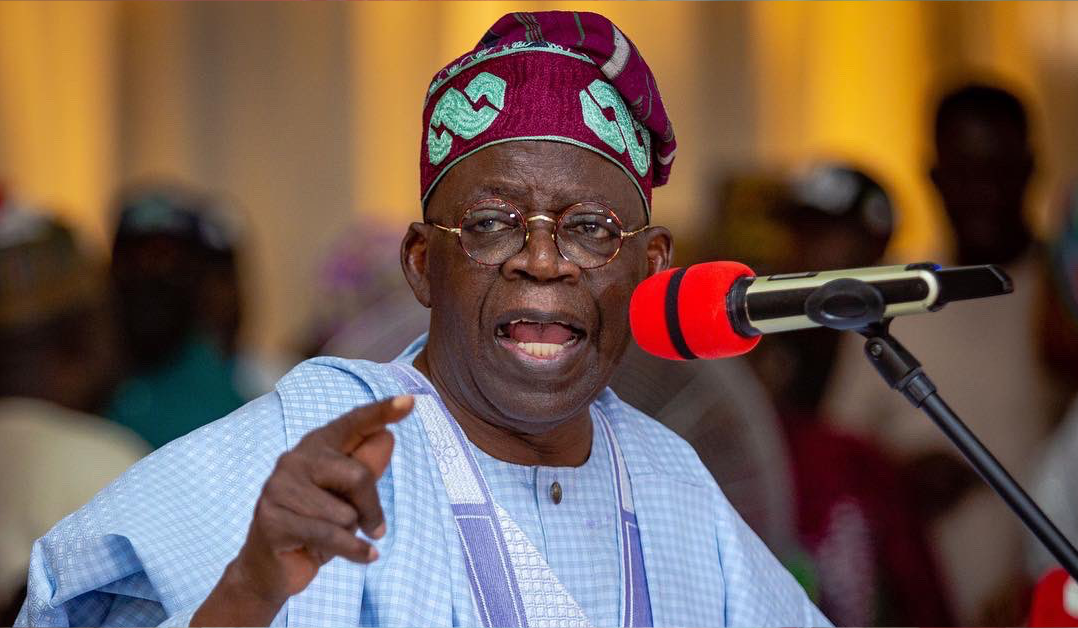
It is now an open secret that the former Governor of Lagos State, Bola Ahmed Tinubu, is now Nigeria’s president-elect. For many who may not know, the erstwhile Lagos Chief Executive is not the typical run-of-the-mill Nigerian politician.
A master political strategist of no mean repute, Tinubu has never lost an election since he started appearing on the ballot. The lessons in his political journey are enormous and worth studying by contemporary politicians, especially young people who aspire to be leaders of tomorrow.
Tinubu’s political trajectory depicts the importance of building people regardless of any differences. He built builders, and the builders built him.
Most people, including some members of his party, had thought that he was not going to win the February 25th presidential election because of some varying factors.
But Tinubu, for a minute, never lost hope. He consistently told people that he was going to win. He candidly said, “it is my turn, and I will win.” These were the songs he sang until he won.
It is a fact known that most politicians fear the “enemies within”, but the reverse is the case with Tinubu as the Aso Rock cabals in President Muhammadu Buhari’s government fear him. He tackled them and moved on.
The contribution of the people he built in politics to his emergence as president-elect cannot be overemphasized.
Hours after he was announced as the winner of the keenly-contested election, he first extended his heartfelt appreciation to the Vice President-elect, Senator Kashim Shettima, and the entire northern governors who gave their best to his ascension to the presidency.
One of the qualities of a resounding leader is his ability to unite people and carry everybody along. That is what Tinubu started with. He called on all presidential contestants to join him in building a new Nigeria for the betterment of all and sundry. Who has ever done that in the history of our nascent democracy?
Tinubu’s track record as governor of Lagos is a testimony of his effort for the unity and development of Nigeria. He brought capacity hands outside Lagos for the betterment of his people. He has national spread, unlike his Labor Party rival, Peter Obi, who was largely voted by people of the east and a few from the west.
Obi, being the governor of Anambra, does not take his state as his permanent residence. He lives in Lagos—a state developed by Asiwaju Bola Ahmed Tinubu. I expect him to calm down his supporters, conceit defeat and join hands with the president-elect to steer the Nigerian project.
One of the best ways to advocate peaceful coexistence and give people a sense of belonging is by giving protection to the people you govern, regardless of any differences. Tinubu’s house is a good example. He’s a Muslim. His wife and children are Christians.
Teeming Nigerians have joined Tinubu to savour his electoral victory in the penultimate Saturday’s presidential election. But the President-Elect knows, more than anyone else, that the journey ahead will be rough, bumpy tortuous.
He, however, should do all that it takes to actualize the visions of his ‘Renewed Hope’ campaign slogan. It is not for anything that many, including his armchair critics, regard him as a political colossus who has greatly paid his dues in helping to entrench democratic governance in Africa’s Giant.
The term ‘University’ has its roots from the Latin word ‘universitas’, which translates to ‘the whole’ or ‘the totality’. This is said to have originated from medieval Europe where groups of scholars came together to form communities dedicated to education and research. In essence, universities of good standing, regardless of ownership (public or private) are specialized spaces for universal education that have established traditions of research and innovations aimed at tackling societal issues. Also, these are the fundamental reasons why they are referred to as such.
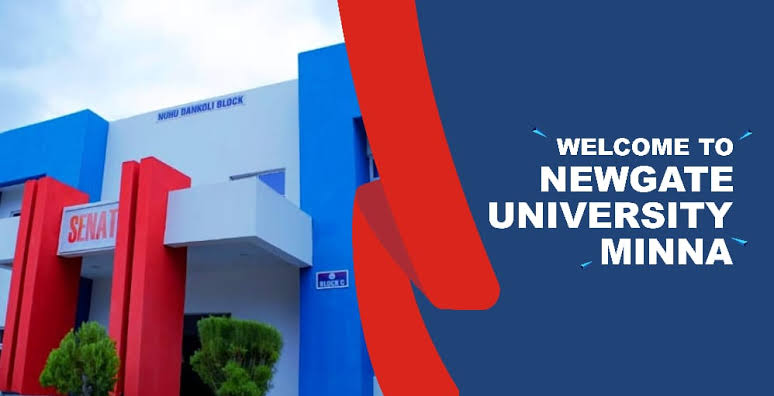
Newgate University, Minna (NUM) can be counted as one of the best academic institutions that aim to promote qualitative education. This can be justified precisely through the NUM’s rigorous curriculum, exceptional faculty members who are experts in their respective fields with committed culture of inquiry that pushes the boundaries of knowledge.
NUM – the Newgate University, Minna, was licensed by the National Universities’ Commission (NUC) in April, 2022 as the first private university in Minna, the Niger State capital, with a reputation of an orientation that is focused around student-centered learning to meet the needs and interests of students within reasonable grounds. At the heart of the university’s tradition is a unique combination of research exploration and academic excellence, expressed through its motto ‘explore to excel’. Also, Newgate University, Minna entices students to embark on a splendid journey of self-discovery by presenting them with a diverse range of academic programs that are tailored to their individual passions and interests.
However, the university’s philosophy of exploration extends beyond academics to encompass a comprehensive range of extracurricular activities, such as community service, practical experience, among others that aid students in expanding their horizons and discovering their true potential.
Newgate has distinctive strategies and academic culture exemplified by its provision of four (4) distinct teaching and learning packages to its students: cognitive, digital, interpersonal and intrapersonal study packages. The cognitive package being offered by Newgate University instills in its students, the ability to devise innovative solutions to emerging challenges in their respective fields of study. Meanwhile, the digital component of the university’s curriculum ensures that students become responsive digital citizens, capable of keeping pace with the ever-evolving digital landscape. To enhance comprehension and facilitate recall, the university employs cloud-based teaching and learning techniques such as virtual reality, streamed lectures and relevant practical videos. At NUM, both the intra and interpersonal components of the study packages are given key attention, with emphasis on orientation and training that will equip students to assume leadership and negotiation roles, while instilling in them qualities of service, passion, adaptability and empathy. These components are intentionally designed to meet the growing global need for hard and soft skills which are crucial for employability.
The impact of Newgate University’s distinctive and impressive strategies to university education extends beyond the classrooms, to equipping students to become leaders in their communities and in societies at large. By providing a holistic university experience that emphasizes on critical thinking, creativity, innovation and problem-solving, NUM proves that, it can be a model for other institutions to emulate.
Muhammad Danjuma Abubakar lives and writes from Minna, the Niger State capital and can be reached on muhammadcares4u@gmail.com
In Nigeria, an election period is like watching a classic Series for the umpteenth time. You know how it’s going to play out, but it doesn’t make it any less fascinating. The most entertaining episode, of this Series, after the presidential election, of course, is the debate leading up to the Lagos gubernatorial election.
Firstly, the Yorubas must perform a ritual of agonisingly re-iterating the exact same thing: that Lagos is not a “no man’s land.” This is quickly followed by an outcry from the non-Yoruba, Lagos-based (mostly southern) Nigerians. They argue that, as Nigerians, every inch of land in the country, belongs to all Nigerians. That any attempt to deprive them of this right is ethnic bigotry. But how true is this? And do they practise what they preach? Let’s go down memory lane.
A few years ago, when the federal government suggested to some (southern) state governors to provide grazing lands to cattle farmers (who’re predominantly Fulanis) to grow their herds; to control herder-farmer clashes in parts of the country, many of the governors rejected this proposal. (Mostly) Southern Nigerians also took to social media to applaud the governors for refusing fellow Nigerians access to Nigerian lands.
Dangerous words like “invaders” and “take over” were recklessly deployed to stoke ethnic tension. No one cared to remember that these people, too, were Nigerians and therefore were entitled to own land and do business anywhere in Nigeria.
Now, in 2023, it’s election time again, and this same divisive rhetoric is being deployed, albeit in different circumstances. The same people who once championed an anti-Fulani campaign that ensured their fellow countrymen from the north couldn’t get lands in their own country are now complaining of being othered by Yorubas in Lagos. So, I’m asking: why is it ok for them to own lands and freely do businesses, have some influence on who becomes governor in “another man’s land,” but at the same time, see no contradiction in telling northern Muslim cattle farmers to return to the north, to look for land, because “the south does not belong to them?” Why are you concerned that the Fulanis “will take over your land” but are now getting triggered because the Yoruba people feel the same way towards you?
They wanted the land for free
When I first shared my thoughts on this topic on my Facebook Page, some interlocutors argued that the reason for the southern governor’s pushback was that the federal government wanted the land free of charge.
“Free,” in this context, is debatable. When an industry such as cattle farming wants the land for its activities, it’s not usually a mere hectare or two. A reasonable size would be hundreds to thousands of hectares. The size and complexity of such a project is not something private individuals can execute without support from the government.
Therefore, it was not out of order for the federal government to step in to help with things like making the land available and then building the infrastructure needed for the place to function properly. After which interested parties can be invited to come in and rent/buy spaces to set up shop. These farmers were clearly going to pay taxes to local authorities and generally operate the same way market stall owners do in places like Kano, Lagos or Aba.
Having said that, let’s say, for the sake of argument, I agree that the federal government wanted the state government to give “free” land to the cattle farmers; why was the response not: “bring more money!” Or “let’s have a better financial agreement?” We didn’t hear of any such request — of a better (financial) offer, from the southern governors. Instead, what we got from them, and many southern Nigerians, were: “the Fulanis should go back to the north and ask for land there,” “this is a plan by the Fulani government to take over our land and hand it over to their people,” and many other unpleasant, divisive comments. The protest from the south was a clear message to those cattle farmers from the north. It was made known, loud and clear, that their land was in the north and not in the south. What happened to being a Nigerian citizen with full rights anywhere in Nigeria?
We can’t be comfortable with othering and divisive languages when it involves the Fulanis and then suddenly become appalled when they’re deployed against a different group of people. It doesn’t work that way. We cannot, on the one hand, say things like Idoma land, Ijaw land, Tiv land, Igbo land, or Niger Delta land (or Niger Delta oil) and then throw tantrums when Yoruba people say Lagos is Yoruba land. You’re clearly not appalled at any injustice. You’re only now concerned because you are at the receiving end of it. What you’re practising is Selective Outrage (apologies to Chris Rock), and it is hypocritical.
Suleiman Ahmed is a writer and the author of the socio-political novel, Trouble in Valhalla. He tweets from @sule365.
As we all know, politicians in Kano have been claiming they are followers of the late Malam Aminu Kano to achieve their political interests. We all know and remember him as a leader of the masses, a reformist, educationist and revolutionist. Mallam had built the most substantial legacies. When he was minister, he joined protests against the federal government in Nigeria.
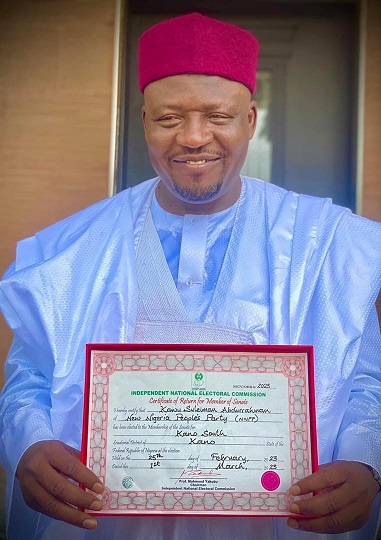
Honourable Kawu Sumaila is Malam’s ghost. As a strong opposition leader after resigning from his position as senior special assistant to the president on national assembly matters, Kawu defeated the incumbent senator that spent sixteen years in the seat last week.
He is ready to represent the good people of southern Kano. He contrasted and won the election three times. He represented Takai/Sumaila for 12 years in the Green Chamber.
Kawu’s action is louder than his voice. He knows the problems of his senatorial district. That’s why he aspired for the seat in 2019 and lost in a questionable primary election. He is ready to speak about his senatorial district, Kano state and northern Nigeria.
Kawu supports the less privileged within and outside his constituency. He founded Al-Istiqama University, the first private university in southern Kano.
Umar Ahmad Rufai wrote from Kano via umarahmadrufaijr@gmail.com.He is a student at Aminu Kano College of Education in Kano.
The Presidential elections have come to pass, and the outcome of the results will continue to be a watershed in the political terrain and a new definition of “Loyalty “ in Adamawa PDP politics. Atiku Abubakar of the People’s Democratic, PDP, got 417,611 votes, Bola Ahmed Tinubu of the APC got 182,881, Peter Obi of the Labour Party (LP) secured 105,648 votes, while Rabiu Musa Kwankwaso of the New Nigeria Peoples Party (NNPP) got 8,006 votes
The performance of the Labour Party in the state though not surprising because of the open secret fraternity of the incumbent Governor with the Labour Party for some time.
It is now obvious that the allegations against the Governor of Adamawa state for anti-party activities have come to pass. Many prominent people of Adamawa State last month alleged and warned that Governor Rt. Hon. Ahmadu Umaru Fintiri had pitched his camp with the Labour Party’s Presidential candidate and crisscrossed the state campaigning for him in line with the arrangements of the G5 PDP Governors. It’s an open secret that he remained a member of the group covertly. The outcome of Saturday‘s Presidential election is a clear testimony to that effect.
The theatrics of the Governor’s pretentious loyalty and deception could only go that far, and today the die is cast, and the truth cannot be suppressed.
Atiku Abubakar though not unaware of Fintiri’s intrigues, according to sources, decided to ignore all the clear and overwhelming evidence shown to him in that regard and deluded himself in a suspension of belief, hoping that Governor Fintiri would continue to be loyal and supportive.
The Waziri Adamawa rightly or wrongly is said to be scared of the consequences of confronting the Governor in order not to jeopardise his political fortunes since all politics are local, and will need the governor on his side to succeed in this rather elusive Presidency, having attempted severally without success and believing this could be his last opportunity.
In February, when the Labour Party candidate, Peter Obi, visited Adamawa State for his campaign, he ignored the protocol of usual courtesies on the Paramount Ruler, the Lamido of Adamawa Emirate and Chairman of the Adamawa state Traditional Rulers Council but headed straight to Numan Federation to pay homage/Respect to Hamma Bachama of Numan Federation, which was a serious breach of protocol and a slight on the Lamido. It’s also on record that he was there to fraternise with the predominantly Christian community in the zone.
Obi’s action was attributed to Fintiri’s advice and in active collaboration of CAN leadership. This strategy is today consequential to Labour’s Political gains in that part of the State. Obi defeated Atiku in Numan LGA and secured substantial votes in the other areas in the zone.
The outcome of the elections results in Madagali, the Governor’s support base where the Labour Party won at the Governor’s polling unit, is, without doubt, a collusion in cohort with the Governor.
The ADC Gubernatorial Candidate, Malam Muhammadu Usman Shuwa, after officially endorsing the PDP presidential candidate, His Excellency Alhaji Atiku Abubakar and promising to work for him in the state, relocated to his home town Madagali 6 days before the election. He made serious contact and strategies to ensure Alhaji Atiku Abubakar’s victory and delivered his polling unit and even his ward for Atiku.
If Fintiri had Atiku’s interest, he could have ensured he delivered not only his unit or Madagali but the entire Northern Zone for Atiku, being his domain and as an incumbent Governor of Atiku’s Party, but behold, the outcome isn’t what we expected.
They say in war, political war inclusive, all is fair, and politics is like the contributions in “Adashe”. In other words, it’s turn-by-turn. Everyone will take his share, albeit at the tail end
Waziri Adamawa is well-schooled in political treachery and well-acquainted with its muddy terrain. Therefore needs not be incited into realigning his priorities and strategies. He surely feels where it pinches.
In stating the obvious, we can only wish Waziri Adamawa well in his future endeavours
Auwal Modire wrote from Yola, Adamawa state. He can be reached via modiree@aol.com.
It is a general psychological belief that individuals tend to keep repeating things that benefit them and help reduce their suffering. In politics, too, citizens believe that the essence of participating in the political life of their country is to maximise their benefits through attaining improved living conditions, say, for example, security of lives and properties, food, a better health care system, more employment opportunities, stable electricity and so on.
You don’t need statistical data to conclude that, since 1999, when Nigeria returned to a democratic system, the sufferings of Nigerians coming out to vote for a better life increased. As such, many citizens choose not to exercise their franchise as it does not benefit their lives.
Abraham Lincoln’s definition of Democracy as a government of the people by the people and for the people seems irrelevant in Nigeria because some of the leaders who served political offices in the past were suspected to be products of statistical inflation during elections, not by choice of the majority. Thus, they are not by the people; our leaders are considered to serve themselves rather than the general populace. That is why they strive to get into power by hook or crook.
The Independent National Electoral Commission (INEC) reported that during the 1999 general election, out of 58 Million Nigerians that registered to vote, only 30 million were able to vote, 42 out of 61 million registered voters voted in 2003, only 35 million out of 62 million in 2007, 39 million out of 74 million cast their votes in 2011, 29 million out of 67 million in 2015, 29 million out of 82 million in 2019 and, sadly, in the recent 2023 presidential election we have witnessed the lowest turnout whereby of all the 93.46 million eligible registered voters we have, only 24.97 million came out and cast votes.
Though many factors like; lack of voter education, electoral malpractices and vote buying during primary elections, which produce uninspiring candidates in the general elections, rigging during the general election, and the activities of political thugs are contributing factors to political absenteeism during elections, the major factor that converts responsible citizens into political absentees is bad governance resulted by poor- performing elected officials and political parties.
To respond to this signal of “not having feelings” citizens about the political affairs of our dear country, resulting from a lack of efforts from the side of our political leaders to improve people’s situation, I see it that the best way to lure people back to the polls is to promote people’s welfare. Campaigns and sensitisations are less effective these days—only action matters.
Take, for example, the issue of vote buying. You can’t convince someone who lives from hand to mouth, similarly being denied the opportunity of going to market on election day to get what to eat, not to collect a bag of grated maize for a vote—relief materials matter.
Zaharaddeen Muhammed wrote from Azare and could be reached via zahmuhaza@gmail.com.
His name was Sadik. Perhaps about 11 years old. He walked into my newly allocated office in the old Mass Communications building of Bayero University Kano (Nigeria) in 2013. I was startled. He was a tiny boy with deep dark skin, a beautiful face with intense eyes and a dolphin smile. He asked if I wanted to buy Fura (steamed millet balls blended in cow milk, often used as dessert, although it could stand on its own as a nutritious meal). He did not look like any of the usual urchins who thronged the corridors of the building look for odd jobs – run errands, empty trash, sweep office when those officially charged – and paid – to do so did not. Intrigued, I ordered one. He disappeared and returned some twenty minutes later with the Fura in a transparent plastic bag. I paid him, and that was that.
He returned the following day. When I declined to buy it because I didn’t feel like drinking the Fura, he insisted I buy it for others. When I asked why, he simply retorted that I appeared richer than other staff because, first, I was a professor, and second my office was larger. I was amused by his evaluation of my finances based on my position. And true, my office was the largest for staff, but I was a new bride in the Department – having been wedded to Mass Communication after an amicable transfer from the Department of Science and Technology (thus the ‘double’ professor tag), and all stops were pulled to make me welcome. Based on his logic of having a larger office, if not a deeper pocket, I bought about ten and asked him to distribute them to colleagues.
Sadik was to become a regular fixture in the corridor. Always after 2.00 p.m. One day he came with a blue checkered school uniform. Mentally, I thanked the boy who gave him the ‘hand me down’. The uniform was from Musa Iliyasu College, located along Gwarzo Road, a few kilometres from the New Campus of Bayero University Kano. This was a private and prestigious high school in Kano, attended by the children of the well-to-do.
I was told, however, that the uniform was his own and that he was indeed a student at the famous prestigious college. Curious about the human aspect of this development, I decided to delve further. What I found was what I want to share with you regarding the world of Hausa women.
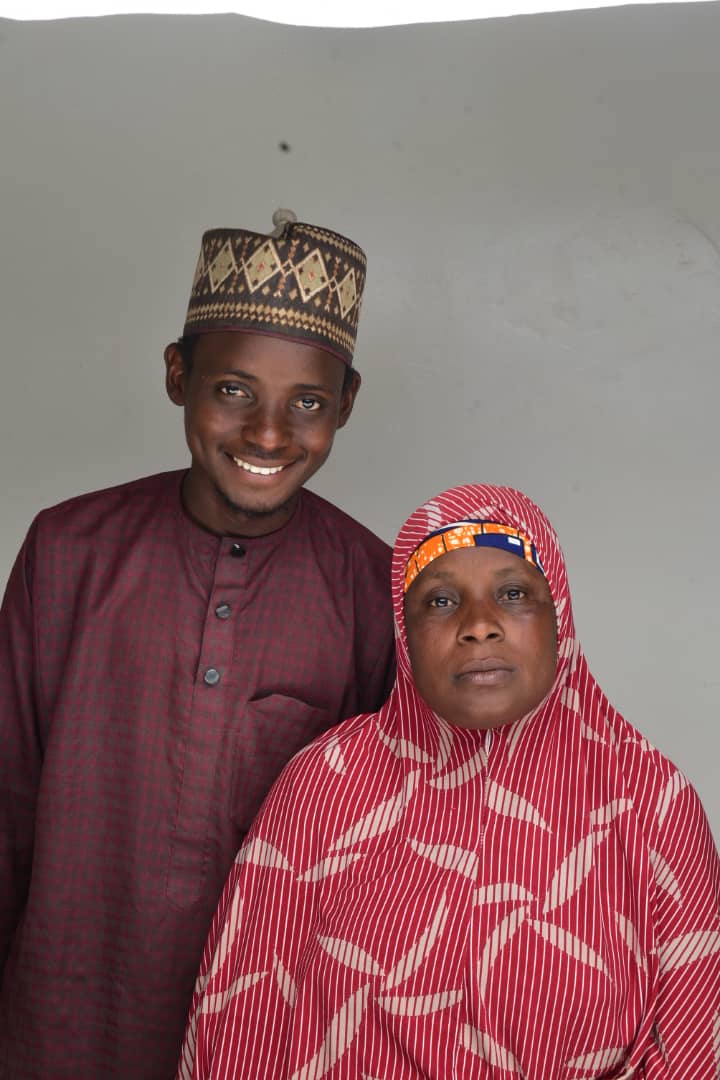
Sadik did not come from an elite home. He was from a large Fulani family living in a ruga (a Fulani cattle encampment) near Janguza Army Barracks in Kano – itself a few kilometres from Bayero University Kano, New Campus, along Gwarzo freeway. The unit was a father, three wives and eighteen children. Sadik was the eldest in his mother’s room. They were herders. Indeed, Sadik was born near Tamburawa along Zaria Road in Kano when the family was on the move in 2002. They camped near Janguza Barracks, where they located their ‘hometree’.
The mother was the one selling the Fura at Bayero University Kano New Campus that Sadiq marketed. She had a ‘stand’ near the Faculty of Engineering. She had a lot of customers in all categories of the university community. After all, even professors love Fura. Her interaction with the university community enabled her to develop an interest in education, and she wanted to get Sadiq to attend a school and eventually a university. She did not want Sadik to follow the family herd. His father, however, wanted the child to join the family herding tradition. The mother then engaged one of her customers, a professor, to drive to the ruga and convince the father to allow the child to attend school, to which he reluctantly agreed. The mother then took over the process of educating the child.
She enrolled him in a local private primary school inside the Janguza Barracks. After he finished, she inquired which was the best high school around, and Musa Iliyasu came highly recommended. She enrolled him there. An exclusive private school. Paid for from the proceeds of her Fura business. She bought a bike for Sadik to make it easy for him to attend the school, some five kilometres from their tent. His legs could barely reach the pedals, but he was enthusiastic about learning. After school, he would go to her Fura stand, park the bike and then trample all over the BUK mega building advertising his mother’s Fura (even boldly entering the Vice-Chancellor’s office to market the Fura), all the way till 6.00 p.m. when they close ‘office’.
I interacted with Sadik for three years. He was so curious, bold, confident and always lifting books on my desk, trying to read them, asking endless questions, his eyes always darting and roving all other office. He was truly an inquisitive and intelligent child.
In 2016 I temporarily relocated my place of work to Abuja, and that was the last I saw of Sadiq. I did not fully return to Bayero University till 2022. In the intervening period, I had wistfully thought of Sadik and finally decided to find out what had happened to him when I returned. It was a massive success story of doggedness by a traditional woman.
When Sadik finished Musa Iliyasu College, he told his mother he wanted to be a pilot. She asked him to find out how much it would cost. Off he went to the Nigerian College of Aviation Technology (NCAT), Zaria, where he learned the fees could be as much as ₦7.5 million. He informed his mother, who immediately asked him to continue the process of getting admitted. She would pay the entire sum – after all, she was already a millionaire with the large herd she had. She earmarked the number of cows to sell to raise the pilot school fees. Sadik did the entrance exams but did not scale the final test. So, he was not admitted.
He then applied to BUK with his JAMB score of 201 for Computer Science but did not meet the Post-UTME requirements for the program. Again, he faced rejection. His mother initiated the process of getting him alternative university admission and was advised to take him to Al-Qalam University, a non-profit Islamic university in Katsina. He went there and inquired about the admission process and the fees. With his results, he was admitted. His mother sold two of her cows for ₦450,000 and gave him the money to pay for the school fees in Computer Science and his accommodation in Katsina. He enrolled and started his program.
When he relocated to Katsina, she sent him money every day. She eventually gave him ₦200,000, with which he started a Fura packaging business, employing his co-tenants in the house he was renting. Soon, he established a small business employing other students. Eventually, he vied for and succeeded in becoming the Vice-President of the Computer Science Students Association of the Al-Qalam branch.
Sadik became a dedicated student with a consistently high CGPA, which could eventually lead to either a good second upper or a first in Computer Science. He was eventually elected the President of the Computer Science Students of his university chapter. One day, the officers of the Association came to Kano for a function during a school break and decided to see his house, especially after he told them he lived in a ruga. They were astonished to discover he was telling the truth – their respect for his modesty raised higher.
In January 2023, I was in my office at the Faculty of Communication BUK when someone walked in. I was bent on my laptop but did notice the guest removing his shoes and coming and standing in front of my desk, waiting for a pause in my typing.
I looked up at a tall well-built young man. I immediately knew it was Sadik. At 21 years, everything about him has changed, of course, but not his dolphin smile. He told me he learnt I was asking of him and decided to come and greet me. I was so happy to see him, and it was he who related to me what I had written so far. I immediately connected him to Sunusi Ahmad Baffa Dawakin Tofa, Chairman of the Kano State chapter of the Fulfulde Development Association of Nigeria (FULDAN), of which I was a patron. They promised to come together and see how Sadik could be part of community mobilisation awareness and a role model, especially for youth. Sadiq owes his success so far to his mother.
Professor Abdalla Uba Adamu and Sadik
***
Sadik’s mother, Hajiya Hauwa Suleiman Dikko, was not an educated, entitled, privileged woman. She did not go to school. Her class was the hard knock of life. As a young girl, she missed going to school with lunchboxes and rucksacks festooned with stickers from the Marvel Cinematic Universe – Spiderman, Hulk, X-Men, and Fantastic Four. She did not attend a privileged landscaped school with paintings of Micky Mouse and Donald Duck on their walls. She had no driver to chauffer her to school in an airconditioned SUV. No TV to return to after school hours in a nice airconditioned living room. No iPads to play with. No Netflix to relax her hard stressful day. No extra lesson teacher (Uncle John or Auntie Funmi) to ensure she passed those horrible subjects such as Mathematics.
Her contemporaries who lived such life finished successfully from their expensive private schools (of course, no private school would allow mass failure, especially from children of the privileged) and had gatekeepers to ensure they got admission into the juiciest disciplines in the university of their choice. If at all in Nigeria – otherwise, it would be off to Ukraine (before it became too hot), some obscure countries in Eastern Europe, India, Cyprus, the UK or preferably, Malaysia.
When such contemporaries returned, they had cushy jobs waiting for them and a relatively easy path to the top. Eventually, they are celebrated as women of substance – given awards (which they don’t need) and celebrated in academic papers and opinion pieces as role models of female achievement and doggedness in a patriarchal society. I don’t mind their high-profile visibility. I just believe the accolades are wrongly placed, or at the very least, the Point of View (POV) should sweep around.
My female heroes? Those I will be celebrating today, the 2023 International Women’s Day? Let’s start with Sadik’s mother. And hundreds of others like her. I am sure you know one or two in your locality. They are women, often widowed, left alone, with little or no inheritance, and who, with the little they have, were able to provide much-appreciated services in their communities and keep a tight hold on their families. They don’t engage in endless and fruitless debates about gender identity or reproductive rights nor women’s representation in political representation and their share of hegemony. Rhetoric. Talking loud and saying nothing. As my main Man sang, “Like a dull knife / Just ain’t cutting / Just talking loud / Then saying nothing”. (James Brown, 1970).
Mainly, restauranteurs, these local women build people and impact their communities. With their business – restaurant (ƙosai, koko, tuwo, ɗanwake, wake da shinkafa, alkubus, gurasa, ƙashin rago, etc.), public transport (Keke NAPEP, buses, Acaba/Okada, Ƙurƙura), estate (properties, rental apartments, plots of land) – they are the role models who should be celebrated. They don’t feel entitled and are privileged in the peace of mind they have and the mentoring they do in their communities. They have no PAs, SAs, fierce dogs at the gates of their solar-powered villas and mansions, no frowning ‘maigad’ to intimidate and scare away panhandlers.
They have no SUVs as the cost of one could serve as capital for a whole year for their business. They don’t even have cars, despite some owning a transport business or so. They do not take their holidays in London or Dubai – they have no time for holidays as they are busy serving their communities. They marry off their daughters, not in grand style, with furniture imported from IKEA in China but from local makers – thus contributing to local economies.
So, what should be the concerns of women on International Women’s Day? For me, with a focus on Muslim Hausa women living in traditional communities, how about integrating them into the modern sector digital economy? Instead of empty rhetoric about gender representation, why don’t we focus on enabling them to acquire skills such as mobile phone repairs and POS services – in the comfort and safety of their homes? Many women are now engaged with mobile phones and online trading and payments. Muslim Hausa women feel unsafe in approaching service centres where clusters of men provide these services. Empowering them to be skilled in digital knowledge in the lungu and saƙo (alleyways) of our communities works better than hot-air rhetoric and genuinely can make a difference.
On this day, I, therefore, award accolades to Sadik’s mother, Hajiya Mai Ƙashin Rago Fagge (with a whole street named after her), and countless others whom I am sure Jaafar Jaafar knows more. They are truly women of substance.
Today, being International Women’s Day, please locate any in your community, go right up to her and appreciate her. Celebrate her achievements and her silent but visible impact in the community as the REAL woman of substance.
PS: Some have asked about Sadik’s whereabouts. He is in his final year at Al-Qalam, Katsina, Computer Science, and from his results so far, he is heading towards either a First Class or a very good Second Upper.
Professor Abdalla Uba Adamu can be contacted via auadamu@yahoo.com.
Nigeria’s 2023 general elections are the first many people would describe being free and fair without any other positive collocations.
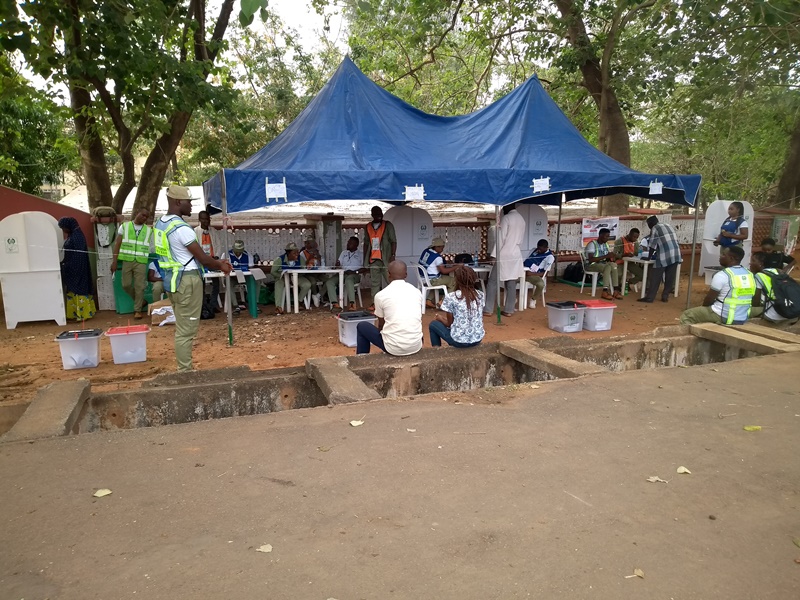
Be that as it may, many would say it has no difference from previous elections we strongly condemned. But to be fair to the discourse, it was much better than the previous ones. Nigerians have witnessed a drastic reduction in vote buying, overvoting, and voter disenfranchisement, among many things.
We saw videos and pictures of election violations nationwide on election day. Some are real, and some are mere fabrications aimed at disrupting our peace – or in the popular phrase, to tire our patience than mislead our senses. However, some of these violations are just an act of immorality from urchins, and the rest are unlawful acts from unpatriotic citizens. Unfortunately, we may end up barking at the wrong tree once we separate the two above.
This is not the first time to hear that immorality is bad for you and your community. For example, one scene might have been where area boys scared off voters that they may steal from them. However, in this case, scaring off somebody is immoral, while stealing from him is unlawful.
As we know pretty well, there are no elections free from irregularities. There are people whose work is to rig elections. We could neither be able to stop them nor avoid them. But we could learn the possible ways to surprise them.
To make my points clear that we have had free and fair elections, we know that Tinubu is contesting for the ruling party. He is from Lagos, one of the most important states in the political calculation as per Nigeria is concerned. In addition, Lagos’s current governor is also from the same ruling party and complies with the presidential candidate, as many would say.
When you combine these protons, neutrons and electrons, a powerful nuclear weapon will statutorily emerge. APC would have won Lagos presidential elections against the Labour Party. But due to free and fair elections, Peter Obi surprisingly made it, and so it was.
In conclusion, for the first time, Nigeria has free and fair elections, though with few unlawful violations of electoral rules. Those denying it are mere victims of utopianism or those who lost it, and we know failure cannot be readily accepted. To date, Donald Trump is claiming to be the winner of the last American elections.
While some people are after the quality of leadership, others are primarily concerned about the identities or affliliations of the people in positions of authority. Anyway, democracy gives us the chance to participate in the process of choosing our leaders. The responsibility of the electoral body, therefore, is to ensure free, fair and credible elections. But can this body be graded excellent by all the electorate or citizens?
The answer is no. It’s impossible for an agency like the Independent National Electoral Commission, (INEC), to avoid fierce criticisms. Provided some candidates lose elections, issues must be raised against the commission. However, this body can reduce doubts to the bare minimum if it scores high in terms of transparency. Sadly, it usually scores low in this aspect.
INEC has rescheduled the governorship and state assembly elections to March 18, as against the initial date: March 11, 2023. That’s just a week difference. This decision comes with diverse consequences, but my main focus is on how it affects the suffering inflicted by the so-called cashless policy.
The Supreme Court of Nigeria ruled on Friday, March 3, 2023 that the old naira notes (N200, N500 and N1,000) remain legal tender until December 31, 2023. Many Nigerians celebrated the pronouncement, but I was unsure if President Buhari and the Central Bank of Nigeria would honour the ruling. Expectedly, it’s been almost a week since the judgment, but neither of the two has issued any statement about it. However, there’s been a sense of relief as many banks are reportedly paying and accepting the old notes.
As for the President and the CBN, I expected them to say something, maybe a few days after the governorship and state assembly elections, as they might consider the scarcity of cash as an effective measure against vote-buying. So, I was counting down to the end of our suffering—our struggle for cash—when INEC scattered my thoughts by rescheduling the elections. With this postponement, we’ll have to endure the suffering a little longer.
This cashless policy introduced by the Federal Government of Nigeria has been disastrous for the the country. Businesses and individuals are facing tough times due to the scarcity of cash in the economy. The stress of queueing at banks and POS shops, more hunger for the majority, transport costs to and from banks, a depressed market for traders (particularly those running small-scale businesses dealing in perishable goods), difficult in commuting to workplaces or schools, etc. — these are just a few of what Nigerians are enduring.
While I was preparing to go to the bank a few weeks ago, an elderly neighbour transferred N5,000 to my account to help her withdraw. It would been easier for some of us (Jaiz Bank customers) until that time. I went to the bank, fully prepared for long queues, but there was no cash. The woman’s money remained in my account for a few more days until one afternoon, when she called me on the phone (while I was at work) to send it back to her. She’d seen a POS attendant somewhere with some cash. She quickly sent her daughter home to get her debit card, but within a few minutes, the POS operator exhausted the cash by serving other customers in the queue. He charged N200 for every N1,000 withdrawn, yet the queue was long. The woman regretted leaving her card at home; she needed money to cook for her children. Before that time, she had, on two or three occasions, gone to queue at banks as early as 5 a.m.
Talking about businesses, although some business owners have started acquiring POS machines and accepting bank transfers, bad network remains an obstacle. Besides, most business owners can’t afford such because of many reasons, including illiteracy and the smallness of their business scales. These are enough proof that Nigeria has yet to be ready for the cashless policy.
I can say that with the presence of digital financial institutions like Opay and PalmPay, multiple debit cards, and my little exposure due to education, I’m better off than millions of Nigerians in terms of the capacity to cope with the scarcity of cash in the country. Despite my obvious advantages, when a student of mine gave me N300 to buy a book for her a few days ago, I kept the cash in my pocket and transferred the same value to the bookseller. Yes, I needed the cash to buy items like onions, tomatoes, etc.
Back to the rescheduling of the elections, I don’t know if I’m being somewhat pessimistic, but this is just what I think. Neither President Buhari nor Godwin Emefiele may say anything about the Supreme Court ruling until after the governorship and state assembly elections. As a result, the postponement of these elections means that we may have to endure the suffering for another couple of days, say 11 or even more.
Today is #InternationalWomensDay so I thought I should write about a not-so-popular topic.
This is a reality that many Muslim female physicians, including myself, face everyday, but people don’t seem ready for the conversation. When we try to bring up the topic, the same people who call themselves advocates of equity, justice and inclusion would only pay lip service to the issue and nothing is done about it eventually.
These biases are often rooted in stereotypes and misconceptions about Islam and Muslim women. For example, people believe that “All Muslim women are oppressed or subservient to men and therefore, therefore, they don’t belong in a prestigious profession like medicine.”
This is nothing but fallacy. The opposite is, in fact, the case. We have a long record of historical Muslim women who have excelled in the health field, even before the Western world started allowing women to learn about healthcare and medicine. The Prophet himself (peace be upon him) permitted women to be involved in healthcare. Neither the fathers nor the husbands of these women had any objections. We had women like Rufaydah Al-Aslamiyyah and Nusaybah bint Ka’ab who followed the early Muslims to the battlefield and provided care for the wounded soldiers.
Muslim women are encouraged to pursue careers like medicine because it fits our feminine nature. We are empathetic and resilient. We have seen a lot of young muslim women graduating from medical schools with excellent performance. We don’t want to waste those brains, do we? We want them to be helpful to the community and to the world at large.
These biases can manifest in several ways, such as assumptions that Muslim women cannot make decisions for themselves or that they cannot effectively communicate with male patients or colleagues or that they end up not practising medicine after all the educational investment. Muslim women are just like any other human being. Allāh has given us the ability to think critically and make decisions that can lead to the preservation of lives and limbs. We may have some limitations and boundaries, but nothing stops us from saving lives.
According to Khan et al. (2022) “gendered Islamophobia is prevalent in Canada and is premised on the stereotype that Muslim women are powerless victims of their religious tradition. Visibly identifiable Muslim women in health care professions are affected by gendered Islamophobia in the form of exclusion and discrimination, which can result in lack of safety, fear, decreased job satisfaction and burnout”. (Culled from Canadian Medical Association Journal).
Muslim women in medicine also face discrimination or stereotyping based on their appearance or religious practices. For example, a Muslim woman who wears a hijab may be perceived as less professional, or may face challenges in finding work or career advancement opportunities. Many have been forced to change the way they wear their hijabs, or even, remove it altogether!
Some patients or colleagues may have negative attitudes towards Muslim women who pray during work hours. This often leads to overt bullying and hurtful comments. While I was working in a particular hospital in Nigeria many years ago, it was hard for me to boldly take an excuse from my seniors when it was time for prayers. I had to sneak out and ask a fellow junior doctor to cover for me. In contrast, when I was in Saudi Arabia, prayer times were respected and each medical employee was allowed, and even encouraged, to pray at the right time.
Another common bias against Muslim women in medicine is the assumption that they are not proficient in English or that they are not familiar with Western medical practices. This happens when women from African and Asian countries travel to the West for further training. Muslim female physicians are often overlooked for certain positions or not being taken seriously in their work, unless and until we prove our worth beyond reasonable doubt.
These biases can have significant negative impacts on the careers and lives of Muslim women in medicine. They can lead to loss of opportunities, increased stress and burnout, feelings of isolation and exclusion, and finally, total loss of interest in the profession. These things shouldn’t be happening to us, considering the need for female doctors in the Muslim community. We need more female gynaecologists to take care of our women, but the journey is riddled with these biases we’re talking about.
You may begin to wonder…”but there are still many Muslim women doing just fine in their profession”. The truth behind their success is hidden under the sea like an iceberg. They won’t tell you how they had to reduce their hijab to a certain length so that they won’t be seen as extremists. They won’t tell you how they missed salah because the environment was not fit for praying. They won’t tell you how their marriage crashed (or almost crashed) because of an unsupportive spouse. They may also not tell you how they constantly regret the moments they were not available when their children needed them most.
It is important for the medical community to actively work towards addressing and dismantling biases against Muslim women in medicine. This can involve education and awareness training for medical professionals and staff, creating more inclusive workplace policies, and actively recruiting and promoting Muslim women in medicine.
Khan et al. (2022) opine that “Education about Islamophobia and gendered Islamophobia should be incorporated within existing anti oppression and transformative learning-teaching practices in medical education. Research and stronger institutional policies and practices are needed to mitigate the harmful impact of gendered Islamophobia on Muslim women in medical spaces.”
In conclusion, discrimination against Muslim female medical professionals is a real problem affecting Muslim communities in many parts of the world. Not all of us will be able to relocate to Islamic countries. Some of us may have to stay in our home countries or travel to the West to gain more knowledge and expertise. By addressing these biases, we can create a more equitable and just environment for all medical professionals, irrespective of religion, gender, or cultural background.
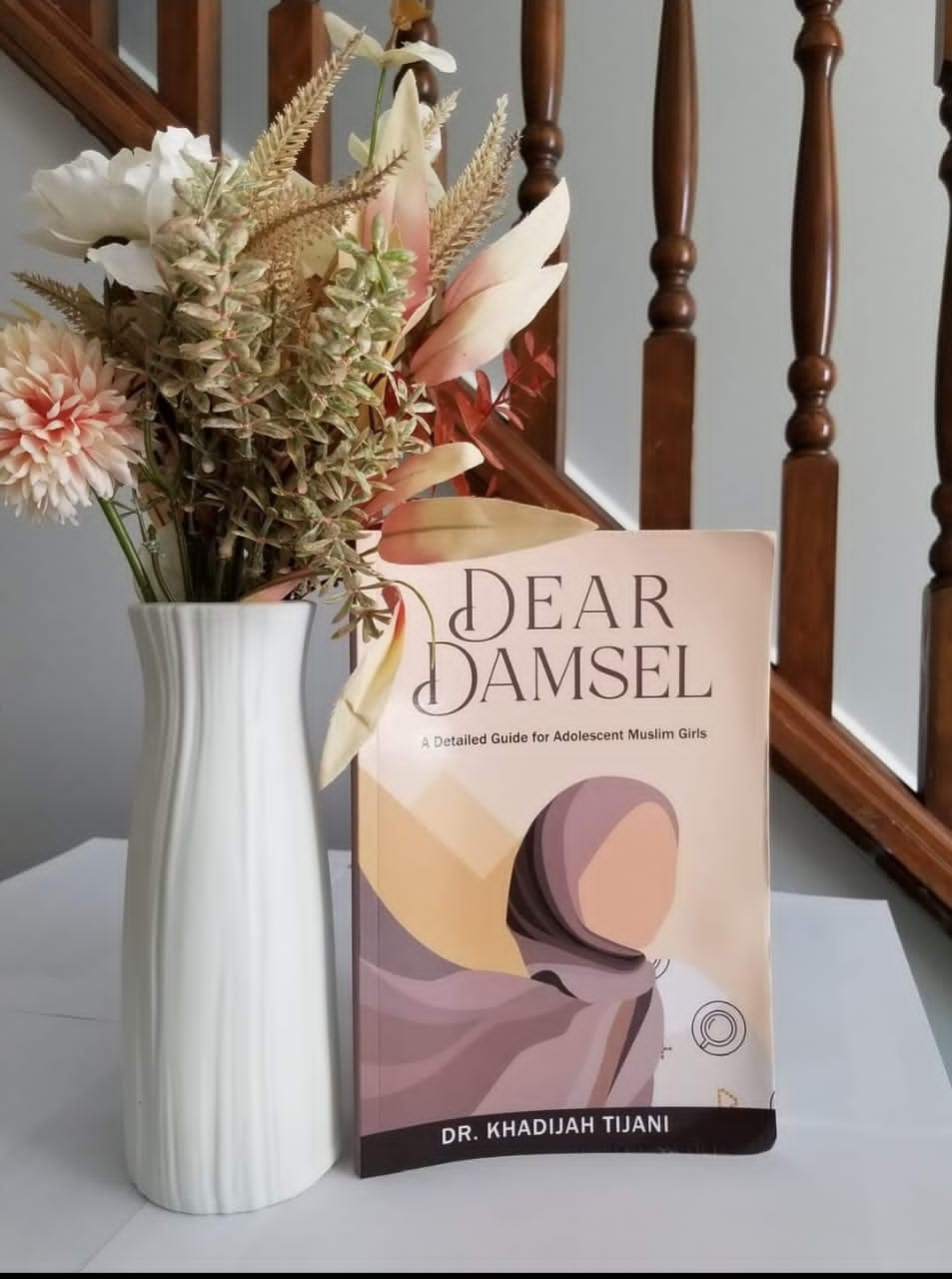
Khadijah Tijani is a medical doctor. She writes from London, Ontario and can be reached through askdoctorkt@gmail.com or @AskDoctorKT.