Opinion

Election safety advice

By Abdurrazak Mukhtar

As the election season draws near in Nigeria, it’s imperative to prioritise one’s safety. Political elections, although crucial to democracy, can often lead to tension and conflict. Thus, citizens must be aware of the potential dangers and take necessary precautions to ensure their well-being.

Safety should always come first, and in times of political elections, it’s of utmost importance. By staying informed through reliable news sources, avoiding large gatherings and protests, and following safety advice provided by local authorities, individuals can take control of their safety during such times.

For instance, it’s recommended to steer clear of crowded areas during demonstrations or political rallies and to dress in a manner that doesn’t identify one as a supporter of a particular political party.

Moreover, respecting the rights of others is a fundamental aspect of ensuring a peaceful and safe election season. Political differences should never be used as an excuse for violence or intimidation, and individuals must refrain from engaging in illegal activities. This not only protects the safety of others but also helps maintain peace and stability in the country.

In conclusion, as citizens gear up for another election season, it’s essential to prioritise one’s safety. By being aware of the potential dangers, following safety advice, and respecting the rights of others, individuals can participate in the democratic process peacefully and responsibly.

Therefore, let’s work together to promote harmony and ensure that the elections in Nigeria are conducted in a fair, transparent, and safe manner, securing a peaceful and stable future for generations to come.

Abdurrazak Mukhtar can be contacted via prof4true1@gmail.com.

Nigerian youth and their quest for high-paying jobs

By: Muhammad Danjuma Abubakar

On the weekend, while scrolling through my phone casually, I clicked on the Google App to open the search box. I stared for a while as I had no question in mind. Although, it is advised that one should have a specific question in mind before attempting to consult the internet; to enable the user to save precious time and better organisation the resources therefrom.

As I was thinking about which question was most relevant to the search, I suddenly typed ‘best paying jobs that can earn me millions’ as my query in the search box. This took a better part of my time for hours as I kept searching through Google – the most admired search engine today, to find out the ‘best jobs’ that could earn a person millions, whether in naira or whatever currency.

The outcomes from the search engine result pages (SERP) could not cease to amaze me.  The more results I got, the greater my curiosity for further searches as I kept re-phrasing the queries.

While on this, I also remembered that our society today is such that it overrates affluence and attaches respect to any ‘rich wheat’ regardless of whether one can genuinely justify the means to its acquisition.

Because of these, most young Nigerians wish, in a resolute manner, to find a professional career in jobs that could offer them huge pay to enable them to build a big house and get a car or cars of choice, among other acquisitions in the shortest time possible. These are society’s key indicators for measuring success in life or otherwise.

Emphatically, it is because of the perceived belief that studying certain courses in the university could translate more in good paying jobs that some parents impress it upon their children to forfeit one university admission for another or go to a greater length such as using monies to get the desired choice of course(s) of study for their children.

In one of my recent articles titled ‘Our Schools, the rots and dangerous implications’, I discussed some of these unfortunate realities and how best to tackle them. That aside.

As I realised further the fact that our youths today do not choose a career or job that aligns with their interests but those ones that pay more, I took my research more seriously as I began to write down the results from my search queries. And at the end, I got massive results from my google searches.

Good-paying jobs could fetch you millions are many. Yet, I was shocked to see that most jobs I had expected to find, considering the perceived potential of the courses leading to those jobs, did not make a list, and those least expected were on the list. How ironic!

Some list of the careers/jobs I expected to find are: Politics, Aeronautical engineering, Pilot, Photography, Data visualisation, Water resources engineering, web development and Planning Officer. Others are shipping and logistics, music, and filmmaking, among others. I did not find any of these.

For clarity, my expectations were well placed. Because for example, politics is one of the most desirous ambitions, particularly in Nigeria, where even a ward councillor easily amasses wealth within his shortest period in office. Most Nigerians, especially those who wish to feel they belong, desire to win an elective office.

 Another notable example is photography. It is estimated that over 20,000 events take place in Lagos State every day, according to the vanguard newspapers report.

Photography has become a speciality that has stood the taste of all times and has proven to be a money-spinning venture. If you must know, politicians of class, businessmen, top government functionaries and blue-chip organisations now have trained photographers in addition to their spokespersons and media teams. This is why even some universities, particularly overseas, now run degree and even higher degree programs in modern Photography. 

Similarly, the job of being an aeronautical engineer or pilot could also be very rewarding. According to statistics from Statista, the number of current active commercial aircraft is more than 25,000 globally, with Africa accounting for 888 of this number, with an annual growth rate of no less than 3.8%.

But, the only very financially fulfilling jobs, according to Google, despite repeated searches, were a Sales manager, Chief executive officer, Financial manager, Software developer, Lawyer, Investment Banker, Negotiations expert, Neurosurgeon, Psychiatrist, Human Resources Manager, Risks Analysts among others.

The best cure for ignorance is a constant search for knowledge. So, I took my research further this time by picking each of these jobs one at a time to ask google again ‘why they were the best-paying job. I wondered, this time, why I kept receiving tips on ‘how to be successful and earn better pay’ instead. 

Put differently. My search results indicated that there are key conditions for you to excel and eventually earn more in these jobs earlier regarded as the ‘most financially’ rewarding. Google listed the conditions to include; passion, staying evergreen through the search for new ideas, and competence, among others.

At this point, it is reasonable to believe that any legitimate job and vocation is a best-paying job and could make you a millionaire when you imbibe certain principles.

Therefore, instead of seeking the best-paying jobs, the youths must rather seek a job that aligns with their purpose and personality in life, seek to become like a ‘bunch of keys’ with broad ideas and creativity in their chosen career and seek to work to learn more, not to earn more; because it is said that, when you work more than you earn; you will later earn more than you work.

Muhammad Danjuma Abubakar lives in Minna, Niger State. He can be contacted via muhammadcares4u@gmail.com.

Philip J. Jaggar: The exit of another giant Hausaist scholar

By Prof. Abdalla Uba Adamu

I first met Philip Jaggar in March 2008 at the School of Oriental and African Studies (SOAS) when I was engaged as the cinematographer for a visit, mediated by the British Government, of Sheikh Dr Qaribullah Nasir Kabara of Kano, to various places in the UK, including the University of London.

While I knew of Jaggar (although never having met him before), the rest of the team was pleasantly surprised by his total command of the Hausa language (and inner city Kano Hausa at that) – and his absolute refusal to respond to any question except in Hausa. The SOAS meeting brought together an impressive list of scholars to receive Sheikh Qaribullah. These included Graham Furniss, Dmitry Bondarev (specialist on Hausa handwritten Warsh Qur’anic manuscripts of Hausaland) and Philip Jaggar himself. It was a very pleasant encounter, full of banter.

My next encounter with him was later in November 2008, when I was commissioned to deliver a lecture at the Universität Hamburg. Jaggar had taught at the university, and I was honoured he attended my public lecture. Only two meetings, but he treated me like a long-lost friend, despite the eleven-year age gap between us. I was also elated when he told me of his interest in my works which at that time were beginning to gain traction in media and cultural studies. It was our last meeting, but very memorable for me due to his simplicity, love for Kano and absolute devotion to Hausa studies. He taught at Bayero University Kano from 1973-1976 and had pleasant memories of his experiences.

Jaggar’s most famous and highly acclaimed book is simply titled Hausa (John Benjamins, 2001). It was considered a classic comprehensive reference grammar of the Hausa language spread over sixteen chapters which together provide a detailed and up-to-date description of the core structural properties of the language in theory-neutral terms, thus guaranteeing its ongoing accessibility to researchers in linguistic typology and universals.

While Jaggar, or Malam Bala as he preferred to be addressed when he was in Kano, was known for his immense contributions to Hausa grammar, I interfaced with his work on the ‘maƙera’/blacksmith industry of Kano. Jaggar was the first to provide a comprehensive study of the blacksmith industry in Kano. His landmark book, The Blacksmiths of Kano City: A Study in Tradition, Innovation and Entrepreneurship in the Twentieth Century (Rüdiger Köppe, Cologne 1994), brought out the honour, dignity, creativity, aesthetics and the technology of the metalworking industry in the heart of Africa. The blurb of the book summarizes this amazing work:

“The present book examines the factors involved in the expansion, during the colonial and post-colonial periods, of a traditional pre-European craft. It discusses the art of blacksmithing in Kano City, northern Nigeria, and its eventual conversion into a modern metalworking industry. In doing so, it challenges the widely-held and simplistic assumption that such traditional professions declined before the economic and technological onslaught of colonialism.”

For me, the book provides a fascinating and ethnographic picture of the industrialization of the inner core city where I spent the early years of my life. It vividly brought to life the alleyways, the people and the entrepreneurial focus of the various wards in the city. This alone is enough to endear a reader to the book, even without the fascinating focus on the blacksmithing industry. I was able to snatch a copy in a bookstore at the University of Maiduguri in 2003 at ₦800 – barely 2€ now, but the publisher is currently selling it for 24€, about ₦12,000.

If, and only if, someone in the policy circles of the Kano State government of the day had taken note of the book, our maƙera would have received a boost and been incorporated into the development agenda of a national creating a synergy between its creative proto-industrialists and modernity.

When he celebrated his 75th birthday in 2020, many of his colleagues paid a lot of glowing tribute to him. Now that he has sadly passed away, those tributes remain etched in stone. He will be surely missed by hundreds of his colleagues and thousands of Hausa students who benefitted, directly or indirectly, from his extensive scholarship on the Hausa language.

Tribute to Philip Jaggar (2020)
https://study.soas.ac.uk/tributes-to-philip-j-jaggar/

About Philip Jaggar
https://study.soas.ac.uk/jaggar-hausa-champion-soas/

Various scenes with Phil Jaggar and the OP, as well as with Sheikh Dr Qaribullah Nasir Kabara’s team

Are deaf people really aggressive?

By Zulkifil Aminu Adam

Over the years, people with hearing loss, primarily those who cannot speak, particularly the uneducated ones, experience the stereotype of being naturally aggressive. And that’s nothing but a misunderstanding that continues to remain despite continuous awareness against it.

The terming of deaf people as aggressive is not only done by ordinary people but also by lecturers, doctors, and even special educators. And as a matter of fact, the absence of a psychological approach in how people reflect on this matter leads them to conclude so grossly incorrect.

Imagine you cannot hear and you cannot talk. And you’re living in a community that has deprived you of the privilege of effective communication and self-expression, given the fact that nobody knows how to communicate with you. So you will surely be lonely and depressed. And then an incident happened where you were maltreated and stigmatised.

Psychologically, people naturally react and respond to treatments directly to indirectly. They speak and complain to defend themselves and their dignity when mistreated. But you’re deaf and can’t open your mouth to exercise self-expression. You can’t say, “I don’t like how you treat me. Please, treat me with respect.” At that point? What would you do?

You will think of what to do to ensure the person who maltreats or stigmatises you learn a lesson. A deaf person has three options: exhibiting frustration or using physical violence to respond to the treatment they received, and the third option is crying. The weak do the last chance because that’s the only thing left for them. They will always look for a language that the people who maltreat them will understand, i.e. crying, showing their frustration, or applying violence.

Deaf people are not aggressive. Instead, they use aggression as a defence, a means of self-expression, or a way of showing their inner disapproval because they often have no other means of communicating their feelings to people who don’t have a genuine knowledge of the deaf or sign language.

As long as deaf people can effectively communicate and have a mutual understanding with a person, the person will surely realise that they are no different from normal people who possess various traits, both positive and negative.

The only thing the Deaf needs from their family, colleagues, and society is attention and understanding. And these two require the presence of effective communication. For this reason, the Deaf continues to spread the knowledge of sign language and continuously create awareness and advocacy, for they know that the most powerful method for eliminating the conflicts between them and normal people is to connect both with the wire of communication. It is to bridge the communication gap that disconnects the two communities. 

I have talked with different deaf children and older ones regarding their stay with their families. All of them expressed a disheartening amount of loneliness and anxiety, the cause of which is the iota of attention they receive at home that is inadequate and depressingly isolating, harming their lives. Yet, at the same time, it stays unnoticed by their family members.

Moreover, when deaf family members attempt to bring it up, they hardly get the attention they expect. Even if they do, once another family member interrupts, that’s always the end of the conversation. Their effort to retrieve the attention that deviated from them to another family member often fails, making several deaf family members give up on discussions with their parents and siblings.

Zulkifil Aminu Adam is a 100-level student at Bayero University, Kano. He can be reached via zulqeepil19@gmail.com.

Improving your immune system during illness seasons

By Aishat M. Abisola

Now that 2023 has begun, we are at a time when it is not uncommon for people to start feeling ill. This can be either physical or mental.

Already, a throat disease (diphtheria) is spreading fast in the North, affecting many Nigerians. Even though this disease can be cured and prevented with vaccines, not many people will be able to gain access to them.

Every single disease in the world works by attacking the immune system without rest, and this is exactly why people need to be more concerned about their bodies. Although the human body is strong, it can still be damaged quite easily, either internally or externally.

Your immune system operates in a very specific manner. It must be strong and complex enough to fight off a variety of illnesses and infections but not so strong that it overreacts to small issues.

It is because of this that we need to be more attentive to our health, especially in times like this. If you look around you, you will see many supplements and products claiming to help boost immunity. However, supporting a healthy immune system is a lot more difficult than just taking a mix of vitamins and minerals packaged into a pill or powder.

From fighting off a cold to flu and then to COVID-19, there are things you can do to help give your immune system what it needs to function optimally, though.

For those who do not have access to vaccines or medicines that can help them boost their immune systems, there are things you can do to help give your immune system what it needs to function properly. None of these methods involves taking supplements.

1. Stay up-to-date on recommended vaccines
If you do have easy access to vaccines, make sure to stay up to date on them. A strong immune system means taking advantage of whatever we are provided with to protect ourselves from harmful illnesses: vaccines.

The human immune system is smart, but vaccines train it to be even smarter by helping it learn how to recognize and fight off certain disease-causing illnesses. Vaccinations make it for your immune system to learn than through infection with harmful germs.

2. Maintain a healthy diet

Just like most things in your body, a healthy diet is vital in maintaining a strong immune system. This means ensuring that sure you eat plenty of vegetables, fruits, legumes, whole grains, lean proteins and healthy fats. These micronutrients include:

Vitamin B6 (Chicken, Fish, Bananas, Green Vegetables and Potatoes with the skin)

Vitamin C (Citrus fruits like oranges and, strawberries, Tomatoes, Spinach)

Vitamin E ( Almonds, Peanuts and Leafy Vegetables)

Zinc ( Red meat like beef, Poultry, Beans, Dairy products like milk)

Magnesium ( Whole Wheat Products, Nuts, Seeds)

Many health experts believe that your body absorbs vitamins better when they come from dietary sources instead of supplements. So, the best way to support your immune system is by eating a well-balanced diet.

3. Exercise regularly

Despite what many may think, physical activity isn’t just for building muscles and helping yourself de-stress — it also plays an important role in being healthy and supporting a healthy immune system.

Exercise helps in mobilising the immune cells that are outside of the bone into the bloodstream, and it also moves immune cells that are already in the bloodstream in the cell tissues. By doing this, immunity surveillance is increased.

It is your immune system’s monitoring process, and exercise helps the immune cells to be more efficient at detecting and reacting to infections. Staying active and exercising regularly is vital for this to occur.

4. Hydrate

When it comes to supporting the immune system, water plays an important part alongside other roles in your body. Blood and lymph have immune cells in them, and they need water in order to flow and circulate in the body.

You constantly lose water by breathing as well as through urine and bowel movements. It doesn’t matter whether or not you are exercising. If you want to support your immune system, replace the water you lose daily with water that you can use. In order to do so, you need to know what your daily water intake is.

5. Get plenty of sleep

When you sleep, it may not feel as if anything is happening, but there are a lot of processes going on when you’re not awake. Knowing how much sleep you should be getting on a nightly basis as well as what to do if you have trouble sleeping, is the best way to give your immune system the best chance to fight off infection and illness.

6. Minimize stress

Chronic stress can have dangerous effects on your health, whether it comes quickly or builds up over time. Stress can either cause major or minor impacts on how well your immune system functions if it leads to sleep disturbances, a tendency to eat less healthy food, reduced water intake, less frequent exercise, and more.

Stress appears differently for everyone, and however way we choose to relieve it is different too. When you take into consideration the effect it can have on your health, it’s important to know how to identify stress. If you want to reduce stress, it is necessary that you get familiar with any type of activity that helps you relieve it, such as deep breathing, meditation, prayer, or exercise.

7. Limit Alcohol Intake

A moderate consumption of alcohol doesn’t have any positive effect on your immune system. Evidence suggests that binge drinking, or having more than four drinks in two hours for women and five for men, impairs immunity.

Alcohol can temporarily increase the number of white blood cells, which fight infections, in your bloodstream, but when your liver clears the alcohol from your system, your white blood cell count falls below the normal amount for at least five hours. If you want to work hard to stay healthy, it is best for you to avoid or limit your alcohol intake.

8. Practice Proper Hygiene

If you want to have a strong immune system, proper handwashing is one of the most important things to keep in mind. All you need is just normal soap and water. You should scrub your hands for at least 20 seconds—the length of singing “Happy Birthday” twice. This is the minimum time needed to significantly reduce the number of microorganisms on your skin.

However, it doesn’t matter how good your handwashing skills are if they won’t help prevent infection unless you know when to scrub up. It is advised that a person should wash their hands before and after any type of risky exposure. This includes after using the restroom, sneezing, or coughing.

Your hands should also be washed before you prepare food, after caring for a sick loved one, treating a wound, or touching any publicly used door handles, knobs, switches, or surfaces. If your hands get very dry after washing, make sure to moisturize them with cream or Vaseline.

9. Use the Right Hand Sanitizer

Hand sanitiser tends to kill most microorganisms, which is the next best thing if you don’t have access to soap and water. Before you use it, make sure to look at the alcohol percentage first. Alcohol (ethanol) is the active ingredient in hand sanitiser, working to kill viruses and bacteria. It is advised to use a hand sanitiser with an alcohol percentage that is greater than 60%.16

The human body requires a lot of care so that it can stay healthy and fight off most diseases (or, at the very least, reduce their effects). If you don’t care for your body, you are just setting yourself up for a very bad experience in the future.

Your body is a temple. Keep it clean and tidy. Prevent it from decay with any method that is available to you.

Aishat M. Abisola is a member of the Society for Health Communication, Wuye District, Abuja. She can be reached via aishatmohd02@gmail.com.

Lawan vs Machina – Explaining the Nigerian Supreme Court

By  Sunusi Umar Sadiq

A few days ago, the Supreme Court of Nigeria delivered a judgment, the most significant outcome of which is the emergence of Alhaji Ahmad Lawan, the current President of the Nigerian Senate, as the All Progressives Congress’ senatorial candidate representing Yobe North Senatorial District in the forthcoming general elections. The public is naturally and expectedly, too, thrown into an abyss of confusion because, for all that is known, Senate President Lawan had obviously relinquished the senatorial seat he has been occupying since 1999 or thereabout when he contested for the APC presidential primaries sometime last year.

Politics is the manifestation of the immaturity of mankind. Politicians across times and spaces have always been very shrewd and crafty. The popular virtues are turned upside down. Selfishness becomes a guiding principle. Deceit and manoeuvre are articles of faith. Self-interest takes the position of justice, and fairness is something that is virtually and practically unknown. The end is all that matters. And anything is to the politician permissible to attain that end.

In a setting such as this, a heap of mess will surely pile up. And in a democratic setting, the unenviable onus of clearing such a mess or at least containing it is placed on the judiciary. And the Nigerian courts, the Supreme Court especially, have been grappling with that onus, coming under public attacks and bashing every now and then.

Unfortunately for judges, they cannot come out to defend or even explain themselves. In this kind of situation, it is the lawyers, as the primary constituents of the judicature, that ought to be the sentries for the hallowed chambers. They should educate the people and enlighten them.

There are two things to consider in order to understand any given judgment: the facts of the case and the issues raised before the court. Without knowing these, the most honourable thing for anyone to do is to remain mute. Let me briefly state here the facts of the case at hand so as to understand the context and reason behind the supposedly controversial judgment delivered by the Apex Court.

For whatever reason, Senator Ahmad Lawan decided to give a shot at the country’s Number One Seat, the Presidency. He bought the presidential Nomination and Expression of Interest Forms. It automatically followed that he had no further interest in keeping his senatorial seat. A Bashir Machina seized the opportunity. He aspired for Lawan’s seat, and on 28th May 2022, the primary election for that seat was conducted, and Machina got it on a platter, some might say.

Some eleven days later, 8th day of June 2022, the APC had its National Convention, and the presidential primary election was conducted. Lawan and twelve other aspirants lost to Bola Tinubu. As a cartoonist depicted it, Lawan had torn himself between the presidency and the senatorial seat. He ultimately lost both. Unknown to the cartoonist and other Nigerians, the Senate President had his Plan B in the closet. In hatching the plan, the APC maintained that Danjuma Manga, the party’s official that chaired and officiated the 28th May primary election, was not authorised to do so by the party’s National Working Committee (NWC). That primary election was therefore cancelled. Another was held on 9th June 2022, less than twenty-four hours after Lawan lost his presidential bid! Nobody needs to be told that there is something amiss and shady here. It is crystal clear that a heap of mess has piled up.

Machina then decided to cry out against this apparent and obnoxious mess. He took his grievances to the Federal High Court of Nigeria, Damaturu Division. He prayed the court, among other things, to hold that the 28th May primary election that produced him was the only legitimate and valid primary election, and the other one that produced Lawan was fraudulent and therefore null and void. And this is the beginning of the intricacy and the controversy.    

The court is the repository of laws. It is the aggrieved party that will trigger the courts to invoke and apply those laws. For the litigant to succeed, therefore, they have to, firstly, be armed with hard facts that can be proved with acceptable evidence. And, secondly, such a litigant must, in ventilating the grievance, approach the court in strict compliance with the procedure provided for doing so. The success of every case depends on these two pillars.

The facts of some cases may be straightforward. The Rules of the Court provide for the commencement of such cases via Originating Summons. In using this mode, no witnesses need to be called. All you need is to state what transpired in an affidavit and present the documents that strengthen the facts in the issue, then invite the court to invoke appropriate laws and apply them to the case.

Some other cases are not this simple, more so when there is a criminal allegation. For such cases in which the facts in issue are contested, the Writ of Summons is the appropriate mode to be used in presenting one’s case to the law court. And whenever there is an allegation of a crime, the standard of proof is that of beyond reasonable doubt. Witnesses must be in court in flesh and blood to be examined, cross-examined and, if need be, re-examined.

From 9th June 2023, Machina’s Legal Team had up to 23rd of that month, a total of fourteen (14) days to build up their case and file same. I could imagine the mental race the team must have undergone to formulate the questions and the issues. Allegation of fraud is easy to come up with because Section 17 of the Penal Code intimates that ‘fraud’ is when one does something with the intent to deceive and by means of such deceit to obtain some advantage for himself or another or to cause loss to any other person.

It is on that ground that Aspirant Machina went to the court challenging the return of Senator Lawan as the Senatorial Candidate and the validity of the primary election held on June 9th. Commencing the suit by Originating Summons is just one of the issues raised. But since the suit failed, the primary election it sought to be declared fraudulent and therefore null and void remains valid, and Senator Lawan consequently remains the rightful candidate.

The Supreme Court is not to blame. If anything, the Supreme Court is the scapegoat. The real culprits are Machina’s co-travellers, and the politicians. After all, it is Machina’s own party that cancelled the primary election he had won. And it is also the party that took the matter up to the Supreme Court to ensure that Lawan remains its rightful and lawful flagbearer. The Supreme Court’s hands are tied as it is a court of law, not emotions.

Sunusi Umar Sadiq is a legal practitioner based in Kano State. He can be reached at sunusiumarandco@gmail.com.

Everyone is unique

By Dansale Aliyu Yahya

Every human in this world is unique. It’s you that will work tirelessly to find your uniqueness, the new version of yourself, and to pass that acquaintance you have to others. So that the whole of today’s world will thank you, and tomorrow’s world will write your name with their running blood.

Expand your mind by reading books. Know how to think critically. Look at everything with two eyes(seeing eye with reasoning eye) and concentrate on your outgrowth. You can do it, and you are the best! Just give it a hack today.

However, one may not succeed in any field without starting(you can never edit a blank page). Procrastination never helps. Don’t think you can do things well the first time you do them. Never think you can super pass your teacher in a single day. Please, give it your little time; it will give you years in return. Learn at your pace(You cannot finish in a day). If you know you cannot do all of it today, do some of it and leave the rest for tomorrow.

The best thing to earn what you want in life is to surround yourself with those that already get it. Because they know the way, they can show the path to follow. You cannot say that you want to be a teacher and are always in the hospital with doctors. The rule is that: if I love money, I must get people with the same dream in my surroundings. When I lose hope, they will give me theirs. We go together; we get together!

In the end, I will say, “please, my buddies! Start dreaming today and never die without bringing something new that will benefit the human world”.

May we live to serve our creator by helping others in and out of our midst, amin.

Dansaleh Aliyu Yahya can be reached via dansalealiyu@gmail.com.

Ƙoƙi and ethnographic slice of Hausa history

By Prof. Abdalla Uba Adamu

I was rummaging through my travel pictures when I came across a picture that I am sure has not been published anywhere. I saw it in a glass case at a ‘corridor museum’ at Universität Hamburg, Germany, on 2nd December 2008. I was excited because of its rarity. It was the picture that I am sure has not seen the light of day almost anywhere. I had vaguely heard about the man from my father, a writer, but did not pay attention then. Now he was there, smiling in all glory and right before me. I decided I would take the picture to show it to my father.

Edit: The man was Muhammad Ƙoƙi, the son of Alhaji Mahmud Ƙoƙi, the Kano Malam. His picture triggered my excitement about his father, Malam Mahmudu Ƙoƙi.

Malam Mahmudu was perhaps one of the most unsung and unknown critical literary figures in Hausa history. You can Google all you can. You won’t find him or his picture. Instead, you will be taken to Neil Skinner’s book, “Alhaji Mahmudu Ƙoƙi: Kano Malam” (ABU Press, 1977). I very much doubt if ABU Press itself has a copy. My copy is in excellent condition (except for a slightly scratched cover) since it was printed on shiny bond paper – and can therefore scan very well. I hesitate to do this for fear of copyright violation. I do wish ABU Press would consider retrieving a copy somewhere and reprinting it.

On return from Hamburg, I started looking for the book – and I was lucky to grab a copy at then ₦550 in January 2009. Now, some 14 years later, you can get a second-hand copy from the online store Abe Books for just $99 (cheap at ₦74,000 in 2023). At the moment, I don’t have any ‘kebura’ around me (since the ASUU strike was suspended!). Otherwise, I would offer mine for ₦50,000 for my copy!

Quite simply, it is a brilliant slice of Hausa history. Most significantly, it detailed the fieldwork done in the collection of data for Bargery’s Hausa Dictionary, whose full title is “A Hausa-English dictionary and English-Hausa vocabulary”.

Although mainly attributed to Rev. George Percy Bargery (1876-1966), an English missionary and linguist, the dictionary had significant input from Diedrich Hermann Westermann (1875-1956), a German missionary, Africanist, and linguist. The dictionary was published in 1934. The printed copy used to be available at ABU Bookshop, where a colleague of mine gifted me one he bought at the huge sum of ₦2,000 in ancient days, almost breaking his bank account!

The book was written/edited by Neil Skinner (1921-2015) at the request of Bargery’s son, Kenneth, to collect recollections of the elder Bargery while in northern Nigeria. Alhaji Mahmudu Ƙoƙi (1894–1976) was Bargery’s Chief Assistant in the preparation of the Dictionary and was the first choice to ask in 1967. As Skinner recollected, “I began recording some of his memories of Bargery. Listening to his vivid accounts of Kano in the first of the century, I formed the idea of putting together from Mahmudu’s lips some account of his own life.”

And what a fascinating life it was. Skinner continued, “As a son of the largest city of northern Nigeria, who had been born into the civil war of Aliyu and Tukur, M. Mahmudu saw the coming of the British, knew Waziri Giɗaɗo and Resident Temple, lived to see the end of the British rule and the Nigerian Civil War and, above all, had close contact with rulers and innovators, both Nigerian and British. He, therefore, seemed likely to have a tale worth recording for younger generation of Nigerians and those with an interest in Nigeria as it was and is. Mahmudu was a spectator of many great events and participant in not a few.”

And what a whirlwind tour of northern Nigeria it was in the early 20th century. Reading the book is like going back in a time machine. Everything was covered: economy, society, governance, culture, everything. As Neil Skinner stated, the book was told by Mahmudu himself – Skinner just edited it. It contained both fascinating and often disturbing details of days gone by. For me, for instance, I was traumatized by his account of the slave trade in Kano. As Mahmudu recalled,

“I used to see slaves being sold – with my own eyes! At Ƴan Bai, on the west of the [Kurmi] market. That was where they used to line them up and sit them down, with their feet sticking out, like this. Then it would be, ‘You there! Get up!’ And he would get up, and we would look him over well from top to bottom and say, ‘Walk a little!’ then he would do so until we told him to come back. He would do so, and we would say, ‘Right, go and sit down’ and put hand to pocket and take out a little money, perhaps a score of cowries or fifteen and give them to him. You would do this, whether you bought him or not. Then, if he saw someone selling groundnuts, he would call her over to get some saying he had been given the price for getting up to be inspected. That is how we have a proverb which says, ‘Tashi in gan ka ma na da ladanta’.”

Based on this disturbing account – in the heart of Africa – I wonder how many of our other proverbs have such creepy and dark origins? If you go to Ƴan Bai in Kurmi market in Kano, now you will only see mats, books and assorted goods.

Alhaji Mahmudu Ƙoƙi provides a rich tapestry of ethnographic details about how the Dictionary was compiled and the fact that the team of Bargery and his assistants insisted on seeing actual objects and their names before recording them. One wished they had an artist with them to sketch out many of the cultural artefacts that have all but disappeared now. It is good that the Bargery dictionary has been digitized and is available free online, thanks to the efforts of Hirokazu Nakamura of the Faculty of Human Science, Department of Human Sciences, Bunkyo University, Japan.

“Alhaji Mahmudu Ƙoƙi: Kano Malam” is comparable to “Baba of Karo” by Mary F Smith (wife of M.G. Smith, author of “Government in Kano, 1350 to 1950” amongst others, and which is available FREE online!). Published in 1954, “Baba of Kano” is an anthropological record of the Hausa people, partly compiled from an oral account given by Baba (1877-1951), the daughter of a Hausa farmer and a Koranic teacher. Baba’s reports were translated by Smith.

Books like these encourage us to seek out our own cultural history – visit those places mentioned, savour their historical aroma and note them as centres of excellence in discovering our past. By the way, Ƙoƙi is a ward in the city of Kano and right on the edge of the Kurmi market. If you are from the area, perhaps you may have heard of Alhaji Mahmudu from his grandchildren.

Don’t forget; this is not a review of the book but a memory jog on the old man, Alhaji Mahmudu Ƙoƙi, whose picture was honoured at a foreign university.

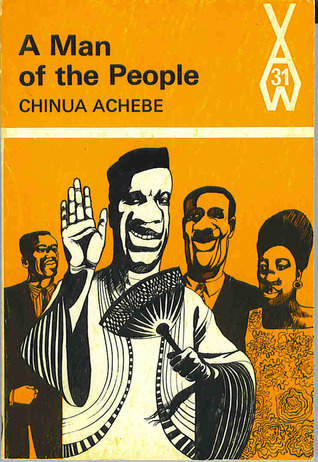
There is a composite collage of the picture I snapped in the Hamburg university museum of the son, the book and the father! as the latter appeared in the book.

Prof. Abdalla Uba Adamu can be reached via auadamu@yahoo.com.

Quick takeaways from the premiere of Manyan Mata!

By Mahmud A. Zukogi

This much-awaited, much-talked-about and star-studded film series, which incidentally will hit your screens today, Saturday, February 11, 2023, at nine o’clock this evening on Arewa 24, was premiered on February 4 at the Film House, Ado Bayero Mall, Kano.

The event, which was graced by the invited guests and Kannywood’s veteran, reigning and emerging stars, was full of the usual fanfare, excitement and expectations associated with the premiere of any new film. The red carpet was lit with beautiful lighting and stars, and guests took turns to pose to the beauty and demand of the evening.

The industry is gradually exploiting the opportunities that film serialisation provides, no thanks to the exciting marketing platform made available by the leading entertainment television, Arewa 24. It is to the eternal credit of the television that such films as Dadin Kowa, Gidan Badamasi, Labarina, Kwana Casa’in, Gidan Danger, etc., have become popular and a must-watch by the teeming audience of the industry. It is obvious, therefore, that the art of film serialisation has gained currency in the industry, and Manyan Mata is coming to compete for space and attention. How it is able to do this will depend largely on the techniques and the staying power of the crew, especially the producer and the director.

Manyan Mata is produced and directed by two of the industry’s iconic duo, Abdul Amart (Maikwashewa) and Sadiq Mafia. What the film brings to the table can be summarised into three: innovation, diversity and topicality of motif. Abnur Entertainment is known in the industry for innovations that have opened a window of opportunities to the core stakeholders, from the producer down to the end of the ladder in the entertainment chain.

The film is highly diverse because of the array of stars it could gather under one roof. As far as the Kannywood industry is concerned, it takes great power, confidence and directing abilities to handle these stars, each with his/her ideals and idiosyncrasies. Thus, if any outstanding star is left out of the film, it could be a result of unavoidable oversight or a logistical glitch. But getting Ali Nuhu and Adam Zango, the northern and the southern poles of the industry, in one set is no doubt speaks of the commendable effort of the producers. Talk of the leading female stars of the industry; name them, and they are all there.

What, then, are the central motifs of the film and which has made it outstanding and a must-watch? The Almajirci question, the girl-child abuse/prostitution and the male overload of the women under the guise of marriage have been juxtaposed to educate, entertain and, most of all, draw public empathy to the raging social issues putting us down as a people.

The premiere opens with electrifying scenes of these social motifs, and this drew great excitement from the audience, who expressed individual understanding and appreciation of the representations in the film and its many expectations.

Veterans of the industry were well represented, ranging from Kabiru Maikaba, Shehu Hassan Kano, Hajiya Saratu Gidado Daso and the like. No less represented were the leading directors in the industry who came to support one of their own. There were expressions of appreciation and critique of the film, which was well received by the directing crew.

Overall, the premiere evening was full of life, excitement, and encomiums for the head of Abnur Entertainment, Abdul Amart, for his creativity and vision.

The greatest oversight is the industry’s inability to tap into the opportunities provided by the university which is next door. As far as the industry is concerned, there has not been a concerted effort to establish the needed relationship between and gown, a beneficial relationship that would help to grow the industry and take it to a whole new level of growth and worldwide visibility.

Strong institutional linkage is desperately needed to grow the art and economy of this under-tapped multibillion-dollar industry. I’m aware that scholars such as the respected Professor have invested so much energy in intellectual research that would have propelled the industry to the worldwide heights it ought to be. Same for Professor Yusuf Adamu, Ibrahim Malumfashi and, lately, Dr Muhsin Ibrahim, who has published widely and recently completed his PhD on a topic related to the industry at the University of Cologne.

Yours sincerely and his colleagues were only there in their individual capacity and not on institutional representation, which shouldn’t be the case.

It is thus necessary and about time that this costly oversight is remedied. The industry needs to open up and embrace change, and the best way to do this is to key into the opportunities they stand to gain by establishing a solid relationship with the university to improve its art and human capacity. I also believe this should be a two-way process, so the university should take the industry into confidence and dispel its image of unapproachability.

Mahmud Zukogi can be reached via mabuzukogi78@gmail.com.

Lee Kuan Yew and African leaders: A comparative note

By Muhammad Muzdaleefa

Founding leaders of nations matter. A country’s founding moment is often a make-or-mar moment in the life of the country. The trajectory on which the founding leadership sets the country, as well the power of their founding example, often defines and determines the future course of events way past the founding generation. Founding precedents tend to have an exceptional degree of endurance, because founding leaders command a kind and degree of legitimacy and license that is exceptional and which gives them and their example and precedents a special status and the propelling force of path dependency in their country’s history.

George Washington’s founding example, of not offering himself up for election again after serving two terms as (first) president of the new republic, even though nothing in the US constitution at the time imposed term limits on an incumbent president, initiated a tradition of American presidents not going beyond two terms; a tradition that remained in place until Franklin Delano Roosevelt breached it in the 1930s/40s, causing it to be restored by constitutional amendment. Additionally, the contemporary trajectory of American federalism, including the enduring fault lines in its politics, can be traced back to the Federalist/anti-Federalist split in the founding generation; between the Hamiltonian (strong federal/center) and the Jeffersonian/Madisonian (strong states) visions.

The death of Lee Kuan Yew, the founder of modern Singapore and its prime minister from 1959 to 1990 (then senior minister after that), has brought the usual apologists of autocratic rule in Africa out of their holes, doing what they do best: making all manner of inapt comparisons and prophecies of “what would have been” had one or the other favorite African autocrat been allowed to rule for as long as Lee Kuan Yew did. There is the implicit suggestion that similar longevity in office would have turned Lee’s African contemporaries into a Lee Kuan Yew or transformed their African states from Third World to First. It is a fanciful thought, one not borne out by the record.

First of all, Africa’s first generation of autocrats did, in fact, stay in power for very long periods. Nyerere, Kaunda, Banda, Houphouet Biogny, Mobutu, Bongo, Senghor, all were in power continuously for nearly three decades. And many current ones, including Mugabe, Museveni, and Biya have equaled or broken the record. None has managed any transformation of the Lee Kuan Yew kind, except in the opposite direction. So, the difference between Lee Kuan Yew and his African contemporaries was not just a matter of longevity in power, it was far more than that. Time itself is a value-neutral resource. It is what you do with the time you have that determines the future course of events. Africa’s autocrats did very different things with their time in power than Lee Kuan Yew did with his. They were bound to reap different results.

Second, while Lee Kuan Yew was an authoritarian leader, he was not an autocrat. It is an important distinction. Lee built and worked through institutions. He did not destroy the rule of law. Lee’s government passed and enforced draconian laws, but arbitrary and personal rule did not displace government through institutions, rules, and procedures. Lee also assembled and worked with a solid team (the first group of which is featured in the book “Lee’s Lieutenants”). His was not a one-man project; he was captain of a team. Lee’s Lieutenants brought to the table a complement of talents and abilities that Lee, as leader, effectively harnessed and synthesised into a shared vision. There was no “Lee Kuan Yewism” to which all were obliged to swear allegiance or else. And while Lee Kuan Yew did not like or think much of his opposition, he never declared a one-party state. His party contested elections and won those elections repeatedly. The franchise was not aborted. Nor were opposition parties. Absence of electoral turnover is inconsistent with competitive parliamentary politics. The Liberal Party’s overwhelming hold on power in postwar Japan is a case in point.

Lee Kuan Yew ruled for as long as he did, in part because he did not replace Singapore’s Westminster parliamentary system with a presidential system. The title “President” apparently had no particular allure for the supremely self-confident Lee. He was happy to be a “mere” prime minister, which meant that, as long as his party continued to win a majority in parliamentary elections and he retained his own seat and leadership of the party, he was free to remain prime minister. Term limits have been traditionally associated with presidential systems, not parliamentary systems. Today, his party remains in power, even if its electoral strength has diminished over time.

Lee’s contemporaries in Africa, on the other hand, moved quickly to replace their parliamentary systems with presidential rule. It was one step on the road to autocracy. It freed them from accountability to their party, to cabinet, and to parliament. From that foundation, other blocks in the autocratic project fell into place.

There are many other ways in which Lee Kuan Yew and his African contemporaries were fundamentally different. They, like Lee, did not care much for human rights, free speech, free press, and the like. Lee Kuan Yew believed in “Asian values”, not “Western democracy”. And his African contemporaries too defended their own idiosyncratic versions of African exceptionalism. But that’s pretty much where the similarities end.

Instructively, Lee Kuan Yew recalls telling himself, after a 1964 visit to Africa that took him to 17 countries, “I was not optimistic about Africa”. Lee said. And while in Lagos in January 1966 for the Commonwealth Heads of State conference, Lee again recalls, after observing the Nigerian government at work: “I went to bed that night convinced that they were a different people playing to a different set of rules.”

Nothing is gained, except more of the same escapism and revisionism that keeps us stuck in the counter-developmental past, by trying to cast one or the other African autocrat in the mold of a Lee Kuan Yew. We have had no Lee Kuan Yews. Not that we need or must have one. But, well, just saying!