Opinion

As bandits relocate to Taraba and the Plateau 

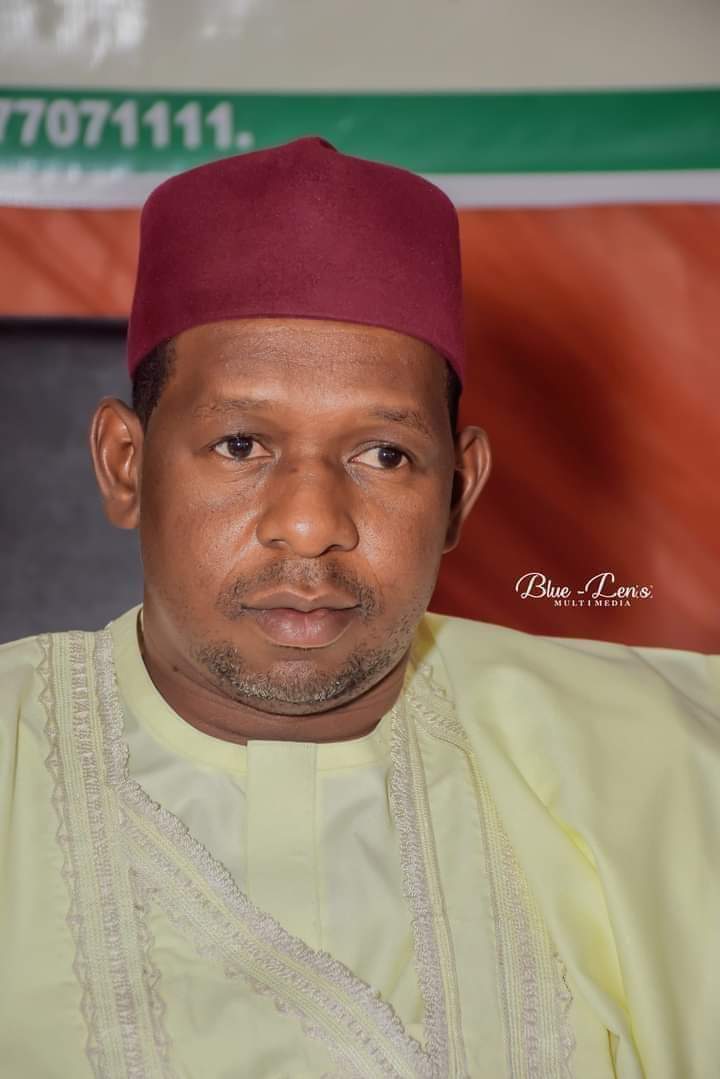
By Zayyad I. Muhammad

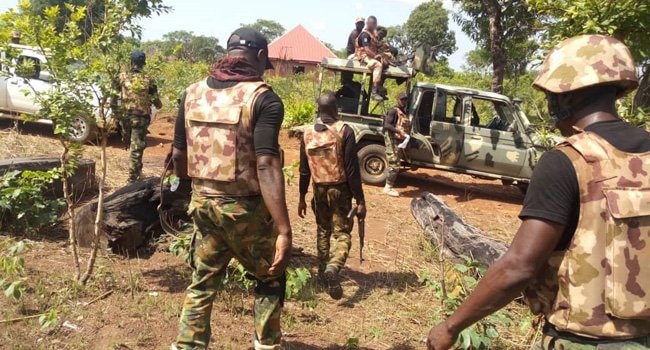
Recently, the media have been awash by the news of bandits’ attacks in Taraba and Plateau states. On November 24, 2023, it was reported that gunmen in their numbers attacked and killed 20 people in the Yangtu Development Area of the Ussa Local Government Area of Taraba State. In the early hours of Tuesday, December 19th, 2023, other gunmen attacked the Pupule community in Yoro Local Government Area of the same Taraba state, kidnapped Umaru Nyala, the chief of Yorro chiefdom, and also abducted 22 other people.

The Taraba State police command and other security operatives killed over 50 bandits terrorizing villages along the corridor of Bali Local Government Area on Tuesday, November 28th, 2023. On the other hand, on Wednesday, December 27, 2023, a group of bandits stormed the Gondon Maliki weekly market in Taraba State, kidnapped scores of people, and carted away food and wares using motorcycles.

The Sultan of Sokoto, Alhaji Sa’ad Abubakar III, while condemning the gruesome murder of over 100 people in the Plateau, said, “The bandits seem to be ahead of the government.”

To be fair to all the Nigerian security operatives, they’ve done an excellent job in the Northwest states of Zamfara, Kaduna and Katsina, in facing the menace of the bandits. These states have witnessed a visible improvement in security in areas being terrorized by the bandits, and the Abuja-Kaduna highway is secured while the Niger axis is a little bit silent.

It appears that the military onslaughts on the bandits and other terrorists have killed many of their leaders, and they have dispersed to the Northeast axis and some parts of the Plateau. Why did the bandits settle in these areas, especially the Northern parts of Taraba State – Yorro, Lau, Jalingo and Ardo Kola local government areas? Is it due to its topography, location or economy? Taraba State is among the poorest states in Nigeria but rich in agriculture and forestry. Probably the bandits found solace in Taraba due to its uniqueness in geography and agricultural activities. Furthermore, the Cameroonian mountains, which stretch almost to the entire Northern and Southern parts of Taraba, linking the state with the River Niger, will certainly provide a hiding place for criminals, bandits in particular.

The only way of this menace is for the state, federal and local communities to work together; collaboration is key to security management. For example, at its 8th and 9th meetings held in Maiduguri, the Borno State capital, on September 9th, 2023, and in Yola, the Adamawa State capital, on November 24th and 25th, 2023, the Northeast Governors’ Forum expressed its concern about the new dimension of the growing banditry in Bauchi, Gombe and Taraba states, and this may be as a result of the concerted efforts of the military on neutralizing the bandits from other parts of the country. The governors called on the federal government to intervene and promised to work with and support all security agencies.

Managing security in a vast country like Nigeria with inadequate modern technology for security management can be very difficult, and our security operatives cannot be everywhere and anywhere at the same time. So what is the solution?

The re-invigoration of the kinetic and non-kinetic security approaches by the Office of the National Security Adviser (ONSA) has resulted in many successes and breakthroughs; however, more intelligence gathering is needed; community engagement and direct communication with the bandits should be employed. In community engagement, the model being used by the Governor Ahmadu Umaru Fintiri-led Adamawa state government in tackling farmer-herder conflict should be adopted; the community should be made to feel part of the solution in security management, thus providing intelligence and also being a watchdog for security operatives without being endangered.

Secondly, the reported ongoing ‘soft approach’ should be sustained and, indirect communication with the bandits. Most of them now also use social media; thus, a kind of smooth operation should be launched by the ONSA and other relevant bodies to recruit people who speak the languages of bandits to send convincing messages to them on the ills, disadvantages and evils associated with their dangerous ‘trade’ while showing them the beauty and benefits being enjoyed by their ‘kind’ who adopt normal lives, go to school both western and religious, but still maintain their culture, beliefs and inherited legal trade.

Furthermore, radio and TV are also tools to reach the bandits, as satellite TV and solar power technology have now made it possible to watch or listen to the world, wherever one is – bandits, hiding in thick forests, use solar power and satellite technology to charge their phones, watch TV and listen to the radio. Above all, justice and fair play by those in power in providing the basics of life and alleviating poverty and ignorance away from these bandits will surely assist a lot in reforming them back to society.

Zayyad I. Muhammad writes from Abuja via zaymohd@yahoo.com.

The hidden reality of life in Europe

By Aminu Mohammed

This article was inspired by a recent post by Dr Muhsin Ibrahim on Facebook regarding money belonging to someone named “Hassan Idris” sent through his PayPal account. Muhsin made the post asking the person to identify himself by sending him a message. However, soon after, he was inundated with messages from people seeking help in various forms. Some even asked him for money, assuming he had won a lottery or had ample cash stocked somewhere.

This issue not only worried me but also made me sad about the attitude of our youths. So that you know, I also live in Germany. I am yet to fathom the reason for the sudden influx of requests based on a Facebook post. Is it desperation, greed, ignorance, or the belief that money grows on trees in Europe?

I have thought about this issue and wondered why this behaviour occurred. Is it that the economic situation in the country has impoverished a large segment of society, making people desperate and in dire need of free money? What could be the reason behind this attitude?

I want to make it clear that I am aware of the difficult economic situation in Nigeria due to inflation and other factors. I also understand that there are genuine people who are in dire need of help and who reach out to Muhsin for support. However, I want people to know that just because Muhsin lives and works in Germany, it does not mean he is rich.

The Untold Story About Europe

Europe is often seen as a paradise with streets paved with gold and abundant wealth. However, the reality is different. Life in Europe is not as easy as it seems. Homelessness and begging are common in countries such as France, Italy, the Netherlands and the United Kingdom. In London alone, at least 167,000 people are homeless due to the high cost of living. Comparably, a great number of immigrants, among them Africans, are stuck in Europe and unable to return home because they are afraid of what is ahead.

 Although the standard of living is high in Germany and the government provides stipends for jobless citizens, there are still poor people, beggars and homeless people in the country. In my former city, Kiel, I have seen people sleeping in public buildings and bank corridors, even during the harsh winter months. I recently saw a naked woman amongst the homeless folks at the Hamburg Central Station, probably suffering from mental illness. It was heartbreaking.

Despite these challenges, there are still opportunities for people with relevant skills to excel and succeed in Europe. Even without a university education, one can live a good life in Germany by being disciplined and hardworking.

Rising Living Expenses

The ongoing war between Russia and Ukraine has brought about significant economic changes in Europe, particularly in Germany. As a result of Germany’s reliance on Russia for affordable energy, particularly gas, to power its numerous industries, the country has been severely impacted. Germany had to look for alternative gas sources, mainly from Norway and the Middle East. This has led to an increment in energy costs and subsequently affected the cost of living and production.

The high cost of living has affected many families, with numerous individuals struggling to pay their bills monthly. The rat race has worsened, and many people live paycheck to paycheck. Groceries and the prices of other goods have doubled or, in some cases, even more. This is in addition to an increase in rent, energy, water bills, etc.

2024 Goals

It is an incredible experience to step out of your comfort zone and explore new places in life. However, before travelling to any country, please conduct thorough research and set reasonable expectations. Life is not always easy, but you can succeed with diligence, perseverance, and hard work.

Set your goals for this year, and take concrete steps to achieve them. Additionally, aim to acquire new digital skills to increase your earning potential. I wish you the best as you enter the New Year with renewed energy and determination.

Aminu Mohammed wrote this article from Ingolstadt, Germany. He can be reached at gravity23n@gmail.com.

The Three Musketeers and the Last of the Mohicans

By Prof. Abdalla Uba Adamu

It is not every day that a series of coincidental events converge. Like the passage of Haley’s Comet, these events happen only once in one’s lifetime. I am eternally grateful to Allah (SWT) for enabling me to witness one of these coincidental events. 

While still in active service in the university, where I have been for the last 43 years, I feel fulfilled that three of my students who became my colleagues and friends in the Department of Education have now become Vice-Chancellors in the same period within three years of each other. These are Prof. Sagir Adamu Abbas (VC Bayero University Kano, 2020), Prof. Abdulrashid Garba (VC, Khalifa Isyaku Rabi’u University Kano, 2023) and the most recent, Prof. Muhammad Ibrahim Yakasai (VC Sule Lamido University, Kafin Hausa, Jigawa State, 2023). 

During their career development, I nicknamed them “The Three Musketeers” because of their closeness to each other, coupled with the almost military approach they adopted to their career. They started their doctoral studies at the same time, finished at the same time, rose and became professors at the same time! Each was highly focused with a target in mind. Each has proven his mettle scholastically – with each spending extended periods as a Visiting Professor in foreign universities. The research area of each of them was truly a contribution to knowledge in the discipline. 

The term I chose to describe them is based on characters in a novel by Alexandre Dumas in 1844 called “The Three Musketeers”, which describes the adventures of three-foot soldiers who were close pals. I consider myself part of them because they are individually my friends. And these three Vice-Chancellors are really close, not just as professional colleagues but their families are also close. 

Of course, besides myself, they had other tutors in the Faculty of Education (Bayero University Kano). Still, I am the only one remaining out of all those who tutored them since all the others have retired. I am, therefore, the Last of the Mohicans (another literary reference, this time to James F. Cooper, 1826) and had the unique opportunity of seeing his career convergence in December 2023 when Prof. Muhammad Ibrahim Yakasai was appointed the Vice-Chancellor of the Sule Lamido University, Kafin Hausa, Jigawa State. 

It is a rare opportunity to see a celebration of such success, humility and friendship in each of them. Allah Ya taya su riƙo, amin.

NYSC: A case of poor data management

Ishaka Mohammed

In a recent report by DAILY NIGERIAN, a reporter called Umar Audu worked under cover and obtained a degree certificate from Cotonou in Benin Republic within six weeks instead of four years, and the National Youth Service Corps (NYSC) mobilised him for the mandatory national service. 

Although the report contains a lot of disturbing revelations, only one thing surprises me. The said Umar Audu is a genuine graduate in mass communication who participated in the NYSC scheme from 2018 to 2019. Yet, the agency mobilised him again in 2023 and captured his fingerprints without catching him for multiple registrations. It’s scary to realise such poor data management in a scheme which, since its creation, has been headed mostly by high-ranking military officers.

Concerned Nigerians have discussed the benefits of data harmonisation and the effects of its neglect. One of the numerous consequences of scattered data in Nigeria is the presence of people receiving multiple salaries from government ministries, agencies or departments. This is widespread in the same country where millions of citizens, regardless of their qualifications, battle with unemployment, hence suffering from poverty and hunger. With a standard database management system, the suffering of Nigerians can be reduced significantly. 

I sometimes wish that Nigeria would be a country with mandatory registration of children at birth. I dream of a country where every birth certificate would contain the bearer’s national identification number (NIN), which would be the chief of the eligibility criteria for free or affordable basic and secondary education, SIM registration, admission to tertiary institutions, employment, visa or passport application, etc.

I imagine a nation with a central database management system which makes everybody’s identification number and fingerprints verifiable. My ideal country is where every government ministry, agency or department can verify anyone’s date of birth, level of education, employment history, etc., using the person’s fingerprints. With all these in place, it would be impossible for one to simply outsmart a federal government agency just like Umar Audu did.

By the way, I commend everyone involved in that investigation. Stories of illegal Cotonou degrees can no longer be called baseless rumours. I’ve heard of similar racketeering in Kogi State but have yet to obtain any tangible proof.

Senator Rufa’i Hanga: A mark of representation with difference

By Mansur Hassan, PhD

Senator Rufai Sani Hanga, the esteemed representative of the Kano Central Senatorial Zone, has made an indelible mark on the political landscape with the construction of an unprecedented constituency office – a pioneering initiative in northern Nigeria.

As the Deputy Minority Whip in the red chamber, Senator Hanga recognizes the paramount importance of serving his constituents. Beyond the legislative responsibilities, he has demonstrated a commitment to actively listening to the needs of the people he represents, ensuring their voices are heard in the corridors of power.

The recently built largest constituency office stands as a testament to Senator Hanga’s dedication to fostering development and enhancing the lives of those he serves. This state-of-the-art facility not only symbolizes progress but also serves as a hub for engaging with the community, addressing concerns, and strategizing on impactful legislative initiatives.

What sets Senator Hanga apart is not just the physical structure of the constituency office, but the comprehensive vision he brings to his role. Alongside the office inauguration, he has unveiled plans to launch a series of developmental programs. These programs are poised to uplift the socio-economic conditions of the people in Kano Central, showcasing a holistic approach to representation.

In an era where effective governance requires more than just legislative prowess, Senator Rufa’i Hanga emerges as a beacon of leadership. His dedication to bridging the gap between the government and the grassroots is commendable and serves as an inspiration for other political leaders.

As we applaud Senator Hanga’s achievements, it is imperative to acknowledge the collaborative efforts of key figures like H.E. Abba Kabir Yusuf and Madugun Kwankwasiyya Senator Dr. Rabi’u Musa Kwankwaso. Their collective commitment to the welfare of the people reinforces the idea that progress is a shared responsibility.

In conclusion, let us extend our well-wishes with a resounding “Long live Senator Rufai Sani Hanga!” May his leadership continue to illuminate the path toward a brighter and more prosperous future for the people of Kano Central Senatorial Zone.

Dr. Mansur Hassan is a Senior Lecturer, in the Department of Mathematics, Yusuf Maitama Sule University Kano

Kannywood movie review: The Princess of Galma

  • Director: Muhammad Galadima
  • Producer: Ali Saidu Worthme
  • Company: Jammaje Productions
  • Language: English
  • Release Date: 26th December, 2023
  • Cast: Hajara Yusuf, Magaji Mijinyawa, Abba Zaki, Billy O, Tijjani Faraga, Mustapha Musty, and others.

The Princess of Galma is another ‘Kannywood film in English’ from the promoter of the genre, Malam Kabiru Musa Jammaje, who has produced a few others before. The film was screened during an annual event, ‘Jammaje Day’, attended by hundreds of English language enthusiasts. Jammaje seems to have made the event a new way for showing his English movies as the attendees clearly make the audience he targets.

Despite its glorious title, The Princess of Galma is neither a historical drama nor an epic adventure. It’s a regal fiction set in a contemporary, fictitious kingdom, Galma, where King Ahmadu (Magaji Mijinyawa) suffers from a serious illness. The film begins with King Ahmadu’s illness, which caused widespread concern in the kingdom. His only daughter, Princess Nafisa (Hajara Yusuf), is deeply worried about her father’s deteriorating health condition. 

Meanwhile, the kingdom’s cabinet deliberates on the succession dilemma, as tradition dictates that the one who marries the princess inherits the throne. This makes Waziri (Tijjani Faraga), a cabinet member, send his son Sahabi to propose to the Princess. But she promptly rejects him despite his being a royal son and the most handsome young man in the Kingdom. The ensuing drama unveils Waziri’s struggle, the princess’s personal choice, and more…

Although the plot has its share of clichés, it maintains a reasonable flow, ensuring no dull moments throughout the story. But the screenplay runs too fast to a hasty finish. It would have been better if it had more scope, especially for Waziri’s secret schemes and the Princess, who suffers magic afflictions.

Beyond its regal and romantic themes, the film emphasises the healing power of prayers. We see how the prayers heal the king after everyone has begun to despair. It also highlights the prevailing theme of good triumphing over evil, as depicted in Sahabi’s loss of the princess despite his father’s magical attempt to acquire her. Besides, it also subtly addresses big security challenges in northern Nigeria.

The film also tries to be brim-full of cultural showcase but falls short of capturing the intrinsic value it truly deserves. It lacks the seriousness and dramatic intensity expected in a movie of its genre. The technical aspects are also average. A film like this should be carefully produced with a considerable budget to get the required impact. 

However, the English usage is generally flawless. The dialogue is captivating, and the actors deliver their lines remarkably. A few scenes were rendered entirely in the Hausa language, with others having lots of code-switching and mixing to accentuate comical effects and cultural representation.

On the other hand, all the actors try to pull off a good performance, especially Hajara Yusuf, who perfectly fits the role of Princess Nafisa and delivers her lines effectively. Abba Zaki leaves an impression in a brief role as the man of Nafisa’s dream. The scenes where he expresses his love for her captivate the most. Also, Billy O. gives a very real performance, similar to Malam Abdulhadi. The comic gestures he portrays get the audience laughing throughout.

Finally, The Princess of Galma qualifies as a worthy addition to Kannywood’s archive of English movies. It has little novelty but offers much to keep you glued to the screen. I commend the efforts of the director (Muhammad Galadima) and all the cast and crew members. Rating: 3/5.

Reviewed by Habibu Maaruf Abdu

habibumaaruf11@gmail.com

Does internet help in medical treatment?

By Aliyu Nuhu

I saw a post by a friend advising people not to check their symptoms on internet and should go to hospitals for all their complaints. He was partially correct, but wrong in underestimating the power and importance of internet-based knowledge.

Medicine recognizes home treatment for non emergency medical conditions. But there is a caveat that you should consult a doctor if symptoms persist or get worse.

Always remember that doctors themselves know a lot about their speciality, but they also know little in a vast ocean of knowledge in other fields of medicine. You can know better than them if you choose to read.

My son was given about fifteen medications to take after heart surgery. But because I have knowledge of the disease and drug options,I was able to engage the doctor and at the end the drugs were reduced to four. Take note that I did not reduce the medication on my own. I only used my knowledge of pharmacy to engage the doctor and get him to reduce them himself. Some of the drugs were to be taken for few weeks and to be discontinued. Some were doing the same job and one of them has to go. Some were to alleviate symptoms, and if the child didn’t have the symptoms what was the need for them? Some were for pains from surgery and if the wound was healed there was no need for them. I once educated a doctor for asking a child to take calcium for bone strength, but he obviously didn’t know that the body would need vitamin D to successfully process calcium. Medicine is so vast that doctors must also read the internet to keep abreast.

There are treat-at-home symptoms you can learn from internet. I successfully treated myself for common illnesses through internet and over the counter medications. Why should I for instance go to hospital to treat nail fungus? You are your own best doctor. Arm yourself with knowledge before approaching your doctor.

There are symptoms that you know you need professional help. You know the red flags for potentially life threatening symptoms. When you can’t breathe you don’t need anyone to tell you to rush to get medical help at the hospital. When you have severe headache and other symptoms you never had before you should know that you need an immediate medical emergency.

I know when to see a doctor. The important thing for you is to also know when to see your own doctor. Even when meeting with my doctor, my vast knowledge of medicine prepares me for drug options and procedural choices. Internet makes you even choose the right doctor. If you have blood in your urine check for the possible causes. The regular GP may not detect if your condition is postate cancer. Oncologist knows what other tests to do and confirm if you have the condition. If you have shortness of breath, painful arm, etc, the cardiologist is the person that will know that you need angiogram to know if there is blockage in the circulatory system.

We have good doctors no doubt but always know that we have imposters, some that did not even read medicine in the university. Our hospitals are populated with half-baked professionals that only knowledge could save you from their deadly mistakes.

A whole teaching hospital treated a relative of mine for cerebral malaria when she actually had tuberculosis of the spine. My son was diagnosed with truncus ateriosis when in actual fact he had tetralogy of fallot. Without internet I would have been lost. However, a careful check gave me better understanding of the symptoms and led me to the right laboratory that identified the right disease. Internet led me to the right doctors abroad.

It will be suicidal just to rely on doctors without having elementary knowledge of your symptoms and treatment options. Drugs have side effects and also, interaction issues with other drugs or foods. If you don’t read you won’t know. Your doctor is human and has many patients and will not have time to educate you. Educate yourself. Knowledge is not only power, but in medicine it can be a life-saver.

Aliyu Nuhu writes from Abuja, Nigeria.

A personal tribute to Ghali Umar Na’Abba

By Amir Abdulazeez

Sometime in 2006, I walked into the famous Gidan Akida building, the then-Kano State headquarters of the Advanced Congress of Democrats (ACD), a new party formed by the breakaway PDP faction. I was there to inquire about how lowly-placed people like us can actively participate in the development of the party. The State Public Relations Officer told me that I have the option of choosing to belong to any of the four main houses within the party: Muhammad Abubakar Rimi, Malam Musa Gwadabe, Alhaji Gwadabe Satatima and Ghali Umar Na’Abba.

When the PRO heard that I cherished them all but wanted to work in the Na’Abba camp, he congratulated me for working under a disciplined, courageous and principled politician. Unknown to him, I had already known Ghali Na’Abba some ten years before, maybe earlier. Apart from being too young to know much about the other three political leaders practically, I have taken time to follow the stewardship of Ghali Na’Abba as the Speaker of Nigeria’s House of Representatives for the better part of 1999-2003. 

In that same year, 2006, Na’Abba was declared for the Kano State Governorship. I was genuinely convinced that if elected, he would make Kano one of Nigeria’s most disciplined and organised states. His discipline, confidence and organisation have often been misunderstood as arrogance. On this, he has cleared the air on many occasions. From what I know of him, he was a man of few words expressed only when necessary; he has a gentle and reserved personality, which makes him never delve into affairs that don’t concern him. 

I remember working with like-minds to engage in one of the best intellectual mobilisations any young undergraduates could do to garner support for Na’Abba to become Governor then. Unfortunately, he withdrew from the governorship race some weeks before the Action Congress (AC) primary elections. This new party was the product of a merger between ACD, Bola Tinubu’s Alliance for Democracy (AD) and other groups. Ghali’s withdrawal speech wasn’t detailed, but his arguments were that the process was too manipulated for any honest and disciplined aspirant to withstand. I think that was the last time Ghali contested for any position in his political career.

Ghali Umar Na’Abba was more than a political figure—a beacon of integrity, courage, and unwavering dedication to Nigeria. As a former Speaker of the House of Representatives, his legacy resonates far beyond his political tenure. Na’Abba’s commitment to democratic values and principles shaped the course of Nigeria’s political landscape. His leadership during a critical juncture in Nigeria’s history marked him as a staunch advocate for transparency and accountability.

Beyond politics, Ghali Na’Abba was a symbol of resilience and fearlessness, unafraid to challenge the status quo for the betterment of his nation. His vision for a prosperous, united Nigeria was evident in every action and word he spoke.

Na’Abba’s tenure as the Speaker of the House of Representatives marked a significant chapter in Nigeria’s political history. He was known for his principled stance and his assertive approach to upholding the legislature’s independence and separation of powers, particularly in the face of President Olusegun Obasanjo’s bullish administration.

The Fourth Republic in Nigeria was still in its infancy when Na’Abba assumed the role of Speaker. With the country transitioning from years of military rule to a democratic system, the political landscape was rife with challenges. However, Na’Abba brought to the forefront a blend of experience, political acumen, and a commitment to legislative oversight. He staunchly believed in the autonomy of the legislative arm of government and its pivotal role in checking the excesses of the executive. This belief set the stage for numerous clashes between the National Assembly, under Na’Abba’s leadership, and Obasanjo’s administration.

Obasanjo could not have the audacity to unleash his anti-democratic tendencies until Na’Abba left the Speakership in 2003. Every Nigerian who witnessed the two tenures of Obasanjo (1999-2007) will testify to this. During his tenure, Na’Abba led the House of Representatives with a firm hand, asserting the legislature’s independence and challenging executive actions deemed against the national interest. One of the notable confrontations arose from the legislature’s insistence on its oversight function. Na’Abba’s House of Representatives was resolute in investigating various issues, including allegations of corruption within the government, regardless of pressure from the executive arm.

Sadly, today’s many young political followers did not have the opportunity to witness and be inspired by the era of great and principled leaders like Ghali Na’Abba. They are unlucky and unfortunate to find themselves supporting reckless crooks and shameless greedy people who have turned them into sycophants, social media warriors and other roles that have kept them perpetually stupid. These are some of the reasons that have kept Na’Abba on the sidelines since 2007. 

Since 2007, whenever Ghali has attempted to reactivate his participation in Nigeria’s political landscape, he has immediately realised there is no space for disciplined people like him. Rather than adjust and follow the trend, he simply retreats and faces his private issues. He had always chosen integrity over selfishness. In 2011, his house was burned down in Kano by hooligans because he supported President Jonathan. I have never heard him complain publicly about this treatment meted out to him by his people. As always, he was calm, reserved and simply forged ahead. That was how he permanently minded his business away from the murky, dirty and irresponsible waters of Nigerian partisan politics.

Today, 27th December 2023, we have lost Ghali Na’Abba, a few months after turning 65 and almost exactly one year apart from the death of his mother, another woman of trust, integrity and kindness. May Allah have mercy on them both. His legacy lives on as an inspiration to current and future leaders. Ghali’s contributions to Nigeria’s democratic journey will forever be remembered and cherished, a testament to the enduring power of principle-driven leadership.

At a point when Kano’s reputation soared by the Salisu Buhari Toronto certificate scandal, Ghali Na’Abba, his successor as Speaker, worked diligently to give the state a good name nationally and even globally. His active career was short-lived, but he managed to enter the comity of the political all-time greats in the history of Kano State. It now remains to see how the current custodians of the state will work to have his name honoured and legacies preserved. 

After surviving numerous blackmails, countless threats, and several impeachment attempts as Speaker, President Obasanjo later ganged up with his foot soldiers and garrison commanders in Kano to deny him a return to the National Assembly in 2003. First, they failed to stop him from getting the Kano Municipal PDP ticket, and then they later ganged up to work against him and their own party in the General Elections, and they succeeded. The fall of Ghali Na’Abba marked an abrupt end to the era of Legislative Independence and Political courage in Nigeria.

Twitter: @AmirAbdulazeez 

“No one ever makes rich with salary”

By Mohammed Usman (Noble-pen)

I often see people confidently saying the above statement, especially to sway someone’s mind and make him subscribe to their opinion. And most of them don’t care to take the time to think about it thoroughly. 

On the surface, the statement is true and leaves susceptible minds with no option but to agree. But suppose we subject it to close examination, broaden our lens of thinking horizon, and look at it from a different angle. In that case, we realise that the statement is not as accurate as it is often considered. 

Most people quickly make this statement; they merely take the case study of low-level salary earners working for a government or at a government ministry and then confidently make this sweeping statement: “No one ever makes rich with salary.” 

Suppose we hover our thinking over those low-level salary earners at government ministries and those holding miniature academic certificates. In that case, we cannot deny that no one among them, or hardly one among them, becomes rich with salary because the amount most of them receive as salary can only keep them breath and save them from dying of absolute starvation. They are mere slaves. 

Worst still, some people have very little or no savings and investment power. The rate of their disposal out of the salary outweighs that of their savings by a large percentage. They are living hand to mouth. 

However, no one can tell me that those holding advanced academic certificates and working in top levels of government, national and multinational corporations, and organisations (nongovernmental) that they are not making rich with their salary. Even the low-level workers in such organisations and corporations are getting rich! 

Therefore, the above statement is false whenever we look at it from this angle. And so we advise those people making the statement to reframe it accordingly because they are not right. 

In any case, the word “Richness” is subjective. Different people perceive and interpret it differently depending on their different life orientations. Some perceive and interpret being rich as only when you garner, in large profusion, materialistic things. Some interpret being rich as being able to manage scarce resources to attain satisfaction. Therefore, in this class, a poor person is greedy, always looking for more and more, and never gets satisfied with what he has. I belong to this class of people. 

If a person wants to work to earn a salary and sustain a living, let him do it. And that makes him no less reasonable than someone aspiring to enter a business venture. It is called “Individual and personal opinion”. By the way, it would not be brilliant to expect everyone to become a business owner or own a business venture or enterprise for a living.

But of course, business is worth it, especially in this current global economy. It offers numerous benefits to individuals, society, and the economy, such as : (1) Job Creation: Businesses create jobs which help people earn a living and improve their standard of living. They provide employment opportunities for workers of all levels of education and experience ; (2) Economic Growth: Businesses contribute to economic growth by generating revenue, investing in research and development, and creating new markets and industries. This, in turn, stimulates economic activity and raises the standard of living for everyone…. You can mention the others! 

So whether business or salary earning, the end is the same: “to earn a living”, and being rich, as I said above, is a subjective case. 

Thank you 

Mohammed Usman (Noble-pen) wrote via mohammedusman5706@gmail.com.

What are you bringing to the table: Reflections

By Abdelghaffar Amoka

I have read comments from some ladies on social media that they can’t marry a man who earns less than a certain value, for example, N300k. I have no issue with setting such a minimum. I am of the school of thought that a man should be able and ready to take care of a woman before making that marriage decision. It is okay to set a minimum amount that the man must bring to the table. But that means you must have also set a minimum you are bringing to the table. So, what are you bringing to the table?

Don’t tell me about your body because we all have a body we are bringing to the table. Of course, your fine face and body shape may be the first point of attraction to a man. He will be wow! See beautiful face! See fine shape! Lower your gaze, bro. But that is just a motivation. A man needs more than a pleasing face in a woman/wife to keep him going. In the words of Jim Ryun, “Motivation gets you started, but habit keeps you going”. There must be something to keep you going, or else it crashes. 

In 2012, shortly after returning from the UK, I got into a talk with a lady I really liked. She told me she, too,really liked me, but her feelings for me were not enough to survive a lifetime relationship. I was happy with her honest submission. That was the most honest response I have got from a lady. So, both parties must bring something that will keep a lifetime relationship. That thing is most likely beyond your pretty face and his 300k. 

There are different kinds of wives. The normal wife and the Trophy wife. Do you want to be a Trophy wife? Your body is all that is needed to be. You can be brainless; it doesn’t matter; your value is in your physical appearance. You are just a status symbol who has to ensure a flawless look to enhance the social status of your husband. He sure knows you need that money to spend on your looks to stay attractive to him and the clients you are to impress. He will make provision for that. They (Trophy wives) seem to serve the same purpose as models. 

For the normal wife, your value is not your physical appearance but your personality. The same personality that made you feel he would be a great husband and father to your kids. Husband and wife are full-fledged partners in making their home happy and prosperous. They are supposed to be loyal and faithful to one another and genuinely interested in each other’s welfare and the welfare of their children. A woman is expected to exercise a humanising influence over her husband and to soften the sternness inherent in his nature.

While a fine face could be the motivation for a lifetime relationship, we are expected to bring our heads to the table. We should be able to share ideas. He should be somebody to look up to and be able to be your guide. He should also be able to tell you the ideas in his head for your input and criticism. You should be his second opinion. You should be able to help him grow his ideas.

A man is enjoined to also educate and develop the women in his care so that they cultivate the qualities in which they, by their very nature, excel. You should be willing for that development. You should be able to transform your ideas into a product, even from your kitchen, to support yourself. He will want to come home and be told: “Sweetheart, I have done so and so to transform the 100k you gave me the other time to 120k and have got so, and so plans to re-invest it for more gain”. He will be like, Yeah! That is my wife.

He may not need the money as he is responsible for taking care of you. But you should be able to support yourself in some things. You can also voluntarily support him without asking. Marriage is about growing a family. It’s not just about bringing a minimum of N300k to the table. The N300k may still not be enough if she doesn’t have what it takes to manage it. It is having what it takes to help him manage and maximise his resources for the family. 

You are not a commodity. You are priceless. Stop objectifying yourself. Your worth and potential are in your head. It does not lie on that flaunted sexualised fatty part of the body. Your value is unquantifiable. Stop putting a price tag on yourself. Not even the pleasure derived from talking with each other can be priced. No amount of money can buy that. Take a lesson from those humble, beautiful women and wives who are professionals and entrepreneurs. There are a number of them that I admire every day.

To brothers, if you are looking for a Trophy wife, ensure you have the cash to maintain the trophy. Her flawless look must be kept intact against all odds. 

Dear friends, be yourself and listen to yourself. Relationships are not destined to be or not to be. They work because the people involved find something interesting about themselves and are willing to make sacrifices to make it work. I hope to write about my mother someday. Don’t live by social media. Don’t get carried away by social media euphoria. Don’t let some frustrated individuals on the net confuse you. The value of family is priceless. Let’s bring our heads to the table to build that small empire for a beautiful family. 

Abdelghaffar Amoka Abdelmalik, PhD, wrote from Ahmadu Bello University, Zaria. He can be reached via aaabdelmalik@gmail.com.