Opinion

Artificial Intelligence: The good, the bad and the ugly

By Haruna Chiroma

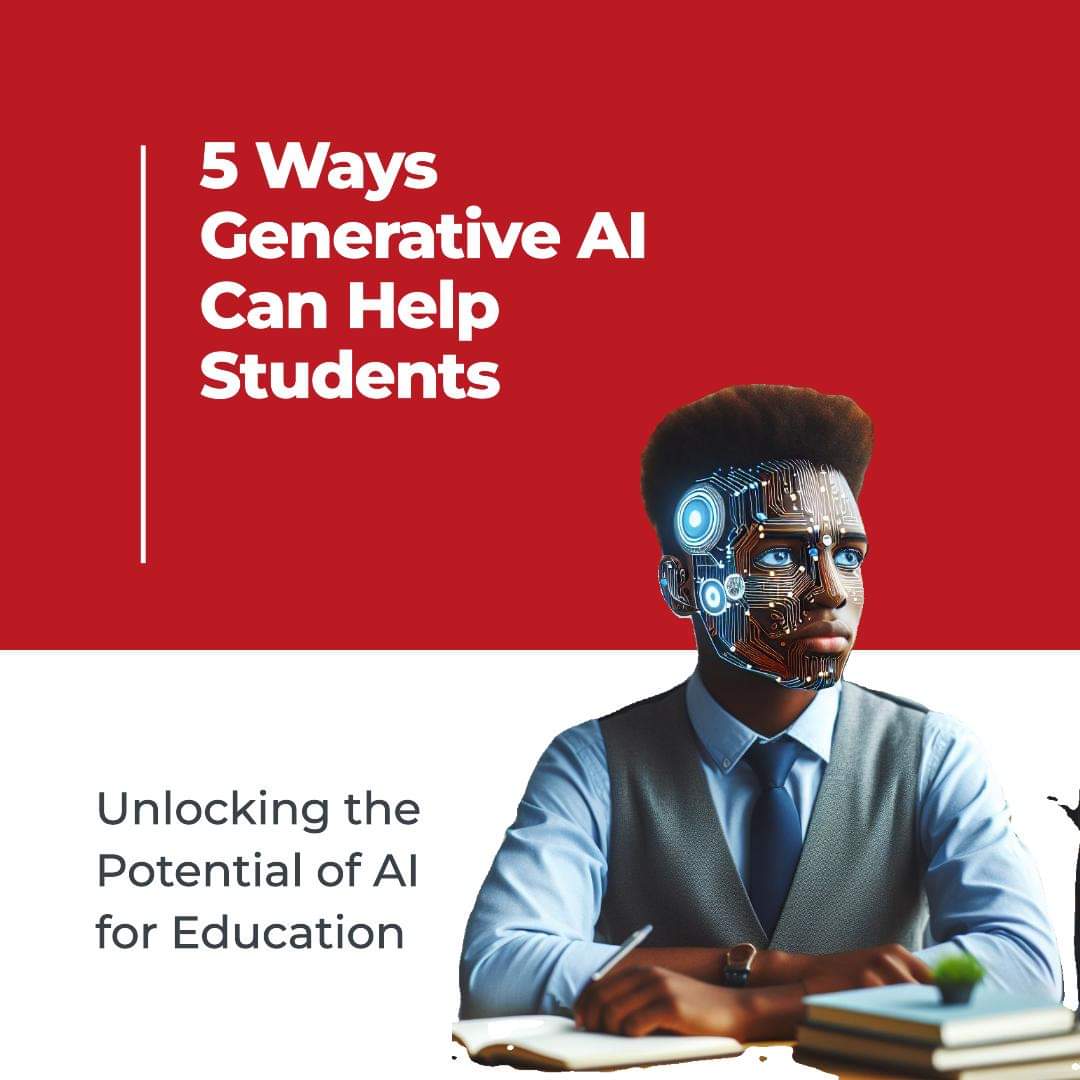
Artificial Intelligence, commonly known as AI, has recently garnered significant attention in mainstream media outlets such as BBC, CNN, Al-Jazeera, Daily Trust Newspaper, Forbes, New York Times, Wired, and others. It is widely considered to be the most talked-about scientific discipline globally at present. AI is like a smart and helpful digital friend. It’s a computer system trained to perform tasks that usually require human intelligence, such as learning, understanding language, and solving societal problems.

The AI-based computer system learns from experience and adjusts to new information, making it a bit like a digital wizard that can handle various tasks independently. Siri on Apple devices, Google Assistant on Android phones, Amazon’s Alexa, facial recognition capabilities, Facebook’s language translation feature, friend suggestions on Facebook, and language translators are examples of AI systems in operation. These are some of the few AI systems that illustrate how AI impacts everyday tasks.

The influence of AI on our daily lives is increasing across various domains, including security, small and medium enterprises, education, communication, health, business, entertainment, transportation, homes and workplaces. The realm of AI is a double-edged sword. While we have elucidated the opportunities and benefits, there are growing concerns surrounding risks, ethical considerations, job displacement, potential threats, and legal conflicts. Here, I will delve into the positive aspects, reserving a discussion of some negative dimensions later in the article.

AI is the foundation for transformative technologies like the widely discussed ChatGPT, which has over 18 million active users daily. Now, the GPTs store has been launched for business. An AI non-invasive device has been invented to read what a human is thinking in his mind, convert it to text and display the text on the computer screen for everyone to read. The research has been conducted and pilot-tested at the University of Sydney. Such a device has a multifaceted benefit to humans. For example, anyone with speech impairment can use the device to communicate his thoughts and wants with people without talking.

There is an AI tool for converting text to video that only requires the user to write a story in text, then prompt the AI tool with the story and a video based on the story will be generated. I foresee the possibility of rapidly integrating the text-to-video converter on phones in the near future. Imagine with a simple request like, “Hey Siri, Alexa or Google assistance, turn my story into a cool video,” you’re on your way to experiencing your tale in vibrant animations and vivid scenes. With her AI prowess, Siri makes storytelling not just a written adventure but a visual journey for all to enjoy. The text-to-video converter can potentially revolutionize the movie industry by reducing the cost of production and time for making movies. Content creators like skit makers can utilize such an AI tool to create short videos to post to engage their followers.  

In a remarkable leap forward for technology, a cutting-edge AI device has emerged, revolutionizing how we experience videos by effortlessly transcending language boundaries. A cutting-edge AI tool that seamlessly translates video-spoken words into different languages, showing the same person speaking in different languages, opening up new possibilities for global communication. The device operates as a user-friendly interface where videos are uploaded and transformed into a linguistic tapestry. The device not only translates spoken words but also adapts captions and subtitles, preserving the original intent and emotions of the content. Filmmakers and content creators worldwide have already begun incorporating AI devices into their creative process, providing viewers a more inclusive and immersive experience. As stories seamlessly unfold in multiple languages, the device adds a new layer of depth to digital storytelling.

Let’s now turn to the dark side of AI: Should AI systems attain or surpass human intelligence, there exists the potential for these systems to make decisions that could lead to the extinction of the human race on Earth or decide to go to war with humans. A recent incident in South Korea exemplifies the risks, where an industrial robot designed to identify boxes mistakenly perceived an industrial worker carrying a box as a box, leading to a fatal outcome – death. Legal conflicts further highlight the challenges posed by AI advancements.

The New York Times has initiated a court case against OpenAI, the owner of ChatGPT, in which Microsoft holds a significant investment. The lawsuit alleges copyright infringement by ChatGPT, prompting OpenAI to assert that developing a powerful system like ChatGPT without some level of copyright implications is unfeasible. This legal dispute initiates discussions on copyright issues in the AI era. Google is also facing legal action related to AI, with a patent infringement suit filed by Singular Computers against the Tensor Processing Unit, an AI-based processor.

Concerns about job displacement loom large, with an estimated 800 million jobs expected to be replaced by AI in 2024 alone. Additionally, the unethical use of AI tools to generate false or misleading information disseminated through social media raises significant concerns about potential threats to coming democratic elections in Asia, the USA, South America, and the UK, potentially leading to civil unrest.

On a final note, criticisms have emerged regarding AI tools employed in recruitment processes, with accusations of introducing bias and ethical concerns. In a recent publication by Shelton Leipzig on the responsible use of AI systems, she categorizes AI systems into three groups: low risk, high risk, and prohibited. The classification is based on the varying levels of risk associated with each AI system. Certain situations are deemed inappropriate for deploying AI systems, as exemplified by their exclusion in voting during elections.

Some AI systems are considered very low risk, such as those employed in video games or product recommendation systems on e-commerce sites. However, most AI systems fall into the high-risk category, including those used in recruitment and financial applications; 140 use cases were identified within this classification. These multifaceted challenges underscore the complex landscape surrounding AI development and deployment.     

Haruna Chiroma, University Professor of Artificial Intelligence, wrote from the University of Hafr Al Batin, Saudi Arabia, via freedonchi@yahoo.com.

Unlocking academic potential: The need for institute-provided email addresses in Nigerian universities

By Abubakar Umar Gbs

One of the primary challenges students face is the lack of institutional email addresses provided by universities. This seemingly minor oversight has far-reaching consequences, particularly in academic publishing. Platforms like Google Scholar and ResearchGate have become indispensable for scholars worldwide, providing a space to share and access valuable research. However, many Nigerian students are excluded from this global academic dialogue due to the absence of institute-issued email addresses.

In an era where collaboration and knowledge exchange transcend geographical boundaries, the inability to access such platforms places Nigerian students at a significant disadvantage. The academic community is a vast network where ideas are exchanged, collaborations are forged, and research is disseminated. By not providing students with the necessary tools to participate in this global discourse, we are inadvertently stifling their academic growth and limiting the potential impact of Nigerian research on the international stage.

Institute-issued email addresses are not merely a formality but a gateway to a wealth of academic resources. These email addresses authenticate the identity of students, ensuring the credibility of their work on platforms that demand institutional affiliation. Moreover, they foster a sense of pride and belonging among students as they become official representatives of their institutions on the global academic stage.

I urge Nigerian universities to recognise the significance of this issue and take proactive measures to address it. By issuing academic email addresses to students, we empower them to contribute meaningfully to the global academic community. This simple yet impactful step will bridge the gap between Nigerian students and the wealth of opportunities platforms like Google Scholar and ResearchGate offer.

In conclusion, providing institute-issued email addresses to students is not just a matter of convenience but a crucial step towards fostering a culture of academic excellence and global collaboration. By highlighting this issue, we can collectively work towards creating an environment where Nigerian students can fully realise their academic potential and make meaningful contributions to the global research landscape.

Abubakar Umar Gbs wrote via abubakargbs@gmail.com.

Escalating drug prices in Nigeria: Post-subsidy removal

By Abdullahi D. Hassan

Nigeria is described as the most populous black nation in the world, with over 200 million inhabitants, Africa’s biggest economy, and endowed with variant mineral deposits to improve the living standards of its citizens. Yet, the country is bedevilled by gross corruption. Poor governance, ethnic tension, and abject poverty threaten integrity and sovereignty.

Even though, in the past, Nigeria witnessed serial military rulers, The nation transitioned to democracy in 1999. Since then, Nigeria’s leadership has emerged; leaders have been elected from different platforms and regions. Thus, the problems lingered; most elections were marred by irregularities, political interference, and power tussles from one inch to the next.

The political parties adopt the concept of rotating power between the north and south to accommodate the plural ethno-religious groups in the country. After the two tenures of Muhammadu Buhari. Bola Tinubu was nominated by the All Progressive Congress (APC). Amidst serials of allegations labelled against him by the opposition to hinder his andidacy, The bulk of Nigerians were enthusiastic about the level of experiences and transformation built in Lagos from 1999 to 2032.

On May 29, a new Nigeria’s president, Bola, was sworn in. In his inauguration speech, he made a striking remark on Nigeria, mentioning, ‘Subsidy has gone, the controversial fuel subsidy scheme. Four decades of financial assistance were institutionalised in the 1970s by the government to minimise the excessive cost of fuel (Premium Motor Spirit) to consumers and affordability to average citizens. Within a week’s time, the prices of basic household items, transport fares, and electricity began to rise at a high pace. Thus, fuel subsidy is the direct government intervention for the common man that benefits directly, without an odd process. Subsequently, the price increment affects the pharmaceutical industry acutely.

In recent months, patients from economically deprived backgrounds with terminal illnesses and diseases have been on recommended drugs and life-support medications. They are exposed to the brunt of fuel subsidy removal principles. Patients with asthma, diabetes, cancer, hypertension, and sickle cell diseases find it hard to afford medications at exorbitant prices. Due to financial hardship, inflation, and 1000 per cent hikes in drug prices.

GlaxoSmithKline (GSK), a British pharmaceutical and biotechnological company, withdraws from Nigeria. After 51 years of operation, The pharmaceutical firm is known for producing effective drugs, anti-biotics, anti-asthma, anti-malaria, allergy relief, painkillers, pain cream, and nasal decongestion. According to the report by the International Centre for Investigative Reporting (ICIR), GlaxoSmithKline Consumer Nigeria faced a setback in sales of N7.75 billion ($9.83 million) from N14.8 billion last year. GlaxoSmithKline’s existence leads to a drug hike, patients being unable to have medication and an increase in fake drugs. Similarly, GSK faces challenges from the high cost of importation of active pharmaceutical ingredients (APIs), a lack of steady power supply, and the depreciation of the naira against the US dollar.

According to the National Bureau of Statistics (NBS), the value of pharmaceutical products imported into Nigeria rose by 68 per cent to N81.8 billion ($99.1 million) between July and September 2023. The reports revealed that most of the drugs were imported from China, India, the United States, France, and Germany.

From the price survey across the country, the drugs were selling: asthma inhalers from N4,000 ($4.86) to N12,000 ($14.57), hypertension drugs from N10,000 ($12.14) to N20,000 ($24.28), augmentin tablets from N6, 000 ($7.28) to N24, 000 ($29.14), and Glucophage from N3, 800 ($4.61) to N6, 200 ($7.53). The prices vary between cities and regions.

David Uja, 63, a retired army officer frail from prostate cancer, undergoes chemotherapy for two sessions. Each cost him $100. She said, “For almost two months. All the prescribed drugs I used have already expired. The little pension received from the government is not enough to buy medicines at a high price. The economy is bad for us; people battle deadly sickness.”

“After I complained to my doctor, who relocated to the UK, Thanks to him, he sent me an Orgovyx tablet via courier, an expensive drug over $400, said Mr David.

Dataphyte reports that in 2021, only three per cent of the Nigerian population will have health insurance. Despite the guidelines of the National Health Insurance Scheme (NHIS), it is mandatory for Nigeria to benefit from the insurance. Public servants have smooth access to it. An employer will contribute 10% of the monthly basic salary, while the employee contributes 5%. The insurance covers the contributor, spouse, and four biological children less than 18 years old. The current monthly minimum wage is $44.45. Technical non-government workers are denied access to health facilities and medication.

In October, the Central Bank of Nigeria lifted the ban on 43 items after 8 years to allow access to foreign exchange and import-listed goods in the country. Never, pharmaceuticals and medical essentials are excluded from the list.

Interestingly, oil is the mainstay of Nigeria’s economy. Even so, the country has remained poor, with its citizens living below the poverty line of $1 per day. Nigeria has been nearly six months without a fuel subsidy. The majority of Nigerians are unable to afford standard health service delivery. These led to fast and quick deaths among the vulnerable. Others reside in rural areas that lack the means to buy drugs at a high rate. Alternative to traditional medicines.

Therefore, deciding on traditional medicine, given its low cost of purchase, Such medicine lacks a scientific approach, and most traditional doctors determine the nature of an ailment by mere observation. Outwardly of any examination and sometimes depend on spiritual healings in order to detect the course of sickness. These have made life more difficult in a nation with a life expectancy of 53.87 years.

Abdullahi D. Hassan is a freelance journalist and writer from Abuja, Nigeria. His journalistic and literary pieces were published in Daily Trust, The Guardian, Triumph, Politics Today, The Daily Reality, and Kalahari Review.     

In need for collective battle against drug abuse

By Nusaiba Ibrahim Na’abba

We continue to lose a part of us – our brothers, sisters, friends and colleagues – to drug abuse. It keeps getting scarier, forcing all of us to have bleak thoughts about the future. For us to win this war against drug abuse, we need to do the following and, perhaps, more.

Communality: Our common fight against the pervasiveness of these substances was long lost here. Achieving common goals is now a bizarre thing of the past. When problems happen at family or community levels, we begin playing blame games. And to those who think their wards are ‘righteous’, they’ve done an impeccable parenting job. They describe people who are facing the heartbreak of child-related drug abuse as being incapable, too strict or too loving to their kids to let that happen. They then hop on the trend of gentle parenting as the key to having upright children. But reality shows that some parents who battle these problems possess proper parenting skills.

Now, in the case of the neighbourhood or larger community engagements, menial signs of danger are being neglected. Often, these drug dealings and businesses flourish where there is community negligence. The drug lords are purposeful enough to select urban areas where families live low-key lives. There, they conduct their sales without much or any attention from the communities, using selected morning hours for their exchanges. Quickly, a business of millions will happen in front of your house, and you will forever not know.

We must work together to be more vigilant. I am confident that the power of our communal efforts supersedes a few bad eggs that vow to torment the lives of our beloved youths with harmful substances. This battle is beyond a one-man thing. I’m also not generalising the drug dealings to happen in all urban areas in Kano, but there are several allegations about that.

Sustainable Income Options: About four years ago, the BBC Africa Eye gave staggering statistics of codeine consumption in Kano and Jigawa States in their investigative report titled Sweet Sweet Codeine. Well, the situation has only gotten worse with shisha parlours and other unthinkable substances aimed at destroying us in total. The mere imagination of how much is invested in this business is inconceivable. Unlike food, illicit substance addiction does not embrace sorry as an answer. Even in the eyes of the storm, addicts must get their day’s share. And this is why its market keeps expanding and thriving. Before you start arguing, they never fail in their businesses because they always have a market.

Unless a robust, sustainable income generation mechanism is found and proliferated in the minds of young adults into this business, we will continue to lose hope. It is extremely difficult to convince a young adult who has discovered the ropes of this illegal business to start a legal business with a low income. Their state of growth is one, and the reality you cannot overlook is difficult. Adding to the complexity of the already bad situation, you would find it difficult to neglect how politicians spend money lavishly, which is widely spread on social media.

This is one of the most difficult tools that must be deployed in this fight.

Women Groups: I’m 100% supporting creating women groups who can keenly monitor community levels. Women possess an indispensable role in upbringing, and they receive the largest share of agony when they lose their child to drug abuse. When they are part of decision-making, they can contribute immensely to the patterns they notice in their wards, and finally, they own the collective action.

Nonetheless, they must be trained rigorously on the processes they can use to fact-check drug abuse in their kids. It has been an issue that women do not understand the change in eating, sleeping, or engagement habits of their kids, which is drug-related. With the training, the problem can be tackled early before it escalates.

I can vividly recall when a mature lady entered our house some years ago. She came in with deep red eyes, along with a young girl who was 7 to 8 years old. It was in the evening, around 5 p.m., when we were seated in our compound, chatting. The woman, whose age I cannot ascertain, said she needed help with some money to buy foodstuff. By Allah, her appearance and language did not show she needed help. In fact, she appeared to be more of a well-to-do individual. But you could tell she was desperate for something, and the little girl kept giving her looks of disbelief with every sentence she made.

My mother said she had no money to help her. After a moment, she gathered momentum and said goodbye, leaving with the kid. It was only months after the encounter that my mother explained that she was sure that the woman was high on a substance and that she desperately needed money to keep going.

This world is a scary place.

Language and Codes: People who are associated with illicit substance abuse or business create codes for interaction so that they cannot be easily identified. It is usually only the people in their circle who can understand them.

There must be a way of breaking down their language and codes to identify them quickly. It creates a massive gap in understanding the context of discussions; hence, meeting points and business dealings can be set up effortlessly without anybody noticing. In community kiosks where these exchanges happen, they are facilitated by a unique language and code.

We need to break that language barrier to dissect the problem better so we can address it appropriately.

Nusaiba Ibrahim Na’abba wrote from Kano. She can be reached via nusaibaibrahim66@gmail.com.

Think twice before selling that property to travel abroad 

By Aminu Mohammed

I recently came across an interview on Instablog9ja on Instagram, where an elderly man advised youths to think critically before moving to the United Kingdom for better opportunities. The interview sparked a lot of reactions from listeners, particularly from the youths who were unhappy with the man’s attempt to discourage them from seeking a better life abroad.

I was both amused and taken aback by the disparaging comments under the post. Unsurprisingly, many Nigerians, particularly the youths, are disenchanted with the country’s security challenges and economic situation, especially the lack of jobs and inflation, and are desperately looking for a means to travel abroad for a better life.

I have read several stories online of people who resigned from their jobs and sold their properties, such as houses, lands, and businesses, to raise significant funds to pay for tuition fees in the United Kingdom, which can range from £10,000 to £20,000, depending on the course of study.

I have received several emails from people asking for advice on applying for scholarships or postgraduate programs in Germany. Similarly, I have received messages from people seeking my opinion on whether to sell their property to pay for tuition for a master’s program in the UK and Germany or travel to another country to seek work.

First and foremost, I would never discourage anyone from exploring the world to pursue his or her aspirations. I believe that life without adventure is not worth living. I have gained many tangible benefits from moving to Germany for my studies. In the last few years, I have acquired valuable skills, visited great cities and met incredible individuals from different countries worldwide.

However, it is important that I share the reality of living abroad with those who are planning to embark on such an adventure. This will enable them to prepare adequately before leaving their home country.

Conduct Sufficient Research and Planning

Before making any relocation moves, it is important to conduct adequate research and preparation. You should start by evaluating your qualifications, skills, and ability to adapt. Remember that immigration laws are becoming stricter in European countries like the United Kingdom, France, Sweden and Germany. If you decide to migrate and explore other places, ensure you have a job with visa sponsorship, a scholarship, or the financial capability to support yourself while studying. Additionally, research the prospective countries you want to relocate to and check the ease of settling down after your studies.

It is also a good idea to consult reliable friends from the countries you intend to relocate to for genuine advice. Don’t be swayed by social media trends like the “Japa hype”. Peer pressure is a significant challenge in our society, and herd mentality often impedes personal growth.

Keep the Second Option in Mind

Defining your goals, intentions, and plans is important before jumping into something trending. Many people make the mistake of not having a concrete plan and end up stranded and depressed when things don’t work out as expected. If you plan to travel abroad, it is not advisable to do so on a visitor visa to find a job. This puts you at a great risk of getting stuck and deported for overstaying.

If you are currently employed in Nigeria and plan to study abroad, taking a study leave from your company is best. Similarly, if you have a successful business, do not dispose of it before travelling abroad. Instead, entrust it to someone you trust to manage it in your absence.

While many Nigerians have successfully moved abroad and achieved career and financial success, many are stranded and unable to return home. Some even suffer from depression and mental illness due to the challenges they are facing there.

Moving to a new country comes with challenges, so careful consideration is necessary before making any decisions. Best of luck as you embark on your personal pursuit and growth journey.

Aminu Mohammed wrote this article from Ingolstadt, Germany. He can be reached at gravity23n@gmail.com.

Welcome to 2024 – the Digital Age!

By Ismaila Academician

People often frown at the content generated using AI. And I believe there is another set of people who copy and paste content generated by AI without any consideration or editing. Perhaps, the former group relies on the latter to pass their judgment. But I think both groups misuse and misunderstand the idea, they misuse AI and pass their opinions subjectively. Both fail to understand that AI is here not to do the actual work but to help us do it better.

Literally, intelligence refers to the capacity to understand principles, facts or meanings and apply it to practice. On the other hand, artificial implies something not natural to the human world, and not normal to certain principles or conditions. Put the two together you will have a complete clear picture of what AI is.

As a domain, Artificial Intelligence or AI, is a branch of computer science that aims to create machines capable of “thinking” and “acting” intelligently, much like humans. This could encompass various forms of intelligence, such as linguistic, biological and mathematical intelligence.

AI is a byproduct of human intelligence. It’s a human construct with limited and subjective experiences. It’s like a mirror reflecting our cognitive abilities. AI’s intelligence, designed to mimic our thought processes and actions, is a derivative of human intelligence. AI is currently available in various forms. The one we are most familiar with is ChatGPT. There are also thousands of machines in numerous industries doing remarkable jobs.

One of the key differences between AI and humans is predictability. AI is predictable as it operates based on pre-defined patterns subject to human manipulation. In contrast, we humans are unpredictable. We’re capable of creativity and spontaneity. We assume personality traits and express emotions. Human power is inimitable!

For instance, AI can recognise images of a cat but can never “feel or understand” what a cat is in reality because it doesn’t possess a mind of its own. AI can tell you the weather condition of your location, whether it’s cold, hot, sunny, hazy or raining without feeling any. It does not have feelings but can express them.

However, another striking difference between AI and humans is ‘Consciousness’. AI can neither assume nor replicate human consciousness. AI strictly operates based on algorithms designed by humans. The greater the data input the bigger the data output, and vice versa.
There’s a common misconception or fear that AI will replace us and render us jobless. But that’s far from the truth. AI was primarily created to complement our abilities. It’s a tool designed to help us do our jobs more efficiently and effectively, to enhance our skills, and to unearth and explore our hidden talents. AI is NOT here to do the work for us, but rather to teach us how to do the work faster, better and smarter.

Artificial Intelligence is not mere a trend. It’s a constant human companion like dogs and cats that will remain useful and loyal to humans as long as humanity stands. As we steadily navigate through the Digital Age, understanding AI is no longer a choice but a necessity. It’s crucial to know, learn and utilise the power of AI for productivity.

Sometimes, change can be difficult to cope with. But resisting change means missing out the opportunities that come along with it. Instead of viewing AI as a threat, we should embrace it as a tool for improvement, a lifelong companion that’s here to make our lives better.

Embrace AI, embrace the future!

Ismaila Academician can be reached via; 07034413534 or his email: ismailaacademician@gmail.com

Crowdfunding for ransom payment is a double-edged sword that cuts everyone but bandits

By Bello Hussein Adoto 

At last, the Al-Kadriyar family has raised the 60-million-naira ransom to free their loved ones. Asiya Adamu, a relative of the family and the de facto champion of the fundraising campaign, wrote on X, “The donation has been received. We’ve now officially put a stop to any crowdfunding concerning #Najeebahandhersisters.” 

The Al-Kadriyar family had a rude welcome into 2024 when armed men stormed their Bwari home on the night of January 2 to kidnap the father, Alhaji Mansoor Al-Kadriyar, his children, and a niece. A relative who went with the police to rescue the family was shot dead.

The father was released two days later to source for 60 million naira before January 12, or else his children would be killed. January 12 arrived, and what seemed to be a frighteningly regular occurrence snowballed into a national sensation when the kidnappers killed Al-Kadriyar Nabeeha, one of the girls in captivity. The killing incensed the nation and brought greater attention to the fundraising campaign for the ransom. 

Hours later, former Minister of Communications and Digital Economy, Prof. Isa Pantami, announced on X, via his verified handle, that he “spoke with a friend and a brother who offered to pay the remaining 50 million Naira of the 60m immediately.” 

The minister’s announcement is a relief to the troubled family. But for the crowdfunding campaign and the eventual contribution of the minister’s friend, the family would have needed at least 151 years to raise the 60-million-naira ransom if they were on the national minimum wage. However, the family’s crowdfunding success is a loss for everyone but the bandits. 

Kidnapping for ransom has become a lucrative business for bandits, terrorists, and other strains of daredevils in Nigeria. A report by Voice of America shows that kidnappers demand between 1,000 to 5,000 dollars, depending on their evaluation of the victims.

SBM Intelligence, a Lagos-based risk analysis firm, reported that Nigerians paid about 18.3 million dollars or 13.7 billion naira in ransom between June 2011 and March 2020. Some victims paid as low as 4,000 naira. The largest was 190 million. 

The latest data from SBM Intelligence, released in August 2023, showed that the kidnappers are still cashing out from the business. They kidnapped more than 3,600 people in Nigeria between July 2022 and June 2023, and demanded about five billion naira in ransom. The outcome was a 302 million naira ransom. 

Most of these payments came out of pocket. Some families of the victims had to sell their properties. A young man in Ilorin sold his car to pay ransom after his two daughters were kidnapped in 2022. Isyaka Labaran, a veterinary drugs seller in Kwali, Abuja, had to sell his three-bedroom apartment to fund his release after he was kidnapped in September 2023. 

But these pockets are running dry, and many families don’t have more to sell. The 2022 Multidimensional Poverty Index (MPI) survey by the National Bureau of Statistics (NBS) showed that more than 133 million Nigerians, 63% of the population, are multidimensionally poor, with low income and lack access to basic amenities. These are some of the people bandits compel to pay millions in ransom. Where will they get the money from? 

That Nigerians are turning to crowdfunding for ransom shows the helplessness of the situation. Late last year, parents of the 11 remaining Yauri schoolgirls started a crowdfunding campaign for the 100 million naira bandits demanded to release the students. The students had been in captivity for 19 months. The campaign started after government interventions and negotiations failed to secure their release. 

This helplessness has further encouraged a collection of savages to kidnap and maim at will, funded by the millions of ransoms hapless victims pay, and the casual complicity of the government for not providing enough deterrence.

We can debate the morality of contributing to a ransom and arming bandits to wreak even more havoc, shatter more dreams, and take more lives, or calling their bluff at the risk of losing more lives to their cold, indifferent hands, but to what end? 

Al-Kadriyar family had little option than to pay the ransom. One of their daughters had been killed; more lives were at stake. The risk of flouting the federal government’s criminalisation of ransom payment and the chilling prospect of funding terrorism was not going to be enough to deter them, especially when the government has not been able to deter kidnappers. 

Meanwhile, bandits are raking in billions. In 2023, the Nigerian Financial Intelligence Unit (NFIU) reported that two self-appointed negotiators facilitated two billion naira transactions for bandits between November 2021 and August 2022. Most of these monies were paid by the families of the kidnapped victims. 

The monies, according to the NFIU, are often used to “purchase the terrorists’ weapons and motorcycles, logistics, and further their terrorist campaign/recruitment of new members.”

Armed with hundreds of millions of naira from ransom, the bandits have graduated from attacking villagers and herders to hijacking cars on the highways, abducting children from schools, and attacking homes, trains, civilians, and security operatives. What they will do with the tens of millions they will get now from crowdfunded ransom is anybody’s guess.

The fiasco of the rampant kidnapping, the crowdfunding campaigns it inspired, and the brazen savagery of the bandits are a sad indictment of our government and a call for them to do more to secure fellow Nigerians and win citizen confidence. No amount of criminalisation or moral judgements will disincentivise families from paying ransoms or crowdfunding for it. 

For the victims and their families, the pain of captivity is raw, the threat of a repeat experience is haunting, and the horrors of the old are ever-present. They may never find closure. 

The rest of us are now wary of being the next victims of better-funded bandits with more weapons, members, and greater reach. The government is struggling to contain the crisis. 

And the bandits, basking in the success of their most recent propaganda and incoming million, lick their lips: there is more to come.

Bello Hussein writes from the University of Ilorin via bellohussein210@gmail.com.

Of Abba’s triumphant welcome and court’s escape from embarrassment

By Mansur Hassan, PhD.

The executive governor of Kano state, His Excellency Abba Kabir Yusuf, made a triumphant return to Kano in grand style after the Supreme Court affirmed his position as the duly elected governor.

The air in Kano was filled with excitement as millions of residents gathered yesterday to welcome their leader to the commercial city centre.

His Excellency embarked on the journey from Kaduna at 9 am, and despite the approximately 13-hour journey, he arrived at Filin Mahaha Kofar Na’isa in Kano state by 10 pm. The extensive duration was attributed to the massive crowds that lined the streets, eager to catch a glimpse of their beloved governor.

The overwhelming love demonstrated by the people of Kano towards Governor Abba Kabir Yusuf serves as a powerful testament to the justice upheld by the Supreme Court. This judicial affirmation not only solidifies democracy but also underscores the importance of respecting the choices made by the masses.

Notably, President Bola Ahmad Tinubu hailed Governor Abba Kabir Yusuf as a hero, acknowledging his steadfastness and reaction during the previous judgements of the tribunal and the Court of Appeal. The governor’s resilience in the face of challenges has earned him widespread admiration.

As Governor Abba Kabir Yusuf begins his tenure, we express our heartfelt wishes for a successful term and the continued implementation of pro-masses policies that uplift the welfare of the people of Kano state.

In extending our wishes, we also hope for good health and wisdom for Senator Dr. Rabi’u Musa Kwankwaso, the grand commander of the Kwankwasiyya movement. May his guidance contribute to the betterment of the state and the nation as a whole.

Dr. Mansur Hassan is a Senior Lecturer in the Department of Mathematics, Yusuf Maitama Sule University Kano

X-Raying the physical and mental effects of bullying

By Maimuna Katuka Aliyu

I find it difficult to believe that the majority of those reading this piece right now do not know what bullying is all about. Bullying, as a matter of fact, is a common phenomenon among us now. Being bullied is both heartbreaking and miserable for those targeted.

But many adults, unless they too have been bullied, have a hard time understanding just how much kids can suffer from being bullied. They fail to realize that the consequences of bullying are significant and can have a lasting impact on one’s mental and physical health.

According to the National Institute of Child Health and Human Development (NICHD), bullying has a lifelong impact on the social and emotional development of children, which puts them at risk for everything, from severe mental health issues to stunted professional growth later in life.
Bullying is the use of force, coercion, hurtful teasing or threat to abuse to aggressively dominate or intimidate an individual. The behaviour is often repeated and habitual.

In Nigeria, this mostly occurs in boarding schools among seniors who take advantage of their timid and weak juniors, thereby forcing them to do their bidding, such as washing clothes and assignments, cleaning their rooms, collecting their food, and punishing and beating them as they wish.

According to NICHD, children who are involved in bullying experiences (on either side of the situation) are at an increased risk of developing issues in both mental and physical health aspects. Bullying can have physical, social and emotional effects, too.

The physical effects of bullying include:
– Stress response
– Headaches
– Muscle pain
– Digestive upset
– Weight changes, etc.

Those who are bullied are at increased risk for mental health problems such as:
– Depression and anxiety
– Low self-esteem and personal drive
– Trouble focusing and falling grades
– Behavioral problems
– Social and relationship issues
– Substance abuse later in life
– Dropping out of school
– Self-harming behaviours, etc.

Bullying can also affect other children who witness the acts, even if they aren’t directly involved. While it may seem obvious that those who are bullied have a higher risk of developing developmental issues, what’s less obvious is that bullying also affects the on-lookers.

Bullying brings negative effects to everyone who witnesses the act by way of creating what feels like an unsafe environment. It can make children feel as though they are helpless, planting a deep seed of insecurity and disdain for their classroom (and classmates) as a whole.

It also makes kids feel as though they can’t be protected by those they trust (teachers, aides, parents, etc.), which can lead to withdrawal and a failure to thrive. Research shows that bullying and harassment can cause adult symptoms of post-traumatic stress disorder (PTSD).

In fact, one study examining mental health in college students found experiencing bullying to be the strongest predictor of developing PTSD symptoms.

Oftentimes, it is withdrawal that is the first and most obvious sign that bullying is taking place, apart from actually seeing the incident in person.

Over time, if the bullying continues, those who witness it will likely begin to show other signs such as attention issues, fear of participating in normal activities, acting out or other behavioural problems such as vandalism or destroying toys or objects. Because kids rarely tell an adult when they experience bullying, it’s important that parents, teachers, and other caregivers are aware of the warning signs.

For instance, kids may hint that they are being bullied by saying there is drama at school, that kids are messing with them, or that they have no friends. These are all signs that they are experiencing bullying. If your kids confess to being a target, tell them you are proud of them for having the courage to talk about it.

This reinforces that you value having an open dialogue about issues they’re facing. It’s also important that you believe what your kids tell you and that you make a commitment to work with them to find solutions. While it can be difficult, try to keep your emotions in check. Instead, remain calm and work with your child to make a plan.

When kids feel as if they have options, they are less likely to be overwhelmed with negative feelings. In addition, efforts to advocate on behalf of victims will not be effective unless people truly comprehend how painful and traumatic bullying can be.

Kids who are regularly targeted by bullies often suffer both emotionally and socially. Not only do they find it hard to make friends, but they also struggle to maintain healthy friendships. Part of this struggle is directly related to low self-esteem.

A lack of self-esteem is a direct result of the mean and hurtful things that other kids say about them. When kids are continuously called “fat” or “losers,” they begin to believe these things are true. Many times, kids feel like they need to accept occasional bullying in order to belong. As a result, they will succumb to peer pressure and accept bullying as a way to maintain their social standing.

Kids who are victimized often yearn for acceptance from the very people who are bullying them. In order to remain part of the group, they may tolerate fake friendships and mean behaviour, especially if the person bullying them has a higher social standing than they do.

In fact, research shows that 50% of students between the ages of 12 and 18 who have been bullied report that the bully had more social influence. In addition, 31% indicated that they had more money. Bullying victims also tend to experience a wide range of emotions. They may feel angry, bitter, vulnerable, helpless, frustrated, lonely, and isolated from their peers.

Consequently, they may skip classes and resort to drugs and alcohol to numb their pain. If bullying is ongoing, they may develop depression and even contemplate suicide. Aside from the bumps and bruises that occur during physical bullying, there are additional physical costs. For instance, bullied kids often experience anxiety. This stress on their bodies also will result in a variety of health issues, including being sick more often and suffering from ulcers and other conditions caused by persistent anxiety.

Bullied kids also may complain of stomachaches and headaches. The bullying they experience may aggravate other pre-existing conditions like eczema. Skin conditions, stomach issues, and heart conditions that are aggravated by stress all worsen when a child is being bullied.

Kids who are bullied often suffer academically, too. Bullied kids struggle to focus on their schoolwork. In fact, slipping grades is one of the first signs that a child is being bullied. Kids also may be so preoccupied by bullying that they forget about assignments or have difficulty paying attention in class.

Additionally, bullied kids may skip school or classes in order to avoid being bullied. This practice results in falling grades. When grades begin to drop, this adds to the stress levels the bullied child is already experiencing. A study conducted by the University of Virginia showed that kids who attend a school with a severe climate of bullying often have lower scores on standardized tests.

When a child is bullied, it is not uncommon for the parents and siblings to also be affected. Parents often experience a wide range of consequences, including feeling powerless to fix the situation. They also may feel alone and isolated. And they may even become obsessed with the situation, often at the expense of their own health and well-being. It also is not uncommon for parents to feel a sense of failure when their child is bullied.

Not only do they feel like they failed to protect the child from bullying, but they also may question their parenting abilities. They may even worry that they somehow missed the signs of bullying or that they did not do enough to bully-proof their child along the way. The truth is that no one can predict who bullies will target.

Parents can do everything right and still find out that their child is being bullied. As a result, they should never feel responsible for the choices a bully makes. Instead, they should place the blame where it belongs and focus on helping their child heal from bullying.

Research shows that bullying has a lot of effects which last well into adulthood. In fact, one study found that the consequences of being bullied by peers may have a greater impact on mental health in adulthood than originally thought. Remember, the experiences that people have while they are children help mould them into the adults that they later become. So it is not surprising that the effects of bullying linger well into adulthood.

However, having a counsellor help your child with the recovery process may speed things along. If you were bullied as a child and are still experiencing the side effects, the first step toward recovery from childhood bullying is acknowledging what happened to you. Do not dismiss what happened to you or minimize the severity.

Be truthful with yourself about the pain you experienced. You also need to make healing a priority. Take time to take care of yourself and consider talking with a counsellor about your experience. A counsellor can help you make sense of your feelings and move past the negative experience of bullying. He also can help you reframe your thinking and reclaim control over your life.

While it may be painful to think about the bullying you experienced as a kid, if it is still impacting your everyday life and the way you view yourself, then it is best to face the issue head-on. Once you have come to terms with what you experienced and changed the way you view yourself and others, you will be on your way to recovery.

Conclusively, bullying prevention has been put in the spotlight in recent years and has gained momentum in educational facilities across most countries or worldly. Many schools and childcare providers now implement some variation of an anti-bullying policy, which has had a major impact on developing minds everywhere.

Most anti-bullying policies include tips such as keeping a watchful eye, utilizing activities that encourage kids to speak up about their experiences and keeping an open line of communication with youngsters to ensure they are comfortable with sharing any unwanted behaviours by others. It is time bullying in whatever form is stopped in Nigeria. One hopes that the government, school management and society at large will do something to tackle the vicious malaise.

Maimuna Katuka Aliyu is an executive intern with PRNigeria in Abuja, Nigeria.

PR New Dawn: Dr Neliaku’s 120-day game-changer for practitioners

By Tanimu Ibrahim Gambo

In the dynamic realm of public relations, leadership acumen plays a pivotal role in shaping the trajectory of professional institutions. Dr. Ike Neliaku, FNIPR, assumed the presidency of the Nigerian Institute of Public Relations (NIPR) on 24th August 2023 with his “New Dawn” vision that has materialised into transformative accomplishments within the first 120 days of his tenure.

In the space of 120 days, Dr Neliaku has hit the ground running by spearheading the seamless automation and integration of payment systems between state chapters and the national Secretariat. This not only streamlines financial transactions but also fosters greater efficiency in the Institute’s operations.

A significant milestone being pursued and which is on the verge of realisation under his leadership is the successful inclusion of the public relations cadre in both federal and state civil services. The process is at an advanced stage following the nod it received at the National Council on Establishment’s meeting, which was held in Bauchi, Bauchi State, between 11th and 13th December 2023. This achievement underscores the Institute’s commitment to elevating the standing of public relations professionals within the broader public sector.

Embracing the digital age, NIPR, under the guidance of Dr. Neliaku, is actively engaged in a comprehensive Digital Transformation Project. This initiative encompasses the digitisation of general information, the creation of a membership portal, an education portal, a dedicated NIPR app, and the provision of electronic training certificates and badges.

In a bid to amplify its reach, NIPR is set to unveil new online handles, ensuring a robust and real-time presence across digital platforms. This strategic move aligns with contemporary communication trends, enhancing the Institute’s visibility and engagement.

The Institute’s Governing Council, which Dr. Neliaku chairs, is driving the development of the NIPR Finishing School Project. This initiative aims to establish a dynamic, accessible, and smart training facility, providing members with creative opportunities to enhance their professional capacities.

Looking ahead, NIPR is poised to hold the 2024 Annual General Meeting and Conference in April at Abeokuta, Ogun State. This event promises to be a convergence of practitioners across the Nigerian states, ministries and industry leaders, fostering networking and knowledge exchange.

The Institute, under Dr. Neliaku’s leadership, is gearing up for the grand celebration of its Golden Jubilee between March and May 2024. This milestone not only commemorates the Institute’s rich history but also signifies its enduring commitment to advancing public relations scholarship and practice in Nigeria.

In just 120 days, Dr. Ike Neliaku has laid a robust foundation for the NIPR’s continued growth and relevance. His strategic initiatives are not only shaping the present landscape but also positioning the Institute as a trailblazer in the evolving field of public relations in Nigeria. As NIPR marches confidently towards its Golden Jubilee, the achievements under Dr. Neliaku’s presidency exemplify a commitment to excellence and innovation in the realm of public relations in Nigeria.

Tanimu Ibrahim Gambo is the Secretary of the NIPR Bauchi State Chapter.