Security

FCT Minister Wike convenes emergency security meeting amid kidnapping surge 

By Uzair Adam Imam The Federal Capital Territory FCT Minister, Ezenwo Nyesom Wike, convened an emergency security meeting on Tuesday in response to the rising incidents of kidnapping by bandits in Bwari Area Council and other parts of the territory. 

During the opening session, Wike reassured residents that his administration and security agencies were actively addressing the situation and urged them not to panic.  

He acknowledged the security challenges but emphasized that steps were being taken to resolve them.  

“We are all aware of the security situation in the Federal Capital Territory, particularly Bwari and some other areas that we have witnessed security challenges.  

“I am also aware that sometimes too, the Press overblow what is happening but indeed we owe a duty to make sure that FCT is safe,” said Wike. 

He further stated that the purpose of the meeting was to discuss the challenges and find solutions collaboratively, involving all Council Chairmen who share responsibilities for their respective areas. 

Wike warned Council Chairmen against unnecessary stated their responsibility to remain in their councils and address issues within their purview.  

He expressed dissatisfaction with Chairmen leaving their responsibilities for unnecessary travels and noted the need for them to actively engage in resolving challenges within their jurisdictions. 

“We will not be happy where Area Council Chairmen will leave their responsibilities and travel out. We have gotten reports that Council Chairmen travel anytime and then, if anything happens, they will not call anybody’s name except the FCT Minister,” warned Wike. 

He also addressed the recent strike by the Nigeria Union of Teachers (NUT), pointing out that primary schools fall under the jurisdiction of Area Councils.  

While emphasizing that resolving the issue was not the responsibility of the Ministers, Wike invited the Council Chairmen to collaborate in finding solutions to challenges. 

Wike concluded by asserting that every effort was being made to address the security challenges faced by the FCT and urged Council Chairmen to fulfill their responsibilities actively.  

The security situation has escalated in Bwari Area Council since December 23, 2023, with kidnappers carrying out bold attacks and even killing their hostages.

On Monday, reports indicated that kidnappers had dumped the remains of at least four victims around the Jere junction on the Abuja-Kaduna highway.

X-Raying the physical and mental effects of bullying

By Maimuna Katuka Aliyu

I find it difficult to believe that the majority of those reading this piece right now do not know what bullying is all about. Bullying, as a matter of fact, is a common phenomenon among us now. Being bullied is both heartbreaking and miserable for those targeted.

But many adults, unless they too have been bullied, have a hard time understanding just how much kids can suffer from being bullied. They fail to realize that the consequences of bullying are significant and can have a lasting impact on one’s mental and physical health.

According to the National Institute of Child Health and Human Development (NICHD), bullying has a lifelong impact on the social and emotional development of children, which puts them at risk for everything, from severe mental health issues to stunted professional growth later in life.
Bullying is the use of force, coercion, hurtful teasing or threat to abuse to aggressively dominate or intimidate an individual. The behaviour is often repeated and habitual.

In Nigeria, this mostly occurs in boarding schools among seniors who take advantage of their timid and weak juniors, thereby forcing them to do their bidding, such as washing clothes and assignments, cleaning their rooms, collecting their food, and punishing and beating them as they wish.

According to NICHD, children who are involved in bullying experiences (on either side of the situation) are at an increased risk of developing issues in both mental and physical health aspects. Bullying can have physical, social and emotional effects, too.

The physical effects of bullying include:
– Stress response
– Headaches
– Muscle pain
– Digestive upset
– Weight changes, etc.

Those who are bullied are at increased risk for mental health problems such as:
– Depression and anxiety
– Low self-esteem and personal drive
– Trouble focusing and falling grades
– Behavioral problems
– Social and relationship issues
– Substance abuse later in life
– Dropping out of school
– Self-harming behaviours, etc.

Bullying can also affect other children who witness the acts, even if they aren’t directly involved. While it may seem obvious that those who are bullied have a higher risk of developing developmental issues, what’s less obvious is that bullying also affects the on-lookers.

Bullying brings negative effects to everyone who witnesses the act by way of creating what feels like an unsafe environment. It can make children feel as though they are helpless, planting a deep seed of insecurity and disdain for their classroom (and classmates) as a whole.

It also makes kids feel as though they can’t be protected by those they trust (teachers, aides, parents, etc.), which can lead to withdrawal and a failure to thrive. Research shows that bullying and harassment can cause adult symptoms of post-traumatic stress disorder (PTSD).

In fact, one study examining mental health in college students found experiencing bullying to be the strongest predictor of developing PTSD symptoms.

Oftentimes, it is withdrawal that is the first and most obvious sign that bullying is taking place, apart from actually seeing the incident in person.

Over time, if the bullying continues, those who witness it will likely begin to show other signs such as attention issues, fear of participating in normal activities, acting out or other behavioural problems such as vandalism or destroying toys or objects. Because kids rarely tell an adult when they experience bullying, it’s important that parents, teachers, and other caregivers are aware of the warning signs.

For instance, kids may hint that they are being bullied by saying there is drama at school, that kids are messing with them, or that they have no friends. These are all signs that they are experiencing bullying. If your kids confess to being a target, tell them you are proud of them for having the courage to talk about it.

This reinforces that you value having an open dialogue about issues they’re facing. It’s also important that you believe what your kids tell you and that you make a commitment to work with them to find solutions. While it can be difficult, try to keep your emotions in check. Instead, remain calm and work with your child to make a plan.

When kids feel as if they have options, they are less likely to be overwhelmed with negative feelings. In addition, efforts to advocate on behalf of victims will not be effective unless people truly comprehend how painful and traumatic bullying can be.

Kids who are regularly targeted by bullies often suffer both emotionally and socially. Not only do they find it hard to make friends, but they also struggle to maintain healthy friendships. Part of this struggle is directly related to low self-esteem.

A lack of self-esteem is a direct result of the mean and hurtful things that other kids say about them. When kids are continuously called “fat” or “losers,” they begin to believe these things are true. Many times, kids feel like they need to accept occasional bullying in order to belong. As a result, they will succumb to peer pressure and accept bullying as a way to maintain their social standing.

Kids who are victimized often yearn for acceptance from the very people who are bullying them. In order to remain part of the group, they may tolerate fake friendships and mean behaviour, especially if the person bullying them has a higher social standing than they do.

In fact, research shows that 50% of students between the ages of 12 and 18 who have been bullied report that the bully had more social influence. In addition, 31% indicated that they had more money. Bullying victims also tend to experience a wide range of emotions. They may feel angry, bitter, vulnerable, helpless, frustrated, lonely, and isolated from their peers.

Consequently, they may skip classes and resort to drugs and alcohol to numb their pain. If bullying is ongoing, they may develop depression and even contemplate suicide. Aside from the bumps and bruises that occur during physical bullying, there are additional physical costs. For instance, bullied kids often experience anxiety. This stress on their bodies also will result in a variety of health issues, including being sick more often and suffering from ulcers and other conditions caused by persistent anxiety.

Bullied kids also may complain of stomachaches and headaches. The bullying they experience may aggravate other pre-existing conditions like eczema. Skin conditions, stomach issues, and heart conditions that are aggravated by stress all worsen when a child is being bullied.

Kids who are bullied often suffer academically, too. Bullied kids struggle to focus on their schoolwork. In fact, slipping grades is one of the first signs that a child is being bullied. Kids also may be so preoccupied by bullying that they forget about assignments or have difficulty paying attention in class.

Additionally, bullied kids may skip school or classes in order to avoid being bullied. This practice results in falling grades. When grades begin to drop, this adds to the stress levels the bullied child is already experiencing. A study conducted by the University of Virginia showed that kids who attend a school with a severe climate of bullying often have lower scores on standardized tests.

When a child is bullied, it is not uncommon for the parents and siblings to also be affected. Parents often experience a wide range of consequences, including feeling powerless to fix the situation. They also may feel alone and isolated. And they may even become obsessed with the situation, often at the expense of their own health and well-being. It also is not uncommon for parents to feel a sense of failure when their child is bullied.

Not only do they feel like they failed to protect the child from bullying, but they also may question their parenting abilities. They may even worry that they somehow missed the signs of bullying or that they did not do enough to bully-proof their child along the way. The truth is that no one can predict who bullies will target.

Parents can do everything right and still find out that their child is being bullied. As a result, they should never feel responsible for the choices a bully makes. Instead, they should place the blame where it belongs and focus on helping their child heal from bullying.

Research shows that bullying has a lot of effects which last well into adulthood. In fact, one study found that the consequences of being bullied by peers may have a greater impact on mental health in adulthood than originally thought. Remember, the experiences that people have while they are children help mould them into the adults that they later become. So it is not surprising that the effects of bullying linger well into adulthood.

However, having a counsellor help your child with the recovery process may speed things along. If you were bullied as a child and are still experiencing the side effects, the first step toward recovery from childhood bullying is acknowledging what happened to you. Do not dismiss what happened to you or minimize the severity.

Be truthful with yourself about the pain you experienced. You also need to make healing a priority. Take time to take care of yourself and consider talking with a counsellor about your experience. A counsellor can help you make sense of your feelings and move past the negative experience of bullying. He also can help you reframe your thinking and reclaim control over your life.

While it may be painful to think about the bullying you experienced as a kid, if it is still impacting your everyday life and the way you view yourself, then it is best to face the issue head-on. Once you have come to terms with what you experienced and changed the way you view yourself and others, you will be on your way to recovery.

Conclusively, bullying prevention has been put in the spotlight in recent years and has gained momentum in educational facilities across most countries or worldly. Many schools and childcare providers now implement some variation of an anti-bullying policy, which has had a major impact on developing minds everywhere.

Most anti-bullying policies include tips such as keeping a watchful eye, utilizing activities that encourage kids to speak up about their experiences and keeping an open line of communication with youngsters to ensure they are comfortable with sharing any unwanted behaviours by others. It is time bullying in whatever form is stopped in Nigeria. One hopes that the government, school management and society at large will do something to tackle the vicious malaise.

Maimuna Katuka Aliyu is an executive intern with PRNigeria in Abuja, Nigeria.

Nigerian Army adopts new training to counter insecurity

By Uzair Adam Imam

The Nigerian Army has revealed ongoing efforts to revamp its training methods as part of a proactive strategy to curb the activities of insurgents, bandits, and other armed groups causing unrest in the country.

The Chief of Army Staff, Lt. Gen T. A. Lagbaja, conveyed this message through the Chief of Training, Army, Major Gen SG Mohammed, during a 5-Day Doctrine and Training Conference held at the Headquarters of the Training and Doctrine Command, Nigerian Army in Minna, Niger State.

Lt. Gen Lagbaja emphasized that the updated training approaches would specifically target contemporary security challenges within a Joint Environment.

He urged all commandants of Army Training Schools to actively engage in discussions at the conference and ensure the full implementation of the new strategies in their respective schools.

The Commander of Training and Doctrine Command, Nigerian Army, Maj. Gen. K. O. Aligbe, explained that the conference aimed to set an agenda for all Nigerian Army Schools and Divisional Training Schools.

The goal is to draw inspiration for courses and training activities throughout 2024 to effectively address the prevailing security challenges in the country.

Aligbe highlighted the importance of training, stating, “Without training, you cannot fight.” He emphasized the need for increased training to enhance operational effectiveness, ensuring that adversaries do not continue to threaten law-abiding citizens.

The conference will also focus on applying the Nigerian Army Doctrine 22 to enable effective training and operations, aligning with the goal of liberating the country from insecurity.

The commander acknowledged gaps in previous operations and stated that all training in 2024 would concentrate on addressing these gaps to achieve operational effectiveness.

Police nab gunrunning trio linked to Plateau killings

By Uzair Adam Imam

In a recent development, the police have apprehended three suspected members of a gunrunning syndicate believed to be connected to the December 24 attack on Plateau communities.

The announcement was made by ACP Olumuyiwa Adejobi, the Force Public Relations Officer, during a media briefing in Abuja.

Following an order from the Inspector-General of Police, Mr. Kayode Egbetokun, strategic measures were put in place to bring the attackers to justice.

The arrested suspects were found with significant weaponry, including an ash-coloured Golf car, an AK-47 rifle, an AK-49 rifle, 1,000 rounds of live ammunition, and five magazines.

Efforts are underway to capture additional individuals involved in the attacks, and the public will be kept informed as events unfold.

In a related incident, police operatives on December 13, 2023, arrested nine suspects over the attack and murder of three Fulanis in the Gaube area of Kuje Area Council in the FCT.

The suspects, identified as six members of the hunters and forest guard in Kuje, confessed to the crime. The victims, three Fulanis in transit from Keffi, Nassarawa State, to Niger/Kwara states, were attacked and killed.

The suspects abandoned the bodies in Kabi forest, taking their Bajaj motorcycle to an unknown location in Takuba village, Kuje.

The recovered corpses were examined and confirmed dead by a medical practitioner before being released to their families for burial.

The deceased Bajaj motorcycle was also recovered, with investigations still ongoing. Additionally, police operatives arrested a suspected armed robbery and kidnap kingpin in Nasarawa State, found in possession of an AK-49 rifle and ammunition.

The suspect admitted to using the rifle and ammunition for criminal activities. During the investigation, the suspect revealed that another accomplice, currently at large, possesses an AK-47 rifle used by the gang to terrorize Nasarawa State.

Intensive efforts, including technical intelligence, are being employed to apprehend the fleeing suspect and recover the firearm.

Rampant culpable homicide in Kano: A case of confusion

By Salihi Adamu Takai

The case of culpable homicide has become a daily report case in Kano State. The crime is a rampant nuisance that disturbs the whole country today. This is horrible in a state like Kano, which is the most populous state in Nigeria.

The rampancy of the crime is not only confusing but also the human, physical, and emotional proximity of the parties that are involved in the commission of the crime. The case of the rampancy of the commission of the crime is abnormal considering how it has been in records in police stations and contained in many cases of laws.

Most of the reported culpable homicides in Kano show the relationship and social proximity of the parties involved in it. The accused persons of the reported cases had proximity to the dead persons. This started – (as I have noticed it) – from the Hanifa’s case. Hanifa was kidnapped and killed by her teacher. There was a human proximity between the dead person and the accused person.

The Chinese man who killed his girlfriend had human proximity to the dead person engaged in courtship, and he eventually killed her. The recent case of Hafsa is also a case that confuses lots of people in Kano. The accused person had proximity to the dead person, and she killed him. Yesterday, it was reported that a person raped and killed his sister in Kano.

Therefore, this rampant nuisance in the report of the cases of culpable homicide in Kano is not a mere thing of crime inconsistent with the Penal Code; it’s beyond human perspectives and avoidable. What a relationship that puts people into a dilemma! Son kills his mother, and mother kills her son!!

It’s a collective responsibility of the Kano State community to engage in the proper investigation of the causes of these crimes. Islamic scholars shall always deliver sermons to admonish people on such offences, and the life of the Prophet (SAW) shall be part of the sermon so Muslims can always remain in touch with it.

As bandits relocate to Taraba and the Plateau 

By Zayyad I. Muhammad

Recently, the media have been awash by the news of bandits’ attacks in Taraba and Plateau states. On November 24, 2023, it was reported that gunmen in their numbers attacked and killed 20 people in the Yangtu Development Area of the Ussa Local Government Area of Taraba State. In the early hours of Tuesday, December 19th, 2023, other gunmen attacked the Pupule community in Yoro Local Government Area of the same Taraba state, kidnapped Umaru Nyala, the chief of Yorro chiefdom, and also abducted 22 other people.

The Taraba State police command and other security operatives killed over 50 bandits terrorizing villages along the corridor of Bali Local Government Area on Tuesday, November 28th, 2023. On the other hand, on Wednesday, December 27, 2023, a group of bandits stormed the Gondon Maliki weekly market in Taraba State, kidnapped scores of people, and carted away food and wares using motorcycles.

The Sultan of Sokoto, Alhaji Sa’ad Abubakar III, while condemning the gruesome murder of over 100 people in the Plateau, said, “The bandits seem to be ahead of the government.”

To be fair to all the Nigerian security operatives, they’ve done an excellent job in the Northwest states of Zamfara, Kaduna and Katsina, in facing the menace of the bandits. These states have witnessed a visible improvement in security in areas being terrorized by the bandits, and the Abuja-Kaduna highway is secured while the Niger axis is a little bit silent.

It appears that the military onslaughts on the bandits and other terrorists have killed many of their leaders, and they have dispersed to the Northeast axis and some parts of the Plateau. Why did the bandits settle in these areas, especially the Northern parts of Taraba State – Yorro, Lau, Jalingo and Ardo Kola local government areas? Is it due to its topography, location or economy? Taraba State is among the poorest states in Nigeria but rich in agriculture and forestry. Probably the bandits found solace in Taraba due to its uniqueness in geography and agricultural activities. Furthermore, the Cameroonian mountains, which stretch almost to the entire Northern and Southern parts of Taraba, linking the state with the River Niger, will certainly provide a hiding place for criminals, bandits in particular.

The only way of this menace is for the state, federal and local communities to work together; collaboration is key to security management. For example, at its 8th and 9th meetings held in Maiduguri, the Borno State capital, on September 9th, 2023, and in Yola, the Adamawa State capital, on November 24th and 25th, 2023, the Northeast Governors’ Forum expressed its concern about the new dimension of the growing banditry in Bauchi, Gombe and Taraba states, and this may be as a result of the concerted efforts of the military on neutralizing the bandits from other parts of the country. The governors called on the federal government to intervene and promised to work with and support all security agencies.

Managing security in a vast country like Nigeria with inadequate modern technology for security management can be very difficult, and our security operatives cannot be everywhere and anywhere at the same time. So what is the solution?

The re-invigoration of the kinetic and non-kinetic security approaches by the Office of the National Security Adviser (ONSA) has resulted in many successes and breakthroughs; however, more intelligence gathering is needed; community engagement and direct communication with the bandits should be employed. In community engagement, the model being used by the Governor Ahmadu Umaru Fintiri-led Adamawa state government in tackling farmer-herder conflict should be adopted; the community should be made to feel part of the solution in security management, thus providing intelligence and also being a watchdog for security operatives without being endangered.

Secondly, the reported ongoing ‘soft approach’ should be sustained and, indirect communication with the bandits. Most of them now also use social media; thus, a kind of smooth operation should be launched by the ONSA and other relevant bodies to recruit people who speak the languages of bandits to send convincing messages to them on the ills, disadvantages and evils associated with their dangerous ‘trade’ while showing them the beauty and benefits being enjoyed by their ‘kind’ who adopt normal lives, go to school both western and religious, but still maintain their culture, beliefs and inherited legal trade.

Furthermore, radio and TV are also tools to reach the bandits, as satellite TV and solar power technology have now made it possible to watch or listen to the world, wherever one is – bandits, hiding in thick forests, use solar power and satellite technology to charge their phones, watch TV and listen to the radio. Above all, justice and fair play by those in power in providing the basics of life and alleviating poverty and ignorance away from these bandits will surely assist a lot in reforming them back to society.

Zayyad I. Muhammad writes from Abuja via zaymohd@yahoo.com.

Kano police unveil community-centric strategy for enhanced security as 2023 runs out

By Sabiu Abdullahi 

The Kano State Police Command outlined its commitment to fostering peace and security as the year 2023 approaches its final hours. 

This was announced in a statement released by the Kano State Police Public Relations Officer, Abdullahi Haruna Kiyawa, via his official Facebook handle. 

According to Kiyawa, a community-based approach is needed to tackle criminal activities, especially violent and associated crimes in the state. 

CP Gumel stated that the new strategy aims to eliminate bottlenecks and encourages residents to provide timely information and intelligence on suspected individuals within their communities.

The command has actively engaged with traditional and religious leaders to mobilise support from residents, urging them to collaborate with the police in the fight against crime. 

“There is no more space for any form of criminality in our area of supervision as competent intelligence officers have been deployed in and out side the metropolis round the clock to build confidence of the people and beep up the desired security relentlessly,” revealed CP Gumel during the press briefing.

Emphasising a zero-tolerance stance on criminality, the CP urged the public to continue volunteering information to the nearest security outfits for prompt action.

Area commanders and Division Police Officers have been briefed on specific security measures to be implemented in their respective areas, ensuring a continued atmosphere of peace, especially during the Yuletide season and the transition into the new year. 

As a final note, CP Gumel extended heartfelt congratulations and best wishes to the people of Kano State, expressing optimism for a new year filled with hope, aspirations, and opportunities.

The CP conveyed a message of joy, peace, and prosperity, echoing the sentiments of the entire Officers and Men of the Kano State Police Command. 

The Kano State Police Command remains resolute in its commitment to safeguarding the well-being of residents and maintaining peace across the state. 

Crime rate shows significant decline—FCT CP

By Uzair Adam Imam 

The Federal Capital Territory (FCT) police command has arrested 23 suspects in relation to rape, armed robbery, car theft, and other crimes in the territory. 

The suspects were apprehended following a crackdown by the police on crime in the FCT. 

The FCT Police Commissioner, Haruna Garba, announced this during a media briefing in Abuja.  

He said nine suspects were arrested for ‘one chance’ (a form of robbery), two suspects for rape, and 12 suspects for armed robbery.  

The briefing was held to address the FCT police’s efforts to combat crime and keep residents safe. 

According to Garba, based on the arrests and recoveries made in November, crime in the FCT had seen a significant decrease in December.  

This was evident from the data on arrests and recoveries from crime scenes. “I wish to bring to the attention of the general public that there are some mischief-makers out there posting items on social media that the FCT is not safe and that one-chance operators have taken over the FCT. 

“This is not true. I can say without any fear of contradiction that FCT is the safest city in Nigeria. 

“It is unfortunate that someone is leveraging social media to misinform the entire populace that FCT is not safe. 

“Those behind the fake news should be mindful of the fact that Nigeria is the only country that we call our own,” he said. 

He said the target of the mischief-makers was to create fear and apprehension in the minds of the people and, of course, investors who would want to come to Nigeria to invest. 

“Christmas was celebrated peacefully without any serious security breaches. The Millennium Park, Magic Land (Amusement Park), and other recreational facilities, places of worship, and other key/vulnerable points were adequately protected. 

“There was no single incident of any kind reported. The same strategies that were put in place during the Christmas period will be replicated during the New Year festival.

Bandits’ attacks send shockwaves through FCT, Niger communities

By Uzair Adam Imam

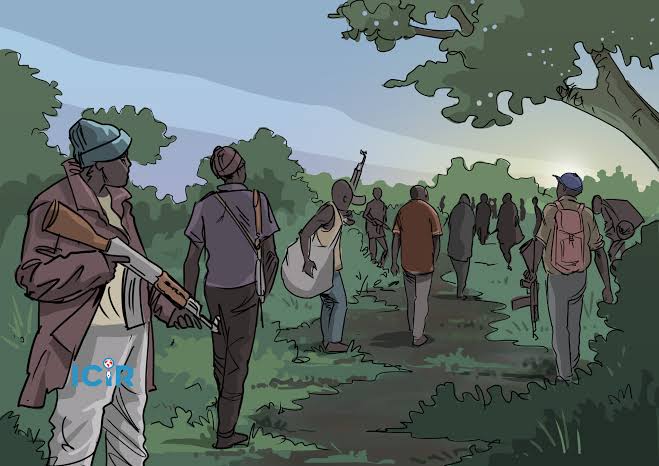
A deadly bandit attack occurred in the Federal Capital Territory (FCT) and Niger State, leaving four people dead and 39 others kidnapped.

The attack took place in Kuduru, a town in Bwari Area Council of the FCT, as well as Garam and Azu, two communities in neighbouring Niger State.

According to a witnesses, the bandits had on Saturday, December 23, invaded Garam in Niger state, which is a five minute drive from Bwari in FCT, killing a pastor with the Redeemed Christian Church of God RCCG, while kidnapping 13 others.

On Thursday December 28, the bandits struck Kuduru in FCT, which shares a boundary with Garam, and kidnapped 18 persons.

The following day, Friday, December 29, the bandits invaded Azu still in Niger state, killing three people and kidnapping eight others.

A resident of Garam, who identified herself as Mrs. Juliana said, “The bandits entered the wrong house, kidnapped two boys who later led them to the house of their target.

“When they got there, they kidnapped the entire family, but while leaving the house, they shot the man (their target), who is a pastor at the Redeemed Christian Church of God in the presence of his wife and their three children.”

As the bandits prepared to leave with their captives, the wife of the deceased pastor realized that she had left her six-month-old baby behind.

She bravely asked the bandits for permission to retrieve the child, and they agreed. One of the female bandits escorted her back to the house and stood guard while she picked up the baby.

“However, when the female bandit ran out of patience, she left the woman, joined the others and went with the other kidnapped persons who were 13 in number”, an eyewitness said.

Another eyewitness said the bandits made their way to the house of a military personnel, asking for his rifle and uniform from the wife.

“The wife told them that her husband is on duty. They, however, kidnapped two of his children,” she said.

The eyewitness added that 13 people were kidnapped during the attack, and that a five-year-old boy belonging to the murdered pastor was left behind by the bandits at the river because he was unable to cross it.

However, he was rescued by a local vigilance team who tracked the bandits.

This harrowing event has left the community traumatized and afraid for their safety.

9 suspects arrested in Kano for inter-state trafficking, child abduction

By Sabiu Abdullahi 

The Kano State Police Command apprehended nine suspects accused of engaging in inter-state trafficking, abduction, and the illicit buying and selling of minors. 

The arrests were announced by the State Police Commissioner, Usaini Gumel, during a press conference held at the Bompai command’s headquarters on Thursday. 

Gumel revealed that the suspects were captured following a series of intelligence-led operations, successfully dismantling long-standing inter-state trafficking syndicates operating in Kano, Bauchi, Gombe, Lagos, Delta, Anambra, and Imo states. 

The commissioner highlighted the commendable efforts of the police’s dedicated team in identifying and neutralising these criminal networks that had evaded authorities for over a decade. 

A total of seven victims, predominantly minors, were rescued from the clutches of these criminal activities, shedding light on the dark underworld of child trafficking. 

Gumel disclosed that rescued children, aged between three and eight, were reportedly sold at prices ranging from N300,000 to N600,000, depending on their ages. 

During investigations, it was revealed that a victim named Mohammed Ilya, originally abducted from Bauchi but renamed Chidiebere, was recently sold in Nnewi, Anambra State. 

The police commissioner noted the gravity of the situation and pledged to collaborate with the state government to ensure the safe return and reunification of all abducted children with their families. 

He reassured the public that the Kano State Police Command, under his leadership, had implemented reinforced security measures to eradicate this menace once and for all.