News

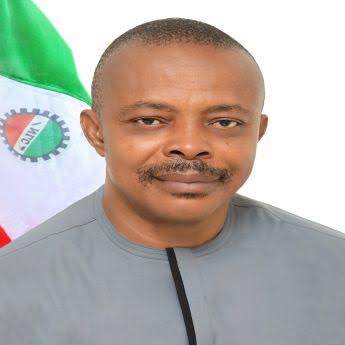
Police arrest NLC president in Imo

By Sabiu Abdullahi 

Imo State witnessed increased tensions as Joe Ajaero, the National President of the Nigeria Labour Congress (NLC), was reportedly arrested by Nigeria Police Force operatives in Owerri on Wednesday.

Ajaero was taken into custody at the NLC state council secretariat, according to Benson Upah, the Head of Information at NLC, and subsequently transported to an undisclosed location. 

This development followed the NLC’s announcement of an impending total strike in Imo State, set to commence on November 1, 2023.

Ajaero had accused Imo State Governor Hope Uzodimma of neglecting workers’ welfare and violating their rights.

He highlighted several issues, including prolonged non-payment of salaries, the wrongful categorization of workers and pensioners as ghost beneficiaries, and non-compliance with the national minimum wage. 

During a press briefing held on Sunday, Ajaero criticised the state government’s refusal to honour past agreements and its resistance to engaging in social dialogue and collective bargaining.

He underscored the grave consequences, citing reports of workers losing their lives due to the alleged lack of salary payments. 

The arrest of Ajaero has intensified the labour dispute, raising concerns about the ongoing situation in Imo State.

The NLC and its members continue to demand fair treatment and the fulfilment of workers’ rights.

As the state government faces mounting pressure to address these grievances, the labour unrest in Imo State remains a cause for growing apprehension and scrutiny.

CBN debunks rumours of naira redenomination

By Sabiu Abdullahi 

The Central Bank of Nigeria (CBN) has debunked rumors of a naira redenomination in the near future. 

In a statement, which was signed by the bank’s Director of Corporate Communications, Isa AbdulMumin, on October 31, 2023, the apex bank states that the contents of a text message circulating widely suggesting that the CBN plans to redenominate the naira in January 2024 are “misleading.” 

It further states that the authors of the text message “modified text eked from an old policy move by a previous CBN Governor in 2007 to make it appear recent.”  

The CBN advised the public to ignore the rumors, as they are “speculative and calculated to cause panic in the polity.”

The bank also stated that any reforms to the naira would be subject to “laid down procedures in line with the provisions of the CBN Act, 2007.”

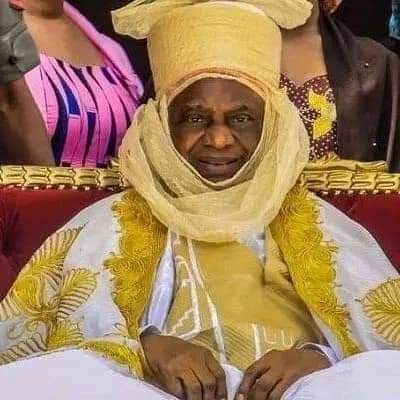
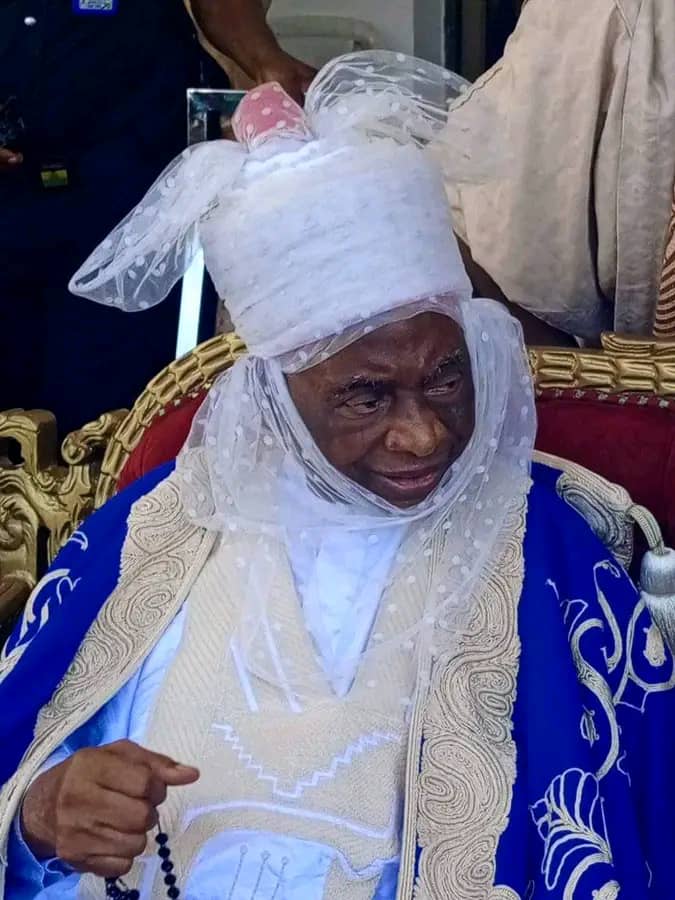
Ohinoyi of Ebiraland, Dr. Ado Ibrahim, mourned by Northern governors

By Sabiu Abdullahi

The Northern Governors’ Forum has expressed its deep sadness over the passing of the revered Ohinoyi of Ebiraland, Dr. Abdul Rahman Ado Ibrahim.

Governor Muhammadu Inuwa Yahaya of Gombe State, the Chairman of the Forum, expressed heartfelt condolences over the demise of this iconic monarch. 

Mr. Yahaya, in a statement, praised Dr. Ado Ibrahim’s legacy of peace, unity, and cultural preservation in Ebiraland.

He extended his sympathies to the people of Kogi State and the entire Ebira community, urging them to uphold the late monarch’s values. 

In this time of mourning, the Northern Governors’ Forum stands in solidarity with the family of Dr. Ado Ibrahim, honouring his contributions to the region’s heritage and praying for his soul’s eternal peace.

Breaking: Ohinoyi of Ebira dies, aged 94

By Ahmad Deedat Zakari

The paramount ruler of Ebira people of Kogi State, the Ohinoyi of Ebira, Abdulrahman Ado-Ibrahim, has passed on.

The Daily Reality gathered that the monarch died on Saturday night after a brief illness in Okene at the age of 94.

“His death will be announced officially, during the day”, a source told The Daily Reality.

The deceased king was enthroned on the seat of his forbears in 1997 and his reign was relatively peaceful.

His Majesty was born on February 7, 1929. He attended both Western nursery and Quranic schools, and went on to conclude his primary education in 1940 at the Native Authority (NA) primary school in Okene, Northern Region (now Kogi State). He, began his secondary school education at Ondo Boys High School and later on moved to Oduduwa College, where he graduated in 1949. In 1954, he obtained a bachelor’s degree in Economics from the London School of Economics and a master’s degree from Harvard Business School in 1959.

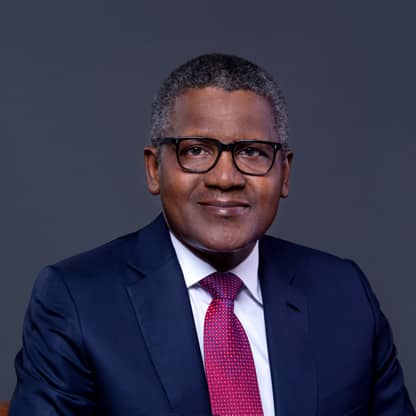
Dangote Cement surges with 15.2% Pan-African sales growth, record profits, unstoppable expansion

By Uzair Adam Imam

In the nine months leading up to September 30, 2023, Dangote Cement has reported a remarkable 15.2 percent increase in its pan-African sales volumes, reaching 8.5 million metric tons (Mt) compared to the 7.4 million Mt in the same period in 2022.

Pan-African volumes represent the sales volume from Dangote Cement plants located outside Nigeria.

These figures were revealed in the company’s unaudited results on the Nigerian Exchange (NGX) portal. The surge in volumes was primarily driven by exceptional sales performances in key locations.

The Dangote Cement Plant in Senegal saw a substantial 66.9 percent increase in sales, while the Dangote Cement Plant in Congo reported a 60.5 percent surge in volumes.

Dangote Cement Zambia experienced an 18 percent increase, with Ghana and South Africa following closely at 15.5 percent and 18.5 percent growth, respectively. Ethiopia and Tanzania also contributed to the positive trend with 6.5 percent sales volume increases.

Furthermore, Dangote Cement noted a 20.5 percent increase in profit before tax, rising from N335.9 billion to N404.89 billion, while the profit after tax increased by 30.2 percent, from N213.10 billion to N277.55 billion.

Arvind Pathak, the Chief Executive Officer of Dangote Cement, commented on the results, stating, “This positive nine-month result reflects our strong value proposition, enhanced operational efficiency, and our commitment to cost containment in the face of rising inflation. Group revenue reached ₦1,514.6 billion, with EBITDA reaching an all-time high of ₦662.8 billion, marking a
28.5 percent increase.”

He also highlighted the impressive growth of the company’s pan-African operations, which contributed 41.9 percent to Group volumes, with a record revenue growth of 103.9 percent and EBITDA growth of 255.4 percent.

Pathak emphasized that the growth was a result of sustained demand across the regions in which Dangote Cement operates.

Looking ahead, Pathak expressed optimism about the company’s future, particularly with
the final stages of a new grinding plant in Cote d’Ivoire nearing completion.

He reaffirmed the company’s commitment to delivering quality cement products to
its customers and expressed confidence in a strong finish to the year.

Dangote Cement is Africa’s leading cement producer with a capacity of 52.0 million metric tons across the continent. Through strategic investments, the company has not only eliminated Nigeria’s dependence on imported cement but has also transformed the nation into an exporter, serving neighboring countries as well.

Dangote Cement’s extensive operations include plants in Cameroon, Congo, Ghana, Ethiopia, Senegal, Sierra Leone, South Africa, Tanzania, and Zambia, in addition to its prominent presence in Nigeria.

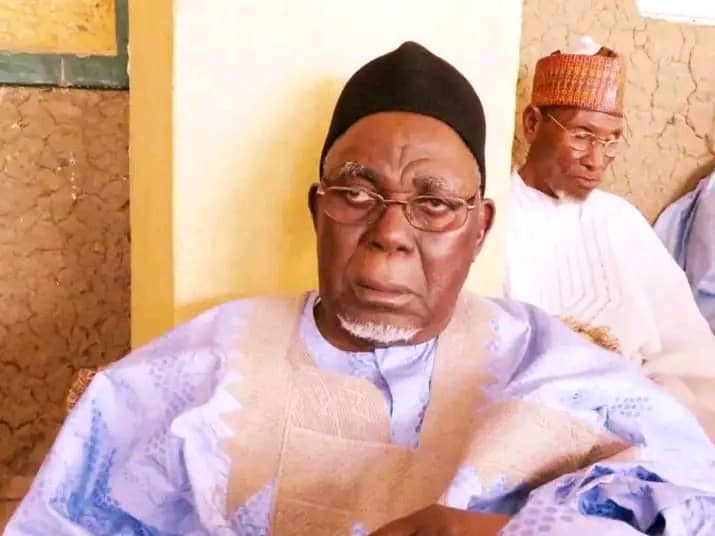
Elder statesman Adamu Fika passes on at 90

By Ahmad Deedat Zakari 

Elder statesman and Nigeria’s former Secretary to the Government of the Federation, Dr. Adamu Fika, has passed away at the age of 90. 

Sources within the family confirmed the demise of the nonagenarian to newsmen on Tuesday. 

The deceased died in London, where he has been treating undisclosed health issues. 

His funeral prayers have been scheduled to take place at the Sultan Bello Mosque in Kaduna on Wednesday by 4:00 p.m. 

He was born in Fika, Yobe State, in 1933. He was educated at Kaduna Government College, the Nigerian College of Arts, Science, and Technology, and Ahmadu Bello University, Zaria. 

He lived a life dedicated to the service of God and his country, which is evident in the position he held in his lifetime. 

The deceased was at the time pro-chancellor and chairman of the governing council at Ahmadu Bello University, Zaria.

The deceased was also the Chairman of the Board of Trustees of the Arewa Consultative Forum (ACF).

He was a permanent secretary at various federal ministries, among other things.

Bandits’ attack on Kaduna mosque leaves imam, worshipper dead

By Sabiu Abdullahi 

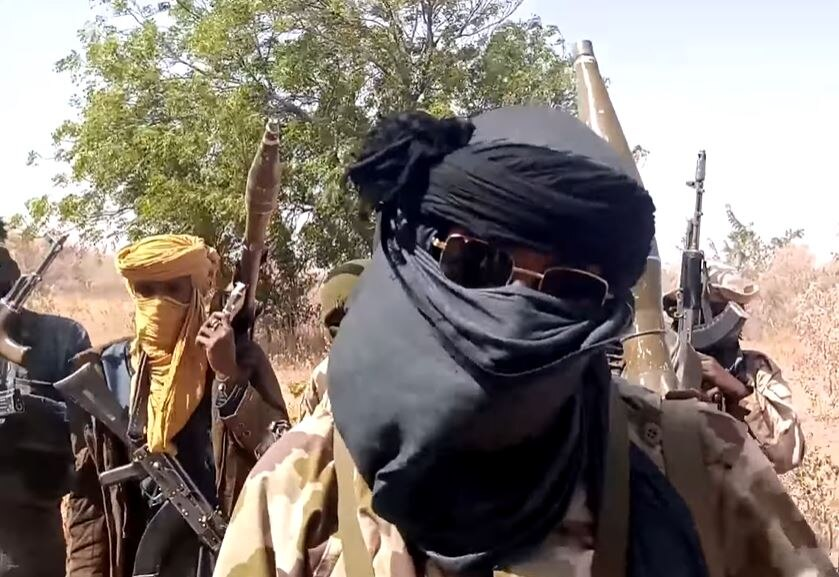
Amed bandits stormed a mosque during early morning prayers on Tuesday, taking the lives of the mosque’s imam and a worshipper identified as Kabir. 

The attack took place at Sabon Layi, Kakangi ward, in the Birnin-Gwari Local Government Area of Kaduna State. 

Two other worshippers, Bilya Mairabo and Ashiru Mairabo, sustained serious injuries and are currently receiving medical treatment at the Jibrin Maigwari General Hospital, Birnin-Gwari. 

The tragedy was said to have unfolded at approximately 5 a.m. Zubair AbduRrauf, the Danmasanin of Birnin-Gwari, expressed the community’s anguish, highlighting the escalating violence perpetrated by bandits in the region. 

AbduRrauf emphasized that the Birnin-Gwari communities faced daily threats, especially farmers, and the situation had become dire along the Birnin-Gwari-Kaduna highway, making it perilous for travelers and commuters. 

“We are in a precarious situation in Birnin-Gwari,” AbduRrauf stated. “The bandits’ attack is on a daily basis. Security personnel are really trying their best to see that the attacks are being curtailed, but we need a change of strategy from them.” 

Despite the gravity of the situation, there has been no official confirmation or statement from the state government or the state police command at the time of this report. 

The residents, gripped by fear and mourning, are calling for urgent and effective security measures to curb the rising menace of banditry that has plagued their community. 

When reached for comment, the state Police Public Relations Officer, ASP Mansir Hassan, promised to provide further information, indicating the gravity and urgency of the situation that has befallen the Birnin-Gwari community.

Zulum reopens Monday Market

By Rukayya Abubakar Othman

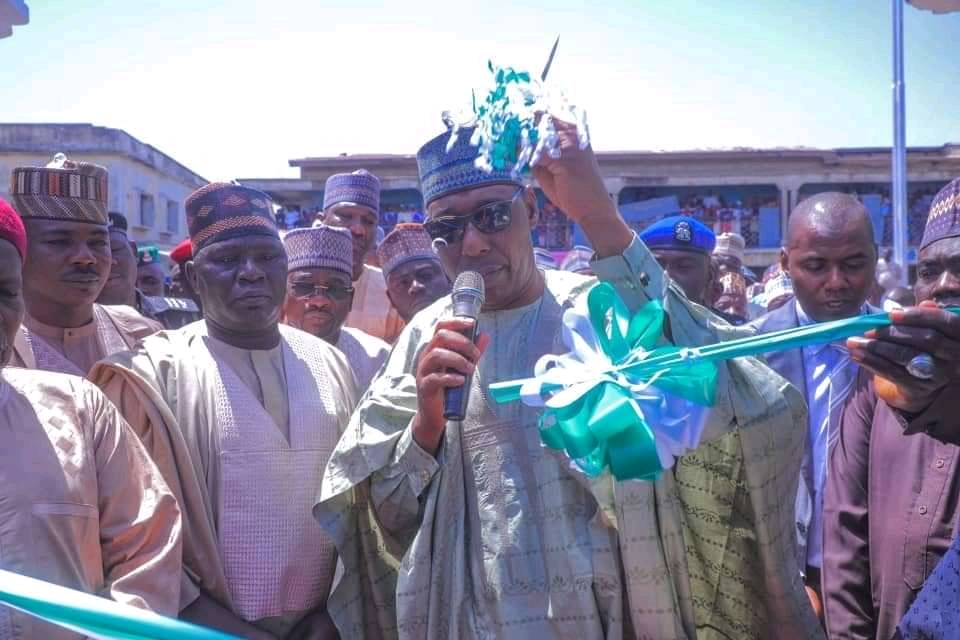
Governor Babagana Umara Zulum yesterday commissioned the famous Maiduguri Monday market and relieved two years’ rent for about 8,000 traders:

Borno state governor commissioned Maiduguri Monday Market on Monday, which was rebuilt after a fire inferno that gutted the market in February this year. 

Governor Babagana Umara Zulum announced that over 8000 traders who hitherto rented shops and paid rent would no longer pay for the next two years because of the losses incurred by them as a result of the mishap.

This, of course, is the untiring commitment of the state governor to the cause of serving humanity.

Upon the February incident, the governor hurriedly set up a committee to reconstruct the market, which has been completely rehabilitated and remodelled, with over 8,000 traders to benefit from the reconstruction. 

The market is well structured, which involves a comprehensive design and more vacancies for other traders to thrive in their business activities.

 The governor in February donated about N2b to the committee constituted to immediately swing into action and release N1b to the disaster victims. 

During the commission, Governor Babagana Umara Zulum announced about 2,825 traders who could not allocate their previous shop after the fire disaster. 

“As a result of remodelling, over 2,000 traders who either operated at a temporary site or built shops illegally on waterways could not own shops in the market. Moreover, the government will support over 185 of them with N1m “. Zulum said. 

He also promised that the people doing business there would get shops at a newly constructed Monday Market in Maiduguri. 

Centenary Celebration: MURIC salutes Ansarudeen

By Abdurrahman Muhammad

The Ansarudeen Society of Nigeria began its three-month-long centenary programme on Friday, 20th October, 2023. Meanwhile, an Islamic human rights organisation, the Muslim Rights Concern (MURIC), has sent a message of solidarity to the society. MURIC described the Ansarudeen as the leading Islamic organisation in Nigeria in the area of education.

MURIC’s solidarity message was contained in a statement given to newsmen on Monday, 23rd October 2023, by the Executive Director of the organisation, Professor Ishaq Akintola.

The statement reads:

“A foremost Islamic organisation, the Ansar-ud-Deen Society of Nigeria (AUD), began its three-month-long centenary programme on Friday, 20th October, 2023.  The celebrations will come to an end in December 2023.

“MURIC expresses its unflinching solidarity with the AUD on this momentous occasion. We felicitate with the National President of this great organisation, Alhaji Aare Dr. Abdul Rafiu Ademola Sanni whose visionary guidance and exemplary leadership have propelled AUD to greater heights.

“AUD is a golden lamp that has illuminated all that is around it. Millions of Nigerians have benefitted from its programmes, particularly education. AUD primary and secondary schools are spread throughout the nooks and crannies of Nigeria, while the organisation has capped its educational edifice with colleges and a tertiary institution, Summit University, Offa, Kwara State. This is apart from its empowerment programmes for women and youths.

“We extend our acknowledgement to the spiritual leader of the AUD, Shaykh Abdul Rahman Ahmad. As the Chief Missioner of the society, Shaykh Abdul Rahman Ahmad has been a good ambassador.

“MURIC appeals to the federal and state Governments in the country as well as Muslim philanthropists to vigorously fund projects of the AUD. We charge the organization to remain focused and to pay greater attention to its youth wing in order to preserve its enduring culture of spiritual and social growth.”

Calls over shoddy Hausa translations in Northern Nigeria

By Uzair Adam Imam

Translators, language experts, and advertising practitioners in Northern Nigeria are irritated by shoddy Hausa on billboards, TV and radio stations, with some calling for an end to the practice.

The role of translation is to communicate ideas and messages across the audience. However, as those concerned individuals opined, shoddy translation is doing the opposite.

Beyond the expert communities, poor translation, especially from English to Hausa, is generating outrages in many quarters, especially as native speakers of the Hausa language demand better translation of their language.

A report by The Daily Reality disclosed how the Three Crowns Milk, Taira, and Stanbic IBT, among others, came under attack over poorly translated advertisements from English to Hausa placed on their billboards.

Experts have associated the flagrant flaws of advertising agencies and personnel with unprofessionalism. They said that the practice has grown into a disease which has since been ravaging the translation business in Nigeria.

Authority to blame

There are outrages by the relevant authorities that feel very disappointed by the terrible things in the name translation that continue to unfold these days.

A lecturer at the Department of Nigerian Languages, Bayero University, Kano, Dr. Muhammad Sulaiman, described the situation as unfortunate.

He said the way some people bastardise the translation business, especially English-Hausa translation, despite making a fortune in the business is pathetic.

Dr. Muhammad said, “Some of these people mostly do not bother about such violations but rather the money they are tapping out from the business.

“Even though translation is a profitable business, its knowledge should be considered above the profit. If you don’t have the knowledge, learn it or allow people with the skill to do the business.”

Also, a Kano-based translator, Bello Sagir Imam, decried the menace of quack and unprofessional translation ravaging the translation business today in Nigeria as unfortunate.

Imam, the CEO of English Domain, a translation company, blamed the relevant stakeholders for merely lamenting the menace without taking bold action to address it.

He added that the lack of English-Hausa translation companies in the country exacerbates the menace.

He argued that the loopholes gave space to the quack companies and will continue to bring more and worse translators until the proper measures are taken.

Imam stated, “Failure of the Northern Nigerian relevant stakeholders is an easy and thriving business environment for the quack but well packaged and connected companies mainly based in Lagos and few others in Abuja, but amazingly not in Kano.

“For instance, in the North, with the entire daily complaining razzmatazz, there is no single English-Hausa-English translation company or one where such service is among their services.

“These loopholes birthed the quack companies and will continue to birth more and worse translators until the right measures are executed.”

We need support

Imam further lamented how the lack of support from relevant stakeholders discourages aspiring English-Hausa translators.

He said, “Most stakeholders do not help the aspiring English-Hausa translators despite being Hausa native speakers and linguists, Hausa or English graduates, simply because they don’t have a prior relationship with the helpers.

“For instance, if you are not their student, those in academia will not help you. The journalists will not help you if they don’t know you.

“I feel challenged as a relevant stakeholder to walk the talk, to mitigate the problems and inspire others to wake up from their deep sleep.”

What is the root cause of quack translation?

A communication scholar from the Mass Communication Department, Professor Mainasara Yakubu Kurfi, traced the root of quack translation, shedding light on the impact of a shoddy translation on advertising.

Professor Kurfi said, “If you look at what is happening in advertising industries, you can simply conclude that there is no professionalism – lack of professionalism in the sense that most of the advertising agencies and agents did not undergo practical formal education that will avail them the opportunity to understand what advertising is and what advertising is not, as well as understanding the techniques of advertising in appealing to the public without going into their religion, culture and even norms and practices.

“That is why you see several problems, particularly with billboards and adverts. I remember I did my master’s dissertation on billboards.

“Most of these translators, either from English to Hausa or Hausa to English, are not native speakers. They are generally from Lagos, probably Yoruba by tribe, and they do not really understand the nature of the language of reception – from English to Hausa or from Hausa to English.

“Some of the techniques that you consider in terms of translation they understand, they don’t have knowledge of that.

“Also, you find out that most of these translators are based in Lagos. They are not from Northern Nigeria. Therefore, they don’t understand the language itself.

“And we do not have many advertising agencies here in Kano that will now take cognisance of those traditions and norms. Therefore, it is not surprising to see this kind of problem.

Native speakers must key in the advertisement

Professor Kurfi said that to tame the menace of native speakers, in this sense, typical Hausa/Fulani must key into the advertisement business.

He said, “The only way forward is to allow our people to enter the advertising industry. I don’t know why our people, particularly typical Hausa Fulani, are running away from advertising. Let our people be into advertising.

“Let them understand the techniques and practice of advertising, the procedures, the rules and regulations governing advertising, in the print media, in the broadcast media, even on the online media platforms, as well as billboards and adverts.

“When they understand that, you discover these problems will undoubtedly be minimal. They will be contracted to translate from English to Hausa or From Hausa to English.

“Another way out is to let our people, particularly the graduates of mass communication, establish independent advertising agencies responsible for all this kind of advert placement in the media organisations. 

“But when our people are running away, the advertising agencies or the producers or manufacturers have no option but to contract the service of the people from the southern part of Nigeria – and this is why you see all these kinds of problems happening.”

It’s posing a serious challenge to us – APCON 

The President of the Advertising Practitioners of Northern Nigeria, Sammani Ishaq, lamented the rising number of cases of poor translation.

He said that Advertising Practitioners have been working to end the problem over the years.

Sammani Ishaq said shoddy Hausa translations usually affect the persuasive aspect known for advertising and that consumers patronise the product out of desperation, not because they are being persuaded.

He said, “This is a serious issue we have been trying to address over the years. In doing so, we held many meetings and organised different programs. We even formed a forum we named Advertising Practitioners of Northern Nigeria.

“The issue is beyond imagination because most advertisers are from the southern part of the country and are either Igbo or Yoruba. It was not for ten years that northerners started advertising businesses. And, up till now, the advertising agencies are not numbered to ten.

“And what they mostly do is to hire their friends from southern Kaduna, who do not fully understand the language, let alone translate it correctly, or people who have served or had been in the north for a while.

“For this reason, the translators are not even Hausa and don’t fully understand the language. So, they usually hire people from southern Kaduna or those who have served in the north for translation.

“And, sometimes, even in the north, people mostly hire Kannywood or Nollywood actors and actresses for advertising. These people are unprofessional and lack the basis of advertisement. Hence, people purchase products not because they are persuaded to but only because the product has become necessary for them to buy.

We will deal with unregistered advertising agencies

Sammani also threatened that any unregistered advertising agency caught would be dragged before the court to face the music.

He stated, “And for this reason, APCON provided a law signed by the former president of Nigeria, Muhammadu Buhari, before he left office on May 16, 2023. The law stated that any unregistered advertising practitioner caught practising advertising must be dealt with.”