News

Zamfara CP pledges to quell insurgency within 3 months

By Sabiu Abdullahi 

Amid mounting concerns over insurgency in Zamfara State, Commissioner of Police, Kolo Yusuf, has made a bold declaration to eradicate the menace within three months.

Speaking during a meeting with various stakeholders including organised labour unions, religious leaders, civil society organisations, and journalists, Yusuf outlined the government’s commitment to tackling insurgency head-on. 

In a bid to dissuade the proposed nationwide protest by the Nigerian Labour Congress and the Trade Union Congress scheduled for February 27 and 28, the Commissioner of Police highlighted the root cause of the unrest, attributing it to the removal of fuel subsidies by the administration.

He urged patience from the populace, noting that efforts were underway by both federal and state governments to address the underlying issues. 

Yusuf stressed the urgency of the situation, acknowledging the adverse impact of insurgency on the state’s economy and livelihoods.

He reiterated the government’s determination to restore peace and security, urging collective support from all sectors of society. 

However, amidst the call for restraint, tensions simmered as the Trade Union Congress expressed its determination to proceed with the planned protest, citing a lack of directive from its national leadership to suspend the action.

The local chairman of TUC, Saidu Mudi, affirmed their commitment to the cause, highlighting the need for a unified approach to addressing the prevailing socioeconomic challenges. 

As the dialogue between stakeholders continues, the fate of the proposed protest hangs in the balance, displaying the complex dynamics at play in Zamfara State’s quest for peace and stability.

With the assurance from the Commissioner of Police and the unwavering resolve of labour unions, the path forward remains uncertain yet fraught with hope for a resolution to the pressing issues facing the state.

Nigerian Customs Service strengthens ties with Navy to combat smuggling 

By Sabiu Abdullahi 

The Comptroller General of Customs, Bashir Adewale Adeniyi, took a proactive step towards bolstering efforts against smuggling activities by forging a closer collaboration with the Nigerian Navy (NN).

In a recent courtesy visit to the Chief of Naval Staff, Vice Admiral Emmanuel Ogalla, the CGC indicated the importance of joint operations and intelligence-sharing between the Nigeria Customs Service (NCS) and the NN. 

During the visit on Tuesday, February 19, 2024, at the Nigerian Navy Headquarters in Abuja, CGC Adeniyi reaffirmed his commitment to enhancing the relationship between the two agencies to combat smuggling effectively across Nigerian waterways.

He stated the necessity of tapping into the Nigerian Navy’s expertise to bolster the capacity of Customs personnel serving within the Customs Marine Units. 

Highlighting the NCS’s possession of ocean-going and creek-going vessels, CGC Adeniyi disclosed plans to transport two ocean-going vessels to the Nigerian Navy Dockyard for maintenance, further noting the importance of intelligence-driven operations in combating smuggling activities. 

In response, Vice Admiral Emmanuel Ogalla expressed gratitude for the visit and reiterated the Nigerian Navy’s commitment to supporting Customs in enforcing laws against smuggling.

He pledged the availability of Navy training facilities to the NCS at no cost and affirmed the need for reciprocal collaboration to enhance maritime security effectively. 

Vice Admiral Ogalla also addressed the importance of collaboration with a specific unit of the Nigerian Navy tasked with clearing items imported by the agency to streamline operations and mitigate obstacles.

Additionally, he proposed the review of a five-year-old Harmonised Standard Operating Procedure (HSOP) for monitoring maritime crimes in light of current challenges. 

The meeting between the Comptroller General of Customs and the Chief of Naval Staff signifies a significant stride towards enhancing maritime security and combating smuggling along Nigeria’s coastal waters.

The commitment to mutual support and collaboration sets a promising precedent for future joint efforts aimed at safeguarding the nation’s territorial integrity and promoting economic prosperity.

Senate approves resolution urging continued electricity subsidy amidst hardship

By Sabiu Abdullahi 

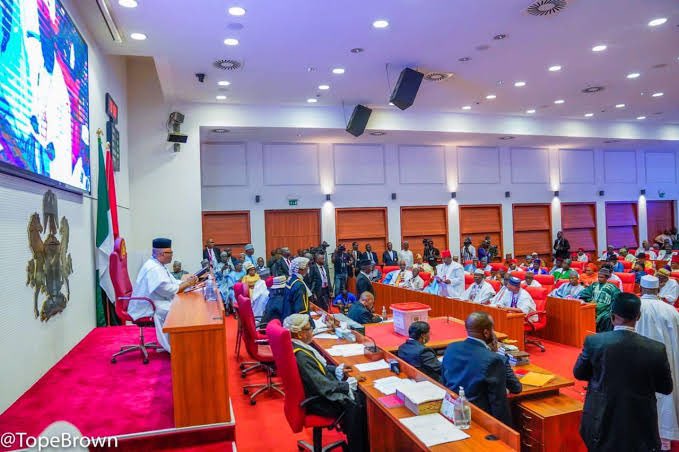
The Nigerian Senate has endorsed a resolution urging the federal government to continue with the electricity subsidy in light of the prevailing challenges confronting the nation.

This decision comes in response to the pressing concerns raised regarding the ongoing hardships experienced by citizens across the country. 

During a comprehensive deliberation at the plenary session, Senator Aminu Iya Abbas of the People’s Democratic Party (PDP), representing the Adamawa Central Zone, tabled a motion advocating for the continuation of the electricity subsidy.

The proposal garnered widespread support from fellow lawmakers, leading to its unanimous approval. 

Addressing the Senate, Senator Abbas reiterated the significance of prioritising the welfare of the populace amidst economic uncertainties and social challenges. 

The decision reflects a concerted effort by the Senate to address the concerns voiced by constituents and stakeholders regarding the affordability and accessibility of electricity, particularly during these turbulent times. 

By advocating for the continuation of the subsidy, lawmakers aim to alleviate the financial burden on households and mitigate the adverse impact of rising utility costs. 

In approving the resolution, the Senate reaffirmed its commitment to championing policies and initiatives aimed at safeguarding the interests and well-being of the Nigerian populace.

The collective endorsement of Senator Abbas’s motion underscores the bipartisan consensus on the imperative of sustaining vital support mechanisms to alleviate socioeconomic strains and promote inclusive development.

Sokoto H’Assembly moves to combat fraud, impersonation during issuance of indigene certificates

By Ukashatu Ibrahim Wakili

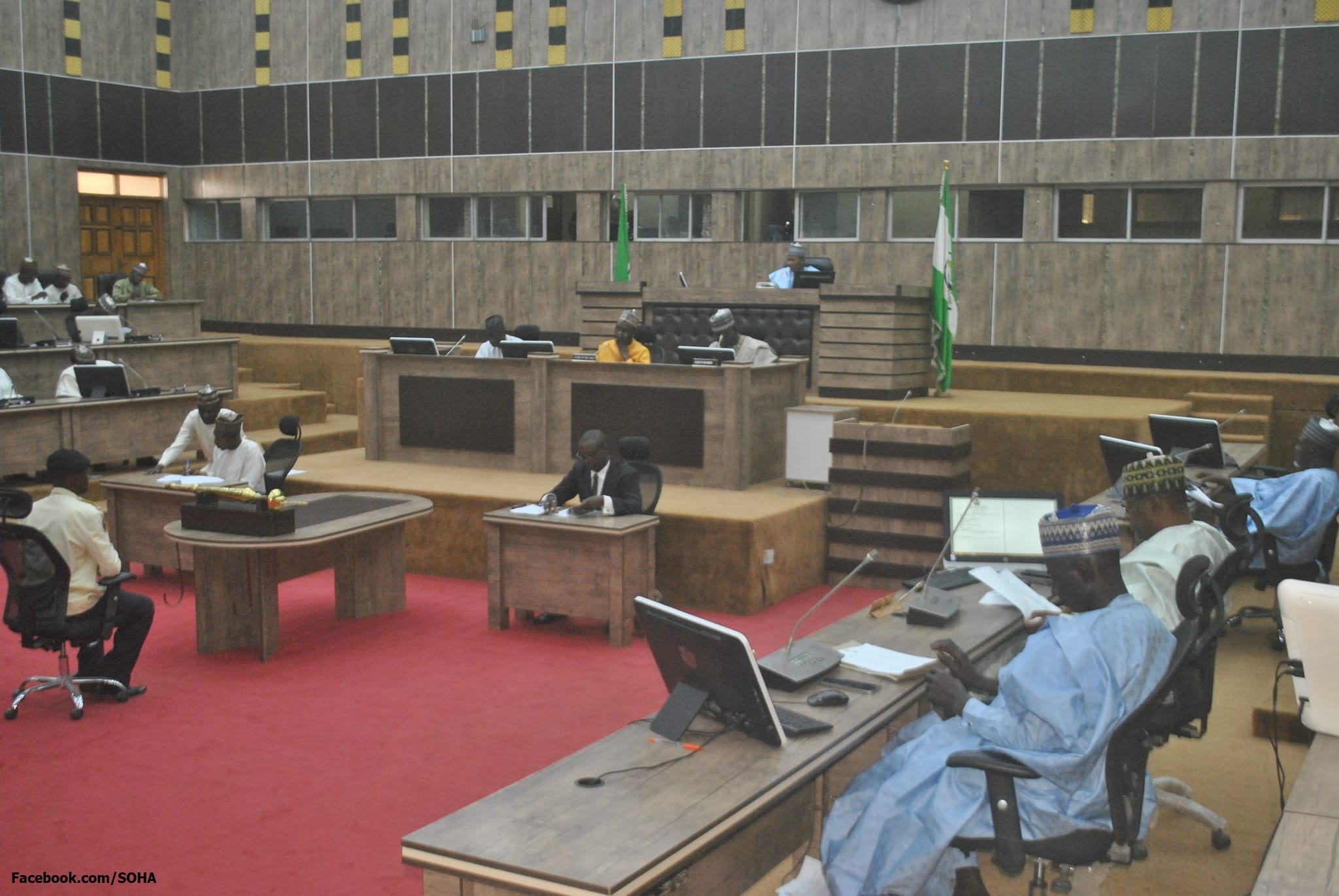
The Sokoto State House of Assembly has taken steps to strengthen government institutions and improve public trust by centralizing the issuance of indigene letters to people of Sokoto origin.

During Tuesday’s plenary, Hon. Nasiru Adamu, a member representing Goronyo Constituency, brought up the matter as an urgent public concern, which was seconded by Hon. Habibi Halilu Modachi, representing Isa Constituency.

Hon. Nasir Adamu explained that centralizing the issuance of indigene letters would have various benefits, such as ensuring that the issuance of these letters is based on consistent criteria and verification procedures. This move would minimize fraud and impersonation, among other issues.

The reckless issuance of indigene certificates to non-indigenous persons by some corrupt local government officials in the state, especially in the metropolitan areas, has been a source of concern for the citizens. This act prevents genuine indigenes from accessing opportunities allocated to the state.

The house presided over by Deputy Speaker, Hon. Kabir Ibrahim Kware, unanimously adopted the matter and directed the House Committee on Special Services and Security Matters to find ways to address the issues surrounding the issuance of indigene letters to the indigenes of the state.

The Committee was also directed to interface with the Federal Character Commission, Sokoto State Office, to address the issue of not employing state indigenes in Grade Levels 01–06.

Customs, intelligence agency strengthen collaboration to enhance security

Sabiu Abdullahi

The Comptroller General of Customs (CGC), Bashir Adewale Adeniyi, in a bid to bolster security measures and foster stronger ties, convened a collaborative meeting with the Defence Intelligence Agency (DIA) at the Nigeria Customs Service (NCS) Corporate Headquarters on February 19, 2024. 

During the session, CGC Adeniyi underscored the paramount importance of the collaboration, stating its role in maintaining and deepening existing relationships between the NCS and the DIA.

He reiterated the NCS’s commitment to partnership, citing cooperation with other customs administrations and government agencies as pivotal for growth. 

“The major objective of this delegation is to maintain and deepen the relationship between the Nigeria Customs Service and the DIA. For the records, the Nigeria Customs Service believes in collaboration. We believe that we can draw strength from collaborating with other government agencies,” said CGC Adeniyi. 

Highlighting past collaborative efforts, particularly in capacity building and security projects, CGC Adeniyi affirmed the NCS’s dedication to working hand in hand with the DIA.

He referenced initiatives such as the partnership with the Armed Forces Command and Staff College, aimed at enhancing the proficiency of customs officers. 

Expressing a keen interest in further cooperation, CGC Adeniyi stated the importance of robust intelligence sharing to effectively address significant security challenges along border areas and enhance the overall efficiency of customs officers. 

“It is our strong desire to deepen this kind of partnership to ensure that we benefit more from it,” he reiterated. 

In response, Air Vice Marshal Samuel Chinda, representing Chief of Defence Intelligence Major General Emmanuel Parker, lauded the collaboration with the NCS, highlighting its pivotal role in combating border threats.

AVM Chinda reiterated the DIA’s openness to partnerships in training and operational endeavours with the Nigeria Customs Service, underscoring the agency’s commitment to strengthening ties for future collaborations. 

The collaborative efforts between the Nigeria Customs Service and the Defence Intelligence Agency signify a proactive approach towards enhancing national security measures and fortifying the nation’s borders against emerging threats.

As both agencies continue to deepen their partnership, the prospects for improved intelligence sharing and coordinated operations are expected to contribute significantly to safeguarding the nation’s territorial integrity.

Finance minister addresses economic challenges, promises relief measures

By Sabiu Abdullahi 

Finance Minister Wale Edun acknowledged the daunting task inherited by the current administration led by President Bola Tinubu in a recent announcement at the Public Wealth Management Conference held in Abuja.

The minister addressed the pressing issue of escalating food and commodity prices, attributing them to challenges passed down from the previous government. 

Minister Edun assured the public of ongoing efforts to mitigate the burden of high inflation rates and reduce the cost of essential food items.

He stated this with the populace, acknowledging the hardships faced by Nigerians and affirming the government’s commitment to implementing measures aimed at alleviating their suffering. 

The announcement comes amidst growing concerns over the economic strain faced by citizens, with soaring prices of basic necessities impacting households nationwide.

Minister Edun’s reassurance of governmental action seeks to instill confidence in the populace and demonstrate a proactive approach to economic stabilisation and welfare enhancement. 

As the nation grapples with economic uncertainties, the promises made by the Finance Minister signal a concerted effort by the government to prioritise the well-being of its citizens and navigate through prevailing challenges towards a more prosperous future.

Hardship in Nigeria: Customs to disburse seized food items to ordinary citizens

By Sabiu Abdullahi 

In a proactive measure to address the pressing issue of food insecurity and surging prices of essential commodities, the Nigeria Customs Service (NCS) unveiled a comprehensive plan on Tuesday to distribute forfeited food items to the Nigerian populace.

The initiative, announced by the NCS National Public Relations Officer, Abdullahi Maiwada, aims to alleviate hunger and ease the financial burden on citizens grappling with escalating living costs. 

It was reported that the cache of contraband seized by diligent NCS officers and subsequently forfeited to the federal government by court order encompasses a variety of staples, including rice, groundnut oil, noodles, and other essential commodities. 

In a press statement issued on Tuesday, Maiwada underscored the urgency of the decision in light of the prevailing challenges surrounding food security and affordability in the country.

He reiterated the NCS’s commitment to President Bola Ahmed Tinubu’s food security agenda, emphasising the agency’s pivotal role in fostering economic stability and prosperity for all Nigerians. 

Maiwada articulated the operational framework for the disbursement, affirming that the forfeited food items would undergo rigorous inspection and certification by relevant authorities to ensure their suitability for consumption.

Subsequently, the items will be equitably distributed across Customs’ Areas of Operations (AoO) nationwide, ensuring widespread access for ordinary Nigerians. 

Highlighting the paramount principles of transparency, fairness, and public safety, Maiwada assured the public that the modalities for the disposal process would be disseminated through NCS formations nationwide.

He stated the NCS’s unwavering commitment to managing the exercise with meticulous diligence to ensure that the benefits reach those most in need throughout the country. 

Maiwada concluded by reiterating the NCS’s steadfast dedication to safeguarding the nation’s food security and enhancing the economic well-being of every Nigerian.

He expressed confidence that, with the collective support and cooperation of the public, the challenges posed by food insecurity would be overcome, paving the way for a brighter and more prosperous future for the nation. 

The announcement of the NCS’s initiative signals a significant step towards mitigating the adverse effects of food scarcity and affordability challenges, offering hope and relief to countless Nigerians grappling with the harsh realities of economic strain.

Zookeeper killed by lion at Nigerian university 

By Sabiu Abdullahi

There was a sad moment at the Zoological Garden of the Obafemi Awolowo University (OAU) in Ile-Ife on Monday as a 9-year-old male lion attacked and killed Mr. Olabode Olawuyi, a long-serving veterinary technologist responsible for animal care. 

Mr. Olawuyi, reportedly in charge of the zoo for over a decade, was feeding the lions in their den when the incident occurred.

According to university officials, Mr. Olawuyi had cared for the animals since their birth nine years ago. Despite attempts by colleagues to intervene, the lion inflicted fatal injuries, leading to Mr. Olawuyi’s passing. 

Upon receiving the news, university management, led by Vice-Chancellor Professor Adebayo Bamire, visited the scene and offered condolences to the deceased’s family.

Professor Bamire confirmed that “all first aid and medical efforts to save the life of the victim proved abortive.” 

Following the incident, the aggressive lion was euthanized to ensure the safety of remaining staff and animals.

Additionally, a thorough investigation into the cause of the attack is underway. 

This tragic event raises questions about zoo safety protocols and the risks associated with close interactions between humans and wild animals.

It follows similar incidents in 2018 and 2022, where lions attacked and killed individuals in South Africa. 

The OAU community mourns the loss of Mr. Olawuyi, a dedicated caretaker remembered for his passion for animal welfare.

The university’s investigation aims to determine the circumstances surrounding the attack and prevent similar tragedies in the future.

Fake News: Sheikh Daurawa did not resign from Kano Hisbah Command

By Aisar Fagge

Rumours circulating on social media platforms about the resignation of Sheikh Aminu Ibrahim Daurawa, the Commandant General of Kano State Hisbah Command, were found to be false.

Speaking to Dr. Mujahid Aminuddeen, Deputy Commander General of Kano Hisbah, he said, “All those stories were fake, and Sheikh Daurawa is already in his office attending to many people.”

The development of this fake news is not unconnected to the story of the release of Murja Kunya, the embattled TikToker who was arrested by Hisbah after receiving a series of complaints against her from the residents of the area where she lives.

After being taken to court, Kunya was facing multiple charges, denied bail, and the date for her trial was set. However, yesterday, February 18th, new information revealed that Kunya had been miraculously released.

The Daily Reality is working to find out why, how, and under what condition(s) she was released.

Food Inflation: Prof. Mansur Sokoto examines recent government actions

By Ibrahiym A. El-Caleel

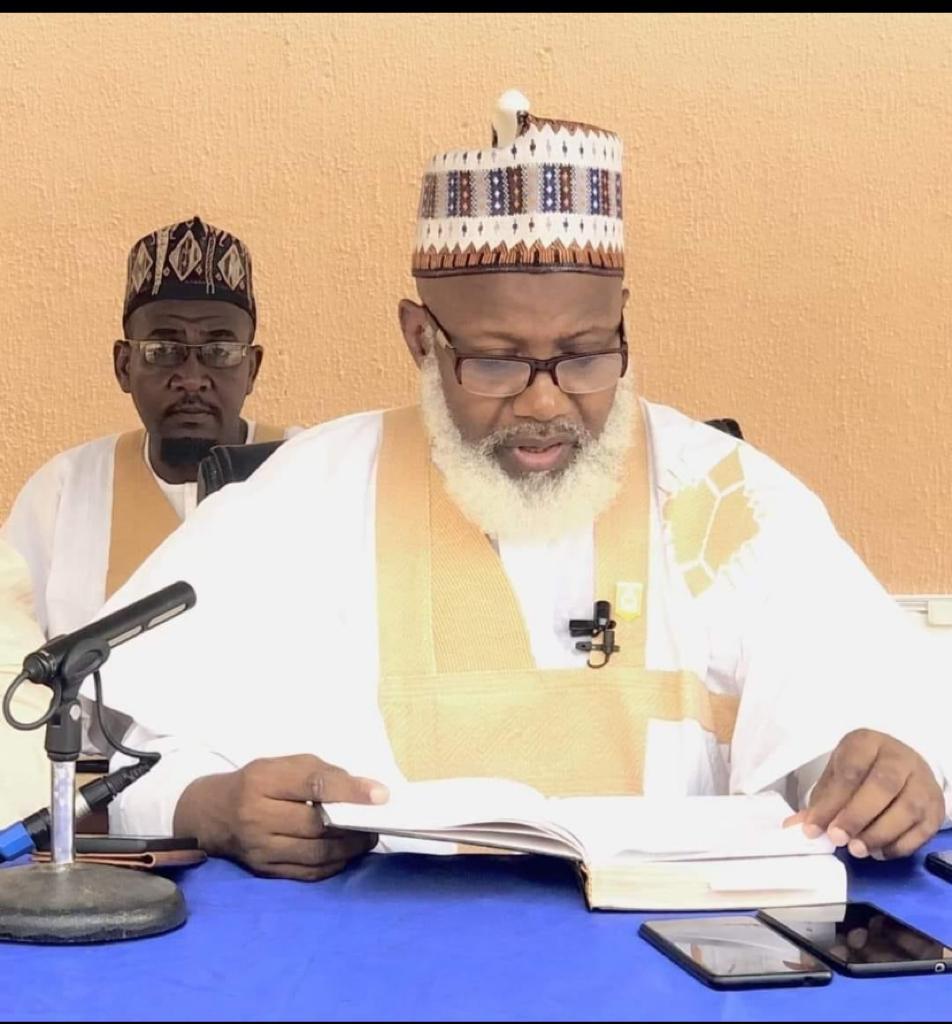
Muhammad Mansur Ibrahim Sokoto mni, a professor at Usmanu Danfodiyo University Sokoto (UDUS) and the Chief Imam of Abu Hurairah Mosque, has commented on recent initiatives by the Kano State Public Complaints and Anti-Corruption Commission (PCACC) and the Federal Competition & Consumer Protection Commission (FCCPC) aimed at addressing the escalating inflation nationwide. His remarks follow President Bola Tinubu’s commendation of PCACC’s efforts in scrutinizing the alleged hoarding of goods by businesspeople.

The President, who spoke through his Special Adviser on Information & Strategy, Bayo Onanuga, lauded the Kano government and urged other state governors to follow suit. Earlier on Friday, FCCPC also reportedly sealed Sahad Stores, a popular Abuja shopping mall, over “misleading pricing practices and lack of transparency”, later reopening it after reaching a mutual understanding with the store.

The actions of PCACC and FCCPC have triggered discussions on social media as Nigerians grapple with rising commodity prices. Under Barrister Muhuyi Magaji Rimingado’s leadership, Kano State PCACC has reportedly sealed over a dozen warehouses, accusing businessmen of hoarding grains and essential commodities.

A widely circulated video showed a warehouse owner explaining that the stored grains were intended for supply to NGOs like the United Nations and ECOWAS, engaged in aiding internally displaced persons (IDPs) in North-Eastern states.

Professor Mansur Sokoto mni weighed into the conversation in two separate posts on his Facebook profile, initially posing five critical questions:

  1. “Is the ongoing food inflation solely attributable to businessmen storing grains in warehouses?
  2. Without warehouses for grains, where will imported commodities be stored before distribution for purchase?
  3. Does the surge in prices affect only food, or are other commodities like steel, wood, gold, petrol, and clothing also impacted?
  4. Have commodity prices simply risen, or is the devaluation of the Naira a contributing factor? If Naira devaluation is the cause, who is responsible?
  5. Are the commodities stored in these warehouses completely unavailable in the market, indicating hoarding?

The Islamic scholar emphasized that leaders should be aware of the actual sources of the prevailing hardship and avoid actions that exacerbate challenges. Responding to a commenter’s question on Islam’s stance on hoarding, Professor Sokoto clarified the following six points on what is permissible (halal) and forbidden (haram):

1. It is permissible for an individual to cultivate food crops in any quantity, whether for personal consumption or for storage, with the intention of selling at a later time, provided that he/she has fulfilled the obligatory almsgiving, known as “Zakah”.

2. It is permissible for an individual in need of food to purchase, consume, and store it to prevent potential future cost increases.

3. It is permissible for a businessman to store food crops that he has ordered, intending to sell them later, periodically, according to market demand.

4. It is permissible for a businessman to purchase a food crop during its season, anticipating future value increases, with the intention of selling it for profit. This is permissible according to a valid opinion.

5. It is both permissible and even encouraged for financially capable individuals to buy what they and their families will consume- including items they will give as charity- for a long time, especially when food prices are rising without clear signs of decline. This perspective aligns with the viewpoint of Shaikh Ibn Uthaimeen.

6. What is NOT permissible is for businessmen to acquire food during periods of high prices and hoard it with the intention of causing hardship to the public. Similarly, it is forbidden for businessmen to accumulate and store food during scarcity periods, withholding it from the market until demand peaks. At this point, they sell it at exorbitant prices. In such instances, government authorities are authorized to compel the businessman to sell the stored food at the standard market price without imposing a loss on the sale.

Having outlined these positions, Professor Sokoto critiqued the recent actions of breaking into warehouses, deeming them inappropriate. He questioned whether the businessmen violated Nigerian laws, emphasizing that their practice is not against Islamic injunctions as they maintain inventory for trade and strategic partnerships.

He implored the government to investigate the actual causes of hardships, citing fuel subsidy removal, Naira floating, border closure, and taxation as contributors. Professor Sokoto cautioned against temporary solutions, advocating for sustainable measures and discouraging the use of the National Strategic Grain Reserve to artificially lower food prices. He drew lessons from past strategies and urged the government to avoid short-term approaches.