Local

Phone snatching: Stakeholders lament challenges, proffer solutions in Kano

By Aisar Fagge and Uzair Adam Imam

Nothing could have been more worrisome presently in Kano than the menace of phone snatching that has become rampant, leading some analysts to describe the development as a pandemic gradually ravaging the peace in the state.

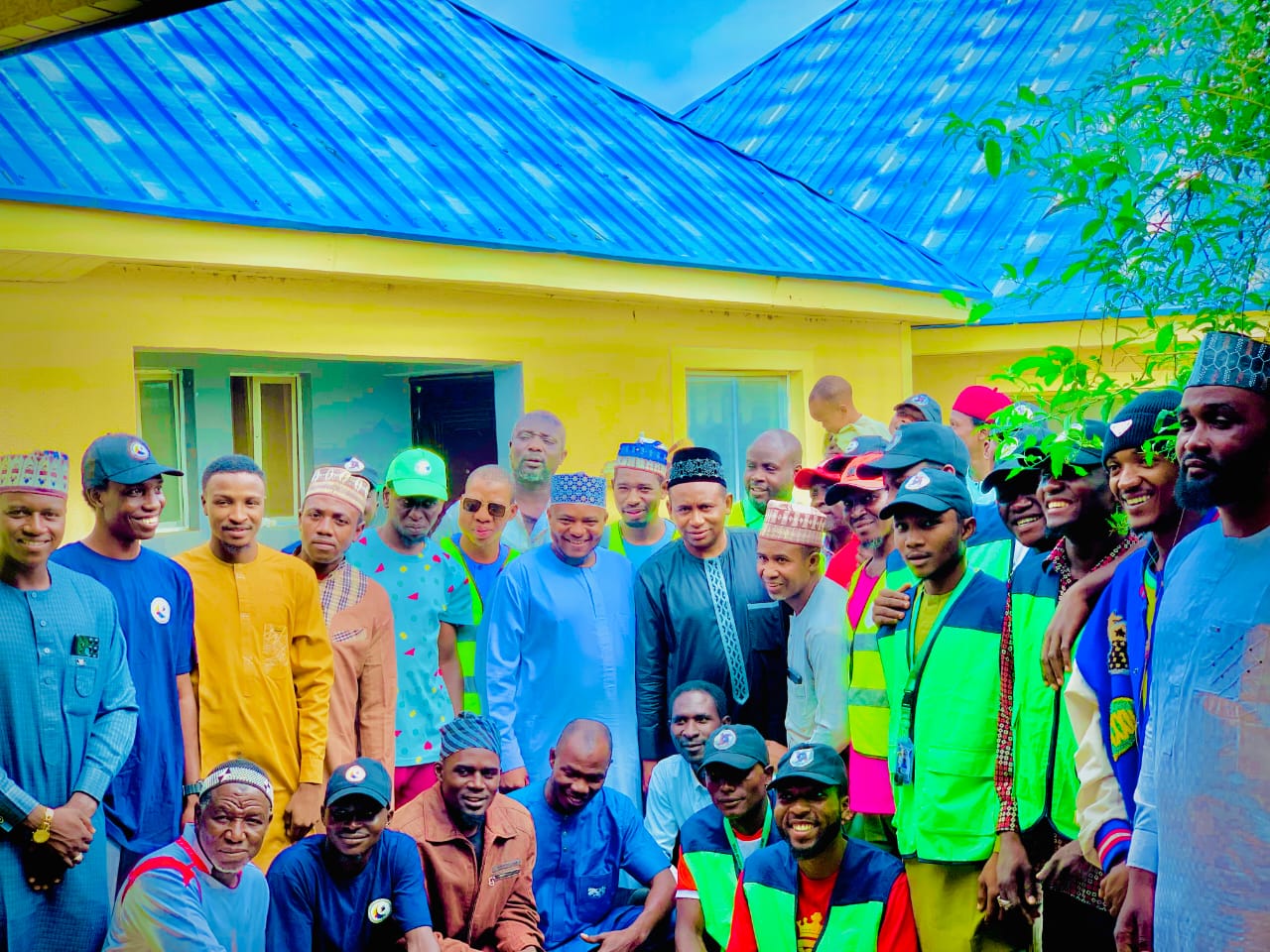
It was on this light that the Muslim Forum of Nigeria in collaboration with Al-Istiqama University, Kano, and the Muslim Students Society of Nigeria (MSSN), Kano State Chapter, converged for a meeting to discuss the way forward with a view to end the menace.

The symposium Saturday with the title “Curbing the Menace of Phone Snatching” has in attendance many people from all walks of the state, including security personnel, traditional rulers, analysts, journalists, Islamic clerics and university dons, to menton but a few.

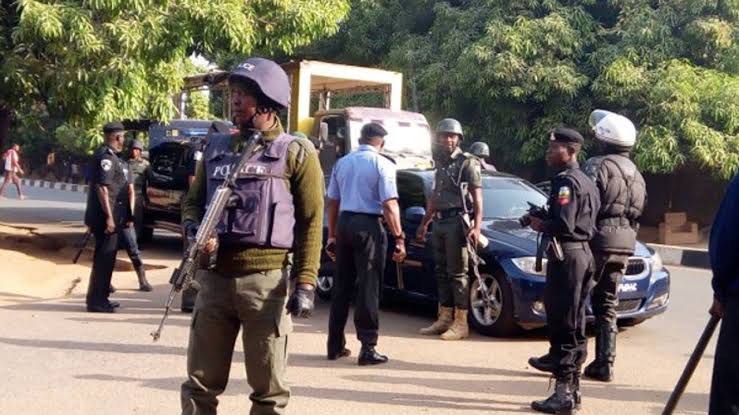
Phone snatching has become a major security challenge in Kano state that continue to strike terror in the mind of the residents as thugs with deadly weapons spare no one during their ‘phone or life’ operation.

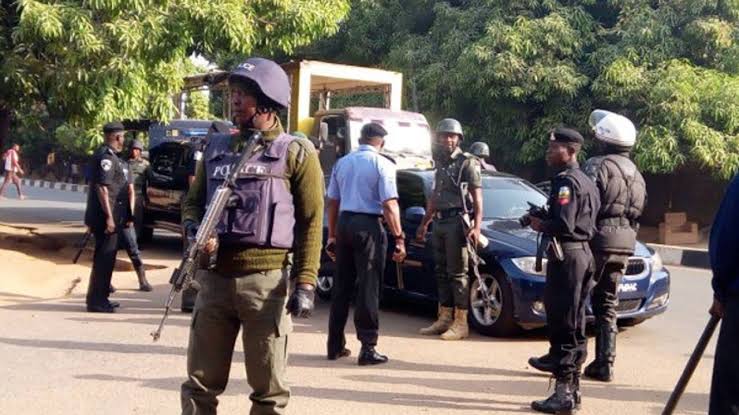
A shocking disclosure by the Kano State Police Command has indicated that from January to May over six hundred (600) phone snatchers have been arrested by security agents in Kano State.

Arrested culprits must be dealt with

The Secretary General of the Muslim Forum of Nigeria and the Vice Chancellor of the Al-Istiqama University, Kano, Professor Salisu Shehu, has called on the relevant authorities to ensure that the culprits arrested in the course of phone snatching be punished according to the provision of law.

He stated that, “There are two ways to address this menace: the problem can be tackled through government and our security personnel who will ensure the arrest and punishment of these armed thugs and; through this kind of symposium with the stakeholders to deliberate on the genesis and possible solutions of the syndrome.”

Professor Salisu added that for any nation or community to survive there must be people of knowledge who would think, study and analyse issues for the betterment of that society.

We must put hands together – traditional ruler

Also speaking at the event, Alhaji Ilyasu Mu`azu, the Ward Head of Sharada, said we should all put hands together before we could fight off phone snatching in Kano state.

“It is only through collective effort that we can address this problem,” he stated, adding that “traditional rulers should work hand in hand with security personnel through reporting happening and any suspicious act or individual involving in criminal activities in their area.”

The Kano State Emir, Alhaji Aminu Ado Bayero, who was represented by Dan Amar Kano, Alh. Aliyu Harazumi, has commended the organizers and also called on the district and ward heads to ensure working with the security personnel to help address the issue of phone snatching in the state.

However, the Public Relatios Kano Police Command, DSP Abdullahi Haruna Kiya, said all efforts by the police to address the issue are on top gear as their personnel were never reluctant.

Jigawa State signs MOU with Zinder of Niger Republic on integrated livestock

By Muhamamad Suleiman Yobe

In her effort to protect lives and properties of its people,  Jigawa State Government has signed a Memorandum of Understanding (MOU) with Zinder State of Niger Republic on integrated and secure livestock and pastoralism in West Africa region.

Governor Umar Namadi, who signed the agreement while opening a three-day workshop on behalf of the jigawa state Government, said that the MOU will benefit the state and its people in curtailing criminal activities.

The Governor, who was represented by his Deputy, Engineer Aminu Usman Yusuf added that Nigeria has many challenges as cattle entered the country through illegal borders, by this development  there will be a control of farmers and Herders conflict.

In his remarks, the special guest and Governor of Zinder, Lawal Amadu  Madugu, thanked the Jigawa State Government for actualizing the existing cordial relation between the two state, and promised to work together to achieve the desired objectives.

Some of the boarder communities suggested the possible ways of overcoming the trans boarder problems with a view of finding of lasting solution to the menace.

Among the attendees include top Government officials and traditional rulers from both states and countries.

Counting the cost of Kano demolitions

By Mohammad Qaddam Sidq Isa (Daddy) 

Notwithstanding the appropriateness or otherwise of the recent and unprecedented wave of demolitions in Kano by the newly inaugurated governor, Abba Kabir Yusuf, it may have triggered a vicious circle of the incumbent governors and their predecessors taking turns revoking, converting and reallocating public land and facilities in the state. 

Though purportedly guided by relevant legislation and overriding public interest, successive Kano state governors have been involved, to various extents, in controversial public land and facility-related scandals. However, the immediate past governor, Abdullahi Umar Ganduje, having literally overdone it, has been particularly notorious in this regard. 

Now with the recent demolitions, Governor Abba has proven that it’s indeed his turn. The way they were conducted, which made the operation look more like mob action, has been effectively set as a precedent for future similar operations in the state. 

So, unless this looming vicious circle is averted, Kano may, after every four or eight-year tenure, witness similar operations with persistently worsening intensity and impacts.   

Having monitored the situation from afar, thanks to the viral video clips on social media, I felt not only sad but extremely embarrassed watching helplessly how my city, a supposedly aspiring mega city, was being systematically bastardized.

I watched in shocked dismay how the lives of innocent traders, who simply happened to be tenets in the targeted buildings, were being turned to, perhaps, perpetual misery overnight by crowds of sadist creatures feigning being human looting their (traders) merchandise. Some buildings had already been looted even before the demolition team got there. There are verified heartbreaking stories about the plights of many victims. In a particular instance, one was reliably reported to have gone mad out of frustration. 

The sheer ferocity with which the mob plundered traders’ goods suggests deep-seated populist sadism and sheer envy in a society where tacit gloating over the misfortune of any real or perceived wealthy person has become normal. I have also observed tacit attempts on social media by many otherwise reasonable people to underestimate the plights of the victims and even put the blame on them for their ‘failure’ to evacuate their goods in time. 

Meanwhile, the cumulative impacts of this vicious circle on the state’s economy and other strategic interests cannot be overestimated. It’s already seriously affecting local investor confidence, for no one will consider the viability of any significant investment, especially in, say, real estate development and other related sectors, knowing that the land allocation is prone to arbitrary revocation and the structures are subject to impulsive demolition at any time. 

Equally, banks and other financial institutions will have to discontinue recognizing Kano government-issued certificates of property ownership as collateral, knowing that they may at any time be rendered as worthless as takardar tsire. 

Likewise, the state’s attractiveness to direct foreign investment (if there is currently any) will be hit even harder, for no prospective foreign investor, being typically particularly sensitive to any red flag suggesting policy inconsistency, will consider investing in Kano knowing that whatever policy or incentive attracted him can be impulsively terminated at any time. 

Now, obviously, Governor Abba is aware deep down that that wasn’t how he was supposed to handle the situation in the first place. His approach is enough to vindicate those who insist that he is simply on a vengeance mission with a premeditated resolve to settle scores with political opponents and their associates on behalf of his political godfather, Rabi’u Kwankwaso. 

He can address whatever land use abuses his predecessor committed, which are so many, by the way, but he should do it in a civilized way through due process leading to the demolishing of what indeed deserves to be demolished and sparing what deserves to be spared for the purpose of reclaiming and converting it into a public facility. 

Mohammad Qaddam Sidq Isa (Daddy) wrote from Dubai, UAE, and can be contacted via mohammadsidq@gmail.com.

Windstorms kill two, destroy over 20 houses in Jigawa

By Muhammad Suleiman Yobe

Heavy rainfall and strong winds destroyed more than 20 houses, killing two people and injuring many others on Tuesday in Araba and Hambarawa towns in Ringim local government area.

The chairman of Ringim local government, Alhaji Shehu Sule Udi, confirmed the incident today while answering questions from our correspondent.

He said the incident started around 1 o’clock on Monday while experiencing the first heavy rainfall of the year.

He said that the incident affected the Araba and Hambarawa community, where information confirmed that there was two loss of life, severe injuries and the destruction of houses.

Alhaji Shehu Sule Udi assured their readiness to support the affected community to ease their suffering from the windstorms.

For their part, the people affected by the disaster have asked the government to provide immediate assistance.

Company seeks N10bn in compensation from Kano gov’t for demolishing property

By Muhammad Abdurrahman

Lamash Properties Limited demands N10 billion in compensation from the Kano state government for demolishing its property.

The firm said it entered into a public-private partnership (PPP) with the government of Kano to redevelop the Daula Hotel.

On assuming office, Abba Yusuf, governor of Kano, ordered the demolition of “illegal property” built by the former administration of Abdullahi Ganduje.

In a statement on Sunday, Hassan Yusuf Baba, the firm’s executive director, said it was a “gross injustice” because they were not notified of the demolition exercise.

“Our bid, like every other bid submitted, went through all the processes including going before the state executive council after which we won the bid,” Baba said.

“We were issued the letter of award and we signed a PPP contract agreement with the Kano state government after which we began work on the project.

“The value of the land being the equity contribution of the Kano state government into the project plus the agreed profit share of the state government all in the sum N2,297,016,622.89 only was converted into the hotel and its ownership was given to the Kano state government as its share into the project under the PPP arrangement.

“On May 27, 2023, the immediate past governor of the state, Abdullahi Umar Ganduje, performed the commissioning ceremony of the hotel and it was handed over to the state government as its share in the project.

“To our utmost surprise, we received a call around 2am on Sunday June 4, 2023, that officials of the state government led by the new governor Abba Kabir Yusuf, have mobilized to the site of the project with bulldozers and were tearing down all the buildings on the land including the already completed 90-room 5-star Daula Boutique Hotel, the 90 percent completed commercial area (malls) as well as the ongoing residential apartments.

“We have instructed our legal team to institute legal actions against the state government to claim compensation to the tune of N10 billion already invested in the project and to stop the state government from further taking actions that will negatively affect us based on the PPP contract agreement we signed with it.”

Seeking sustainable solutions in Kano

By Mukhtar Jarmajo

The new administration in Kano has embarked on a commendable mission to reclaim the lands around schools that were allegedly wrongly sold out by the past government. Such action is important for the protection of public resources and the promotion of quality education. However, demolishing the shops built around the schools may not be the best approach to solving the environmental crisis created by the encroachment.

While it is understandable that the new government wants to send a strong message to potential land grabbers and illegal developers, demolishing the shops may cause unintended consequences that could hurt both the affected traders and the government. For example, many shops were legally acquired by small business owners who may have invested their life savings and borrowed money from banks to establish their businesses. Destroying their livelihoods without proper compensation or alternatives could lead to social and economic unrest.

Furthermore, destroying the shops may not solve the problem of encroachment. Once the shops are gone, the empty spaces may attract new forms of illegal settlements or waste dumping, further depleting the environment and posing health hazards to students and residents. Therefore, a more strategic and holistic approach to Kano’s environmental and economic challenges is needed.

One possible solution is to engage architectural and environmental experts to design sustainable solutions that could improve the safety, aesthetics, and functionality of the schools and the commercial spaces around them. For example, the shops could be redesigned to allow more natural ventilation, lighting, and greenery, enhancing the microclimate and reducing the need for air conditioning and artificial lighting. The shops could also be integrated with the schools’ curricula and activities to promote entrepreneurship and civic engagement among students and teachers.

Another solution is for the government to acquire the shops and lease them out to qualified and responsible entrepreneurs who could operate them under certain conditions, such as payment of rent, taxes, and adherence to environmental and safety standards. Such an approach could generate revenue for the government, support small businesses, and foster a culture of responsible commercial activity in Kano.

Preserving our schools and small businesses requires a collaborative and creative effort from all stakeholders, including government officials, planners, architects, investors, traders, and residents. We must resist the temptation to resort to destructive means of solving complex problems and instead seek sustainable and inclusive solutions that benefit our communities and environment.

The demolition of shops around schools in Kano may seem like a quick fix to the encroachment problem, but it is not a wise or ethical solution. Instead, we should explore innovative and sustainable ways to protect our public resources, promote quality education, and support responsible entrepreneurship. Let us preserve our schools, our small businesses, and our dignity.

Jarmajo wrote from Wuse, Zone 2, Abuja. 

Man dies on pole while repairing cables in Niger

By Uzair Adam Imam

A young electrician identified as Alhaji died while repairing faulty cables on electric poles in Niger.

The incident happened on Thursday in Soje B. Area of Minna, Niger State, at around 3pm.

The man was said to have been specialised in preparing home electrical appliances and had died on the spot after being electrocuted.

The residents who spoke to the journalists in the state said that the efforts to save his life were not successful.

However, one of the witnesses, Aliyu Jibrin, stated that “No one knew he was electrocuted on the pole until his lifeless body fell from the top of the pole.”

13-year-old boy drowns in Kano pond

By Uzair Adam Imam

Yusuf Magaji, a 13-year-old Almajiri boy in Kano, breathed his last on Friday when he slipped into a pond and drowned to death.

The boy and his fellow students were said to have been washing around the pond when he slipped and fell inside.

According to the Kano State Fire Service Spokesperson, Saminu Yusuf Abdullahi, the incident occurred in Makugara Village of Karaye Local Government Area of Kano State.

Abdullahi said their office at Karaye received an emergency call from Malam Nafi’u Na Adama, who reported the incident.

According to him, the students were said to be on their way to one village when they stopped beside open water to take their bath, “but very unfortunately, he slid into the river.”

He further stated that the victim was retrieved unconsciously and conveyed to the Karaye Specialist Hospital, where he was later confirmed dead by the doctor.

YOSPIS seeks state of emergency on phone-snatching in Kano

By Uzair Adam Imam

The Youths Society for the Prevention of Infectious Deseases and Social Vices (YOSPIS) has urged the relevant stakeholders in Kano state to declare a state of emergency over a lingering issue of phone-snatching that has been taking the lives of people in Kano on a daily basis.

Zainab Nasir Ahamd, The YOSPIS Executive Director, stated this passionate plea on behalf of the Kano state people in a press conference by the organization on Tuesday.

Phone snatching has become a major security threat in the state. The armed thugs involved in the practice have murdered several innocent people and left hundred others with minor or major injuries.

An increase in the number of the cases recorded has continued to strike terror in the mind of the residents as the intoxicated thugs spare no one during their “phone or soul” operation.

Ahmad lamented that, “Phone snatching has become a major security concern among Kano residents of the state as nobody escapes it, over the past few months, the issue has become increasingly prevalent, causing a serious insecurity situation in the state.

“The problem has reached an alarming stage, with reports of armed thugs mostly on Keke Napep especially attacking innocent individuals and snatching their phones daily.

“The phone snatchers are now alleging turning to armed robbers and vampires using dangerous weapons to attack innocent souls inform of robbing and stealing their phones and other valuable items.

“However, countless people were stabbed to death by the phone snatchers. The situation has recently grown to the level that the snatchers operate in the daytime invading houses in various communities. This is said to be alarming and pathetic to the history of the Kano state.

“The youth of Kano State recognizes the critical roles security plays in ensuring peace and stability within our communities. We acknowledge the importance of youth engagement in security matters and commit ourselves to promote security and peaceful coexistence within communities,” she stated.

According to her, an effective communication and coordination between the police, traffic police, and other security agencies are crucial in combating phone snatching in Kano State.

Journalists work may lead to mental shutdown, death – doctor

By Uzair Adam Imam

A psychiatrist, Dr. Adeoyo Oyewole, said the physical and mental stress journalists are exposed to daily has psychological effect on them that could lead to mental shutdown.

The doctor said the pressure used to create a mental disequilibrium which manifests psychologically and phphysically.

Dr. Oyewole, who is a consultant at the Ladoke Akintola University Teaching Hospital, also added that lack of proper stress management killed journalists discreetly.

He made this shocking revelation on Monday at a seminar organised by Fountain University for practising journalists and final year Mass Communication students of the institution.

The seminar was themed: Effect of Poor Stress Management among Nigerian Journalists on Mental Health Productivity, at its campus, Osogbo.

The doctor further stated that Nigerian journalists carry Nigeria on their shoulders at a mental cost, and struggle daily to gather information in spite of humiliating cultural and bureaucratic bottlenecks.

He added, “There is a need for journalists to be proactive in managing time, value relationships and posses the will to break through barriers to achieve daily goals.

“Financial freedom is also essential. No journalists should be underpaid in discharging their responsibility as a professional in order to meet their daily demands both personally and as a family.

“A journalist must be able to meet his daily diet and supplement demand to be physically and mentally ready for the rigours of the job”, he said.