Lifestyle

You can add some category description here.

50 medical doctors leave Nigeria every week – NMA raises alarm 

By Uzair Adam Imam 

The Nigeria Medical Association (NMA) lamented that no fewer than fifty medical doctors leave Nigeria for better jobs abroad every week. 

NMA also decried the wave of brain drain that recently hit Nigeria’s health sector. 

Dr Rowland Ojinmah, the National President of NMA, disclosed this to journalists during the opening ceremony of 2022 Abia Physicians’ Week. 

Lamenting the sad development, Ojinmah urged the government to intervene and end the worrisome trend. 

It was gathered that the poor working conditions of doctors in Nigeria would be unconnected to why the doctors decided to leave the country. 

Ojinmah asked the government to fix the hospitals if they truly wanted to reverse the trend.

He stated,” The Governors are sleeping; They should not be waiting for the Federal Government alone. 

They should fix General Hospitals in their states to take care of the health needs of the citizenry at the local levels”.

Suic*de: Measuring our well-being with pseudo scales 

By Lawal Dahiru Mamman

An attempt to kill oneself in response to a tragic or stressful situation is termed ‘attempted suicide’, while success in such an attempt is referred to as ‘suicide.’ This profoundly affects families, especially when such an attempt is successful, and when one survives, they battle other mental disorders.

For suicide not to be seen only as a storm in a teacup, the International Association for Suicide Prevention, in conjunction with the World Health Organisation in 2003, slated the 10th of September to annually commemorate what it termed ‘World Suicide Day’. Issues surrounding suicide are discussed with the hope of ending the horrendous act on the day.

This year’s event got me reminiscing on an incident in my neighbourhood three years ago where a nine-year-old girl in Primary 4 sent herself to the grave by hanging. What would have prompted her? This question continues to resonate in the minds of those unfortunate to see her hanging lifeless. 

Seven hundred thousand people commit suicide yearly, according to the world health organisation (WHO), with 70% occurring in low and middle-income countries. WHO’s country representative to Nigeria, Dr Walter Mulombo, said: “for every suicide, twenty (20) other people are making an attempt and many more have the thought to commit same.”

Ingestion of pesticides, hanging and firearms are said to be the most common method of committing suicide globally. In high-income countries, suicide has been associated with mental disorders like depression and alcohol use disorder. In contrast, in low-income countries, life problems like financial crises, relationship break-ups, chronic pain and illness take credit – these are primarily associated with adults.

On the other hand, children may become suicidal due to poor performance in school, coupled with pressure at home to do better, bullying, losing friends, etc.

Thanks to civilisation and technological advancement, people have become more and more isolated. At the same time, others try to emulate the more often pseudo lives of others they see on TV or social media. Mr A wants his child to be as bright as the child of Mr B; Mrs X wants her husband to provide the luxury Mr Y is providing for his family; Mr M wants his wife to be as dazzling as the wife Mr N, the list goes on. All these think this way while still battling financial crises and others. 

While the authority is setting up mental healthcare centres, and organisations are trying to do the same at workplaces, families need to start being the haven they should be for their members. Parents should understand that failure for children is just okay when they have given their best while helping them be the best version of themselves.

Generally speaking, marriages, relationships, education, intelligence, social status, and all that encompasses life should not be measured using the yardstick we see in the media. As the saying goes, not all that glitters is gold.

Nigeria is a place where religion is held in high esteem. Therefore, religious leaders could take it upon themselves during sermons to discourage suicide. The haves should remain humble and thankful for their possessions, while the have-nots should not despair for whatever position they find themselves in; others aspire to get there.

Dale Carnegie, an American writer, stated, “It is not what you have, who you are, where you are or what you are doing that makes you happy or unhappy. It is what you think about it.” Understanding this will go a long way in curtailing suicide.

When all hands come on deck, we would be “Creating Hope Through Action.”

Lawal Dahiru Mamman, a corp member, writes from Abuja and can be reached via dahirulawal90@gmail.com.

ECWA Hospital, CMB Global offer free eye surgeries in Kano, Jigawa

By Muhammad Aminu

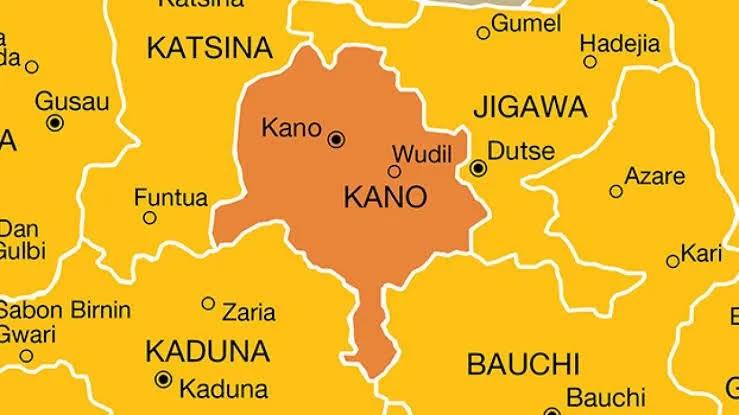
The ECWA Eye Hospital (EEH) Kano and Christoffel Blinden Mission (CBM) Global will offer a comprehensive and inclusive eye health (CIEH) programme targeting residents of Kano and Jigawa States.

Thousands of individuals are billed to benefit from the programme that will run for four consecutive years in the selected states.

The Chief Medical Director, EEH, Dr Atima Mayor, who disclosed this at the launch of the project in Kano, said that the project was born out of efforts to tackle visual impairment and break the circle of poverty in the states.

According to Dr Mayor, the project, which is supported by CMB UK and Australia, has over 80000 other beneficiaries who will benefit from different tests and services within the timeframe for the project.

He further explained that issues of disability, especially visual impairment and poverty among persons with disabilities, have been affecting the quality of life.

“North West has the highest number of blindness. As population increases, it’s expected that the number of blindness will also shoot up hence the need to act,” he said.

He called on the two states to collaborate with ECWA to continue with the project even after this 4-year intervention project to ensure the efforts is sustained to tackle the challenge in the States.

The CMD further explained that Kaduna and Katsina States, which were initially part of the project, were temporarily put on hold until the security situation improves before the project can be expanded to the states.

In his address, EEH Administrator STEPHEN NUBOBGA who was represented by CMB Project Coordinator Phillip Ode noted that between September 1, 2022, to August 2026, the project targets over 90,000 beneficiaries in the project in the selected states.

“500 children will be operated on for cataracts, 1000 adults, 250 children with glaucoma and other major surgeries, 400 adults with glaucoma, 250 other children with minor surgeries and 50 retinoblastomas.

“2000 individuals for spectacles, 5000 for refraction, and  80, 000 others for free eye screening,” he disclosed.

In her earlier opening remark, CBM Global Country Director, Ms Ekaete Umoh, said that the historic project launched is aimed at targeting individuals in hard-to-reach areas in the selected states to help persons with visual challenges and break the cycle of poverty in their ranks.

She said that CMB Global is concerned with the rising cases of visual impairment in Nigeria, specifically North West Nigeria, where there is a high concentration of visually impaired persons.

“As the prevalence of blindness in Nigeria is 4.2%, it is estimated that 4.25 million adults aged 40 years and above have moderate to severe visual impairment or blindness.

” Available statistics show that 28.6% (14 million of all adults living in the North West Nigeria have a visual impairment. As a result, the majority are unable to work, are excluded from many community activities and require additional support, which impacts on their families and trapped them in the cycle of poverty,” he stressed.

According to Nububga, 100 persons living with disabilities (PWDs) will be empowered with means of livelihood as a component of the project.

Representatives of the Federal Ministry of Health, Kano and Jigawa States, as well as the Joint National Association of Persons with Disabilities (JONAPWD), commended the donors and partners for working together to address the issue.

Also speaking, the royal father of the day, Alh Mohammed Bashir Mahe, commended the EEH and CMB for helping the needy in society, adding that traditional institutions are always ready to support such a noble cause.

Menopause: Cognition and Mood

By Aisha Musa Auyo

World Menopause Day (WMD) is held annually on the 18th of October. The purpose of the day is to raise awareness of menopause and the support options available for improving health and well-being. Professionals and women are encouraged to participate in this global awareness-raising campaign by printing and sharing these materials, organising events to engage their communities, and sharing WMD social media posts. The theme for the 2022 WMD is Cognition and Mood

Before going into this year’s theme, I’ll explain the basics of menopause as a reminder and enlightenment for those who do not know much about it.

Menopause happens to most women with an average age of 51 years, but it’s normal to have menopause anywhere between 45 and 55 years – although some women have it earlier or later. Perimenopause is the time leading up to menopause, and postmenopause is the time after the final period. So it’s likely that you have reached menopause if you haven’t had a period for 12 months.

What happens at menopause?

From about 35–40 years of age, a woman has fewer eggs left in the ovaries, so one often doesn’t ovulate (release an egg from your ovary) regularly. Menopause means ovulation and periods stop.

Hormones are chemicals in one’s body that relay messages through the bloodstream. For example, your hormones tell your body to eat and sleep. The three main hormones that change as one approaches menopause are oestrogen, progesterone, and testosterone; change in hormone levels leads to different menopausal symptoms and the menopause transition

1. Perimenopause is the stage before your final period (menopause). It’s when your body reaches the end of its reproductive years. Perimenopause is a natural part of a woman’s life, and it usually happens sometime in her 40s. On average, it lasts four to six years but can also last from one to 10 years.

During this time, your ovaries begin to run out of eggs. This causes hormone levels, particularly oestrogen, to fluctuate, causing different symptoms like hot flashes and mood swings. Changing hormones can also affect your menstrual cycle. For example, your periods may be irregular, shorter (or longer), lighter (or heavier), or they may not come for a few months.

Some months you may ovulate, and other months you may not. You may even ovulate twice in a cycle. Symptoms include: Irregular periods, vaginal dryness, hot flashes, chills, night sweats, sleep problems, mood changes, weight gain and slowed metabolism.

2. Menopause occurs when you’ve stopped producing the hormones that cause your menstrual period and have gone without a period for 12 months in a row. Once this has happened, you enter postmenopause.

3. Post-menopause is the time after menopause has occurred. Once this happens, you’re in post-menopause for the rest of your life. Your hormone levels will remain low, and you will no longer have a monthly period. You can’t get pregnant because your ovaries have stopped releasing eggs.

Most people in post-menopause feel lingering symptoms from menopause. However, the symptoms are less intense. In some cases, they almost disappear. Lingering symptoms are caused by low levels of reproductive hormones. Women in post-menopause can feel symptoms such as hot flashes and night sweats, vaginal dryness and sexual discomfort, depression, changes in sex drive, insomnia, dry skin, weight changes, hair loss and urinary incontinence.

Talk with your healthcare provider if your symptoms become more intense or interfere with your daily life. They may want to rule out any underlying condition causing these symptoms.

How do I manage symptoms of post-menopause on my own? Particular lifestyle or at-home changes can help you manage symptoms of postmenopause. Some of these include:

• Using a water-based vaginal lubricant during sex to make it more pleasurable. Lubricating the vagina helps with dryness and pain.

• Regular exercise, meditation and other relaxing activities can help with depression and other side effects of postmenopause.

• Eating a diet rich in phytoestrogens (plant-based sources of estrogen) such as whole-grain cereals, flaxseed, chickpeas and legumes. Reducing caffeine and alcohol intake has also been shown to help.

Cognition and mood in menopause

Cognition

During the menopausal transition, many women complain of memory problems such as difficulty with words, forgetfulness and “brain fog”, thus suggesting that hormonal changes related to menopause may be responsible for changes in cognition. This is due to the deep connection between estrogen and cognitive function. Still, some lifestyle changes one can make may ease symptoms and improve memory.

For example, you should eat a well-balanced diet; a diet high in low-density lipoprotein (LDL) cholesterol and fat may be bad for your heart and brain. Also, get enough rest, and exercise your body and mind.

Mood

Irritability and feelings of sadness are the most common emotional symptoms of menopause. Often, they can be managed through lifestyle changes, such as learning ways to relax and reduce stress. Here are some tips that may make it easier for you to handle your fluctuating emotions: Exercise and eat healthily; find a self-calming skill to practice, such as yoga, meditation, or rhythmic breathing; avoid tranquilisers and alcohol; engage in a creative outlet that fosters a sense of achievement; stay connected with your family and community; nurture your friendships.

Supporting someone through the menopause

Menopause can be associated with many physical and emotional changes for women, making it a challenging and complicated time.

If you know someone who might be going through menopause or perimenopause, it’s helpful to find out more about how you can support them. For example, some women will drop out of the workforce if not supported. Adapting working policies, such as providing access to flexible working, can help women remain in the workplace.

Learn more about menopause

Getting yourself and others informed is a significant step. It will give you an idea of what your partner, family member, friend or colleague might be going through.

A good first step would be to learn about all the various symptoms of menopause, the impact these symptoms may have on your loved one and others, and the potential treatments and support available.

Listen to them

Communication is key. Ask about how others feel or what they’re going through. It’s essential to keep in mind that not everyone might want to talk about specific symptoms or feelings. It is also important to remember that everyone’s menopause is different, so don’t make assumptions about what they are experiencing. However, letting them know you’re there if they need you will make them feel supported.

Encourage them

They might not feel like doing things they usually would, and their self-esteem might be low. Words of encouragement can help make them feel more uplifted and empowered. Inviting them to engage with various people or activities will also provide opportunities to feel good about themselves even when experiencing symptoms.

Help with their symptoms

An active, healthy lifestyle can ease some of the symptoms of menopause. For example, you can encourage them to go for a walk, swim or try a yoga class to get more active. In addition, changing the ways you spend time together, like cooking a healthy meal together.

Menopause and the workplace

Many women have said that they often find managing symptoms of menopause in the workplace very challenging. Coping with symptoms in the workplace can be hard, especially as many women find it difficult to talk about menopause at work.

Workplaces

It is vital that women feel supported to continue working throughout their menopause. Managers and organisations can make many small changes to ensure workplaces are healthy and welcoming places for women going through menopause.

Supporting staff

Menopause is a normal transition for many women. Thus, employers can contribute to a positive work environment by providing help and support for women who are managing menopause symptoms at work.

Menopausal symptoms can also be protected by employment law. Therefore, it is crucial that managers and colleagues feel informed and comfortable about the symptoms and impact of menopause.

Aisha Musa Auyo is a Doctorate researcher in Educational Psychology, a mother of three, a Home Maker, caterer and parenting/ relationship coach.

Noma, a deadly but neglected infection 

By Lawal Dahiru Mamman 

Noma, otherwise known as necrotising ulcerative stomatitis, gangrenous stomatitis, or cancrum oris, is a bacterial infectious but non-contagious infection; resulting from poor oral hygiene, lack of sanitation and malnutrition, affecting both soft and hard tissues of the mouth and face, rapidly progressive and more often than not fatal.

The most common sign and symptom is the development of an ulcer in the mucous membrane of the mouth before spreading to other parts of the face. If detected early, the condition can be arrested with antibiotics, proper nutrition and oral hygiene, while late diagnosis does not restore disfigured or damaged tissues even if treated.

Affecting children between 2 to 6 years of age, the disease is prevalent in impoverished communities in Asia and Africa. However, infection was also found decades ago in Europe and South America. This infection has since vanished with improved livelihood and healthcare.

Preventable but deadly, all over the world, Noma has been given the cold shoulder (neglected) over the years. The absence of current epidemiological data has made the data of the World Health Organisation (WHO) from 1998 the most frequently cited estimation of the disease, with a global estimate of 140,000 new cases recorded annually, with a majority in Sub-Saharan Africa and a mortality rate of 90% if not treated within two weeks.

The infection has not spared the children in Nigeria, falling under the countries in Sub-Saharan Africa, killing numbers and leaving survivors disfigured, coupled with the reality of leaving the rest of their lives under stigmatisation.

This informed the decision of the Federal Ministry of Health to call on the WHO at the 75th World Health Assembly to include Noma on the list of Neglected Tropical Diseases (NTDs) where it belongs.

The call was aimed at rallying global support to eliminate and start preventive and curative measures against the preventable but deadly disease.

Established in the year 1999, the Noma Children’s Hospital, Sokoto, up until May 2022, when Noma Aid Nigeria Initiative (NANI) began construction of a new 100-bed National Noma Treatment Centre within the National Hospital, Abuja, has been the only specialist hospital shouldering the burden of the debilitating disease in the country.

The Chief Medical Director of the hospital in Sokoto said, “what is lamentable is that the disease is curable and even preventable, but lack of awareness has made a good number of patients die at home without visiting the hospital, exacerbating knowledge gap.”

To create awareness on predisposing factors like malnutrition, vitamin (A and B) deficiency, contaminated drinking water, immunodeficiency and living in proximity to livestock, November 20th have been set aside as Annual Noma Day.

Before resting my case, let me advocate that the awareness campaign held annually on NOMA DAY be taken to people in rural areas. These people are most vulnerable and unaware. Therefore, it will be better than having the symposia in town or city halls where the inhabitants are most likely informed. Moreover, more specialists should be trained on the infection to establish more specialist hospitals in at least each geopolitical zones of the country to unburden that in Sokoto and the upcoming one in the Federal Capital Territory.

Furthermore, people should be encouraged to embrace oral hygiene and proper nutrition like a religious ritual. In suspected cases, patients should be taken to the hospital for appropriate treatment to prevent disfigurement. Routine vaccination for children ought to be taken as a priority of every parent, and individuals with any information on Noma are encouraged to carry out a personal campaign in their locality amongst family and friends because the little things we do can make a difference.

Lastly, I urge all to avoid stigmatisation of survivors because they were but victims of circumstance.

Lawal Dahiru Mamman, a corp member, writes from Abuja and can be reached via dahirulawal90@gmail.com.

Unpopular tales of unsatisfied Muslim wives

By Khadijah Tijani

There are many untold stories of Muslim women who are dissatisfied in their marriages due to sexual starvation. But unfortunately, people are not ready for the conversation. Many reasons are responsible for the apathy towards this problem.

Here are some of my thoughts:

Most women are “expected” to have a lower libido than men. However, experience has shown that many women have a high libido but often find ways to actively suppress their unattended desires. People think it’s a rare thing, but really, it’s more common than you think.

They are “expected” to accept whatever their husbands throw at them without complaining. But, since polygamy is not for women and divorce is not easy to get, they endure the sexual incongruity and bottle in the heightened emotions.

They are “expected” to focus on their children and care less about their sexual urges. However, in reality, some women begin to understand their sexuality only after reaching full maturity (age 35 and above). For some, this may happen after birthing all their children! They become more self-aware and assertive enough to demand sex. In fact, some women don’t stop wanting sex even after menopause! Conversely, men tend to become less sexually active in their late 30s and 40s. They’re more likely to be physically and emotionally absent from home due to work, business or further studies. For some men, even if they’re present, chronic medical conditions may have set in, putting them at risk of erectile dysfunction and lower sex drive.

They decide not to complain because no one will listen anyway. 8 out of 10 women would rather not speak against sexual dissatisfaction because of these high expectations. If they ever summon the courage to speak, they are often shushed by families, friends and religious clerics. Many don’t have access to professional help or the money to pay for such services.

In a survey I conducted among a small group of married Muslim women last year, I found out that 40% of them have difficulty achieving sexual satisfaction. This could be due to an inability to reach orgasm (a real psychosexual disorder) or enjoy regular, satisfying intimacy with their husbands. A larger percentage of these women cannot express their dissatisfaction for the reasons I have mentioned above.

The first solution to this problem is for men to normalize taking feedback from their wives. Don’t assume that you’re done because YOU are done. You don’t even need to ask if she’s satisfied; you only need to look at her face and feel her body language. A well-bedded woman will keep smiling at you for the rest of that day, if not longer. She will show other verbal and nonverbal cues to endorse that you have done a good job.

You need to acknowledge and validate her feedback to show that you care.

“I can see that you are smiling all the way. So that’s a good sign, right?”

Or,

“You’re not smiling. What’s wrong?”

“You know I’ve been under too much stress lately. Please give me some time to rest. I’ll make it up with you very soon.”

These validations will reassure her of your interest in satisfying her and encourage her to open up and communicate her needs.

If there’s an unsettled problem, feel free to talk about it. Avoid sweeping issues under the carpet and using sexual starvation to punish your wife. It works sometimes, but it can also be counterproductive at other times. She may begin to doubt herself and second-guess her choice of marrying you. This may negatively impact her mood and self-esteem.

And if you’re one of those who joke about the importance of sex and intimacy in marriage (“is sex a food?” Really?!), remember that the lady can get everything she needs without marrying you; let’s face it. She left her father’s house just for sex and procreation!

Also, remember that shaitan is always lurking around to identify loopholes to invade your marriage. A dissatisfied wife is one of such loopholes. She might begin to hear whisperings on how to satisfy her needs through haram ways. She may start cheating subtly, looking for means to unleash the pressure and engaging in unwholesome activities to douse the tension. We seek Allāh’s refuge against such.

In conclusion, I implore men to study their wife’s sexual needs and try to satisfy them as much as possible. Communicate freely and assist each other to achieve happiness through halal intimacy. Seek professional advice and therapy if possible. Do not shame your spouse for wanting a little bit more than usual. What makes your marriage what it is, if not the permission for intimacy?

Khadijah Tijani is a medical doctor. She writes from London, Ontario and can be reached through askodoctorkt@gmail.com or @AskDoctorKT.

Nigeria: Understanding flood and the outbreak of infectious diseases

By Adam Mustapha, PhD

Floods are natural disasters that occur globally, destroying lives and property, especially in developing countries like ours. As a natural disaster, it is caused by climate changes and human activities which distort the balance of environment, hosts and pathogens. Factors such as high sea level rise, urbanization, destruction of river banks, and deforestation increase the risk of flood disasters.

Flood results in the disturbance of the epidemiological triangle; environment, host and infectious agent, and as such, it could result in the emergence of new agents or re-emergence of infectious agents that previously existed. Therefore, the potential outbreak of infectious diseases is a matter of great concern, and urgent intervention is needed to break the chains of transmission.

Flood is known to increase the global burden of various infectious diseases, mortality, social and economic disruptions and displacement of people, which can result in both physical and psychological trauma. Of great concern is how flood causes the outbreaks of infectious diseases, as germs can easily be transported and contaminate drinking water sources, which will provide a conducive environment for the completion of the vector life cycle.

Like other developing countries, flooding has become an annual event in Nigeria, and many towns and cities are vulnerable and susceptible to it. This year, the Nigerian meteorological agency (NiMet) warned some states that they were at high risk of flooding in its yearly prediction of rainfall. Therefore, it was unsurprising that flooding hit many such states, states like Jigawa and Yobe have significantly been hit. In contrast, others such as Borno, Adamawa, Gombe, Kebbi, Kano, Kaduna, Lagos, Kogi, Niger, Delta, Rivers, Zamfara, Taraba, Ogun, Osun, Ondo, some parts of Ekiti, Edo and FCT are affected from moderately to low levels.

Flooding can cause waterborne diseases such as cholera, non-specific diarrhoea, typhoid and viral diarrhoea caused by Rotavirus. These diseases are known to peak after flooding as the pathogens such as bacteria, viruses, and parasites can be transported. In addition, the crowded nature of displacement camps can potentially result in and aggravate the outbreak of respiratory diseases.

The crowded nature of displacement camps can potentially result in the outbreak of respiratory diseases of different etiological agents. Wastewater is a breeding ground and carrier of infectious diseases. For instance, wastewater has the potential of spreading viruses, as they are known to be good-chance takers of a flood, which take days after flooding to meet their incubation cycle. Viral diarrheal diseases, such as hepatitis A and E, vector-borne viral diseases such as Yellow fever, and many others are also some diseases that could potentially spread after the flood.

The genome of some viruses, such as SARS-CoV-2, are known to be detected in community wastewater and this call for concern as it can be disseminated during a flood. Another agent to worry about due to flood is Naegleria fowleri, a brain-eating amoeba causing primary amoebic meningoencephalitis (PAM). As water level and temperature rise, such a situation could fuel the growth of the agent. Environmental contribution to the development of infectious diseases is a significant public health concern that should not be ignored. Antibiotic-resistant bacteria and antibiotic-resistant genes are quickly disseminated in environmental wastewater, which could be further transported into the water system, which calls for concern.

Furthermore, the vector-borne disease can occur as a result of a flood because the development cycles of vectors are provided. For instance, mosquito-borne diseases such as malaria and West-Nile fever tend to increase after floods. Rodent-borne diseases also expand during flooding because the flood increases contact between rodents and humans, resulting in outbreaks of such diseases. Common rodent-borne infectious agents due to flooding include Leptospirosis, Hantavirus pulmonary syndrome, Hemorrhagic fever with renal syndrome etc.

Health interventions

 First, public health measures are essential in preventing infectious diseases due to floods. Therefore, preventive measures should be taken before, during and after the flooding.

Second, the provision of crucial intervention. The critical intervention is an active early warning system that can alert governments to prepare for possible outbreaks and send signals for evacuation of people at risk.

Third, the activation of rapid emergency response is also a necessity. This includes the provision of basic materials and health care services.

Fourth, after the flood, the activation of an effective surveillance method is mandatory for the early detection of an outbreak.

The key intervention is active early warning systems which can alert governments to prepare for possible outbreaks and send signals for evacuation of people at risk. At this stage, all stakeholders and the public must act on time. However, compliance is low due to a lack of an alert system or people refusing to abide by the warning system. Furthermore, risk assessment is needed to ensure that no basic amenities are disrupted due to floods.

Moreover, there is a need for vector control after the flood to break the chains of transmission. There is a need for collaboration among all public health stakeholders. Public enlightenment and outreaches are equally essential intervention measures.

Finally, provisions of clean water, sanitation and hygiene after the flooding to prevent infectious disease outbreaks are also very significant.

Adam Mustapha, PhD, is a clinical and medical microbiologist. He wrote from the Department of Microbiology, University of Maiduguri, via adadmustapha@unimaid.edu.ng.

The trend of bleaching among Kano people

By Usman Usman Garba

Taking good care of the skin among females has been an age-old desire and culture for years. Consequently, they develop various skin care practices to look beautiful and attractive. Girls of all generations, past and present, have been involved in this art, in which one area of focus recently may be skin bleaching, which seems to have become trendy among Kano ladies.

Skin bleaching is considered purposefully and deliberately an act of changing one’s skin colour by applying substances or solutions on the skin, with the sole intent of making the skin colour look lighter and brighter.

Research has shown that the idea of “Fara ko mayya ce“, which literary means “even if a lady is a witch”, by Kano male citizens has drastically driven females into the habit of bleaching their skin to look more attractive, fashionable, elegant and adorable.

According to some, women bleach their skin to remove skin imperfections such as rashes, dark spots and pimples and make or maintain softer skin. Some can meet the westernized standard of beauty, make themselves look “more attractive” in the eyes of their potential partners, and impress or meet their friends’ approval.

It is hard within Kano today to see a group of females without seeing one or some of them bleaching her or their skin. Unfortunately, it has become a tradition that even light-skin females bleach themselves in the sense that their bride price will be high or their class will increase in courtship or marriage.

Wives, too, are not left behind in this act. They engage in it to maintain their husbands out of fear that those ladies that bleach might snatch them away and in another way round, to help them maintain their marriages.

Men, too, are not excluded. They engage in it to become attractive to their female counterparts and celebrities or to copy local and western musicians and actors.

Before, when a male person bleached his skin, he did so because he was effeminate, but today, he does so to become a celebrity or popular and respected.

Others use pills to steam themselves while others use steaming drugs which remove their skin to be light as society considers white as beauty. They ignore that bleaching, as research has shown, has no benefits but harm.

Economically, instead of spending their hard-earned income on something beneficial, they end up squandering it on harmful bleaching products. 

The situation has become so bad that many women now have disturbing discolouration, contrasting colours and dark spots. The knuckles, knee caps and elbows are not spared as they carry different colours.

As disclosed by Dr Shamsudden Haladu, a dermatologist at Yadakunya General Hospital known as Bela Hospital, skin bleaching creates significant health problems for the users. Sadly, in Kano, its use had become widespread due to easy access to various brands of bleaching creams at multiple markets and shops.

A body that has been bleached becomes very light, fragile and tears quickly. Bleaching also leaves spots on the skin after being scratched or hard hit by an object. Such spots make the skin look rough and unattractive.

The doctor reveals that people differ in colour based on the five layers that human beings have: stratum corneum, stratum lucidum, stratum granulosum, stratum spinosum and stratum basale.

The basale layer, which is the last, has some cells called melanocytes, which make melanin and give our skin a dark colour.

All human beings have the same melanocytes. The only difference is the amount of melanin that melanocytes produce.

Skin bleaching has been established to have severe side effects. It has also been identified as the source of serious health-related issues among users, especially those who subject their bodies to creams formulated without proper safety precautions regarding chemical contents used in their production. 

The use of skin bleaching has also been reported to be responsible for skin cancers, skin discolouration, and depression among users leading to negative outcomes. Other risks include skin damage and severe depigmentation.

According to Dr Haladu, one should contact a dermatologist or visit a hospital before using any bleaching cream or soap. If possible, one should eat fruits as they contribute more to treating and whiting skin than any cream product.

Usman Usman Garba wrote from Kano via usmangarba100@gmail.com.

Tinubu marks wife’s birthday with love poem

By Ahmad Deedat Zakari

The former Lagos State governor and the Presidential Candidate of the All Progressives Congress, Bola Ahmad Tinubu, has written a love poem for his wife Senator Oluremi Tinubu to celebrate her birthday.

The politician took to his verified Facebook account to eulogize his wife in a poem on Wednesday.

Some parts of the poem reads, “Not even the demands of politics can suppress the rush of emotions I feel everytime it’s your birthday.

“Dearest Oluremi, my Senator! I love and appreciate you each passing day. Recalling how we started fills me with gratitude: how you have stood by me, unconditionally, like the Rock of Gibraltar.”

Senator Oluremi Tinubu, a senator and wife of the APC flagbearer clocks 62 on Wednesday.

Floods in Jigawa: Death toll raises to 100 as no help from neighbouring states

By Aisar Fagge & Ahmad Deedat Zakari

Following days of torrential downpour, floods have submerged many Jigawa communities and have killed scores and rendered many homeless in the Northwestern State.

Jigawa State is at the epicenter of climate crisis in the country owing to incessant rainfall in the state. This has caused dams and rivers to break their banks and destroy bridges, roads hospitals and several homes.

Over 100 people have been reported to have died as a result of the flood and thousands of people have been displaced. Farms and lifestocks are also not safe from the overwhelming effect of the flood.

Auyo, Hadeija , Ringim, Dutse, Gwaram, and Birnin Kudu Local Government Areas of the state are the most devasted by the flood.

The State Emergency Management, SEMA, through its Head, Sani Ya’u has disclosed that the government is doing everything to mitigate the effects of the flood on the affected communities.

However, the response to the humanitarian crisis by the government and civil society organizations have been said to be abysmal.

Mal. Naziru Chobal who spoke to The Daily Reality from Hadejia said only few villages are above water level and the government is doing very little in addressing the menacing flood. He also said governments of neighbouring states like Kano and Katsina have not taken any step to help salvage the situation.

“There was adhan [prayer calling] at 12: 00 am [which signifies emergency situation] and people in hundreds came out to block the embankment that broke. It’s scary. I was in the water carrying sand bags and the water level was up to the waist. I was scared because I don’t know how to swim.”

“The water level is high that you can’t cross any bridge, you’re not sure if there’s one. Especially Kafin Hausa to Auyo, Hadejia – Gamayin,” he said.

Commenting on the extent of the damage in Auyo, Naziru added, “In Auyo, their hospital, police station, INEC office are all flooded.”

The people displaced by the flood in Auyo and Hadejia are seeking shelter in a primary schools as the government is yet to commence evacuation of the victims. The villagers spend most of their time making sand bags to create embarkment to stop the water from entering the towns.

Government building

Of the things the flooded people needed the most according to Naziru are: sand, working tools, food, clothes, medicine, volunteers, etc.