Lifestyle

You can add some category description here.

Restoring values: An urgent appeal to address the moral crisis in Northern Nigeria

By Usman Abdullahi Koli, ANIPR 

In recent days, a deeply troubling trend has emerged across Northern Nigeria, posing significant threats to the region’s cultural and religious values. The widespread sharing of explicit videos on social media, particularly involving young women and even some public figures, has become a glaring concern. 

Platforms like TikTok and others, once heralded for fostering connection and creativity, have instead become vehicles for spreading inappropriate content, undermining our society’s foundation of moral values. This surge in immoral behaviour, coupled with the increasing acceptance of homosexuality, has shaken the Hausa community and the wider Northern Nigerian populace, challenging the region’s long-held traditions and values.

The cultural landscape of Northern Nigeria, built upon the principles of modesty, family honour, and religious piety, is now facing an unprecedented moral challenge. The platforms meant to uplift and connect opened doors for behaviours that deeply conflict with societal norms. The impact is felt by the individuals whose private lives are exposed, and their families suffer great shame, dishonour, and social rejection. In our conservative culture, where family honour holds immense weight, such incidents leave scars that can last generations.

The trauma experienced by the victims of these scandals is profound. These young individuals—many of whom are our sisters, nieces, and neighbours—face a harrowing journey of social alienation, emotional distress, and, at times, extreme psychological harm. Many become pariahs in their communities, carrying the burden of shame for something often beyond their control. The emotional fallout extends far beyond the individual, reaching into the lives of their families, who must endure the humiliation and stigma of public disgrace. In many cases, these families are ostracised, their reputations tarnished, and the emotional pain magnified by societal rejection.

Celebrities, who once stood as role models in the region, are now increasingly caught in public scandals. Pursuing fame and social media attention has driven many into compromising situations where private missteps become public spectacles. However, this issue is not limited to public figures. Individuals, particularly the youth, fall victim to the same trend every day. With explicit content becoming a misguided path to popularity, the consequences for these young men and women are devastating. They are lured by social media’s fleeting attention and false validation, only to face lifelong consequences.

This cultural shift highlights the urgent need for action. The Northern region has always prided itself on its deep-rooted values, with religious and community leaders playing a pivotal role in upholding societal norms. It is now more crucial than ever for these leaders to address the current moral decay head-on. Sermons in mosques, community dialogues, and family interventions must be leveraged to instil the principles of modesty, self-discipline, and respect for personal and communal dignity. Our traditional and religious leaders must take charge of restoring our moral compass.

In addition, government action is essential. The laws concerning cybercrimes must be revisited and strengthened to address this modern menace. In collaboration with cybersecurity experts, law enforcement must actively track down perpetrators and hold them accountable for their actions.

The North has a rich history of valuing human dignity, and it cannot afford to watch idly as the viral spread of immoral content erodes this dignity. Efforts should be made to regulate social media platforms with stricter controls to prevent the proliferation of explicit content. The government must work alongside tech experts and media platforms to introduce more stringent oversight mechanisms.

Furthermore, education is key in combating this growing trend. Our youth, the future of Northern Nigeria, must be educated about the consequences of their online actions. Digital literacy programs, responsible internet use workshops and safety awareness campaigns must be rolled out to ensure that young people understand the permanence of their actions in the digital world. They must be taught to value their privacy, dignity, and the cultural norms passed down through generations.

At the heart of this crisis is a deeper cultural challenge. As we embrace modernity and technology, we must not lose sight of the cultural and religious values that define us. The youth must be reminded of their responsibilities to themselves, their families, their communities, and their faith. The glorification of immoral behaviour on social media, driven by the pursuit of viral fame, is a dangerous trend that must be reversed.

The current situation is a collective societal issue that requires a united front. Everyone, from religious leaders to parents and government officials to the tech community, has a role to play in addressing this growing menace. Preserving our moral and cultural fabric depends on our ability to act swiftly and decisively. We must safeguard our values and protect our youth from the dangers of a world that increasingly disregards modesty, respect, and human dignity.

The Northern Nigerian community cannot afford to sit idly by as its values are eroded. The trauma inflicted on the victims of these scandals is real, but with decisive action, future incidents can be prevented. It is up to all of us to reclaim our moral values, protect our cultural heritage, and ensure that the youth are guided toward a future grounded in respect, honour, and integrity.

Usman Abdullahi Koli wrote via mernoukoli@gmail.com.

Shettima launches nutritional programme to tackle malnutrition

By Uzair Adam

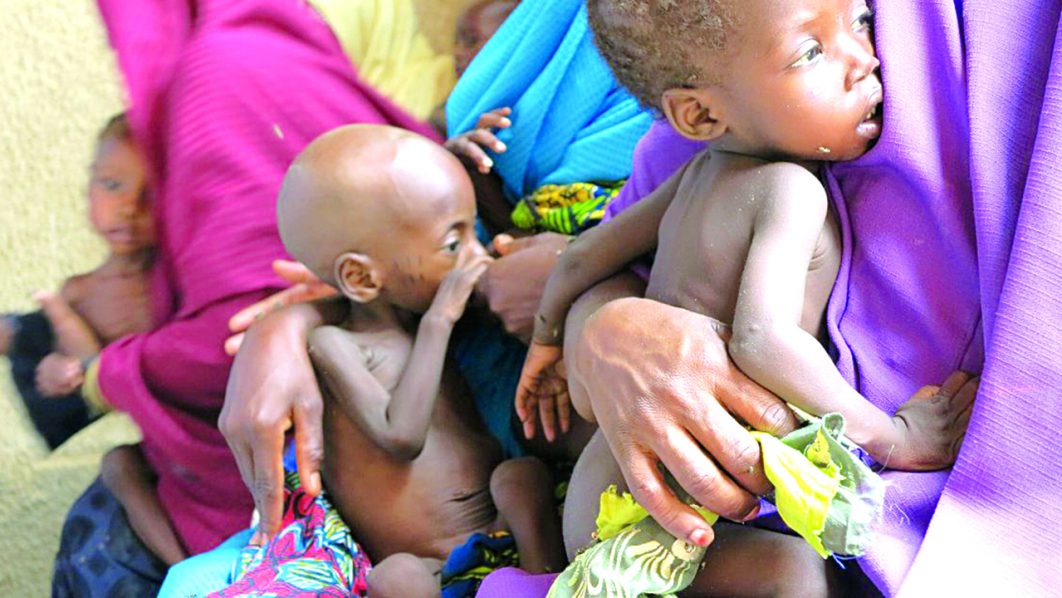
Vice President Kashim Shettima has officially launched the federal government’s new nutrition initiative, aimed at addressing malnutrition and food insecurity across Nigeria.

The programme, named the “Nutrition 774 Initiative,” is set to improve nutritional outcomes in all 774 local government areas of the country.

Shettima emphasized the government’s commitment to ensuring that every household in Nigeria has access to nutritious food, beyond just availability in stores and warehouses.

He noted that the initiative aims to eradicate malnutrition through a community-based approach that empowers local actors, such as health workers and community leaders, to take charge of nutritional improvements in their areas.

At a roundtable meeting with development partners, Shettima called for their collaboration to make the programme a success. He explained that addressing malnutrition requires collective efforts from all stakeholders, including the government and development organizations.

The initiative also focuses on training local health professionals to better equip them in handling malnutrition at the grassroots level. Despite recent floods and global inflation affecting food security, Shettima highlighted the need for innovative solutions that directly tackle these challenges.

Coordinating Minister of Health & Social Welfare, Prof. Muhammad Pate, described the initiative as crucial in addressing malnutrition, particularly among vulnerable populations.

He stressed the importance of a multi-sectoral approach, integrating efforts from agriculture, health, water, sanitation, and social protection sectors to ensure the success of the programme.

Hormonal symphony and complexity: The male version

By Aisha Musa Auyo 

Hormones influence a considerable percentage of our behaviours and physical appearance. If we say our hormones are what make us, we won’t be exaggerating. Yet we hardly discuss it; thus, only a few know about it or believe in it.

Hormones regulate critical bodily functions such as metabolism, blood pressure, growth, reproduction, and mood. Even small changes in hormone levels can significantly impact our health, affecting everything from sleep and energy to appearance and cognitive function.

I’ve summarised the explanation in the most straightforward language possible so that I wouldn’t suffocate you with medical jargon. As promised, this outing is about male hormones…Finally.

Puberty in boys, typically starting between ages 9 and 14, is driven by hormonal changes, mainly testosterone. This triggers physical changes like increased sweating, acne, voice deepening, growth spurts, and the onset of sexual attraction. Emotionally, boys may experience mood swings, irritability, and seek independence.

Because they sweat a lot due to changes in their hormones and physical activities, they are bound to smell. This is one of the best times to ensure that they master personal hygiene, as they’re too old to be bathed by their mothers. Do this, and his wife will thank you later.

Teenage boys should learn about Islamic teachings on wet dreams and ritual baths. They should also learn about weekly shaving, the use of deodorants and perfumes, proper bathing, and washing underwear and sportswear as regularly as possible. 

At this crucial stage, parental support is vital. Don’t ignore and assume that boys don’t need attention and sympathy. They need it as much as their female counterparts. Parents should be patient, encourage open communication, set healthy boundaries, and model empathy. Ensure a healthy lifestyle with proper nutrition, regular exercise, and adequate sleep (at least 8 hours).

This is the phase when boys are likely to succumb to peer pressure and are likely to experiment on good, bad, and ugly, as they are fearless and careless. Parents should pay attention and make efforts to curb the impact of peer pressure, sexual attraction, and risky behaviours by monitoring their (a) friends, (b) how they use social media, (c) discussing the consequences of actions and inactions, and, (d) most importantly, prayers and setting a positive example. 

Parents should also promote emotional intelligence by having heart-to-heart talks with their male children, validating their feelings, and encouraging open expression. This gesture will go a long way in teaching them about expressing their feelings, listening to others, and communication in general.

Puberty is a crucial stage in a boy’s life, shaping both his body and mind. With patience, understanding, and the proper guidance, parents can help their sons navigate this period confidently, setting the foundation for healthy adulthood.

Men’s hormone levels stabilise in early adulthood, peaking in testosterone around age 20 and growth hormone around 25. After age 30, testosterone decreases by 1% annually, and growth hormone declines by 2-5% every five years. Cortisol, the “stress hormone,” and melatonin, which regulates sleep, become important for well-being.

During fatherhood, testosterone may drop, potentially reducing aggression and libido. In midlife, decreases in aldosterone and growth hormones can affect blood pressure and muscle mass. In late life, low testosterone impacts sperm quality and fertility. Ageing men should also monitor glucocorticoid and insulin levels, as imbalances can affect metabolism, memory, and diabetes risk.

Let me share some fundamental secrets with you. While women’s hormonal rollercoasters are quite pronounced, men’s hormone levels are mostly stable. However, the productivity, compassion, and cooperation of a boy-cum-man are boosted when they feel accepted, respected, appreciated, admired, and validated. 

Lack or shortage of the abovementioned elements will make a man’s emotions unpredictable. It will trigger reactions similar to women experiencing hormonal changes and mood swings.

We need to know how to treat the male gender with these measures from childhood. It’s the only way to get them to do what is desired of them. Naturally, that’s how our Creator made them. 

Being treated with respect and admiration will make a man (and a boy) drop his ego and defences without even knowing it. (Just like how love and caring open a woman’s heart and make her drop defences). Au, na tuna, this outing is for za other gender ko? LOL!

Anyway, as wives and mothers, knowing this will go a long way in helping us in our relationships with husbands, male children, and the other gender in general.

Aisha Musa Auyo is a Doctorate researcher in Educational Psychology. A wife, a mother, a homemaker, caterer, parenting, and relationship coach. She can be reached via aishamuauyo@live.co.uk.

Nigerian doctor makes history, establishes nursing services company in Germany

By Sabiu Abdullahi

Dr. Kabiru Ibrahim from Sokoto State, Nigeria, has founded a nursing services company in Hamm, a city in North Rhine-Westphalia, Germany, Dr. Muhsin Ibrahim, a German resident, announced in a Facebook post on Sunday. 

According to Dr. Muhsin, the company, staffed by healthcare professionals from Nigeria, Kenya, Turkey, and Germany, offers critical care services.

Dr. Ibrahim’s achievement demonstrates the potential of African professionals making a meaningful impact globally. 

After studying medicine and surgery in Bulgaria and specialising in anaesthesia, Dr. Ibrahim moved to Germany in 2009.

His success has sparked praise from friends and colleagues, including Dr. Muhsin Ibrahim, a lecturer at the University of Cologne. 

“This is a massive achievement, and we are very proud of Dr. Kabiru,” Mr. Muhsin said.

Dr. Kabiru’s venture serves as a shining example of Nigerian excellence in the diaspora, which fosters economic growth and cultural exchange between Nigeria and Germany.

AMG foundation urges Kano Assembly to establish humanitarian affairs committee

By Aisar Fagge

The AMG Foundation has urged the Kano State House of Assembly to establish a legislative committee dedicated to addressing humanitarian issues in the state.

In a letter addressed to the Speaker, Rt. Hon. Jibril Isma’il Falgore, on Friday, 4th October 2024, the foundation’s Chair, Dr. Magashi, emphasized the urgent need for such a committee, citing the increasing challenges faced by the state’s vulnerable population.

This call comes months after the current administration of Governor Abba Kabir Yusuf launched the Ministry of Humanitarian Affairs and Poverty Alleviation in April 2024, aimed at tackling poverty and humanitarian crises.

Dr. Magashi highlighted the pressing issues in Kano, including recurrent flooding, rising youth unrest, climate change impacts, food insecurity, and the alarming number of street children, homeless individuals, and women in distress.

“Kano is the Nigeria’s most populous state and is grappling with numerous humanitarian challenges that require immediate and coordinated legislative action,” Dr. Magashi stated in the letter.

The foundation believes that establishing a dedicated House Committee on the subject matter would enhance the state’s response to these crises and help create sustainable solutions.

Insecurity and night travel in Nigeria

By Zayyad I. Muhammad

Many Nigerians are hesitant to travel at night, especially along routes considered red zones, due to security challenges, such as banditry and kidnappings. 

On Friday, September 1, 2024, we missed our flight from Yola to Abuja. The next day, Saturday, September 2, 2024, we embarked on an adventurous road trip from Yola to Abuja. We left Yola early, around 6 a.m., and reached the village of Lafiya Lamurde a few minutes before 8 a.m. Lafiya Lamurde is about 90 km away from Yola.

There, we encountered a security roadblock with several vehicles parked. Every Saturday is sanitation day in Adamawa State, so we had to wait until 10 a.m. when normal activities would resume. However, the road was opened 15 minutes earlier, at 9:45 a.m., allowing us to continue our journey toward Gombe.

A few kilometres before reaching Gombe, we had a flat tyre caused by our driver’s reckless overtaking on a sharp bend. An articulated vehicle had broken down on the road, and our truck struck some rocks while swerving to avoid it. We stopped to change the tyre, only to discover that there was neither a jack nor a wheel spinner in the car. Fortunately, the vehicle driver we had overtaken sensed the danger and stopped to assist us. With his help, we changed the tyre and continued to Gombe, where we bought a new tyre, visited acquaintances, and proceeded toward Bauchi.

We arrived in Bauchi around 3:30 p.m. After stopping at a fuel station to refuel the car, we took a break to perform our Zuhr and Asr prayers and had some small snacks. When we were ready to resume our journey, the vehicle refused to start. We initially thought it was a fuel pump issue, but after an electrician checked the car, he confirmed the fuel pump was OK. Suspecting an electrical fault, we called a mechanic, who determined the issue was actually with the timing chain. As it was approaching 6 p.m., we realised the car needed to be towed to a mechanic’s workshop for repairs.

With a morning meeting scheduled in Abuja, we hired a commercial vehicle for ₦70,000 to take us from Bauchi to Abuja. We left Bauchi just before 7 p.m., and it was already dark and raining when we reached Jos. Our driver mentioned that the road from Jos City to the famous “forest” was in poor condition.

From Jos, it was already past 8 p.m., and it was raining—we had embarked on a night journey, something many Nigerians try to avoid. Our journey from the famous “forest” to Abuja via Akwanga and Keffi was adventurous and surprisingly exciting. Despite the late hours and rain, there was heavy traffic and numerous security checkpoints.

We noticed that the checkpoints were strategically positioned, spaced a few kilometres apart. Some were manned by the military, others by the police, and some by civil defence officers. Additionally, we observed routine patrols by the army and the police, with some military patrols even using motorbikes. 

We must commend the security agencies—the heavy traffic was likely a result of people feeling assured by the strong presence of checkpoints. However, we also noticed the presence of local tax collectors operating on the road, even though it was late at night.

Transportation experts note that night journeys by road offer unique experiences: quieter roads, cooler temperatures, time efficiency, and even scenic beauty. However, they also come with challenges such as limited visibility, driver fatigue, and a heightened risk of accidents.

Our night journey from Bauchi to Abuja, which lasted from 7 p.m. to 2 a.m. via Jos, Akwanga, and Keffi, was exciting and adventurous. The security presence was excellent—kudos to the office of the National Security Adviser and all the security agencies. The heavy traffic reflected people’s confidence in the safety of the route. However, many sections of the road were in poor condition, which remains a concern.

Zayyad I. Muhammad writes from Abuja zaymohd@yahoo.com.

Why our people attract less fortune in Nigeria: A personal experience

By Saifullahi Attahir Wurno

I had the privilege of working in a private firm during a long break from medical school. It’s like a dream, being versatile and getting the opportunity to work as a marketing officer instead of holding a scalpel and stethoscope. It would allow me to enhance my communication skills and human relations, increase my networking, and learn to be more responsible and accountable.  

Indeed, it’s teaching me how to be more assertive and aggressive, unlike my initial shy character. I had to learn to sell my product, pressure people to pay me back, and say no to fraudulent transactions. Indeed, I am learning that there is a larger world outside of the hospital.

I had a firsthand experience of the reason why the ‘major’ Northern Nigerian tribes lag in terms of competitiveness in business, science, athletics, and education compared to our Southern counterparts and even the ‘minority’ tribes from the North. This is a sad reality and a bitter truth. I stand humbly to be corrected if my statement is far from fact.

I began this work not more than three months ago, but their level of humility and respect toward the bosses was something I had never seen. These people always greet their boss with respect. They respect their colleagues at work irrespective of their level. They attend to customers with courtesy and gentility. 

They have this attitude of taking their job seriously no matter how meagre their pay is. I have never heard any of them complaining about their pay despite having heard of numerous complaints from ‘my people’. Although I tried to arrive at the office at least 3 minutes before 8 a.m., thanks to my medical professional training, those people always arrived 15-20 minutes earlier. I observed this from the attendance record in front of the Security man.

This story was about our security man from the South-East. I used to see him working in the hospital where I lived (since I reside in the medical students’ hostel). He used to work with a private security company in Dutse, Jigawa State, working a shift daily between 8 pm and 5 am. I have known about this man for the past year. 

Surprisingly, we met in this company, too, working between 8 a.m. and 5 p.m. daily. When I enquired more about him, I discovered he was even managing a small trader kiosk in front of his house with his wife. The most astonishing part was that this same person has a National Diploma (ND) in Public Administration and is currently doing his part-time HND at Jigawa Polytechnic during the weekend studying Criminology.

It’s hard to instil this attitude of resilience in our people, who have families to feed while juggling two lowly-paying jobs that take up most of their daily lives and are also studying for personal development.

There was this teenage girl who was also of the same South-eastern origin. She was just out of secondary school. She was the company cleaner and one of the lowly paid staff. But this Lady took her job with every seriousness, coming out daily earlier before all others arrived, sweeping and cleaning the environment neatly, and even using pleasant deodorants. She would not disappear after all this but remain in the office until 2 pm if something arises.

This young lady preferred to come out every morning and do a lowly paying, menial job of cleaning the toilet and mopping floors to be paid ₦30,000 monthly to help her parents financially and felt proud of her achievement instead of sitting down at her mother’s room all day, wasting time of social media.

The spirit of humility and looking after one another was mind-blowing and pathetic whenever I remember ‘my people’ who constantly brag about good culture and religion. There was a time when this young cleaner was sick, and all the staff arrived one morning ready for work. So, we realised she was ill and, thus, absent. We were in this dilemma of what to do; what I saw next was astonishing: there was a group of about five young and classic ladies, all of whom were graduates of the university and among those highly paid in the office. 

Without delay, these ladies volunteer to bring out all the cleaning equipment and do the job wonderfully. Without telling, this thing happened in front of about three of the same young ladies from ‘my people’ despite being Diploma holders and one with even a secondary school certificate.

During my stay, I observed that these people were not very involved in office politics, gossiping and abusing bosses. They were not in the habit of making silly excuses just to move around. I have never observed anyone attempting to involve himself in any fraudulent act to cheat a customer or act against the established rules of company ethics.

From this alone, I have come to draw the answers to why most of the reputable private investment in this country is dominated by ‘those’ people. I have discovered why they dominate our banks, the FinTech, and most prominent organisations. I have seen the reason why they dominate our science and technology establishments. I have seen why they even dominate our athletes and sports sector.

The answer is relatively straight. It is simply character and nothing else. It is about our character, perception of life, and attitudes. It is all about their attitude of resilience, respect, humility, gratitude, and discipline.  Let’s learn and not use excuses or blame games.

Saifullahi Attahir Wurno wrote via saifullahiattahir93@gmail.com

Reproductive diet: foods that boost fertility among couples

By Maimuna Katuka Aliyu

When planning to conceive, couples should often focus on what they eat. Although choosing foods based on mood or preference is common, certain dietary considerations become essential when aiming to have a baby.

Doctors frequently recommend specific foods and advise against others to ensure both the mother’s and baby’s health, reducing the risk of complications or miscarriage.

Fertility refers to the ability of couples to conceive. For those trying to have a child, adjusting the diet is crucial in preparing the body for pregnancy. Research suggests that diets rich in whole grains, vegetables, fruits, and fish can significantly improve fertility, particularly in women.

Moreover, these foods can contribute to a healthy start in pregnancy, which is why doctors generally recommend maintaining a nutritious diet during this period.

Conceiving a baby can take time. While 30% of couples get pregnant in the first month of trying, some may still be trying after a year. Although no diet can resolve underlying medical issues affecting fertility, certain foods can support the reproductive system better than others.

These foods are rich in antioxidants and nutrients that enhance ovulation or improve sperm quality and quantity. Since infertility issues can equally involve male partners, it’s advisable for both partners to adopt a fertility-friendly diet.

Protein-Rich Foods: Lean meats like chicken, turkey, pork, and beef (trimmed of excess fat) are excellent sources of protein, zinc, and iron—vital nutrients for a healthy pregnancy. Additionally, cold-water fish such as salmon, canned light tuna, and sardines are rich in DHA and omega-3 fatty acids, which support the development of the baby’s nervous system and reduce the risk of premature birth.

Fish can be included in a fertility diet a few times a week without worrying about mercury levels. However, it is best to avoid fish known for higher mercury content, such as shark, swordfish, tilefish, and king mackerel.

Fertility-Boosting Foods: While no specific food guarantees pregnancy, ensuring a healthy diet can support fertility. Below are some foods that are beneficial:

– Fruits and Vegetables: Packed with essential vitamins and antioxidants, these are a staple for a fertility-friendly diet.

– Healthy Fats: Incorporating fats from sources like avocados, nuts, and olive oil can improve fertility.

– Complex Carbs: Whole grains such as brown rice, quinoa, and whole wheat bread help maintain steady blood sugar levels, which is crucial for reproductive health.

– Eggs: A potent source of protein and choline, eggs are essential for brain development in babies and should be included in a fertility diet.

– Plant Proteins: Beans, nuts, seeds, and tofu are excellent sources of protein and healthy fats. Studies have shown that plant-based proteins can reduce the risk of ovulatory disorders, especially when they make up 5% of your total calorie intake.

– Dairy: Full-fat dairy products like whole milk and yogurt are linked to higher fertility rates, while low-fat dairy options have been associated with an increased risk of ovulatory infertility.

– Walnuts: These nuts are high in omega-3 fatty acids and magnesium, which support brain development and reduce the risk of neurologic problems in the baby.

Lifestyle Factors for Fertility 

– Physical Activity: Regular exercise is beneficial for both male and female fertility, especially for those dealing with obesity. Consult with a healthcare professional to determine the most suitable types of exercise.

– Stress Management: Trying to conceive can be stressful, and stress can affect menstrual cycles and fertility. It may be helpful to talk with a mental health professional if stress or anxiety about conceiving is overwhelming.

Foods to Avoid: A healthy fertility diet isn’t just about what you eat; it’s also about what you avoid. Here are some foods that might negatively impact fertility:

– Added Sugar: Found in sugary beverages, baked goods, and ultra-processed carbs, added sugars can disrupt hormonal balance.

– Red and Processed Meats: These meats, especially those high in saturated fats, can adversely affect fertility.

– Caffeine: Excessive caffeine intake has been linked to fertility issues.

– Alcohol: Drinking alcohol can reduce fertility and should be limited or avoided when trying to conceive.

Incorporating fertility-boosting foods into your diet is a delicious and effective way to support reproductive health and increase your chances of conception. By focusing on nutrient-dense foods like leafy greens, berries, fatty fish, and whole grains, couples can create a strong foundation for a healthy pregnancy.

Additionally, staying hydrated, limiting processed foods, and managing stress can contribute to a fertility-friendly lifestyle. While no single food or diet can guarantee pregnancy, making informed dietary choices is a powerful tool in your reproductive journey. Nourish your body, nourish your fertility, and take the first step towards a healthier, happier you!

The Fulani Identity: Tradition, misconception, and the truth

By Hassan Abdulkadir

The Fulani are traditionally a nomadic, pastoralist trading people across the dry hinterlands of their domain. They are the largest nomadic ethnic group in the world, inhabiting several territories over an area larger than the continental United States.

The Fulani follow a code of behaviour known as “PULAAKU,” which encompasses patience, self-control, discipline, prudence, modesty, respect for others (including foes), wisdom, foresight, personal responsibility, hospitality, courage, and hard work.

It wouldn’t be fair to judge an entire faith, religion, or tribe by the actions of a few aberrant individuals. It is more just to evaluate them based on the scriptures and teachings of the faith or the traditions and conventions of the tribe. 

History has shown that some of the greatest massacres committed on this planet were by individuals like Adolf Hitler, a European Jewish Christian. However, his actions were never equated with his religion or tribe. 

Similarly, Benito Mussolini and Menachem Begin, who were responsible for numerous atrocities, were not judged by their faith or tribe. Yet, when a single Fulani or Muslim individual commits an act of terrorism, the entire religion (Islam) or tribe (Fulani) is unjustly blamed.

Moreover, the most infuriating aspect of this situation is that many of these individuals are brainwashed and used by heartless people who are not Fulani. For example, videos circulating online vividly demonstrate this is true. In one instance, an arrested Fulani man explains how much the masterminds paid him after abducting someone. 

The amount given to the Fulani men is not even a quarter of the ransom collected, yet they are still blamed. It’s important to note that some of them are forced into this due to intimidation and life threats by the gangsters. These masterminds exploit the Fulani and Bedouins because they know the bush well. 

For God’s sake, as educated, wise, and prudent individuals, how can anyone believe that the people they consider inept could successfully carry out such complex operations without being caught? They can’t even perfectly operate phones. This is unfair. Such acts require logic, strategies, and prudence. However, due to biased perspectives, Nigerians are generalising the entire tribe instead of targeting the deceived and manipulated individuals among them.

Candidly, the truth must be trumpeted. When our southern brothers say “Hausa-Fulani,” they’re not referring to the tribe but to a Muslim or Northerner, whom they consider terrorists, bandits, and so on. Meanwhile, in some parts of the southern region of this country, there are places where humans are slaughtered like animals. Generalising the Fulani as bandits and terrorists is truly unfair and unjust.

All the calamities this country, especially the North, has been facing—such as insecurity, insurgency, banditry, terrorism, and critical hardship—are not due to the Fulani people but are the result of politics, business, and the selfishness of our unpatriotic and tyrannical politicians.

I urge the youth to be patriotic, equip themselves with adequate and pure knowledge, and engage in politics. The rich also have a crucial role to play by sponsoring these energetic youths in politics for the betterment of our country and for the coming generations to flourish.

May Nigeria prosper and thrive, amin.

Hassan Abdulkadir wrote via hassanabdulqadeerabubakar@gmail.com.

The urgent need for action on kidney disease-related deaths in Gashua

By Mujahid Nasir Hussain

Gashua, a local government area in Yobe state, Nigeria, is facing a distressing public health crisis. An alarming increase in the number of individuals succumbing to kidney diseases is being reported, yet the underlying cause remains unidentified. 

The kidneys are essential organs located in the retroperitoneal part of the body. These bean-shaped organs perform several crucial functions, including blood filtration, blood pressure regulation, electrolyte balance, acid-base balance, blood calcium regulation, and many more. However, when they become impaired, those vital functions are compromised, leading to severe and devastating deterioration and complications.

The rising number of deaths linked to kidney diseases in Gashua is a cause for serious concern. It is impossible to implement effective interventions without identifying the underlying cause, whether environmental, genetic, or related to lifestyle factors. 

The Yobe state government must prioritise an investigation into the root causes of these kidney diseases to find an end to the problem. Public health agencies, researchers, and medical experts should be mobilised to conduct thorough epidemiological studies and screenings to identify potential risk factors. 

In addition, there is also a need to take proactive measures through:

  • Raising Awareness:  Educating the community about kidney health, risk factors, and early symptoms of kidney disease to encourage timely medical consultation.
  • Enhancing Healthcare Facilities: Improving access to quality healthcare services, including dialysis centres and nephrology specialists, to manage and treat kidney diseases effectively.
  • Providing Clean Water: Ensuring the availability of clean drinking water is essential, as contaminated water is a known risk factor for kidney damage. 
  • Encouraging Lifestyle Changes: Promoting healthy dietary practices and regular medical check-ups to prevent kidney-related diseases.

Mujahid Nasir Hussain studies at Bayero University, Kano, Nigeria and writes via mujahidhnasir@gmail.com.