International

Democracy uses the rule of law to violate the same law: Nigeria and Uganda

By Salihi Adamu Takai 

Democracy is the system of government that allows room for participation by all people, and it’s the “government of the people for the people and by the people”. This means a thriving democracy always considers the interest of the masses, not the governors. In a democratic society, the governors become the subjects while the masses become the superior. This is proved in the definition of politics given by the late Aminu Kano ( the former Kano State Governor), Nigeria: “Politics is man management.”

The rule of law is one of the characteristics of a successful democracy. So, does it mean there is no existence of democracy if the rule of law is not fully implemented in applying democracy? Yes, it’s not a successful democracy. Professor A. V. Diecy defines the rule of law as the “absolute supremacy or predominance of the regular law as opposed to the influence of arbitrary power and excludes the existence of arbitrariness or even of wide discretionary”.

Based on the definition given by Professor A. V. Diecy, the rule of law is all about “equality before the law”, and fundamental human rights also ensure this. Therefore, all the characteristics of the democracy are connected. When there is no one, it would be disconnected. 

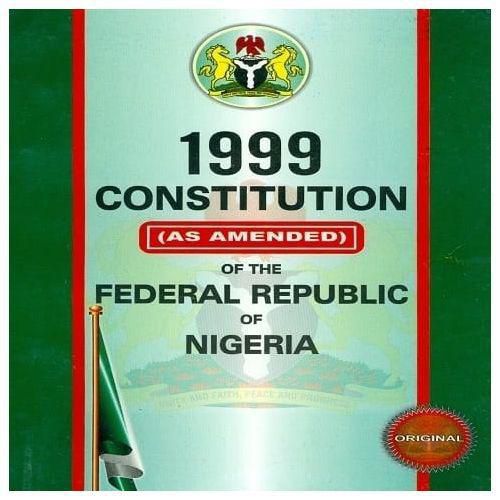
The rule of law propagates “equality before the law” and makes it mandatory for all the affairs of the democratic government. In Nigeria, the 1999 Constitution of the Federal Republic of Nigeria ensures fundamental human rights under Chapter 4. Section 42 (1) ensures the “right to freedom from discrimination”, and this includes “equality before the law”. In accordance with Nigeria’s question, all the citizens of Nigeria are equal before the law. But, in the same Constitution by section 6, the power of the Judiciary to hear any matter is limited. Section 6 (6)(c)(d) limits Judicial power for hearing or questioning any matters related to Chapter 2 of the Constitution ( Fundamental Objectives). Also, the same Constitution immunise some authorities from legal proceedings (criminal) by section 308 (1) ( 3).

Nigeria and all other democratic States apply almost the same principles. In Uganda, the 1995 Constitution of the Republic of Uganda also ensures “equality before the law” under Chapter 4 by Article 21 (1). Clause (3) defines ” discrimination” as “to give different treatment to different persons attributable only or mainly to their respective descriptions by sex, race, colour, ethnic origin, tribe, birth, creed or religion, social or economic standing, political opinion or disability”. Thus, the above definition of the word used, ” discrimination” applies to all. However, the same Constitution by Article 98 (4) excludes the President of Uganda from legal proceedings in any court.

Therefore, considering the conflicting laws of the Constitutions applied in the democratic governments of all the democratic states, I can still say that with the discrimination, there shouldn’t be a successful democracy today.

Salihi Adamu Takai wrote via salihiadamu5555@gmail.com.

Why Nigeria should prioritise peace

By Maryann Sholanke

Recently, the world has witnessed escalating tensions and conflicts between nations, often resulting in devastating consequences for humanity. As a prominent African nation, Nigeria must demonstrate its commitment to regional stability by actively resisting any inclination towards attacking its neighbouring country, Niger.

Humanitarian Consequences and Shared Ties

First and foremost, attacking the Niger Republic would undoubtedly lead to severe humanitarian consequences. Both countries share cultural, historical, and ethnic ties, with many Nigerians and Nigeriens having close family and social connections. Any military aggression from Nigeria would inevitably cause human suffering, displacement, and loss of life among innocent civilians on both sides of the border. Nigeria should be cautious not to inflict harm on its own citizens’ family members and friends in Niger.

Diplomacy and Cooperation

Furthermore, Nigeria should recognise that diplomatic engagement and cooperation with neighbouring countries foster peace and development. By upholding peaceful relations, Nigeria can establish harmonious partnerships that benefit its citizens through regional trade, economic growth, shared security initiatives, and cultural exchange. A peaceful and stable Niger enhances regional stability and contributes positively to Nigeria’s development and progress.

Regional Stability and Solidarity

Moreover, attacking Niger risks exacerbating existing regional tensions and instability. The West African region has long grappled with challenges such as terrorism, insurgency, and organised crime. Sustaining peace and security requires collaborative efforts among regional actors rather than exacerbating conflicts that may create fertile ground for extremists and criminal networks to thrive. Nigeria should maintain regional solidarity, actively engaging in forums such as the Economic Community of West African States (ECOWAS) or the African Union (AU) to find common solutions to shared challenges.

International Reputation

In addition, Nigeria must promote and preserve its reputation as a responsible and respected international actor. Nigeria has historically been a key contributor to peacekeeping missions and conflict resolutions on the African continent. Its involvement in various regional initiatives, such as the fight against Boko Haram, highlights its commitment to regional peace and stability. By abstaining from military aggression towards Niger, Nigeria will reinforce its image as a nation dedicated to peaceful coexistence and diplomatic resolutions.

Long-Term Implications

Lastly, Nigeria must consider the long-term implications of attacking Niger. Regional conflicts often harm the stability and development of the nations involved, leading to weakened economies, strained resources, and prolonged instability. Rather than investing in warfare, Nigeria should allocate its resources towards education, healthcare, infrastructure, and poverty alleviation to empower its citizens and strengthen its national development.

In Conclusion

In conclusion, Nigeria should resist any inclination towards attacking Niger, as it is imperative to prioritise peace, regional stability, and human welfare. By engaging in peaceful resolutions, diplomatic negotiations, and collaborative efforts with its neighbours, Nigeria can set an example for other nations and contribute positively to the long-lasting development, prosperity, and peace of the West African region.

Maryann Sholanke is an Entrepreneur, child advocate and media personnel, and she writes from Abuja. She can be reached via marycool72@gmail.com.

President Bola Tinubu addresses world leaders at UN General Assembly

By Muhammadu Sabiu

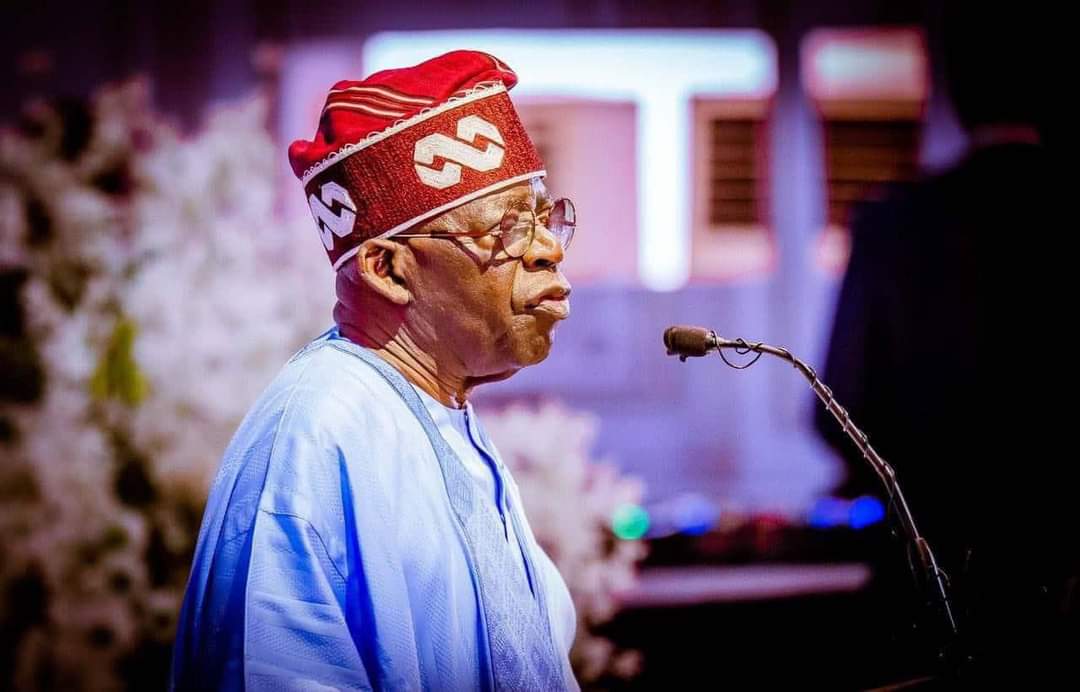
President Bola Tinubu of Nigeria is set to make his debut appearance on the international stage as he takes the podium at the 78th session of the United Nations General Assembly (UNGA) in New York. 

The President is scheduled to deliver his address at 6 pm local time (11 pm Nigerian time) during the high-level general debate. The theme of his speech, “Rebuilding Trust and Reigniting Global Solidarity: Accelerating Action on the 2030 Agenda and its Sustainable Development Goals towards peace, prosperity, progress, and sustainability for all,” highlights the critical issues he intends to discuss. 

President Tinubu’s speech will encompass various topics, including sustainable development, climate change, global cooperation, and the urgent need to address inequalities and global humanitarian crises. 

President Tinubu’s arrival in New York two days prior to his address was marked by a modest reception, with only a handful of officials greeting him at the airport.

The welcoming party included the Minister of Foreign Affairs, Yusuf Tuggar; the Permanent Representative of Nigeria to the UN, Tijjani Muhammad-Bande; and Dangana Allu, Nigeria’s Defence Attache, Washington, D.C. Notably, the majority of Nigerian officials were stationed at the UN Plaza Millennium Hilton Hotel to welcome the President upon his arrival.

There, he was received by Nigeria’s Ambassador to the United States, Amb. Uzoma Emenike; the Consul General of Nigeria in New York, Amb. Lot Egopija; and the Consul General in Atlanta, Amb. Amina Samaila. Several Nigerian state governors were also present to support President Tinubu on this international platform, including Umo Eno of Akwa Ibom, Gov. Seyi Makinde of Oyo, Gov. Uba Sani of Kaduna, Gov. Inuwa Yahaya of Gombe, and Gov. AbdulRahman AbdulRasaq of Kwara, among others. 

As President Tinubu prepares to address world leaders at the UNGA, his speech is anticipated to shed light on Nigeria’s stance on critical global issues, emphasising the nation’s commitment to sustainable development and cooperation on the path to a more equitable and peaceful world.

Niger Coup d’État: The gale of change and the balance of global power 

By Bilyamin Abdulmumin

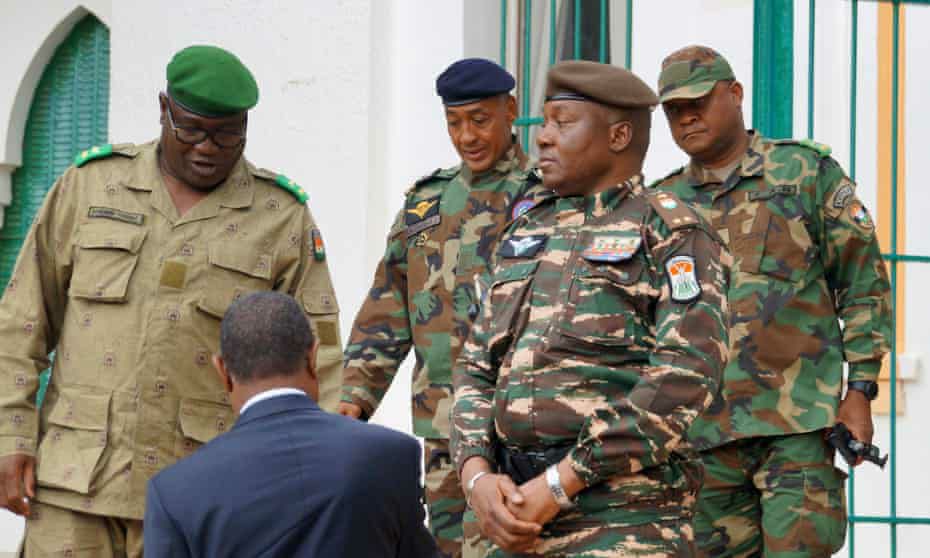
What initially appeared as rumours of a coup attempt in the Niger Republic gradually and eventually proved true. Even when the leader of the coup d’état, Presidential Guard Commander General Abdourahamane Tchiani, announced the overthrow and proclaimed himself the leader of a new military junta, there remained a doubt in the air due to the exclusion (or so it seemed) of the Nigerien Chief of Army Staff. However, all traces of doubt cleared when the military declared their support for the coup. They cited loyalty to avoid casualties from internal military clashes. Since then, news and developments have dominated the public discourse hourly. Small and major national and international media outlets pinched their tenths on this event. 

The Nigerien coup has drawn significant attention compared to other recent similar operations. For instance, in Conakry, Chief of Army Mamady Doumbouya ousted his authoritarian leader Alpha Condé. In Mali, the junta overthrew its transitional president a few months after their appointment. In Niger’s neighbouring Burkina Faso, the junta toppled another transitional government they had installed months earlier. 

The reasons for the global condemnation of the Nigerien coup differ among various blocs. France and its allies might be concerned about the potential loss of influence over their former colonies. The U.S. stance is partly rooted in their role as self-appointed global police guardians of democracy. It is also due to their military base housing thousands of soldiers within the country. Russia, on the other hand, seems to be benefiting from the situation. However, for organisations like the African Union (AU) and the Economic Community of West African States (ECOWAS), the coup posed a direct threat to democratic leadership, reaching an alarming level. So the ECOWAS bigwig Nigeria, which not only shares proximity with Niger but also has its president as ECOWAS leader, tends to overreact. Bola Ahmed Tinubu was fighting from a dual role. 

The Nigerian coup came as a surprising shock, sudden and unexpected. Unlike many similar military strikes, this coup lacked potential factors pointing to its occurrence. Such factors often include internal crises, insecurity, tension, hardship, prolonged presidential tenure, crackdowns on the opposition, and suppression of dissent. The renowned Ghanaian coup leader Jerry Rawlings once noted that the success of his coups was owed to the ripe situation in his country. He likened the atmosphere for coup success to a saturated atmosphere filled with gas, waiting for ignition to burst into flames. However, in the case of Niger, none of those factors seem to be in play. 

One plausible theory regarding the reason behind the Niger coup has been put forward by a friend who also serves as an elder brother figure. This theory revolves around the wave of change sweeping through Francophone Africa. The leadership of France appears to be faltering due to its neo-colonial approach toward its former colonies. This approach doesn’t align with the interests of the affected countries, leading to increasing unrest. Both civilians and the military are discontented with this interference, creating an environment conducive to a coup. This theory gains weight considering the surge of support that followed the coup. The military cut all ties with France to bolster this perspective and sought to shift their allegiance towards Russia. But wait! President Basoum’s public statements aligned with this shift. His videos, circulating on social media, included threats to sever remaining ties with France gave rise to the conspiracy theory as the reason behind the coup. But with the current unfolding, the question arises: Is Basoum genuinely committed to this path, or is he merely putting on a facade? 

Russia appears threatened by Western encroachment, mainly through proxy conflicts in its neighbouring countries. The most recent instance of this is the situation in Ukraine. However, suddenly, Russia found a windfall at the doorstep: developments in Africa. Aggrieved African countries with the West swiftly shifted their allegiances towards Russia as a rival to Western powers. This scenario offers an alternative to the dominant Western influence—a sort of counterbalance. The concept of the BRICS (Brazil, Russia, India, China, and South Africa), akin to NATO or perhaps a stronger G7, also garners mass interest in joining. Six countries, namely Iran, Saudi Arabia, the United Arab Emirates, Argentina, Egypt and Ethiopia, joined this movement in January 2024. Such a development holds promise for rebalancing global power dynamics. It provides other developing countries with an alternative.

Those who previously leaked atomic technology to Russia would be very happy with this development. After the United States successfully developed and detonated nuclear bombs on Hiroshima and Nagasaki, effectively ending Second World War II, some of the bomb’s developers had worries: the disruption of the global power balance. As a result, according to reports, they leaked the technology to their arch-rival, the USSR.

Bilyamin Abdulmumin is a Doctoral candidate in Chemical Engineering at ABU Zaria. He is also a social and political affairs commentator and science writer.

Wedding celebration saved couple, some relatives from Moroccan deadly quake

By Uzair Adam Imam

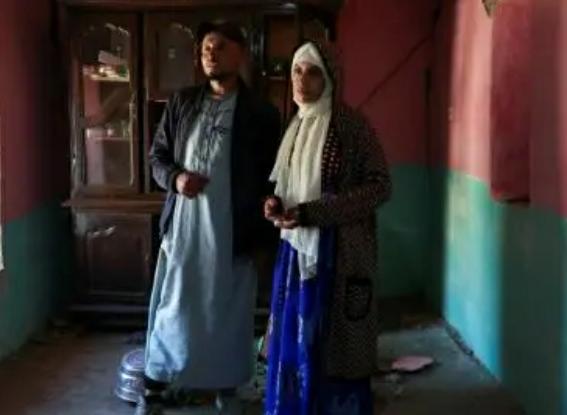
A wedding celebration in Moroccan village saved a newly married couple and some of their relatives that attended the party from the Friday’s deadly earthquake.

The couple and their families were said to have been enjoying a traditional music in an outdoor courtyard when the traumatic incident occurred.

Our reporters learned that the newly married couple were identified as Habiba Ajdir, 22, and apple farmer Mohammed Boudad, 30.

The Daily Reality gathered that the earthquake had claimed the lives of  hundreds of innocent people and destroyed properties worth million of dollars.

It was reported that the marriage was due to take place at his village of Kettou on Saturday, but by custom, the bride’s family held a party the night before the wedding.

Nigeria strengthens trade relations with India – Trade Minister

By Uzair Adam Imam

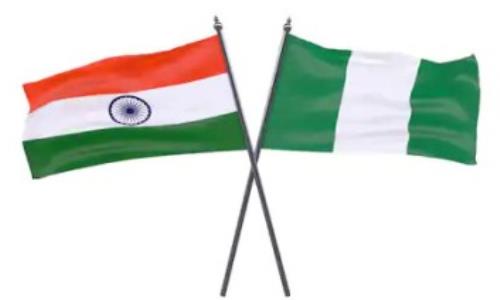
The Minister of Industry, Trade and Investment, Dr Doris Uzoka-Anite, has said that Nigeria is exploring ways to improve trade and investment relations with India.

She said that Nigeria was making efforts to woo various Indian entrepreneurs who are already doing business in Nigeria.

The minister stated this during a bilateral meeting with the Indian Minister of Commerce and Industry, Piyush Goyal, in the ongoing G-20 Summit in India.

In a statement, Uzoka-Anite said: “Our trip here has so far been fruitful and Nigerians should be proud of our achievement here. We signed an agreement on Infrastructure Corporation of Nigeria Limited (InfraCorp) and Invest India.

“We also signed another agreement between the Nigerian Ministry of Communication, Innovation and Digital Economy and the Indian Ministry of Electronics and Information Technology. We have also secured investment commitments from multinationals like; SkipperSeil Group, Jindal Steel and Power Limited, Bharti Enterprises, Indorama Petrochemical Limited amounting to several billions of dollars.”

She further stated: “We have more than 130 Indian companies that are active in Nigeria from manufacturing to hospitality to oil and gas, and healthcare sector.”

Buhari expresses grief over Moroccan earthquake

By Uzair Adam Imam

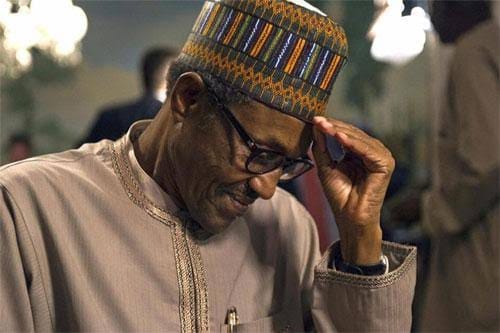
Former President Muhammadu Buhari has expressed greif over Morocon earthquake tradedy that claimed the lives of thousands of people and destroyed properties worth millions of dollars.

Buhari disclosed this Monday in a personal letter to King Muhammad the VI, the ruler of Morocco with whom he said he had a good working relationship while in office.

A statement, issued by Garba Shehu, explained that the letter, sent to the Royal Palace in Rabat in Morocco, was personally signed by the former President.

The former President said: “It is with a deep sense of sadness that I write on behalf of my family and myself to express our deepest sympathies and condolences to you and the people of the Kingdom of Morocco in the wake of the devastating earthquake that struck your country on 8th September 2023.

“I am deeply saddened by the loss of lives destruction of property caused by the earthquake. I stand in solidarity with Your Majesty and the people of Morocco in this difficult time and pray for the swift recovery of those who were affected by this tragedy. May the souls of the departed rest in peace, and may Allah bring peace and solace to those affected.

“While extending, once again, my condolences, please accept, Your Majesty, the assurances of my highest consideration and esteem,” Buhari added.

Man accused of murdering own 100-year-old grandmother in Hamburg

By Muhammadu Sabiu 

A shocking case of alleged homicide unfolded in Hamburg, Germany, as a 37-year-old man faced trial for the brutal murder of his 100-year-old grandmother. 

The accused, a German native born in Estonia, appeared in court on Thursday to answer the grave charges against him. 

The prosecution’s case revolves around the accused’s inability to care for his elderly grandmother, who was 100 years old and suffered from dementia.

The prosecuting lawyer emphasised this point in court, stating, “He could not cope with looking after her.” The horrifying incident took place in the early hours of March 6, when the accused reportedly launched a vicious attack on his defenceless grandmother inside her Hamburg home. 

The elderly woman, struggling to fend off her assailant while sitting in a wheelchair, endured a harrowing assault. 

According to the prosecution, the victim suffered at least 16 blows to her head and neck during the violent encounter. The brutal attack resulted in her falling to the ground, sustaining a broken shoulder, and ultimately succumbing to spinal injuries. 

The accused, in a chilling turn of events, took it upon himself to alert emergency services to the grisly act he had committed. When the police arrived at the scene, they discovered the lifeless body of the 100-year-old woman.

Remarkably, the man offered no resistance and surrendered himself to the authorities without incident. 

As the trial unfolds in the northern German city of Hamburg, the court will delve further into the circumstances surrounding this tragic incident.

The accused faces a charge of homicide, and the legal proceedings will determine his guilt or innocence in the murder of his own grandmother.

Iranian president praises African nations’ stand against ‘colonialism’

By Muhammadu Sabiu 

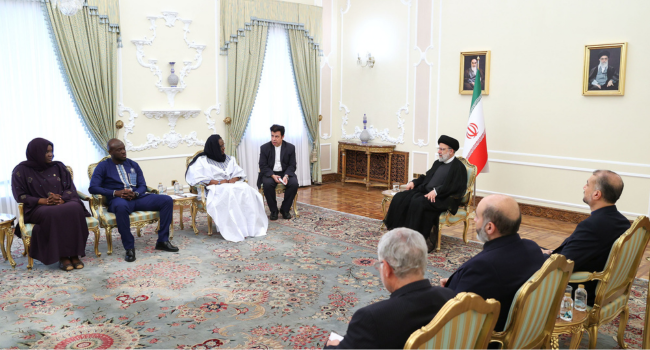
Iranian President Ebrahim Raisi applauded the steadfast resistance of African countries against colonialism and terrorism during a diplomatic meeting with Burkina Faso’s Foreign Minister Olivia Rouamba on Monday. 

While not explicitly naming France, President Raisi’s remarks were seen as a recognition of African nations’ efforts to assert their sovereignty. 

Burkina Faso and Mali, both currently under military junta rule, have notably severed military ties with France, their former colonial ruler, in favour of bolstering relations with Russia. 

Niger, which experienced a military junta takeover in July, has been marked by widespread protests demanding the withdrawal of French troops, harking back to its colonial history. 

In his meeting with Foreign Minister Rouamba, President Raisi commended the African countries for their resilience and resolve. He described their stance as a “sign of vigilance and awakening,” underscoring the importance of nations safeguarding their independence. 

The Iranian presidency’s official website published a statement quoting President Raisi’s words of appreciation for African countries’ principled stand against colonialism and terrorism. 

While diplomatic relations between Iran and the African nations were not the primary focus of the meeting, the implicit message of solidarity resonated with those advocating for self-determination and autonomy in the face of historical colonial ties. 

This meeting marks another instance of international relations being influenced by the evolving geopolitical landscape as African nations navigate their path towards sovereignty and redefine their partnerships on the global stage.

Why the world needs more oil, not less

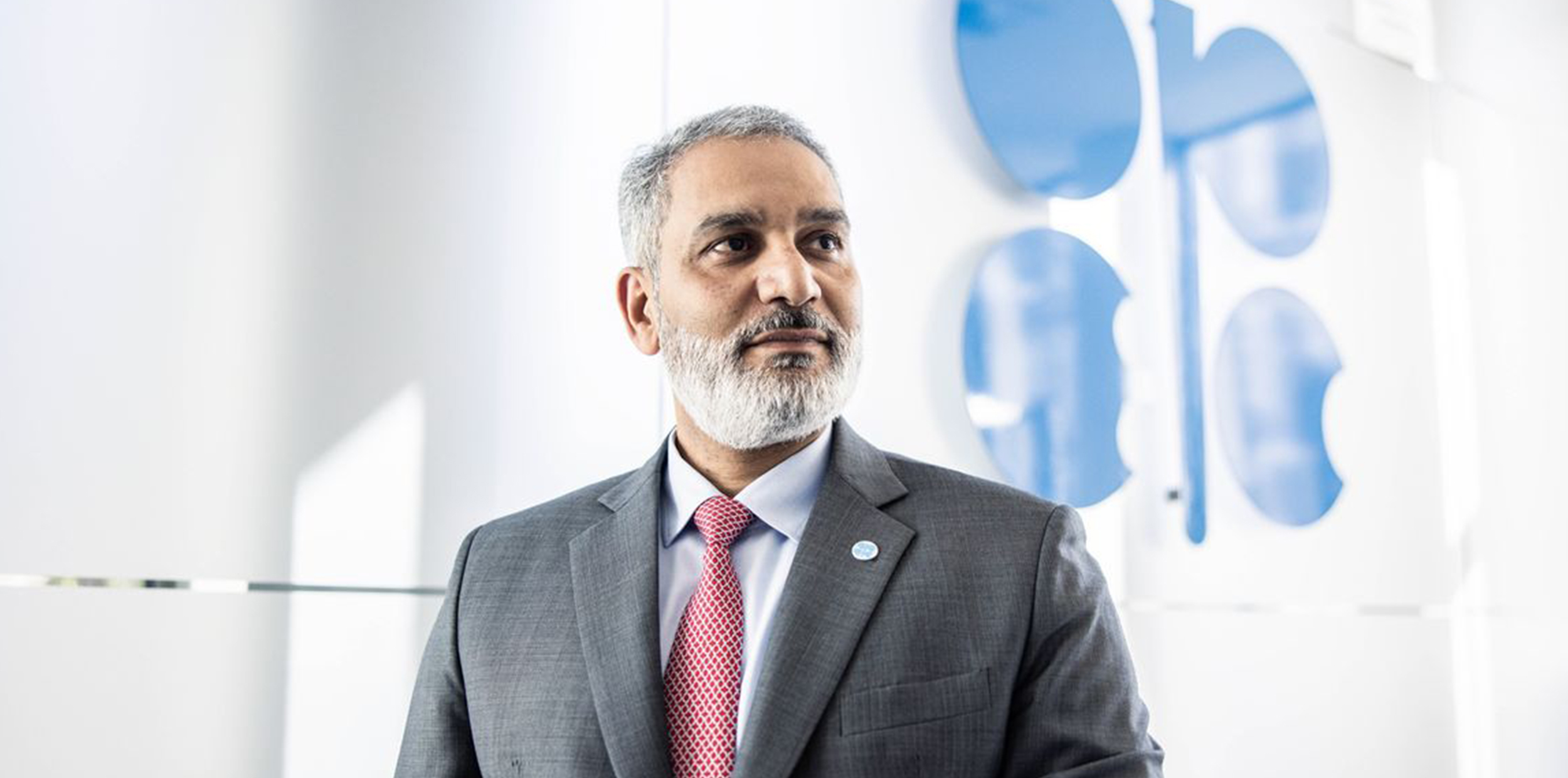
By Haitham Al Ghais

What do toothpaste, deodorant, soap, cameras, computers, gasoline, heating oil, jet fuel, car tires, contact lenses and artificial limbs have in common?

If oil vanished today, these and many other vital products and services that use oil or its derivatives would vanish too. Transportation networks would grind to a halt, homes could freeze, supply chains would crash, and energy poverty would rise.

The World Energy Report for 2022, published by the UK-based Energy Institute and consulting firms KPMG and Kearney, noted that fossil fuels constituted 82% of global energy in 2022. This is comparable to OPEC’s latest world oil outlook and represents a similar level to 30 years ago.

Why then do most energy transition debates disregard the critical role that commodities like oil and gas continue to play in improving lives, fostering stability and energy security, as well as related industries’ efforts to develop technologies and best practices to reduce emissions? The scale of the climate change challenge is daunting, but meeting the world’s rising energy demand and mitigating climate change do not have to exist in a vacuum or be at odds with each other.

Rather, the world should act to reduce emissions and ensure that people have access to the products and services they need to live comfortably. Towards these goals, OPEC members are investing in upstream and downstream capacities, mobilising cleaner technologies and deploying vast expertise to decarbonise the oil industry. Major investments are also being made in renewables and hydrogen capacity, carbon capture utilisation and storage — as well as in promoting the circular carbon economy.

The bottom line is that it is possible to invest heavily in renewables while continuing to produce the oil the world needs today and in the coming decades. This approach also contributes to global stability at a time of volatility and is critical given that history shows that energy transitions evolve over decades and take many paths.

Take electric vehicles: Although the Toyota Prius became the world’s first mass-produced hybrid vehicle in the late 1990s, an analysis from the U.S. National Automobile Dealers Association noted that sales of hybrids, plug-in hybrids and battery electric vehicles (BEV) accounted for only 12.3% of all new vehicles sold in the U.S. in 2022.

While the rising popularity of electric vehicles is indisputable, total sales of BEVS also made up only 19% of new car sales in China last year. Similarly, in the EU, vehicles using petrol or diesel still accounted for around half of all car sales in 2022.

Thus, when it comes to the transportation sector – and indeed many other fields – it is clear that it would not be prudent to ignore that billions of people across the globe rely on oil and will continue to do so for the foreseeable future.

This becomes even more pressing when coupled with the investment needed to meet the rising demand for energy, ensure energy security and affordable access, and lower global emissions in line with the Paris Agreement.

Rising demand for energy

The world’s population is growing. OPEC’s World Oil Outlook (WOO) for 2022 sees it increasing by 1.6 billion people through 2045, while United Nations statistics note growth to around 10.4 billion by 2100.

In parallel, OPEC’s estimates that global energy demand will increase by 23% to 2045. Within this, oil demand is projected to increase to around 110 million barrels a day (mb/d). Thus, it is clear that oil will continue to be an essential part of the global energy infrastructure for decades to come. This is in stark contrast to the many proclamations of past decades that the age of oil was over. Indeed, contemporary demand is close to an all-time high and will rise by close to 5 mb/d in 2023 and 2024.

No single form of energy can currently meet expected future energy demand; instead, an “all-peoples, all-fuels and all-technologies” approach is required. As such, OPEC member countries are ready, willing and able to provide the affordable energy needed to cater towards these future energy needs, all the while reducing their emissions and helping eradicate energy poverty in doing so.

The UN notes that more than 700 million people still lack access to electricity, and almost one-third of the global population uses inefficient, polluting cooking systems. Daily life is not about cars, laptops or air conditioning for these people; it is about basic access to heat and electricity. To provide adequate and affordable universal energy access, and eradicate energy poverty, oil can and will play a key role in developing countries. The Global South has been – and continues to be – very clear about this; is the Global North taking heed?

Investment in oil is critical for energy security

Another worrying reality across the globe is that not enough investment is going into all energies. Looming oil demand growth alone necessitates far more investment if a sustainable supply is to be maintained.

Oil will make up close to 29% of global energy needs by 2045, with an investment of $12.1 trillion needed by then — or over $500 billion a year — but recent annual levels have been far below this.

The consequence of failing to invest adequately in oil is hammered home by recent OPEC Secretariat research outlining that in five years, there would be a staggering oil market deficit of 16 million barrels per day between forecasted rising global demand and supply if investments into upstream activities were stopped today — as some are calling for.

The oil industry has played a central role in improving billions of lives to date. If it is to continue to do so, and if the world is serious about implementing orderly energy transitions and meeting future energy demand while ensuring energy security for all, chronic under-investment in the industry needs to be remedied swiftly.

Ahead of this year’s United Nations Climate Change Conference (COP28) in the United Arab Emirates – where the world will evaluate progress on the Paris Agreement – COP28 President-Designate Dr Sultan Ahmed Al Jaber said the world needs “maximum energy, minimum emissions.” A healthy degree of pragmatism will be necessary to achieve this goal, especially given the clear need to utilise all energies if we are to meet the world’s current and future energy demands.

Ultimately, no people, industry or country can be ignored, and we believe that discussions at this year’s COP28 will reflect this. After all, history is filled with numerous examples of turmoil that should serve as ample warning for what occurs when policymakers fail to take on board energy’s interwoven complexities.

Al-Ghais is the Secretary General of the Organization for the Petroleum Exporting Countries (OPEC).