International

Iranian president praises African nations’ stand against ‘colonialism’

By Muhammadu Sabiu 

Iranian President Ebrahim Raisi applauded the steadfast resistance of African countries against colonialism and terrorism during a diplomatic meeting with Burkina Faso’s Foreign Minister Olivia Rouamba on Monday. 

While not explicitly naming France, President Raisi’s remarks were seen as a recognition of African nations’ efforts to assert their sovereignty. 

Burkina Faso and Mali, both currently under military junta rule, have notably severed military ties with France, their former colonial ruler, in favour of bolstering relations with Russia. 

Niger, which experienced a military junta takeover in July, has been marked by widespread protests demanding the withdrawal of French troops, harking back to its colonial history. 

In his meeting with Foreign Minister Rouamba, President Raisi commended the African countries for their resilience and resolve. He described their stance as a “sign of vigilance and awakening,” underscoring the importance of nations safeguarding their independence. 

The Iranian presidency’s official website published a statement quoting President Raisi’s words of appreciation for African countries’ principled stand against colonialism and terrorism. 

While diplomatic relations between Iran and the African nations were not the primary focus of the meeting, the implicit message of solidarity resonated with those advocating for self-determination and autonomy in the face of historical colonial ties. 

This meeting marks another instance of international relations being influenced by the evolving geopolitical landscape as African nations navigate their path towards sovereignty and redefine their partnerships on the global stage.

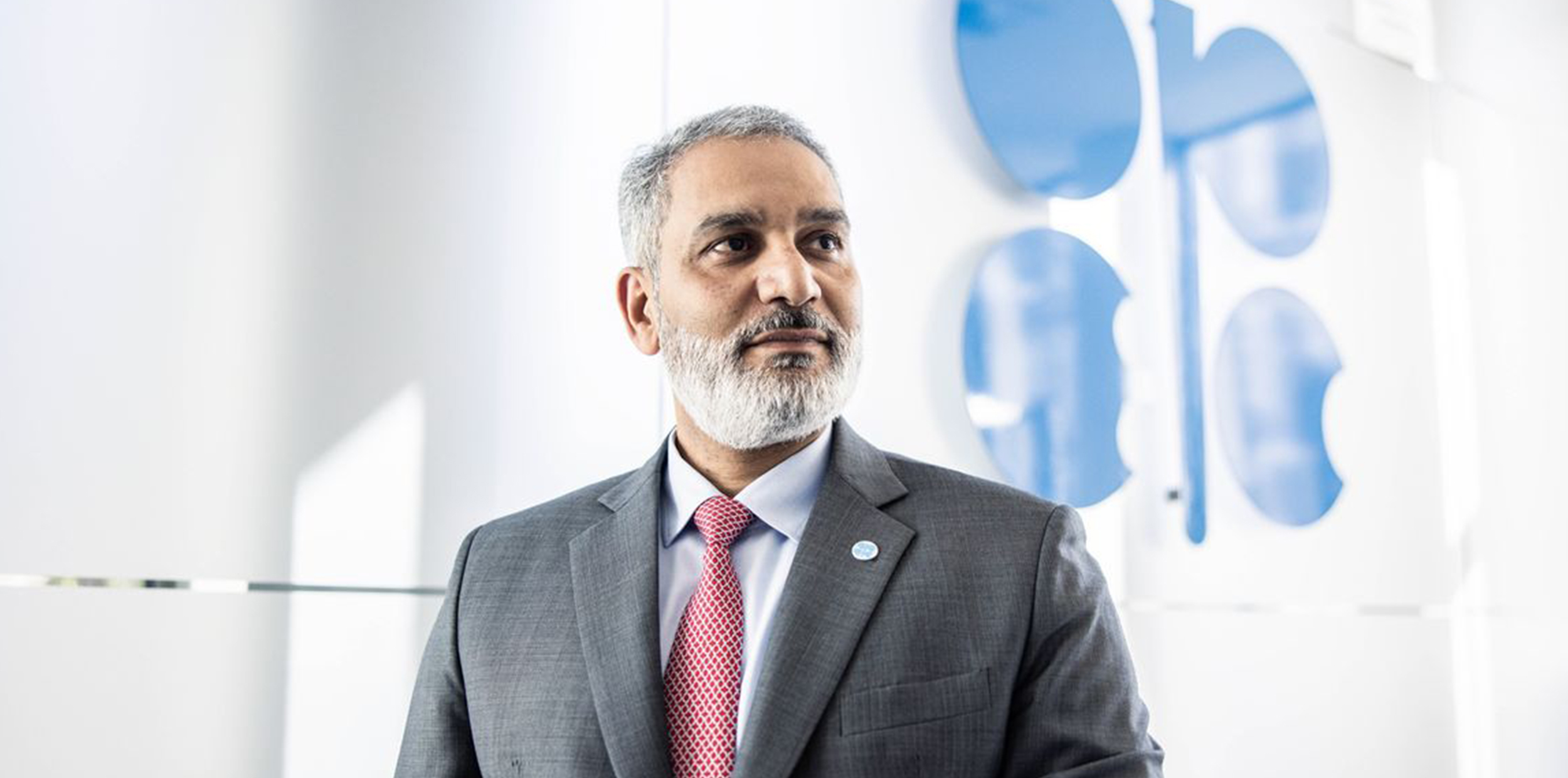
Why the world needs more oil, not less

By Haitham Al Ghais

What do toothpaste, deodorant, soap, cameras, computers, gasoline, heating oil, jet fuel, car tires, contact lenses and artificial limbs have in common?

If oil vanished today, these and many other vital products and services that use oil or its derivatives would vanish too. Transportation networks would grind to a halt, homes could freeze, supply chains would crash, and energy poverty would rise.

The World Energy Report for 2022, published by the UK-based Energy Institute and consulting firms KPMG and Kearney, noted that fossil fuels constituted 82% of global energy in 2022. This is comparable to OPEC’s latest world oil outlook and represents a similar level to 30 years ago.

Why then do most energy transition debates disregard the critical role that commodities like oil and gas continue to play in improving lives, fostering stability and energy security, as well as related industries’ efforts to develop technologies and best practices to reduce emissions? The scale of the climate change challenge is daunting, but meeting the world’s rising energy demand and mitigating climate change do not have to exist in a vacuum or be at odds with each other.

Rather, the world should act to reduce emissions and ensure that people have access to the products and services they need to live comfortably. Towards these goals, OPEC members are investing in upstream and downstream capacities, mobilising cleaner technologies and deploying vast expertise to decarbonise the oil industry. Major investments are also being made in renewables and hydrogen capacity, carbon capture utilisation and storage — as well as in promoting the circular carbon economy.

The bottom line is that it is possible to invest heavily in renewables while continuing to produce the oil the world needs today and in the coming decades. This approach also contributes to global stability at a time of volatility and is critical given that history shows that energy transitions evolve over decades and take many paths.

Take electric vehicles: Although the Toyota Prius became the world’s first mass-produced hybrid vehicle in the late 1990s, an analysis from the U.S. National Automobile Dealers Association noted that sales of hybrids, plug-in hybrids and battery electric vehicles (BEV) accounted for only 12.3% of all new vehicles sold in the U.S. in 2022.

While the rising popularity of electric vehicles is indisputable, total sales of BEVS also made up only 19% of new car sales in China last year. Similarly, in the EU, vehicles using petrol or diesel still accounted for around half of all car sales in 2022.

Thus, when it comes to the transportation sector – and indeed many other fields – it is clear that it would not be prudent to ignore that billions of people across the globe rely on oil and will continue to do so for the foreseeable future.

This becomes even more pressing when coupled with the investment needed to meet the rising demand for energy, ensure energy security and affordable access, and lower global emissions in line with the Paris Agreement.

Rising demand for energy

The world’s population is growing. OPEC’s World Oil Outlook (WOO) for 2022 sees it increasing by 1.6 billion people through 2045, while United Nations statistics note growth to around 10.4 billion by 2100.

In parallel, OPEC’s estimates that global energy demand will increase by 23% to 2045. Within this, oil demand is projected to increase to around 110 million barrels a day (mb/d). Thus, it is clear that oil will continue to be an essential part of the global energy infrastructure for decades to come. This is in stark contrast to the many proclamations of past decades that the age of oil was over. Indeed, contemporary demand is close to an all-time high and will rise by close to 5 mb/d in 2023 and 2024.

No single form of energy can currently meet expected future energy demand; instead, an “all-peoples, all-fuels and all-technologies” approach is required. As such, OPEC member countries are ready, willing and able to provide the affordable energy needed to cater towards these future energy needs, all the while reducing their emissions and helping eradicate energy poverty in doing so.

The UN notes that more than 700 million people still lack access to electricity, and almost one-third of the global population uses inefficient, polluting cooking systems. Daily life is not about cars, laptops or air conditioning for these people; it is about basic access to heat and electricity. To provide adequate and affordable universal energy access, and eradicate energy poverty, oil can and will play a key role in developing countries. The Global South has been – and continues to be – very clear about this; is the Global North taking heed?

Investment in oil is critical for energy security

Another worrying reality across the globe is that not enough investment is going into all energies. Looming oil demand growth alone necessitates far more investment if a sustainable supply is to be maintained.

Oil will make up close to 29% of global energy needs by 2045, with an investment of $12.1 trillion needed by then — or over $500 billion a year — but recent annual levels have been far below this.

The consequence of failing to invest adequately in oil is hammered home by recent OPEC Secretariat research outlining that in five years, there would be a staggering oil market deficit of 16 million barrels per day between forecasted rising global demand and supply if investments into upstream activities were stopped today — as some are calling for.

The oil industry has played a central role in improving billions of lives to date. If it is to continue to do so, and if the world is serious about implementing orderly energy transitions and meeting future energy demand while ensuring energy security for all, chronic under-investment in the industry needs to be remedied swiftly.

Ahead of this year’s United Nations Climate Change Conference (COP28) in the United Arab Emirates – where the world will evaluate progress on the Paris Agreement – COP28 President-Designate Dr Sultan Ahmed Al Jaber said the world needs “maximum energy, minimum emissions.” A healthy degree of pragmatism will be necessary to achieve this goal, especially given the clear need to utilise all energies if we are to meet the world’s current and future energy demands.

Ultimately, no people, industry or country can be ignored, and we believe that discussions at this year’s COP28 will reflect this. After all, history is filled with numerous examples of turmoil that should serve as ample warning for what occurs when policymakers fail to take on board energy’s interwoven complexities.

Al-Ghais is the Secretary General of the Organization for the Petroleum Exporting Countries (OPEC).

Sweden faces financial losses, security challenges amidst Koran burning controversy

By Muhammadu Sabiu

Sweden’s security agencies have reported a worsening security situation in the country, following the controversial decision to permit the burning of the Holy Quran.

This decision, made nine months ago, has not only drawn international criticism but has also cost the nation approximately $200,000, according to a recent report from a national media outlet.

The act of burning the Holy Quran, carried out by individuals including Danish politician Rasmus Paludan and Iraqi refugee Salwan Momika, has incurred significant financial repercussions.

Sweden has reportedly lost 2.2 million Swedish krona (equivalent to $199,300) due to these highly contentious actions, as confirmed by Sveriges Radio.

The controversial activities surrounding Quran burning have necessitated increased police presence and intervention to maintain security, as outlined in the report released by the radio station.

Instances of Quran Burning in Sweden

The burning of the Holy Quran has triggered global outrage and scrutiny, with both Sweden and Denmark facing criticism for permitting such actions and even providing police protection to those involved.

Rasmus Paludan, the leader of the far-right Stram Kurs party, has conducted Quran burnings in multiple Swedish cities, including Malmo, Norrkoping, Jonkoping, and Stockholm.

Notably, he burned copies of the Quran during Easter last year and, on June 21, staged a Quran burning outside the Turkish embassy in Sweden.

Salwan Momika garnered international attention when he burned the Quran outside a mosque in Stockholm during Eid.

On July 20, he threw the Quran outside the Iraqi embassy in Sweden, along with the Iraqi flag, and trampled them.

He also conducted a Quran burning outside the Swedish Parliament building on July 31.

Additionally, Bahrami Marjan, an Iranian refugee, engaged in Quran burning near Stockholm in early August.

Salwan Momika continued these acts, burning another Quran outside the Iranian Embassy in Sweden and another outside the Stockholm Mosque in subsequent weeks.

These actions have severely tarnished Sweden’s international reputation and placed additional pressure on its security forces.

Despite these challenges, the country’s authorities have allowed Momika to continue burning copies of the Holy Quran.

A reminder and call for Northern Ulama to intervene in the Sudan conflict

By Baba Isa

While reviewing my collection of photographs, I stumbled upon a significant historical image that reminded me of a momentous event during a public lecture in Sudan. It was during this event that distinguished figures such as Prof. Salisu Shehu, Prof. Sagagi, and Prof. Maqari embarked on a special joint visit to Sudan some years ago. Their visit aimed to understand the exceptional approach Sudanese institutions took in providing training to Nigerian students on their soil, enabling them to return to Nigeria as productive individuals.

During this lecture, Prof. Salisu Shehu said, “The educational experience for Nigerian students in Sudan extended beyond academic excellence. These students, who received education in diverse fields, also imbibed qualities of respect, commendable attitudes towards their communities, and a sense of understanding towards various religious doctrines. This was different to their counterparts studying in different foreign nations.

Prof. Added that the Nigerian Sudan-educated students exhibited unmatched expertise and skills compared to their counterparts in Nigeria. Therefore, the Council of Ulama of Nigeria felt compelled to delegate us to come to Sudan and delve deeper into brief research and learn more about strategies employed by Sudanese institutions and their communities to empower these students. So that we can take back reports to Nigeria and put it into practice”.

The lecture was delivered at the International University of Africa (Indimi Hall) during this insightful visit, and I captured the picture.

Regrettably, the Sudan we love, the Sudan we learn from and once held in high esteem, an exemplar of a hygienic educational environment, now stands ravaged by conflict. It’s disheartening that we have not extended a helping hand to a nation from which we have drawn knowledge and inspiration. Sudan, which significantly contributed to the growth and development of our region through its educational support (like its massive Scholarship scheme to everyone in any course without exception)and enlightened Islamic scholars, medical doctors and other professionals, remains in dire need of our attention, prayers, and support.

Northern Nigeria has encountered setbacks in the realm of girls’ education. In the past, we lamented the shortage of female doctors, resulting in inadequate female doctors in healthcare for women in our hospitals. Our parents in the Northern region were hesitant to enrol our sisters in local institutions, let alone consider overseas education, given concerns about religious beliefs, cultural norms and environmental disparities.

These barriers hindered the prospect of sending our sisters abroad for education. This predicament led us to lag in conventional education and the attainment of female medical doctors. Recently, a positive shift has occurred as our parents have become more receptive to sending our sisters to study medicine and various other disciplines, especially in Sudan, due to the conducive educational environment and Islamically oriented. However, it is disheartening to note that challenges mar the current situation in Sudan.

The aftermath of the evacuation of Nigerian students from Sudan – more than 2000 – medical students, primarily females from the north- has left us searching for alternatives that can provide the same nurturing educational environment. Regrettably, no such choice has presented itself, leaving us feeling powerless.

Recent events have highlighted the impactful role that Northern Nigerian scholars have played in resolving crises, as evidenced by their intervention in the unrest following a coup in Niger. Drawing from this, I earnestly beseech our esteemed Northern scholars to extend their benevolent interventions to Sudan. While Sudan may not be a member of ECOWAS, its historical and cultural ties to us cannot be taken away. Just as we stand by Niger, we must stand by Sudan.

In this challenging time, I humbly implore our esteemed Ulama to exert their influence and restore peace and tranquillity in Sudan. Just as they have done in our region and Niger, their intervention could serve as a beacon of hope for a nation that has been an invaluable contributor to our growth and development.

Pharm. Baba Isa, Former President of the National Association of Nigerian Students in Sudan.

Gabon’s political turmoil continues: President Bongo grapples with coup fallout 

By Muhammadu Sabiu 

In the aftermath of the recent coup attempt in Gabon, President Alain Bernard Bongo finds himself at the centre of a political storm that has shaken the nation. 

Born in neighbouring Congo-Brazzaville in February 1959, Bongo’s journey from a one-time funk singer to the head of a longstanding political dynasty has been one of both fascination and controversy. 

Stepping into his father’s shoes to continue a family legacy that spanned over 50 years, President Bongo has been a figure of polarising opinion. 

Some see him as a spoilt playboy prince who views ruling the oil-rich country as his birthright. However, others regard him as a reformer who has made efforts to diversify Gabon’s economy. 

He was initially voted into power democratically by the masses, a testament to his perceived commitment to change. 

Despite his tenure, President Bongo’s legitimacy has consistently been under scrutiny from political opponents. Allegations of fraud marred his 2016 election victory, casting a shadow on his presidency.

Calls for his resignation gained traction following a period of ill health in 2018, which culminated in a failed coup attempt. This event highlighted the fragility of his leadership and exposed divisions within the country. 

As the nation grapples with the aftermath of the recent coup, questions about President Bongo’s ability to maintain control and foster stability continue to surface. 

The unfolding events have once again ignited debates about his governance style and the true nature of his rule.

With opposition forces emboldened and citizens expressing varying degrees of dissatisfaction, Gabon stands at a crossroads where its future hangs in the balance under the leadership of President Bongo.

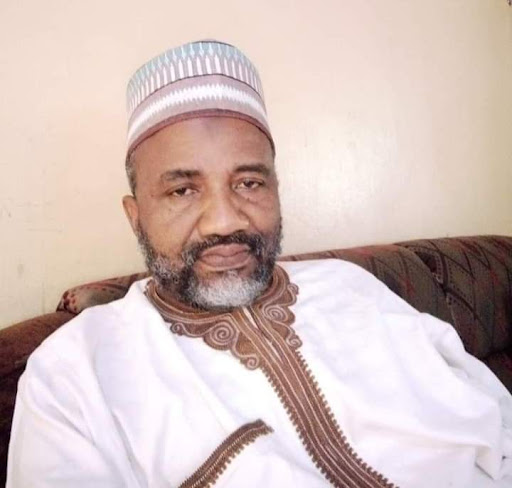
Know the laws of any country you are visiting before departure

By Aliyu Nuhu

Mal Kwalisa (not his real name) is an acquaintance. He has never travelled outside Nigeria. He was a money changer. One day he made a big kill and came into some big money and decided to visit UAE. He only told me he was travelling to Dubai for two weeks, and off he left via Nnamdi Azikiwe International Airport Abuja.

Three days after, Mal Kwalisa was back with us in Kano. I asked what happened. He was a bit ashamed, but later he blew the lid.

When he arrived in Dubai he booked into a hotel. After hours of rest, he went to one shop and saw a very beautiful Arab woman. He told her he came from Nigeria and he had plenty of money and promptly invited her to his hotel room. She smiled and told him she was married and that in UAE, women don’t visit men in hotels.

Mallam didn’t buy her story. He thought she could be persuaded by the promise of more money. He went back to his hotel and returned after lunch. He made the same offer again, and she smiled and told him to come back after closing hours, by 5 pm.

He went back at the appointed time only to find three askaris (police) waiting for him. They asked what his mission was, and he said he came to see his friend, pointing to the woman. The police asked him her name, and he didn’t know. They took him back to the hotel, packed his bag and drove him to the airport. He was lucky they did not chain him. They put him in the next available plight leaving UAE to Africa, Air Moroc. He landed in Casablanca.

After some hours, he was again put on the next available flight to Johannesburg, South Africa. After a long delay at midnight, he was bundled into a plane going to Lagos.

Our man had to find his way to Abuja by road after becoming Vasco da Gama overnight. He asked what could possibly be his offence.

I told him in UAE, adultery is punishable by death. The woman reported him to the police. He was lucky that she did not trick him and reported him while in his hotel room. And she didn’t mention rape.

Nigerien coup amidst ECOWAS diplomatic impotence

By Muhammad Muzdaleefa

The resurgence of military coups is thwarting Africa’s democratic journey. The recent coup d’état in Niger, which saw the ousting of President Mohamed Bazoum by the military, has not only shaken the stability of the country but has also laid bare the divisions and weaknesses within the Economic Community of West African States (ECOWAS). It has also exposed a wide cleavage between citizens of member countries and their governments on ECOWAS policy on Niger. 

As far as one can read the mood without the aid of a proper poll, support for military action against Niger would probably be less than 10 per cent across the region. In Niger, news footage suggests that the public is more solidly against ECOWAS military intervention. Somewhat or otherwise, the mainstream media and social media comments show deep scepticism about ECOWAS’ direction and intentions. Many, if not most, commentators believe that the West, especially France and the US, are behind the ECOWAS drive towards a military solution in Niger.

This has led to resentment, especially in the Francophone countries, where the citizens point out that ECOWAS has been silent at draconian French exploitation of their resources continuing long after independence.

One of the glaring weaknesses exhibited by ECOWAS in response to the Niger coup is its lack of unity and consistency among member states.

While some countries strongly condemned the coup and called for a swift return to civilian rule, others remained relatively silent, seemingly hesitant to take a decisive stance. This lack of a united front weakens the regional body’s influence and diminishes its ability to address such crises effectively.

Another aspect that has been brought to the forefront is ECOWAS’s flawed diplomatic approach. Despite constituting a mediation committee to engage with the coup leaders and negotiate a resolution, ECOWAS failed to halt the coup or achieve a viable solution. The committee’s lack of leverage and the limited consequences the perpetrator’s face have raised questions about the efficacy of diplomatic efforts and the regional body’s influence over military leaders.

ECOWAS has often resorted to imposing economic sanctions to exert pressure and resolve political crises. However, the effectiveness of such measures in addressing coups has been questionable. The reliance on economic sanctions has a limited impact, particularly in countries with weak economies and high poverty levels like Niger. 

The recent example of Mali, where sanctions failed to bring about meaningful change after a military coup, highlights the need a more comprehensive and proactive approach by ECOWAS. The situation has become even grimmer, with Russia increasingly stepping in to provide short-term assistance to cushion the effects of the sanctions against coup countries, which appear to have exchanged the influence of France with that of Russia.

What is worse is the fact that the Niger crisis has also highlighted ECOWAS’s inability to identify and address underlying issues that lead to political instability. This failure to take pre-emptive measures further exposes weaknesses within the organisation. Since ECOWAS gave an ultimatum to Niger, citizens in ECOWAS countries have voiced their disapproval against any military action, mainly because ECOWAS lacks the moral authority to send troops into Niger.

Many commentators have pointed out failure within member countries as a significant contributing factor undermining ECOWAS’s intentions. Some West African governments are dynasties, flawed elections taint others, while some have repressed their countries’ media and opposition parties. 

What principles does an ECOWAS military intervention in Niger seek to establish, and are they all practised in the countries that will impose them by force of arms in Niger? If democracy is essential to ECOWAS, it has to ensure that the complete panoply of democratic principles is firmly in place in all member countries. It cannot pick and choose. Therefore, to safeguard democracy, ECOWAS should invest more proactively in conflict prevention mechanisms, addressing socio-economic disparities, and promoting good governance across member states. 

Timely intervention in electoral processes, strengthening democratic institutions, and promoting dialogue are crucial steps towards avoiding crises before they occur. In addition, ECOWAS must develop a robust apparatus to communicate with citizens across the entire subcontinent and carry out programmes that promote dialogue between citizens and between citizens and governments. 

Does public opposition to military action signal a higher tolerance for military coups in West Africa? That is a difficult question, but there is no doubt that people have generally become disenchanted with the Western democratic model, given that poverty and lack of opportunity continue to be entrenched. At the same time, politicians are seen as opportunists who are in it for themselves. However, none of this can be interpreted to mean that people in West Africa prefer military regimes.

Significantly, however, the coup in Niger has exposed the leadership vacuum within ECOWAS. While the organisation has made progress in promoting regional integration and economic development, its political leadership role has been less pronounced. ECOWAS needs robust leadership capable of decisive action in times of crisis, backed by a clear framework and mechanisms that discourage power grabs and protect democratic systems.

The coup in Niger has exposed the weaknesses, divisions, and inconsistencies within ECOWAS. The regional body’s lack of unity, ineffective diplomacy, reliance on economic sanctions, inadequate pre-emptive measures, and leadership vacuum have hindered its ability to respond effectively to political instability. The regional body’s response to the coup has showcased its challenges in effectively addressing political crises, highlighting the need for a more cohesive and proactive approach to preserving democracy in the region.

To strengthen ECOWAS and protect democracy in the region, there is an urgent need for member states to forge a unified front, strengthen conflict prevention mechanisms, explore diplomatic alternatives, and foster strong leadership committed to preserving democratic values. Without addressing these fundamental issues, the fragile democratic gains achieved in West Africa may remain at risk, allowing further regional divisions and challenges to promote peace and stability.

Muzdaleefa wrote from Kaduna via mohammedadamu736@gmail.com.

Fear of war vanished, hope for peace rekindled as Nigerian Islamic scholars met with Niger coupists

By Aisar Fagge

There were growing anger and threat between the Niger Republic and the Economic Community of West African States (ECOWAS) since the military coup in July that ousted the democratically elected government of Muhammed Bazoum. The ECOWAS, under the chairmanship of President Bola Ahmed Tinubu, demanded that the military junta should handover power Bazoum or else face its wrath.

Several media reports indicated that all attempts by the ECOWAS to peacefully restore power to Bazoum had failed, a development that exacerbated the already worse situation. On Saturday, the leaders of the Islamic groups from Nigeria met with the coupists in Niger. In this interview, Professor Salish Shehu, one of the Ulamas, detailed The Daily Reality about the purpose of their visit, how fruitful it was and what they have achieved.

TDR: Prof., can you please detail The Daily Reality about the purpose of your visit to the Niger coupists?

Prof. Salisu Shehu: The purpose of our visit to Niger is very clear. The purpose is for reopening, so to say, the windows of dialogue on AMFAS between ECOWAS, on one hand, and the military junta in Niger. There is an apparent breakdown of communication since the refusal by the junta to receive the former head of state, General Abdussalam Abubakar and his eminence, the Sultan of Sokoto. You know people generally across the two countries are becoming increasingly anxious and are becoming increasingly afraid that violence may breakdown – there is palpable fear, actually. A collection of some Ulama felt that we need to meet the president of Nigeria and discuss this matter with him. And, when we met him, we emphasised the fact that dialogue should be the only thing and dialogue should prevail in this matter and he accepted. We asked him that he should give the chance to the Ulama to play their own role, to contribute to ensuring that dialogue prevails and to ensuring that the crisis is resolved amicably through peaceful means. And, therefore, it was for the purpose of contributing to the promotion of dialogue, contributing towards broadening consultations and engagement, that was actually the reason why we went to Niger and to meet the new military administrators in Niger with the view to engendering a sort of reconciliation process between the two purpose.

TDR: Sir, you said the visit was constituted by the group of some Ulama. Can you please tell us about the members of your entourage?

Prof. Salisu Shehu: The entourage constituted of scholars from different Islamic groups and Islamic sects. That why you can see that all the Islamic groups and organisations were represented in the composition. Beginning from the group of scholars that met with the president, foremost was Sheikh Dahiru Usman Bauchi, represented by his eldest son, Ustaz Ibrahim Sheikh Dahiru Usman Bauchi, Sheikh Abdullahi Bala Lau of the Izala group, Sheikh Qarbibullah, the leader of Qadiriyya in the whole of Africa; and then there academics like us and other da’awa wokers, like Professor Mansur Malumfashi, Prof. Mansur Ibrahim Sokoto, Imam Abdurrahman Ahmad; the Chief of Ansaruddin, Sheikh Jalo Jalingo, Sheikh Muhammad Haruna Gombe, Sheikh Yakubu Musa among others. These were also some few government officials that accompanied us.

Sheikh Bala Lau was the one that led us to Niger and he was the leader of team and he was the one that introduced us to the  military leaders. We met the military leaders together with the scholars of the same kind of categories we went in Nigeria. So all the the leaders of the groups – the Tijjaniyya, the Qadiriyya, the Izala groups, we all met in Niger. It was such a successful paternal visit.

TDR: Sir, what have you discussed and was your visit any meaningful?

Prof. Salisu Shehu: I can only tell you about the general discussion we had. But, it is not possible to broadcast the nitty-gritty details of our discussion, especially some of the very very specific issues we discussed with them. But, what we actually generally discussed was about the fact that we came as a group of scholars from Nigeria, having been permitted and approved to come by the president. Therefore, we were in Niger with the consent of the President, Asiwaju Bola Ahmed Tinubu, who is also the Chairman of the ECOWAS, that we could come and discuss with them as a demonstration of acceptance of dialogue and reopening of communication between them. So we emphasised the need for dialogue. We drew their attention to the fact that as long as we don’t reopen the door of dialogue, the animosity will keep increasing. And, hence, it is not going to be good for us. So, we made it very clear to him that we went there in order to avert violence, to avert military intervention and to promote peaceful and amicable resolution to the problem, actually. And, we also emphasised the need for the give and and take in the matter. That it will do no good for both of them and the entire West African sub-regions, that if both of them were not ready to give something and take something, if both of them maintain extremist positions, then it is not going to be good. And, they actually accepted. They were already told to make some concessions on the matters.

TDR: What have you have achieved in your meeting with the coupists?

Prof. Salisu Shehu: The most important achievement in this regard is the fact that that option of dialogue have so much sufficiently be promoted. And it is hopeful that this our visit has led the foundation for peaceful engagement between the two. So, I think this is an achievement. Another tremendous achievement is the fact that across the two countries, the palpable fear, that was so preponderant, has been allied and the people’s hope regarding the fact they will continue to live in peace, they will continue to leave as brothers and sisters, they will continue to live as neighbours, that spirit has really been rekindled even if it was about to die. People have so much been at rest and at ease now because of this visit. People have become more assured that there won’t be violence. And, I believe this is the most important achievement as far as this visit is concerned. Like I said, there is no reason actually to keep on avoiding meeting and discussion. So, we have to intervene in this way. And because we are not supposed to give specific details, there is no any discussion about the terms of agreement we had with them.

Niger Coup: Border closure costs northern traders 13 billion naira

By Muhammadu Sabiu 

According to the Arewa Economic Forum (AED), the weekly financial loss brought on by the closing of the Nigerian border with Niger is 13 billion naira. 

In a press conference on Sunday in Abuja, the forum bemoaned the over 2000 trucks of perishable commodities that Northern Nigerian merchants have stranded as a result of the closure that followed the coup in the Niger Republic. 

Ibrahim Shehu Dandakata, the forum’s chairman, spoke to journalists about the decisions that have been made thus far and their economic ramifications. 

According to 2022 statistics, formal trade between the two countries accounts for $234 million (N171 billion), while informal trade is roughly estimated to be at $683 million (N515 billion), mostly in perishable commodities. 

“With the closure of the border, the average weekly loss is about N13bn in value of trade.” Mr. Dandakata also noted that: “The Nigerien population is about 25m. About 70% of the people live in towns with proximity to Nigeria. 

“Nigeriens depend on Nigeria for most of the essential commodities they consume. Nigerian businesses also rely on transit points for importation from Niger Republic.” 

In light of the humanitarian crisis it would bring about for both Nigeria and the Niger Republic, he asked President Bola Ahmed Tinubu and other subregional leaders to refrain from using the military option. 

The AEF chairman also suggested that all ECOWAS sanctions be directed at the conspirators of the coup that ousted President Mohamed Bazoum of the Niger Republic and said that the penalties shouldn’t be used to harm law-abiding Nigeriens. 

He specifically urged President Tinubu to act quickly to address the restricted borders, which are endangering the livelihoods of many northerners. 

“Since the closure is on major borders between Niger and Nigeria i.e Jibia in Katsina, Illela in Sokoto and Maigatari in Jigawa, we strongly recommend the immediate reopening of Maje/Illo border station in Kebbi state which Nigerian traders use to access Benin Republic and Niger Republic,” he noted.

We’re Ready for Dialogue—Niger Junta 

By Muhammadu Sabiu
 
General Abdourahmane Tchiani, the head of the Niger Junta, has consented to look into diplomatic dialogue to break the country’s political deadlock.
 
Tchiani addressed the Nigerian intervention team comprising Nigerian Islamic scholars, which was led by Bala Lau, the national leader of Jamatul Izalatu Bida Waikamatu Sunnah.
 
In a statement signed by Lau on Sunday, he told Tchiani that “the visit to Niger was to engage in constructive dialogue to encourage him and other military leaders behind the coup to embrace dialogue instead of war to resolve the crisis.”
 
Responding, Tchiani said, “Their doors were open to explore diplomacy and peace in resolving the matter.”
 
Tchiani voiced concern about the Economic Community of West African States’ ultimatums being given without the junta’s point of view being heard.
 
According to the Prime Minister of the Niger Republic, Ali Zeine, it was learned that Tchiani was prepared for a conversation and expressed the hope that the discussions with ECOWAS would happen soon.
 
Zeine noted, ‘’We have agreed and the leader of our country has given the green light for dialogue. They will now go back and inform the Nigerian President what they have heard from us. We hope in the coming days, they (ECOWAS) will come here to meet us to discuss how the sanctions imposed against us will be lifted.”
 
West African leaders ratcheted up their criticism of the coup leaders in Niger on Thursday, ordering the deployment of a regional standby army to reestablish democracy there.
 
Since late last month, when the presidential guard overthrew President Mohamed Bazoum in a coup d’état, the Niger Republic has been mired in political upheaval.
 
Days later, ECOWAS responded by imposing sanctions and giving the military junta in power one week to disband or risk military intervention.
 
On Sunday, August 6, that deadline passed without causing the political climate to change. The leaders of ECOWAS have stated that they will only send soldiers in a last-ditch effort to resolve the problem diplomatically.