Entertainment

You can add some category description here.

Beyond the riverbanks: Exploring the historic heart of Argungu ahead of the 2026 festival

By Dahiru Kasimu Adamu

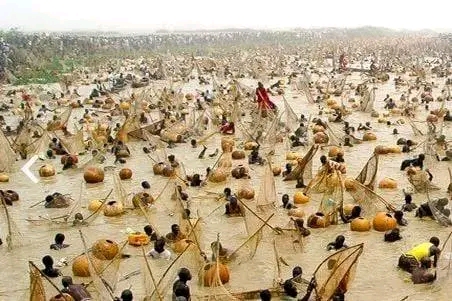
Ahead of Argungu International fishing and cultural festival which was scheduled to hold from 11 February to 14 February 2025 we take a look of some tourist centers to visit in the ancient town of Kabawan Kanta.

Argungu International fishing and cultural festival is a unique  global event previously celebrates annually, it rooted in the pursuit of peace and unity. This extraordinary event showcases the rich historical legacy of the Kabawan Kanta and preserves the invaluable cultural heritage of the Kabawa people.

More than a festival, Argungu is a world-renowned tourism destination, significantly contributing to the socio-economic development of the town, Kebbi State and Nigeria as a whole.

Most people don’t know that, beside the famous fishing festival, there are so many colorful cultural and traditional activities, which are observed concurrently, during the same period. Some of  these activities which are attached to the festival include, 

  1. Traditional Boxing, 
  2. Durbar, Horse Racing,
  3. Motor Rally,
  4. Kabanci Display,
  5. The Grand Fishing Competition and many more.

Apart from the series activities of the festival, visitors also would have opportunities to visit historical and tourist centers of the town such as; the famous Kanta Museum.

Kanta Museum, is a Historical and cultural Center, which was the Emirs palace between 1831 and 1940, but it was converted to a Museum in 1942 after the European colonialists built the new Emir Palace in Tudun Wada Area of the ancient town of Argungu during the reign of Muhammed Sani.

Since then, the place has been a tourist center for many years. It showcases the true meaning of diversity with different cultures and histories of the Kabawan Kanta on display. It was named after Muhammed Kanta, who founded the Kebbi Kingdom in 1515. The Museum boasts a collation of historical artifacts and a testament to the ancient architectural beauty of the people.

It has eleven sections and contains historical and cultural elements related to the Kabawa and their history, which include the Royal Palace, then the Cultural section, the people and their religion section, the traditional crafts and the music section, the antiques section, a section dedicated to Surame, the first settlement of the Kabi Kingdom, war equipment, (such as spears, swords, woods, stones, bows and arrows and even drums on display) fishing tools section, amongst others.

Many people, including students from different schools and neighboring countries visit the museum at all times, for different purposes including educational and cultural research, although during the festive season about five to seven hundred people visit the Museum a day.

The Matanfada River

Matanfada river is a very special stage of the famous Argungu Fishing Festival competition. Over five hundreds fishermen storm the river for fishing competition. Visiting the river and the scenario give a deeper appreciation of its cultural and historical importance.

Another river site is the Mala River, which is another significant tributary in the Argungu. It forms part of the fertile river system that feeds the farmlands and fishing grounds of Argungu and its stage of Kabanci display.

The Argungu Bridge:

It is a prominent bridge that crosses the river connecting local governments of Argungu Emirate and also a route to Niger republic. It is a central landmark and a prime viewing spot for spectators during the fishing festival, offering a vantage point over the competitions. If you have a chance to be there during the event, try and climb the bridge!

The Argungu Fadama Land is a vast fadama land, which is nourished by the rivers. It is exceptionally fertile and crucial for agricultural activities, producing crops like rice, vegetables and many others, supporting the local economy of the residents.

The Emir’s Palace: Argungu Emir palace which is also known as Kanta Palace is located at Tudun wada Area of Argungu. The palace is the seat of the Emir of Argungu, the overall constituted authority of the Emirate. The palace also showcases historical and administrative system of government of the Kabawa, and it’s many sections reflecting living heritage of the Kabawan Kanta.

For equestrian culture, the Horse Racing Course roars to life during the festival and NSK Polo Ranch hosts the Polo tournaments and fates illustrating the horse sporting in the region.

There are 7 historical gates in Argungu and all are connected to the history and culture of the town, this gates are; Kofar Maicibi, Sagware, Kofar Tudu, Kofar Mala, Kofar Marina, Kofar Dankoji and Kofar tsohi.

Some of the gates such as Kofar Maichibi, Kofar Tudu had been rehabilitated and they serve as a symbolic of Argungu’s past history, marking and signifying old boundaries and stories of the community, its trade, strength and defense.

All these locations are interconnected elements of Argungu’s geography and culture and they are stages for a major cultural event contributing greatly to the socio-cultural development of Kebbi State and Nigeria at large.

See you there, and you will surely thank me for what you get.

Film Review: TAQDEER

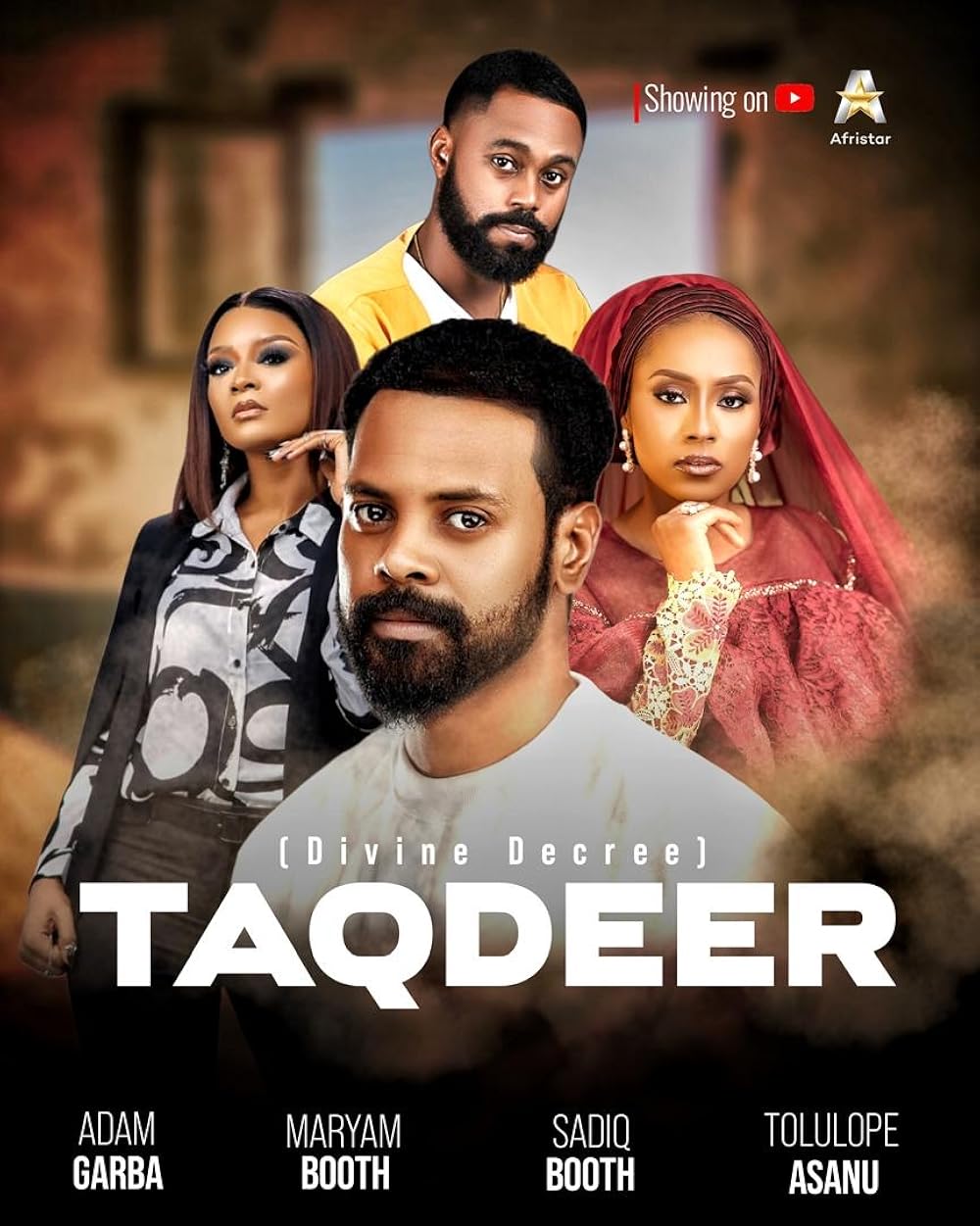
Taqdeer (Divine Decree), a 2025 Nigerian Islamic film directed by Ruben Reng, is a captivating tale of love, fate, and cultural heritage. Starring Ibrahim, Sakina, Mustapha, and Zainab as leading characters, this film weaves a narrative that explores the intricacies of human relationships against the backdrop of Nigerian and Hausa traditions.

The film’s plot revolves around themes of destiny, faith, and choices, unfolding a story that keeps viewers engaged. The narrative delves into the lives of its characters, exploring their struggles and triumphs in a way that resonates deeply. 

Watching Taqdeer is a visually immersive experience. The cinematography captures the vibrant essence of Abuja, blending traditional and modern elements harmoniously. The film’s use of Hausa language and Islamic cultural references adds authenticity, making the story feel both personal and universal. The performances by the cast are compelling, bringing depth to their characters.

Taqdeer’s formal techniques, such as its cinematography and sound design, effectively enhance the narrative’s emotional impact. The film’s portrayal of Islamic moral themes and traditions provides a rich context for the story, making it relatable and thought-provoking. The blend of music and story-based sound adds to the film’s atmosphere, drawing viewers into the world it creates.

Analytically, while Taqdeer is strong in many areas, certain scenes linger longer than necessary, which can detract from the story’s overall momentum. Nevertheless, these moments are outweighed by the film’s strength, particularly its moral richness.

In conclusion, Taqdeer is worth watching for its engaging narrative, moral richness, and strong performances. It offers a glimpse into Nigerian Muslim culture and explores universal themes of love and fate, making it a compelling watch for audiences interested in diverse storytelling.  

Reviewed by

Rexford Asamoah Adu

radu@smail.uni-koeln.de

CAF sanctions Senegal coach, players following AFCON final walkout

By Muhammad Abubakar

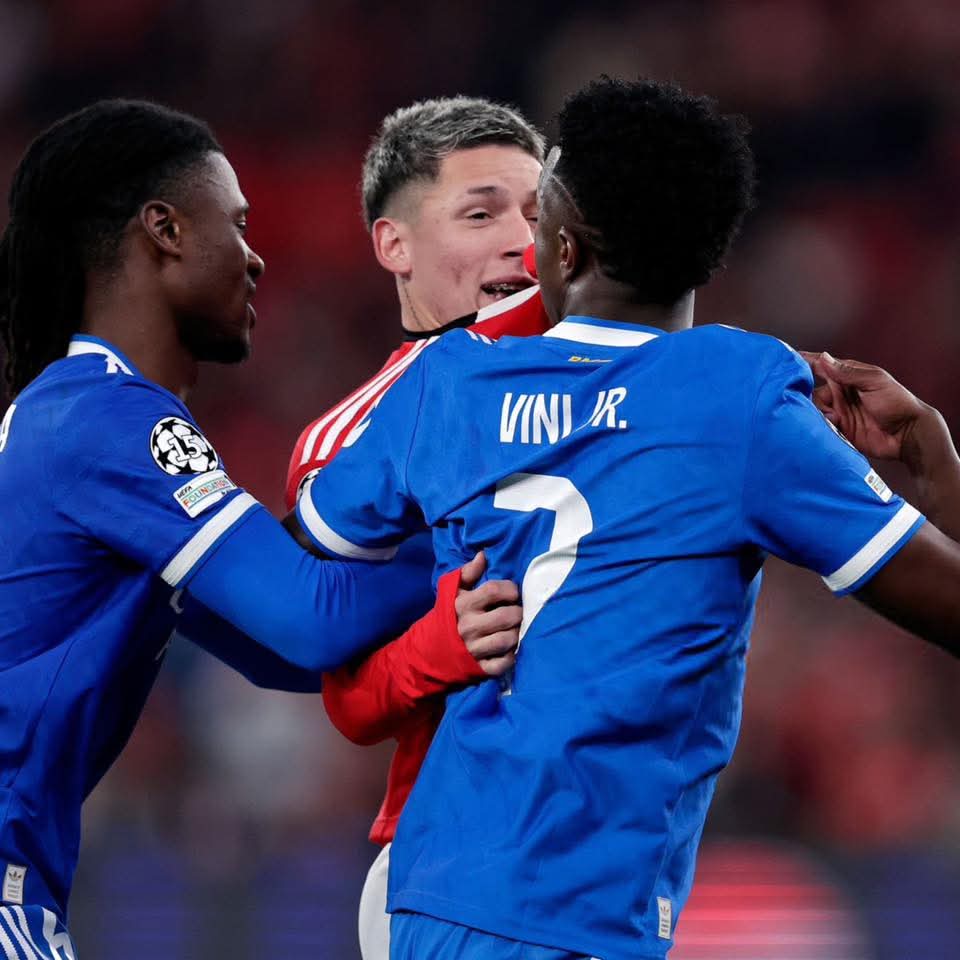
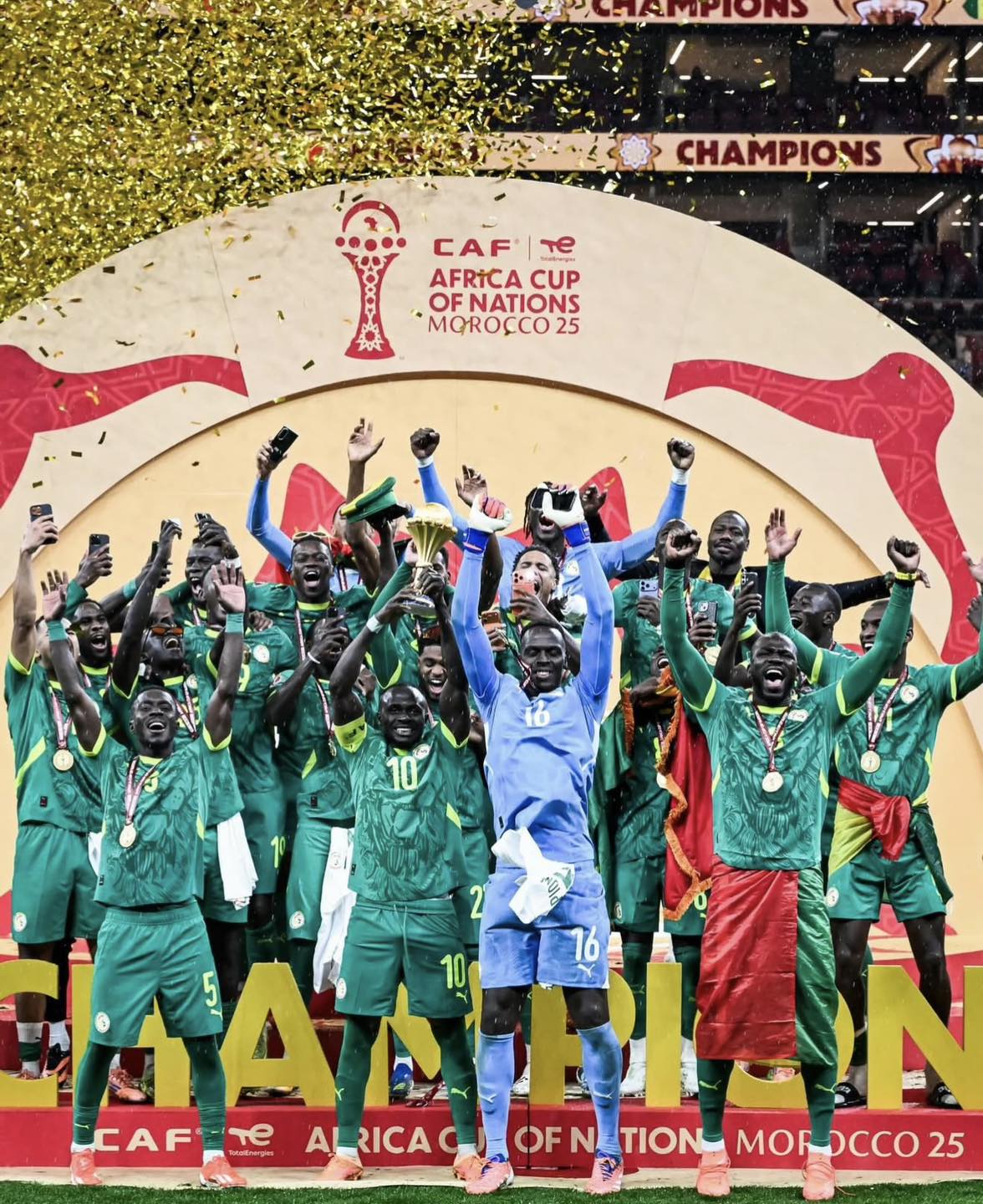
The Confederation of African Football has imposed heavy sanctions on Senegal following the dramatic Africa Cup of Nations final against Morocco, including a five-match suspension and $100,000 fine for coach Pape Thiaw.

Thiaw was penalised for “unsporting conduct” after instructing his players to walk off the pitch during the final. The incident marred Senegal’s championship victory.

Senegalese players Ismaila Sarr and Iliman Cheikh Baroy Ndiaye have each been banned for two CAF matches for similar misconduct. The Senegalese Football Federation faces a substantial $615,000 fine despite lifting the trophy.

Morocco has also been penalised. CAF handed the runners-up a $315,000 fine for improper conduct, whilst defender Achraf Hakimi received a two-match suspension for unsporting actions.

Neither federation has yet announced whether they will appeal the decisions.

Sergio Ramos moves closer to buying Sevilla FC after preliminary agreement

By Sabiu Abdullahi

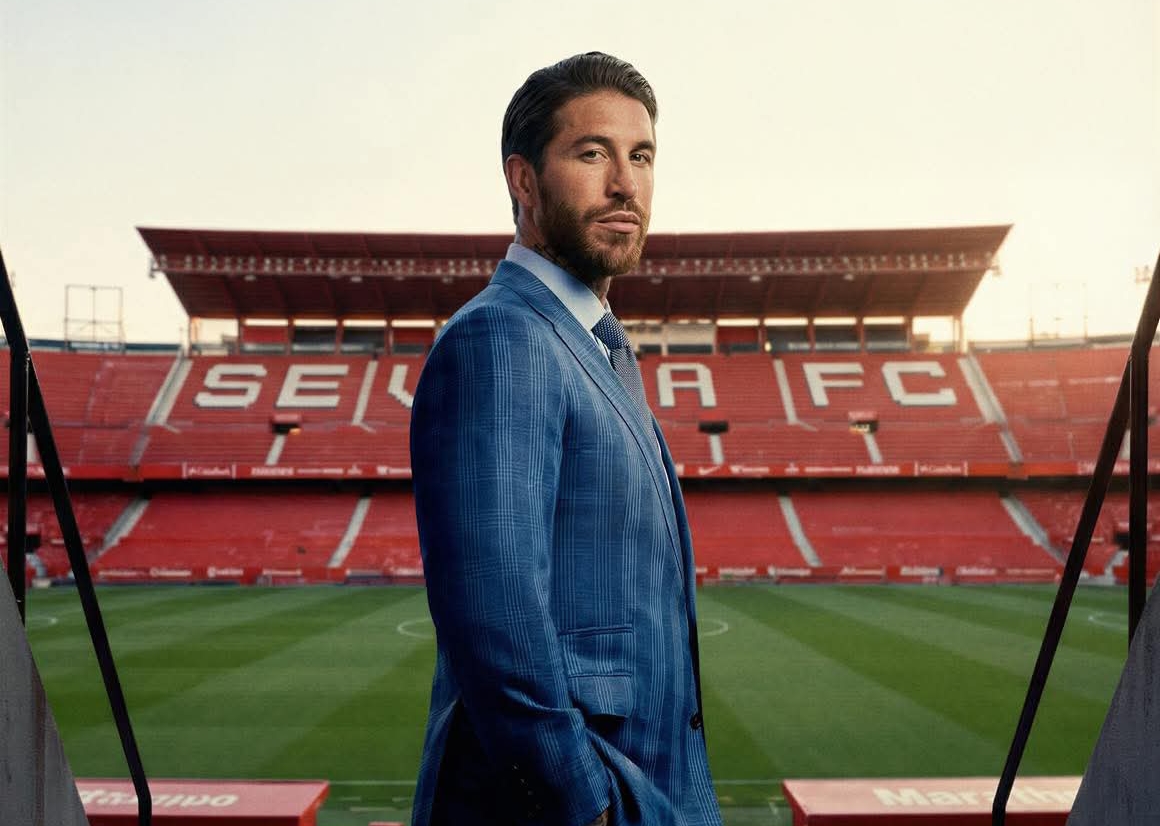
Sevilla legend Sergio Ramos has reached a preliminary agreement with a reference shareholder group to acquire Sevilla Fútbol Club, marking a major step toward a potential takeover of the Spanish side.

Ramos, who first joined Sevilla in 1996 before returning to the club in 2023, has now entered an exclusivity and due diligence phase with the investment group. This stage will allow both parties to examine the club’s financial position and governance structure ahead of any final decision.

According to a report by Carrusel, Ramos and his partners have a three-month window to assess Sevilla’s finances and overall situation before completing the transaction. Sevilla currently occupy 11th position on the La Liga table.

The development has fueled widespread excitement among supporters, as the former captain’s deep ties to the club strengthen hopes of a successful transition in ownership. With negotiations now progressing into a critical phase, the prospect of Ramos returning to Sevilla in a leadership role appears increasingly realistic.

Heavy rain exposes leakages at Barcelona’s stadium, Spotify Camp Nou

By Sabiu Abdullahi

Heavy rainfall at the Spotify Camp Nou on Monday revealed leakages at the stadium, forcing fans to seek shelter during the downpour.


Videos and photos circulating on social media showed water dripping through parts of the facility as the rain intensified. The incident has sparked fresh discussions among supporters about the state of the stadium, which is currently undergoing redevelopment.

There was no immediate comment from club officials at the time of this report.

Senegal’s AFCON winners receive cash and land in presidential honour

By Muhammad Sulaiman

President Bassirou Diomaye Faye has awarded Senegal’s AFCON 2025–winning squad a total of $6.2 million in cashand 68,000 square meters of land, marking one of the most generous state rewards in African football history.

Each player will receive $135,000 and a 1,500-square-meter plot on the Petite Côte, while members of the technical and backroom staff will be awarded $90,000 and 1,000-square-meter plots, according to the presidency.

Senegal clinched the continental title with a disciplined 1–0 victory over the Morocco national football team in the final, a tightly contested match that underscored the Lions’ defensive organisation and tactical maturity.

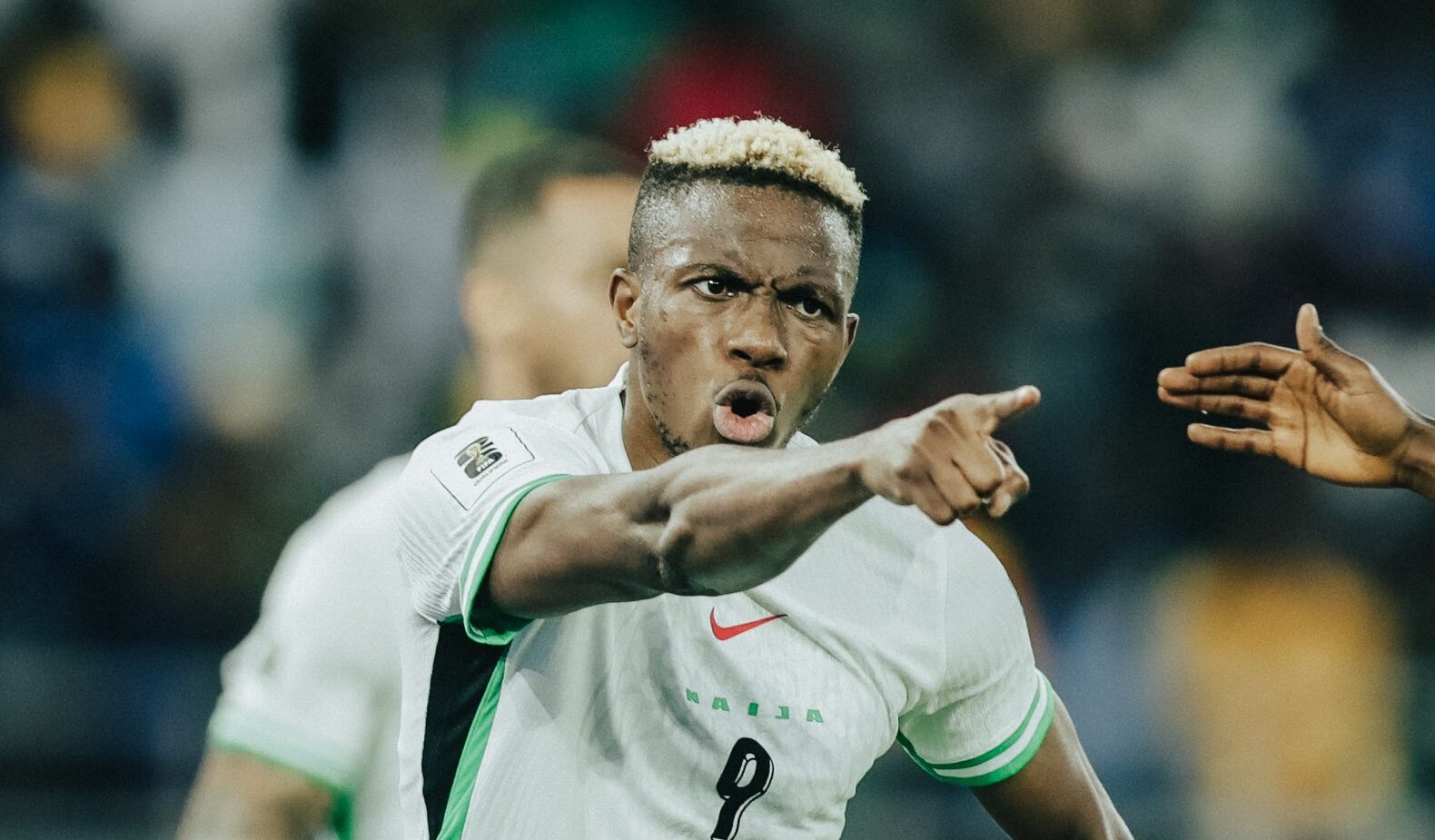
Led by head coach Pape Thiaw, the Lions’ triumph has been celebrated as a symbol of national pride and sporting excellence, with officials saying the rewards reflect the country’s gratitude for a team that once again placed Senegal at the summit of African football.

As a sideline to every soccer tournament

By Abubakar Muhammad

AFCON has just concluded. Senegal won the trophy, but many football enthusiasts know that the actual play of the game is only half of the big spectacle. There are many things going on backstage that take time to materialise. When you look at the countries, roll the camera, and see them doing well, you will see patterns lock into place. There might be visible investment and development of physical infrastructure, but there is also something more to it. 

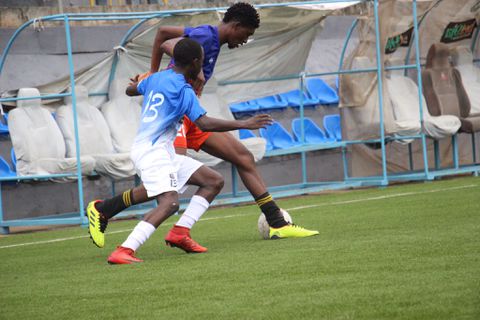
As a sideline to every soccer tournament, one of the things I pay attention to is the grassroots, street-level infrastructure that feeds talent to the national team. In these tournaments, you would not only pay attention to the official game or what happens in the big arenas, but also to the images that come out from foreign visitors depicting themselves playing outside the formal venues. The soccer crowd, wherever they are, tend to find where to play.  To host a tournament, you really need a solid infrastructure for both formal and informal arenas. But more so, this tells us stories about the status of the game, leisure and where citizens play. 

As usual, it seems Nigeria is left behind when it comes to grassroots soccer infrastructure. Senegal, Algeria, Angola, etc, have a thriving street soccer infrastructure. This infrastructure is not formal, but it seems to enjoy greater consensus that cuts across the formal-informal divide between citizens and governments. 

In Latin America, there are spaces in favelas and barrios where local kids can play the game. The spaces may not be the same, may use different nomenclature, may straddle the line between the formal and the informal, but they retain the same purpose and spirit.

In Senegal, they are in the form of navétanes, a semi-formal regional tournament played in local spaces. These spaces are not owned by the government or private individuals, unlike, say, primary school premises or other government buildings. They are simply communal spaces where the navétanes games are played. These spaces are respected by everyone; no encroachment or erection of structures, public or privately owned. Kids start their careers in their neighbourhoods and progress to regional teams, then to the professional league, the national team, and onward to international careers. You find similar spaces in Brazil as developing ground for talents that would later go on to dazzle a global audience. 

In North Africa, they have a thriving culture of street football played in what we can call in Nigeria a 7-aside stadium. The difference is that these spaces in North Africa are free and open to everyone. They sit in open spaces in the middle of neighbourhoods. The key idea here is access and openness. The use of open space for soccer must not require any payment and must remove any other impediments that can exclude people. A truly public space is one that lets you in without charging a fee or asking for proof of innocence.

In Nigeria, empty lots and vacant spaces are constantly being developed. There is no respect for spaces where kids can play. The idea is that in places where formal sporting infrastructure is not in place, small-scale community members use these spaces for leisure and sporting activities. Kids will have a chance to play the game from a very young age until they dribble their way to the national team. The grassroots in many parts of the world are where players are developed and imbued with the spirit of the nation before they enter the academy for the refinement of their talents. 

African soccer, like its South American counterpart, is largely dependent on informal infrastructure, with local people coming together to build their own. People-as-infrastructure is a concept in which citizens enter into a series of temporary, makeshift arrangements with one another to provide services that authorities are unable to deliver.

By killing these spaces, Nigeria is killing her young talents. It makes it difficult for the local kids to develop an interest, let alone play the game and nurture their talents. Angola, not really a footballing nation, has a thriving street football culture. I noticed from the videos I watched that street lots exist, and they are everywhere. They don’t seem to be developed or encroached so rampant as we see in Nigeria. It seems these spaces are protected by consensus, just like they are protected in Brazilian favelas and Argentina’s barrios. 

Football is the game of the poor. Commercialise football, and you create a barrier where only the rich can afford to play. Commercial football delivers more money to the pockets of a few individuals without bringing much-needed collective glory to the national team. The English Premier League is the wealthiest league in the world, but the country has fallen far behind other footballing nations.  Germany has an academy system in place, but their overall sporting culture is anchored around a process that resembles socialist democratic football more than an individualistic, capitalist model that Nigeria tends to lean towards. 

One of the biggest problems that Nigeria’s football faces as an institution is the seeming, increasing reliance on the academy for its national talents. Academies are simply there for money. Another thing is the seeming sole reliance on foreign-based players. This is understandable for the refined talents abroad, but there seems to be a problem with that in Nigeria. 

There is nothing wrong with foreign-based players populating the national team. Countries tap into their talents abroad, sharpened by cutting-edge training models and infrastructure. One of the biggest problems with this, in the case of Nigeria, is that players know exactly why they’re called up to the national team. They understand why, and there is no confusion about the nature of the transaction. There is nothing that dilutes or softens the nature of the transaction. The country only sees them when it needs them. The country is not there when they need her, and so, in their bloom and glory, they may not give their all. They will not play with their blood and heart. 

Secondly, tapping into foreign players in Nigeria is not grounded in any philosophical sporting policy. For instance, what does it mean for a player to play for the national team? What does the national team mean to them? What is that one thing that all players can understand as a common language and shared values? Something like a unique national culture common among the youth? You can only find this in street football played across the country. Pick that ideology and craft it into the national sports policy. What we see instead is total indifference at best, if not outright obstacles thrown in the way of the nation’s youth by the government and private interest groups. 

By eliminating informal spaces, we have destroyed the conviviality and socio-spatial relations that emerge from street games. Street soccer gives the manager of the national team a foundation, something to start with. The street is where every player understands what it means to play for the national team. From the ground up, the Nigerian player can develop a sense of Nigerianness, just as French players are instilled with French values and what it means to play for the national team. But since we don’t have the formal structures and arrangements of the French, Germans, or English, where players are developed through various academies under the guidelines of the national football federations, the street is where our players should build their character. The Senegalese have taken the navétanes and use it as a national sports policy. It is an informal, grassroots football that develops independently of the government. The coach and players speak the same football language that came from the streets. 

By erecting structures on every available space in Nigeria, you tighten the rope for the children in local communities and make it hard for ordinary folks to make their way to the national team. So many talents would slip through the cracks before rising to the top and reaching their full potential. We are already importing a dangerous trend from abroad, where only kids from wealthy backgrounds can play the game and reach the professional level.

And since we don’t have meaningful ways in which citizens feel indebted to their governments and their countries beyond familial ties, the very few that already found their way to the highest level of the game know why they’re playing. They’re simply playing commercial football. They have already paid the price on the way to Europe without the aid of any national structure. When you call them up to the national team after this, they will not play with their heart and their blood. 

Abubakar Muhammad is from Kano, Nigeria. 

Xabi Alonso leaves Real Madrid after Super Cup defeat

By Muhammad Abubakar

Xabi Alonso has left his role as head coach of Real Madrid by mutual agreement, the club confirmed on Tuesday, following a defeat to Barcelona in the Spanish Super Cup final.

The decision came shortly after Madrid’s loss in the high-profile clash, a result that intensified pressure on the former midfielder, who had taken charge amid high expectations.

Sources close to the club said both parties agreed that a change was necessary as Madrid look to reset their season.

Real Madrid thanked Alonso for his commitment and professionalism during his tenure, while Alonso expressed gratitude to the club and supporters, wishing the team success in the future.

The club is expected to announce an interim coach in the coming days as it considers long-term options for the role.

Abdul Samad Rabiu pledges massive cash for Super Eagles after Algeria victory

By Muhammad Sulaiman

Nigerian businessman and philanthropist Abdul Samad Rabiu has announced substantial financial incentives for the Super Eagles following their impressive victory over Algeria, a win that has lifted national morale and secured Nigeria a place in the semi-finals.

In a congratulatory message released on Friday, Rabiu praised the team for making the nation proud and pledged USD $500,000 to the players should they win the semi-final, with an additional USD $50,000 for every goal scored in that match.

He further stated that if the Super Eagles go on to win the final, he would reward the team with USD $1,000,000, alongside a bonus of USD $100,000 per goal scored in the final.

Rabiu described the players as symbols of national pride and unity, expressing confidence in their ability to carry Nigeria forward in the tournament.

He ended his message with a call for continued excellence, reaffirming his pride in the team and the country.

The announcement has been widely welcomed by fans, adding extra motivation as the Super Eagles prepare for the decisive stages of the competition.

Kannywood Best Performances of 2025

In 2025, the Hausa film industry, popularly known as Kannywood, witnessed a clear shift, with series films completely overshadowing feature-length productions. Apart from Mansura Isa’s Faliha and Falisha, no major Kannywood movie was released in cinemas throughout the year. This is, of course, troubling, as series films alone do not define the strength and global reach of any serious film industry.

However, series films attract more audience commitment, offering extended runtimes, deeper character development, and closer engagement with social realities. They also give filmmakers and actors the room to explore complexity in ways feature-length films often cannot.

After following several Kannywood series throughout the year, six clearly stood out for viewership, audience engagement, and the level of conversation they generated. They are as follows:

  1. Labarina (Season 14), 
  2. Wata Shida
  3. Garwashi
  4. Jamilun Jidda
  5. Zabi Biyu, and 
  6. Taskar Kannywood (Da Na Sani)

The above series were considered for the year’s best performances. Nominees were first identified within each series, after which an overall winner was selected for each category based on consistency, depth of performance, narrative impact, and contribution to the series as a whole.

  1. Best Actor of the Year 

Top Nominees:

  1. Adam Garba (Abba Galadima in Labarina [season 14], and Sameer/Dahiru in Wata Shida)
  2. Abubakar Waziri [Bado] (Malam Sani in Garwashi)
  3. Ali Nuhu (Professor Nuri in Jamilun Jidda)
  4. Yakubu Muhammad (Mudan in Garwashi)

Winner: Adam Garba (Abba Galadima in Labarina [S14], and Sameer/Dahiru in Wata Shida)

Adam Garba’s contributions to two of the top series clearly set him apart from other nominees. In Labarina (season 14), he delivers a calm, grounded performance as Prince Abba Galadima. However, his portrayal of Sameer/Dahiru in Wata Shida demands duality and emotional balance, all of which he handles with impressive control.

  • Best Actress of the Year 

Top Nominees:

  1. Fatima Abdulahi Washa (Sumayya in Labarina [Season 14])
  2. Fatima Hussaini (Zahrah in Wata Shida, and Ruth/Fatima in Jamilun Jidda)
  3. Fiddausi Yahaya (Ma’u in Garwashi, and Jidda in Jamilun Jidda)

Winner: Fatima Hussaini (Zahrah in Wata Shida, and Ruth/Fatima in Jamilun Jidda)

Although Fiddausi Yahaya left a strong impression as Ma’u in Garwashi and the title character in Jamilun Jidda, Fatima Hussaini maintains a stronger performance quality across different projects. The confidence she showed as Zahrah in Wata Shida, and her dual role in Jamilun Jidda prove her versatility, as she navigates contrasting identities effectively.

  • Best Supporting Actor 

Top Nominees:

  1. Rabi’u Rikadawa (Baba Dan Audu in Labarina [Season 14])
  2. Kabiru Sani (Gaddafi in Garwashi)
  3. Isah Feroz Khan (Kasim in Garwashi)

Winner: Kabiru Sani (Gaddafi in Garwashi)

Each of these actors delivered memorable supporting performances, but Kabiru Sani, alias International, stands out for the complexity and freshness he brought to the role of Gaddafi in Garwashi. The character is a blend of thuggery and humour. This combination could easily have messed up in less capable hands. However, Kabiru International plays it naturally. His performance felt confident and fully formed.

  • Best Supporting Actress

Top Nominees:

  1. Faiza Abdullahi (Lawisa in Garwashi)
  2. Bikisu Safana (Shatty in Wata Shida)
  3. Aisha Humaira (Samira in Garwashi)

Winner: Faiza Abdullahi (Lawisa in Garwashi)

The reason why Fa’iza Abdullahi wins is the way she adjusted her physicality, voice, and mannerisms to fit in the thuggish character of Lawisa in Garwashi. Her performance reminds you of Alia Bhatt’s finest performance in Gangubai Kathiawadi, which earned her the prestigious Indian National Film Award.

  • Best Villain of the Year

Top Nominees:

  1. Hauwa Farar Lema (Kilishi, Labarina [Season 14]) 
  2. Balaraba Abdullahi (Baba Lami, Garwashi)
  3. Magaji Mijinyawa (Kawu Nakowa, Wata Shida)

Winner: Hauwa Farar Lema (Kilishi, Labarina [S14])

Hauwa Farar Lema’s portrayal of Kilishi in Labarina (Season 14) stands out for her deep understanding of the character’s motivations and emotions. Her performance feels realistic. She looks fearsome and conveys the essence of her malicious character through threatening glances and expressions.

  • Star of the Year

Winner: Fiddausi Yahaya (Ma’u in Garwashi and Jidda in Jamilun Jidda)

While some critics question her acting prowess, Fiddausi Yahaya is undoubtedly the star of the year. As a relatively new actress, she suddenly became a household name, gained a massive fan following, trended widely on social media, and began appearing in multiple big-budget projects such as Garwashi and Jamilun Jidda, among others. She is a subtle performer and has shown steady improvement in acting quality with every new role.

  • Best Breakthrough Performance of the year

Winner: Amina Shehu [Lulu] (Samira in Da Na Sani)

A breakthrough performance is a role that elevates an actor’s visibility and reputation. This happens to Amina Shehu after delivering an intense and emotionally layered role of Samira, nicknamed Kwaila, in “Da Na Sani”, the seventh film from Taskar Kannywood collection. Da Na Sani became the most-reviewed film, and her performance in it was probably the most widely acclaimed of the year. 

  • Most Promising Actor of the Year

Winner: Murtala Yahaya Musa Sarauta (Bello in Zabi Biyu)

Judging by how convincingly he handled the role of Bello in Zabi Biyu, only a few roles would truly challenge him. He may appear too mature and lack the conventional swagger of Kannywood heroes, but his acting skills are too solid to be overlooked. With the right story that suits his personality, Murtala is really an actor to watch.

  • Most Promising Actress of the year

Winner: Hassana Ibrahim (Safiyya, Zabi Biyu)

The debutante Hassana Ibrahim demonstrates exceptional potential in her powerful lead performance in Zabi Biyu. She portrays emotional depth and control, particularly in scenes that require vulnerability and internal struggle. She has a commanding screen presence, delivers her dialogue effectively, and complements it with appropriate gestures

  1.  Best Comic Performance

Winner: Isiyaka Jalingo (Zabi Biyu,and Garwashi)

Isiyaka Jalingo is not merely funny; he generates humour through behaviour and mannerisms while still serving the story. His roles are not designed solely for comic relief; instead, the humour emerges organically from the way he speaks and acts in every scene he features. His roles in Garwashi and Zabi Biyu, though small, leave a huge impact.

Written By

Habibu Maaruf Abdu

habibumaaruf11@gmail.com