Education

First Class Graduates: A letter to Gov. Mohammed Umar Bago

Your Excellency Sir,  

We, the Niger State First Class Graduates (NSFCG), extend our warm regards and seek your invaluable support for employment opportunities and scholarships to further our education. This appeal is made with great respect and the utmost desire to contribute meaningfully to the growth and development of Niger State under your leadership.

It is with great pride and inspiration that I assume the role of the pioneer chairman of NSFCG, especially during a time when you have ascended to the esteemed position as one of the youngest governors in Nigeria. This convergence is both emotional and motivational, serving as a beacon of hope for young intellectuals of Niger State like us, who aspire to follow in your footsteps with the necessary guidance, mentorship, and empowerment from our esteemed leaders. Congratulations on your well-deserved election and inauguration as the Executive Governor of Niger State. We extend our best wishes and prayers for your success in the formidable tasks of leadership and governance guided by divine wisdom. 

The NSFCG comprises First Class Graduates who hail from various universities and are proud indigenes of Niger State. Our membership spans nearly all of the 25 Local Government Areas, united by a common goal – to fulfil the high expectations society places on those who achieve the pinnacle of academic excellence through hard work, exemplary character, sacrifice, determination, and brilliance. As role models, we understand the responsibility that accompanies our achievements, and we aspire to make positive contributions to our society, guided by the values we hold dear. 

We express our concern that the absence of support for some of us, despite our exceptional merits and academic achievements, may inadvertently diminish the inspiration, value, and faith in education, determination, and hard work that our society needs. It is our belief that individuals like us should not be left without the necessary support but rather should be empowered to serve as beacons of excellence, motivating others to follow in our footsteps. 

Recognizing the need to address this disparity and utilize our potential for the betterment of Niger State, the NSFCG has taken the initiative to raise awareness about our current predicament. We are keenly aware of the profound impact we could make in contributing to the growth and development of our state, inspiring the public to remain steadfast in their pursuit of education, lofty aspirations, and unwavering determination. 

In this context, we note the remarkable strides made by other states, such as Kano under the leadership of Former Governor Rabiu Kwankwaso, who championed human capital development through substantial investments in foreign scholarships for first-class graduates, alongside Governor Nasir Elrufa’i of Kaduna State who witnessed infrastructural advancements through championing Urban Renewal policy and Kashim Ibrahim Fellowship (KIF) for most brilliant and outstanding graduates in the state. Permit me, Your Excellency Sir, to say that it is this visionary approach that distinguishes leaders and leaves an indelible mark on society. 

We also commend the Talba Program, an initiative that provided gainful employment for numerous unemployed youths in Niger State, leaving a lasting legacy of empowerment and transformation for beneficiaries and their families alike. 

Your Excellency Sir, as esteemed leaders with a genuine passion for the betterment of our state, we appeal for the following: 

1. Consideration for employment opportunities within the Niger State Government for the approximately 90+ first-class graduates hailing from almost all of the 25 LGAs who are currently unemployed. Our collective skill set can contribute to filling existing job vacancies and enhancing the effectiveness of newly established ministries. 

2. Financial support or scholarships to facilitate our further education within Nigeria or abroad, thereby enabling us to acquire knowledge and expertise that can be channelled back to benefit our state. 

3. Mentorship and guidance from accomplished professionals, enabling us to evolve into exemplary citizens of whom Niger State can be justifiably proud. We aspire to possess the high level of skills and competency necessary to add significant value to our state and extend our positive impact beyond its borders. 

Your Excellency Sir, we hold steadfast belief in your dedication to uplift the youth, enhance human and infrastructural development, and curtail the challenges of crime and insecurity. By considering our appeal, you will not only empower a group of exceptional individuals but also sow the seeds for a more prosperous and vibrant future for Niger State and its citizens. 

With profound respect and anticipation, we remain committed to working diligently for the betterment of our beloved state.

Yours sincerely, 

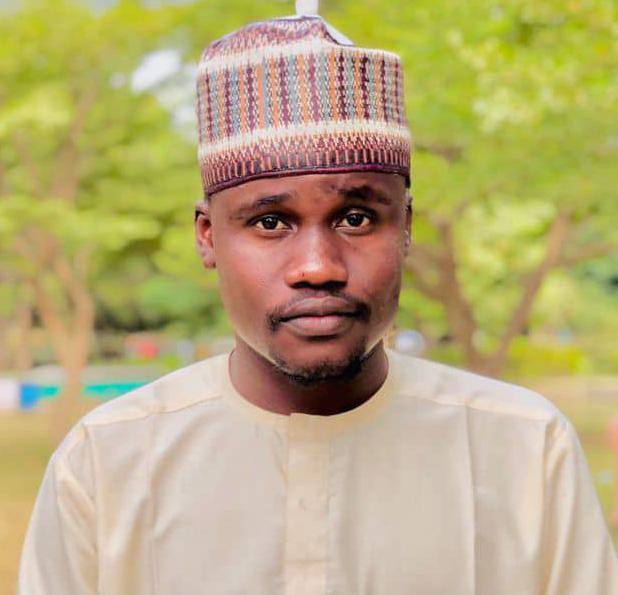
Mukhtar Nasir, CPM        

Chairman, Niger State First-Class Graduates (NSFCG). He can be reached via nigerstatefcg@gmail.com.

Academic performance determines your results

By Aliyu Zainab Lawal

Students’ academic performance is measured based on their results. Poor academic performance is primarily attributed to the lack of commitment and preparation in and outside the classrooms. Academic results measure students’ understanding and skill in a particular subject or course. As said by Dr Adama Adamu, the current H.O.D of Mass Communication, Ahmadu Bello University, Zaria, exams and tests remain powerful instruments for assessing students.


Academically, results reflect students’ knowledge and understanding of the subject matter. They equally depict how well a student has better grasped the concepts and principles imparted to them in classrooms. High grades denote strong comprehension.


Reportedly, results assess how students can apply their problem-solving knowledge and skills. This is apparent in how they demonstrate critical thinking, problem-solving, analytical skills, and practical applications of theoretical concepts.


Moreover, several existing factors influence academic performance, encapsulating students’ preparations and readiness. They include effort and time investment, active learning, time management, and consistent revision. Developing These elements equitably would inevitably positively impact student’s results.


Also, academic results serve as feedback for improvement and consolidation. They enable the students to identify their strengths and weaknesses. By subjecting their results to analysis, students can focus on areas that need improvement and further develop strategies to enhance their academic performance.


The Department of Mass Communication and many other departments within Ahmadu Bello University stick to the conventional way of result release by pasting them on boards in a public place for all the students to witness. This is also the act many of the students I interviewed despised, as they believe that results are everyone’s confidential treasure. By extension, they are not supposed to be made public. Therefore, students should have their transcripts privately.


However, Dr Kabiru Danladi, a lecturer from the Mass Communication Department of Ahmadu Bello University, Zaria, shed more light on the issue when he said, “It is a law to paste results in a public place as soon as they get approved by the Senate as they now become public property”. He added that any department giving transcripts without first pasting the results violates the law.

Aliyu Zainab Lawal wrote via aliyuzainablawal442@gmail.com.

Hike in registration fee in Nigerian varsities: A result of FG’s negligence

By Najeebullah Lawan

It becomes a new normal that the Academic Staff Union of Universities (ASUU) embark on a strike to press demand on one issue or another almost every year in Nigeria. This menace has been here since 2009, with each year’s strike becoming worse than the previous one. The feud between ASUU and the Federal Government (FG) has badly, as it is clear, affected the education system in Nigeria.

The battle corners include revitalisation of the universities, providing infrastructure, enhancing research conducts, and reviewing lecturers’ salaries and allowances, among others, as contained in the MoU signed by the Nigerian government and ASUU.

It is essential to note that ASUU is a union of Academic Staff of Universities consisting of [except a few] lecturers from the Nigerian public universities.

These lecturers have wives, children and relatives in the schools they teach nationwide who are under their sponsorship from their hard earnings.

I believe these people will never do anything that could temper with the system because their close relatives and children benefit from it.

Moreover, our lecturers spent decades without substantial review of their salaries despite all the hikes in the price of foodstuffs and other necessities in Nigeria. It is heartbreaking that a university professor earns less than the salary of some government appointees – SAs and PAs.

It is unbecoming to leave these people alone fighting the government that leaves them without the good welfare their counterparts enjoy, even in many African countries. This fight is for all of us.!

In 2020, ASUU stood up to fight for their rights and the students in general, which led to the total closure of all universities in Nigeria. However, the coronavirus pandemic also contributed immensely to the longevity of this strike, making it one of the worst and longest strikes ever in the history of Nigerian universities.

Unfortunately, the Nigerian government did nothing to stop the strike. It betrayed the university lecturers, leaving them and their students stranded amidst a dilemma.

Again, in 2021, there was another strike by the university lecturers who demanded FG to fulfil its promises made in 2012 and 2020. This strike lasted eight months, and the lecturers were not paid a single kobo. As I write this, FG still owes lecturers months’ salaries and areas.

For all the struggle by ASUU, they were doing this for the betterment and standardisation of higher institutions nationwide. However, they got nothing from most of the students and parents in return except insults and mocks.

As of that time, ASUU warned students and parents that if FG defeated them in that fight, there would be a serious problem for students and parents that not everyone could bear.

Defeating ASUU, the Federal Government deliberately refused to fund its universities with enough funds.

As a result, in 2023, there was an increment in registration fees by many universities, such as the University of Maiduguri, University of Benin, University of Lagos, ATBU, ABU and a host of others. However, the one by Bayero University, Kano (BUK), brought a loud noise in the entire north, probably due to its status. Here are some clarifications:

1:- We heard that the university Vice-Chancellor, Prof. Adamu Abbas, made an explanation concerning the situation of the universities in Nigeria, saying that everything related to running the administration of the university is costly.

2:- Recently, ABU extended the resumption date for students due to an outage by the Kaduna Electric Distribution Company (KAEDCO) over alleged millions of Naira debt, which ABU owes KAEDCO.

3:- The monthly budget for running Bayero University is close to N100m. This money is spent on KEDCO for power, diesel, water and security.

4:- The FG is giving only N11m, which represents only 1% out of 10% BUK is spending every month, and the management of the university manages to utilise the system with the little they are getting from the government.

5:- The current economic situation of Nigeria and the Federal Government’s manner towards universities has left the management of Bayero University, Kano, with no option but to increase the central registration fee for students.

Despite these, BUK remains the cheapest Federal University in the entire north except for a few varsities currently in the second semester, and a review of their registration fees could be seen as something inevitable.

Regarding the just concluded points, we can say that ASUU does not hate education, and its fight is for the system’s revival. Also, the increment of university registration comes from negligence by the Federal Government. Meanwhile, without this kind of increment, the system will undoubtedly collapse.

Najibullah writes from Kano, Nassarawa Local Government. He can be reached via najeebullahlawan@gmail.com

Mastering Examinations: A student’s guide to success 

By Sani Hassan Sulaiman

Taking exams is an inherent part of academic life. Understandably, many students find it difficult and stressful. However, with proper preparation, a clear strategy, and effective study techniques, it is possible to navigate exams in a more manageable and successful way. In this article, I will explore some key steps to help students simplify the examination process and maximise their chances of success.

1. Create a Study Plan:

The first step to achieving exam success is to develop a comprehensive study plan by organising the materials to be covered and setting realistic goals for each study session. Allocate specific time slots for subjects, ensuring a balanced distribution of subjects based on their importance and difficulty level. A study plan will help students stay organised, cover all the necessary topics, and avoid last-minute cramming.

2. Understand the Exam Format:

Familiarising oneself with the exam format is essential to approach the examination more relaxedly. Students should thoroughly review the syllabus, marking schemes, and previous years’ question papers or study guides. Understanding the structure of the exam will enable students to identify the areas that require more attention, practice answering different questions, and manage their time effectively during the actual examination.

3. Active Learning Techniques:

Passive learning methods such as reading, highlighting, and summarising may be helpful to absorb information temporarily but can be ineffective when it comes to long-term retention. Instead, incorporating active learning techniques like self-quizzing, teaching someone else, and solving practice questions can significantly enhance understanding and memory recall. Engaging with the material actively reinforces learning and builds confidence, making it easier to apply knowledge during the exam.

4. Review and Revise:

Regular revision is crucial in solidifying knowledge and ensuring it remains fresh in one’s mind. Schedule regular review sessions throughout the study period to reinforce the learned concepts. Utilise revision techniques such as flashcards, mind maps, or regularly writing summaries. Revisiting the topics regularly will help students retain information longer, preventing last-minute panic and providing a smoother exam experience.

5. Manage Stress and Optimize Performance:

Managing stress is essential to perform at one’s best. You should practice self-care, maintain a healthy lifestyle, and get enough sleep to promote mental sharpness and concentration. Implementing relaxation techniques such as deep breathing exercises, meditation, or engaging in physical activities can help reduce anxiety levels and boost overall well-being. Maintaining a positive mindset and visualising success can also enhance motivation and confidence.

Conclusion:

Navigating exams successfully involves more than simply studying hard. Students can simplify the examination process by incorporating effective study strategies, thoughtful planning, and stress management techniques, increasing their chances of achieving better results. Remember, success in exams is a journey that requires dedication, perseverance, and a holistic approach to learning. With the right mindset and adequate preparation, students can confidently face any exam challenge that comes their way.

Sani Hassan Sulaiman wrote from the Department of Mass Communication, Ahmadu Bello University, Zaria, Kaduna state.

Not funding universities is unconstitutional, ASUU president tells FG

By Muhammadu Sabiu 

The President of the Academic Staff Union of Universities (ASUU), Prof. Emmanuel Osodeke, has emphasised that the Federal Government of Nigeria is constitutionally mandated to fund universities in the country. 

This statement comes in response to recent remarks made by the Minister of Education, Prof. Tahir Mamman, regarding the autonomy of universities in seeking alternative funding sources. 

Prof. Osodeke highlighted that the provision for federal funding of universities is enshrined in the country’s Constitution. 

He specifically referenced Section 18 of the Constitution, which explicitly states that universities, along with primary and secondary education, are to be provided for free by the government. 

“There is no way the Federal Government of Nigeria would say they would not fund public universities because it is there in the law. It is there in the Constitution; look at Section 18 of the Constitution; it says ‘university, primary, and secondary are free,” asserted Prof.

Osodeke. However, he acknowledged that while the constitutional mandate exists, the issue lies in its enforceability.

The ASUU President noted that despite the legal obligation, the provision is not judicious, making it difficult to enforce. 

In response to recent discussions about the government’s granting universities more autonomy to explore alternative funding mechanisms, Prof. Osodeke expressed skepticism about the government’s intent.

He stated, “I don’t think this government, from what we have seen, is going to say we are going to hands-off from university.” 

He further emphasised the disparity between Nigeria’s education budget and its gross domestic product (GDP), describing it as one of the lowest in the world.

This financial imbalance highlights the crucial role of government funding in sustaining the quality and accessibility of higher education in the country. 

As the debate over university funding and autonomy continues, Prof. Osodeke’s remarks serve as a reminder of the constitutional duty of the Federal Government to provide financial support to universities and the importance of addressing the challenges facing the education sector in Nigeria.

Farming: Alternative for Nigerian university students

By Abdulmumini Lawal

The fate of university students in Nigeria undergoes various hiccups and calamities. Among these are the frequent industrial actions by different Academic Unions and Non-Academic Unions, the probability of hike increment in school fees, uncertainty in life itself whether one will even graduate or not,  constant mutable thinking on what tomorrow might bring, and overall, the competitive race awaiting there in the labour market – life after graduation. Economic hardship is another phase of constraint students undergo towards pursuing their academic careers.

However, those above and other threats in academic space have been the main predicaments for Nigerian students and have to serve as a deterrent to one and evolve his perspective approach of who thinks the only way he can excel in life is by obtaining a degree and/or eventually securing a job (white collar one as many say). The limitation of thinking faculty in university students is expected to differ from layman’s, so he has to admit as such.

To my brothers and sisters, preferably those from low-income family backgrounds, I call upon your attention to erase the sense of thinking about when and why you will meet your desired expectations by the government in academia. You have many alternatives to make your life different; the agricultural sector is one of thousands. 

Initially, citing examples from my humble self and being a farmer for ten consecutive years, I decided to embark on farming activities last year. This was a result of the incessant ASUU strike. I vowed to utilise the time I had then positively. During the year, I realised I knew little or nothing among the bounties of opportunities therein. Meanwhile, my ten years of experience in the field is limited. It doesn’t widen the scope of the lucrative opportunities in the farming investment. I strived a lot, putting in the effort I could, most notably money and time, to achieve it.

Alas! So many blessings will never meet you openly but will surely reach you in disguise. To me, the ASUU strike was a blessing in disguise for every university student since this was coming purposely to divert from being affected by the trauma of the ASUU strike.

Subsequently, the outcome was favourable. To sum it up, despite the fertiliser price hike, when I calculated the profit, it multiplied the capital I invested by 4 – 5 times. That’s to say, the profit reached 400 – 500%. I accomplished my dream. I have learnt a lot. There are numerous opportunities there. Many have become what they are today not by the certs they obtained, but by those skills many university students understand. 

Moreover, today’s life is becoming more challenging every day. Today can’t be yesterday, just like tomorrow can’t be today. We see new changes every day, everywhere. It is supposed to be the turn of our parents and guardians to reap from what they have been investing in. Where does our thinking go? Okay, we think they will reap after we graduate and get employed. The uncertainty of securing a job after graduation is a constant gesture. The number of unemployed graduates keeps increasing. Universities keep producing. The white collar jobs are no longer to be found. 

Meanwhile, the incessant government’s negligence in line with education concerns many other threats that have nothing to do with your failure and could never be the reason behind your excellence. Whatever Allah decides for you is a blessing in disguise. It’s either you misuse it or unknowingly leave it untouched.

Let’s wake up! Thousands of opportunities are there waiting for us. Let the cert be the second priority. Strive fervently day and night. For the little chance you have, make use of it appropriately. 

I wish you a better tomorrow in all your endeavours!

Abdulmumini Lawal is a student of Mass Communication at Ahmadu Bello University, Zaria.

BUK extends students’ registration deadline again

By Muhammadu Sabiu

Bayero University Kano announced on Monday a final extension of the student registration exercise for the 2022–2023 academic session. 

This extension, contained in a statement signed by the university’s deputy registrar, Lamara Garba, comes after careful consideration of appeals from various stakeholders, including the governments of Kano and Jigawa states as well as student union bodies. 

The university’s management expressed its heartfelt appreciation to these stakeholders for their unwavering support, especially in covering the registration fees for indigent students. 

The extension of the registration period was approved during a meeting held on Monday, September 11, 2023. 

Students now have until the stroke of midnight on Saturday, September 30, 2023, to complete their registration. 

The university added that it is important to note that there will be no further extensions beyond this date and that any student who fails to register by the deadline will not be permitted to sit for the first semester examination of the 2022–2023 academic session.

Kano government to allocate N3.5 billion for foreign scholarships

By Muhammadu Sabiu 

The Kano State Government has announced its ambitious plan to invest approximately N3.5 billion in providing foreign scholarships to 550 qualified students for postgraduate programmes abroad. 

Dr. Yusuf Kofar-Mata, the Commissioner for Higher Education in the state, revealed this significant initiative during a press briefing held on Friday in Kano, following the weekly state executive council meeting. 

According to Mr. Kofar-Mata, these 550 deserving students will have the opportunity to pursue their postgraduate studies at seven prestigious universities in India and Uganda.

This initiative aims to empower and equip these individuals with advanced knowledge and skills that will contribute to the development of the state. Out of a pool of 1,250 applicants, the government meticulously selected the beneficiaries.

Mr. Kofar-Mata emphasised that the selection process was conducted without any bias based on political affiliations, focusing solely on the candidates’ qualifications and their status as indigenous residents of Kano. 

In his statement, Mr. Kofar-Mata confirmed that the government is in the final stages of processing the necessary visas for the students.

He also shared that the students are expected to commence their journeys to their respective overseas universities by the end of this month. 

“We collected 1,250 applications for our postgraduate programs, and we have screened and come up with a list of 550 qualified indigenes of Kano who will be sponsored for postgraduate studies at various universities overseas,” Mr. Kofar-Mata stated.  

“We are in the process of authenticating all the documents of these students for visa preparation. We are hoping that by the end of this month, these students will start moving to their various destinations overseas for them to start their programmes in various fields.”

Bridging linguistic worlds

By Abdussamad Yahya Sufi

My Literature teacher cautioned me in secondary school to avoid using Pidgin English during communication. Mr. Ibrahim Bello would always tell me that using pidgin in the infancy of learning English would affect my budding standard English. Since then, I have never used it and always try to avoid it in writing and speaking.

Now that I’m at university, I have met different people from southern Nigeria who always use pidgin. At first, I feared what would happen to my infant English. However, later, I realised that I could still maintain the standard since they all understood standard English; they just chose not to use it.

During my first days at university, the pidgin speakers in my hostel irritated me the most. Everyone used the language, and I didn’t understand 80% of it. When someone talked to me, especially my roommates, I would ask them to translate what they said.

After a few days, many of the guys in the hostel noticed me and began teasing me, thinking I simply chose not to speak the language until they understood that I didn’t understand it. They started calling me ‘English Man,’ which didn’t bother me as I had heard such names before.

Some invited me to their rooms to tell me stories, and I never rejected that opportunity. I knew it would help me improve my English skills. When I told them stories, they paid attention and asked questions in good English, not bad pidgin. 

Honestly, that helped me build my public speaking skills, and I appreciate the guys for understanding me then, unlike before. Even when I meet any of them on campus now, they introduce me as the ‘English Man.’ to their friends, and they all speak good English while exchanging greetings.

I don’t mind being silly while learning; I don’t hide myself when interacting with my schoolmates and friends. They are my laboratory, where I practise what I have learned. Even if they laugh at me or call me names, I use those experiences to practise my learning skills.

Abdussamad Yahya Sufi wrote via abdussamadsufi744@gmail.com.

Khalifa Isyaku Rabi’u University, Kano, set to begin 2023/2024 session

By Muhammadu Sabiu

The Khalifa Isyaku Rabi’u University, Kano, is gearing up for an exciting chapter in its academic journey as it announces the commencement of activities for the 2023/2024 academic session.

The announcement was made by Rabiu Ishaku Rabiu, the son of the university’s founder, shortly after the inauguration ceremony of the governing council.

Mr. Rabi’u conveyed that the university has meticulously prepared for a seamless inauguration in January 2023, ensuring that students can embark on their academic journeys without hindrance.

He raised concerns about the limited admission opportunities within Nigeria’s tertiary institutions, with only a fraction of admission seekers successfully securing spots each year.

Highlighting the urgency of the university’s establishment, Mr. Rabi’u referred to data from the World Bank indicating that a staggering 84.7% to 94.8% of candidates seeking admission in Nigeria were unable to secure places in existing institutions.

In 2018, the admission rate was reported as just 12.1%, underlining the pressing need for additional educational avenues.

“After obtaining the necessary licenses, inaugurating the board of trustees, and now the governing council, the management is in place, and the enrollment process is underway. We are fully funded and ready to hit the ground running,” Mr. Rabi’u affirmed.

“Our academic activities will commence by December/January, with all processes completed by the next month.”

The Vice-Chancellor of the university, Prof. Abdulrashid Garba, provided further insights into the institution’s readiness. He disclosed that discussions with the National Universities Commission (NUC) and the Joint Admissions and Matriculation Board (JAMB) had been finalized.

While NUC initially approved 18 programs, two programs, LLB Shariah and Common Law, were temporarily put on hold due to specific requirements.

Prof. Garba commended the timely inauguration of the governing council, emphasizing its crucial role in supporting the management’s efforts to ensure a smooth takeoff.