Economy

Appraising President Tinubu’s transformational strides in two years

By Jamilu M Magaji

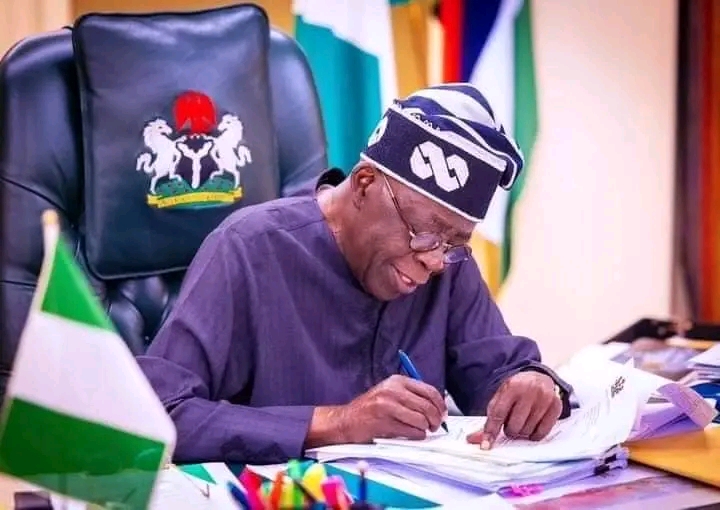
On May 29, 2025, President Bola Ahmed Tinubu, GCFR, marked his second anniversary as the President and Commander-in-Chief of the Armed Forces of the Federal Republic of Nigeria. This milestone represents not just the passage of time, but a turning point in Nigeria’s modern political and economic history—a testament to bold reforms, strategic governance, and a relentless pursuit of national development. 

In just 24 months, President Tinubu’s administration has laid a firm foundation for economic revitalisation, security stabilisation, and human capital investment. The following is my attempt to appraise the two years of transformational strides of the presidency driven by purpose, progress, and the promise of a new Nigeria:

1. Empowering Nigerians through Strategic Financial Interventions

One of the hallmark initiatives of the Tinubu administration is the Presidential Loan and Grant Scheme, which has supported over 900,000 entrepreneurs and small business owners. This lifeline of financial empowerment is revitalising the informal sector and unlocking grassroots innovation. Complementing this effort, the Students’ Loan Scheme has already benefitted over 300,000 young Nigerians, giving them access to quality higher education without the financial burden that has held back generations. These programs signal a long-overdue democratisation of access to capital and education.

2. Restoring Fiscal Stability and Investor Confidence 

In a remarkable feat, Nigeria has cleared over $10 billion in FX debt, a move that has stabilised the naira and restored international confidence. This bold financial reengineering is matched by a surge in Foreign Direct Investment (FDI), with over $50 billion in new commitments, indicating trust in Nigeria’s economic direction. In addition, Nigeria’s net foreign exchange reserves have seen an unprecedented jump — from $3.99 billion in 2023 to $23.11 billion in 2024 — a result of stringent reforms, strategic investment policies, and renewed international engagement.

The oil and gas sector, once plagued by underinvestment, is also experiencing a renaissance. Over $8 billion in new investments have been unlocked, laying the groundwork for energy security and industrial expansion. Meanwhile, the solid minerals sector attracted over $800 million in processing investments in 2024 alone, positioning Nigeria for a post-oil economy.

3. Infrastructure and Economic Growth on the Fast Lane

President Tinubu has significantly accelerated infrastructure development, with over 440 road projects currently underway, including more than 2,700 kilometres of new superhighways. These projects are not just roads — they are economic corridors, connecting communities, facilitating trade, and enhancing logistics nationwide. This infrastructure push has underpinned Nigeria’s 3.84% GDP growth in Q4 2024, the highest in three years, signalling a recovering and resilient economy under proactive leadership.

4. People-Centric Reforms and Regional Inclusion

The federal government approved and commenced payment of a N70,000 minimum wage, reinforcing its commitment to the welfare of Nigerian workers. This is a bold move by the government to address rising living costs and boost workers’morale. Moreover, the administration has introduced four new landmark Tax Bills, ensuring a more equitable, transparent, and growth-oriented tax system. These legislative milestones are simplifying compliance and boosting non-oil revenue streams.

Furthermore, new Regional Development Commissions have been established, decentralising development and giving states a stronger voice in the national growth agenda. This was a nod to Nigeria’s long-standing diverse regional aspirations.

5. Securing the Nation, Securing the Future

Perhaps one of the most critical achievements is in the area of national security. Under President Tinubu’s leadership, over 13,500 terrorists have been eliminated, significantly degrading insurgent capabilities and restoring relative peace to previously volatile regions. These gains are the result of strategic military coordination, improved equipment, and the unwavering resolve to secure every inch of Nigerian territory.

In conclusion, let me say that two years into his presidency, President Bola Ahmed Tinubu has demonstrated that transformative leadership is possible when courage meets vision. As the nation looks ahead, Nigerians are increasingly hopeful that these gains will be deepened, institutionalised, and scaled for future generations.

Magaji, a Public Affairs Analyst based in Birnin Kebbi, Kebbi State, can be reached via: mjmagaji@gmail.com.

Atiku blasts Tinubu over unpaid wages, demands release of labour activist

By Muhammad Abubakar

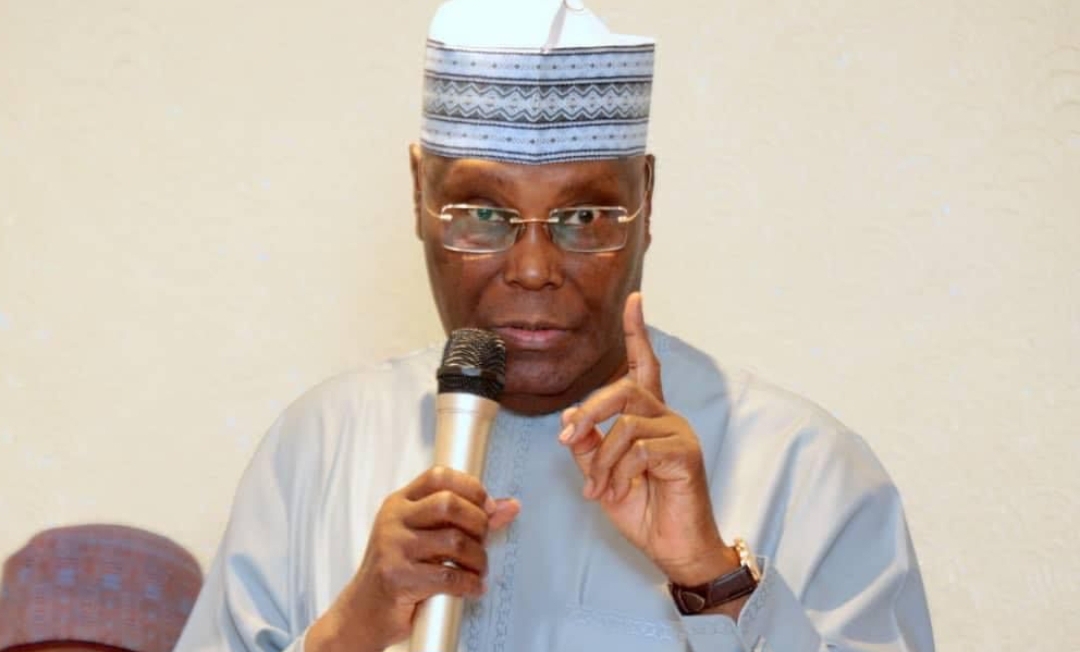
Former Nigerian Vice President and presidential candidate Atiku Abubakar has criticised the Bola Ahmed Tinubu administration over unpaid wage awards and the detention of labour activist Comrade Andrew Uche Emelieze.

In a statement shared on his social media accounts, Atiku accused President Tinubu of worsening economic hardship through the “hasty and thoughtless” removal of fuel subsidy on his inauguration day, which he said plunged Nigerians into inflation, hunger, and despair.

Atiku said the government promised a ₦35,000 monthly wage award to federal civil servants pending the conclusion of a new minimum wage deal. Ten months later, only six months have been paid, leaving ₦140,000 owed per worker.

He condemned the arrest of Comrade Emelieze, who was detained for attempting to organise a peaceful protest over the unpaid wages, calling it “an affront to democracy.”

“We demand the immediate and unconditional release of Comrade Emelieze,” Atiku said. “Nigerian workers will not be silenced, intimidated, or forgotten.”

The Federal Government has yet to respond to the statement.

Nigeria backs BRICS vision for global restructuring, youth inclusion — Tinubu

By Muhammad Abubakar

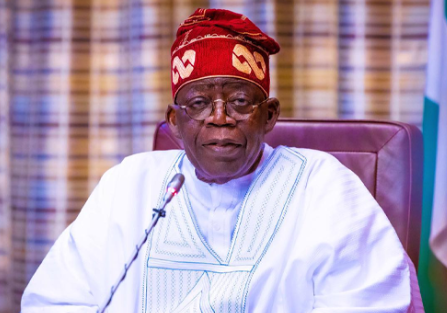
President Bola Ahmed Tinubu has reaffirmed Nigeria’s commitment to the ideals of the BRICS bloc, emphasising the need for financial restructuring and a reimagined global order that reflects the aspirations of emerging economies.

Speaking at the ongoing BRICS summit in Rio, Tinubu stated that the group must evolve beyond its economic identity to become a “beacon for emerging solutions” based on solidarity, self-reliance, sustainability, and shared prosperity.

Talking about Nigeria’s youth-driven demographic, the President emphasised the importance of shaping global policies that address the specific concerns of young people, who comprise 70% of Nigeria’s population.

“Nigeria is not a passive participant in global affairs,” Tinubu declared. “We are taking bold, homegrown steps to accelerate renewable energy, mainstream climate action, strengthen urban resilience, and expand healthcare access.”

He concluded with a strong message of determination: “The world is changing. Nigeria will not be left behind. We will help lead the way.”

How Dangote Refinery reshapes Nigeria’s fuel supply, pricing, and distribution, raising monopoly concerns

 By Nasiru Ibrahim 

The channels of distribution from exploration to consumers in Nigeria’s oil industry—before Dangote’s refinery—began with crude oil extracted by NNPC Ltd. and international companies such as Shell, Mobil, and Chevron. The crude was sold to NNPC or exported. Due to the poor performance of local refineries, such as those in Warri and Port Harcourt, Nigeria relied on importing refined fuel through NNPC and major marketers, including TotalEnergies, Oando, and Conoil.

Once imported, the fuel was stored in depots like Apapa, Atlas Cove, Ibru Jetty, and Calabar. From there, independent transport companies such as Petrolog, TSL Logistics, AA Rano, and MRS transported it by tanker to filling stations. These stations—both major and independent—sold the fuel directly to consumers. 

Alhaji Aliko Dangote is on the verge of taking full control of Nigeria’s downstream oil sector, covering everything from marketing and retail to transportation and distribution of petroleum products. In economic terms, this is known as vertical integration. Many Nigerians are now raising concerns that Dangote could dominate the entire fuel market. This comes after Dangote Petroleum Refinery released a press statement outlining its upcoming plans for fuel supply and distribution.

In the statement dated June 16, 2025, the company announced that it will start selling petrol (PMS) and diesel in the Nigerian market from August 15, 2025. To support this, it plans to roll out 4,000 Compressed Natural Gas (CNG)-powered trucks across the country to deliver fuel directly to buyers at no additional logistics cost.

Dangote also revealed that it will offer credit facilities to credible buyers who purchase at least 500,000 litres of PMS or diesel. 

These buyers include registered oil marketers, manufacturers, telecom companies, airlines, and other large fuel consumers. The company states that this move will enhance fuel availability, reduce reliance on imports, and bolster Nigeria’s energy security by overseeing both refining and distribution.

With Dangote’s new initiative, he buys crude oil from NNPC and refines it here in Nigeria. Then, using his trucks, he moves the fuel to his storage depots and delivers it straight to filling stations. This means no need for middlemen or prominent marketers—everything is handled by Dangote’s team from start to finish.

However, while this could lower fuel prices and ease supply challenges, it has also sparked fears about reduced competition. Some worry that giving too much power to one player could lead to a market monopoly, calling for proper regulation to ensure fairness in the downstream sector.

Economists, policymakers, businessmen, entrepreneurs, and economics students like myself are actively considering the potential impact of this new initiative on oil marketers, the Nigerian economy, employment, exchange rates, consumers, filling stations, climate change, and other critical factors. Many are questioning whether this move will yield positive results. However, we cannot understand the implications unless we first examine the structure and components of Nigeria’s downstream sector, including Dangote himself, his competitors, those affected by his actions, and all other players in the supply chain up to the final consumer.

In economics and policy development, a long-standing debate exists about how policies should be evaluated. Some scholars argue that policies should be judged by their outcomes, while others believe they should be assessed based on their intentions. For example, Milton Friedman emphasised that policies must be judged by their results, not their intentions. 

In contrast, economists like Paul Samuelson acknowledged the importance of considering both intent and context, especially when outcomes are not yet visible. This debate is relevant here. It may be premature to conclude whether Dangote’s new initiative is positive or negative solely based on expected results, as those outcomes have not yet materialised. 

Nevertheless, some would argue that judging the initiative by its intention — such as improving fuel availability, reducing logistics costs, and enhancing energy security — is still meaningful, especially in economic policy, where many decisions are based on projected or long-term effects. Evaluating intentions enables us to gauge the direction of policy, even in the absence of immediate evidence.

Nigeria’s downstream sector is responsible for refining, retailing, distribution, transportation, and marketing of petroleum products. It comprises several companies and regulatory bodies, including NNPCL, Dangote Refinery, Oando, MRS, AA Rano, ExxonMobil, Danmarna, Aliko Oil, and many others. While Dangote operates across both the midstream and downstream sectors, his actions may also indirectly affect the upstream sector, particularly through their influence on demand, supply, and the pricing of petroleum products.

Instead of focusing solely on the structure of the downstream sector, I believe we should carefully consider both the potential benefits and drawbacks of this new initiative by Dangote Refinery, without completely dismissing Friedman’s view on judging policies strictly by results.

Potential Positive Implications of the New Initiative

Firstly, Dangote’s new initiative will reduce Nigeria’s dependence on imported oil from the Gulf and Europe. This is beneficial for Nigeria’s foreign exchange (FX) reserves, as less demand for imported fuel means the country will need fewer U.S. dollars for imports. As a result, this could lead to an appreciation of the Naira due to a fall in demand for foreign currency. Additionally, it will improve the trade balance and increase GDP contribution from the domestic oil refining sector.

Secondly, the initiative will create both direct and indirect jobs in Nigeria. Direct employment opportunities will arise for truck drivers, mechanics, technicians, depot workers, and logistics personnel. If Dangote deploys between 2,000 and 4,000 trucks, and each truck requires one to two drivers, along with at least one support mechanic, one depot staff member, and logistics coordinators, this could result in approximately 20,000 direct jobs. Indirect employment opportunities will arise for consultants, accountants, lawyers, filling station managers, as well as workers in catering, cleaning, petrochemicals, fertiliser, plastics, and related industries.

Thirdly, the initiative will enhance fuel accessibility and improve supply chain efficiency, thereby reducing waste and environmental pollution. By taking direct control over storage and distribution, the initiative can eliminate middlemen inefficiencies, potentially reducing fuel scarcity and hoarding, which often drive up inflation. With direct sales to filling stations, illegal practices like tanker swaps and product diversion by middlemen can be curbed. Furthermore, the use of Compressed Natural Gas (CNG)-powered trucks will lower transportation costs, reduce emissions, and increase domestic gas utilisation, thereby boosting gas revenue.

Fourthly, the initiative is expected to lower fuel prices, which is a major driver of inflation in Nigeria. By eliminating international shipping fees, foreign refinery profit margins, and import levies—all of which form a significant portion of the overall fuel cost—the retail price per unit of fuel could drop. Lower fuel prices can ease the cost of living, reduce inflationary pressures, and improve economic stability.

Fifthly, the initiative will strengthen Nigeria’s energy security in the face of global supply chain disruptions. For instance, ongoing conflicts such as the Israel-Iran and Russia-Ukraine wars, or geopolitical tensions in the Middle East, can threaten the global fuel supply. Additionally, OPEC+ efforts to raise oil prices increase external vulnerabilities. By reducing dependence on imported fuel, Nigeria becomes more resilient to global shocks, ensuring steady availability of fuel at domestic filling stations even during international crises.

Sixthly, from a broader perspective, this initiative positions Nigeria as a regional supplier of refined petroleum products in Africa, reducing the continent’s reliance on Europe and the Gulf. This shift enhances Nigeria’s foreign policy leverage and strategic influence, particularly within regional and international institutions such as ECOWAS, AfCFTA, AfDB, and Afreximbank. A robust domestic refining industry enhances investor confidence and may attract more foreign direct investment (FDI) in the long term. Investors are more likely to commit to economies with stable energy supply, regional trade advantages, and reduced exposure to global price shocks.

Potential Negative Implications

Firstly, there is a serious economic fear that this could lead to a monopoly, and many Nigerians have already raised concerns about that. The Petroleum Tanker Drivers and Owners Association of Nigeria (PATROAN) and the Independent Petroleum Marketers Association of Nigeria (IPMAN) have both expressed worry that Dangote might dominate the entire downstream oil sector. In economics, when a single company controls the whole supply chain, from refining to selling, it stifles competition. And when there’s no competition, prices can be fixed unfairly, small businesses get pushed out, and consumers suffer in the long run.

Secondly, there’s the risk of predatory pricing. This occurs when a powerful company sells at very low prices—sometimes even below cost—to drive smaller competitors out of the market. Dangote might do this since he doesn’t import fuel and can afford to sell at a lower price. However, after chasing them out, he can raise prices at any time, leaving people with no choice and putting consumers at risk of exploitation. This leads to what is called “deadweight loss” in economics, where both individuals and the economy lose out.

Thirdly, many jobs could be lost, especially among small fuel marketers, distributors, and transporters who previously imported and sold fuel themselves. Dangote is now doing everything directly—refining, distributing, and even retailing—which means companies like AA Rano, Danmarna, Aliko Oil, and many others might be pushed out or forced to operate under unfair terms. This is already affecting their businesses, especially in the North, and could lead to job losses in areas that rely heavily on these companies.

Fourthly, government policy interference and the role of the Nigerian National Petroleum Company Limited (NNPCL) could create more problems. NNPCL also operates in the downstream sector and has partnerships and influence that could either support or conflict with Dangote’s activities. Past issues, such as unclear pricing, fuel subsidy mismanagement, and delays in policy implementation, demonstrate that when government agencies operate without transparency, it can create more confusion than solutions. This could make it easier for big companies like Dangote to influence decisions in their favour while others suffer.

Fifthly, new investors might avoid the sector. If one company already controls everything, what’s left for others to invest in? People may view the fuel business in Nigeria as a “one-man game,” making it challenging to attract new ideas, competition, and investment. This can slow down innovation and limit the country’s long-term progress in energy.

Sixthly, there’s a risk of regional imbalance. Dangote might focus more on high-demand urban areas where there’s more profit, and this could lead to fuel shortages in rural or northern regions. Small marketers who once served these communities may not survive, and that means remote areas could suffer more from fuel scarcity. This may exacerbate existing regional inequalities.

Possible solutions 

Firstly, don’t ban fuel imports immediately. Let other marketers continue importing fuel, at least for the time being. If only one company controls the supply, prices may rise or stay unstable. The government can grant import waivers to others, ensuring that competition remains alive and fuel remains affordable.

Secondly, we should repair our old refineries and support the development of new ones. Dangote shouldn’t be the only one refining fuel. If we repair the Warri, Port Harcourt, and Kaduna refineries and encourage small private ones, we’ll have a more local supply. That also helps in the future if we want to export after meeting our own needs. 

Thirdly, ensure that other players can access storage and transportation facilities. If only Dangote had the port, pipelines, and trucks, smaller marketers wouldn’t survive. The government can step in to make sure these facilities are shared fairly, with clear rules and affordable fees.

Fourthly, don’t forget far places like Northern states and rural towns. Most fuel may remain in the South, where Dangote is located. Therefore, the government should support distribution to remote areas by encouraging group buying or establishing shared fuel depots. Everyone deserves access, not just those near the refinery.

Fifthly, expand the availability of fuel alternatives like CNG to more locations. If we’re shifting to compressed natural gas (CNG), it should not be exclusive to the rich or city dwellers. Rural and remote areas require the same support,including CNG buses, filling stations, and awareness initiatives.

Finally, monitor prices and ensure fairness. We need a simple system that tracks and shows fuel prices across regions. That way, if one company tries to raise prices unfairly, the public and the government will be aware.

Ibrahim is an economist and writer based in Jigawa State, Nigeria. He holds a degree in Economics from Bayero University, Kano. With a background in journalism at Forsige, he currently works as a research assistant and contributes expert commentary on economics, finance, and business.

Tinubu’s new tax reforms and the North

By Zayyad I. Muhammad

On Thursday, June 26, 2025, President Bola Tinubu signed into law four landmark tax bills that the National Assembly had recently passed.

Whether one agrees or disagrees with Tinubu’s style of governance, the new tax bills signal a new beginning for Nigerians, businesses, and governments, both at the subnational and federal levels.

Some key  highlights of the Reforms are:

Elimination of Duplication in Tax Collection: One major reform is the establishment of the new Nigeria Revenue Service (NRS), which will now collect revenues that were previously handled by numerous agencies, such as the Nigeria Customs Service, Nigerian Ports Authority (NPA), Nigerian Upstream Petroleum Regulatory Commission (NUPRC), NIMASA, and others.

Tax Exemption for Low-Income Earners: With the new provisions, individuals earning ₦800,000 or less per year are now fully exempt from income tax. This is a masterstroke, especially for many people in the North. It removes a huge burden and creates space for their small and medium-sized businesses to grow and flourish.

New Personal Income Tax Rate: 

Only those earning above ₦50 million annually will be required to pay the new 25% personal income tax rate. This is both fair and reasonable.

Another significant win for the North, which has the highest concentration of impoverished people in Nigeria, is the removal of VAT on essential goods and services, including school fees, medical services, food, pharmaceuticals, and electricity. This is a significant relief for the poor and small to medium-sized businesses.

The corporate tax rate will now be reduced from 30% to 25%, and small businesses will be fully exempt from paying income tax.

The controversial VAT issue has now been ‘fairly’ settled, and again, it’s a big win for the North, which had previously raised concerns. The new revenue-sharing formula is as follows:

Federal Government: 10%

States: 55%

Local Governments: 35%

Even more importantly, the VAT sharing formula has been revised in a way that favours the North. If northern states seize the opportunity to harness and develop their economies and markets, especially in agriculture, they will benefit significantly.

The new sharing criteria are:

50% of VAT is shared equally among all states

20% is based on population

30% is based on where goods/services are consumed

One of the most important features of these tax reforms is how they protect and uplift the poor and small businesses,especially in the North, where:

About 65% of Nigeria’s poorest people live

Over 52% of the country’s states are located

More than 60% of the population resides

Nearly 70% of Nigeria’s landmass is found

And almost 80% of agricultural production takes place

It’s time for northern states to tap into local knowledge and deploy homegrown experts to thoroughly study the four landmark tax laws in line with each state’s peculiarities and needs, yet with the whole North as the unifying objective.

If well studied and strategically implemented, Tinubu’s new tax reforms could be the silver bullet the North has been waiting for.

They offer fiscal justice, decentralisation of revenue, protection for the poor, incentives for businesses, and a practical opportunity to lift millions out of poverty.

However, as always, it will take visionary leadership, technical expertise, and political will to translate policy into meaningful impact. The opportunity is here. The North must not waste it.

Zayyad I. Muhammad writes from Abuja via zaymohd@yahoo.com.

Livestock cooperative launched to empower youth, women and boost exports

By Muhammad Sabiu

A groundbreaking initiative aimed at transforming Nigeria’s livestock sector has been launched with the inauguration of the Livestock Value Chain for Youth and Women Multipurpose Cooperative Society Limited. The cooperative aims to empower youth and women through value addition, targeting a ₦4 billion increase in livestock export value within the next three years.

Speaking during the virtual launch and swearing-in ceremony, President and Initiator, Hajiya Khuraira Musa, described the initiative as a “solution” to the economic struggles of rural farmers, youth, and women. She emphasised its mission to promote food security, economic empowerment, and dignified livelihoods across Nigeria, especially in the North.

“Our vision is to rebuild communities and elevate underrepresented groups while revolutionising the livestock value chain,” she said.

The executive board includes key figures such as Dr. Zainab Talatu Ahmed (General Secretary), Engr. Salim Salis Musa (Director of Projects), Dr. Dasuki Umar Kabir (Director of Marketing & Export), and Halima Adole Yusuf (Director of Women Engagement). Other notable members include Amb. Ferdinald Feson Fada, Pastor Celina Gar, Dr. Hussaini Adamu, and Batulu Sadiq.

The cooperative has developed a 12-month export development strategy under the leadership of Dr. Dasuki Umar Kabir, targeting markets in Brazil, Saudi Arabia, Qatar, the UAE, and Egypt. Plans include international product certification, cold-chain logistics, export branding, and business-to-business trade missions.

Advisory board members such as Aliyu Asghar Sa’eed Yar’Adua, Dr. Fatima Sule Mohammed, and Hauwa Muhammad Maccido are expected to provide strategic guidance.

In addition to its economic focus, the cooperative promotes social responsibility through interest-free loans, guaranteed offtake agreements, and training in livestock handling, agri-tech, and cooperative governance.

Membership is by referral only. According to Mohammed Sodangi, Director of Membership and Community Mobilisation, applicants must be recommended by a member in good standing and approved by the General Assembly. Recruitment efforts will involve women- and youth-led town hall engagements, as well as partnerships with traditional and religious leaders.

Hajiya Khuraira Musa concluded, “We are not just running a cooperative—we are rewriting the future of rural Nigeria, where livestock becomes a ladder to peace, prosperity, and progress.”

With its visionary leadership, inclusive governance, and ambitious export targets, the cooperative stands poised to become a national model for sustainable rural development.

Nigeria’s digital shield: Why SOC analysts, threat-intelligence teams become business-critical

By: Kabir Fagge

As Nigeria’s fintech boom, e-commerce surge and digital-government projects push ever more data online, the threat surface is expanding faster than many boardrooms realise. In January 2025 alone, Nigeria jumped two places on Check Point Software’s global list of most cyber-attacked countries, moving from 13th to 11th in just four weeks.

The previous month saw the National Bureau of Statistics knocked offline by an account takeover, forcing the agency to warn citizens against fraudulent data releases. Analysts say the uptick is part of a wider continental pattern: an INTERPOL-led sweep across Africa in March netted 300 suspects (130 of them in Nigeria) accused of everything from investment-app scams to crypto-laundering rings.

Against this backdrop, the unsung heroes of Nigeria’s blue-team defences. Security Operations Centre (SOC) analysts and threat-intelligence (TI) specialists have never been more vital. “Think of the SOC as a 24-hour digital emergency ward,” says Ofuafo Orumeteme, a Texas-based Nigerian cybersecurity professional completing an M.Sc. in Cybersecurity at Stephen F. Austin State University and formerly a technical-support lead in the Nigerian banking sector. “Every log line, every traffic spike is a vital sign we triage in real time. Without that vigilance, a ransomware infection can burn through a network before leadership even knows something is wrong.”

A modern SOC is typically staffed in shifts of Tier-1, Tier-2 and incident-response engineers who hunt for anomalies across security information and event management (SIEM) dashboards such as Splunk or IBM QRadar. When an alert fires, say, an unusually large data exfiltration at 2 a.m., Tier-1 analysts validate it, block the malicious IP or quarantine the affected endpoint, and escalate the case for deeper forensics.

“Speed is everything,” Orumeteme notes. “The median ‘dwell time’ of attackers worldwide dropped to 10 days last year, but in West Africa, it’s often measured in hours because many criminals are after quick-hit business email compromise payouts. A well-drilled SOC can cut that dwell time to minutes.” Deloitte’s 2025 Nigeria Cybersecurity Outlook agrees, warning that ransomware groups are now “weaponising automation” to compress their attack cycles.

While SOC operators fight fires, threat-intelligence teams work further upstream. They scrap dark-web marketplaces, analyse malware samples and map adversary tactics, techniques and procedures (TTPs) to the MITRE ATT&CK framework. Their goal is to transform fragments of chatter or novel code into actionable “indicators of compromise” (IOCs) that can be fed back into SIEM detection rules.
“In practice, TI is our radar,” Orumeteme explains. “If we learn that a credential-harvesting toolkit now embeds specific PowerShell obfuscation, we will write a YARA rule the same day. That way, the SOC spots it on packet capture before the attacker pivots to domain controllers.”

The Central Bank of Nigeria’s updated risk-based cybersecurity framework for deposit-money and payment-service banks now makes a formal TI programme mandatory. It urges institutions to “proactively identify, detect and mitigate” emerging threats. NITDA’s Strategic Roadmap likewise lists “developmental regulation” and indigenous capacity-building as cornerstones of its 2021-24 plan. These policies are beginning to shape budgets.

Nigerian banks spent an estimated ₦ 35 billion on cyber controls last year, industry executives say, with SOC outsourcing and TI subscriptions topping the list. Yet investment alone is not enough, warns Orumeteme. “You can buy a SIEM overnight, but you can’t buy muscle memory. Organisations need tabletop exercises, cross-training between network and security teams, and clear playbooks that specify who calls whom at 3 a.m. when the alarms go red.”

Nigeria’s cybersecurity workforce deficit is still wide. It is roughly around 76,000 professionals short of demand, according to ISC² regional estimates. That shortage is felt acutely in blue-team roles that require both technical depth and nerves of steel. University programmes are expanding, but Orumeteme argues that industry must accelerate on-the-job apprenticeships:
“Give junior analysts sandbox labs, let them dissect real malware and write correlation searches. Pair them with TI researchers who can teach open-source-intelligence tradecraft. It’s the fastest way to grow tier-2 talent.”

Data-leakage incidents in Nigeria have doubled year-on-year, with BusinessDay warning of “a crisis in the making” as attackers exploit cloud misconfigurations and unpatched VPNs. The average cost of a breach in the country now hovers around ₦ 300 million. Insurers say that money could fund expansion, R&D or thousands of new jobs.

“When executives ask for ROI, remind them that a single business-email compromise drained ₦ 1.2 billion from a West-African conglomerate last quarter,” Orumeteme says. “A mature SOC caught early recon on day one, blocked it, and saved shareholder value.”

Nigeria is aggressively cracking down on cyber-fraud. Over 1,000 arrests and 152 successful prosecutions in the past year show that progress is possible. But enforcement must be matched by enterprise-level vigilance. SOC analysts and threat-intelligence operatives sit at that nexus, turning raw telemetry and scattered clues into the actionable knowledge that keeps businesses and citizens safe.

As Orumeteme puts it, “Cybersecurity isn’t just an IT line item anymore. It’s national economic policy. And the SOC floor at 2 a.m. is where that policy succeeds or fails.”

Kabir Fagge Ali writes from Abuja, Nigeria and can be contacted via faggekabir29@gmail.com

Kano beyond educational boom: A call for federal intervention to fuel growth 

By Ismaila Abdulmumini

Kano, renowned for its rich history, cultural vibrancy, and socio-economic vitality, marked 57 years of statehood a few days ago. A long journey of sacrifices and transformations, usually one at a time, gives Kano the new look we see and admire today. Kano is now carving a new identity as Nigeria’s educational powerhouse, boasting four federal universities, three state-owned institutions, and over five private universities, in addition to state and privately funded colleges and polytechnics. 

Equally, quantifiable challenges and rubble need to be put together to build the Kano of our dreams—the one we revere and would be proud of. The state’s transformation into a learning hub has inadvertently exposed systemic gaps in critical sectors, gaps that demand urgent federal intervention to unlock Kano’s full potential.  

Despite its academic strides, Kano grapples with erratic electricity, which stifles the industries that support its institutions. Students and entrepreneurs alike face daily blackouts, which undermine research, innovation, and productivity. Experts argue that federal investment in renewable energy projects and grid modernisation could ignite industrial growth, creating thousands of jobs while sustaining the educational sector’s momentum. 

Kano’s healthcare system, chronically underfunded and overburdened, struggles to serve its 15 million residents. State-run hospitals lack essential equipment, and medical personnel are stretched thin. Federal input through facility upgrades, increased funding, and partnerships with the private sector could reduce pressure, improve public health outcomes, and attract medical tourism, turning a cost centre into a revenue stream.  

In Kano’s bustling large markets that serve Africa, such as Dawanau’s grains, Kwari’s fabrics, and Singa’s groceries, transactions remain stubbornly analogue. This “brick-and-mortar” mentality, experts say, stifles economic scalability in the twenty-first century. “Digitisation isn’t optional; it’s survival,” argues tech entrepreneur Aisha Musa. Federal grants to build a robust digital ecosystem, e-payment platforms, online marketplaces, and broadband expansion could connect Kano’s markets to global consumers, boosting GDP and curbing youth unemployment.  

Kano’s agricultural landscape is littered with bad, indefatigable innuendo. Farms teem with tomatoes, peppers, and livestock, yet the state imports processed dairy goods. The absence of modern processing facilities leaves farmers vulnerable to waste and price fluctuations. A federal push to establish agro-industrial zones with cold storage and meat-processing plants could transform raw abundance into export-ready products, slashing Nigeria’s $10 billion annual food import bill and strengthening the naira. 

Potholed roads and inefficient rail networks cripple trade, inflating costs and deter investors. Upgrading transport infrastructure, which relies heavily on the federal government, would streamline the movement of goods from farms to ports, link markets to neighbouring countries, and position Kano as a logistics hub. “Better roads mean cheaper goods, happier consumers, and a thriving economy,” notes logistics expert Tunde Okoye.  

The blueprint for Kano’s renaissance is clear: targeted federal investments in energy, healthcare, digitisation, agro-industry, and transport. Such interventions promise to generate employment, diversify revenue streams, reduce import dependency, and fortify Nigeria’s economy. As the state stands at a crossroads, the message to Abuja is unequivocal: Empower Kano, and you empower the nation. Kano’s story does not need to be one of unfulfilled promises. With strategic governance, Africa’s “Centre of Commerce” could reclaim its title, this time, as a beacon of inclusive, 21st-century growth.

Ismaila Abdulmumini wrote via ima2040@outlook.com.

The growth Nigerians can’t taste: Behind the numbers lies hardship

By Nasiru Ibrahim

If the economy grows by 4% in Q1 2025, people expect to feel it through affordable food, reasonable wages, more job opportunities, an improvement in the standard of living, and quality education. I agreed with Dr. Usman Isyaku’s recent claim that “Economics is the new rocket science in Nigeria,” because economists are busy presenting abstract models, charts, graphs, GDP growth, and the economic policy debate is centred only on economic jargon and indicators that appear technical and confusing to the layman. The economic policy debate is supposed to be centred on what people earn, what they buy, how the cost of living rises, and what happens to inequality and poverty.

People often ask: if the economy is growing, why is our life getting harder? The answer to all this is the Nigerian economy’s economic growth and inflation paradox, which refers to the presence of economic growth and high inflation at the expense of people’s purchasing power and standard of living. Inflation erodes people’s purchasing power and repeatedly makes them poorer as prices rise.

The economic growth and inflation paradox is the reality of the Nigerian economy, considering that the economy experienced its fastest growth in about a decade in 2024, as pointed out by the World Bank’s lead economist for Nigeria, Sir Alex Sienant, yesterday in Abuja. He said the Nigerian economy grew by 4.6% year-on-year in Q4 2024. This means that in the last three months of 2024, the Nigerian economy produced 4.6% more goods and services than in the same period in 2023. However, even though the country produces more, many people don’t feel any benefit because prices are still rising, and daily life is becoming harder.

Growth figures like GDP are averages and do not address poverty, high inequality, a poor standard of living, or food affordability.

What caused this paradox?  President Tinubu’s economic reforms — removing fuel subsidies, electricity subsidies, and naira devaluation cuts —resulted in fiscal improvement. Government revenue grew by 4.5% of GDP in 2024, the fiscal deficit decreased, and external debt declined. On paper, these achievements are impressive, but they feel different to the common man on the street, as the prices of food, transport, and rent continue to rise.

The immediate cause is the lack of inclusive growth, with a few sectors like oil and banking dominating the GDP. Secondly, weak institutions refer to government agencies and public bodies that are supposed to ensure fairness, transparency, and accountability but fail to do so. When institutions are weak, they allow corruption, inefficiency, and poor management of public funds. This means money meant for roads, healthcare, education, or farming support gets wasted or stolen, and policies that should help everyone only benefit a few elites. This worsens inequality and keeps essential services underdeveloped.

Thirdly, agriculture and supply chain disruptions caused inefficiency in the sector. Insecurity and poor infrastructure, plus the issue of import waivers, contributed to cheap food imports, making it hard for local farmers to compete and causing them to incur losses.

I do not view economics as rocket science dominated by charts, models, and jargon. I see economics in everyday life—prices, wages, job opportunities, choices, affordable food for all, happiness, and a better life for all and sundry.

Economists should explain how policies affect people’s daily lives — not just in GDP numbers, but in real terms like food prices, wages, and employment opportunities. Economists need to engage with the public more directly, explaining key concepts like inflation or interest rates in simple terms. In 2022, the Nigerian government reported economic growth in the oil sector. Yet, unemployment was at a 20% high, and poverty was increasing, with more than 40% of Nigerians living below the poverty line.

Economists and policymakers often discuss GDP growth, real income, or inflation rates—terms that many Nigerians don’t fully understand. Most people are focused on practical issues like food prices, rent, and transportation costs, not abstract economic concepts.

Governments often use economic data to justify their policies, sometimes highlighting growth figures that don’t fully reflect the real situation. In Nigeria, governments usually focus on growth rates in sectors like oil and telecoms, which don’t directly impact most people’s daily lives, while ignoring issues like rising poverty and growing inequality.

What Should Be Done? 

Firstly, fuel subsidy reform must be done to protect ordinary Nigerians. The sudden removal of fuel subsidy in 2023 made life harder—transport became expensive, food prices shot up, and suffering increased. Even big economies like the U.S. still subsidise farmers, energy, and housing. But in Nigeria, our subsidy system was full of corruption and waste. Instead of removing it overnight, the government should have planned a gradual withdrawal and used the savings to support school feeding, health insurance, and public transport. State governors, like those in Lagos and Borno, should use their share of subsidy savings to support poor families. Local government chairmen can help by identifying struggling households and ensuring the help gets to them.

Secondly, we must secure our farms and support agriculture to fight food inflation. Insecurity in places like Benue, Zamfara, and Niger has chased farmers off their land. No farming means no food, and no food means higher prices. The government should send security teams to protect farmers and work with local vigilantes. State governors must invest in irrigation, storage facilities, and feeder roads, like Ebonyi’s rice project or Cross River’s cocoa plan. Local governments should help distribute seeds and fertilisers, and organise markets in villages so that food can move easily and become cheaper.

Thirdly, Nigeria must stop mismanaging foreign exchange and support local production. The constant rise and fall of the naira, unfair access to cheap dollars, and heavy import dependence have worsened things. The CBN must be open and fair in its forex policy and prioritise local manufacturers. State governments should build industrial hubs and support processing industries, as Ogun State is doing. Local governments can help small producers in things like leather, cassava, and shea butter—so we can reduce imports, create jobs, and lower prices.

Fourthly, state governors and LG chairmen must stop blaming the federal government for everything. Many things affecting people—bad roads, dirty water, expensive local markets—are within their power. Governors should form regional plans, invest in infrastructure, and support small businesses. Local governments should fix boreholes, maintain primary health centres, and organise rural markets. These small actions reduce the daily cost of living and improve lives.

Fifthly, we need proper social protection, not random handouts. Inflation is eating deep into people’s pockets. The government should use verified data (linked to NIN and BVN) to send digital cash transfers to the poor. Local governments must identify real households that need support. States should create public works programs—like road maintenance, tree planting, or waste collection—so people earn a living while helping their communities. That’s how India’s rural job scheme helped millions.

Lastly, no reform will work without fighting corruption and fixing our broken institutions. We can’t keep discussing change while money disappears, budgets are padded, and governors pocket LG funds. The government must pass audit laws, publish how money is spent, and punish corruption. State and local governments should meet transparency targets before receiving federal funds. We must also return full independence to local governments so they can serve people directly. Without these changes, even the best economic plans will fail.

FEATURE: How small businesses in Northern Nigeria struggle amid economic pressures, seasonal shifts

By Sabiu Abdullahi, Uzair Adam, Anwar Usman, Anas Abbas, Abdullahi Algasgaini, and Ibrahim Yunusa

As the summer season deepens across northern Nigeria, small business owners in various communities—from Kano to Kaduna, Jigawa to Bauchi—are raising the alarm over dwindling customer patronage.

The Daily Reality reports that the convergence of economic hardship, seasonal farming priorities, and insecurity is squeezing their operations, with many struggling to stay afloat.

Traditionally, the onset of summer in the Northern Hemisphere, beginning in May, signals a shift in consumer behavior.

For many local residents, it marks a transition from marketplace spending to full-scale agricultural engagement.

As people move into planting and harvesting, businesses dependent on daily and seasonal purchases are increasingly left behind. This year, that impact appears to be more pronounced than usual.

Hussain Ibrahim, a businessman at Kano’s Kofar Ruwa market, told The Daily Reality that while there is interest from customers, purchasing power has significantly weakened due to inflation and soaring prices.

He stated, “Although people want to patronize us, goods have become too expensive. The money you’d use to buy a ton of rod two years ago has doubled. Most people can’t keep up with the situation.”

He also attributed the crisis to the federal government’s removal of the fuel subsidy, which has drastically increased transportation costs.

Ibrahim added that, “Before, transporting goods from Lagos to Kano used to cost N800,000. Now, it’s N1.7 million. That alone inflates prices, and customers suffer for it.”

In Jigawa State, Umar Muhammad, a foodstuff dealer in Limawa, Dutse, highlighted another unique challenge: the irregularity of local civil servant salaries.

Muhammad said, “Our peak sales occur in the first and second weeks of the month when civil servants receive their pay. By the middle of the month, we might drop from N1 million in sales to just N200,000,” he revealed.

This pattern underscores how fragile small businesses are, relying heavily on public sector salary cycles for survival.

In Kaduna’s Zaria town, fertilizer dealer Yakubu Hussaini painted a bleak picture. According to him, the price hikes from suppliers—triggered by high import costs of raw materials—have slowed down the market significantly.

“The government’s decision to import maize, wheat, and rice discouraged many farmers. Coupled with the insecurity in rural areas, farmers are abandoning their lands. All of this has crushed demand for fertilizer,” he said.

As the rainy season approaches, and started in some areas, farming activities become top priority for most residents, further reducing commercial traffic in markets. This has hit businesses that depend on footfall the hardest.

Isah Mucika, a butcher at the Kwanar Ungogo abattoir in Kano, observed, “People are more focused on clearing their farms. I had to sell my motorcycle to invest in my farmland.”

He added that goods are seen as increasingly unaffordable, leading many to limit spending to farming essentials.

The story is the same in Bauchi, where a cosmetics seller said her weekly sales have been reduced to what she used to make in just two days.

“Now, people mostly buy only what they eat. Luxuries like cosmetics are no longer a priority,” she lamented.

A mobile phone dealer echoed her frustration. “Even fairly used phones are hard to sell. People come, ask for the price, and walk away. They’d rather fix their old phones than buy new ones.”

As small businesses continue to suffer under the weight of these intersecting challenges, local chambers of commerce and community leaders are calling for increased support for local enterprises.

There is a growing campaign urging residents to buy local, highlighting the social and economic ripple effects of every purchase.

“Supporting local businesses now is more important than ever. There is a strong connection between low patronage and the coming rainy season—but our collective choices can help cushion the impact.”

According to economic expert Abdulmalik Ibrahim, the low purchasing power of residents in northern Nigeria is a major factor behind the struggles faced by small businesses during this period.

Ibrahim pointed to a range of factors fueling the situation: high inflation, devaluation of the naira, and ongoing economic challenges that have shrunk household incomes.

He noted that Nigeria’s inflation rate reached 33.20% in March 2024, making it increasingly difficult for people to afford even basic necessities.

“The devaluation of the naira has pushed up the cost of imported goods, while economic instability and high unemployment have further reduced disposable incomes,” he explained.

Ibrahim added that rising prices for essentials like food, transport, and utilities have hit low-income households the hardest, reducing their spending power and affecting small businesses.

“Insecurity in farming communities and disruptions to supply chains have also driven up food prices, making the situation even worse,” he said.

He stressed that government borrowing from the Central Bank of Nigeria has contributed to inflation, further straining people’s ability to purchase goods and services.

“The combined impact of these factors is creating a harsh environment for small businesses across the region,” Ibrahim concluded.