Admin

Kano governor vows to secure minors’ return from Abuja court

By Uzair Adam

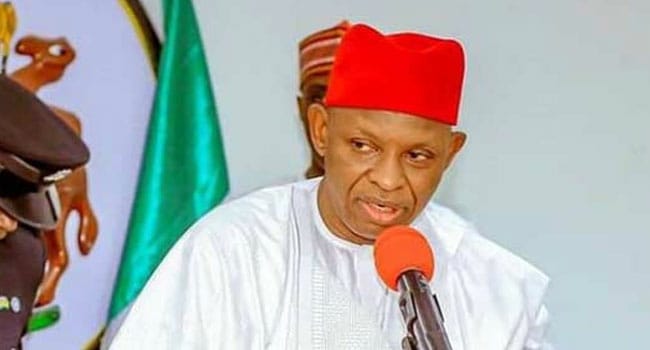
Kano State Governor Abba Kabir Yusuf has pledged to secure the return of minors from Kano who were arrested and face charges, including arson and treason, at a Federal High Court in Abuja.

The 76 suspects, most of them minors, were detained during the August #EndBadGovernance protests, where incidents of vandalism, confrontations with police, and anti-government chants reportedly occurred.

Tensions ran high during their arraignment as some of the minors reportedly fainted while waiting in the courtroom.

Responding to the incident on his X page, Governor Yusuf stated that he has directed Kano’s attorney-general and justice commissioner to address the situation urgently.

He wrote, “My attention has been drawn to the court appearance of teenagers (some believed to be from Kano) in Abuja. The Commissioner of Justice has been instructed to act immediately on the issue. We shall do everything possible to get them back to Kano, in sha Allah.”

FG disburses funds for NASU salaries, retiree benefits

By Uzair Adam

The Federal Government has disbursed funds to settle withheld salaries of the Non-Academic Staff Union of Federal Universities (NASU) and benefits for retirees under the Nigerian Union of Pensioners Contributory Pension Scheme Sector (NUPCPS).

This was disclosed by Mr. Bawa Mokwa, Director of Press and Public Relations in the Office of the Accountant-General of the Federation (OAGF), in a statement released on Saturday in Abuja.

Mokwa noted that payments to NASU members had begun, with many recipients confirming they had received the funds.

He stated the government’s commitment to supporting Nigerian workers and retirees.The Daily Reality reported that NASU, alongside the Senior Staff Association of Nigerian Universities (SSANU), had launched a nationwide strike on Monday.

According to SSANU President Mohammed Ibrahim, the strike would continue for seven days unless the government addresses grievances over payment disparities among university unions.

Korean embassy in Nigeria honours customs chief Adeniyi

By Sabiu Abdullahi

The Korean Embassy hosted a dinner for Comptroller-General of Customs (CGC) Adewale Adeniyi and his management team, strengthening bilateral relations and shared objectives. 

CGC Adeniyi praised Korea’s commitment to partnership, adding progress through collaboration. “It is due to our dedicated partnerships that the NCS is now engaged in data analytics programmes, in alignment with World Customs Organization standards.” 

Korean Ambassador Kim Pankyu commended Adeniyi’s dedication.  He said, “We are honoured by the Comptroller-General’s presence and look forward to further strengthening ties.” 

Deputy Comptroller-General Greg Itotoh thanked the Embassy for its support. 

“The Embassy’s support and willingness to partner are instrumental in driving our Service to greater heights.” 

The event affirmed Korea’s dedication to Nigeria’s customs modernisation and capacity-building efforts.

The detained starved kids: The injustice of the starvation of protesters didn’t start today

By Prof. Abdelghaffar Amoka

Protesters’ starvation, which the Muhammadu Buhari government institutionalised, is taking a new dimension and receiving attention with the detained starved kids. The country’s intellectuals were starved for 8 months in 2022 for protesting the degradation of the public universities, our own universities. 

Many of those talking now justified the starvation. You said the professors deserved it. You said what made the lecturers think they could fight the government. Many people on social media mocked the intellectuals.

They refused to give up despite the starvation. Many lost their lives, but they were willing to continue with starvation for the system to get the deserved attention. However, the government had to seek the help of the judiciary to force them to teach with hunger. The court did and justified the starvation with a policy called non-work, no pay.

Unfortunately, in its wisdom, the court could not help resolve the issues that led to the strike. Despite the noise from the Bola Ahmed Tinubu government that the Academic Staff Union of Universities (ASUU) won’t go on strike again, no effort has been made to resolve why ASUU is always going on strike. The issues still linger with the usual poverty of sincerity. 

Then, there was another form of protester. The bad governance protest on August 1st, 2024. Some of the protesters were arrested and charged with treason. They don’t have to stop their salaries because most are kids on the street without work. They can be detained and starved. They were arrested and starved for 93 days with a hard fight for them to be arraigned. They were eventually taken to the court yesterday with their bony body. Some could not stand on their feet. They were lying on the floor for prosecution.

A lawyer who could not stand the hunger bought the starved kids biscuits in the court. They rushed the biscuits like their life was hanging on them. Only God knows the last time they saw that to eat. The judge remanded the kids at Kuje pending when they can satisfy his bail condition of ₦10 million each of them. Where are the level 15 civil servants with ₦10 million that will bail these kids, who likely live on the street? Are we correcting or hardening these kids when they return to the street? 

If professors are starved for 8 months by the government, tell me who they can’t starve? An injustice to one is an injustice to all. But you supported Buhari for Institutionalizing the starvation of protesters when he started with the country’s intellectuals because a northerner was in charge. You were thinking it would end with the lecturers. Now, the starvation of protesters is taking a new dimension. The sight of the detained starved kids in Kuje prison made everyone cry. 

And we are Muslims and Christians that are very religious but heartless. So, how do we end this inhuman attitude to ourselves? 

Abdelghaffar Amoka Abdelmalik, PhD, wrote from Ahmadu Bello University, Zaria. He can be reached via aaabdelmalik@gmail.com.

#EndBadGovernance: Minister vows to take action in promoting the welfare of arraigned minors

By Anwar Usman 

The Federal Government has said there is an ongoing plan to improve the welfare of minors detained over their alleged participation in the nationwide #EndBadGovernance protest. 

This was disclosed in a statement by the Minister of Youths Development, Ayodele Olawande, on Friday. 

Earlier today, there was uproar at the Federal High Court sitting in Abuja after some of the arraigned minors fainted and a great number of them looking malnourished after being detained for three months. 

The court later ruled that they be granted bail in the sum of N10 million each, while the prosecutor asked the judge to remove the names of those who collapsed from the charge. 

While reacting to the development, Olawande said the ministry is “engaging with the ministry of interior towards finding out the facts of the situation and improving the welfare of the young people being held, not just in relation to this case but in correctional centres across the country”. 

He further added, “Please rest assured of the Ministry’s commitment to protecting youth’s interests and the welfare of young Nigerians, wherever they may be”. 

More details later…

Celebrating NYSC-member teachers: A trio of inspirers

By Ibrahim Sulaiman

Let me celebrate a trio of my teachers, Miss Tina, Mr KJ Kabir and Mr Nebo Ekene. They are not only my teachers but have also stood out for making me academically ambitious. 

Graduating from a nearly dying government secondary school system in the North Eastern part of Nigeria in the early 2000s was discouraging for students being churned out from these schools. These National Youth Service Corps (NYSC) members were determined to make us think and dream like our counterparts in other schools that were practically better than ours. 

Miss Tina (as she was then), a UniLAG-trained geographer, was very concerned about covering the syllabus. She wanted me to sit for JAMB the following year, as none of us had registered for the matriculation exam that we finished every year at school. She gave me a pass in A&B to read in preparation. She also contacted me after leaving Jama’are when she hadcompleted her one-year mandatory NYSC.

Mr KJ Kabir (from Kwara State) was concerned about my proposed course of study. He was our Press Club patron, and I was one of the club’s newscasters. He would always ask through discussion, ‘Ibrahim, what do you want to study? ‘I would reply, ‘Mass Communication, Sir’ (having been influenced by the press club plus the fact that I was and am still a radio fan). From our discussion, I learned that he wanted me to study political science (he is a university graduate of political science, too). 

Mr Ekene (a Baga-born Igbo from Enugu state with an excellent and near-perfect command of the Hausa Language) was another dedicated teacher and a mentor. This corp-member teacher will always fix classes and/or extend classes beyond the allotted time in his bid to cover the syllabus. 

The lodges of the trio were vestibules for extra lessons for me. I frequent their houses, and they’re always available for me. I remember vividly when Mr Ekene left the school quarters to stay in Cooper’s lodge in Jama’are town. I used to go there for my lessons. These experiences prepared me and, of course, made me conscious about proceeding with my studies immediately. 

This consciousness made me focus more on education than anything else. Some of them were disappointed in me when I told them that I was enrolled in a diploma program. They all wanted me to be in university after secondary school. But I always assured them I would proceed from there, and I did!

To these teachers, the trios, I am ever grateful for the inspiration. The books you gave me while passing out from the NYSC and the Q&As bequeathed to your chosen student were sources of inspiration that keep prodding me up to today. They will keep pushing till I reach the pinnacle, called PhD (soon)! Thank you so much for your selflessness and service to humanity.

Ibrahim Sulaiman writes from Abuja, Nigeria and can be reached via ibrahimsulaiman193@gmail.com

Discovering my unique talent: A journey into tailoring and fashion design

By Abbas Aliyu Libata 

Every individual possesses a unique talent, a natural gift that often takes time to uncover. For some, it is an early realisation, while for others, like myself, it takes a period of self-reflection and careful observation. 

My journey of discovering my unique talent has been a process of exploration filled with curiosity, self-doubt, and clarity. In the world of tailoring and fashion design, I found my calling, a profession that brings me joy andfuels my creativity.

I remember watching people around me, often amazed by how effortlessly they executed imaginative and creative tasks. Their work, whether art, music, or other forms of expression, seemed to flow naturally as if it were second nature to them. I couldn’t help but wonder: What was my talent? Was I overlooking something? This uncertainty drove me to study myself and observe how I interacted with different activities, hoping to pinpoint what made me feel most alive.

The journey was challenging. I explored various activities, searching for one that resonated with me. Gradually, I realised my attraction to tailoring and fashion design through my appreciation of fabrics and patterns and my vision of new designs. It took time to recognise this as my true talent.

The turning point came when I decided to immerse myself in design fully. While tailoring was my primary profession, designing offered something more—a unique joy. I felt an overwhelming sense of fulfilment whenever I created new designs, sketched ideas, or experimented with fabrics. The joy I experienced wasn’t just about the monetary rewards that came with the profession but also about the creative satisfaction that designing brought. I had found my talent.

According to career coach Laura Garnett, talent discovery often involves a combination of self-awareness and persistence. She explains, “Your talent lies at the intersection of what you enjoy doing and what you do well. Often, it takes time and patience to uncover it because you need to experiment with different activities to see what resonates.” My experience perfectly reflects this. The more I designed, the more I realised that this was something I was good at, bringing me immense happiness.

Research from psychologists like Dr Angela Duckworth suggests that perseverance and passion, what she calls “grit”, are vital to uncovering and developing talent. I can relate to this concept because I had to persist in my search for my unique talent, even when I doubted myself.

Looking back, I see how important it was for me to go through self-discovery. Finding my talent in tailoring and fashion design has been one of the most rewarding experiences of my life. It has given me a sense of purpose and fulfilment that I might not have found had I not taken the time to explore, reflect, and experiment. Now, every design I create reflects my joy and passion for my profession, a profession that has allowed me to express my unique talent in ways I never imagined.

I came across a friend who disclosed that he believes unique talent exists in people but has yet to discover his. 

Through this journey, I have realised that discovering one’s unique talent requires patience, observation, and a willingness to embrace the things that bring us joy, even if they aren’t immediately apparent. It was fashion design, a craft that connects my passion and creativity to something I can share with the world.

Self-observation and reflection are among the most important steps in uncovering your talent. Take time to observe how you react to different activities. Notice what excites you, where you lose track of time, or what makes you feel fulfilled. Keeping a journal to record these moments can help reveal patterns and reveal your natural abilities.

Experimenting with different fields is another critical part of the process. Your talent might be in an area you haven’t yet explored. Trying out new hobbies, engaging in unfamiliar projects, or learning a new skill can help you discover interests and strengths you didn’t know you had. Don’t limit yourself to what seems comfortable or traditional; sometimes, talent lies in unexpected places.

Additionally, don’t underestimate the power of seeking feedback from others. Often, those around you can provide insight into your strengths and talents that you might overlook. Ask friends, family, or colleagues for their perspectives on what you do well, where you shine, or what they think makes you unique. Their observations can offer valuable clues in your self-discovery journey.

It’s also important to follow your passion rather than just chasing money. While financial rewards are essential, true talent often lies in what brings you personal satisfaction. You may not immediately see financial gain from pursuing your passion, but the joy it brings is a crucial indicator of where your unique abilities might be found.

Be prepared to exercise patience and persistence in the process of talent discovery. It is not always an immediate realisation and can take time, especially if you are exploring new fields or refining your skills. Even when you feel stuck, continue pursuing different avenues and allow yourself the time to grow and evolve.

Learning from others is also a valuable strategy. Studying experts in areas that interest you, attending workshops, or reading books by individuals who have mastered their craft can offer insights into how to cultivate your talent. Their experiences and advice can serve as a guide for your journey.

Lastly, once you have an idea of your talent, align it with a career path. When your professional life reflects your passion, you are more likely to feel fulfilled and motivated. Combining your talent with a career can lead to personal and professional success, allowing you to channel your unique abilities into something that brings value to yourself and others.

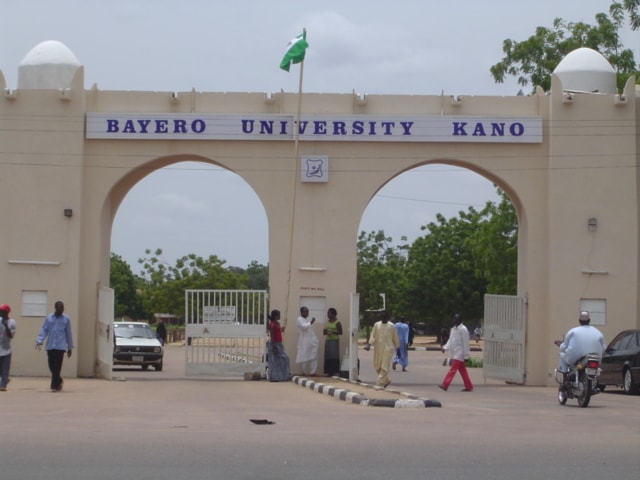
Abbas Aliyu Libata wrote from the Mass Communication Department at Bayero University, Kano, via elabbas434@gmail.com.

Let the stigma against menstruating women stop, please

By Rabi Ummi Umar,

Nature bestows unique characteristics upon creatures of all species. One distinctive feature for humans, particularly women, is menstruation, otherwise known as periods. This menstrual cycle often comes with an enormous amount of pain and discomfort. 

Hence, I get aggravated when people, particularly men, downplay or dismiss the pain associated with periods. It has become all too common nowadays, and I often wonder, “What is their thought process behind such disregard?” This disregard is part of what we have come to know as period stigma—the social, cultural, and emotional shame or embarrassment associated with menstruation.

Women typically experience menstruation for two to seven days a month. Still, they also face a range of challenges, including premenstrual syndrome (PMS), sadness, menstrual pain, depression, and post-menstrual depression. For these reasons, we deserve sympathy and support.

Menstrual cramps are painful sensations that affect many individuals before and during their menstrual period. The pain typically targets the lower abdomen and lower back. Women often experience additional symptoms, such as loss of appetite, nausea, diarrhoea, and more. Depending on the individual, menstrual cramps may last for at least three days or even longer.

Reports have shown that approximately 5% to 15% of individuals experience period pain so severe that it impacts their daily activities. According to Cleveland Clinic, the figure could be higher due to underreported or unreported cases.

There are instances where I have witnessed men being insensitive towards the pain women experience during their periods. Sometimes, if the situation warrants it, I share my opinion; otherwise, my best option is to watch helplessly or move on.

Women are paradoxically both fragile and incredibly strong creatures, enduring immense physical and emotional challenges every month. This never-ending cycle, which results in the loss of an appreciable amount of blood, makes it particularly hurtful when someone dismisses or undermines the experiences we go through.

A genuine suggestion is that when it is that time of the month for your partner, sister, mother, or loved one, show your support with a thoughtful gesture. Be present for them, even if you cannot fully comprehend their experience. Make them feel seen and cared for. Do your research, take the necessary steps, and understand what works best for them. It makes a bigger difference than you might think.

Recently, there was a heated discussion on X (formerly Twitter) regarding PCOS—polycystic ovary syndrome, a hormonal disorder that causes enlarged ovaries—that left me stunned. Although I cannot recall the exact comment, it disregarded the severity of the condition and painted women as unhealthy, much like what happens with periods.

One piece of advice from that social media conversation resonated with me: “Review your partner’s Twitter to gain insight into their thoughts before committing to a relationship.” I cannot stress enough how important this advice is. It underscores the need to have people in our lives who will be there for us, especially in matters such as menstruation and PCOS, which are dictated by nature.

Imagine being with someone who does not understand or invalidates your experiences. I urge women to prioritise getting to know their partners well, particularly their emotional intelligence, before committing to a relationship.

Men should also show support during menstruation. Instead of making insensitive comments, they can educate themselves.

Learn about menstrual health and its effects to be a thoughtful brother, husband, father, or friend. Offer emotional support and empathy, help with household chores and errands if needed, and encourage open conversations to end the stigma associated with periods.

By doing so and being more considerate, men can create a more comfortable and supportive environment for women. The world can be kinder to women—we deserve it!

Rabi Ummi Umar is an intern at PRNigeria and a student at Al-Hikmah University, Ilorin. She can be reached via rabiumar058@gmail.com.

FG meets with NASU, SSANU, calls for suspension of strike

By Anwar Usman 

The Federal Government has called on the Non-Academic Staff Union of Educational and Associated Institutions (NASU) and the Senior Staff Association of Nigerian Universities (SSANU) to call off their strike, which is now in its fifth day. 

This call was made by outgoing Minister of State for Education, Dr. Yusuf Sununu, who led the government delegation in discussions with the union leaders on Thursday. 

Sununu, representing new Education Minister Dr. Tunji Alaussa, stated that efforts were underway to address the issues leading to the industrial action.

Public universities across Nigeria had shut down since Monday due to the indefinite strike by NASU and SSANU, who are protesting the government’s failure to release four months of withheld salaries from 2022. 

During the negotiation, Dr. Sununu confirmed to the union leaders of the government’s commitment to resolving the matter.

He was quoted as saying, “We have reviewed the reasons for the strike and briefed them on the Federation Ministry of Education’s efforts to resolve the issues.”

He stated that discussions had reached an advanced stage and appealed for cooperation from union members to achieve a stable academic environment. 

The chairman of the Joint Action Committee of NASU and SSANU, Comrade Hassan Makolo, expressed optimism regarding the meeting’s outcomes.

He assured that the unions would suspend the strike once their members confirm receipt of the withheld salaries.

“We had a productive discussion. By the time our members receive payment alerts, the strike will be over,” Makolo said.

He added that the unions are hopeful these commitments will prevent future disputes over similar issues.

Nigeria loses more than N200bn annually printing books abroad—Group

By Anwar Usman 

The Gutenberg Prints Association of Nigeria has explained that Nigeria loses over N200 billion annually on printing books overseas. 

Mr. Adekunle Adebambo, the president of the association, said this during a press briefing on Thursday in Abuja. 

According to Adebambo, Nigeria has the capacity to provide all the printing equipment needed in the country, which will in turn promote the much-celebrated industrialisation and growth of the nation. 

He called on the federal government and relevant authorities concerned to improve local production capacity and implement policies that would ensure a stronger and more vibrant printing industry in the country. 

“There is no year that Nigeria does not spend over to N200billion minimum in printing books abroad. 

“Most school authorities have made it mandatory for students in nursery, primary and secondary schools to buy books which mostly produced abroad. 

“We are appealing to relevant stakeholders involved to look into this issue. Because we cannot industrialise when we have opportunities and we are not utilising it.” 

The president called on the Ministry of Education to partner with Nigerian universities to establish bachelor and postgraduate degree programs in printing technology and management. 

He further added that “with government, stakeholders, and Nigerian’s support, GUPPAN believes that we can build an industry that not only serves our country’s needs but also enhances its standing on the global stage. 

“The time has come for concerted action to correct past missteps, uphold the standards set by Act 24, 2007, and restore integrity to the Nigerian printing industry. 

“We urge the media to support us in highlighting these issues as together we can ensure a future where the Nigerian printing industry stands as a pillar of professionalism, innovation and national pride,” he said. 

The News Agency of Nigeria reports that the briefing was organised with the theme” Industrialisation: The Role of Printing Business and Enhanced Printing Profession, Challenges and Solutions.”