Month: October 2024

Nigerian customs seize 2 lorries, 1,046 kegs of smuggled petrol

By Sabiu Abdullahi 

The Nigeria Customs Service (NCS) has dealt a significant blow to fuel smugglers through Operation Whirlwind after confiscating two lorries, 1,046 kegs of Premium Motor Spirit (PMS), and 12 drums of petroleum products.  

This was announced by Deputy Comptroller-General of Customs Aliyu Alajogun on October 9, 2024, in Yola, Adamawa State. 

Since its launch on June 10, 2024, Operation Whirlwind has been intensifying efforts across multiple border regions, which so far yielded substantial seizures in various locations, that include the North-West borders in the Sokoto-Kebbi axis, the South-West borders around the Seme-Badagry and Idiroko axis, and the southern borders in Cross River and Akwa Ibom states.  

Comptroller-General of Customs Adewale Adeniyi, having been represented by Alajogun, said, “Our ongoing operations have recorded substantial seizures in various locations.” 

The Customs chief announced the seizure of two lorries carrying smuggled petroleum products, 1,046 kegs filled with PMS, and 12 drums of petroleum products, with one suspect apprehended in connection with these smuggling activities. 

According to Adeniyi, “The full force of the law will be brought to bear on anyone caught smuggling our nation’s resources.”  

He also urged Nigerians, especially those in Adamawa and other border states, to support the operation.

He noted that “Your vigilance and cooperation are crucial in our collective efforts to safeguard our nation’s resources and ensure that the benefits of fuel price deregulation are fully realised by all Nigerians.” 

The seized products will be auctioned off at two petrol stations in Yola at ₦630 per litre. 

National Coordinator Comptroller Hussein Ejibunu lamented the negative consequences of aiding smugglers in their illegal activities.

If wishes were horses: Tribute to Prof. Musa Auyo

By Khaleed Suleiman Abdul

We thank Allah for a life well spent. Indeed, from Allah we come, and to him we shall return. Professor Musa Abdu Auyo’s death is undoubtedly one of the few transitions that shocked Bayero University Kano and the entire academic circle within and outside Nigeria. 

The Comrade, as we fondly called him, was an unrepentant freedom fighter and social justice crusader. His uncommon spirit of tolerance and forgiveness earned him popularity among different classes of people. In fact, he is a man of the people, and the turnout of people from all walks of life who paid their last respects during his internment testified to that.

My first close encounter with him was when he and a few other individuals helped me secure admission into Bayero University. That was about three decades ago, 1993 – 1994, to be precise. From then on, the relationship knew no boundary and continued to wax stronger until his death.

I always recall with joy how he facilitated the securing of admission for ten qualified candidates in different departments and faculties whose credentials were forwarded to him by my humble self.

His simplicity and sense of accommodation enabled him to act or respond with dispatch to any request I put before him, particularly on student admission or counselling issues.

He once said, “As a lecturer, I don’t have much financially to give, but when it comes to securing admission or imparting knowledge to people, I must do my best”.

Comrade was always ready and willing to help you irrespective of your tribe, religion, class, or age. He believed that society must change positively through education and the creation of public awareness. 

His exemplary, simple lifestyle contributed immensely to our conduct. 

He taught us the spirit of accountability, answerability, patriotism, and sympathy in the common person.

The late academic guru was bereaved by two wives and nine blessed and educated children. One of them is completing her PhD, and others have or are doing their master’s degree and undergraduate programs in different fields of human endeavour. May God Almighty protect and guide them, ameen.

Professor Musa Auyo graduated in library and information sciences from the prestigious Bayero University Kano, received a master’s degree in the same field from Ahmadu Bello University Zaria, and received a PhD from BUK. He has also been a professor from the same institution lately.

He was the Head of the Department of Library and Information Sciences, Dean of the faculty of education, Bayero University librarian, one-time pioneer librarian at Federal University Kafin Hausa, and, very recently, chairman of the Board College of Education, Gumel, Jigawa State.

Despite all these academic responsibilities, the late professor still found time to belong to associations within and outside the university walls. 

I remember as a student, whenever a symposium was organised, and comrade Auyo and the likes of Prof. Ibrahim Bello-Kano (IBK), late Auwalu Umar, and Auwalu Kawu of sociology were to make a presentation, the theatre always appeared too small to accommodate the mammoth crowd of students anxious to hear words of wisdom from the effervescent cum erudite scholar.

His belief in public education and enlightenment led him to champion the establishment of the Auyo Youth Association (AYA), Hadejia Youth Organization, and Literacy Club Society of Bayero University (LICSOBUK) in which I worked closely with him to champion the cause but was short-lived immediately after we graduated.

He was a great pillar, a beacon who nurtured and groomed students and intellectuals within and outside the campus. Some of his students today are professors doing well in their chosen professions. They include professors Abbas Mai Dabino and Baffa Abubakar, to mention a few.

I recall with pride how the late Professor Auyo, as a crusader of social justice and other sound-minded intellectuals in the Senate, saved many students from rustication for merely embarking on a lack of electricity and water protest in the new campus, where the Vice Chancellor insisted that the students must be punished. 

However, these noblemen, including the late professor, stood their ground to ensure no student fell prey to victimisation.

In conclusion, filling the vacuum created by your demise will be very difficult. Your contribution to education, community development, social justice, mentoring, and nurturing within the university perimeter and across society will remain indelible in our memory.

We pray to almighty God to grant you the highest level of Jannah, peace, and everlasting Rahma in your grave until we meet and part no more. Alhamdulillahi!

Khaleed Suleiman Abdul (Sardauna of Gwagwarwa) wrote via akhaleed431@gmail.com.

Climate Change: Nigerians in the rainy season

By Umar Fatima Shehu

The weather and environment have hindered people’s health due to rapid rainfall, dam overflow, bushy environment, and unclean water.

According to the Reliefweb report, some states in the northern part of Nigeria have been experiencing continuous rainfall, which has caused drainage blockages, floods, crop loss, and soil erosion in states such as Kano, Borno, Adamawa, Yobe, Bauchi, Sokoto, Zamfara, and Jigawa.

KANO

Obstruction of drainages, a bushy environment, and unclean water are affecting the people’s health in Kano, as there are few drainage provisions. 

At Bayero University Kano, this closure has affected the flow of waste products from the hostel latrines. The male hostels (Aliko Dangote, El-El-Kamis) and some of the female hostels are affected by this issue, which is not harmful to the health of the students residing and passing along the building.

Due to unknown circumstances, the management of the university has not been providing sufficient water to the hostels, leading to students fetching water from unclean sources such as rainwater from the rooftop of the hostel building, broken pipes surrounded by stagnant water, etc.

The closure of drainages and bushy environment has led to too much stagnant water around the university. This water helps to generate more mosquitoes and reptiles. The high rate of students visiting the school clinically is evidence of a lack of environmental hygiene. Several students have been diagnosed with malaria, fever, typhoid, cough, etc.

BORNO

The ancient city of Borno, Maiduguri, was flooded due to the overflow of the Alau Dam in Konduga. This led to home loss, missing relatives, and destruction of amenities, including health facilities.

According to a report by the Nigeria Health Watch, over 400,000 people are displaced. The state is at a high risk of infectious disease outbreaks because of camp crowdness, lack of clean drinking water, unhygienic conditions, shortage of health facilities, etc.

According to Chachu Tadicha, deputy director of program operations/humanitarian at Save the Children,” the flood has posed a serious risk to food security because crops in the field have been severely damaged. With this, there will be an increasing rate of malnutrition.”

The flood has contaminated the environment with specks of dirt from the disposals and drainages, which has caused stagnant water to serve as a breeding ground for mosquitoes. The Coordinating Minister of Health and Social Welfare stated, “Chlorine tablets, anti-malaria treatment, bednet, etc., are being sent from other states to Maiduguri to address the potential increase in malaria cases.”

WAKE UP CALL

Dams and riverbank overflow caused most flood incidents. The Federal and State governments should work to prevent the reoccurrence of such incidents again in the country by ensuring the appropriate use of signed bills for their purpose.

On the catastrophic flooding in Maiduguri

By Abdurrahman uba wada

Maiduguri, the capital of Nigeria’s Borno State, experienced severe flooding following the collapse of the Alau Dam. The disaster submerged homes, displaced families, and crippled vital infrastructure, creating a crisis of historic proportions.

Aisha Mohammed, a resident of the hard-hit Gwange area, described the rapid onset of the floodwaters, which left little time for her family to escape. Neighbourhoods like Fori, Galtimari, and Bulabulin were severely affected.

State Commissioner for Information and Internal Security, Usman Tar, issued an urgent evacuation order, stressing the importance of moving to higher ground immediately. This event echoed the 1994 Alau Dam failure that submerged half the city. Prof. Ibra Baba Goni, a hydrologist at the University of Maiduguri, emphasised the dam’s critical role in flood control, water supply, and irrigation.

Local authorities and the National Emergency Management Agency (NEMA) worked tirelessly to respond, but the scale of the disaster was overwhelming. Flooding disrupted water supply, paralysed transportation, and forced school and business closures. Climate change played a significant role.

Prof. Peter Akpodiogaga-a Ovuyovwiroye Odjugo from the Nigerian Meteorological Agency (NiMet) noted a 20% increase in extreme rainfall events over the past decade. Maiduguri’s situation was particularly dire due to strained infrastructure from years of conflict.

Relief efforts continued, with experts considering long-term solutions like upgrading the dam, improving drainage, and relocating vulnerable communities. Community spirit remained strong, with local youth groups assisting evacuations and neighbouring states pledging support. The Borno State Emergency Management Agency established relief centres, accepting food, water, and medical supply donations.

The Alau Dam collapse highlighted Maiduguri’s vulnerability to natural disasters. As waters receded, the city faced rebuilding and reimagining a resilient future.

Governor Mutfwang celebrates birthday of Gbong Gwom Jos

By Abdullahi Mukhtar Algasgaini 

Plateau State Governor, Barr. Caleb Manasseh Mutfwang, has joined millions of well-wishers across the globe in celebrating the Gbong Gwom Jos and Chairman of the Plateau State Council of Chiefs, His Majesty, Da Jacob Gyang Buba, CON, on the joyous occasion of his birthday. 

In a heartfelt message, Governor Mutfwang described the Gbong Gwom Jos as an exemplary and distinguished traditional ruler whose wealth of experience, both in public service and traditional leadership, has left an indelible mark on Plateau State and Nigeria at large.  

The Governor noted that Da Jacob Gyang Buba’s life has been a source of profound inspiration, characterised by his unwavering dedication to service, humility, and a deep-seated passion for the welfare of his people.  

He commended the traditional ruler’s extraordinary contributions to the socio-economic transformation of the state, especially his leadership in fostering community-driven initiatives aimed at self-reliance and economic empowerment. 

Governor Mutfwang specifically praised the Gbong Gwom Jos for his tireless advocacy in combating drug abuse and his commitment to empowering the youth of Plateau State.

His Majesty’s vision of a future where the younger generation thrives through hard work and enterprise has positioned him as a beacon of hope for many. 

Governor Mutfwang lauded the Gbong Gwom’s compassion and his efforts in uplifting the less privileged.

His Majesty’s enduring legacy of fairness, justice, and empathy, particularly in promoting peaceful inter-community relations, has greatly contributed to strengthening unity, peace, and harmony across the Plateau and beyond. 

On behalf of his family, the government, and the people of Plateau State, Governor Mutfwang extended his warmest congratulations to His Majesty, praying that this special day brings abundant joy and cherished moments with his family, loved ones, and admirers.

Restoring values: An urgent appeal to address the moral crisis in Northern Nigeria

By Usman Abdullahi Koli, ANIPR 

In recent days, a deeply troubling trend has emerged across Northern Nigeria, posing significant threats to the region’s cultural and religious values. The widespread sharing of explicit videos on social media, particularly involving young women and even some public figures, has become a glaring concern. 

Platforms like TikTok and others, once heralded for fostering connection and creativity, have instead become vehicles for spreading inappropriate content, undermining our society’s foundation of moral values. This surge in immoral behaviour, coupled with the increasing acceptance of homosexuality, has shaken the Hausa community and the wider Northern Nigerian populace, challenging the region’s long-held traditions and values.

The cultural landscape of Northern Nigeria, built upon the principles of modesty, family honour, and religious piety, is now facing an unprecedented moral challenge. The platforms meant to uplift and connect opened doors for behaviours that deeply conflict with societal norms. The impact is felt by the individuals whose private lives are exposed, and their families suffer great shame, dishonour, and social rejection. In our conservative culture, where family honour holds immense weight, such incidents leave scars that can last generations.

The trauma experienced by the victims of these scandals is profound. These young individuals—many of whom are our sisters, nieces, and neighbours—face a harrowing journey of social alienation, emotional distress, and, at times, extreme psychological harm. Many become pariahs in their communities, carrying the burden of shame for something often beyond their control. The emotional fallout extends far beyond the individual, reaching into the lives of their families, who must endure the humiliation and stigma of public disgrace. In many cases, these families are ostracised, their reputations tarnished, and the emotional pain magnified by societal rejection.

Celebrities, who once stood as role models in the region, are now increasingly caught in public scandals. Pursuing fame and social media attention has driven many into compromising situations where private missteps become public spectacles. However, this issue is not limited to public figures. Individuals, particularly the youth, fall victim to the same trend every day. With explicit content becoming a misguided path to popularity, the consequences for these young men and women are devastating. They are lured by social media’s fleeting attention and false validation, only to face lifelong consequences.

This cultural shift highlights the urgent need for action. The Northern region has always prided itself on its deep-rooted values, with religious and community leaders playing a pivotal role in upholding societal norms. It is now more crucial than ever for these leaders to address the current moral decay head-on. Sermons in mosques, community dialogues, and family interventions must be leveraged to instil the principles of modesty, self-discipline, and respect for personal and communal dignity. Our traditional and religious leaders must take charge of restoring our moral compass.

In addition, government action is essential. The laws concerning cybercrimes must be revisited and strengthened to address this modern menace. In collaboration with cybersecurity experts, law enforcement must actively track down perpetrators and hold them accountable for their actions.

The North has a rich history of valuing human dignity, and it cannot afford to watch idly as the viral spread of immoral content erodes this dignity. Efforts should be made to regulate social media platforms with stricter controls to prevent the proliferation of explicit content. The government must work alongside tech experts and media platforms to introduce more stringent oversight mechanisms.

Furthermore, education is key in combating this growing trend. Our youth, the future of Northern Nigeria, must be educated about the consequences of their online actions. Digital literacy programs, responsible internet use workshops and safety awareness campaigns must be rolled out to ensure that young people understand the permanence of their actions in the digital world. They must be taught to value their privacy, dignity, and the cultural norms passed down through generations.

At the heart of this crisis is a deeper cultural challenge. As we embrace modernity and technology, we must not lose sight of the cultural and religious values that define us. The youth must be reminded of their responsibilities to themselves, their families, their communities, and their faith. The glorification of immoral behaviour on social media, driven by the pursuit of viral fame, is a dangerous trend that must be reversed.

The current situation is a collective societal issue that requires a united front. Everyone, from religious leaders to parents and government officials to the tech community, has a role to play in addressing this growing menace. Preserving our moral and cultural fabric depends on our ability to act swiftly and decisively. We must safeguard our values and protect our youth from the dangers of a world that increasingly disregards modesty, respect, and human dignity.

The Northern Nigerian community cannot afford to sit idly by as its values are eroded. The trauma inflicted on the victims of these scandals is real, but with decisive action, future incidents can be prevented. It is up to all of us to reclaim our moral values, protect our cultural heritage, and ensure that the youth are guided toward a future grounded in respect, honour, and integrity.

Usman Abdullahi Koli wrote via mernoukoli@gmail.com.

NCC completes NIN-SIM linkage for all phone numbers

By Uzair Adam

The Nigerian Communications Commission (NCC) has announced the successful completion of the federal government’s policy linking all phone numbers in the country to a National Identification Number (NIN).

The NCC’s Executive Vice-Chairman, Aminu Maida, disclosed this during the 2024 annual corporate governance conference held in Lagos on Thursday.

Maida acknowledged the difficulties Nigerians encountered during the process but emphasized the benefits of the initiative.

“We have now fully implemented the government’s 2020 policy of linking phone numbers to NINs.

“Though the process was challenging for many, it is important to recognize the value it brings,” Maida said.

He further stated that every phone number in Nigeria is now associated with a verified NIN, enhancing security and accountability in telecommunications.

Senate confirms Prof Pakistan as NAHCON Chairman

By Uzair Adam

The Senate has officially confirmed Professor Abdullahi Saleh Pakistan as the substantive Chairman and Chief Executive Officer of the National Hajj Commission of Nigeria (NAHCON).

His confirmation on Thursday followed President Bola Tinubu’s nomination, which was submitted to the Senate in August 2024.

The Senate Committee on Foreign Affairs, led by Senator Abubakar Bello (APC Niger North), presented its report to the Red Chamber, affirming Pakistan’s suitability for the position.

Bello, a former governor of Niger State, highlighted Pakistan’s qualifications and his vast experience in Hajj operations.

After a voice vote led by Senate President Godswill Akpabio, Pakistan’s nomination was confirmed with the overwhelming support of lawmakers.

Professor Pakistan previously served as the Chairman of the Kano State Pilgrim’s Board, where he managed the largest contingent of pilgrims in Nigeria.

President Tinubu had formally nominated Pakistan for the role on August 19, 2024, through a statement by his former Special Adviser on Media and Publicity, Ajuri Ngelale, before transmitting the nomination to the Senate.

Court restrains Emir Bayero from renovating Nassarawa mini-palace

By Uzair Adam

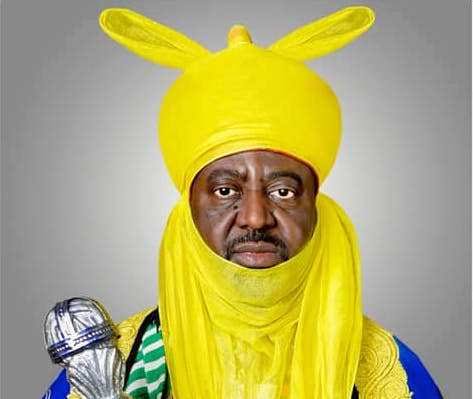
A Kano State High Court has once again issued an order preventing the 15th Emir of Kano, Alhaji Aminu Ado Bayero, from carrying out renovations to the Nassarawa Mini Palace.

The legal action was initiated by the Kano State Government, the Attorney-General of Kano, and the Kano Emirate Council, who filed a motion through their counsel, Rilwanu Umar SAN, on September 12.

They requested the court to stop Ado-Bayero from making any changes to the palace located along State Road in Kano.

In her ruling, Justice Dije Abdu-Aboki, the Chief Judge of Kano State, found the applicants’ request valid, noting that the Emir had neither submitted a counter affidavit nor provided a written defense.

Abdu-Aboki referred the case to High Court 15 for further proceedings.

During the session, counsel for the applicants argued that Bayero had been removed from his position by the Kano State Emirate Council Repeal Law of 2024.

Despite being served on September 14, the respondent had not filed a response or appeared before the court.

The applicants also requested that the court declare the Nassarawa Mini Palace as the property of the Kano State Government and the Kano Emirate Council, not the personal property of Ado-Bayero.

Previously, on September 13, the court issued an Interim Injunction, preventing the Emir and his representatives from demolishing, renovating, or making any alterations to the palace until the case is resolved.

The court ordered that the status quo regarding the palace’s structure and design be maintained during the legal process.

Governor Inuwa hails appointment of Prof. Ibrahim Garba as ATBU vice-chancellor

By Abdullahi Mukhtar Algasgaini

Gombe State Governor, Muhammadu Inuwa Yahaya, CON, has congratulated Professor Ibrahim Hassan Garba on his appointment as the new Vice-Chancellor of Abubakar Tafawa Balewa University (ATBU), Bauchi.

Prof. Garba hails from Yamaltu-Deba Local Government Area of Gombe State. His appointment, which takes effect from today, October 10, 2024, was approved by the ATBU Council at its 30th Special Meeting on October 9, 2024.

Reacting to the development, Governor Inuwa Yahaya praised Prof. Garba’s exceptional career and his commitment to academic excellence.

“We are proud of this illustrious son of Gombe whose elevation to this prestigious office brings honour not only to him but to our entire state. His wealth of experience and academic leadership will undoubtedly steer ATBU towards greater achievements, particularly in promoting innovative research, academic excellence, and international collaborations. We are confident that under his stewardship, ATBU will continue to be a citadel of knowledge and innovation in Nigeria and beyond”.

The Governor also assured the new Vice Chancellor of the solidarity and goodwill of the people of Gombe State, expressing confidence that Prof. Garba’s tenure will bring positive changes to the university and strengthen its reputation as a leading institution of learning in Nigeria.

Prof. Garba, a 1992 graduate of the University of Maiduguri and a renowned professor of biochemistry, has held various key positions at ATBU, including serving as the Dean of the Faculty of Science, Deputy Vice-Chancellor (Administration) on two occasions, Chairman of the Academic Staff Union, and most recently as the Center Leader of the ATBU-World Bank collaborative program, SPESSE.