Month: July 2023

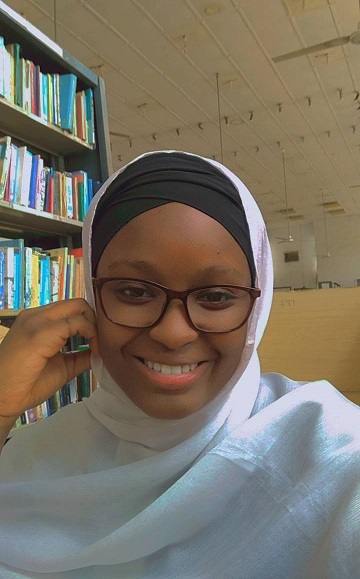
Zaria public library or a shattered bed of bats and rats? A call upon the government

By Maryam Shehu

I write with a heavy heart and bleeding eyes to the extent that my sights are closed, and I can’t catch a glimpse of the words that percolate through my pen.

Zaria is known as the heartbeat of its state, moving from its social amenities and the acuity of its residents and advocates. It won the best award for breeding leaders and world scientists with excellent records of surveillance and stateliness.

Its leaders have incentives for every eclipse and malady, but I am yet to have a vision of the sad situation of its library. Does that spell another prestige or a paralyzing facet of its artistry and reading culture? Only God knows how much a lack of a library plays in the eruption of the educational sector and traditions.

 ‘Mostly students within Zaria from the 1980s used the Public Library, but now it remains only the building’; this was what I saw as a description of a group named ZARIA PUBLIC LIBRARY FRIENDS on Facebook… A very disheartening description, indeed! Does that mean education ended in Zaria after those days, or is it only for those in the 1980s? Oops, I can’t uphold the irritation!

Everyone that often visits the place is a bystander to how barren and malodorous the place is, the books are outdated, and the shelves are scanty and scattered to the magnitude that one can not confidently point to a visitor or a person who has been reading about or watching notable libraries.

I write for the government or any other personnel responsible for the library to reminisce, if forgotten, about the virtues and diamonds behind refurbishing the library and its roles in developing a state/LG with few ravines of mine. These are:

First, it supports the educational sector: Education is the bedrock of every progressive state. It soothes every rough wall for governance. Whenever/ wherever a state owns a gear of education and capitalize its residents with the necessities, that administration is said to have grappled with every hole of unemployment, insurgency, and other suppressed deed that might lead to the tumult of any governance. It can contribute to nation-building and reconciliation. As said by Nelson Mandela, “Education is the most powerful weapon you can use to change the world”.

Second, it preserves the cultural heritage of the society: A rich cultural heritage defends how the residents maintain its distinctiveness and sets it as a mirror to look at by young ones. We have different skin colours, languages, and marks, and our clans mingle with others (good/bad), but the pictures we sow in their hearts and books are those that could reflect and defend their susceptibilities. The library is the only place where those scrapbooks and photographs could be carefully salvaged.

Third is the provision of useful textual materials: The availability of a standard and substantial library provides advantageous scripts and materials for self-development and implementation of a basic constitution… It helps especially those from underprivileged backgrounds.

Fourth, it also provides an avenue for recreation and relaxation. Libraries are one of the most significant factors that lead to the development of arts and crafts; they create seats for all crawling and professional clubs and carve stages. It composes words for artists and other microphones partners.

Furthermore, it also provides and enhances reading culture. As the slogan says, ‘Readers are leaders’; likewise, writers and other mellow people, we succeed by reading from the served letters of our antecedents. And many people strive to be voracious readers but the lack of money to buy books drag their necks back and turn their faces from the papers by furnishing the library; that surely could be a buzzer to the sleeping readers.

With the above few ravines of mine, I hope the government and other related personnel are persuaded and forecast how much renovation of the public library could make their governance suitable and memorable and how lack of it will keep draining the administration. We hope you listen to our dried throats and reconstruct our shattered floors.

Maryam Shehu wrote from Zaria via maryamshehu6354@gmail.com.

The cost of anger

By Ibrahim Suleiman Ibrahim

On 9th July 2006, legendary footballer, Zinedine Zidane, was sent off the pitch in the 110th minute of a fierce World Cup final match in Berlin, Germany, after he infamously headbutted Italy’s Marco Materazzi.

Zizou, as he’s fondly called, was very phenomenal during his time and is considered one of the greatest footballers of all time. He was renowned for his unique playmaking and elegance. His exploits at the 1998 world cup and other competitive tournaments a few years after cannot be overemphasized. It’s just sad he ended his football career in such an infamous way.

During the world cup final match, France was on the advantaged side, with a higher tendency to win the game. Zidane, who was the French captain, had earlier netted a penalty against legendary Italian goalkeeper Gianluigi Buffon in an audacious ‘panenka’ style to give France the lead. The Italian team later equalized through a header from Materazzi during a corner kick.

Thereafter, there was a fierce battle, and both teams were on the offensive until the match went to extra time. All eyes were on Zidane to see the French team regain the lead, but Zidane couldn’t control his temper against provocative Materazzi during the 110th minute of the game, hence the costly mistake of headbutting Materazzi.

He was sent off by the referee after some reviews, and the game did not remain the same after that. Italy went on to win the game with 5-3 on penalties after the end of the extra time.

Although Materazzi was reported to have trash-talked Zidane’s family during a supposed harmless encounter, which was what triggered the physical assault from Zidane, such a reaction, if necessary, was ill-timed, owing to the importance of the game to his football career.

That violent reaction not only cost him the opportunity to win what would have been his second world cup trophy but was also popularly believed to have thwarted his chances of winning what would have been his second Balon D’or award in 2006.

Some emotional speculators, however, hailed Zidane for standing up for his family, but many others, like myself, saw it as a costly overreaction from his side. 

And that was the last time we would ever see Zidane play football.

Meanwhile, Zidane didn’t let that unforgettable event weigh him down, as he went ahead to become one of the most successful managers in history. He won 3 consecutive champions league titles in his first stint as Read Madrid’s Manager.

Nonetheless, despite the huge successes both as a player and as a manager, you can’t mention Zidane’s name today without picturing the infamous moment at the 2006 World Cup final. That is how injurious reactions triggered by uncontrolled anger can be.

___________

Morals: “Anger is an acid that can do more harm to the vessel in which it is stored than to anything on which it is poured”. –Mark Twain

Unravelling the mystery of hormonal imbalance

By Ummusalma Farouq Sambo

Hormonal imbalance is a nightmare for many women. Being unspoken by society and an enigma to most women is why I am writing this piece.


Many marriages/relationships are affected by the concurrent hormonal imbalance in women. The lack of knowledge from men on the topic leads to lots of misunderstanding about us women. I believe we can solve this problem by teaching women what is wrong with their bodies and enlightening men about how some women are created.

Let’s start by knowing what hormones are in a simple human context.

Hormones are chemical messengers produced by various glands in the body. They are released into the bloodstream and travel to different body parts to regulate and control multiple functions. They are crucial in coordinating processes like growth, metabolism, reproduction, and mood. They act as signals, transmitting information between different organs and tissues to help maintain balance and harmony within the body.

However, maintaining hormonal balance is no easy feat. Our bodies are like a complex ecosystem, and even the slightest disruption can throw these delicate hormones into disarray. Stress, poor lifestyle choices, and certain medical conditions can all wreak havoc on this delicate equilibrium, leading to hormonal imbalances and a host of unwelcome symptoms.

Symptoms Of Hormonal Imbalance

Living with hormonal imbalance is like navigating a maze of unexpected twists and turns. As a woman, I know firsthand the impact it can have on our lives. Let’s look at the signs that can help us unravel the mystery of hormonal imbalance.

  1. Rollercoaster of Emotions: Imagine waking up overwhelmed by sadness, only to burst into tears moments later. Hormonal imbalance can unleash a rollercoaster of emotions, leaving you feeling irritable, anxious, or inexplicably down. These emotional ups and downs can disrupt your relationships, work, and well-being.
  2. Mysterious Weight Fluctuations: Have you ever diligently followed a healthy diet yet struggled to lose weight? Hormonal imbalance may be at play. It can wreak havoc on our metabolism, leading to unexplained weight gain or difficulty losing weight, no matter how hard we try.
  3. Battle of the Breakouts: Acne isn’t just a teenage problem. Hormonal imbalances can trigger frustrating breakouts, even in our adult years. Those pesky pimples that seem to appear out of nowhere? They could be a red flag indicating that our hormones are out of whack.
  4. Energy Dips and Fatigue: Feeling like you’re constantly running on empty? Hormonal imbalance can drain your energy levels, leaving you feeling fatigued and exhausted. Staying focused and productive becomes a daily struggle; even the simplest tasks can feel like climbing Mount Everest.
  5. Menstrual Mayhem: Our monthly cycle can offer valuable insights into our hormonal health. Irregular periods missed periods, frequent periods, stopped periods, heavy flows, or excruciating cramps might indicate that our hormones are imbalanced. These disruptions bring physical discomfort and disrupt our plans and routines.
  6. Sleepless Nights: Tossing and turning, unable to find that elusive state of blissful slumber? Hormonal imbalance can wreak havoc on our sleep patterns, leaving us staring at the ceiling in frustration. It becomes a vicious cycle where lack of sleep further exacerbates hormonal imbalances.
  7. Vaginal dryness and itching
  8. Hyperpigmentation of the skin
  9. Puffy face
  10. Decreased or increased heart rate
  11. Weakened muscles
  12. Pain in the muscles, tenderness, and stiffness
  13. Pain and swelling in the joints
  14. Depression
  15. Infertility
  16. Anxiety or irritability
  17. Purple stretch marks

Causes and Contributing Factors of hormonal imbalance

Throughout different stages of life, hormonal changes play a significant role in our bodies. Puberty, pregnancy, perimenopause, and menopause are all periods when our hormones fluctuate, potentially leading to imbalances. These natural transitions can sometimes throw our delicate hormonal equilibrium off track, causing different symptoms.

But it’s not just natural life events that affect our hormones. Our environment and lifestyle choices also play a vital role. The relentless stress of modern life, poor diet, and lack of exercise can all contribute to hormonal imbalances. Stress, in particular, can disrupt the delicate dance of hormones in our bodies, throwing them out of whack and causing confusion on our physical and emotional well-being.

In addition to external factors, underlying medical conditions can disrupt hormonal balance. Polycystic ovary syndrome (PCOS), thyroid disorders, and insulin resistance can all contribute to imbalances. These conditions require careful attention and management to restore hormonal harmony.

Other factors that can cause hormonal imbalances are

  • Pregnancy
  • Breastfeeding
  • Primary ovarian insufficiency
  • Hypogonadism
  • Cushing syndrome
  • Benign or cancerous tumours
  • Eating disorders
  • Stress
  • Hormone therapy
  • Thyroiditis
  • Congenital adrenal hyperplasia
  • Medications
  • Cancer treatments 

Seeking Balance and Restoration

I’ve discovered that a holistic approach is vital when restoring hormonal balance. It’s not just about popping a pill or relying solely on medical interventions; it’s about embracing a lifestyle that supports my overall well-being. Let me share with you some strategies I’ve found helpful on my journey:

  1. Nourishing my body with a balanced diet: I’ve come to appreciate the power of food in nurturing my hormones. Incorporating whole foods, like colourful fruits and vegetables, lean proteins, and healthy fats, has made a remarkable difference. I’ve also minimised processed foods and refined sugars, which can disrupt hormonal harmony.
  2. Moving my body regularly: Exercise has become my secret weapon in regulating hormones and reducing stress. Whether it’s a walk, a yoga session, or a gym, finding activities I enjoy has made incorporating movement into my daily routine easier.
  3. Prioritizing quality sleep: I used to underestimate the importance of sleep, but now I recognise its profound impact on my hormonal health. Creating a calming bedtime routine, minimising exposure to screens before bed and ensuring a comfortable sleep environment help me achieve more restful nights and wake up refreshed.
  4. Managing stress effectively: Stress can cause unwanted problems with our hormones, so finding healthy coping mechanisms has been crucial. I’ve explored various stress management techniques, such as meditation, deep breathing exercises, writing, and spending time in nature. These practices have helped me find balance and reduce the adverse effects of stress on my hormonal well-being.
  5. Embracing self-care rituals: Taking time for myself has become a non-negotiable part of my routine. Whether indulging in a relaxing bath, enjoying a good book, practising mindfulness, or engaging in creative hobbies, these self-care routines have provided a much-needed sanctuary in my busy life and supported my hormonal balance.

While lifestyle changes have been impactful, it’s essential to acknowledge that sometimes medical interventions are necessary. Consultation with healthcare professionals, such as doctors or endocrinologists, can provide further guidance and options tailored to your specific hormonal needs.

Remember, seeking balance and restoration is a personal journey, and what works for me may be different for you. The key is to listen to your body, be patient with yourself, and make gradual changes that align with your goals and values. Embrace your power in taking control of your hormonal health and nurturing your overall well-being.

Empowering Women and Promoting Awareness

We have to prioritise our health as women. We must prioritise our health and well-being, including taking care of our hormonal health. I can’t stress enough how important it is to listen to our bodies and pay attention to any changes or symptoms we may be experiencing. Whether it’s irregular periods, mood swings, or unexplained weight gain, these signs could be indicators of hormonal imbalance. By proactively seeking help when needed, we empower ourselves to regain control over our bodies and overall health.

Knowledge is power when it comes to hormonal imbalance. Knowledge truly is power. Educating ourselves about the intricacies of our hormones, the factors that can disrupt their balance, and the potential impact on our well-being allows us to make informed decisions. We can debunk myths, challenge misconceptions, and advocate for our health by staying informed. Let’s empower ourselves with knowledge and spread awareness among our friends, family, and communities so that no woman feels alone in her journey to understand and manage hormonal imbalance.

You are not alone. Dealing with hormonal imbalance can sometimes feel overwhelming, but remember. You are not alone. Building a support network can be incredibly empowering. Reach out to trusted friends, family members, or even online communities where you can connect with other women going through similar experiences. Sharing your challenges, seeking advice, and supporting others can create a strong sense of solidarity and help you navigate this journey confidently. Together, we can uplift and inspire one another to embrace self-care and take control of our hormonal health.

For our men, patience and understanding of how a woman’s body is created will help you to understand us much better. On days that we don’t feel like talking or laughing, we understand we are fighting an unknown battle and that only your love will help suppress our pains.

Ummusalma Farouq Sambo wrote from Kano. She can be contacted via salmerhsambo@gmail.com.

Osinbajo gets new appointment

By Ahmad Deedat Zakari

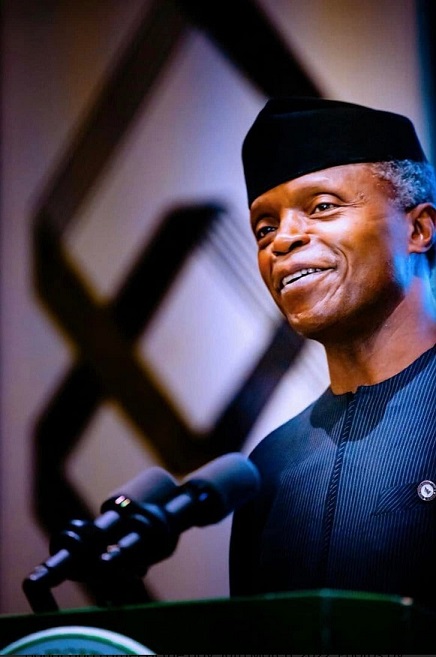
The immediate former Nigerian Vice-President, Professor Yemi Osinbajo, has been appointed Global Advisor to Global Energy Alliance for People and Planet (GEAPP).  

The former VP disclosed his new appointment in a tweet on Tuesday. 

He is to assist GEAPP’s mission of clean energy and facilitate deployment in developing countries.

Announcing the appointment, he wrote : ” I am excited to announce that I have been appointed Global Advisor to Global Energy Alliance for People and Planet @EnergyAlliance.”

While commending the GEEAP, he also said:

“GEAPP in such a short period have demonstrated a commitment to support developing countries’ shift to a clean energy using models that ensure universal energy access as well as drive economic growth, generate jobs & sustainable livelihoods and meet urgent climate goals.”

Bandits kill policemen in Zamfara

By Muhammadu Sabiu

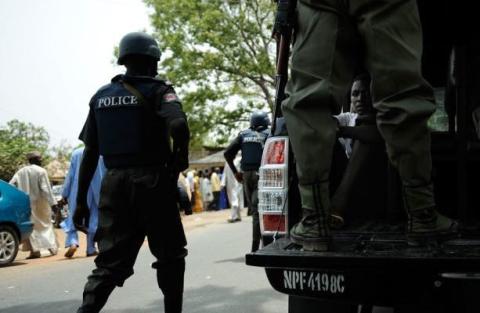
Armed bandits on the Gusau-Sokoto route in Zamfara’s Bungudu Local Government area are reported to have slain four police officers.

According to a local who identified himself as Haruna Musa, the bandits ambushed and shot the police officers who were on duty on the road on Monday.

He stated that the bandits opened fire on the police officers who were stationed at a roadblock they had set up not far from Bungudu town, killing four of them.

Musa was quoted as saying, “The police officers were on duty and mounted a roadblock not knowing that the bandits were hiding in a bush near the roadblock.

“The bandits suddenly came out of their hiding place and opened fire on the police officers, killing four of them.”

The Daily Reality (TDR) understands that the police public relations officer in the state police, SP Yazid Abubakar, confirmed the attack.

However, he noted that he was not aware of whether or not a police officer was killed during the attack.

Student Loans: Good or bad?

By Kasim Isa Muhammad

In 2016, Femi Gbajabiamila, the immediate former Speaker of the 9th House of Representatives, took a bold step by introducing a bill to address the financial challenges faced by students in higher education institutions nationwide. The proposed legislation, known as the Student Loan Act, sought to provide students with access to loans from the federal government to alleviate the burden of educational expenses. After its initial introduction, the bill was later reintroduced in 2019. However, when it resurfaced in 2022, it sparked a heated debate within the National Assembly, with members expressing divergent views.

The revival of the Act triggered intense discussions and disagreements among the members of the National Assembly. On one side, some legislators strongly supported the motion, citing the potential benefits of student loans for expanding access to education and reducing financial barriers. Proponents of the bill argued that it would provide equal opportunities for students from various socio-economic backgrounds, enabling them to pursue higher education without financial constraints.

Lo and behold! On June 12, 2023, President Bola Ahmed Tinubu signed the Student Loan Bill into law, demonstrating his administration’s commitment to strengthening the country’s educational sector.

Although concerns have been raised regarding the extent of student access to these loans, considering the persistently high rate of unemployment afflicting the country, One of the key considerations surrounding the implementation of the Student Loan Act is the number of students who will benefit from the financial assistance, as it remains unclear how many students will qualify for and receive loans.

However, some suggested that providing massive job opportunities for graduates would be a more practical approach than granting them loans. This sentiment is echoed by those who believe most graduates possess the skills but lack the capital to enhance their businesses. For instance, providing them N500,000 to start a business could be a viable alternative.

Whoa! The current provision stating that loan repayment begins two years after the completion of participation in the NYSC programme is being questioned. The government should reassess this strategy with graduates struggling to secure employment for up to eight years or longer. Given the prevailing circumstances, it is doubtful that the debt collectors will be able to repay their loans within such a short timeframe.

I was also taken aback when I discovered a particular element of the loan procedure: defaulters risk being fined N500,000 or even being incarcerated for up to two years. This revelation left me astounded and raised an essential question in my mind. Is it, not a grave injustice to punish our helpless teeming youths who are already battling to secure jobs with imprisonment simply because they cannot repay their loans?

The fundamental component of the loan process that exceedingly caught my attention is the requirement for students to provide at least two guarantors who must meet specific criteria, such as being a civil servant of at least level 12, a lawyer with at least ten years of post-call experience, a judicial officer, or a justice of the peace. This provision raises concerns, particularly for individuals residing in rural areas or those without any relatives in government positions who could serve as guarantors.

Since the loan programme intends to support the financially disadvantaged, the requirement of guarantors with specific professional backgrounds seems to create a barrier for those who lack connections with people in high positions in the government. 

Another facet of the Act that appears contradictory is the provision that a student’s family must have an income of less than N500,000 to qualify for the loan. This condition seems to limit the accessibility of the loan to only a select few people, raising questions about the effectiveness and inclusivity of the loan act.

Setting an income threshold may have been intended to target students with financial constraints, ensuring that those with the greatest financial need receive the necessary support. But the specific income limit of N500,000 may inadvertently exclude many students who could benefit from the loan.

Considering the drawbacks of the Loan Act, it becomes evident that the federal government should augment its efforts to fund tertiary institutions across the country. By so doing, education can become more affordable and accessible to a broader range of students.

Likewise, the recent increase in school fees at several institutions, including UNIMAID and BUK in the northern part of the country, highlights the pressing need for government intervention. While providing student loans is one possible solution, addressing the underlying issue of inadequate budgets for public universities is essential. By allocating sufficient funds to 109 public universities—50 federal and 59 state institutions—education can become more affordable for students.

The United Nations Educational, Scientific, and Cultural Organisation (UNESCO) recommended that developing nations give up to 15–20 per cent of their annual budget to public education. Nigeria’s allocation to the Education sector has not been meeting the UNESCO standard.

Dataphyte, a media research and data analytics organisation aiming to deploy data tools and technology for Nigeria’s socio-economic development, stated that the education budget analysis between 2016 and 2022 shows that the education sector has not received the recommended 15%.

This has indicated that the government at all levels should prioritise funding for education as a necessary step before implementing student loans. By addressing infrastructure deficiencies, making education affordable for underprivileged students, and providing needed resources, the government can create an environment where all students have equal opportunities to succeed. Investing in education will yield long-term benefits for people and society, fostering development and ensuring a brighter future for future generations.

Kasim Isa Muhammad is an investigative journalist who contributes as a full-time journalist at both Kanempress and The Citizen Reports newspapers.

Should we donate blood for free if recipients have to pay for it?

By Bello Hussein Adoto

One, two, three. Every three seconds, someone somewhere is receiving blood, and they don’t know where it comes from. The person could be an accident victim with a broken leg, a woman bleeding after birth, a sickle cell patient hanging on to life, a man with haemophilia whose blood just won’t clot, or a snakebite victim whose cells are lysing away.

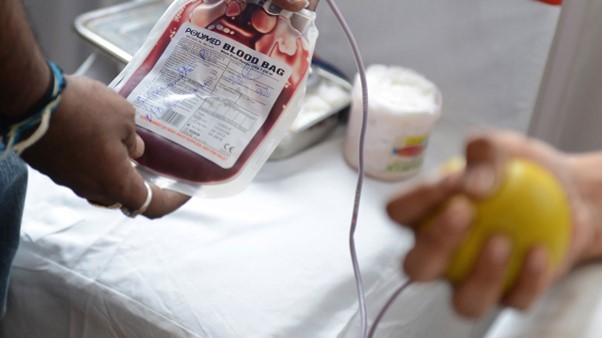
Three seconds. Someone is on the bed, being saved with another person’s blood. That blood could be yours—one pint drained from your body in ten minutes every three months (men can donate up to four times a year). Sometimes, it doesn’t take more than that to save a life.

Unfortunately, many people don’t donate blood because they frown at the idea that hospitals “sell” the blood they donate for free, so it is better that they don’t feed what they see as an unwholesome trade. Why should we donate blood for free if recipients have to pay for it? Let’s unpack the answer.

Blood is free. Hospitals—public ones, at least—don’t sell blood.

They collect service charges ranging from five to eight thousand naira in public hospitals to cover the cost of screening, collecting, bagging, storing, matching, and transfusing blood. The service charge is like revolving funds that keep the blood flowing from the donor to the patient.

Is it criminal? Not quite. Hospitals get blood from unpaid voluntary donors and relatives of transfusion recipients who donate to replace the blood their loved ones received. A third source is those who get paid for donating blood. However, getting blood from paid donors is discouraged for ethical and safety reasons. Whatever the source, blood recipients are required to pay processing fees to cover the cost of getting blood and transfusing it safely.

Let’s face it. Healthcare is subsidised, but it’s not free. The government can only pay for so much. Hospitals need facilities to receive donors and collect their blood. They need equipment, test kits, and reagents to screen the blood; bags and anticoagulants to keep the blood fluid and aseptic; storage units to keep the blood stable enough to be useful to the patient. These cost money and that’s the service charge that patients and their relatives pay.

The need for blood for voluntary blood donation is high in Nigeria. According to a recent National Blood Services Commission (NBSC) report, only 25% of blood transfusion demand is met in Nigeria. Unpaid voluntary donation closes the demand gap for blood donation. It makes blood available to patients, especially those with rare blood types and those needing many pints of blood.

While you are welcome to share your concerns about patients having to pay for blood, please don’t let that discourage you from donating. People need blood, and that need is critical. Malnourished children, pregnant women, people with severe malaria, and those with sickle cell disease are among the top groups in this category.

Your blood could be the difference between someone staying alive or dead. Imagine your younger sister or a parent desperately needs blood, but blood banks and reserves are depleted due to a lack of willing donors. What do we do then? Even if you worry that recipients will eventually have to pay for it, your blood gives them something to pay for.

Besides, your donation makes blood available so that desperate patients and their relatives don’t have to get it from the so-called black market, which is more expensive.

Beyond donating, you can raise awareness for other people to donate. As of 2022, only 8% of transfused blood in the country was voluntarily donated. We need more unpaid voluntary donations to make blood more accessible to those in need.

Transfusible blood is obtained only from humans. We can’t manufacture blood like normal saline or get it from animals like insulin. So, people need to donate blood.

We must also make the case for better investment in our health system. Many public hospitals across the country cannot collect or store blood. They often ask patients’ relatives to look for donors or collect and keep blood that may not be useful for transfusion. Better hospital facilities and more laboratory supplies will buffer these limitations and improve the quality of blood transfusion in Nigeria.

While I don’t deny that unscrupulous elements could profit from the blood trade, we need to see the bigger picture. Blood donors serve a great need. Your donation makes blood readily available and accessible to everyone. So, please, go out there and donate. You are saving a life.

Adoto, a researcher, writer, and journalist, writes via bellohussein210@gmail.com.

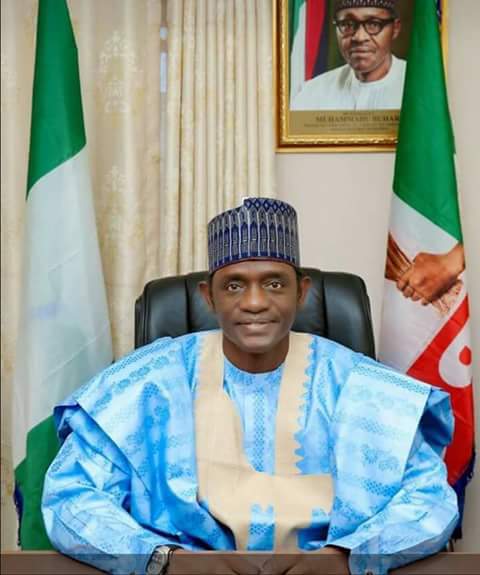
Open letter to Governor Mai Mala Buni on sickle cell patients in Yobe State

Dear Governor Mai Mala,

I write to you with the utmost respect, acknowledging the positive impact you have made in the healthcare sector of Yobe State. I would like to commend you for your notable efforts in providing health insurance slots to sickle cell patients through YSCHMA, as well as the provision of free drugs and food items to these individuals via YOSEMA.

However, despite these commendable initiatives, it is crucial to address the issue of sickle cell disease, which continues to affect numerous children in Yobe State, making it one of the states with the highest prevalence.

Your Excellency, in certain Local Government Areas (LGAs), such as Potiskum, the specialist hospital lacks an emergency ward that caters to the needs of sickle cell patients and others requiring immediate medical attention. The existing emergency ward at the specialist hospital in Potiskum is operating at a limited capacity.

Hence, I kindly request that you prioritise the establishment of an emergency ward dedicated explicitly to sickle cell patients or consider expanding the current ward at the specialist hospital in Potiskum and other LGAs that lack such facilities.

Furthermore, I urge you to continue the excellent work you have initiated by enrolling sickle cell patients into the health insurance program. This ongoing support will significantly improve their access to necessary medical services.

Lastly, while I am aware that employment opportunities are open to all state indigenes, I would like to draw your attention to the plight of sickle cell patients. Considering the challenges they face and the presence of many educated individuals among them, I humbly request your favour in providing job opportunities for some of these deserving sickle cell patients.

Thank you for your attention to these matters, Your Excellency. I hope your continued efforts will bring about positive changes in the lives of sickle cell patients in Yobe State.

Yours sincerely,

Mohammed Madu Bukar

madubukarmohammed@gmail.com

Asibitin Mal, Potiskum, Yobe State.

The criminogenic environment

By Lawi Auwal Yusuf

The nexus between our social environment and human behaviour is relevant in explaining Nigeria’s formidable crime rates. First, it is essential to understand the significance of socialisation in behaviour development.

Human interactions on both micro and macro levels provide a flawless context for learning behaviour from others. This learning occurs through these interactions that directly shape the socialisation process through observation of one’s environment, imitation, role modelling and expectation development.

So, human behaviour reflects what is learned in daily interactions with others. This socialisation process is influenced by individuals’ intimate groups and role models who similarly clout those close to them and serve as others’ source of learning.

Thus, deviation from society’s consensual values is not considered an innate human character predetermined by biological, psychological and or other natural factors, as argued by most social learning theories. Instead, it is a product of socialisation that determines the development of human behaviour through our perpetual interactions.

Given the foregoing, criminousness is like all other human behaviour spawned by social interaction. To wit, criminalness isn’t spontaneous. Untainted persons acquire their “knowledge” from external sources as they observe the tainted ones carrying out criminal behaviours. They learn and, subsequently, effectuate them.

Parents keep an eye on those your wards reach out to and teach them to avoid the toxic ones. Perhaps more importantly, don’t let those you are cynical of be their buddies. Be their pal yourself.

Lawi Auwal Yusuf wrote from Kano and is contactable via laymaikanawa@gmail.com.

How I bade ‘welcome’ to the labour market

By Ibrahim Suleiman Ibrahim

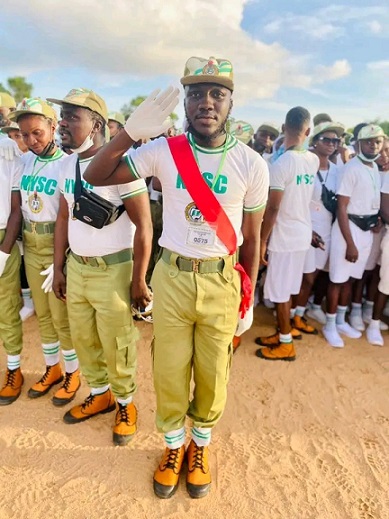
The 7th of July marked exactly one year since I completed my NYSC, and so far, it has been an educative and worthwhile experience – Alhamdulillaah!

Let me tell you a story about my first experience in the labour market. The story goes thus;

A few days after the formal completion of my NYSC, I thought I should start job-hunting immediately. I said to myself then, “It’s better to strike while the iron is still hot”, what the Hausa people call “Da zafi zafi ake dukan ƙarfe“. I thought it was a prompt decision I made, forgetting that some of my colleagues with whom I completed NYSC had already secured lucrative jobs long before we completed NYSC. 

I didn’t let that discourage me anyway. “They are children of the elites, after all”—I said to myself. 

Another thing that motivated me to an immediate and unrelenting job-hunting was the fact that the Certificate of National Service, which used to be a barrier to so many opportunities I missed during my service year, had become handy at that time, and would no longer affect subsequent opportunities that might come.

So, to commence the job-hunting. I started following popular job sites and physical employers for job opportunities and ensured I did not let any job advert or link pass me by without applying. All these, I did with much confidence and hope to get a good job in no distant time.

One fateful evening, not up to a fortnight after the commencement of my job-hunting journey, while I was reclining on the sofa, I got a text message that reads thus;

“Congrats u have been shortlisted for our company Orientation on Monday 18/07/22 at 2nd floor, XX building Beside XXX Bank by XXXXX way Opposite XXXXX Road Kaduna, by 8:30 am.”(some information about the venue deserves confidentiality, hence the XXXX).

It was a text message from a random 11-digit phone number informing me that I had been shortlisted for a job and inviting me to an orientation exercise to mark the commencement of the job.

I was hellbent on getting a ‘better job’ that I didn’t even pay attention to the sheer informality and unprofessionalism in the text message I got. 

It is noteworthy that I already had a job I was managing then, but I was eager to get better opportunities since I was done with NYSC and expectations were very high.

So, I dressed my best on the scheduled morning for the orientation exercise and prepared for a possible interview that might come up during the orientation.

It will baffle you to know that I wasn’t even sure which of the jobs I got, but I was confident it would be better than the job I was managing then.

On reaching the venue, I saw a crowd of young people queuing in front of a desk officer for documentation and trooping into a large hall afterwards.

Long story short, I got into the hall after the tedious documentation process and later discovered that I was cheaply lured into attending a ‘Neolife’ lecture—Neolife is one of those tricky investment schemes claimed to be a foreign investment company, filled with a bunch of jobless people, where your income solely depends on the number of people you successfully convince into investing in the scheme. 

They indoctrinate the belief that you could become a multi-millionaire in a few months of investment if you successfully convince people to join the scheme. They tell you about how useless it is to seek salary jobs and how important it is to invest your whole savings into Neolife. They’ll tell you stories of one of their colleagues living in Europe, making millions of dollars due to investing in Neolife.

I felt disappointed and heartbroken to discover that I finally got lured into attending their lecture because of my naivety as a fresh graduate. I have spent my whole life avoiding the agents and promoters of such schemes.

That day I bade an official “Welcome” to the labour Market.

I have more stories about my labour market experience, but I’m indisposed to write about them now; perhaps, I’ll do that leisurely as time passes.

Ibrahim Suleiman Ibrahim wrote via suleimibrahim00@gmail.com.