Month: October 2022

Kano 2023: Why Bala Gwagwarwa is the best man for the job

By Ibrahim Uba

Many observers have already concluded that no gubernatorial election in Kano has ever drawn more aspirants like the forthcoming 2023 election. There are over ten politicians who are vying for the governorship position. All these contenders have started their publicity campaigns, creating political razzmatazz on social media, radio stations, and across every nook and cranny of Kano state.

I carried out some research about each of the aspirants and also studied their campaign activities carefully. Some appear to lack experience and competence to govern the great Kano state, while others adequately fit the job. But I form an opinion that Bala Gwagwarwa, of SDP, is the overall best for the following reasons:

1. Of all the aspirants, Gwagwarwa is the only one who held leadership positions in all three tiers of government — local, state and federal. He served as local government chairman, commissioner for water resources; commissioner for science and technology; and national treasurer of the All Progressive Congress (APC). None of the other aspirants has as huge hands-on administrative experience as he does.

2. From his interviews and speeches, Gwagwarwa is very aware of how people suffer from growing poverty, especially in rural communities. He also seems to understand all the needs clearly and wants of the Kano people. The recurrent statement in all his speeches is that:

 “When I am elected as the governor of Kano, my administration will prioritise vital sectors of the economy. I will not concentrate on insignificant projects of building flyovers and underpasses which have nothing to do with the economic progress of the people. My administration will  empower the poor and restore the autonomy of local governments to help the development of rural communities…”

3. Moreover, while the rest candidates are campaigning through splashing money and political mobilisations, Gwagwarwa’s campaign focal point is explaining his blueprint and plan of action. He is fully prepared and ready to swing into action from day one. I was awed at his recent interview on radio stations, where he skillfully explained ways to revitalise small business owners in Kano.

4. Gwagwarwa is also well-educated and visionary. Moreover, he is a man with a good disposition and charisma that the Kano people will be proud to call their governor.

I hope the good people of Kano state will pay attention and vote wisely. Any aspiring candidate who is inexperienced and/or without a manifesto doesn’t deserve our votes. We tried many, but they failed us. Our inability to vote for the right people is the main problem.

May Allah make the best of choices for us, Ameen!

Ibrahim Uba wrote from Kano via ibrahimuba752@gmail.com.

Just In: KASU gets new vice-chancellor

By Sumayyah Auwal Ishaq

The Governor of Kaduna State, Malam Nasir Ahmad El-Rufa’i, has appointed Prof. Abdullahi I. Musa as the substantive Vice-Chancellor of the Kaduna State University (KASU).

A statement made available to journalists in Kaduna shows that Prof. Musa is the current University’s librarian.

He holds a PhD in Library Science from Emporia University, Kansas, and an MBA from Bayero University, Kano (BUK).

The new vice-chancellor also obtained his bachelor’s degree in Library Science from BUK and a master’s in Library Science from Ahmadu Bello University (ABU), Zaria.

After N6m ransom, my abductor gave me N2000 transport fare – Victim

By Uzair Adam Imam

A woman who regained freedom from bandits’ captivity said her abductors gave her N2,000 as transportation fare after collecting N6 million ransom from her husband.

The woman, Hajiya Fatima Ibrahim, said this when she appeared before a High Court in Zaria as prosecution witness (PW).

She was testifying as PW two at the resumed hearing of the case at Kaduna State High Court 1, Dogarawa Zaria.

Hajiya Fatima recounted, “On Jan. 2, 2021, in the night, I heard some strange noises in the house. As I woke up and switched on the lights, I saw the four defendants with a gun and machetes.

”They wanted to know where my husband was. I told them he was away. They kidnapped me and took me to Galadimawa Forest in Giwa Local Government Kaduna state after they had taken away money, children’s clothes and other valuables from the house.

”They called my husband and negotiated a ransom of N6 million to be paid in two instalments. The money was paid in my presence and the fourth Defendant (Usman) gave me N2,000 out of the money as transportation fare,” she told the court,” she stated.

She added that the defendants directed her on where to board a vehicle that will take her home and assured her that nothing will happen to her.

The police charged the arrested Dalhatu Shehu, Lawal Aliyu-Bullet, Nuhu Ismaila and Nura Usman with criminal conspiracy, armed robbery, illegal possession of a firearm and kidnapping.

The police said the offence contravenes the provisions of sections 59 (1), 246 (a-b) of the Penal Code and section 6 (b) of the Fire Arms Special Provision Act.

I was not behind your detention – Obi tells El-Rufa’i

By Uzair Adam Imam

Peter Obi, the Presidential Candidate of the Labour Party, denied the allegation made by the Kaduna State Governor, Nasir El-Rufa’i that he was detained during Anambra governorship election in 2013.

El-Rufa’i laid the claim on Monday at an event for presidential candidates organised by the Arewa Joint Committee, saying that Obi ordered security operatives to detain him some nine years ago.

Responding, the LP candidate stated that he was not behind the directive for El-Rufai’s detention in Anambra.

He said, “When I came in now, somebody told me that my brother, the governor of Kaduna state, said that he came to my state and I detained him. Let me tell you, it is good when these things happen, you clarify them.

“Number one, in my eight years of being governor, only in the first three months did I have a commissioner that is not from the north — Commissioner of Police. And that’s because I met the person.

“At the time the governor said this, it was during election. The police commissioner that was there then was from Adamawa — CP Gwari from Adamawa. The AIG that supervised that election was CP Nasarawa from the north. The DIG that came for that election was from Kano.

“Tell me my power, that I was in APGA — government was PDP and APC. Tell me how APGA person will issue order for somebody to be detained. Even me was detained in my local government.

“However, the only offence I committed is that when they asked me, I said ‘that’s how they treat everybody; that I wouldn’t be in Kaduna on the day of election’. That was the only thing.

“I cannot do that. As governor of Anambra state, I had the best ADC in Nigeria — the best policeman. My ADC, Mohammed, is from Kano. He’s the best policeman that I have ever met. Who will I give the order? How will I tell who lives in my house every day; I’m close to his family; I get up and say ‘Mohammed, I want to deal with your people’, and he will stay there.

“Call my ADC today. I will give you his phone number. He’s the best policeman. He’s a CSP now. So, when people say Peter Obi is black. 2019, I was [vice-presidential candidate], I was a good man. Now that I want to be president, I’ve become a bad man. I did not do anything wrong. I want to change Nigeria.”

Menopause: Cognition and Mood

By Aisha Musa Auyo

World Menopause Day (WMD) is held annually on the 18th of October. The purpose of the day is to raise awareness of menopause and the support options available for improving health and well-being. Professionals and women are encouraged to participate in this global awareness-raising campaign by printing and sharing these materials, organising events to engage their communities, and sharing WMD social media posts. The theme for the 2022 WMD is Cognition and Mood

Before going into this year’s theme, I’ll explain the basics of menopause as a reminder and enlightenment for those who do not know much about it.

Menopause happens to most women with an average age of 51 years, but it’s normal to have menopause anywhere between 45 and 55 years – although some women have it earlier or later. Perimenopause is the time leading up to menopause, and postmenopause is the time after the final period. So it’s likely that you have reached menopause if you haven’t had a period for 12 months.

What happens at menopause?

From about 35–40 years of age, a woman has fewer eggs left in the ovaries, so one often doesn’t ovulate (release an egg from your ovary) regularly. Menopause means ovulation and periods stop.

Hormones are chemicals in one’s body that relay messages through the bloodstream. For example, your hormones tell your body to eat and sleep. The three main hormones that change as one approaches menopause are oestrogen, progesterone, and testosterone; change in hormone levels leads to different menopausal symptoms and the menopause transition

1. Perimenopause is the stage before your final period (menopause). It’s when your body reaches the end of its reproductive years. Perimenopause is a natural part of a woman’s life, and it usually happens sometime in her 40s. On average, it lasts four to six years but can also last from one to 10 years.

During this time, your ovaries begin to run out of eggs. This causes hormone levels, particularly oestrogen, to fluctuate, causing different symptoms like hot flashes and mood swings. Changing hormones can also affect your menstrual cycle. For example, your periods may be irregular, shorter (or longer), lighter (or heavier), or they may not come for a few months.

Some months you may ovulate, and other months you may not. You may even ovulate twice in a cycle. Symptoms include: Irregular periods, vaginal dryness, hot flashes, chills, night sweats, sleep problems, mood changes, weight gain and slowed metabolism.

2. Menopause occurs when you’ve stopped producing the hormones that cause your menstrual period and have gone without a period for 12 months in a row. Once this has happened, you enter postmenopause.

3. Post-menopause is the time after menopause has occurred. Once this happens, you’re in post-menopause for the rest of your life. Your hormone levels will remain low, and you will no longer have a monthly period. You can’t get pregnant because your ovaries have stopped releasing eggs.

Most people in post-menopause feel lingering symptoms from menopause. However, the symptoms are less intense. In some cases, they almost disappear. Lingering symptoms are caused by low levels of reproductive hormones. Women in post-menopause can feel symptoms such as hot flashes and night sweats, vaginal dryness and sexual discomfort, depression, changes in sex drive, insomnia, dry skin, weight changes, hair loss and urinary incontinence.

Talk with your healthcare provider if your symptoms become more intense or interfere with your daily life. They may want to rule out any underlying condition causing these symptoms.

How do I manage symptoms of post-menopause on my own? Particular lifestyle or at-home changes can help you manage symptoms of postmenopause. Some of these include:

• Using a water-based vaginal lubricant during sex to make it more pleasurable. Lubricating the vagina helps with dryness and pain.

• Regular exercise, meditation and other relaxing activities can help with depression and other side effects of postmenopause.

• Eating a diet rich in phytoestrogens (plant-based sources of estrogen) such as whole-grain cereals, flaxseed, chickpeas and legumes. Reducing caffeine and alcohol intake has also been shown to help.

Cognition and mood in menopause

Cognition

During the menopausal transition, many women complain of memory problems such as difficulty with words, forgetfulness and “brain fog”, thus suggesting that hormonal changes related to menopause may be responsible for changes in cognition. This is due to the deep connection between estrogen and cognitive function. Still, some lifestyle changes one can make may ease symptoms and improve memory.

For example, you should eat a well-balanced diet; a diet high in low-density lipoprotein (LDL) cholesterol and fat may be bad for your heart and brain. Also, get enough rest, and exercise your body and mind.

Mood

Irritability and feelings of sadness are the most common emotional symptoms of menopause. Often, they can be managed through lifestyle changes, such as learning ways to relax and reduce stress. Here are some tips that may make it easier for you to handle your fluctuating emotions: Exercise and eat healthily; find a self-calming skill to practice, such as yoga, meditation, or rhythmic breathing; avoid tranquilisers and alcohol; engage in a creative outlet that fosters a sense of achievement; stay connected with your family and community; nurture your friendships.

Supporting someone through the menopause

Menopause can be associated with many physical and emotional changes for women, making it a challenging and complicated time.

If you know someone who might be going through menopause or perimenopause, it’s helpful to find out more about how you can support them. For example, some women will drop out of the workforce if not supported. Adapting working policies, such as providing access to flexible working, can help women remain in the workplace.

Learn more about menopause

Getting yourself and others informed is a significant step. It will give you an idea of what your partner, family member, friend or colleague might be going through.

A good first step would be to learn about all the various symptoms of menopause, the impact these symptoms may have on your loved one and others, and the potential treatments and support available.

Listen to them

Communication is key. Ask about how others feel or what they’re going through. It’s essential to keep in mind that not everyone might want to talk about specific symptoms or feelings. It is also important to remember that everyone’s menopause is different, so don’t make assumptions about what they are experiencing. However, letting them know you’re there if they need you will make them feel supported.

Encourage them

They might not feel like doing things they usually would, and their self-esteem might be low. Words of encouragement can help make them feel more uplifted and empowered. Inviting them to engage with various people or activities will also provide opportunities to feel good about themselves even when experiencing symptoms.

Help with their symptoms

An active, healthy lifestyle can ease some of the symptoms of menopause. For example, you can encourage them to go for a walk, swim or try a yoga class to get more active. In addition, changing the ways you spend time together, like cooking a healthy meal together.

Menopause and the workplace

Many women have said that they often find managing symptoms of menopause in the workplace very challenging. Coping with symptoms in the workplace can be hard, especially as many women find it difficult to talk about menopause at work.

Workplaces

It is vital that women feel supported to continue working throughout their menopause. Managers and organisations can make many small changes to ensure workplaces are healthy and welcoming places for women going through menopause.

Supporting staff

Menopause is a normal transition for many women. Thus, employers can contribute to a positive work environment by providing help and support for women who are managing menopause symptoms at work.

Menopausal symptoms can also be protected by employment law. Therefore, it is crucial that managers and colleagues feel informed and comfortable about the symptoms and impact of menopause.

Aisha Musa Auyo is a Doctorate researcher in Educational Psychology, a mother of three, a Home Maker, caterer and parenting/ relationship coach.
Kogi unfit for our investment – BUA Group

By Uzair Adam Imam

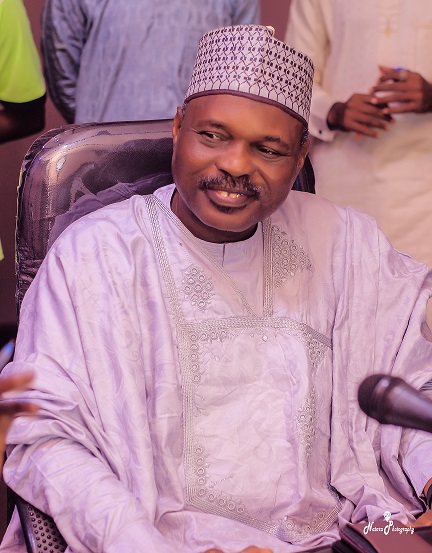
The BUA Group responded to the threat by the Kogi State Assembly to revoke the 500-hectare land allocated to the company a decade ago, saying the group is no longer interested in the land.

On Monday, the Kogi State House of Assembly summoned the cement firm to account for why it failed to pay the premium and other charges.

The assembly alleged that the company did not pay the charges despite being issued a certificate of occupancy

But, the management of the company, in a statement Tuesday, said the feasibility studies had shown that only about 30% of the entire land mass is suitable for their investment, while the rest (66%) consists of rocky, hilly and/or undulating areas.

The company also stated that the government had failed to provide infrastructure to make the area accessible, adding, “The land could also be reached by water.”

This is, however, coming amidst a crisis with the Dangote Group over the ownership of the Obajana cement plant in Kogi State.

The conflict deepened last weekend as the state government and Dangote Cement Plc continued to lay claims to the facility.

Gunfire: Police kill 2 bandits, recover weapons, N8.4m ransom in Bauchi

By Uzair Adam Imam

The police operatives in Bauchi State killed two suspected bandits during an exchange of gunfire and also recovered machine guns and N8.4m ransom generated from victims in the state.

A 20-year-old bandit was also arrested by police in the incident that took place on Tuesday at Maina-Maji village, Alkaleri Local Government Area of the state.

CP Umar Mamman Sanda, the Bauchi State Commissioner of Police, made this disclosure to journalists while parading the suspect on Tuesday.

He added, “Security concerns in our society have assumed alarming dimensions ranging from gender-based violence, thuggery, armed robbery, kidnapping, and banditry, among others.

“This necessitates a review of our modus operandi to contain the current security challenges bedeviling our dear state.

“On 07/09/2022, a patrol team attached to Maina-Maji Divisional Police Headquarters, in collaboration with a vigilante group, acted on credible intelligence and raided a suspected kidnappers’ den.

“On arrival, the kidnappers opened fire on the Police operatives. While returning fire, two of the kidnappers were neutralized at the spot.”

An open letter to Plateau State Governor, His Excellency Barr. Simon Bako Lalong

Your excellency sir,

The people of the Yelwa community have recently received soothing news of your plan to re-install a head for them, who will help revive and fight for the development of the community and beyond. The community had a joyous celebration at hearing this good news because they had long been waiting, praying for such action. Sadly, however, the tribalism-influenced reactions from some of your tribesmen (Goima people) show how envious they are about this long-awaited development.

Three to four days after the news reached every nook and cranny of the community, some rioters from your tribe were all over the streets of Yelwa Shendam protesting against the re-instalment of the new community chief. Their protest didn’t stop there; it got to a point where they violently defaced many cars, attacked innocent passers-by and set some places afire. My dear Governor, what are we going to call this? Terrorism or what?

According to their unreasonable, selfish statements, the people of the Yelwa community must have been under the control of the Nsher community head, which is impossible if Justice is considered. My dear Governor, how on earth can a 30-year-old village be a mother to a 200-year-old community? Is this something to agree with? No. Nsher is a 30-year-old village, while Yelwa is a 200-year-old community. There’s 170 years interval between the two. Therefore, Yelwa is, whether they like it or not, a grandmother to a mother of Nsher.

Since November 26, 1992, when the community head, chief Adamu Othman died, Yelwa has been without a leader to date (almost 30 years today). The previous administrations, at some point, vowed to re-install a new head for the community but didn’t keep their promises. It is surprising and questionable for a populous community like Yelwa to be left this long without a ruler. Many more villages in Plateau State have less population, businesses and other developmental things than Yelwa, but none is without a head. Why Yelwa?

Truthfully, Yelwa deserves to be upgraded to the status of Local Government, not only chieftaincy, for it has all it takes to be one.

Finally, my dear governor, the people of the Yelwa community really appreciate your tremendous support and care towards them. You are indeed a true definition of a good leader. Yelwa people have no words to thank you enough. But there is one thing you seem to forget. I have already demystified it above.

Thank you, sir.

Muhammad Abubakar

MURIC congratulates new Ekiti governor, SSG

By News Desk

An Islamic human rights organisation, the Muslim Rights Concern (MURIC), has congratulated the new governor of Ekiti State, Biodun Abayomi Oyebanji (BAO), on his assumption of office. The group also felicitated with the newly appointed Secretary to the State Government (SSG), Dr Habibat Omolara Adubiaro.

The statement, which was issued on Monday, 17th October 2022, was signed by the group’s director, Professor Ishaq Akintola.

MURIC recalled that Muslims in the state had been politically marginalised in the past. It commended the new governor for deeming it fit to pick a Muslim as his SSG. The group, therefore, described the Oyebanji administration as one which prepared to herald a new dawn. It urged the governor to strengthen his position further by running an inclusive government.

The statement added that both Muslims and Christians have a lot in common as adherents of the Abrahamic faith. It, therefore, advised Governor Oyebanji to appoint more Muslims into his cabinet in order to draw Muslims in the state closer to his administration. Finally, we implore citizens of Ekiti State to cooperate with the new governor in order to take the state to new heights.