Religion

Ramadan: Kano governor urges reopening of borders to ease food crisis

By Uzair Adam Imam

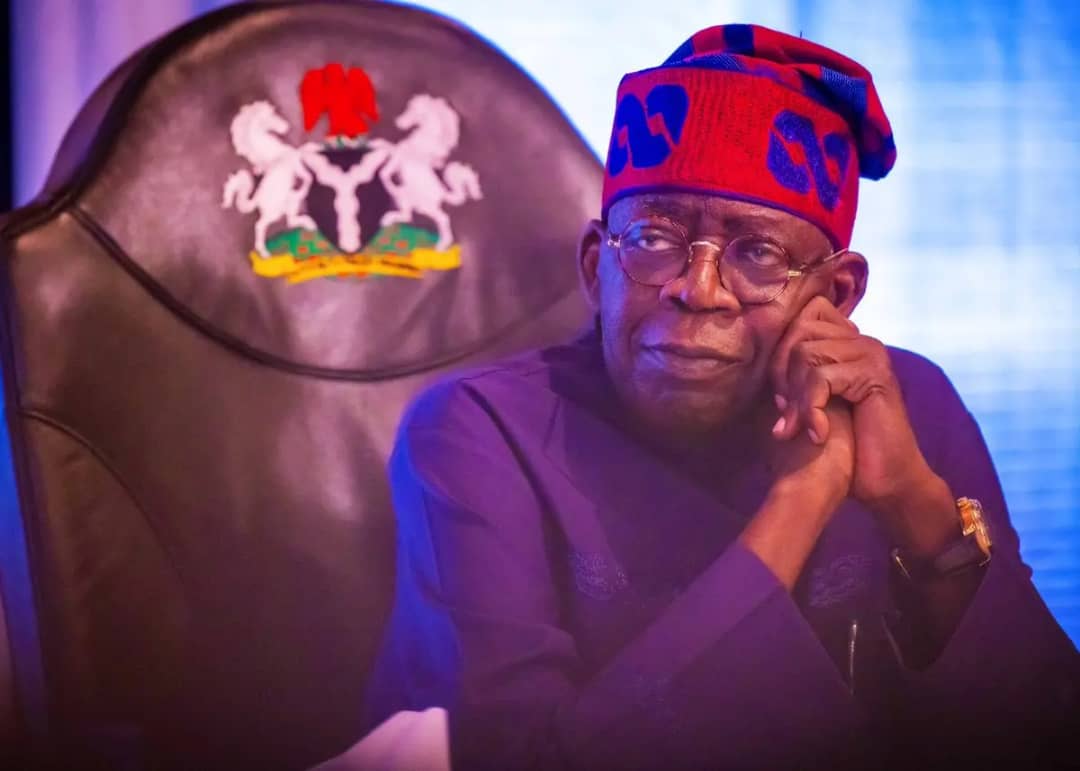
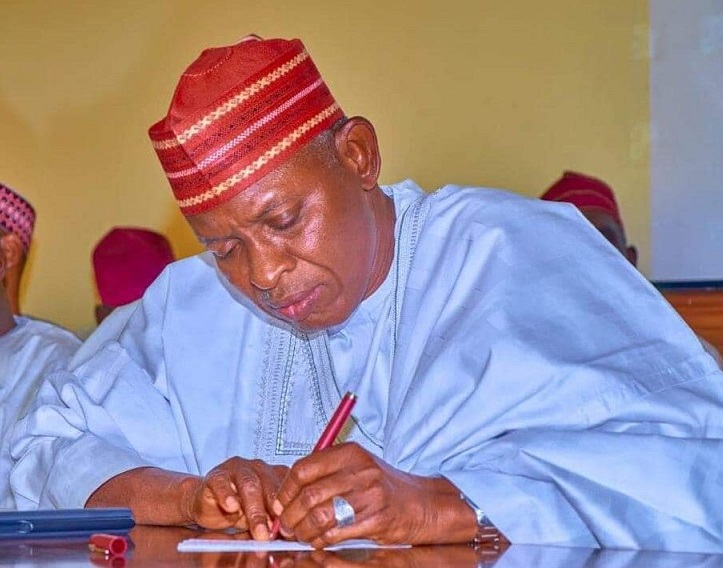
Kano State Governor, Abba Kabir Yusuf, has appealed to President Bola Ahmed Tinubu to consider reopening the country’s borders for the importation of foodstuff in order to address the current food crisis.

Governor Yusuf stressed that the closure of the borders has had a significant impact on the people of Kano State, leading to increased food prices and suffering.

In a statement issued by the governor’s spokesperson, Sunusi Bature Dawakin Tofa, Kano Governor Abba Kabir Yusuf called for the reopening of the country’s borders to address the current food crisis.

The statement was released following a meeting between the governor and the Controller General of the Nigerian Customs Service, Alhaji Bashir Adewale Adeniyi, at the Government House in Kano.

Governor Yusuf noted the critical condition of hunger and starvation in the country, which has been exacerbated by the sharp increase in commodity prices.

The statement read in part; “We wish appreciate the President’s intervention on the ongoing national food initiative which he considers Kano as the host for the initiative to be launched believing that the programme will cushion the effects of food scarcity if implemented”

Governor Yusuf stressed the urgent need for intervention, including the reopening of the borders to allow for the importation of commodities.

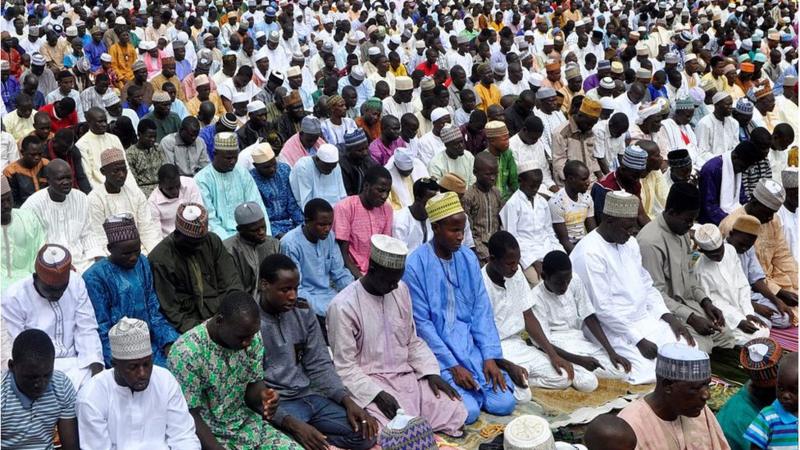
In his meeting with the Controller General of Customs, Bashir Adewale Adeniyi, Governor Yusuf highlighted the hardships faced by the people, particularly during Ramadan.

He stressed that the opening of the borders would be a crucial step in alleviating the distress of the people.

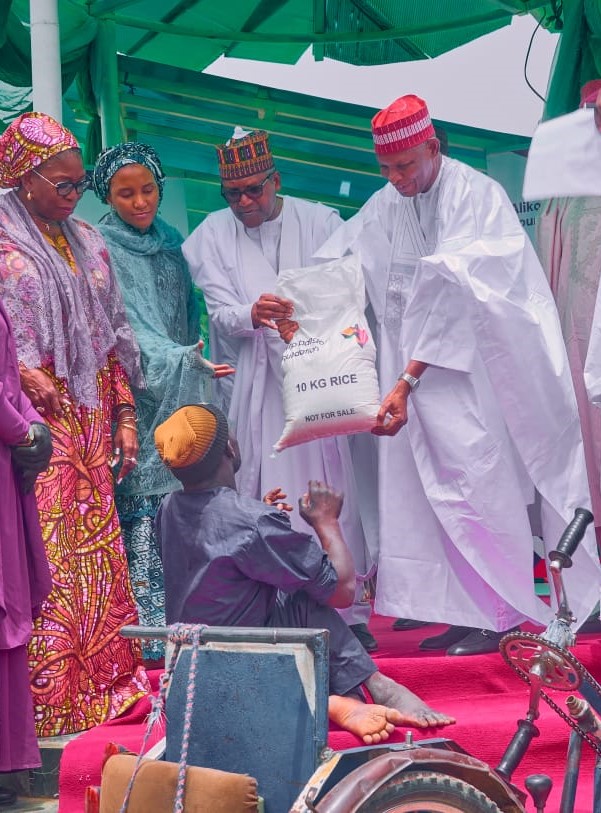
In addition to advocating for the reopening of the borders, Governor Yusuf commended the Customs Service’s initiative to distribute food items to the people of Kano, who have been facing hardship and hunger.

He urged the Customs Service to ensure that the food reaches those who are most affected. The governor also pledged his support to the Customs Service in its efforts to benefit the people of Kano and Nigeria as a whole.

In his response, Adeniyi emphasized the importance of building strong ties between the Nigerian Customs Service and the Kano community.

He emphasized the Service’s commitment to collaboration and constructive dialogue, and pledged to implement policies that would improve business processes and strengthen engagement with all stakeholders.

In addition to his interaction with stakeholders, the Controller General Adeniyi revealed that the Customs Service had made extensive plans to address the challenges of food scarcity and hardship in Kano. This includes the distribution of food items to the people of Kano.

Unraveling the power of PR in the conflict between Sheikh Daurawa and governor Abba Kabir

By Auwal Sani

In the heart of Kano State, recently, conflict ensued between the state’s religious police popularly known Hisbah [Command], Kano State government and the controversial TikToker, Murja Kunya. This conflict has not only sparked public debate but also highlighted the critical role of effective public relations (PR) in governance.

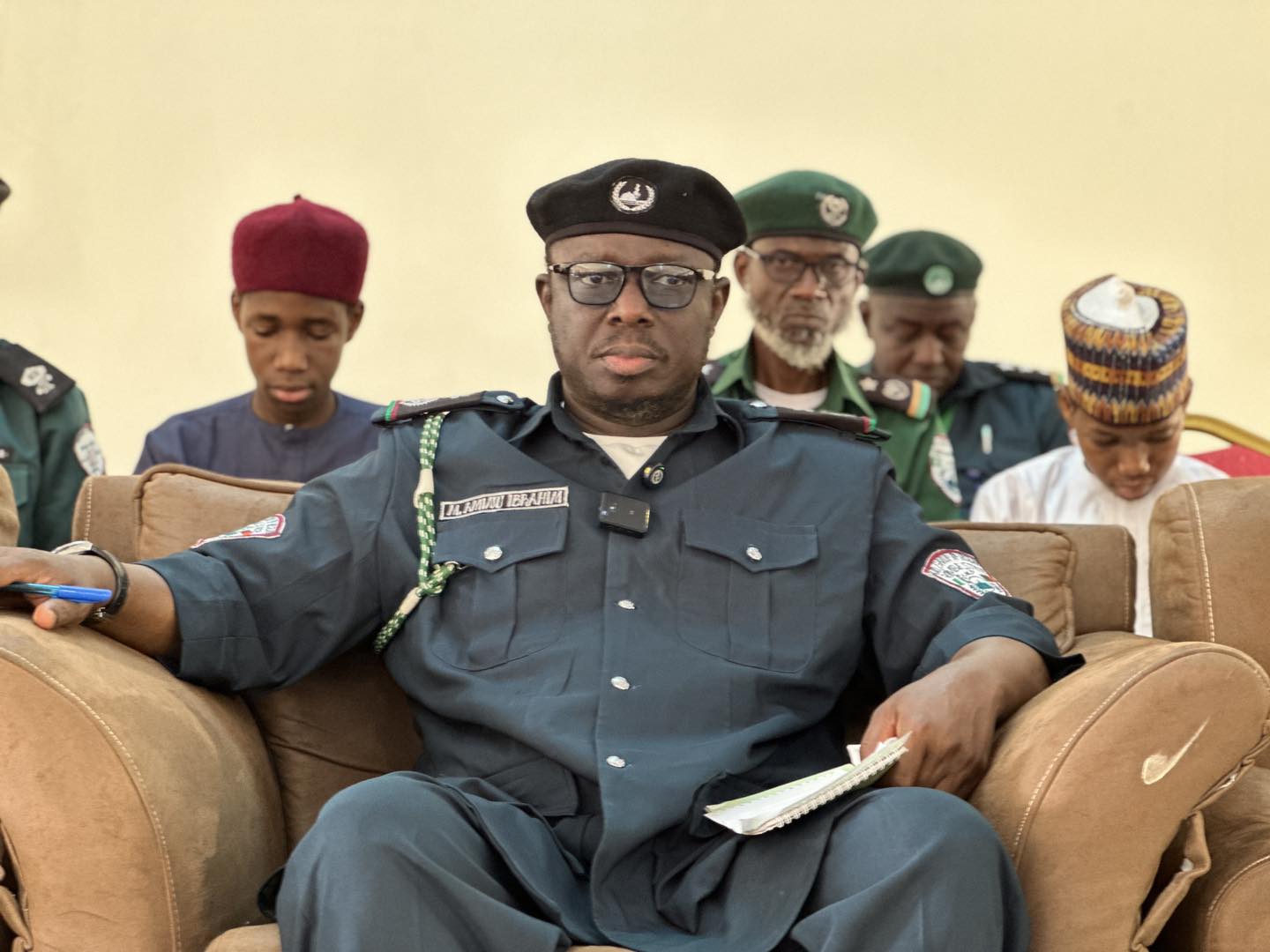
It all began with Kano State Governor, Abba Kabir Yusuf’s critique of Hisbah’s modus operandi, particularly in response to perceived deviations from the established laws. The governor’s remarks triggered a flurry of reactions, especially online, culminating into the unexpected resignation of Hisbah’s Director-General, Sheikh Aminu Ibrahim Daurawa. This abrupt departure further fueled tensions and political discord within the state.

However, amidst the turmoil, the saga took an intriguing turn with the involvement of Murja kunya, an ardent supporter of the Governor and his party (NNPP). Murja’s arrest by Hisbah and her miraculous release from prison without proper legal procedure raised eyebrows from various quarters, prompting questions about influence and justice.

Central to this unfolding drama is the apparent lack of effective PR strategies employed by both the government and Hisbah. A failure to conduct thorough situational analyses, engaging stakeholders, and maintaining open communication channels exacerbated the crisis, leading to a breakdown in trust between the authorities and the public.

Governor Yusuf’s comments, though well-intentioned, underscored the importance of a robust PR team to navigate sensitive issues and convey messages effectively. Collaborating with Hisbah’s leadership could have fostered dialogue and addressed concerns constructively, preventing further escalation of the situation.

Furthermore, the need for a crisis communication response team within the government and Hisbah is imperative. Timely and convincing damage control measures are essential to clarify intentions and restore public confidence in governance institutions.

Equally crucial is, the proactive engagement of relevant stakeholders by Hisbah before undertaking operations. Consultations with religious, governmental, and civil society leaders, among others, would ensure a comprehensive approach to addressing societal issues while mitigating potential conflicts.

Moreover, adequate training of Hisbah members on legal frameworks and rules of engagement are essential in preventing human rights violations and ensure professionalism in their duties. Additionally, investing in PR expertise within Hisbah’s communication department is essential to bridge the gap between the organization and the general public.

In hindsight, the confrontational response of Hisbah’s former Director-General to the governor’s criticisms highlights the need for professionalism and diplomacy in addressing internal challenges. Written correspondence or a formal meeting could have provided a more constructive platform for dialogue and resolution.

As the saga begins to fade, however, it serves as a stark reminder of the intrinsic link between effective public relations, transparent governance, and social harmony because, only through proactive engagement, strategic communication, and a commitment to openness can institutions like Hisbah navigate the complexities of contemporary society while upholding their mandates with integrity and accountability.

Auwal Sani writes from Kano State and can be reached via auwalsani986@gmail.com

Shaykh Aminu Daurawa, Gov. Abba K. Yusuf and the triumph of Hisbah in Kano

By Isma’il Hashim Abubakar, PhD

In my previous article, which predated and possibly heralded the public announcement of the voluntary and, of course, short-lived resignation of Shaykh Aminu Daurawa from his post as the Commandant-General of the Hisbah Board, I challenged what many people alleged to be a political romance between the Kano State Government and Murja Kunya, a rising TikToker who achieved notoriety through her lecherous utterances, unblushing gyrations, and licentious dances that not only defy moral codes but also corrupt the norms and values of Muslim society in northern Nigeria.

In that write-up, described by some as extremely blunt and overly radical, I chronicled a brief history of Hisbah and marshaled the unequal clout the morality police institution used to wield during previous Hisbah commandants and the immense sacrifices each of them made, which ultimately reinforced Hisbah and made it the most enduring and impactful religious bureaucracy established by the government since the return of Shari’ah at the turn of the century. I juxtaposed the achievements of Hisbah during previous leaderships against the commitment of the current command under Daurawa and concluded that the cleric was changing the course of how things used to be before his ascendancy as the Board’s head.

This view gains legitimacy through some of the Shaykh’s public confessions that, unlike during his predecessors’, he has modified and limited the ground operations of Hisbah such that he commands his guards to avoid storming and chasing elites, powerful figures, and places owned by influential personalities, while restricting their raids and arrests to the poor and weak masses who have no one to intervene and secure their release. This, to me, sounds counterproductive and explains why Murja Kunya nearly defeated Hisbah after she was arrested and jailed while awaiting trial, before her mysterious escape from prison.

To be candid and honest, Daurawa’s arrest of Murja was a courageous and commendable move, although certainly itself an act of defiance of a theory he formulated, which showed that he perhaps underrated Murja, and that was why he thought she belonged to the class of powerless masses, the supposed target of Hisbah’s wrath.

Meanwhile, the sudden announcement of Daurawa’s voluntary resignation after Governor Abba Kabir Yusuf’s public speech, which Daurawa and thousands of listeners received with dismay and interpreted as an authoritative demoralization of Hisbah, was ironically, based on the development that followed the resignation, a blessing in disguise. This awakened not only stakeholders but also remote audiences to the essentialness of the existence and backing of institutions like Hisbah. Having earlier decried Daurawa’s “soft” approach and selective application of his mandate, his resignation should be welcomed by me and those who have reservations about his policies.

However, like many pro-Hisbah fellows, I ironically found his sudden resignation shocking, albeit trying to live by the dictates of my admonition in my previous essay, thanks to the circumstances through which he almost vacated his seat. I spent the whole day after listening to the short clip of the scholar announcing his resignation, contacting and discussing with friends, and deliberating on who might be the right candidate to succeed Daurawa. Some of the names I heard allegedly being peddled and imposed on the conscience of Governor Abba sincerely scared me a lot.

One of those candidates is even a crony and closest representative of an infamous scholar who almost ignited a war in Kano due to his poisonous and blasphemous preachings before he was finally convicted by the court and is now still languishing in jail. It suddenly dawned on me, as it did to thousands of the audience, that Daurawa’s resignation would hardly lead to the reform of Hisbah we crave and the brave and intrepid posture and outlook that we aspire for the head of Hisbah to wear and maintain. In fact, whoever would have succeeded Daurawa would merely do the bidding of the Governor and avoid unleashing Hisbah’s wrath on people connected with the Governor’s political victory, even if they are as worthless as Murja Kunya.

It was this similar feeling and the fear of the decline of Hisbah’s influence that virtually alerted concerned Muslims to wade into the matter and, at different levels, embarked on calls and campaigns to have an understanding between the Governor and his cleric appointee to recant the resignation and to have a rethink on the position and function of Hisbah amidst growing disappointment at how immorality is holding sway in cyberspace and social media domains within the region. The mission for reconciliation sponsored, led, and facilitated by the Coalition of Ulama in Kano, besides the calls for Governor Abba to make peace with the Hisbah boss that stormed different quarters from various constituencies, has been very fruitful.

Sincere happiness and celebration for the triumph of Hisbah are now the stuff that spectators have to feast on these days, with pre- and post-reconciliation group photographs of the Governor, Daurawa, and the peacekeeping team flooding social media from all angles. Daurawa himself expressed happiness that the worries and reservations he earlier nurtured, which likely but also partly justify his diplomatic approach, will now be a thing of the past since there is a renewed commitment from the government to support, empower, and stand with Hisbah.

Daurawa’s recent efforts to synergize the function of Hisbah, mobilize, and secure more support for Hisbah from various groups and levels of people, as expressed in his public address and illustrated by his recent visits to important arms of government, including the Grand Khadis, are chiefly commendable moves.

The gaps created by Murja’s illegal escape from prison, which will hopefully now be checkmated, and the subsequent resignation of Daurawa all evince the previous lack of a commensurate and strong network that Hisbah ought to have had, which would have made its work easier. With the Sultan of Sokoto, the highest Muslim royal figure in Nigeria; top business moguls; prominent Islamic clerics across different sectarian divides; senior government officials; technocrats; academics and intellectuals; as well as the overwhelming majority of concerned Muslims within northern Nigeria all backing Hisbah and pledging unanimous allegiance to its commandant, the Board now has adequate authority to tackle and contain immorality on a larger scale and without, in the slightest sense, any class discrimination.

There is no better time than now to expand the scope of Hisbah and extend its activities to other Muslim states within the region. Sheikh Daurawa will be a very good asset, particularly as he reviews some of his previous approaches, to spearhead an advocacy movement to institute a unified Northwestern Hisbah command or zonal network, officially and legislatively endorsed by state governments in order to effectively counter the rising challenge of immorality that is spread largely on social media platforms.

The approachability, broadmindedness, and openheartedness that informed Governor Abba Kabir’s swift acceptance and accommodation of criticism and correction have restored some hope to the public of having a governor who would combine the leadership qualities of decisiveness, intrepidity, hard work, foresight, wisdom, and clemency at one time—the principal behavioral dispositions, part of which define Engineer Rabiu Musa Kwankwaso and his longtime political counterpart, Malam Ibrahim Shekarau. These are expected to come into play in Abba’s expected commitment toward and prioritization of Hisbah activities, particularly by reforming the administrative aspects of the Board, by first appointing a formidable governing council peopled with members who will be devoted to their job ahead of considering it a political favor through which to get material gratification. The best pool to draw on will be the same peacekeeping team that ensured the reconciliation between the Governor and Hisbah commandant.

Previous senior Hisbah officers as well will be of great importance as part of the governing council. An upward review of the monthly allowance from ten thousand Naira for Hisbah guards, such that it triples their current take-home pay, will be a visible indication that the Governor is now in full support of Hisbah. The Governor will be wiser if he takes singular caution by distancing himself from the pseudo-cleric he appointed as a religious adviser. The opportunist appointee, who is rubbishing Hisbah’s mission by advising his boss to reward Murja Kunya and integrate her into his cabinet, seems to be on a mission to drag the Governor into an unnecessary but suicidal fight with the religious constituency. With elements like this in the corridors of power, the sudden triumph of Hisbah will remain incomplete unless Murja Kunya faces the severe wrath of the law.

Isma’il writes from Rabat, the Kingdom of Morocco and can be reached via ismailiiit18@gmail.com.

On the Kano Coalition of Ulamas’ giant efforts in promoting sanity and peace in the state

By Salihi Adamu Takai

Kano State Coalition of Ulama comprises the great Islamic clerics of Kano from different sects to promote sanity and peace. The coalition is headed by Sheikh Abdulwahab Abdullah (Imam Ahlussunnah). The clerics, who grouped themselves in the religious effort of making the work of Almighty Allah effective in the state, are very important scholars of impeccable characters.

Kano State happens to be the ancient city in the northern part of Nigeria that is very popular for its religiosity. It is one of the first states in Africa to receive the light of Islam. Many scholars have revealed that Islam was received in the state through Wangarawa and Arab merchants.

The spread of the Islamic religion in the state has made it a very religious city—and the religious aspect has become very sensitive in the state. After some years of the spread of the Islamic religion in the city, there has been the existence of Sufism and other sects of beliefs.

The Islamic reformers played very vital roles in sanitizing the aspects of the religion. They focused vehemently on the teachings. They gave more emphasis to the seeking of knowledge of Islam. This aided the reformation in the religious activities of the State.

The spread of Sunnah came and knocked on every door. The objective of the Kano State Coalition of Ulama is to reform religious teachings to accommodate morality. Despite people having embraced religious knowledge and Western education, there is also a need to reform teaching activities and their adoption.

Sometimes, people have the knowledge, but they need to be guided on how to apply it to their teaching and learning. So, the reformation needs a coalition for its success. It is for the Muslims.

The Coalition of the Ulamas has been intervening in matters of religion. They are very keen on promoting sanity in religious activities. They call for peace—and peace signifies the best way of depicting Islam.

To also achieve the aim of their activities, they refer to themselves as the Coalition of Ulama of Kano. This means they comprise different Ulamas from different sects; from Izala, Qadiriyya, and Tijjaniyya.

The Coalition could also be the source of understanding one’s teachings amongst the Ulamas. The Tijjaniyya Clerics in the Coalition could understand some aspects from those Sunni Scholars.

Moreover, the Coalition led by Sheikh Abdulwahab Abdullah reconciled Sheikh Aminu Daurawa with Governor Abba Kabir Yusuf following their misunderstanding about the conduct of the Hisbah corps. Today, Daurawa has resumed his position as the Hisbah Commandant. This is one of the thousands of achievements of the Coalition. They intervene in every matter that affects the public.

May Almighty Allah continue to support the Coalition in achieving their goals, and may He reward them, amin.

Salihi Adamu Takai wrote via salihiadamu8888@gmail.com.

Malam Daurawa’s exit and return

By Abdurrazak Muktar Makarfi

The recent departure of Malam Aminu Ibrahim Daurawa from his role as the commandant of the Kano State Hisbah Board left many people reflecting on the complexities of human relationships and the power of forgiveness. However, what followed was a heartwarming tale of redemption and reconciliation that touched the hearts of all who witnessed it.

Malam Daurawa’s decision to step down initially came as a surprise to the community. Known for his unwavering dedication to upholding justice and righteousness, his absence was keenly felt. Yet, amidst the uncertainty, a beacon of hope emerged in the form of a coalition of Kano Ulamas, who saw beyond the surface and recognised the genuine intentions of both parties involved.

The intervention of the Ulamas was a poignant reminder of the strength of the human spirit and the capacity for forgiveness. In a world often characterised by division and discord, their actions served as a powerful demonstration of the transformative potential of empathy and understanding.

For Malam Daurawa, the journey back to his role within Hizba was a humbling experience. Faced with the opportunity to return, he embraced it with an open heart, guided by the principles of integrity and compassion that had always been the cornerstone of his leadership.

As he resumed his duties, the outpouring of support from the people of Kano was overwhelming. Their unwavering belief in his ability to effect positive change was a source of strength and inspiration, propelling him forward on his mission to create a better future for all.

The bond between Malam Daurawa and the people of Kano and the Kano State governor, Engr. Abba Kabir Yusuf, grew stronger through this experience. Their shared journey of redemption and reconciliation deepened their connection, transcending the boundaries of leadership and community.

Looking ahead, Malam Daurawa’s story reminds us of the enduring values of integrity, compassion, and empathy that bind us together as a community. His journey is a testament to the power of forgiveness to heal wounds and the resilience of the human spirit in overcoming challenges.

Ultimately, Malam Daurawa’s story is not just about leadership or politics – it’s about the triumph of the human spirit and the enduring power of forgiveness to bring us together, even in the most challenging times.

Abdurrazak Muktar Makarfi wrote via prof4true1@gmail.com.

Marabus: Remembering Auwalu Bello Jigirya

By Salisu Shehu 

In Hausa, the word ‘Murabus’ simply means a former or one-time leader. Such a person would either have left the leadership position by duly completing his tenure or removed in some way before finishing the period for his stewardship. Malam Auwalu Bello Jigirya was a one-time Amir of the Muslim Students’ Society of Nigeria (MSSN), Kano State Area Unit (KNSAU) from 1995-2001. 

Since 2001 to date, the word MURABUS has become a daily pronouncement in the MSSN/KNSAU family. It was a respectful and humourous reference to Auwalu Jigirya after he handed over the mantle of Amirship to Malam Ado Garba Yankaji in 2001. MURABUS soon became a household name for Jigriya, and it resonated within the MSSN circle in Kano State. 

Whereas MURABUS means retirement or dethronement, as explained above, it means something different in the case of JIGIRYA. Rather than the ordinary sense of stepping aside, it was for JIGIRYA a metaphor for steadfastness, doggedness, resilience, selflessness, and sacrifice, ornamented by tolerance and forbearance. Instructively, Amirs before and after him held the Amirship and stepped aside, but he was the only one graciously crowned ‘MURABUS’. 

JIGIRYA presented a striking trait rarely found in people. He was a very humble person yet courageous. He would be decorous to those apparently senior to him but would also unrelentingly muster the brevity to advise them when they erred. He always had a demeanour of raw honesty, and frankness imbued with a permanent character of humour and conviviality. 

You would never get bored staying with him. He was, in the KNSAU family, in terms of humour and joy, a natural successor to the late Baba Alhassan Ibrahim Dawanau of blessed memory, who would always play the grandpa, entertaining the brothers and giving some relief that clears away monotony and tension when the situation started getting tough and stressful. To the younger ones, he was a friendly, cheerful, amiable, accessible, and easily approachable mentor. 

Since our adolescence, we grew up together in the Kano State Area Unit for nearly four decades. He was the Amir when I was the Director of Education at Al-Muntada al-Islamy Trust. That was when I started getting to know him at a closer range because Al-Muntada supported the KNSAU MSSN immensely. Not surprisingly, because of his down-t-earth mentoring style, when those younger ones established the ALHASSAN IBRAHIM DAWANAU COLLEGE OF HEALTH SCIENCES AND TECHNOLOGY, Malam Auwalu Jigirya made it to the list of the members of the BOARD OF TRUSTEES of the College. 

We, however, became closest in the last nine (9) years when we worked together in the Islamic Forum of Nigeria. He was a strong pillar in our Local Organising Committee of our Annual Ramadan Lecture and IFTAR RELIEF SCHEME. Not only punctuality and commitment made him a strong pillar of the Committee. It was also because of his dependability and reliability in terms of honesty, trust and probity. He was one person on the committee to whom I would never hesitate to hand over the budget for purchasing food items for the IFTAR RELIEF PACKAGE and would go to sleep. One would not be afraid of failure or fraud. 

As an attestation of Jigirya’s leadership character, the Executive Council of the Islamic Forum unanimously approved his appointment as the Secretary of the Caretaker Committee of the KANO State Chapter when its exco was dissolved nearly two years ago. 

In both the Kano State Area Unit (KNSAU) of the MSSN and the MSSN and the Local Organising Committee of the Annual Ramadan Lecture of the Islamic Forum of Nigeria, we will miss not only the person of Malam Auwalu Bello Jigirya but will seriously miss his loveable characters In all In described In above In. Our greatest solace is that we will have dozens of encomiums on his praiseworthy behaviours with which we will keep consoling ourselves. 

As we keep showering those praises on him, we are sure, as was said by our Beloved Prophet (SAW), we will be “the witnesses of Allah to him on earth”. 

Allahummaghfir lahu warhamhu warhamna ba’adahu wa’anta Khairul ghafireen.

Salisu Shehu, Vice-Chancellor, AL-ISTIQAMA UNIVERSITY, SUMAILA, can be contacted via sshehu.edu@buk.edu.ng.

Kano: Sheikh Daurawa reconciles with Governor Yusuf, resumes work as Hisbah chief

By Muhammad Abdurrahman

Kano State Governor, Abba Kabir Yusuf, has reconciled with the Commander General of the State Hisbah Board, Sheikh Aminu Daurawa, who had resigned his appointment last week.

Daurawa, who resigned from his position through a video that went viral while attending a retreat organized in Kaduna, stated that his decision was influenced by the public’s criticism of the Hisbah operatives and their actions.

Speaking to journalists about the development, the spokesperson to the governor, Sanusi Bature Dawakin Tofa, confirmed the reconciliation on Monday.

Dawakin Tofa said the reconciliation was achieved through the intervention of respected Islamic clerics and a meeting with the governor that lasted for hours.

Some of the people in attendance include Prof. Salisu Shehu, Dr. Saidu Dukawa, Sheikh Abdulwahab Abdallah, among others.

Recitation of the glorious Qur’an

By Salihi Adamu Takai

The recitation of the Glorious Qur’an is beyond anything people can think of or guess how it is limited in terms of positivity. It is everything and beyond. Yes, it is indeed! In addition, the rewards for its recitation are granted based on letters. Each letter recited in a verse is worth 10 rewards, and the rewards multiply.

The recitation of the Glorious Quran is the food that satisfies people to the ultimate satisfaction. It gives satisfaction to those reciting it day and night. While reciting it, the reciter gets satisfaction from it for his/her satisfaction in the thing he/she comes across. Through it, a Muslim can understand the blessings of Allah for all of humanity on Earth. Allah’s creatures were explained. The lives of our ancestors were told; how they lived on Earth before us. This explains the Oneness of the Lord, Almighty Allah.

The recitation of the Glorious Quran makes Muslims live peacefully, and their hearts find peace and composure. The beautiful recitation of the Glorious Quran heals the heart of anger. It does away with agony and temper. The Quran has explained this in Chapter 13, Verse 28: “Indeed, with the remembrance of Allah, hearts find peace.”

When a person starts reciting it, their attention becomes focused on the Almighty Allah and His words. Listening to the words of Allah is the best thing people can do to gain composure, and its recitation gives you everything and draws your heart to Him. You become happy. The world remains peaceful and harmonious for you as you begin reciting it. Therefore, do not stop reciting the Quran. It is the best thing to help you achieve everything on Earth.

Have you been in a dilemma or limbo? If yes, have you recovered? If not, you can recover from any kind of limbo by reciting the Quran. Keep reciting the Quran. It will help you recover and make you happy all the days. If you can’t recite it, listen to it online. There are different recitations of the Quran available online. Go to your Play Store and download it, and keep listening to it offline or online. It is, of course, the best medicine undiscovered by physicians!

Salihi Adamu Takai wrote via salihiadamu8888@gmail.com.

Izalah first aid group member rewarded for returning lost bag containing over N100 million 

By Sabiu Abdullahi 

Salihu AbdulHadi Kankia, a member of the First Aid Group of Jama’atu Izalatil Bid’ah Wa Iqamatus Sunnah (JIBWIS), has been praised and rewarded for his noble act of returning a lost bag containing over N100 million.

The commendation came during the conclusion of a special preaching session in Bauchi, where Engr Mustapha Imam Sitti, the National Director of the First Aid Group, lauded Kankia for his exemplary conduct. 

The Bauchi State branch of JIBWIS took to Facebook to share the heartwarming story, detailing how Kankia discovered the bag and promptly reported it to the authorities.

Upon retrieval, the owner confirmed that nothing was missing from the bag. 

In recognition of his integrity, Kankia was honoured with an award by the Izala group and sponsored for the Hajj pilgrimage this year.

Additionally, he received two million naira from Hon. Abdulmalik Zannan Bangudu and a bus from Governor Bala Abdulkadir Mohammed to kickstart a business venture. 

Kankia’s actions serve as a beacon of honesty and righteousness, inspiring others to uphold similar values in their communities.

His selfless act not only restored faith in humanity but also garnered well-deserved recognition and rewards.

Hisbah saga: governor’s public condemnation, misstep in leadership

By Umar Sani Adamu

The recent public criticism by Governor Abba of the Hisbah board in Kano State has sparked controversy and raised concerns about leadership decorum and responsible governance. While it is crucial for leaders to address concerns and seek improvement within government agencies, the manner in which Governor Abba chose to express his dissatisfaction raises questions about his leadership style and the potential consequences of his actions.

First and foremost, criticizing a government agency publicly, especially one tasked with religious and moral enforcement like the Hisbah board, can create unnecessary tension and undermine public trust in the institution. Governor Abba’s decision to air his grievances in a public forum instead of handling them internally or through diplomatic channels demonstrates a lack of discretion and undermines the credibility of the Hisbah board.

Furthermore, by openly criticizing the Hisbah board, Governor Abba risks exacerbating existing tensions within the community and fueling resentment towards the agency. This could potentially undermine the effectiveness of the Hisbah board in carrying out its duties and could lead to a breakdown of law and order in the state.

Additionally, Governor Abba’s public criticism of the Hisbah board without offering concrete solutions or constructive feedback demonstrates a lack of leadership maturity. Effective leaders understand the importance of providing constructive criticism in a constructive and respectful manner, focusing on solutions rather than simply pointing out problems.

Moreover, Governor Abba’s decision to publicly criticize the Hisbah board instead of engaging in private dialogue with relevant stakeholders, such as Sheikh Mallam Daurawa, further highlights his disregard for diplomatic protocols and his tendency to prioritize personal agendas over the well-being of the community.

Adding the context of Murja Kunya’s situation provides further insight into the potential implications of Governor Abba’s public criticism of the Hisbah board. Murja Kunya, a social media influencer, has been accused by the Hisbah board of encouraging indecency and immorality. In this context, Governor Abba’s public condemnation of the Hisbah board could be interpreted as a form of protection for Murja Kunya.

By publicly criticizing the Hisbah board’s handling of the situation, Governor Abba may be perceived as undermining their authority and potentially shielding individuals like Murja Kunya from accountability. This not only weakens the effectiveness of the Hisbah board in enforcing moral standards within the community but also sends a troubling message about the government’s commitment to upholding moral values and protecting societal norms.

In light of these circumstances, Governor Abba’s public condemnation of the Hisbah board takes on an even greater significance. It not only raises questions about his leadership style and approach to governance but also calls into question his commitment to upholding moral standards and protecting the well-being of the community.

Therefore, it is imperative for Governor Abba to reconsider his approach and prioritize responsible leadership that fosters constructive dialogue and collaboration, while also upholding the values and principles that are essential for the well-being of society as a whole.

Umar Sani Adamu (Kawun Baba)