Opinion

Qur’an convention, Maulud and the flipping truth

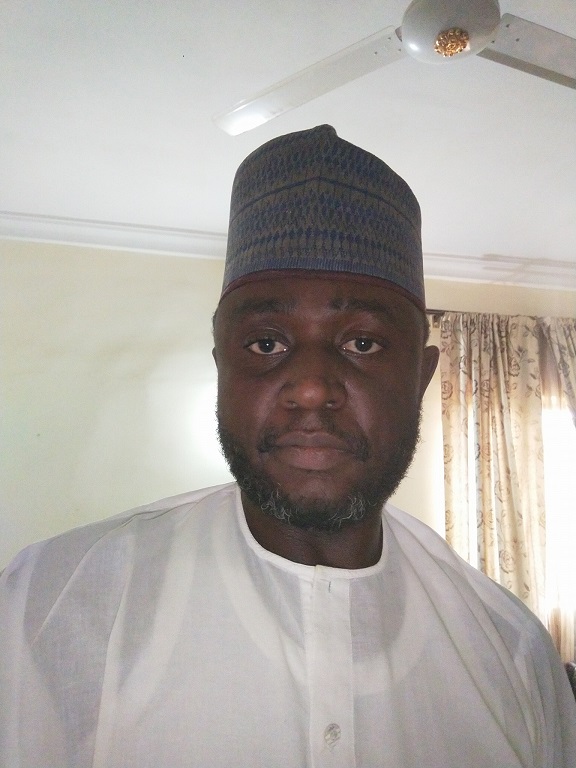
By Sani Bello Hamza 

I fight the muse to write about controversial religious issues, not because of my shyness but because of their contentious nature. Controversy and diversity are inseparable from religion. Religion presents simple concepts as complex and difficult ideas as harsh to protect personal interests. I won’t distort the truth, so please stay calm.

For example, scholars interpret many concepts differently in Islam to reflect their beliefs, way of life, and perception of Islam. Each scholar and his disciples claim to be faithful adherents of the traditions and way of life of the holy Prophet as laid down in the holy Quran and Sunnah. This could also be seen as the foundation of division and diverse opinions in Islam, which subsequently gave birth to numerous sects under its umbrella.

The Origin of this division and controversy can also be traced to the first few years after the holy Prophet’s death, a period when the Prophet was absent and no longer present to approve or disapprove of his companions’ actions and inactions. Thus, hypocrites and intruders could insert their opinions into interpretation and successfully fabricate Hadiths to protect their interests and justify the actions of political leaders with ease. Truth was enclosed and made very difficult to unravel.

Another perspective was a Hadith reported by Imam Muslim (in his book Sahih Muslim), which states that after the Prophet’s death, companions were divided on how to interpret his will, Islamic rites, and the wordings of the Holy Quran. Innocent Muslim faithful were confused about whether to follow Abubakar (RA) ‘s opinion or stick to Ali and Fatima’s (AS) views and teachings. This can also be perceived as the origin of division and sectarianism in Islam. 

Fast-forward centuries after the Prophet’s death. Endless questions arose from complicated real-life scenarios whose remedies were not expressly provided in the Quran and Sunnah, and Muslim Jurists resorted to the exercise of IJTIHAD to give answers. Their diverse interpretation of the tenets and principles of Islam led to the emergence of the FOUR MAJOR SUNNI SCHOOLS OF THOUGHT: the Hanafi, Maliki, Shafi’I, and Hanbali schools of thought. 

That’s, by the way, so let’s get back to the subject matter.

Differences and diversity are rooted in every human society. Conflict, controversy, division, and differences are inevitable. Indeed, mankind was created differently to interact with and know one another. However, in the sight of Allah, the only righteous among them is the noble. In essence, we must embrace unity in our diversity. 

This is one of the reasons whenever I’m about to criticise or chastise a fellow human for having a contrary view or belonging to a different sect or creed, I promptly recall the above verse; 

“hold fast to the Rope of Allah, altogether and be not divided.” (Āli ‘Imrān: 103)”

It is heartbreaking that in this part of the world, (Nigeria), we have deviated from the above cited verse. Our scholars find solace and joy in criticising one another. A Sufi believes he is the only righteous Muslim; an Izala scholar believes the Shi’a and Sufis are all innovators (Bid’a) and destined to be in hell fire. We are not open to accommodating diverse opinions and celebrating the monopoly of opinion in religion. Sadly!

I believe the concept of Bid’a is one of the most abused Islamic concepts; scholars exploit it to criticise followers of other religious creeds and advocate for the eradication of all other sects due to their non-conformity with their beliefs or schoolsof thought. 

Linguistically, Bid’a simply means innovation. That is, commencing or performing an act that has no precedence in Islam—an action which neither the Prophet nor his companions performed during their lifetime.

The above definition is undoubtedly vague and general. Some Jurists believe there should be an exception to this because even the Prophet’s companions were reported to have innovated certain acts after his demise. Their pillar of argument is that the compilation of the holy Quran and Salatul Taraweeh were not initiatives of the prophet but rather initiated by caliph Abubakar and Umar, respectively. 

Could this also be categorised as innovation and leading to hell fire? 

Other Jurists argued there are no exceptions. Every innovation is Haram and leads to hell fire. Among the followers of this school are the members of Jama’atul Izalatul Bid’a Wa Iqamatu sunnah known as IZALA in Nigeria. 

Jurists are also divided on whether there are good innovations or whether all innovations are bad and lead to hellfire. Many scholars believe all innovations are “Dhalalah,” and all innovations lead to hellfire. 

In a simpler term, Muslims can not perform actions without connection with the Prophet or his companions. Such actions will lead them to hell fire. This school prohibits innovations such as celebrating the Maulud of the prophet and others. Ibn Taimiyya is among the proponents of this school. 

Other scholars, such as Ibn Hajar, believe there should be a Bid’a Hasanah—good innovation—to encompass historical events such as Salatul Taraweeh, the compilation of the holy Quran, Usman’s introduction of Adhan, and other innovative acts of the Prophet’s companions. 

Now, back to the topic.

Between Qur’an Convention and Maulud…

Over the years, the Izala sect in Nigeria is known for its fierce and uncompromising battle with other sects (Shi’a and Darika) to eradicate all forms of Innovations in Islam. Maulud is at the forefront of their campaign. 

Wherever and whenever they found themselves, they delivered anti-Maulud sermons, classified those practicing it as unbelievers, and deterred their followers from celebrating Maulud and other innovative acts. 

From Sheikh Ahmad Gumi and Sheikh Jafar Mahmud until the baton was handed to Sheikh Kabiru Gombe, they all claimed Maulud is Bid’a because nowhere in the Quran, Sunnah, or History of the Prophet is it overtly or covertly statedthat the Prophet or his companions celebrated the occasion.

We were all meant to believe that Maulud has no basis in Islam. Fortunately, or unfortunately, today, in a revolution-like scenario, the maiden Quran Convention is about to unfold in Abuja. It will feature scholars from different sects, including the ANTI-MAULUD scholars, who are known for their uncompromising criticisms of Bid’a innovations.

Now, the question that kept creeping into our minds is: what differentiates the Qur’anic Convention from the Maulud?

Relying on the definition of Bid’a, the Quran, Sunnah, and history do not overtly or covertly state that the prophet organized a similar gathering. Although I believe it’s a good initiative to honor the memorizers and Qur’an teachers, we must not shy away from calling a spade a spade. 

Based on the convention’s objectives, Could a Maulud organised to Foster unity, promote intellectual discourse, and encourage Islamic scholarship be considered Halal? 

Will the scholars attend the Maulud?

We should call a spade a spade and give Caesar what belongs to him, simple!

Sani Bello Hamza is a law student at Ahmadu Bello University, Zaria. He writes from Zaria and can be contacted atsanibellohamza@gmail.com.

What next for Local Government Administrations in Nigeria?

By Abdulrazak Iliyasu Sansani

The recent directive allegedly from the Central Bank of Nigeria (CBN) requiring the 774 local governments to present their budget proposals for the 2025 fiscal year has sparked renewed interest in local government autonomy. This development has been a long time coming, given the prolonged agitation for systemic changes in local government administration.

A 20-year-old university student is surprised that local governments in Nigeria prepared budgets highlight the widespread lack of awareness about local government operations perhaps because of the reality that local governments barely exist on paper in my states.

The student asked, “Do local governments actually create budgets?” I explained that, like every tier of government or organization, they are meant to do so. However, his curiosity clearly illustrates the uncertainty surrounding the local government autonomy in Nigeria.

After the Supreme Court’s landmark ruling in favor of the local governments in Nigeria on July 11, 2024, we thought it was over. The seven-justice panel of the apex court in the judgment delivered by Justice Emmanuel Agim, ruled that the 774 local government councils in the country should independently manage their own funds: millions of Nigerians thought the long wait for autonomy was finally over. However, the journey to true autonomy is often complex and winding as the history of the struggle for autonomy for this essential tier of government has shown.

With the recent directive that led to budget presentations across the 774 local governments for the 2025 fiscal year, this brought fresh perspective on the agitation and revitalised interest in local government autonomy. But will this directive translate into tangible action, or will it remain a mere rhetoric as with many critical issues in Nigeria? Nigeria’s history of struggling with local government autonomy, coupled with the stiff resistance from state governments, raise concerns about the feasibility of a true autonomy.

The Nigerian Constitution recognizes local government as a tier of government, but they remain restricted by financial and electoral constraints. Local governments are expected to provide basic services, promote development and ensure democratic participation. However, their lack of autonomy and financial power has hindered their ability to fulfill these responsibilities.

Nigeria’s experiment with various local government administration models despite so many reforms from the local government reforms of 1976, 1988 and the one embarked upon in this current dispensation, had been marked by a decline in autonomy, particularly since 2003. The state governments’ interference in local government affairs has eroded and degraded their powers and functions.

As someone who has advocated for financial and electoral autonomy for local government councils for so many years, I believe that it is crucial for addressing Nigeria’s security challenges, socio-economic issues, and building other sectors that require government’s attention at the grassroots level. The lack of autonomy has led to a power vacuum, allowing non-state actors to exert their influence.

Nigerians await the implementation of any meaningful reform that can transform local government administration and bring about positive changes. The question remains: is Nigeria truly ready to empower local governments and bring relief to the millions of rural dwellers who have been neglected for far too long?

For decades, local governments in Nigeria have been suffocated by lack of funds, rendering them ineffective in initiating or implementing meaningful projects. The joint account system, introduced years ago, has been a subject of controversy, with experts arguing that it undermines true federalism and hampers local government autonomy.

The current state of local government administration in Nigeria is a far cry from the intended vision. The 1999 Constitution, as amended, recognises local governments as a tier of government, but sadly this merely exists on paper today.

There is ample evidence to support the agitation for local government autonomy. It is a necessary step towards addressing societal ills and promoting grassroots development. Another question on everyone’s mind is: what is next?

Will the recent directive be a mere rhetoric, or will it translate into concrete action? Is Nigeria truly ready to empower local governments and bring relief to the millions of Nigerians who have been neglected for too long?

Only time will tell, but one thing is certain: the status quo is unsustainable. Nigerians await with bated breath the implementation of meaningful reforms that can revamp local government administration and bring about development.

As someone who has consistently advocated for financial and electoral autonomy for local government councils, I remain hopeful that this latest development will mark a turning point in Nigeria’s journey towards true federalism and grassroots development. For local government autonomy and administration generally in Nigeria, I ask again what next?

Abdulrazak Iliyasu Sansani wrote from Turaki B, Jalingo, Taraba State.

On the intentional misrepresentation of mentorship by both mentors and mentees

By Suleiman Usman Yusuf 

Mentorship ideally involves a powerful exchange in which experienced individuals selflessly guide and motivate others, promoting growth and potential. It is a reciprocal act of giving back, forming a chain of knowledge and support that benefits both mentor and mentee. However, this is not solely hierarchical. Reverse mentorship highlights younger generations sharing expertise in rapidly evolving fields, where they often surpass their older counterparts in understanding. Nonetheless, reality frequently falls short. 

A significant misrepresentation, usually deliberate, undermines mentorship’s integrity, affecting both mentors and mentees. Many mentors publicly project an image of unflinching support, yet privately, many mentees report a lack of genuine engagement – not occasional lapses, but a consistent absence of promised guidance. 

This is worsened by mentors taking public credit for mentees’ achievements, even when their involvement was minimal or non-existent. This raises questions: Has mentorship become self-promotion, leveraging others’ successes for personal gain? Is the pursuit of accolades overshadowing the commitment to nurturing potential? 

This deliberate misrepresentation extends to mentees. While financial support from a mentor can be helpful (for project logistics or seed funding), the relationship shouldn’t be founded on this. Seeking a mentor solely for financial assistance devalues the mentor’s time and expertise, reducing the relationship to a transaction rather than a collaborative journey. This hinders the mentee’s development, as genuine learning requires commitment beyond financial gain. 

Beyond these core issues, several other challenges frequently undermine the effectiveness of mentorship relationships. Power imbalances inherent in the mentor-mentee dynamic can lead to exploitation or abuse. Mentors might take advantage of their position, while mentees might feel pressured to conform to uncomfortable expectations. 

Moreover, a lack of clearly defined goals and expectations frequently leads to aimless and unproductive relationships. Both parties must grasp the expectations and desired outcomes from the beginning, establishing regular check-ins to remain focused and assess progress. 

Effective mentorship depends on open and honest communication, as well as mutual trust. Without these elements, misunderstandings and frustrations can easily arise, potentially damaging the relationship. Furthermore, the demands of mentorship can lead to burnout for mentors who take on too many mentees or neglect to set healthy boundaries. 

Mentees, too, can become overwhelmed if they lack self-awareness or adequate support. Inconsistent commitment from either party, whether due to competing priorities or lack of motivation, inevitably leads to a lack of progress and can breed resentment. Finally, mismatched personalities or differing goals can make it extremely difficult for a mentor-mentee relationship to thrive. 

Ultimately, successful mentorship hinges on authenticity and mutual respect. Mentors must prioritize genuine support and guidance and focus on empowering mentees. Mentees should approach mentorship with a sincere desire for growth and understand that the rewards extend far beyond financial gain. 

The transformative potential of mentorship can only be fully realised through a foundation of honesty and reciprocal commitment between mentor and mentee. Maya Angelou wisely said, “I have learned that people will forget what you said, people will forget what you did, but people will never forget how you made them feel.” 

Suleiman writes from Abuja and can be reached at suleimanusmanbac@gmail.com.

Fintiri’s transformative interventions in the livestock sector

By Zayyad I. Muhammad 

Governor Ahmadu Umaru Fintiri of Adamawa State has demonstrated an unwavering commitment to revitalizing the livestock sector. He recognizes its immense potential to drive economic growth, enhance food security, and improve the livelihoods of farmers and herders. Through strategic policies and targeted initiatives, his administration has made significant strides in modernizing livestock farming, addressing long-standing challenges, and fostering sustainable development.

Key Initiatives and Achievements: Implementation of the National Livestock Transformation Plan (NLTP)  

Under Governor Fintiri’s leadership, Adamawa State has emerged as a key player in implementing the National Livestock Transformation Plan (NLTP), a federal initiative designed to resolve farmer-herder conflicts and promote sustainable livestock practices. In December 2023, the governor inaugurated the Pilot Ranch Project at the Gongoshi Grazing Reserve. This flagship project aims to modernize livestock farming by providing a controlled breeding, grazing, and disease management environment, setting a benchmark for other states.

Rehabilitation and Development of Grazing Reserves: The administration has prioritized the rehabilitation and development of grazing reserves across the state. These reserves have critical infrastructure, including water sources, veterinary services, and access roads, creating a conducive environment for livestock farming. The Gongoshi Grazing Reserve stands as a model of these efforts, showcasing the benefits of integrated livestock development and sustainable resource management.

 Strengthening Market Access for Livestock Farmers: Governor Fintiri has strongly emphasised improving market access for livestock farmers. The Mubi livestock market, one of the largest in the region, plays a vital role in the state’s economy, supplying approximately 29 million animals annually to Lagos State and generating around N29 billion in revenue. By enhancing market linkages and upgrading infrastructure, the government has further stimulated economic activities in the sector, benefiting both farmers and traders.

Conflict Resolution and Community Engagement: A cornerstone of Governor Fintiri’s livestock policy has been resolving recurrent clashes between farmers and herders. His administration has fostered peaceful coexistence between these groups through dialogue, stakeholder engagement, and policy reforms. Establishing grazing reserves and ranching systems has significantly reduced pressure on farmlands and minimized resource conflicts, contributing to a more harmonious and productive agricultural landscape.

Empowering Youth and Women in the Livestock Sector: The administration’s interventions in the livestock sector have also focused on creating employment opportunities for youth and women. Training programs and access to credit facilities have been introduced to enable these groups to participate in modern livestock farming. These initiatives have reduced unemployment and poverty levels and empowered women and young people to become active contributors to the state’s economic development.

Impact and Future Prospects: Governor Fintiri’s interventions in the livestock sector have already begun to yield tangible results, including increased productivity, higher incomes for farmers, and improved food security. By promoting sustainable practices and fostering partnerships with federal and international organizations, the administration has laid a solid foundation for the long-term growth of the livestock industry in Adamawa State.  

A notable example of such collaboration is the partnership between the Adamawa State government and the Livestock Productivity and Resilience Support Project (LPRES). On Thursday, January 16, 2025, the government distributed inputs and machinery to 23,000 livestock farmers, further boosting productivity and resilience in the sector.

Governor Fintiri’s continued focus on innovation, community engagement, and infrastructure development is expected to transform the livestock sector further. These efforts will solidify Adamawa State’s position as a leader in livestock farming in Nigeria and ensure sustainable economic growth and improved livelihoods for its citizens.

Zayyad I. Muhammad writes from Abuja via zaymohd@yahoo.com.

ECOWAS alliance fracture: The Sahelian state exodus, regional stability and Nigeria’s leadership litmus test – can Abuja steer a new path?

By Iranloye Sofiu Taiye

The recent decision by Mali, Burkina Faso, and Niger to withdraw from the Economic Community of West African States (ECOWAS) has triggered reactions of uncertainty across the geopolitical landscape of West Africa. This unprecedented move, announced in January 2024, marks a critical juncture for a bloc historically revered as a beacon of regional integration and collective security. The departure of these three Sahelian nations, all grappling with military rule, jihadist insurgencies, and socioeconomic fragility threatens to destabilize the delicate equilibrium of ECOWAS, undermining its credibility and operational efficacy.

ECOWAS was founded in 1975 via the Treaty of Lagos Nigeria, ECOWAS emerged as a post-colonial vision to foster economic integration, political solidarity, and collective self-reliance among West African states. Its architects envisioned a regional powerhouse capable of rivaling global economic blocs, anchored by principles of free movement, a common market, and monetary union. Over the decades, ECOWAS evolved beyond economics, establishing itself as a custodian of democratic norms through protocols such as the 2001 Supplementary Protocol on Democracy and Good Governance, which condemned any form of unconstitutional government changes.

The bloc’s peacekeeping ventures, notably the ECOWAS Monitoring Group (ECOMOG) interventions in Liberia (1990), and Sierra Leone (1997) demonstrated its capacity to mediate conflict. However, ECOWAS has also faced perennial challenges including coups d’état, governance failures, and the paradox between its lofty ideals and the grim realities of poverty and instability. The recent wave of military takeovers in Mali (2020, 2021), Burkina Faso (2022), and Niger (2023), each met with ECOWAS sanctions and suspensions exposed cracks in the bloc’s authority, heralding the current crisis.

The withdrawal of Mali, Burkina Faso, and Niger strikes at the heart of ECOWAS’s political legitimacy. These nations, representing 10% of the bloc’s population and vast territorial expanse, have denounced ECOWAS as a “tool of foreign powers” and accused it of imposing punitive measures that exacerbate their populations’ suffering. Their exit underscores a broader regional disillusionment with ECOWAS’s perceived alignment with Western interests, particularly France, amid rising anti-colonial sentiment.

For ECOWAS, the secession weakens its bargaining power on continental and global stages. The bloc’s ability to enforce democratic norms is now in jeopardy, emboldening other authoritarian regimes and eroding its moral authority. Moreover, the formation of the “Alliance of Sahel States” (AES) by the three nations — a mutual defense pact aligned with Russia — signals a shift toward alternative alliances, potentially fracturing West Africa into competing spheres of influence. This realignment risks destabilizing the region further, as rival powers like Russia, China, and Western nations vie for strategic footholds.

Economically, the departure of Mali, Burkina Faso, and Niger disrupts ECOWAS’s integration agenda. The bloc’s flagship projects — such as the ECOWAS Single Currency (Eco), slated for 2027—face existential threats. These nations collectively contribute critical mineral resources (gold, uranium) and agricultural output, and their absence could fragment supply chains, inflate intra-regional trade costs, and deter foreign investment.

The free movement protocol, a cornerstone of ECOWAS, may also unravel. Border closures and visa restrictions could follow, stifling cross-border commerce and cultural exchange. Nigeria, which accounts for over 60% of ECOWAS’s GDP, stands to lose significantly: its northern states rely on trade with Niger, while its industries depend on regional markets. The exodus may also derail infrastructure projects like the Kano – Maradi rail project hampering economic growth.

As ECOWAS’s traditional hegemon, Nigeria must spearhead the bloc’s response to this crisis. Historically, Nigeria has bankrolled ECOWAS initiatives and mediated conflicts, but its recent influence has waned amid domestic challenges—security crises, economic stagnation, and diplomatic inertia. To reclaim its leadership, Nigeria must adopt a multi-pronged strategy:

Diplomatic Re-engagement: Nigeria should initiate high-level dialogues with the AES states, addressing grievances while advocating a return to constitutional order. Leveraging its cultural and economic ties — particularly with Niger, with whom it shares a 1,600km border — Nigeria must balance firmness with empathy, avoiding the perception of bullying.
Institutional Reforms: ECOWAS requires structural revitalization. Nigeria should champion reforms to decentralize decision-making, reduce Francophone-Anglophone tensions, and prioritize grassroots economic integration. A revised governance framework, incorporating civil society and youth voices, could restore public trust.

Security Collaboration: The Sahel’s jihadist insurgencies, which have spilled into Nigeria’s northwest, demand a unified approach. Nigeria could propose a joint ECOWAS-AES security task force, blending counterterrorism efforts with development programs to undercut extremism.
Economic Incentives: To lure back the AES, Nigeria could advocate for sanctions relief tied to democratic transitions, coupled with debt forgiveness and infrastructure investments. A Marshall Plan-like initiative for the Sahel, funded by ECOWAS and international partners, might alleviate poverty fueling instability.
Conclusively, the exit of Mali, Burkina Faso, and Niger from ECOWAS is not merely a regional setback but a clarion call for introspection. The bloc’s survival hinges on its ability to reconcile idealism with pragmatism, balancing democratic principles with the urgent needs of fractured states. Nigeria, as the region’s linchpin, must rise to the occasion, blending visionary leadership with humility. In an era of shifting global alliances and resurgent authoritarianism, the stakes could not be higher: without decisive action, the dream of West African unity may dissolve into a mosaic of discord, leaving millions vulnerable to the storms of history.

Iranloye Sofiu Taiye can be reached via:
iranloye100@gmail.com

Availability and affordability of food

By Lawal Dahiru Mamman

Why are the Nigerians not having enough food to eat? Why? That is the question we need to answer. Statistics paint a grim picture and the anecdotal evidence is there. We have working farmers but numbers say people are not eating well.

The above was paraphrased from the address of the Chairman, Media Trust Group, at the 22nd Daily Trust Dialogue and Presentation of Unsung Heroes, themed “Food Security: Availability or Affordability?” held at the NAF Conference Centre in Abuja on 23 January 2025. One does not need an emeritus to explain the reasoning behind the choice of theme.

As an individual with a background in agriculture, I have often had serious discussions with two close friends about the true value of our certificates. If we cannot make a tangible impact on curbing hunger, which continues to plague Nigerians, then what is the point? The alarming statistics of hunger and malnutrition only paint a bleaker picture each year.

We never really take into account other graduates from different subsectors of agriculture, but we somehow always come to the conclusion that we are part of the reason millions of Nigerians go hungry, and we hope to make a difference in the near future, dumping the noise and swinging into real action.

It is this very concern that drives my desire to attend conferences or dialogues like the aforementioned, but circumstances did not permit it. Thankfully, technology has been birthed and it came to the rescue. The organisers provided live coverage across Facebook, YouTube, and Zoom, which I was able to access, allowing me to participate in the programme, albeit not until the very end.

It was a session to examine the current state of affairs and an open floor for discussion on how to make food available and affordable. Pundits brainstormed Nigeria’s vast fertile land, large bodies of water and adequate rainfall in each geopolitical zone, suitable for various crops and rearing animals, explored and seeked to decode how despite these rich agrarian factors hunger perseveres when there should be no correlation at all.

Farmer-herder clashes, a misunderstanding that has escalated from cultivated lands to homes, affecting innocent women and children, were deliberated upon, along with their impact on optimum crop production. In my view, our inability to properly harness pasture and rangeland is a contributory factor.

To put things into perspective, in a class, we studied over ten plants that, when cultivated, can provide sustenance for our livestock. This not only helps resolve clashes, but also reduces competition for valuable food resources between humans and domesticated animals, until we achieve self-sufficiency.

Genetically modified organisms (GMO) foods was another talking point. Exploring and tweaking specific genetic traits for better quality in other plants or animals is not new in agriculture. Before we sort ethical issues surrounding GMOs for long term solution on food availability, attention must be paid on short term remedy for same, and affordability.

Post harvest spoilage or waste was another concern. Even as these food items, especially perishables, are not sufficiently abundant, during harvest, a lot go to waste without arriving markets. What does this tell us? There is the ability to produce sufficiently but, as a nation it becomes imperative to invest in processing and storage infrastructure to arrest the issue of availability and affordability, it is basic economic principle of demand and supply.

Insecurity remains the bane of farmers. Many have abandoned their lands in order to remain alive, frankly, no one blames them. In offering solution, President of All Farmers Association of Nigeria (AFAN) said there is a need to defoliate forests in Nigeria which serves as safe haven for criminal elements – bandits, Boko Haram, ISWAP and Lakurawa alike.

He alluded to the fact that his idea may not sit well with climate change and environmental enthusiasts but stood firmly by this suggestion. This idea may not necessarily be out of place when we zoom our lens to realities of food availability and affordability. What I must add, if this is not welcomed, stakeholders should have a round table talk on other ways to save lives and tackle food insecurity without defoliation.

Present during the dialogue was the Minister of Livestock Development, Alhaji Idi Mukhtar Maiha. Among a lot of things he said Nigerians are tired of saying the country has “potential”, stressing that it is time to ”activate” it. Although we must know the potentials before attempting to activate, his assertion is oncourse, our potentials have since been established.

According to him, policies should address the issue where people produce for only family consumption with little to sell while also highlighting the need to change the way we do things in the agricultural sector, for us to get a different outcome. Rightly captured but do average farmers have at their disposal sophisticated tools to produce for family and market? our practice is still largely primitive you know.

I am a believer that every citizen has a role to play for the betterment of Nigeria but importantly, leadership bears greater responsibility therefore, I was happy the Minister and a representative of the Speaker of House of Representatives – both in positions to “make things happen” – were present or represented among other stakeholders.

Overall, the dialogue was critical, informative, and enlightening, but we hope to see where we go from here in our efforts to make food available and affordable.

Lawal Dahiru Mamman writes from Abuja and can be reached on: dahirulawal90@gmail.com

Word of thanks to Wunti Al-Khair Foundation

By Mallam Musbahu Magayaki 

I write to express my appreciation for the efforts of the abovementioned foundation, sponsored by Dr. Bala Maijama’a Wunti, Chief Health, Safety, and Environment Officer of NNPCL. Their impactful, consistently implemented programs genuinely change the narrative to a more prosperous journey in Bauchi State.

The foundation in the state extends many humanitarian gestures to the development of youth and provides mentorship in many aspects of positive development that will help them change the narrative. In many aspects of life, ranging from agriculture to education to health, Wunti Al-Khair, with the support of Dr. Bala Wunti, is touching the lives of Bauchi State products.

These days, you can’t go to media spaces without reading them and making headlines about executing a particular project using the hashtag #Wakf. Bala Wunti, fondly called BW, has become a household name across the 20 local governments in Bauchi State. This is because no one could object to youth being picked from every LG for their activities to ensure fairness and inclusivity! I hail the programs director, Ango Mustapha, for that!

Come on, just recently, they organised programs in Bauchi North through the Katagum Youth League’s flag-bearing. The program was on climate change, which is being campaigned on globally, and it was successfully organised and implemented. This will greatly encourage the participants to use what they have learnt from the speakers to free their communities from all sorts of climatic issues.

On Saturday, 25th January 2025, the Wunti Al-Khair Foundation made a post on their social media handle bearing Wak Foundation, introducing a new program titled the Bala Wunti Tech Fellowship in collaboration with AltSchool Africa, for the interested growing populace of Bauchi State to fill the form online and submit it before February 1st, 2025, as a deadline for the application.

However, this tech fellowship provides access to quality education, offering financial support that every Bauchi graduate deserves. It also facilitates global learning by connecting with over 13,000 trained students across 83 countries through AltSchool Africa’s innovative courses, as well as providing mentorship and networking opportunities to enhance one’s education, among other benefits.

Moreover, the number of mosques and those who pray in them that were built through the Wunti Al-Khair Foundation, sponsored by Dr. Bala Wunti, is too large to count. In addition, the foundation has built an academy with which it will collaborate with a particular organisation in the United Kingdom to nurture and educate the younger people in the state.

Therefore, I urge the good people of Bauchi State to develop the habit of praying for the man and spreading words of encouragement so that he can continue helping people achieve their planned objectives against all odds!

With Bala Wunti in Bauchi State, youth would keep breathing the air of hope.

Mallam Musbahu Magayaki wrote from Sabon Fegi, Azare, Bauchi State via musbahumuhammad258@gmail.com.

Distinctions between mass communication and journalism

By Suleiman Ahmed 

In today’s communication landscape, mass communication and journalism are often used interchangeably, particularly by those with little or no knowledge of both fields. This misconception leads to questions about their definitions, similarities and distinctions. While both are components of the media, they represent distinct concepts. 

Mass communication involves reaching diverse audiences through various media channels, such as radio, television, newspapers, websites, and social media. Journalism is a specific practice within mass communication that focuses on gathering, assessing, creating, and presenting news and information.

According to Little John and Foss, mass communication is a “process whereby media organisations produce and transmit messages to a large public and the process by which those messages are sought, used, understood and influence the audience.”

McQuail states that mass communication is “only one of the processes of communication operating at the society-wide level, readily identified by its institutional characteristics.” It involves creating, transmitting, receiving, and analysing messages through mass media.

Mass communication aims to share information with a broader audience and influence societal norms, behaviour, and attitudes. It has a wider audience and covers various topics like entertainment, education, advertising, public relations, etc. Mass communication content is informative, educative, persuasive, or entertaining. It is mostly designed to capture attention, encourage specific actions, or elicit emotional responses. 

A professional in mass communication can work in various industries, including entertainment, business, politics, health, and agriculture, by creating content that will encourage the audience and serve a specific objective. Mass communication has a broad spectrum of mediums, including television, radio, newspapers, and magazines.

In contrast, journalism is a subset of mass communication. It focuses mainly on gathering and reporting news about events, issues, and topics that are of interest to the public. The United Nations Educational, Scientific and Cultural Organisation (UNESCO) defines journalism as the “work of journalists, media workers, and social media producers who gather, process, and distribute news and related content.” 

Meanwhile, journalist Robert Niles sees journalism as a “form of writing that tells people about things that happened, but that they might not have known about already.” Journalism seeks to report the truth and provide accurate, fair, and thorough information. It includes analysis, uncovered facts, and insights into relevant stories.

Unlike mass communication, journalism encourages critical thinking and discussion among readers, listeners, and viewers. It is guided by strong ethical guidelines to ensure credibility, objectivity, and accountability. Journalism is mostly involved in reporting, editing, and producing news content for media organisations such as radio, television, newspapers, magazines, and other news platforms.

In conclusion, while mass communication and journalism are interconnected, they belong to distinct fields and have different objectives. Mass communication serves a broader purpose by Engaging a heterogeneous audience through various media to convey messages. On the other hand, journalism is a discipline dedicated to accurately reporting facts and information. Journalism plays a crucial role in informing the public and fostering democratic participation.

Suleiman Ahmed wrote from Bayero University, Kano, and can be contacted via suleson94@gmail.com.

The Bauchi of my dreams

By Ashir Abdullahi Yahaya

Recalling the writing competition in 2023 with the title Kano of My Dream and how participants showcased their skills in competing, along with presenting valuable ideas, ignited my passion for writing this article on how I would like Bauchi and its people to be in the future.

Bauchi faces severe challenges, such as attacks, corruption, social insecurity, illiteracy, debt, and a poor economy. These issues threaten the region and may worsen due to external factors. Residents are torn between praying, taking action, or focusing on family. The situation strains endurance, confusing even the most devoted supporters of Bauchi.

The state is entirely dependent on salaries. If salaries are delayed, people will walk around as if half-dead. There are no satisfactory business opportunities to support the over 8,308,800 residents (based on the estimated 2023 population following Kaduna, Katsina, Lagos, and Kano, respectively). The state’s needs are not being adequately met, and companies in the state are not functioning at all.

Bauchi, the fifth most populous, is also blessed with a large area, making it the fifth-largest among the 36 states in Nigeria. The pearl of tourism, where everyone is eager to visit its stunning natural spring water called Yankari: a large wildlife park in the southern part that contains large populations of waterbuck, African buffalo, patas monkeys, and western hartebeest, along with some of Nigeria’s last remaining West African lions, African leopards, and African bush elephant populations, but it lacks adequate care.

The educational sector faces numerous challenges, including dilapidated buildings, overcrowded classrooms, a shortage of qualified teachers, and inadequate teaching and learning facilities. These challenges bedevil the sector yet hinder its development. Moreover, rural settlers primarily grow goods for sale to outsiders and companies, often disregarding the impact on the state’s well-being. Moreover, farming is often dismissed as a viable option for most urban residents.

This, among other things, has become a trait of Bauchi’s transformation. Of course, there is always a solution—a positive solution that has refined the dream I hold dear…

In the Bauchi of my dreams, our challenges have vanished, and the state has reached exhilarating heights by allocating a significant portion of the budget to the sector that deserves it most—the education ministry. The schools have been improved, and the number of out-of-school children has been drastically reduced, bringing the total down to just 2,000 from the previous figure of 521,000.

Thanks to effective governance, agencies have been restructured, removing selfishness, self-importance, and the culture of favouritism. The emphasis is now on merit, prioritising knowledge and skills. Everything is carried out with transparency.

Social security issues have been addressed by actively engaging the youth in employment opportunities with companies and schools. Additionally, some youths are pursuing education abroad through government scholarships. As a result, nearly everyone is now employed in the public or private sector.

Furthermore, Bauchi has transformed into one of the world’s most remarkable and eye-opening cities, comparable to Istanbul in Turkey, Kyoto in Japan, and Paris in France. The key defining characteristic of the state’s landscape, Yankari National Park, has been developed, contributing significantly to GDP and surpassing the world-class Blue Hole of Jamaica. 

Attracting millions of tourists annually, it has claimed the prestigious world-class crystal-clear water award. The lush greenery and vibrant exotic flowers enchant visitors, their voices quivering with the interjections of amazement at the unparalleled natural wonder.

Eventually, the Bauchi of my Dreams distinguished itself as a place where religious tolerance, peace, unity, and emotional intelligence flourished among its residents. It separated the do’s and don’ts of peaceful coexistence, guided by the wisdom of religion (Malams). The Bauchi of my Dreams is a beacon, an antidote to the obstacles that shadow the days.

Ashir Abdullahi Yahaya teaches at Minaret International School and Giwo Science Academy, Bauchi. He can be reached via ashirayahaya6530@gmail.com.

A Modern Monarch: HRH Sani Ahmadu Ribadu, King of Fufore 

By Lukman Dahiru

In the rich tapestry of Nigerian history, where tradition meets contemporary governance, HRH Sani Ahmadu Ribadu’s appointment as the King of Fufore Emirate stands as a monumental chapter. The Governor of Adamawa State, His Excellency Ahmadu Umaru Fintiri, elevated him to this revered position, not merely acknowledging his royal lineage but affirming his profound dedication, moral integrity, and visionary leadership.

Sani Ahmadu Ribadu, the younger brother of the renowned National Security Adviser, Nuhu Ribadu, brings a blend of heritage and modern dynamism to the throne. His journey to this prestigious role has been marked by a life committed to service, community, and the betterment of society. 

Born into a family known for its integrity and public service, Sani has carved his own path, gaining respect and admiration for his family name and his personal merits. He has proven himself not only as a successful farmer but also as a successful politician, having served as Chairman of Yola South Local Government and as a member representing Yola South in the Adamawa House of Assembly. His impact in these roles has been substantial, focusing on grassroots development, agricultural improvement, and fostering a transparent, people-centric governance. 

The significance of his appointment extends beyond the ceremonial; it symbolizes a new dawn for the Fufore Emirate. As king, Sani Ahmadu Ribadu is poised to bridge the ancient customs of his people with the evolving demands of the modern world. His leadership is anticipated to be a beacon of progress, unity, and peace in a region where traditional roles still play a crucial part in community life. His tenure is expected to be characterised by the following.

Cultural Preservation: Sani Ahmadu Ribadu, who deeply understands his heritage, will safeguard and celebrate Fufore’s cultural identity. He will likely champion initiatives to document, preserve, and promote the emirate’s rich traditions, ensuring they are passed down through generations.

Community Development: He is known for his commitment to his people, and he will leverage his position to drive development projects. From education to infrastructure, from health to economic empowerment, his reign is expected to see significant advancements that uplift the living standards of his subjects.

Social Justice and Peace: His background suggests a leadership style that emphasizes fairness, justice, and reconciliation. In a region that has experienced its share of conflicts, his approach could foster greater social harmony, making Fufore a model for peaceful coexistence.

Youth Engagement: Acknowledging the demographic dividend, Sani Ahmadu Ribadu is expected to concentrate on engaging the youth by offering them opportunities for growth, innovation, and participation in governance, therebyensuring the emirate’s future is as bright as its past.

Security and Stability: With his familial ties to national security, there’s an expectation that he will advocate for and implement strategies that enhance local security, working in tandem with state and federal authorities to maintain peace and order.

His appointment has been received with jubilation and optimism, not only within Fufore but throughout Adamawa State and beyond. The community perceives in him a leader who honours tradition while embracing innovation. His governance is expected to be defined by open dialogue, community engagement, and a strong emphasis on sustainable development.

Sani Ahmadu Ribadu’s reign promises to be an era where the past and the future of the Fufore Emirate walk hand in hand under the wise and compassionate leadership of a king who understands that true sovereignty lies in serving one’s people. His legacy, still in its nascent stages, is already shaping up to be one of transformative leadership, where the throne serves as a seat of power and a platform for enduring positive change. 

Here’s to a reign that will be cherished not only for its duration but for the indelible mark it leaves on the heart of Fufore and the broader canvas of Nigeria’s cultural and social landscape.

Lukman Dahiru wrote from Yola via ldahyu@gmail.com.