Opinion

Arewa, lamentations and 2027

By Kabiru Danladi Lawanti, PhD 

There is something about us, Arewa people. Whenever power shifts to the South, we start lamentations, accusing the leader, who is from the South, of nepotism or initiating policies that are deliberately aimed at destroying our region. 

We embrace this idea and write about it repeatedly. From 1999 to 2007, from 2010 to 2015, and now from 2023 to the present, we consistently reference our voting power in our writings. 

Recently, I read an article comparing our voting power and support for President Bola Ahmed Tinubu with other regions of the country. How long can we continue these lamentations? When will we stop lamenting and start acting?

We need to shift the conversation from an overemphasis on population-driven electoral power to a more strategic focus on economic productivity and revenue generation. The viability and strength of Arewa are not solely determined by the sheer size of our population, but by how effectively that population is harnessed for economic growth, innovation, and wealth creation.

Arewa’s fixation on securing political dominance through demographic advantage has frequently overshadowed the more critical question we need to be asking ourselves. 

How do we convert our vast human and natural resources into sustainable development outcomes?

While concerns about the inequities of political appointments and perceived nepotism under the current Tinubu administration are valid, ongoing lamentation over political spoils can be counterproductive if not paired with proactive strategies for economic transformation.

What has happened to Arewa after all these years of political power? What becomes of the “K” states after each election season? What has happened to Jigawa or Bauchi? Is it enough to have just a Badaru or Tuggar as compensation for the over 5 million we gave the President?

What is required is a change in strategy: a deliberate and coordinated effort to leverage our expansive landmass and youthful population to drive industrialization, technological innovation, and inclusive economic growth. Our governors need to be wiser. Have you ever checked the total amount of FAAC allocations coming to our states and local governments? What are we doing with this money?

In this regard, lessons abound from the developmental trajectories of nations such as China and India, both of which have shown how demographic advantages can be transformed into competitive edges through disciplined policies, strategic investments in education and infrastructure, and a clear vision for economic self-reliance.

The path to power lies not just in numbers – voting power – but in what those numbers yield after elections.

I have learnt my lessons. What we need is not political power at the centre but what we do with that power and what our Governors are doing with the huge resources coming to them from Abuja. 

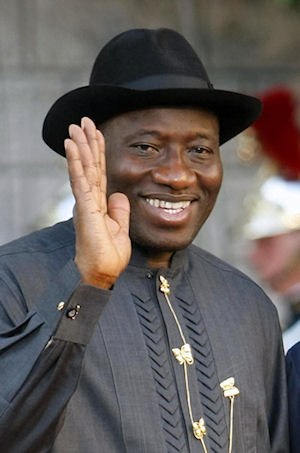
The agitation for removing Tinubu in 2027 can be compared to the agitations of removing the military in 1999 or Jonathan in 2015. They are driven by elite interests, not necessarily by situations we find ourselves in, Arewa.

From Baba “Go Slow” to Baba “Going Very Fast” 

By Bilyamin Abdulmumin, PhD

Buhari was largely viewed as reluctant, whereas Tinubu engaged in tit-for-tat responses. Tinubu has demonstrated decisiveness on many occasions. For instance, when there was a public outcry over his Kano ministerial nominee, Maryam Shettima, he swiftly replaced her with Dr. Mariya Mahmoud, who enjoyed greater public approval. Buhari likely would have retained Shettima.

A few months after the ministers assumed office, the Minister of Humanitarian Affairs, a ministry infamous for waywardness—was caught in multiple scandals. In a swift response to public outrage, Tinubu suspended Betta Edu, and from all likelihood, she has gone for good.

No situation highlights the difference between Tinubu and Buhari more than the ongoing political crisis in Rivers State involving Governor Fubara and his former benefactor, Nyesom Wike. While Buhari would have turned a deaf ear to the situation, Tinubu reacted decisively. Those who once criticised Buhari for his passive leadership should now give a standing ovation to Tinubu’s stern control and decisiveness.

Nevertheless, Tinubu’s speech during the emergency declaration was notably one-sided. He sided with his FCT Minister, Nyesom Wike, heaping blame on Fubara for demolishing national assembly structures and failing to address pipeline bombings—while completely ignoring Wike’s role in the crisis. These reinforced accusations of federal government highhandedness in Nigeria’s most populous states.

Some argue that the federal government is involved in the debacles affecting Rivers, Lagos, and Kano due to its fear of losing these key states to the opposition. However, as the APC states, the allegations of internal conflicts in the Lagos government do not hold up. Since the state is governed by the ruling party, it seems to be just another political facade from the federal government.

A major issue for Tinubu’s camp is their position on Fubara and Uba Sani. If they oppose Fubara, they should also oppose Uba Sani. You cannot support Wike in Rivers while opposing El-Rufai in Kaduna. The two scenarios bear a striking resemblance.

Reflecting on how Nigerians criticized Buhari for lacking swiftness and displaying full control as the Commander-in-Chief of the Armed Forces of Nigeria, it is fair to say that Tinubu has now met that expectation.

Bilyamin Abdulmumin, PhD wrote via bilal4riid13@gmail.com.

Rivers State: The dangers of political betrayal and unconstitutional interventions

By Zayyad I. Muhammad

I strongly disapprove of Governor Siminalayi Fubara’s betrayal of his political godfather. Fubara entered the political arena without established structures, financial resources, or widespread recognition; he was relatively unknown. 

Former Governor Nyesom Wike provided him with the platform, support, and influence that ultimately led to his rise as governor. Yet, despite this, Fubara has turned against the very person who paved the way for his political ascent. 

Both sides should share the blame for not shifting grounds. The declaration of a state of emergency in Rivers State came at a critical time to address rising insecurity and unrest that threatened to spiral out of control. Left unchecked, the situation could have led to a resurgence of militancy and severely disrupted oil exploration activities, which are vital to both the state and national economy. 

Beyond the economic implications, the deteriorating security situation also risks derailing governance and has somehow ‘assisted’ Governor Fubara in escaping impeachment. President Tinubu may justify his decision—he has access to security intelligence and reports that the general public does not.

However, although addressing security concerns is essential, suspending an elected governor and members of the state assembly is not only unconstitutional but also sets a dangerous precedent for Nigeria’s democracy. This issue goes beyond the 2027 elections; it strikes at the heart of democratic governance and the principle of electoral legitimacy. 

Our democracy has matured to a point where a sitting governor can be removed only through due process, as outlined in Section 188 of the 1999 Constitution of the Federal Republic of Nigeria (as amended). If we are not careful, one day—God forbid—a president or his allies could create chaos in a state simply to justify declaring a state of emergency and unseating an elected governor for political gain. Such actions would undermine democracy and erode public trust in the electoral process. They pose a danger to our future. 

The Rivers state or any political conflicts should be resolved within the framework of the law, not through forceful interventions that threaten democratic stability.

The key actors in Rivers State must set aside their personal and political grievances to prioritize reconciliation. Prolonged instability is unacceptable, as it harms the people, governance, and economic progress. A peaceful resolution is the only path forward.

An elected Governor’s mandate is sacrosanct and must be respected. He is the top citizen in the subnational.

 Zayyad I. Muhammad writes from Abuja via zaymohd@yahoo.com.

Podcasting Northern Nigeria’s weaknesses for social media “likes”

By Sa’id Sa’ad

“Silence is really golden. For many years, I have respected you as a great actress, but after listening to you speak for once, I lost all respect for you. Silence is, indeed, golden.” 

These were the exact words shared by a fan after watching one of the popular Kannywood actresses’ podcasts.

Recently, a podcast went viral in which four Kannywood actresses sat, warming their chairs, sharing opinions about relationships. While many criticise the podcast, I find myself wondering just how ‘golden silence really is.’

From Talk with Feezy by northern Nigerian artist Feezy to the highly criticised The Social Spotlight by Kannywood actress Nafisa Abdullahi, podcasts are slowly becoming the North’s new thing. Famous faces with thousands of followers are tapping into this audio-visual world and, irrespective of the content, are reaching a wide audience thanks to their massive followings.

Podcasting is the new cool in the North. Content creators, entertainers, film producers, actors, actresses and wannabe influencers are all jumping on this new wave. Everyone’s got something to say. But the unifying factor is they are all saying it in Hausa. This not only makes it content by creators from northern Nigeria but also for northern Nigeria and the broader Hausa-speaking population.

Now, let’s not be mistaken. Podcasting isn’t exactly new. Like most things, it just arrived in the North late. Young audiences are now tuning in, eager to consume original opinions from faces they admire beneath the thousands of Instagram followers. 

But here comes the twist. While popular faces trend with podcasts that often miss the mark, there’s a whole storm of lesser-known creators. Just as hungry. Just as passionate. Diving into podcasting, hoping to go viral. Few get it right. Many get it wrong, and most are just aiming to create controversy. 

It’s great that young creators are speaking up. It’s refreshing to see new northern voices adding their two cents to conversations about relationships, religion, family, entertainment, and society. But even at that, when done poorly, this new podcast culture is more dangerous than beneficial. 

I’m an avid fan of vodcasts, particularly those produced by Nigerians. I also strongly support consuming content from Northern Nigeria. However, just because it’s from the North doesn’t mean our standards should be low. We owe it to ourselves to demand quality.

Upon close observation, it’s clear that many of these podcasts bring ‘more face’ and ‘less value.’ In the first few minutes of an episode, you can already tell the host isn’t fully prepared. They ramble. They say empty phrases. And you’re left wondering: What am I supposed to take away from this? These podcasts often fail to provide value, and let me remind you, that’s the very foundation of podcasting: Value.

It’s a strange thing. Really. The lights are bright, the makeup is on point, and the guests are ready. The studio setup is perfect. Yet, after all that effort, the conversation feels empty. It leaves you craving more, but in a bad way.

This reflects the current trend in both public and private Hausa-speaking media, where a designated show for Kannywood stars is often featured. These shows rarely extend beyond inviting the stars for views and likes, failing to address the critical questions of why these shows exist in the first place.

But this isn’t just happening among famous creators. A new wave of young creators has emerged; unfortunately, many of them, without doing their homework, are merely copying the same format used by the stars, eager to replicate the same model: 

Create podcast → Talk carelessly → Create controversy → Get views and likes.

While this model keeps some people in the limelight, it doesn’t do the North any favours. It’s as if we’re holding a mirror to the region’s weaknesses and saying, ‘Here, look at us, this is what we’ve got.’ It’s reinforcing the negative stereotype that we can’t produce quality. 

Whether we like it or not, the digital presence of these creators who act as our representatives shapes how the world perceives us.

But let’s not ignore the few non-popular creators producing quality content in Hausa for the region. Many of these are tech-driven podcasts that, although still growing, offer substantial value. Unfortunately, these high-quality contributions are often overshadowed by the more glamorous but shallow content produced by popular stars or emergent ones desperate to trend. 

The question we must ask ourselves is: Which popular Hausa-speaking podcast from northern Nigeria truly offers real value to its audience? How much of the value is visible? Is the content truly for the audience or just for the producers? What narratives are being sold, and can we, in terms of quality, truly compete with podcasts from other regions in the country?

Until we get it right and have the right people behind the mics, with the right knowledge and intentions, these creators will continue to podcast about northern Nigeria’s weaknesses for likes. The unfortunate truth is that this will only serve to bury our efforts to challenge negative stereotypes six feet under. 

Ultimately, every creator has the right to produce what they want. In this case, the power is in the hands of the audience. 

You and I decide what should be popular.

Sa’id Sa’ad is a Nigerian writer and journalist currently residing in Germany. He is the author of the podcast-play “Gangare”. He won the Peace Panel Short Story Prize in 2018 and the NFC Essay Prize that same year. He presently works with the German broadcaster Deutsche Welle. 

Tribute to Dr Idris Abdul-Aziz Dutsen Tanshi

By Senator Shehu Sani

We live in a society where men of conscience and honour are better understood and appreciated when they are long gone or lost. Dr Idris Abdul-Aziz Dutsen Tanshi was a restless soul who spoke the inconvenient truth and walked alone in his paths and trenches. He cast the light of knowledge on the grey and dark spaces of our political and spiritual clime.

Dr Idris was a courageous man who lived an accomplished life of service to the human spirit. His voice was discomforting to the powers and the establishment. He audaciously spared no one in his sermons for equity and justice.

He was a one-man battalion and an exceptional commander of the faithful. His words were as sharp as a blade, piercing like a spear. He challenged a society complacent with injustice, keeping the leaders alert and his fellow Imams on their toes.

He was a man whose spirit was strengthened by his incarceration. He remained unbowed in the face of persecution. He could thank those who came to identify with him during his moments of trial, but he warned them against pleading for his freedom. He raised the torch and became the compass for objection and resistance. He was a non-conformist in the pursuit of the truth enshrined in his faith.

He was a dogged and distinguished spiritual combatant who used the powers of religious knowledge to question and challenge authority. He fought chains of battles within and without the realm of his mission and never surrendered. In life,he was largely misunderstood, and in death, he is well appreciated.

Dr Idris bowed out with dignity and grace. The nation has lost an irrepressible soul and indomitable spirit.

May his soul rest in Aljanna Firdausi, amin.

Nigerian Islamic scholars and the business world

By Zayyad I. Muhammad

Traditionally, in northern Nigeria, Ulamas have been expected to remain reserved, focusing solely on Da’awa while relying on handouts, Sadaqa, Zakat, and gifts for sustenance. However, this should not be the case.

Islam teaches that success comes through effort and striving while trusting Allah. A believer should work hard, avoid laziness, and seek lawful earnings, as this is part of being a responsible Muslim and an exemplary scholar. The Qur’an and Hadith of the Prophet Muhammad (SWA) emphasise the importance of self-reliance, hard work, and lawful livelihood. Islam teaches hard work and self-reliance.

The Qur’an: Surah Al-Jumu’ah (62:10) says, “Then when the prayer has ended, disperse in the land and seek the bounty of Allah, and remember Allah often so you may succeed.” — This verse encourages people to work hard after fulfilling their religious duties.

Quran: Surah An-Najm (53:39) also says, “And that man will have nothing except what he strives for.” — This verse highlights that people will only benefit from their own efforts.

The Prophet Muhammad (SAW) said, “No one has ever eaten a better meal than that which he has earned with his own hands. The Prophet of Allah, Dawud (David), used to eat from what he earned with his own hands.” (Bukhari, 2072) — This Hadith encourages individuals to earn through their own efforts rather than relying on others.

The prophet (SAW) also said:

“The upper hand (the one that gives) is better than the lower hand (the one that receives).” (Bukhari & Muslim)— This Hadith discourages dependence and promotes financial independence and generosity.

Recently, there has been a debate about some Nigerian Ulamas, their associates, or companies receiving government contracts. However, this is neither a crime nor contrary to Nigerian law or Islamic teachings. Ulamas are human like everyone else and can make mistakes, but their participation in business benefits society, themselves, and Islam. It provides them with financial independence and the ability to speak the truth, no matter how difficult it may be.

The involvement of Ulamas in business is neither a new phenomenon in Nigeria nor globally. The late Sheikh Mahmud Gumi consistently encouraged his students and Ulamas to avoid relying on others and instead pursue careers in business or the public sector. 

A shining example is the late Khalifa Isyaku Rabi’u, a billionaire businessman and renowned Islamic scholar. He established Isyaku Rabi’u & Sons in 1952, initially trading in sewing machines, bicycles, and religious books before becoming a major distributor for Kaduna Textiles in 1958. By the 1970s, his company had diversified into real estate, manufacturing, insurance, and banking. His children, including Abdulsamad Rabi’u, Chairman of BUA Group, and Rabi’u Rabi’u, owner of IRS Airlines, continued his entrepreneurial legacy.

Similarly, the late Muhammad Auwal Adam, also known as Albani Zaria, was not only a respected scholar but also a businessman and IT expert. He established the Albani Science Academy and Safwa Technologies Limited. Professor Isa Ali Ibrahim, an Islamic scholar, is also a businessman, international consultant, and technocrat who served as the Director General of NITDA and Minister of Communications and Digital Economy. Sheikh Dahiru Usman Bauchi is a globally recognised scholar, businessman, and entrepreneur .

A younger example is Abu Jabir Abdallah (Pen Abdul), a successful architect, entrepreneur, and Islamic preacher. He is also the CEO of SPW Limited and the Principal Partner at Diamond4 Architect. Dr. Idris Dutsen Tanshi in Bauchi State is a scholar, farmer, and entrepreneur. Sheikh Sani Yahaya Jingir,National Chairman of the Council of Ulama Jama’atu Izalatul Bid’ah Wa’Ikamatis Sunnah (JIBWIS) National Headquarters in Jos, is also a scholar , farmer, and entrepreneur. 

Before and after assuming the role of Imam at the Doubeli  Juma’at mosque in Jimeta-Yola, Adamawa State, many remember Sheikh Bala Lau as a dedicated farmer, entrepreneur, and businessman. His security company, AL-AHLI SECURITY GUARDS LIMITED, has been operational for over 20 years. Today, he engages in large-scale mechanized farming, international trade, as well as scholarship and Dawa’a, serving as the leader of Jama’atu Izalatil Bid’ah Wa Iqamatis Sunnah (JIBWIS) in Nigeria and Africa.

Islamic scholars around the world have historically balanced religious scholarship with business, demonstrating that economic success and religious devotion can coexist.

Dr Zakir Naik of India – An Islamic scholar and entrepreneur, he founded the Islamic Research Foundation (IRF) and owns media networks like Peace TV.

Caliph Uthman Ibn Affan (RA) – The third Caliph of Islam and one of the wealthiest companions of the Prophet (SAW). A major trader, he was known for his generosity and famously purchased a well in Madinah, making it free for public use.

Abdur-Rahman Ibn Awf (RA), one of the ten companions promised Paradise, a leading businessman in Makkah and Madinah, and a generous philanthropist who funded many Islamic causes.

Imam Abu Hanifa (Rahimahullah), the founder of the Hanafi school of thought and a wealthy textile merchant, was known for his honesty and fairness in trade.

Sheikh Muhammad Ibn Uthaymeen (Rahimahullah) – A renowned 20th-century scholar from Saudi Arabia who invested in businesses and financially supported Islamic education.

Sheikh Saleh Al-Fawzan is a contemporary Saudi scholar who has investments in various sectors while continuing his role as an Islamic scholar.

Islam has a strong tradition of combining scholarship, knowledge, and business. While Ulamas should avoid unlawful practices and corruption, they should actively participate in business—both in private ventures and government contracts. This will grant them financial independence and the freedom to speak the truth without fear.

By engaging in lawful business, Ulamas set an example for the Muslim community, demonstrating that economic empowerment and religious integrity are not mutually exclusive.

Zayyad I. Muhammad writes from Abuja via zaymohd@yahoo.com.

The illusion of Nigeria’s geopolitical zones: A political construct

By Ibrahyim A. El-Caleel

Nigeria is home to a handful of geographical confusions here and there. Two of these confusions are the “South-South” and “North-Central” regions. 

We have four cardinal points— North, South, East, and West. Based on their intersection, we also have four intercardinal points— North East, North West, South East, and South West. There is no such thing as “South-South” or “North Central.” Nigeria created these two regions purely out of political correctness to appeal to the identity sensibilities of the people in those areas. 

Therefore, instead of having four geopolitical zones, we ended up with six. The significance is mainly for resource allocation, political and electoral considerations, and other factors. However, I don’t see how this has helped the country. For example, despite the “South South” region receiving higher resource allocation as our host community,which earns us foreign exchange, it still lacks significantly compared to other parts of Nigeria in terms of infrastructure and educational facilities.

For the love of fragmentation, there are people who also call themselves the “Middle Belt” region, which is carved out of the “North Central, “ parts of the “North West,” and sections of the “North East. ” All this is done for political reasons, capitalizing on ethnicity and religion to achieve political gains that primarily benefit the leaders of that region. The ordinary Nigerian caught in these confusions only develops more hatred towards Nigerians from “other regions. ” Nevertheless, he will still face the same harsh economy as his brothers from other parts of Nigeria. 

Nigeria’s geopolitical zones serve little practical purpose beyond politics. Take the North West, for example. Despite its supposed uniformity in sociocultural values, it has failed to tackle a basic social issue like the Almajiri child begging program. If geopolitical zoning were significant, North West states would have collaborated on a decisive plan to end this menace and secure the future of the next generation by putting them in school— whether formal or Islamic. But that never happens. 

The only time the North West is relevant is during elections when discussions are dominated by talk of bloc votes from Kano, Kaduna, and Katsina. Beyond that, the geopolitical divisions serve merely as political tools, activated once every four years and quickly forgotten. Let me not forget that when it’s time to share resources, the NW leaders will suddenly emerge with their large population numbers to claim a significant share of the available freebies.

March 2025 Intelligence and Anti-Graft Report: Escalating threats, assertive crackdowns, and the battle against corruption 

By Haroon Aremu

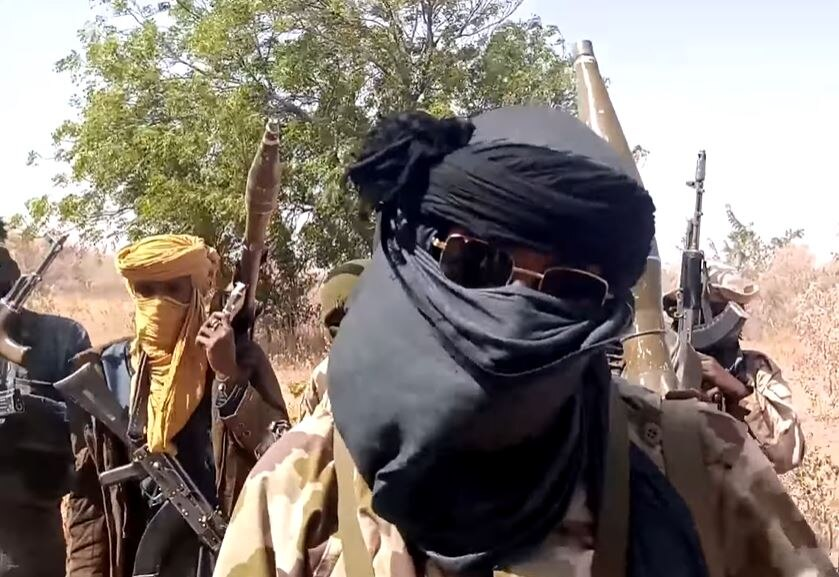
No doubt, this outgoing month (March 2025) has witnessed a troubling escalation of banditry, kidnappings, and overall insecurity across Nigeria. Despite relentless efforts by security agencies, the wave of violence continues to rise, posing a severe threat to national stability. 

The series of abductions and deadly attacks in Zamfara, Niger, Imo, and Katsina states underscore the urgent need for more aggressive and strategic security measures. This trend is particularly concerning as the country enters a festive period, historically marked by heightened criminal activity.

While the Office of the National Security Adviser (ONSA), in collaboration with the Department of State Services (DSS) and the National Intelligence Agency (NIA), has made progress in intelligence gathering and security coordination, a more technology-driven approach is necessary. 

In the same vein, ONSA’s strategic partnerships with the Nigeria Customs Service, the National Agency for Food and Drug Administration Control (NAFDAC), and the Central Bank of Nigeria (CBN) in tracking illicit financial flows and curbing arms smuggling are commendable. However, dismantling criminal networks before they strike requires a more proactive and intelligence-led response.

On the other hand, the DSS has played a crucial role in safeguarding internal security throughout March, tackling numerous threats and reinforcing its commitment to national safety. However, its reputation has come under scrutiny following multiple reports of officer misconduct and press intimidation. 

For instance, a widely circulated incident in Abia State showed a DSS officer physically assaulting a police officer, raising concerns about discipline and inter-agency cooperation. Such conflicts highlight the need for structured conflict resolution mechanisms within security forces.

Another pressing issue is the DSS’s handling of journalists. While national security remains paramount, officers must operate within the boundaries of press freedom. The harassment of journalists in Abuja during the Nnamdi Kanu court proceedings and the controversial detention of a reporter in Jos have sparked concerns about press repression. In a democracy, the public’s right to access information must be upheld, and security agencies must balance national security interests with the protection of journalistic freedoms.

Despite these concerns, the DSS has taken commendable steps to defend its integrity. Major newspapers, including Punch, Blueprint, The Guardian, and Tribune, recently issued public apologies for misreporting the Lagos State Assembly invasion, reinforcing the agency’s stance against misinformation. 

However, while protecting its credibility, the DSS must ensure that its officers uphold professionalism in their interactions with the media, fostering a balanced relationship between security and press freedom.

Subsequently, the Economic and Financial Crimes Commission (EFCC) intensified its anti-corruption campaign throughout March, securing multiple arrests, arraignments, and asset forfeitures. The agency has cracked down on major financial crimes, exposing fraudulent schemes and recovering stolen funds. 

However, its operations have also faced criticism for alleged human rights violations. A recent raid in Lagos, which left schoolchildren stranded after EFCC operatives stormed their neighborhood, sparked national outrage. While enforcing anti-corruption laws is crucial, operations must be conducted in a way that does not unduly disrupt the lives of innocent citizens.

A growing concern is the infiltration of foreign fraud syndicates, particularly those involving Chinese and Filipino nationals, who have been implicated in elaborate financial crimes within Nigeria. The EFCC must intensify its collaboration with international anti-fraud agencies to dismantle these networks and prevent Nigeria from becoming a safe haven for global financial criminals, a concern previously raised by the EFCC chairman.

One of the most notable developments in March was the government’s decision to use recovered looted funds to finance the student loan scheme. While widely applauded, stringent accountability measures must be implemented to prevent mismanagement. As this policy offers much-needed relief to students facing financial burdens, transparency must be prioritized to avoid repeating past mistakes.

The Independent Corrupt Practices and Other Related Offences Commission (ICPC) has also been active in the fight against corruption, securing key arrests and launching several investigations into public sector fraud. Its recent probe into fraudulent procurement contracts worth billions of naira reinforces its commitment to exposing corruption at the highest levels. However, to maximize impact, the ICPC and EFCC must strengthen their partnership, ensuring a more coordinated and formidable approach to tackling corruption.

Another alarming revelation in March involved the mismanagement of public funds within government ministries, departments, and agencies (MDAs). Investigations exposed how billions meant for public projects were misappropriated, depriving citizens of critical services. While the ICPC’s swift intervention in these cases is commendable, Nigerians demand more than just arrests—they want convictions and asset recoveries that send a strong message to corrupt officials.

Notwithstanding, March 2025 has been a defining month for Nigeria’s intelligence and anti-graft agencies. As the nation moves into April, Nigerians expect these agencies to reinforce their commitments, refine their strategies, and uphold the principles of justice, transparency, and accountability. The battle against insecurity and corruption is far from over, but it must be fought with precision, fairness, and an unwavering dedication to national progress.

Haroon Aremu Abiodun is an author and a fellow of PRNigeria. He wrote via exponentumera@gmail.com.

Like soldiers, like trees

By Abubakar Idris Misau

According to a study published 10 years ago in the journal Nature (Ehrenberg, 2015), our planet is home to a staggering 3.04 trillion trees. Now, try searching for the article titled “Global forest survey finds trillions of trees”; come back with a different result and refer to me as “Mr. Sociologist” – as Reno Omokri would say it, please. 

When writing in the realm of science and research, one cannot simply state things. Often, figures are necessary, and it is not enough to just present them; one must also explain where and how they were obtained, detailing their validity. This is the academic way. This is the scientific way. This is not the sociologist’s way. And definitely not the way of “political science.“ 

With “political science” in quotes, let me share a short story: While at the University of Maiduguri (UNIMAID), there was a legend involving the renowned mathematics guru, Professor M.Y. Balla. They said he remarked, “While mathematics is the simplest thing to understand, the most difficult concept ever conceived is the one that led to the naming of a department or discipline as political science.” It’s quite a legend!

Deduce, meanwhile, that science is proof, not talk. Scientific research writing can tire a person before they reach the end of the first sentence – only for one to finish the terrible journey and have people saying, “wetin this one talk nii?”

In other words, a scientific work is like a qualified doctor’s handwritten prescription: terrible and difficult to read, yet easy to understand by the right audience, such as a pharmacist, when it comes to a medical doctor’s handwritten advice.

Hence, with this message targeting the general public, it remains so – as it is. The scientific way isn’t for us.

Let’s get to work:

As we navigate the complexities of our planet’s ecosystem, one ironic truth holds: the most formidable soldiers of our planet are not those wielding guns or bombs, but rather the ones with leaves, roots, and trunks. Trees, the often-overlooked sentinels of our environment, are the true warriors of planet Earth.

Contrary to what some of us mistakenly believe, these arboreal giants are not merely passive observers; they are actively engaged in a continuous struggle to protect our planet’s fragile balance. 

From producing oxygen to filtering pollutants and supporting biodiversity, trees are the frontline defenders against the ravages of climate change. 

But if we think that’s all they do, then we cannot be more wrong. In truth, as this little note shows, trees are more than just ecological warriors; they are also master strategists. 

In an academic context and hopefully for the last time, a study entitled “Net Transfer of Carbon Between Trees by Ectomycorrhizal Fungi in the Field” demonstrates that trees have evolved complex communication networks, utilizing fungal hyphae to share nutrients and warn of potential threats (Simard, 1997). 

This symbiotic relationship eerily resembles the tactics used by human militaries, where intelligence sharing and coordination are essential to success. Technical? Sorry about that. That’s the best I can do! Keep the tempo up.

The point is that trees have developed an impressive array of defense mechanisms to counter the numerous threats they face. From the chemical defenses used by the majestic baobab tree (Adansonia digitata) to the physical barriers created by the resilient redwood (Sequoia sempervirens), trees have evolved a remarkable range of strategies to ensure their survival.

And here comes the shocking open secret: despite their critical role in maintaining planetary balance, trees are facing unprecedented threats. Anthropogenic activities are taking a devastating toll on global tree populations, including industrialization, farming, housing, and shambolic acts. 

The game of numbers: We cut down 41 million trees each day! That amounts to 15 billion trees annually. This means we have only 200 years to eliminate the remaining 3.04 trillion standing soldiers. 

Mind you, it isn’t as if we are making any real effort to reverse the dangerous trend. Currently, we plant less than 2 billion trees a year (about 5 million each day).

To maintain our current situation – without increasing our numbers, which we desperately need to avoid – we must plant 36 million more trees daily, totaling 13 billion trees needed to close the gap between what we destroy and what we establish each year.

We are, therefore, through this trade-up, waging a war against our own planet, with trees as the immediate casualties.

However, we need to understand that trees are not just individual organisms; they are part of a larger web of life. They are some of the most important elements of this web. Soldiers. Custodians. Protectors of life itself. 

Therefore, we must acknowledge the vital role trees play in protecting our planet and take steps to preserve them.

The future of our planet relies on the ongoing vigilance of these unsung heroes – the arboreal army standing tall, steadfast, and tireless in their defense of our world.

Let’s stop the starvation and attacking our saviors, please!

The Good News: We are approximately 8 billion people. Planting two trees per person means planting 16 billion trees. This results in a surplus of about one billion trees compared to the 15 billion stands we destroy each year. The ball is in our court.

Happy International Day of Forests, 2025.

Abubakar Idris, a Forestry and Wildlife graduate from the University of Maiduguri, writes from Katsina. Contact: abubakaridrismisau@gmail.com. 

What Nigeria can learn from global best practices in fiscal transparency and public integrity

By Muhammad Ahmad Iliyasu

Nigeria’s governance and fiscal challenges are undermined by persistent corruption, inefficiencies in public finance, and a lack of transparency, all of which have stymied economic progress, among other issues. According to the 2024 Mo Ibrahim Index on African Governance, Nigeria ranked 33rd out of 53 African nations with a score of 45.7 out of 100, reflecting a decline of 1.4 in its governance score between 2014 and 2023. 

The ranking (above) is further emphasized by low scores across critical categories such as Security & Rule of Law (39.7), Participation, Rights & Inclusion (47.9), Foundations for Economic Opportunity (48.6), and Human Development (46.4). While these challenges are substantial, examples worldwide illustrate the transformative potential of fiscal transparency and public integrity when supported by robust institutions and data-driven strategies. Nigeria can identify actionable solutions to address its governance deficits by examining how other countries have succeeded in these areas.

One of the most striking examples of fiscal transparency comes from Estonia, which has emerged as a global leader in e-government. Estonia has digitized its public financial management systems and introduced blockchain technology to monitor public procurement and spending. According to the World Bank, these innovations have resulted in a 30% increase in administrative efficiency and a 25% decrease in opportunities for corruption. 

In comparison, Nigeria’s procurement processes remain largely opaque, frequently marred by corruption scandals involving inflated contracts and the misappropriation of public funds. By 2023, procurement-related corruption cost Nigeria an estimated 30% of its annual budget. Estonia’s success showcases that technology when applied systematically, can be a game-changer in ensuring fiscal accountability.

Participatory budgeting, which originated in Porto Alegre, Brazil, is another area from which Nigeria could draw valuable lessons. By directly involving citizens in decisions regarding local government budgets, Porto Alegre has boosted investment in vital services such as healthcare and education by 20%, specifically targeting underserved communities. This participatory approach has not only enhanced public service delivery but also built trust in government institutions. 

In Nigeria, public participation in budgeting remains minimal, with the process often limited to elite stakeholders. A 2021 report by BudgIT revealed that over 70% of Nigerians feel disconnected from how public funds are allocated. A more citizen-centric budgeting process would bridge this gap, fostering trust and ensuring that budgetary decisions reflect public priorities.

Anti-corruption frameworks in countries such as Singapore and Botswana highlight the significance of institutional independence and efficiency. Singapore’s Corrupt Practices Investigation Bureau (CPIB), established in 1952, functions independently from other government agencies and has played a crucial role in reducing corruption to negligible levels. This success is evident in Singapore’s top-tier ranking on Transparency International’s Corruption Perceptions Index (CPI), where it achieved a score of 85 out of 100 in 2023. In contrast, Nigeria scored 24 out of 100, ranking 150th among 180 countries. The difference stems not only from institutional strength but also from the enforcement of laws. While Nigeria’s Economic and Financial Crimes Commission (EFCC) has made strides, its efforts are frequently compromised by political interference, inadequate resources, and inconsistent prosecution of high-profile cases.

Fiscal discipline is another area where Nigeria lags behind global standards. Sweden and Germany, for instance, have adopted fiscal rules that ensure economic stability. Sweden’s balanced budget rule requires government expenditures not to exceed revenues over an economic cycle, while Germany’s “debt brake” caps structural deficits at 0.35% of GDP. These policies have allowed both nations to maintain sustainable debt levels—38% and 60% of GDP, respectively, as of 2022. In contrast, Nigeria’s public debt has risen sharply, reaching 40% of GDP in 2023, with debt servicing consuming over 80% of government revenues. Without strict fiscal rules, Nigeria risks entering a debt trap that could hinder long-term economic growth.

Open data initiatives also illustrate the potential for transparency. The United Kingdom’s Open Data Portal provides public access to over 40,000 datasets on government operations, enabling citizens and civil society to monitor public spending effectively. This transparency has contributed to a 15% increase in public trust in government institutions, as reported in a 2020 World Bank study. Meanwhile, Nigeria’s efforts at transparency, such as the Nigeria Open Contracting Portal (NOCOPO), have yet to achieve comparable results. A lack of comprehensive data and limited public awareness have restricted its impact, with Transparency International noting that only 10% of procurement data is consistently published.

In this context, the Center for Fiscal Transparency and Public Integrity (CeFTIP) plays a crucial role in Nigeria’s quest for better governance. Through its annual Transparency and Integrity Index, CeFTIP evaluates government ministries, departments, and agencies (MDAs) on their adherence to standards of transparency and accountability. Its reports reveal systemic gaps in compliance with fiscal transparency norms and provide recommendations to bridge these gaps. Additionally, CeFTIP organizes sensitization campaigns to raise awareness about the importance of fiscal openness, while its capacity-building programs train public officials in best practices for financial management and anti-corruption measures. These efforts are vital in establishing the foundational infrastructure for a culture of accountability in Nigeria.

Whistleblower protection is another area where Nigeria falls short. In New Zealand and Canada, robust legal frameworks safeguard whistleblowers from retaliation, resulting in a significant increase in reported cases of corruption and misconduct. According to the International Whistleblower Protection Network, countries with effective protections detect 30% more corruption cases. In Nigeria, the whistleblower policy introduced in 2016 initially led to the recovery of over $500 million but has since stagnated due to weak legal protections and a lack of institutional support.

South Africa offers valuable lessons in civil society collaboration. Organizations such as the Public Service Accountability Monitor (PSAM) have successfully partnered with government entities to track public spending, resulting in a 25% improvement in service delivery outcomes, according to the World Bank. In Nigeria, civil society organizations like CeFTIP, BudgIT, and Connected Development have made strides in promoting accountability but often face resistance from government agencies. Strengthening these partnerships could amplify their impact and ensure more transparent governance.

Recommendations

For Nigeria to replicate these successes, it must prioritize institutional reforms like DOGE and adopt data-driven strategies tailored to its context. Establishing a robust digital public finance system akin to Estonia’s would enhance transparency and reduce corruption. Adopting participatory budgeting processes, starting at the local government level, would empower citizens and align public spending with community needs. Strengthening anti-corruption agencies through legal and financial autonomy is essential to combating high-level corruption.

Moreover, Nigeria should introduce enforceable fiscal rules to curb excessive borrowing and ensure sustainable debt levels. Expanding open data initiatives and increasing public awareness of platforms like NOCOPO would improve oversight and citizen engagement. Supporting organizations like CeFTIP through increased funding, open access, and government collaboration could scale their impact on promoting transparency. Finally, enacting comprehensive whistleblower protection laws and fostering partnerships with civil society organizations would create a more inclusive and accountable governance framework.

By learning from the advancements in countries such as Estonia, Singapore, and Brazil, and by utilizing the ongoing initiatives of organizations like CeFTIP, Nigeria can establish a direction toward fiscal transparency and public integrity. These reforms, although challenging, are essential for rebuilding public trust, attracting investment, and ensuring a prosperous future for all Nigerians.

Muhammad Ahmad Iliyasu is Strategic Communications Officer at the Center for Fiscal Transparency and Public Integrity. He can be reached via his email: Muhada102@gmail.com.