News

ACF takes step toward tax reforms with new committee

By Abdullahi Mukhtar Algasgaini

The Arewa Consultative Forum (ACF) has established a Tax Reform Committee to tackle the challenges of taxation in Nigeria, especially the four proposed tax bills currently undergoing legislation. 

The committee, chaired by Senator Ahmed Muhammad Makarfi, former Governor of Kaduna State, comprises members with diverse expertise in finance, law, taxation and economics.

Other members of the committee include:

Dr. Mansur Mukhtar former Minister of Finance, Dr. Yerima Ngama, former Minister of State Finance, Joe-Kyari Gadzama SAN, Prof. Kabir Isa Dandago, Gambo Hamza, Kabiru M Ahmed, Mouftah Baba-Ahmed, Tajuddeen A Dantata, Chris Umar SAN and Abdullahi Ali Gombe, mni

The establishment of the Tax Reform Committee is a significant step towards addressing the tax challenges facing the region and Nigeria as a whole. 

The committee’s recommendations are expected to contribute to developing a more effective tax system in the country.

Finance minister: Customs key to ₦48 trillion 2025 budget implementation

By Sabiu Abdullahi

The Nigeria Customs Service (NCS) has been recognized for its vital contribution to Nigeria’s economic recovery, with expectations that the agency will play a central role in achieving the Federal Government’s ambitious ₦48 trillion budget target for 2025.

Speaking at the 61st quarterly board meeting of the NCS on December 18, 2024, at the Customs House in Maitama, Abuja, the Minister of Finance, Mr. Olawale Edun, praised the agency’s performance.

The meeting followed President Bola Ahmed Tinubu’s recent presentation of the 2025 budget to the National Assembly, labeled “A Budget of Restoration.”

The budget projects ₦35 trillion in revenue, with the NCS having already generated over ₦5 trillion by November 2024. Commending the agency’s efforts, Mr. Edun stated, “The NCS and other revenue bodies have performed remarkably well,” attributing their success to reforms initiated by President Tinubu.

To cover the remaining ₦13 trillion in the proposed budget, Mr. Edun revealed that the government plans to secure concessionary loans, grants, and development support.During the board meeting, the NCS’s achievements in 2024 were reviewed, and the recruitment of 3,927 officers was approved.

Special promotions were also granted to top-performing personnel to address manpower gaps and improve trade facilitation.

“The NCS has excelled in suppressing smuggling and fostering trade, crucial for growth and job creation,” the Minister noted.

Mr. Edun concluded by urging Customs officers to maintain their commitment to national objectives, emphasizing the agency’s pivotal role in reducing poverty and driving economic growth.

House Speaker asks CBN to clarify 1,000 staff layoffs, ₦50bn compensation

By Anwar Usman

The Speaker of the House of Representatives, Hon. Tajudeen Abbas, has sought the Central Bank’s clarification on the dismissal of about 1,000 staff members and the subsequent payment of a N50bn compensation package to the disengaged persons.

The speaker made the demands while declaring open an investigative hearing of the Ad-hoc Committee of the House, investigating the CBN’s termination/dismissal of members of staff on Friday in Abuja.

Recall that the CBN explained earlier that its Early Exit Package for staff is voluntary and that participation is not mandatory.

In a statement, the Acting Director of Corporate Communications, Mrs Hakama Sidi-Ali, assured staff and the public that no employee would be forced into early retirement under the scheme.

“The Central Bank of Nigeria has dismissed assertion of forced mass retirements, explaining that its Early Exit Package is entirely voluntary and without any negative repercussions for eligible staff”, the statement partly read.

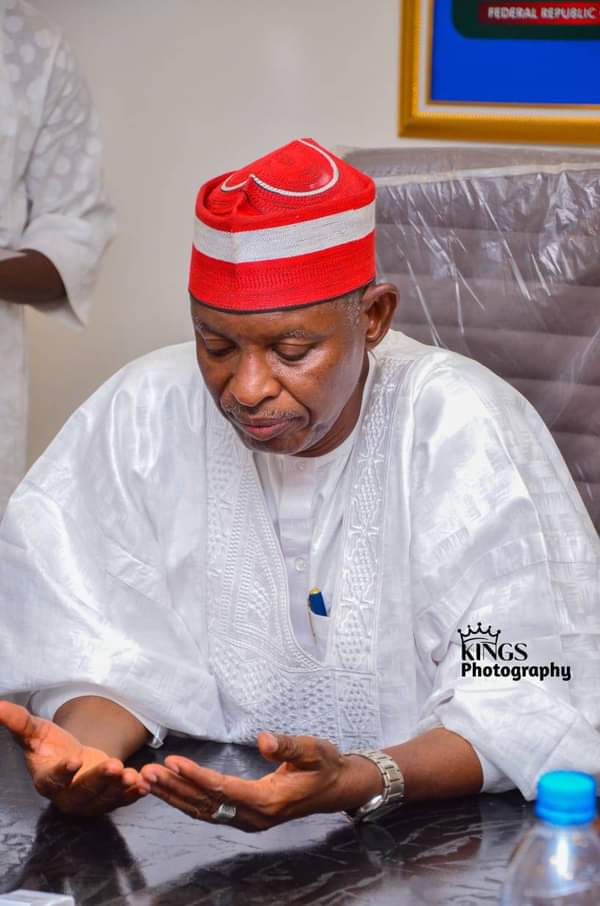
However, Abbas tasked the panel chaired by the Chief Whip of the House, Hon. Bello Kumo, with probing the rationale behind the decision, particularly in light of the country’s current economic challenges.

Speaker Abbas, represented at the event by Deputy Speaker Benjamin Kalu, reiterated the need for transparency in the matter, explaining that the welfare and rights of the affected employees must be safeguarded.

Abbas also charged the committee to examine the process by which the N50bn severance package was determined.

In a statement issued by the Chief Press Secretary to the Deputy Speaker, Livinus Nwabughiogu on Saturday quoted Abbas as saying, “The committee has been tasked with examining several critical aspects of this issue. First, we aim to understand the rationale behind the decision to lay off over 1,000 staff members, particularly during these challenging economic times. The impact of such a significant workforce reduction on individuals, their families, and the broader economy cannot be overlooked.

“Moreover, the committee will investigate the process through which the N50bn severance package was determined. We must find out whether the principles of due diligence, fairness and due process were strictly adhered to in arriving at this figure. Transparency in such matters is key to maintaining public trust and ensuring the integrity of our institutions.”

Abas called on the apex bank and other affected government agencies to cooperate fully with the investigation so that the panel could discharge its mandate.

Kano enforces tax compliance, targets N80bn IGR in 2025

By Uzair Adam

Kano State Government has announced plans to prosecute tax defaulters beginning in 2025 as part of comprehensive reforms aimed at enhancing tax administration and compliance.

The disclosure was made in a statement issued by Sanusi Bature Dawakin Tofa, spokesperson for Governor Abba Kabir Yusuf, on Saturday in Kaduna.

Dr. Zaid Abubakar, Executive Chairman of the Kano State Internal Revenue Service (KIRS), shared the update during a presentation to the Governor at a High-Level Retreat for top government officials.

According to the statement, the reforms are not intended to increase tax rates but to improve the efficiency of tax collection and ensure strict adherence to regulations.

Dr. Abubakar also revealed that the state is projecting revenue generation of over twenty billion naira per quarter in 2025, which would amount to more than eighty billion naira annually.

The statement highlighted that under Governor Yusuf’s administration, a significant restructuring of KIRS has already yielded positive results in the third and fourth quarters of 2024.

The Governor’s decision to replace the previous leadership of the revenue service and implement a new management structure was credited with improving the agency’s performance. Additionally, a new model for tax collection will be introduced in 2025.

This approach is expected to significantly boost revenue and support the government’s efforts to fulfill campaign promises across critical sectors of development.

10 dead, 8 injured in Maitama church stampede

By Uzair Adam 

The Federal Capital Territory (FCT) Police Command has confirmed the death of ten people, including four children, following a stampede during a food distribution event at the Holy Trinity Catholic Church in Maitama. 

The incident, which also left eight others injured, occurred early on Saturday, December 21, 2024.  

The distribution of food items was intended to assist vulnerable and elderly individuals but tragically resulted in a chaotic scene around 6:30 a.m. 

According to a statement signed by the FCT Police Public Relations Officer, SP Josephine Adeh, four of the injured have already been treated and discharged, while the remaining victims are still receiving medical attention.  

Expressing condolences to the families of the deceased, the Police Command called for increased caution in organizing such events to prevent future tragedies.  

“To prevent such unfortunate incidents, all organizations, religious bodies, and groups planning public gatherings in the FCT are directed to notify the Police Command in advance to ensure adequate security measures are in place,” the statement read.  

The Command warned that failure to comply with this directive would lead to holding organizers accountable for any loss of life or injuries caused by negligence.  

The Police also reiterated their commitment to protecting lives and property in the FCT and urged residents to report emergencies through the control room lines provided: 0803 200 3913 or 0806 032 1234.

Legal consequences come with online harassment, cursing—Police

By Abdullahi Mukhtar Algasgaini

The Public Relations Officer of the Nigeria Police Force, Olumuyiwa Adejobi, has clarified that directing curses at individuals online is a criminal offense under the law.

He explained that this behavior is considered cyberbullying and cannot be justified as freedom of expression or constructive criticism.

In his statement, he noted: “Raining direct curses on someone online is cyberbullying, not expression of freedom or criticism. And cyberbullying, which is even different from defamation, is a criminal offense and punishable. Be guided.”

This statement comes amid discussions among netizens about the defamation case involving Nigerian singer Burna Boy and his colleague Speed Darlington, with some questioning whether the offense committed by Speed Darlington qualifies as a criminal act.

Reacting to Adejobi’s statement, one X user commented:@felabayomi: “When does raining curses become a crime? I look forward to the day someone will challenge these laws they are using to take away people’s human rights in the Supreme Court. Late Gani Fawehinmi would have challenged that law by now.”

Another user, @omoopee_, agreed with the FPRO:“You are absolutely right, sir. Raining curses and engaging in cyberbullying is not freedom of expression but an act of harm. We must all learn to express ourselves responsibly. That said, sir, please, you are yet to respond to my question.”

Niger accuses Nigerian diplomat of plotting to destabilize the country

By Abdullahi Mukhtar Algasgaini

Niger’s foreign minister has called in the Nigerian charge d’affaires, accusing Nigeria of using its territory as a base to destabilize Niger. The allegations come amid ongoing tensions between the two nations since Niger’s military coup in 2023. 

Niger’s government claims that Nigeria has been complicit with foreign powers and officials of the ousted regime, continuing to fuel instability despite efforts to normalize relations. Although security cooperation between the two countries resumed in August, the recent accusations have led to renewed diplomatic friction. 

Niger has also reaffirmed its commitment to participating in the Multinational Joint Task Force (MNJT) to combat jihadist groups along the borders.

Banking service disruptions hit UDUS campus

By Wonderful Adegoke 

“I’ve also had to absorb the cost of failed transactions,” lamented Adeyemi Ademola, a food seller on campus at Usmanu Danfodiyo University, Sokoto (UDUS), her voice tinged with frustration and despair. 

Struggling to keep her business afloat, Ademola’s story highlights the pervasive challenges stemming from disrupted banking services. Her small shop, which supplies students with staples like rice, beans, garri, and other essentials, has been eerily quiet. The culprit? Persistent banking service disruptions, especially from Guaranty Trust Bank (GTB) and Access Bank, which her customers rely on for online payments.

Ademola’s predicament mirrors the experiences of countless others who cannot access essential banking services. GTB’s ongoing downtime—part of its transition to a new core banking application system—has left many in limbo. Even a visit to customer care brought little solace, as the explanation of “technical disruptions” linked to recent system upgrades felt more like a dismissal than a solution. Such upgrades, ostensibly aimed at fortifying defences against cyberattacks, have instead sown doubt about the security and efficiency of these systems.

The upgrades, though necessary, come with inevitable growing pains. Migrating vast amounts of customer data and integrating it across multiple platforms—from ATMs to mobile apps—is complex and time-intensive. Customers, however, bear the brunt of these transitions, enduring weeks or even months of service disruptions that hinder daily transactions.

In the past quarter alone, several commercial banks in Nigeria have initiated IT upgrades to bolster their operations and prepare for an increasingly competitive future. While these efforts are laudable, they have had far-reaching effects, straining banking operations and customer satisfaction. 

The National Bureau of Statistics (NBS) reports that the banking sector’s contribution to Nigeria’s GDP rose to 16.36% in Q2 2024, a testament to significant technological investments. Yet, for many, these figures are cold comfort amidst recurring downtimes and transaction failures.

Ademola’s weariness is palpable. She confides that her trust in traditional banking institutions, once the cornerstone of financial stability, is eroding. The persistent disruptions have cost her business revenue and undermined the basic operations on which her enterprise depends.

Lost Sales, Revenue, and Opportunities

The ripple effects of these banking failures are felt across various sectors. Rabi’u Bawa, a POS attendant, recounts her struggles: lost sales, revenue, and opportunities due to failed transactions. She still haunts the memory of a recent incident—a Sterling Bank system failure that left her unable to process payments. The frustrated customer walked away, leaving Bawa to shoulder the financial loss.

“This isn’t an isolated incident,” Bawa shares, her tone heavy with frustration. She’s frequently faced delayed payments and disputes stemming from unprocessed transactions. When her account is debited, but the recipient remains untouched, she finds herself mired in time-consuming and costly resolution processes, often at the expense of her reputation.

The disruptions have had devastating consequences for Adepoju Victor, an entrepreneur dealing with laptop repairs and phone accessories. “The stress and anxiety have taken a toll on my mental health,” he admits, his voice betraying sleepless nights spent worrying about his business. “The banks need to take responsibility for their actions and find a solution to this recurring problem.” His sentiment is echoed by many who have poured their resources and efforts into enterprises now threatened by systemic banking inefficiencies.

Service Disruptions Violate Customers’ Rights

The Federal Competition and Consumer Protection Commission (FCCPC) has warned financial institutions sternly about the crisis. According to a statement by Tunji Bello, the Commission’s Chief Executive Officer, these disruptions inconvenience customers and infringe upon their rights.

“Interruptions that impede customers from engaging in transactions or accessing essential funds are not merely an inconvenience,” Bello asserts. “They may constitute a violation of fundamental consumer rights.” The Commission’s stance underscores the urgency for banks to address these disruptions swiftly and decisively.

As customers continue to grapple with the fallout of these disruptions, Nigeria’s banking sector must balance technological advancements with reliable service delivery. Until then, entrepreneurs like Ademola, Bawa, and Victor have remained at the mercy of a system struggling to adapt to its progress.

Nigeria Customs Service makes new appointments, promotions—PRO Maiwada

By Sabiu Abdullahi

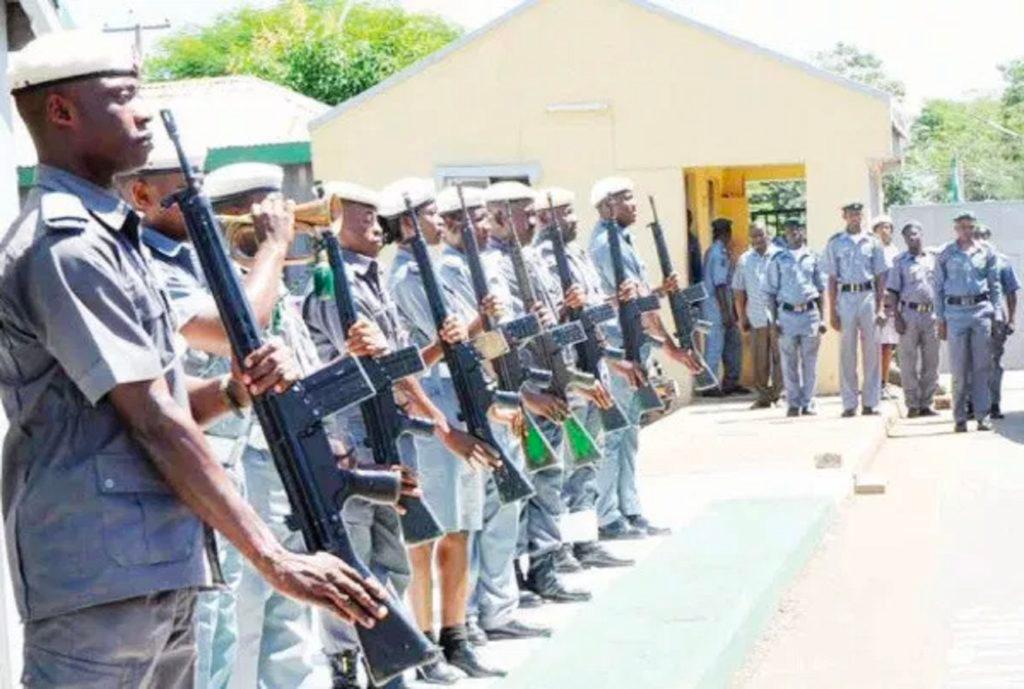
The Nigeria Customs Service Board (NCSB) has confirmed the appointment of one Deputy Comptroller General (DCG) and seven Assistant Comptrollers General (ACGs), in addition to promoting 4,291 senior officers.

According to a statement signed and released on Friday by customs spokesperson Abdullahi Maiwada, the new management team members include DCG S Chiroma and ACGs ZM Gaji, OA Adebakin, GM Omale, MS Yusuf, DA Nnadi, HK Ejibunu, and D Hassan, who will fill vacancies created by retirements in various geopolitical zones.

The statement reads, “The Nigeria Customs Service Board (NCSB), at its 61st regular meeting held on 18 December 2024, chaired by the Honorable Minister of Finance and Coordinating Minister of the Economy, Mr Wale Edun, confirmed the appointment of one Deputy Comptroller General (DCG) and seven Assistant Comptrollers General (ACGs). Additionally, 4,291 senior officers were promoted.

“The newly confirmed Nigeria Customs Service (NCS) Management Team members include DCG S Chiroma (North-East) and ACGs ZM Gaji (North-East), OA Adebakin (South-West), GM Omale (North-Central), MS Yusuf (North-Central), DA Nnadi (South-East), HK Ejibunu (North-Central), and D Hassan (North-East). These appointments are to fill the vacancies created based on the retirement of some management team members from the affected geopolitical zones of the federation. The action further aligns with the Service’s commitment to national inclusivity, institutional balance, and adherence to the Federal Character Policy as outlined in Section 14(4) of the Nigeria Customs Service Act, 2023.”

The Board also approved special promotions for 16 deserving officers and a posthumous promotion for the late Deputy Comptroller of Customs, Etop Andrew Essien, in recognition of his invaluable contributions and dedication.

Furthermore, the Board approved a strategic restructuring, transferring the Post Clearance Audit (PCA) Unit to the Office of the Comptroller General to ensure stronger oversight and increased efficiency.

The Comptroller-General of Customs, Bashir Adewale Adeniyi, congratulated the newly appointed, promoted, and retained officers, urging them to uphold the Service’s core mandates and pursue excellence.

Tinubu, Shettima’s travels, refreshments to cost over N9bn in 2025 budget

By Uzair Adam

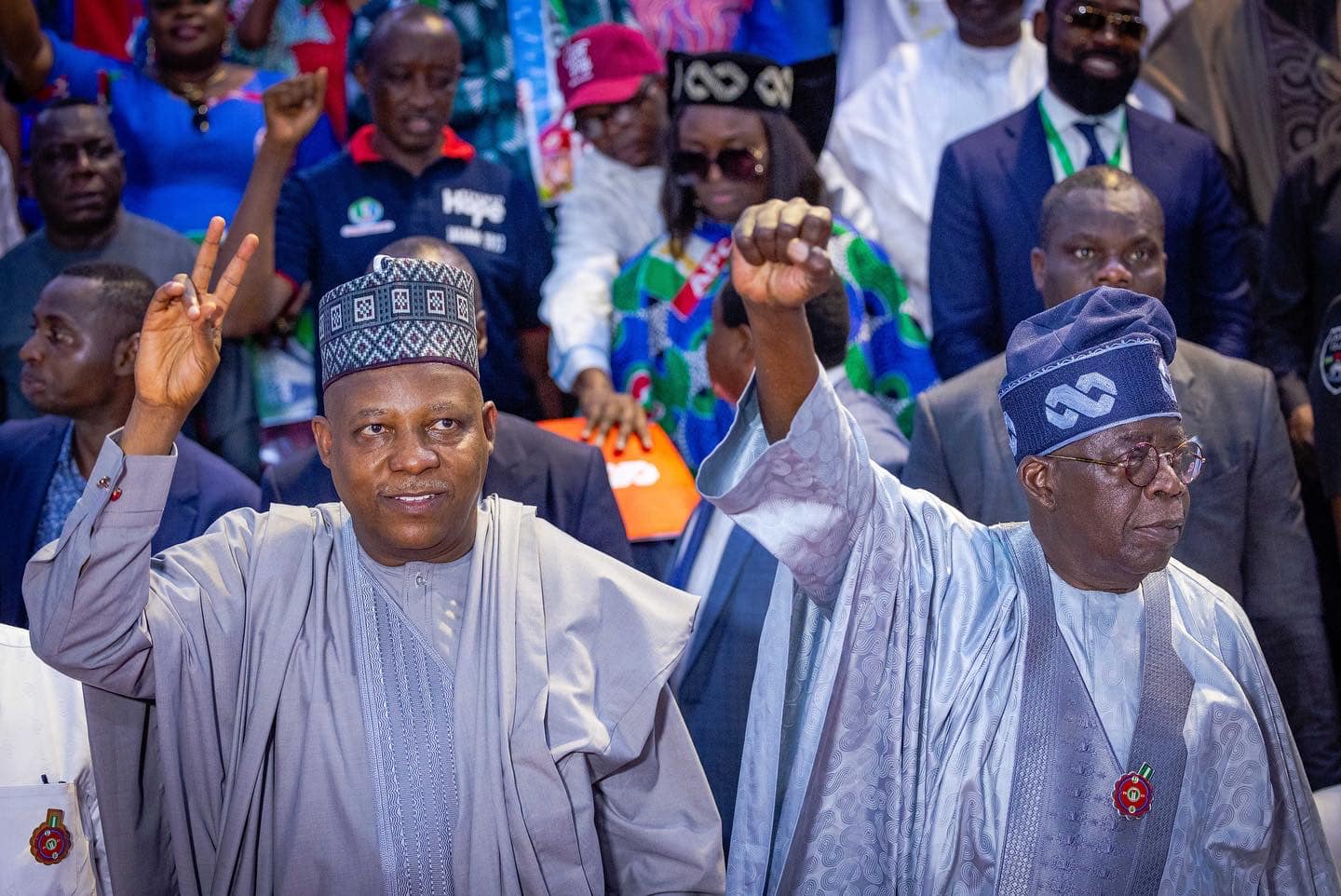
President Bola Ahmed Tinubu and Vice President Kashim Shettima are set to spend over N9.36 billion on local and international travels, as well as refreshments, in 2025.

Details of the expenditures are contained in the 2025 Appropriation Bill presented by the Ministry of Budget and Economic Planning.

The proposed budget, totaling N49.7 trillion, was presented to the National Assembly on Wednesday under the theme: ‘Restoration Budget, Securing Peace and Building Prosperity.’

According to the proposal, President Tinubu’s travels and refreshments will cost N7.44 billion, while Vice President Shettima’s similar expenses will amount to N1.9 billion.

For the president, international travels are expected to consume N6.14 billion, while local trips will cost N873.9 million. In addition, N431.6 million has been allocated for refreshments, meals, foodstuffs, and catering supplies.

The vice president’s travel expenses include N1.31 billion for international trips and N417.5 million for local ones.

Refreshments, meals, and catering for the vice president are budgeted at N186.02 million. Between January and March 2024, President Tinubu, Vice President Shettima, and First Lady Remi Tinubu reportedly spent over N5.24 billion on travel expenses, according to data from GovSpend, a civic tech platform tracking government expenditures.

The presidency has also allocated N10.6 billion for vehicles, honorariums, and fuel. Of this amount, N4.76 billion is earmarked for vehicles, including N3.66 billion for operational vehicles and N1 billion for replacing Sport Utility Vehicles (SUVs).

An additional N255.7 million is budgeted for other vehicle purchases, including SUVs for the presidential fleet. Other allocations include N5.93 billion for honorariums, fuel for generators, and the construction of offices for Special Advisers (SAs) and Senior Special Assistants (SSAs).

Notably, N2.12 billion is set aside for sitting allowances and honorariums, while N1.99 billion is for fuel expenses.

The N49.7 trillion budget has passed its second reading in both the Senate and the House of Representatives.

The appropriation bill will now proceed to the respective Committees on Appropriations for further scrutiny.

In addition, the House of Representatives approved a bill to extend the capital component of the 2024 budget to June 30, 2025, to ensure ongoing projects are completed.

Both chambers of the National Assembly have adjourned until January 14, 2025, for the yuletide recess.