News

Kano police arrest four suspects, prevent bandit infiltration

By Uzair Adam 

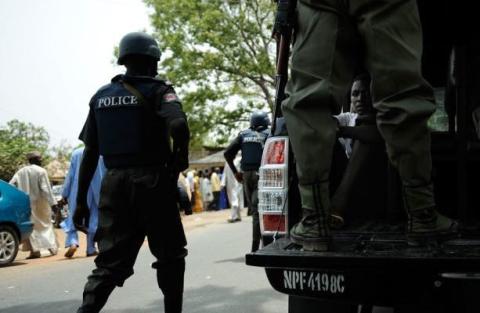
Police in Kano have successfully thwarted an attempt by suspected bandits to infiltrate the state, leading to the arrest of four individuals.  

The spokesperson of the command, SP Abdullahi Haruna, confirmed the development, stating that the suspects were apprehended following credible intelligence that they had arrived in Kano intending to purchase an AK-47 rifle.  

SP Haruna added that the suspects were found in possession of various weapons and are currently in custody as investigations continue.

Governor Yusuf calls for legislative action to drive Kano’s development

By Hadiza Abdulkadir

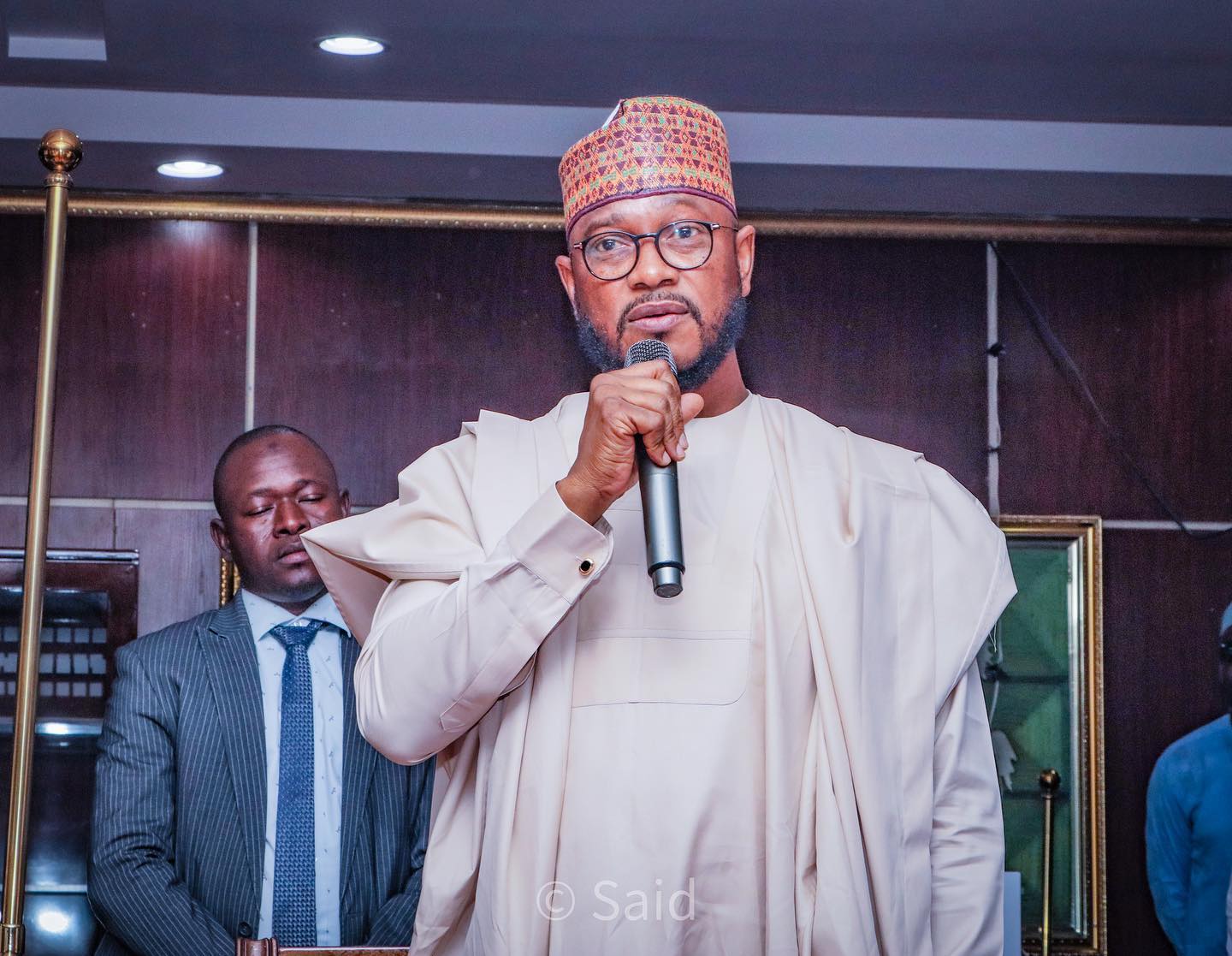
Kano State Governor, Alhaji Abba Kabir Yusuf, has urged the State House of Assembly to prioritize laws that promote significant development and improve citizens’ well-being. This call came during a special breakfast meeting with members of the State and National Assemblies from Kano.

In a statement by his spokesperson, Sunusi Bature Dawakin Tofa, Governor Yusuf emphasized the need for collaboration between the executive and legislative branches to enhance governance and address challenges in infrastructure, education, healthcare, and security. He urged lawmakers to align their agendas with the administration’s vision for a prosperous Kano.

Speaker of the Kano State House of Assembly, Rt. Hon. Jibril Ismail Falgore commended the governor for his commitment to inclusive governance and cooperation with the legislature. He highlighted the recent signing of a ₦719 billion appropriation bill for the 2025 fiscal year, reflecting the governor’s dedication to enhancing education and healthcare.

Also attending, Hon. Hassan Hussain, representing the National Assembly Caucus of the NNPP, noted that Kano representatives are actively facilitating strategic constituency projects to boost development.

The meeting provided a vital platform to discuss governance and strategies for accelerating development in Kano State, with a strong commitment from all parties to work collaboratively for the benefit of the citizens.

Governor Lawal Dauda: Redefining the concept of good governance in Zamfara State

By Jamil Jetta

Since assuming office as the Governor of Zamfara State, Alhaji Lawal Dauda has demonstrated an unwavering commitment to restoring the lost glory of the state, particularly in the critical areas of education, security, and infrastructure.

His administration has prioritized human development, aligning with the robust manifesto of the People’s Democratic Party (PDP), which emphasizes the importance of empowering citizens and fostering sustainable growth.

Through strategic and deliberate interventions, Governor Dauda has begun to rewrite the narrative of Zamfara, transforming it from a state plagued by insecurity and underdevelopment to one of hope and progress,positioning it toward becoming an examplar of greatness.

Remarkably, one of the most notable achievements of Governor Dauda’s administration is his dedication to revamping the education sector. Recognizing that education is the bedrock of development, he has launched strategic initiatives aimed at restoring the state’s educational system to its former glory.

His administration has invested heavily in the renovation of dilapidated schools, provision of learning materials, and training of teachers to enhance the quality of education.

Additionally, scholarship programs have been introduced to support indigent students, ensuring that financial constraints do not hinder access to education. These efforts have not only improved enrollment rates but also rekindled hope among parents and students who had previously lost faith in the system.

Hid decision to settle outstanding WAEC and NECO Examination debts was greeted with profound joyIn the area of security, Governor Dauda has implemented a zero-tolerance policy against banditry, kidnapping, and other forms of criminality that have plagued Zamfara for years.

His administration’s security blueprint focuses on collaboration with security agencies, community engagement, and the use of technology to combat crime. This multi-pronged approach has led to a significant reduction in violent attacks, allowing farmers to return to their fields and businesses to thrive once again.

The governor’s commitment to restoring peace has not only saved lives but also revived the state’s economy, which had been crippled by years of insecurity.

Despite the protracted security challenges that has led to the deaths of thousands of innocent citizens and collateral co-efficient, Governor Dauda has made remarkable strides in infrastructure development. His administration has embarked on the construction and rehabilitation of roads, bridges, and public buildings, improving connectivity and access to essential services.

These projects have not only enhanced the quality of life for residents but also created employment opportunities, thereby stimulating economic growth. The governor’s focus on infrastructure underscores his belief that development is possible even in the face of adversity.

Governor Dauda has also prioritized the welfare of civil servants and pensioners, recognizing their contributions to the state’s development. His administration has ensured the timely payment of salaries and cleared arrears owed to pensioners, providing much-needed relief to retirees who had long been neglected.

Furthermore, the governor has introduced agricultural initiatives aimed at boosting food production and creating wealth for farmers. By providing farmers with improved seedlings, fertilizers, and modern farming equipment, his administration has empowered them to increase productivity and contribute to the state’s food security.

Piquantly, Governor Lawal Dauda’s achievements in education, security, infrastructure, and civil service welfare reflect his unwavering commitment to the development of Zamfara State.

His strategic interventions have not only addressed immediate challenges but also laid a solid foundation for sustainable growth. As he continues to implement his robust manifesto, there is no doubt that Zamfara is on the path to reclaiming its lost glory and becoming a model of progress in Nigeria.

Governor Dauda’s leadership serves as a beacon of hope, proving that with determination and vision, even the most daunting challenges can be overcome.

Jamil Shuaib Jetta is former Aspirant for Kaduna State House of Assembly. He can be reached via jamilshuaib57@gmail.com 6 March, 20256 Ramadan, 1446AH.
Kano govt begins reconstruction of dilapidated roads

By Anwar Usman

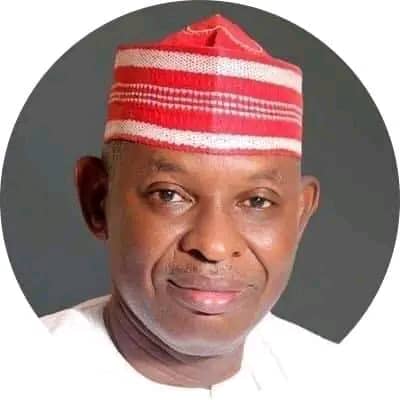
The Kano State Governor, Abba Kabir Yusuf, has announced the reconstruction of 17 dilapidated roads in the Kano metropolitan area as part of his urban renewal agenda for the city to meet a mega city status.

The governor said the effort is to make Kano state “one of the finest mega cities in Nigeria.”

This is contained in a statement released by the Spokesperson to the governor Sanusi Bature DawakinTofa and distributed to journalists on Saturday.

The statement in part read that, “The Governor flagged off the reconstruction of Club Road as part of 17 Urban Renewal Projects in Kano Metropolis held at Nassarawa Local Government Area on Saturday”.

“I feel highly delighted, I feel happy and I feel fulfilled, as your governor who made a promise during our NNPP electioneering campaign, especially in the metropolis, we made a promise when elected, by the Grace of Almighty Allah we are going to make Kano in terms of infrastructural development as one of the best cities in Nigeria,” Yusuf was quoted as saying.

“Today, we are flagging one of the gigantic projects for the rehabilitation of dilapidated metropolitan roads which were deliberated and approved by the State Executive Council,” the governor hinted.

Yusuf noted to the people of the state that any project under his administration would meet global standards before being handed over.

He expressed satisfaction with the quality of work being executed by the contractor and appealed to him to maintain the standard.

The governor said contractors should expect his unplanned visits to the site anytime to ensure accountability.

On the other hand, the Commissioner of Works and Infrastructural Development Marwan Ahmad said the Urban Renewal Programme for Kano Metropolis was initiated by Governor Abba Kabir and approved by cabinet members.

He said this particular project begins from Club Road to Ashton Road to Airport Road to Murtala Mohammed Road respectively.

NSA commends customs for proactive border security measures

By Sabiu Abdullahi

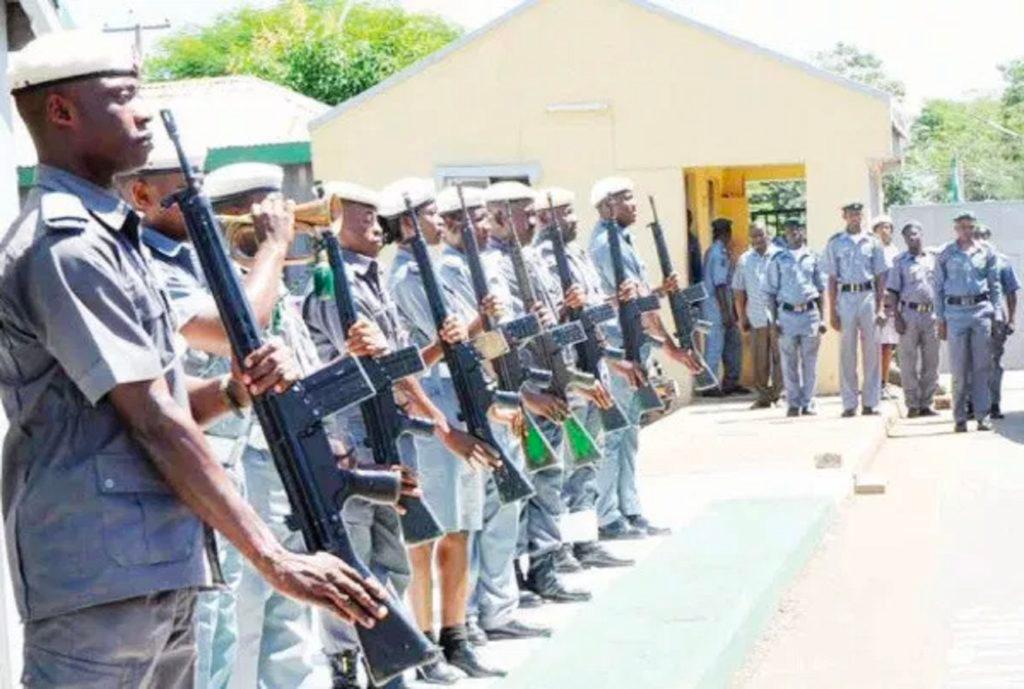
The National Security Adviser (NSA), Malam Nuhu Ribadu, has praised the Nigeria Customs Service (NCS) for its proactive efforts in securing the nation’s borders and facilitating trade.

Ribadu made this commendation when the Comptroller-General of Customs (CGC), Bashir Adewale Adeniyi MFR, paid him a courtesy visit at his office in Abuja on Thursday.

During the meeting, Adeniyi showed the NCS’s adoption of advanced technology, such as Geospatial technology, to enhance surveillance, intelligence gathering, and enforcement at Nigeria’s land and maritime borders.

Speaking these efforts, the NSA stated, “The Customs Service has demonstrated a commendable commitment to modernization and efficiency in securing our borders. Integrating advanced technology into border management is a step in the right direction and aligns perfectly with our broader national security objectives.”

In his response, Adeniyi expressed gratitude for the NSA’s recognition of the service’s efforts. He reaffirmed the NCS’s commitment to using technology to curb smuggling, trafficking, and other transborder crimes.

“We are committed to deploying cutting-edge solutions to combat smuggling, trafficking, and other transborder crimes,” Adeniyi said.

“Our goal is to ensure that our borders are secure, while also facilitating seamless and legitimate cross-border transactions.”

He also explained that the NCS’s technology-driven strategies are designed to align with international best practices while addressing Nigeria’s unique border security challenges.

“Technology remains the key to effective border management in today’s rapidly evolving security landscape,” Adeniyi noted.

“We will continue to invest in advanced technology and build strategic partnerships to enhance our border security and trade facilitation efforts.”

The NSA assured Adeniyi of continued support for the NCS’s modernization drive and emphasized the importance of collaboration in intelligence sharing and operational coordination.

The meeting stated the need for inter-agency cooperation in addressing security threats and maintaining national stability.

Tinubu appoints Jega as adviser on livestock reforms

By Hadiza Abdulkadir

President Bola Tinubu has appointed former INEC chairman, Professor Attahiru Jega, as his adviser and coordinator forthe Presidential Livestock Reforms. This was announced by Special Adviser Bayo Onanuga. 

Jega was the INEC chairman from 2010 to 2015 and previously co-chaired the Presidential Livestock Committee alongside Tinubu.

In July, Tinubu established a new Ministry of Livestock Development to address the farmers-herders crisis, based on the recommendations of the National Livestock Reforms Committee. 

Jega, 68, is also a member of the International Elections Advisory Council and chairs the Governing Council of Sa’adatu Rimi University of Education in Kano State. 

Jega’s appointment aims to support ongoing livestock reforms in Nigeria.

Shekau, notorious bandit leader, killed in rival ambush

By Abdullahi Mukhtar Algasgaini

A notorious bandit leader known as Shekau, operating around the Narewo River bank in Kachia Local Government Area (LGA) of Kaduna State, was ambushed and killed by a rival faction led by bandit leader Shumo.

The attack, carried out on March 5, 2025, was in retaliation for a previous assault by Shekau, who had reportedly seized Shumo’s weapons and killed several of his fighters.

Intelligence sources revealed that Shekau and some of his lieutenants were killed during the ambush.

The deceased bandits were later buried by individuals identified as Yellow Million, Baba Kusa, and an imam from Kabode village in Kachia LGA.

While bandit activities in Kaduna have significantly decreased due to the non-kinetic efforts of the state government and security agencies, ongoing rivalries among bandit factions have intensified, leading to multiple casualties in recent times.

CJN seeks judicial collaboration to take Nigeria out of FATF grey list

By Anwar Usman

The Chief Justice of Nigeria, Justice Kudirat Kekere-Ekun, has called on judges to play a significant role in the fight against financial crimes and ensure that the nation’s legal system does not become a facilitator of illicit financial flows.

She made this call in Abuja during a sensitisation programme on anti-money laundering, combating the financing terrorism, and countering proliferation financing risk assessment for the Judiciary.

This was contained in a statement issued on Friday by the Senior Special Assistant on Media to the CJN, Tobi Soniyi.

According to the statement, the CJN reiterated the need for collaboration between the judiciary, lawyers, law enforcement, and anti-money laundering agencies to ensure Nigeria’s removal from the Financial Action Task Force list of Jurisdictions Under Increased Monitoring, commonly referred to as the “Grey List.”

Kekere-Ekun stated that, “The success of any AML/CFT regime is based on the good rapport that exist among key stakeholders. The Judiciary, the Nigerian Bar Association, law enforcement agencies, anti-money laundering institutions, and financial regulators must work in concert to ensure a holistic and coordinated response to financial crimes.”

She further highlighted the negative impact of Nigeria’s continued presence on the Grey List, noting that it has imposed significant economic constraints, undermining investor confidence, financial transactions, and the broader economic outlook.

Kekere-Ekun expressed satisfaction with the workshop’s diverse participation, including key regulatory stakeholders, which she described as a reflection of the collective commitment to strengthening Nigeria’s AML/CFT framework.

On his part, the Deputy British High Commissioner to Nigeria, Mrs. Gill Lever, reaffirmed the United Kingdom’s commitment to supporting Nigeria in fighting against money laundering, noting that Nigeria loses over $16 billion annually as a result of money laundering.

Borno: Education commissioner Wakilbe tours schools

By Rukayya Abubakar Othman

Commissioner of Education Engineer Lawan Abba Wakilbe continued his school supervision tour, visiting the Mafa, Dikwa, and Ngala Local Government Areas. He was accompanied by Bukar Sheriff Kime, Zonal Deputy Director of Monguno Zone, other educational board members, and the local education secretary. 

Engineer Wakilbe commenced his tour at Ngom Primary and Junior Secondary School, where he also visited Government Day Secondary School, Vocational Enterprise Institute, Central Primary, and Junior Day Secondary School in Mafa local government.

During the visit, the Commissioner expressed concern regarding the low student turnout and the high absenteeism among teachers, emphasising the necessity for immediate improvement.

Engineer Lawal Wakilbe, during his visit to Dikwa Government Day Secondary School, Shehu Sanda, Central, Kalaa Garu Primary, and Junior Day Secondary School, inspected the completed teachers’ quarters and the ongoing construction of the Higher Islamic School. 

During his visit to Dikwa, Engineer Lawan commended the attendance of teachers and students, and distributed learning materials and dignity kits to adolescent girls.

Commissioner Lawan Abba Wakilbe, on the second day of his visit to Gamboru, inspected Government Day Secondary School Gamboru, Gamboru Central, and Ndjamaina Primary and Junior Secondary School.

Engineer Wakilbe also inspected the Higher Islamic College Gamboru and Ladari Primary School. At Wulgo, heexamined the completed secondary school project, as well as the Primary and Junior Secondary School Wulgo.

The commissioner commented on the dedication of Ngala Education Secretary, Bulama Kole Bunu, and the Principal of Government Secondary School Gamboru, Mohammed Hamidu Talaki, during the distribution of learning materials and dignity kits to students.

This tour underscores the Borno State Government’s commitment to enhancing education quality and infrastructure across the state.

Nigerian universities struggle to access global funding due to financial secrecy—Athena Centre

By Sabiu Abdullahi

A report by the Athena Centre for Policy and Leadership has revealed that Nigerian universities rank among the least transparent globally, with none of the surveyed institutions making their financial records publicly accessible.

The findings were presented on Wednesday, March 5, in Abuja during the launch of two research institutes under the Athena Centre—the Athena Dr. Arthur Nwankwo Institute for Education and Intellectual Freedom and the Athena Prof. Olikoye Ransom Institute for Health and Social Equity.

According to the Transparency Survey Report titled “A National Embarrassment: Reforming Transparency in Nigerian Universities to Unlock Global Funding and Restore Credibility,” the study examined 64 universities across the country.

It found that none of them published their budgets, audited financial statements, or visitation panel reports on their websites.

Additionally, the report indicated that no institution disclosed details of its internally generated revenue (IGR) or how such funds were utilized.

Requests for financial information under the Freedom of Information (FOI) Act were either ignored or outrightly denied.

The event, which was attended by key figures including Dr. Angus Ikpe (representing the Minister of Health and Social Welfare), Dr. Ejeb A.U (representing the Minister of State for Education), former Senator Dino Melaye, and ex-Minister of Youth and Sports Bolaji Abdullahi, featured a keynote address by Osita Chidoka, the Chancellor of the Athena Centre.

Chidoka noted that financial secrecy remains a significant obstacle to the growth of Nigeria’s higher education sector.

“The time for excuses is over. Transparency is not optional—it’s the key to unlocking funding, restoring trust, and positioning Nigerian universities as credible players on the global stage.

“This culture of secrecy is driving away donors, blocking global partnerships, and starving our universities of much-needed funding.

“Global research consistently shows that transparent universities secure more research grants, partnerships, and international student enrollments.

“Universities should be role models of openness, accountability, and innovation, not fortresses of secrecy,” he stated.

Chidoka further noted that the Athena Centre, with the support of relevant stakeholders, plans to collaborate with the National Universities Commission (NUC) and other regulatory bodies to institutionalize transparency and governance reforms within the sector.