Lifestyle

You can add some category description here.

Tinubu celebrates wife Oluremi at 65, hails her strength and sacrifice

By Hadiza Abdulkadir

President Bola Ahmed Tinubu has paid a glowing tribute to his wife, First Lady Senator Oluremi Tinubu, as she marks her 65th birthday today.

In a heartfelt message, the President described the First Lady as “the love of my life” and praised her for being a steadfast partner through years of struggle, political exile, and leadership.

“You are more than my wife. You are my confidant, counsellor, and the steady flame illuminating my path,” Tinubu wrote, noting that their children and grandchildren see in her a model of compassion and faith, while Nigerians recognise her as a symbol of strength and grace.

The President lauded Mrs Tinubu’s quiet sacrifices, describing her as someone who has served Nigeria not from the podium but from the heart of their home.

“As your husband, I thank God for your life, health, and unwavering love. As your President, I salute you as the First Lady whose warmth and empathy continue to touch millions of lives,” he stated.

Tinubu concluded with a personal message of love and gratitude, calling her presence in his life a “treasure.”

The First Lady, Oluremi Tinubu, a former senator, is marking her milestone birthday with prayers and family celebrations.

Abuja faces sanitation crisis as contractors threaten strike over unpaid wages

By Anas Abbas 

Abuja may soon face a sanitation crisis as contractors responsible for cleaning the city have threatened to suspend operations from September 25 over the non-payment of nine months’ wages.

The Association of FCT Solid Waste and Cleaning Contractors (AFSOWAC), which oversees sanitation services across 44 lots in the capital, raised the alarm in a letter to the Coordinator of the Abuja Metropolitan Management Council.

“Despite our loyalty and sustained service delivery, we have not received payments since January 2025,” the group said. “We have reached a point where passion and commitment alone cannot sustain this essential service. Without payment, we cannot continue.”

According to the association, its members clear more than 1,000 tonnes of refuse daily using over 100 refuse trucks and 60 tippers, while engaging more than 3,000 workers. Many of these workers, it said, depend solely on the job for their livelihoods.

AFSOWAC disclosed that contractors had kept operations afloat by borrowing heavily from banks and informal lenders, but warned that such means had been exhausted. It added that the Abuja Environmental Protection Board (AEPB), which supervises their contracts, had continued issuing daily directives without addressing the financial challenges.

The contractors further lamented the deteriorating state of the Gosa dumpsite, describing it as “deplorable” and urging urgent intervention to improve access roads and equipment.

They also called on the FCT Administration to expedite the procurement process initiated in October 2024 and review payment rates to reflect current economic realities, such as the removal of subsidies and the devaluation of the naira.

The association warned that a strike would trigger a rapid build-up of waste in Abuja, a city renowned for its relative cleanliness, and could expose residents to serious public health risks.

“We can no longer guarantee uninterrupted services in the Federal Capital City without urgent payment,” AFSOWAC cautioned.

The menace of unauthorized traditional medicine selling

By Salama Ishaku

The unauthorized selling of traditional medicine is gradually becoming a menace that begs for our collective attention. Across many towns and cities, traders openly display unlicensed herbal products, often with loud proclamations about their supposed healing powers. While traditional medicine has long been a part of our culture, the unregulated and indiscriminate sale of these substances poses serious risks to public health and safety.

At motor parks, street corners, and crowded markets, it is common to see hawkers peddling mixtures in bottles and sachets, claiming they can cure anything from malaria and typhoid to infertility and diabetes. Some even promise instant solutions to chronic conditions that modern medicine struggles with. These exaggerated claims lure unsuspecting citizens, particularly the poor and vulnerable, who are desperate for relief.

The danger, however, lies in the fact that most of these so-called remedies are not scientifically tested or approved by relevant health authorities. Without proper regulation, there is no guarantee of their safety, dosage, or effectiveness. Some of the concoctions are prepared in unhygienic conditions, exposing users to infections and long-term complications.

Equally worrisome is the way sellers often discourage people from seeking professional medical care. By instilling false confidence in their products, they convince patients to abandon prescribed treatment in favour of unproven alternatives. This not only worsens health outcomes but also contributes to avoidable deaths that could have been prevented through timely medical intervention.

Another aspect of this menace is the use of harmful substances. There have been reports of herbal mixtures laced with high doses of alcohol, caffeine, or other chemicals to create instant effects. Such practices endanger consumers who unknowingly ingest toxic elements in the name of treatment. The lack of labelling and dosage instructions further increases the risk of overdose.

The proliferation of unauthorized traditional medicine sellers also undermines the credibility of genuine traditional healers who practise responsibly and adhere to cultural ethics. By mixing quackery with legitimate herbal practices, the public perception of traditional medicine as a whole is eroded. This makes it difficult for serious practitioners to gain recognition and collaborate with modern healthcare providers.

Mr. President and relevant health agencies must recognise that this problem requires urgent attention. Stronger regulatory measures need to be introduced to monitor and control the sale of traditional medicine. Sellers should be licensed, and products subjected to scientific testing to ensure they are safe for human consumption.

Public sensitisation is also essential. Citizens must be educated about the dangers of patronising unverified medicine sellers. Awareness campaigns through radio, television, social media, and community outreach will go a long way in discouraging reliance on unsafe remedies. People should be encouraged to seek medical advice from qualified professionals rather than fall prey to street hawkers.

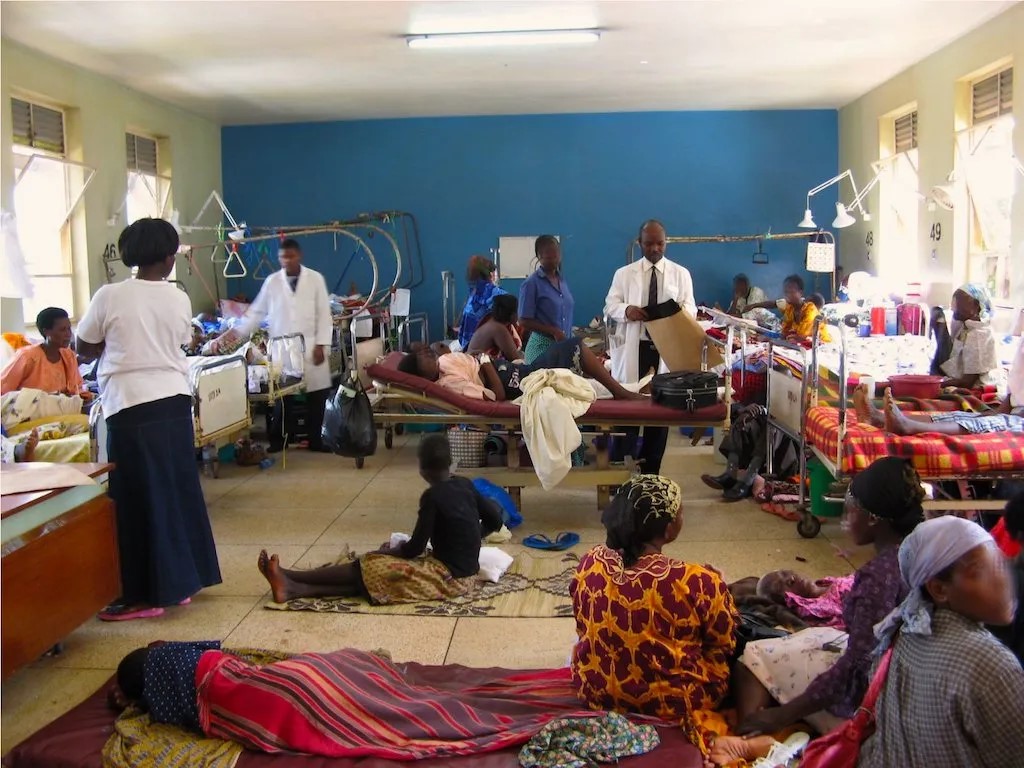
Equally important is the need to strengthen the healthcare system. Many Nigerians resort to traditional sellers not out of choice but because hospitals are often inaccessible, expensive, or overcrowded. By improving affordability and access to quality healthcare, the dependence on unauthorized herbal remedies will naturally reduce.

There is also a need for collaboration between traditional and modern medicine. With proper regulation, research, and training, traditional knowledge can complement modern healthcare instead of competing with it. This would preserve our cultural heritage while safeguarding the health of citizens.

Communities themselves must take responsibility by reporting illegal sellers to the authorities. Religious and traditional leaders should also lend their voices in discouraging the spread of unregulated products. Tackling this menace is a collective duty, not one for government alone.

In conclusion, while traditional medicine has its place in our society, the unauthorized and reckless selling of herbal products is a ticking time bomb. The longer we ignore it, the greater the health risks we invite upon ourselves. For the safety of our nation, decisive action must be taken now to regulate traditional medicine, protect citizens, and uphold public health standards.

Salama Ishaku writes from the Department of Mass Communication, University of Maiduguri, Nigeria.

Hula: A symbol of cultural, religious, and social status in Hausaland

By Umar Aboki

The traditional Hausa cap, also known as “Hula,” is recognised for its intricate embroidery and is often worn with traditional Hausa attire. It has a long history in Hausa land, originating as a common and traditional male garment and later evolving into a symbol of cultural, religious, social, and even political status.

Many people associate any man they see wearing a Hula with being a Muslim or Hausa or both. Yusuf Ahmad, a traditional Hausa cap seller, believes that wearing a Hausa cap is a sign that indicates someone is a Hausa man and a Muslim, and that wearing a Hausa cap is what completes a man’s decency. 

Yusuf added that the older generation of Hausa men like to wear tall Hausa caps, while the new generation prefersshorter ones. And when people come to buy caps, they mostly ask for the cheaper and lighter ones; it is the rich men who usually ask for the Zanna-Bukar and other heavier ones.

There are various types of traditional Hausa caps, including “Zanna-Bukar”, “Damanga”, “Zita”, “Maropiyya”, “Zulum” and “mu-haɗu-a-banki”. They are distinguished by factors such as the materials used to make them, their place of origin, the wearers, and their purposes, among other considerations. However, the most popular and widely worn is the “Zanna-Bukar”. Overall, the hula has evolved from being merely a piece of headwear to a symbol of cultural identity and belonging within the Hausa community and beyond. 

Malam Khamilu, a resident of Yahaya Gusau Road, Kano, claims that he wears Hausa caps frequently, especially the Zanna-Bukar. He says it is very special to him and he got his own tailor-made, specially for himself. He also considers his cap a part of his identity as a Hausa-Fulani man and a Muslim.

The Hula is not limited to being worn only within Hausa communities. It is worn by men in many populations in North Africa, East Africa, West Africa, South Asia, and the Middle East.

Zulyadaini Abdullahi Adamu, a Hausa cap knitter and seller, says he wears his Zanna-Bukar or Damanga daily, and he knits the Zanna-Bukar, Damanga and PTF, then sells them at prices ranging from eight thousand to thirty thousand Naira, and that people come to buy them from Jigawa, Maiduguri and other states and places.

Men throughout the African diaspora also wear it. Within the United States and other foreign countries, it has become primarily identified with persons of West African heritage, who wear it to show pride in their culture, history, and religion. Dauda Ibrahim Dachia, a Northern Nigerian staying in Tirana, Albania, claims to wear his traditional Hausa cap overseas, but not all the time. He usually wears it on Fridays, during Eid celebrations, or during cultural events.

It was written in an article by the Centre de l’ldentité et de la culture Africanes titled ‘The Khada Habar: A traditional hat in a Hausa environment’ that “wearing a hat is a mark of respect for oneself, above all, according to Mr. Adéyèmi “when you don’t wear a hat, traditional dress is not complete”, he insists, “it reflects a disconnect between man and his own culture”.

Muhammadu Sa’idu, another resident of Kano, claims to wear the Zanna-Bukar frequently, usually to events. He says that anytime he wears it, people respect him a lot. He also has a ‘Damanga’ but prefers wearing the Zanna-Bukar. In his case, he doesn’t usually associate Hula with the Hausa tradition or Islam.

 Sa’id Salisu Muhammad, a Hausa cap washer at Gaɗon ƙaya, says he wears traditional Hausa caps a lot, especially the Zanna-Bukar. He says that a typical Hausa man always wears the Hula to work, events and other places, so they have to always bring them in for washing. He also notes that people bring in Zanna-Bukar the most, followed by the lighter ones such as the “Maropiyya” and “Zita”.

The Hula also serves as a means for people to fit into Hausa communities, as they are seen as a symbol of identity, and provide a sense of belonging. Musa Abdulrazaq, a young man from Kaduna who studies in Kano, says anytime he is in Kano, a place where the Hausa culture is evident and vibrant, wearing the traditional Hausa cap is very important to him. Although he doesn’t wear it much back at home, he understands that it is a vital part of the culture in Kano, so he regularly wears his Hula to fit in with the people of Kano and feel at home.

However, not everyone from outside the Hausa community feels the need to identify with the Hausa people. Umar Ahmad, a Fulani man who visits Kano but has been staying here for about two years, says he doesn’t wear the traditional Hausa caps. Instead, he maintains his Fulani cap. And when asked, he said he does indeed associate the Hula with Islam and Hausa tradition.

Umar Aboki wrote via umaraboki97@gmail.com.

Politics is the plague

By Oladoja M.O

“A dive into the political paralysis killing public health”

In the long and winding corridors of Nigeria’s national challenges, the health sector stands as one of the most visibly bruised, chronically neglected, and systemically under-prioritised. Yet, beyond the crumbling hospitals and overworked health workers lies a more insidious diagnosis: politics. Not politics in its ideal form, the noble art of governance, but the brand that manifests in distraction, dereliction, and dead ends. It is this politicisation, or rather, the wrong kind of political influence, that has become the biggest ailment afflicting Nigeria’s health system today. And until it is addressed, no number of policies, international partnerships, or ministerial press briefings will revive the sector to its full potential.

Let’s begin with a case study, a hopeful one that has slowly started to mirror the very problem it tried to solve.

When Dr. Muhammad Ali Pate was appointed Nigeria’s Coordinating Minister of Health and Social Welfare in August 2023, many saw a breath of fresh air. He came armed with credentials, experience, and, perhaps most importantly, energy. Within months, the sector began to stir with renewed ambition.

Under his leadership, Nigeria launched its first Health Sector Renewal Investment Initiative, signed a landmark Sector-Wide Approach (SWAp) compact with states and partners, and injected ₦50 billion into the Basic Healthcare Provision Fund (BHCPF), which was double the amount released in the previous year. Over 2,400 health workers were recruited and deployed across underserved areas. Primary healthcare facilities that had long been mere consulting rooms began to see improvements in personnel and reach. Vaccination efforts soared. 

A nationwide HPV rollout vaccinated nearly 5 million girls, and the long-awaited Oxford R21 malaria vaccine arrived on Nigerian soil. The government pursued a policy to unlock the healthcare value chain, drafting executive orders to encourage local pharmaceutical manufacturing and reduce import dependency. Even the National Health Insurance Authority (NHIA) was repositioned, expanding coverage through the Vulnerable Group Fund, while a national patient safety strategy was launched to bring quality and accountability into focus. All signs pointed to a government that was, finally, taking health seriously. But then, as quickly as the fire had been lit, it began to dim.

But from early 2025, a silence began to creep over the very desk that once signed reforms with urgency. Policy announcements grew fewer. Major rollouts dried up. The energy that had defined Pate’s first year slowly receded into a void of political undertones. And then came the whispers, and then confirmations of a new ambition: governorship in Bauchi State. Pate, by his own words in March 2025, declared himself “ready to serve” in his home state come 2027. From that moment on, what had been a robust health sector agenda began to take a back seat to the shifting winds of political alignment.

The problem isn’t ambition. It’s a distraction. A Coordinating Minister of Health in a country where maternal mortality is one of the highest in the world, where millions still pay out-of-pocket for even the most basic care, and where health infrastructure is crumbling under the weight of neglect, simply cannot afford to be half-present. This is the heart of the issue: politics has become both the gatekeeper and the grave-digger of Nigeria’s health potential.

For decades, well-meaning reforms have died at the altar of “lack of political will.” Budgets are approved, but rarely fully released. Policies are launched, but implementation fizzles out under new administrations. Health is often treated as a social service, rather than a critical pillar of economic development. Politicians are quicker to commission a white elephant hospital in a state capital than to strengthen the rural primary health centres where lives are quietly and daily lost.

And when leadership does finally begin to show some will, as Pate briefly did, the ever-thirsty machinery of Nigerian politics lures it away. This, perhaps, is the cruellest irony: politics that should drive public health, instead devours it.

The Nigerian public, meanwhile, remains largely unaware of how deeply entangled their health is with political decisions. Health issues are often viewed as isolated, with a bad hospital here and an unavailable drug there, rather than as symptoms of a larger systemic failure driven by poor governance, poor prioritisation, and a lack of sustained leadership.

We cannot continue to treat the health sector as an afterthought or a public relations prop. Health is not a photo opportunity. It is not a campaign gift or a once-in-a-quarter press release. It is a right, and more than that, it is the foundation for national development. No country has risen out of poverty, no economy has truly grown, without first investing heavily in the health of its people.

So, here’s the truth we must face: until Nigerian politics stops viewing health as just another item on a manifesto’s checklist and starts seeing it as a cornerstone of national survival, we will continue to spin our wheels. Ministers will come and go. Budgets will be announced and unspent. And the average Nigerian will continue to suffer preventable deaths, unaffordable care, and unattended illness.

The solution lies not only in leadership, but also in the voice of citizens, civil society, professionals, the media, and everyday people, who demand more than shallow commitments. We must demand that health be taken seriously, institutionally. That it be enshrined not just in words but in political action, protected from the cycles of campaign season, ego projects, and elective distractions. In this moment, we are witnessing a perfect case study of how even a promising leader can be lost to the lure of political pursuits. 

If Dr. Ali Pate, arguably one of Nigeria’s most qualified health minds, could be drawn away from a national assignment to a regional ambition, it speaks volumes about the fragility of reform when politics remains unchecked.

This article, then, is not just a critique. It is a call to consciousness. A call for the government to return to the trenches of national responsibility. A call for health to be declared not just a service, but a strategic national priority. A call for the public to realise that the decaying hospital they see is not just a facility issue, but a political problem. And it demands a political solution.

Let us stop treating the symptoms. Let us diagnose the root. And let us finally begin to treat politics as the virus silently killing Nigeria’s health system.

Oladoja M.O writes from Abuja and can be reached at mayokunmark@gmail.com.

Silent tragedy in Kumbotso: Diphtheria and the cost of delay

By Ibrahim Aisha

In the Chiranci ward of Kumbotso Local Government Area in Kano, the term “sore throat” has taken on a chilling significance. For Iya Yani, a mother of eight, it was the phrase that cost her daughter her life.

“She only said her throat was hurting,” Iya Yani recalled with tears. “Neighbours told me it was nothing, just harmattan. By the time I took her to the hospital, she could no longer breathe. She died before they could help her, and the doctor blamed my ignorance “.

Iya Yani’s heartbreaking loss is part of a broader tragedy unfolding far and wide in the Kumbotso Local Government Area, a tragedy that statistics and government reports can hardly mitigate. 

Diphtheria, a disease preventable by vaccine, continues to claim the lives of children in this community, some due to financial constraints, misleading rumours and even Ignorance.

Diphtheria is a highly contagious, vaccine-preventable disease caused by the exotoxin-producing bacterium Corynebacterium diphtheriae. While the disease can affect individuals of all age groups, Unimmunised children are particularly at risk. There is no World Health Organisation (WHO) region that is completely free of diphtheria globally.

The Facts Behind the Grief

According to the Nigeria Centre for Disease Control’s (CDC) situation report from May 2025, Nigeria recorded 30 confirmed cases and three deaths in the first few months of the year. By July 2025, Premium Times reported that Kano State alone had logged 18,284 confirmed infections and 860 deaths, making it the most affected state in Nigeria. 

According to the World Health Organisation, from 9th May 2022 to 25 October 2023, 15,569 suspected diphtheria cases have been reported across Nigeria, 547 of whom have died. 

As of October 2023, the World Health Organisation disbursed US$1.3 million for the response to enhance key outbreak control measures, including disease surveillance, laboratory testing, contact tracing, case investigation and treatment, training, as well as collaborating with communities to support the response efforts. 

With support from the WHO and the United Nations Children’s Fund, Kano State carried out three phases of reactive routine immunisation campaigns in February, April, and August 2023, using the combination tetanus-diphtheria and pentavalent vaccines.

Almost 75,000 zero-dose children under the age of two received the first dose of the pentavalent vaccine, while around 670,000 eligible children (4‒14 years) were vaccinated with the tetanus-diphtheria vaccine in 18 high-burden local government areas in Kano state.

 Health Reporters revealed in July 2025 that Chiranci of Kumbotso local government is one of the wards with the highest number of “zero-dose” children – those who have never received a single vaccine. In such a setting, diphtheria spreads rapidly, and misinformation intensifies the situation. According to the National Bureau of Statistics, Patients who were not vaccinated had more than double the likelihood of death compared to fully vaccinated individuals.

When rumours mislead and ignorance lies 

Many parents from different areas of Kumbotso Local Government Area admit they delayed immunisation due to prevalent rumours. 

When his seven-year-old brother, Jubrin, was diagnosed with diphtheria in July 2023, Aminu had never heard of the disease, the outbreak of which had claimed more than 500 lives in Nigeria.

Safiya Mohammed, a mother of two, residing in the Kumbotso Local Government Area, a hotspot for diphtheria in Kano State, ensured her children were vaccinated.

“I had never heard of diphtheria,” Safiya said. “I don’t want my children or those in the neighbourhood to fall sick or die from the disease. To protect my children, I also need to make sure the children they play with are protected.”

 Fatima Umar, a resident of Dan Maliki and a nursing mother, confessed, “I heard the injection would make my baby sick, so I waited. Then he fell ill. The hospital told us it was diphtheria. He died before I even understood what that word meant.”

Usman Sani, a husband and resident of Taku Mashi, shared a similar regret: “My wife complained of her throat and her not being able to swallow food properly. I thought it was just a sore throat”.He added that by the time his wife was taken to the hospital, it was already too late.

For Zainab Ibrahim, a mother at Chiranci Primary, the battle against diphtheria has been both long and personal. In early 2025, her daughter, Halima, nearly lost her life to the disease. “She could not breathe,” Zainab recalled. 

My daughter said she finds it difficult to yawn properly, and her throat hurts a lot when she swallows saliva. My neighbours kept saying I should use garlic to make tea for her. I started, but noticed there was no progress, as my daughter could not breathe one night. My husband was away, so I called him in the morning and told him I was going to the hospital. As soon as I arrived at the hospital, she was diagnosed and a file was opened for her. The doctor administered drugs and told us to return after two weeks for an operation.

Zainab further mentioned that her daughter survived. “But the scar on her neck serves as a constant reminder of how close I came to burying her.”

At a local Islamic school at Dorayi Chiranci primary, the head of the school, Malam Andullahi Abubakar Jabbi,informed that many of his students died during the outbreak of diphtheria. It started small, then it became alarming when 3 siblings died within the interval of not less than a week.

” Many students stopped coming, and parents phoned to know what was happening. We had to close down the school for some period of time to avoid the spread of the disease,” said Malam Abdullahi.

Bala Dahiru, a resident of Dorayi Yan Lalle, narrated that it was due to financial constraints that he almost lost his only daughter’s life to diphtheria.

What Kumbotso teaches Nigeria 

Diphtheria is preventable. The World Health Organisation affirms that vaccination offers nearly complete protection against the disease. Yet in many areas of Kumbotso, many mothers continue to rely on neighbours’ advice rather than the guidance of health officials. Health workers, such as Lawan Ibrahim Ahmad, the Primary Health Care Coordinator for Chiranchi Primary Health Care, have repeatedly stated that without a steady supply and consistent funding, “it is impossible to reach every child in every home.”

The tragedy of Kumbotso illustrates that diphtheria is not merely a medical issue; it reflects broken trust, inadequate systems, and misinformation that can kill as swiftly as the bacteria themselves.

A Call to Protect Children

The stories emerging serve as a dire warning. Unless vaccination coverage improves, more families will mourn children lost to a disease that the world already knows how to prevent.

Iya Yani’s daughter should not have died from what she thought was a mere sore throat. Halima should not bear the scar on her neck just to breathe. Fatima should not have lost her son to a disease that belongs in the past.

This grief mirrors our collective failure. Until we take action, every cough in this community will reverberate with fear: Could this be the next case of diphtheria?

Egypt arrests teenage TikTokkers over indecency and money laundering

By Hadiza Abdulkadir

Egyptian police have arrested dozens of teenage TikTok creators on charges ranging from indecency to money laundering, in what critics say is a crackdown on free expression.

Authorities have confiscated the influencers’ devices, frozen their assets, and imposed travel bans. Among those detained is 19-year-old Mariam Ayman, known online as “Suzy El Ordonia,” who has more than nine million followers. She is accused of posting indecent content and laundering millions of pounds.

Rights groups warn that vague morality provisions in Egypt’s cybercrime law are being used to silence young voices online, while traditional media remains tightly controlled by the state.

So far, none of the detained creators have been released, and the government has not indicated any change in its approach.

Authorities ordered TikTok to delete content it described as inappropriate or face a ban.

According to reports, TikTok had removed more than 2.9 million videos, some of them even before being reported or flagged by users.

Avoid scrolling your phone on toilet, experts warn

By Muhammad Abubakar

Health experts are warning against the growing habit of spending long periods on the toilet while scrolling through smartphones, according to a recent report by The Washington Post.

Doctors caution that sitting too long on the toilet can put unnecessary pressure on the rectal veins, increasing the risk of hemorrhoids and other related problems. What often begins as a quick bathroom break can stretch into 15 minutes or more when people get absorbed in social media, emails, or online news.

“The toilet is not a lounge chair,” one colorectal specialist noted. “It’s meant for short use, not for catching up on your notifications.”

Instead, experts advise leaving your phone outside the bathroom and limiting screen time during restroom visits. By doing so, they say, people can not only reduce health risks but also foster healthier digital habits.

When daughters sell sex and uncles buy it: Nigeria’s unspoken scandal

By Abba Murtala

In Northern Nigeria today—from Kano to Katsina, Kaduna to Abuja, Gombe to Adamawa and beyond—prostitution is being redefined, repackaged, and repurposed in ways our society is yet to grasp or confront fully. Once seen as an explicit, stigmatised trade practised by women living in brothels or in the fringes of urban society, prostitution has now assumed a form that is more discreet, deceptive, and dangerously normalised.

The new face of prostitution no longer resides in dingy motels or poorly lit street corners. She may very well be your neighbour’s daughter or your daughter, your cousin, your niece, or even your girlfriend (wives, too, have been reported). She lives at home, speaks decently, dresses modestly in public, attends school or has a small job, and blends perfectly into her conservative community. Yet, she is actively engaged in transactional sex.

This new wave of commercial sex work is cloaked in deception. Unlike the “traditional” prostitutes who often migrated far from their family homes to avoid shame and suspicion, these girls remain within the comfort of their homes. The family remains unsuspecting; society remains blind. They are not seen as sex workers, and they don’t identify as such. But the reality is, they sell their bodies to men—usually for money, phones, rent, trips, and more.

Who Are the Clients?

They are not their peers. Young men, even those with questionable morals, typically frown at paying for sex, especially with women their own age, especially since there is the looming risk of exposure. The real clients, therefore, are middle-aged and elderly men—the “uncles.” These men, often above 50, use their financial power to exploit vulnerable young girls. Many are married, influential, and sometimes respected members of the community. They book hotels, arrange flights, and fund the lavish lifestyles of these girls, all in exchange for sexual gratification.

They are the shameless engines driving this trade, creating demand and sustaining the illusion. They are the reason a girl from a struggling family can suddenly afford the latest iPhone, expensive clothes, designer handbags, and weekend trips to Lagos, Abuja or Dubai.

How Does It Happen?

It starts with a desire—often triggered by poverty, peer pressure, or social media fantasies. The girl feels a pressing need for money, attention, and a lifestyle far beyond her family’s means. She may resist menial jobs or honest work, not because she is lazy, but because those options won’t fetch her the quick cash she believes she deserves.

Then comes the network. A friend introduces her to someone. A “pimp”—male or female—slides into her DM. The network is simple but effective—a few conversations, a meeting, a test run. Then the money starts flowing. Once she gains footing, she establishes a base of loyal clients—uncles who can be called upon for any service, at any time, for the right price.

Her life becomes a web of deception. School hours, “friend visits,” or supposed job responsibilities become covers for interstate flights, secret hotel bookings, and clandestine transactions. The richest among them reportedly offer services like anal sex, which are in high demand by some of these predators.

Who Are These Girls?

They are typically from low-income or struggling homes. They reject being categorised as “poor” in public, and they will go to great lengths to appear middle-class or affluent. Many of their families are unaware. In some extreme cases, parents even give silent consent, as long as the money keeps flowing home.

Their greatest assets? Physical beauty, curvy figures, and the naivety that predators exploit. These girls have no business with brothels or street corners. They have gone digital. They operate through WhatsApp groups, TikTok algorithms, and private Facebook pages. With just a few clicks, they are matched with high-paying clients—sometimes in entirely different states.

Why Poverty Is Not an Excuse

Many will point fingers at poverty. But we must be careful not to romanticise or rationalise prostitution as a legitimate response to hardship. Poverty is real, yes—but so is integrity. There are girls in the same communities who, despite hunger and hardship, have chosen honest paths. They work as waitresses, hairdressers, salesgirls, and tutors. They manage small businesses, survive on tight budgets, and still hold their heads high.

Prostitution, especially in this form, is not a product of poverty alone—it is often a product of greed, laziness, entitlement, and a corrupt value system. The growing belief that one must “look rich” or “live big” regardless of how the money is made is at the core of this moral collapse.

Religious warnings are being ignored. Even when confronted, some girls say, “Allah will forgive.” But repentance requires remorse and a firm commitment to change—not a continuous indulgence in sin while hiding behind religious phrases.

The Role of Social Media

Social media is a major culprit. The platforms intended to connect and educate have become virtual marketplaces for the flesh trade. TikTok glorifies vanity, consumerism, and “soft life” narratives. WhatsApp becomes the digital brothel where clients and sex workers finalise deals. Facebook hosts secret groups where sex work is promoted in coded language.

The constant bombardment of luxury lifestyles, body flaunting, and materialism fosters insecurity and desperation among impressionable girls. The result? An endless race to fake perfection—even if it means trading dignity for money.

The Damaging Effects

 • On Families: Many families remain oblivious, and by the time they discover the truth, the damage is irreversible. Reputations are destroyed. Trust is lost.

 • On Society: The normalisation of secret prostitution threatens the very foundation of our cultural and moral values. When immorality becomes invisible, it becomes unstoppable.

 • On Marriages: This trend contributes to rising distrust in relationships and marriages. Husbands are becoming suspicious, wives are growing insecure, and divorce rates are climbing.

 • On Public Health: Increased sexual activity with multiple partners, often without protection, raises the risk of STDs, including HIV/AIDS. Yet, this danger is seldom discussed.

 • On Religion: The erosion of fear of Allah and the disregard for Islamic teachings show how deep this problem runs.

Critical Questions We Must Ask

 • How did we get here?

 • Who failed our girls—parents, clerics, or the government?

 • Why is society silent?

 • What kind of men are sleeping with girls young enough to be their granddaughters?

 • Will we allow another generation to grow up in a society that calls evil “smartness” and shamelessness “hustle”?

Final Warning

This is not a rant. It is a wake-up call. What we are witnessing is not just immorality—it is moral suicide. If we continue to ignore this, we risk raising a generation that believes fornication is business, pimps are mentors, and prostitution is hustle.

Let the uncles be warned: your lust is destroying the daughters of the land. Let the girls know: no amount of iPhones or Dubai trips will cleanse the burden of shame you’re carrying. And let the parents rise: your silence is no longer innocent—it is complicity.

May Allah guide us all, amin.

Abba Murtala, FCH DK, wrote from Gombe via abbamurtala8@gmail.com.

NEMA and the battle for Nigeria’s food security

By Abdulhamid Abdullahi Aliyu

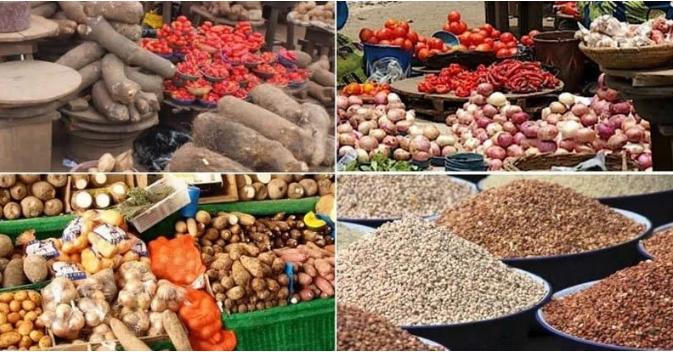
The fight against hunger in Nigeria has entered a critical phase. With rising food prices, climate-induced disasters, and conflicts crippling agricultural production, food security is no longer a distant policy concern but an everyday reality for millions of households. What was once viewed as a seasonal challenge has now become a national emergency, demanding a shift from reactive relief to proactive preparedness.

At the forefront of this shift is the National Emergency Management Agency (NEMA), which is redefining its role beyond post-disaster interventions. Through the newly unveiled Food and Nutrition Security Crisis Preparedness Plan (FNSCPP), NEMA is laying the groundwork for a coordinated, data-driven framework designed to detect and respond to food security threats before they spiral into full-blown crises.

For NEMA’s Director-General, Mrs. Zubaida Umar, the stakes could not be higher. “Nigeria is at a critical juncture in its food security landscape,” she observed during a recent consultative session. “We must transition from reactive to anticipatory response models. This collaboration presents a pathway toward a more structured, timely, and impactful system of intervention.”

The new preparedness plan signals a significant departure from the traditional cycle of emergency relief. It recognises that food insecurity is not an isolated problem but a complex challenge worsened by flooding, drought, armed conflicts, and economic shocks. Seasonal floods, for example, continue to devastate farmlands in states like Anambra, Benue, and Niger, erasing months of hard work and leaving rural communities vulnerable to hunger.

The FNSCPP seeks to address this challenge by integrating early warning systems with national emergency operations, setting up clear crisis escalation protocols, and ensuring that federal, state, and community-level agencies respond in unison. This aligns with NEMA’s broader strategy, which has included launching the 2025 National Preparedness and Response Campaign (NPRC) and conducting large-scale flood simulation exercises in high-risk zones such as the South East.

Experts agree that timely action is the difference between a manageable disruption and a nationwide crisis. Dr. Ritgak Tilley-Gyado, Senior Health Specialist at the World Bank and one of the key technical leads behind the FNSCPP, highlighted this during a consultative visit to NEMA’s headquarters. “This is more than just an emergency response plan,” she explained. “It is a long-term preparedness blueprint. Once indicators are triggered, every institution must understand its role and act without delay.”

The stakes are particularly high for vulnerable populations, where food crises often translate into chronic malnutrition, displacement, and loss of livelihoods. Nigeria’s recent qualification for crisis response financing underlines the urgency of establishing a clear and unified response framework. Without it, resources risk being delayed, duplicated, or mismanaged — leaving those most affected to bear the brunt of avoidable suffering.

To counter this, NEMA is also championing community-level sensitisation, ensuring that disaster preparedness is not merely a top-down directive but a collective effort. By engaging local leaders, grassroots organisations, and youth groups, the agency aims to bridge the gap between policy design and on-the-ground realities.

Yet, significant challenges remain. Adequate funding, political will, and inter-agency coordination will determine whether this bold plan succeeds or falters. Beyond the federal effort, state and local governments must embrace their roles in creating food-resilient communities. Environmentalist Mayokun Iyaomolere captured this sentiment aptly when he remarked, “Preparedness is not just about government plans. Communities must also take ownership of the process, particularly in areas where local action can prevent disasters from escalating.”

As Nigeria faces a future marked by unpredictable weather patterns and growing food demands, the real question is not whether crises will occur but how effectively the country can respond. With the FNSCPP, anchored by NEMA’s leadership and supported by multi-sector partnerships, Nigeria has an opportunity to shift from a culture of reaction to one of anticipation and prevention.

The blueprint has been laid out. What comes next is the test of execution, coordination, and the political courage to ensure that no Nigerian is left to go hungry simply because the warning signs were ignored.

Abdulhamid Abdullahi Aliyu writes on disaster management, humanitarian response, and national development.