Admin

Atiku, El-Rufai, Tambuwal meet Buhari behind closed doors in Kaduna

By Uzair Adam

A delegation of prominent Nigerian political figures, including former Vice President Atiku Abubakar, held a closed-door meeting with former President Muhammadu Buhari at his residence in Kaduna on Friday.

Among those in attendance were former Governors Nasiru El-Rufai of Kaduna State, Aminu Tambuwal of Sokoto State, Gabriel Suswam of Benue State, Jibrilla Bindow of Adamawa State, and Achike Udenwa of Imo State.

While details of the meeting were not disclosed, Atiku told journalists that it was merely a post-Sallah courtesy visit to the former president.

“We came here on a courtesy and Sallah greetings visit to President Muhammadu Buhari,” he said.

When asked about the mix of political affiliations among those present, Atiku replied, “I have the right to be friends with anybody, whether political or non-political. They are all my friends.”

He also addressed speculations about the formation of a new political alliance, noting that although discussions are ongoing among opposition parties, it was not the purpose of their visit.

Atiku had earlier taken to his verified social media pages, describing the visit as a delightful one. “Today, I had the opportunity to pay a post-Sallah visit to Muhammadu Buhari… It was a wonderful time with him. As usual, he cracked me up with his peculiar humour.”

El-Rufai also briefly addressed the media, stating, “We are here to pay a Sallah visit to former President Muhammadu Buhari because I was not around during the Sallah period.”

Brice Oligui Nguema poised to win Gabon election after coup

By Hadiza Abdulkadir

Gabonese voters head to the polls Saturday in a pivotal election expected to cement army officer Brice Clotaire Oligui Nguema’s grip on power. Nguema, who led a coup last year ousting long-time ruler Ali Bongo, is widely popular for ending the Bongo family’s decades-long rule.

Unlike many juntas across Africa, Nguema has allowed relatively free elections and avoided harsh crackdowns. However, concerns remain about his democratic intentions.

A new constitution passed in November boosts presidential powers, and Nguema—though promising to step down from the military—has yet to do so formally.

International observers are watching closely, hoping Gabon can buck the trend of prolonged military rule seen in parts of West and Central Africa.

The outcome of this election may shape the country’s democratic future and signal whether Nguema intends to truly hand power back to civilians.

The insidious ascendance of antimicrobial resistance: A looming national, continental, and global pandemic

By Oladoja M.O

…and if we begin to face a threat of setbacks in our supposed success against diseases induced by pathogenic microorganisms, are we not seemingly sent back to the dark ages even as we claim to have advanced? When recounting the history of medicine, few triumphs can compare to the emergence and widespread use of antimicrobials, for indeed, it was a win for the world. 

Without mincing words, Alexander Fleming’s serendipitous discovery of penicillin on his petri dish ushered in a new era in biomedicine. For just before our eyes, pathogens that had wreaked havoc for generations, perpetuating morbidity and mortality in their wake, were suddenly at the mercy of the new chemical arsenal deployed in the fight; and just like that, infectious diseases receded before the ever-rising tide of antimicrobials. Everyone felt optimistic and, in fact, predicted a swift and righteous victory over the scourge of infection.

For over a decade now, the world’s leading figures have consistently voiced concerns about the threat to global health posed by microorganisms’ resistance. It appears that humanity’s arsenal, which once assured victory over these microorganisms and their harmful effects, is now inadequate. Can we suggest that the drugs being produced are ineffective? Can we assert that our research is flawed? Or that humanity has developed a different genetic makeup? Or that these microorganisms are now clever enough to evade destruction? 

Well, many questions like these are very relevant. But as we consider these questions, it is more reasonable to retrace our steps to identify the real causes and understand what has positioned the world, particularly Africa and Nigeria, toward this path of looming global, continental, and national health breakdown.

Nationally, for example, this issue is moving very rapidly. Diseases that should be treated in a short time are becoming difficult to manage, with treatment becoming elusive. Many blame the serious organized crime surrounding “fake drug production ” in Nigeria, which floods the market day and night, and yes, this is a reasonable claim. What greater factor could contribute to a drug’s ineffectiveness than poor or flawed production? However, if this were the only cause, it would be a unique issue to Nigeria; instead, it transcends even beyond that. 

The individual practice can be directly linked to this whole issue without prejudice. Simply put, the consistent intake of drugs renders the individual impotent over time. The Department of Health of the Australian Government, in one of their submissions, noted that “using a drug regularly can lead to tolerance (resistance); your body becomes accustomed to the drug and needs increasingly larger doses to achieve the same effect or, even, becomes less potent.” This attitude, unfortunately, is almost a daily occurrence for many individuals, stemming from the persistent issue of self-prescription, however minor it may appear. 

The US National Library, in one of its publications in 2013, stated that “Self-medication is a global phenomenon and a potential contributor to human pathogen resistance to antibiotics. The adverse consequences of such practices should always be emphasized to the community, along with steps to curb them.” I think we can all agree that many people are guilty of this act; at the first sign of discomfort, almost everyone becomes a medical expert in their own home, concluding which drug works best for them, diagnosing their own ailments, and taking antibacterial drugs for fungal issues. 

A user on X @the_beardedsina narrated his experience: “A patient comes to the hospital. He has been sick for a week, having had a fever for days. A blood culture is done, and the result shows that he’s resistant to the following drugs (antibiotics): Ceftriaxone, Ampicillin, Cipro, Levofloxacin, Metronidazole, Cefepime, Meropenem, Piperacillin, Gentamicin, Amikacin, Nitrofurantoin, Vancomycin, and Chloramphenicol.” How can we survive this??

The issue of how antimicrobials are used in agriculture is another concern. The rise of industrial farming has fully embraced the prophylactic use of antimicrobials in livestock, not primarily to treat diseases, but to enhance growth rates. However, unlike clinical settings, the agricultural use of antimicrobials lacks the same oversight and prescribing guidelines. 

The inconsistency in regulation allows for significant variation in the classes and concentrations of antimicrobials used in agriculture. In 2021, approximately 54% of the 11 million kilograms of antimicrobials sold for use in domestic agriculture in the United States were categorised as “medically important. “

In conclusion, this issue requires significant awareness and sensitisation of the general public regarding the dangers of antimicrobial resistance. Conservative preventive care should be promoted, and individuals should seek care from qualified professionals. 

The commercial use of antimicrobial drugs must be approached with caution, and all relevant agencies responsible for this oversight at national, continental, and global levels should act swiftly before the situation escalates and threatens global health, reverting us to the dark ages of high mortality and the economic toll of microbial threats.

The world faces numerous challenges, and we should focus on celebrating our victories rather than becoming overwhelmed by this struggle.

Oladoja M.O writes from Abuja and can be reached at mayokunmark@gmail.com.

Echoes of the past, choices of today: Will Kano’s throne withstand the test of time and wisdom?

By Usman Abdullahi Koli

The grandeur of Kano’s emirate is not merely an inheritance of a throne but the custodianship of a deep-rooted history, culture, and tradition that represents the very soul of African heritage. From the era of Bagauda to the reign of Ado Bayero, the emirate has stood as a symbol of resilience, dignity, and continuity. 

Today, as the emirship tussle continues, it presents a defining moment not just for those directly involved but for the entire Kano people, whose unity and stability rest upon the wisdom of their leaders. It is a moment that demands measured actions, guided by history and the sacrifices of great monarchs who prioritised the collective good over personal ambitions.

The Kano Emirate is no stranger to succession disputes; however, history has shown that wise leaders have navigated such crises with patience, foresight, and a commitment to preserving the integrity of the institution. From the reign of Emir Muhammadu Sanusi I to that of Ado Bayero, the emirate has undergone significant transitions- some peaceful, others contentious- but ultimately resolved with a sense of responsibility toward the larger interest of Kano.

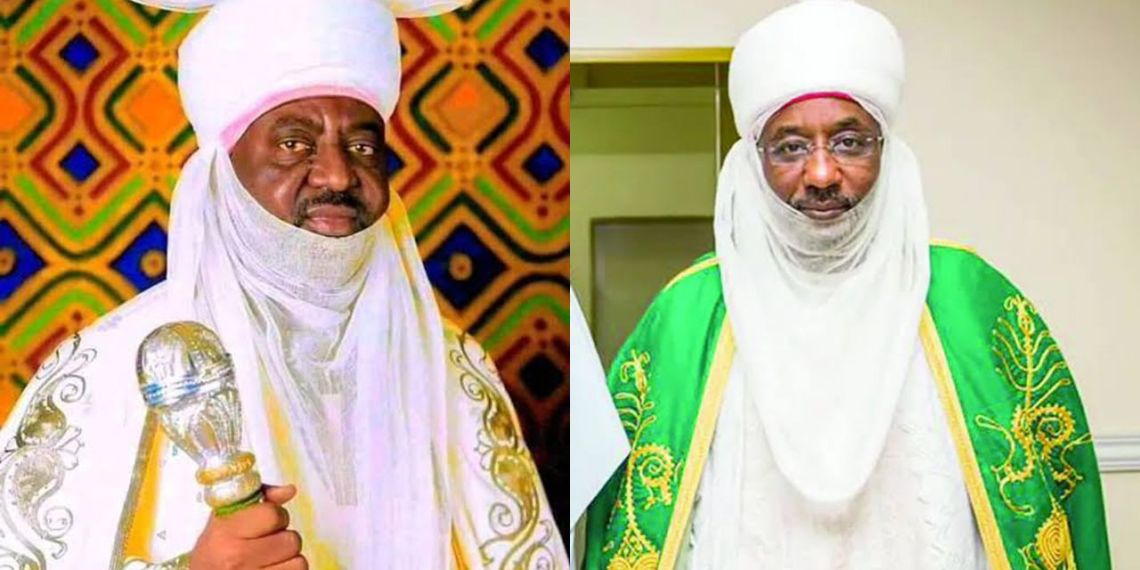
Today, we see echoes of the past in the contest between Emir Muhammadu Sanusi II and Emir Aminu Ado Bayero. While the legal and political dimensions of the crisis continue to unfold, the moral weight on those involved is immense. The key question remains: Will the dignity, harmony, and prestige of Kano take precedence over personal interests, or will history remember this episode as a moment of avoidable discord?

History is replete with examples of monarchs who faced displacement yet responded with wisdom, ensuring that their thrones remained symbols of honour rather than sources of division. In 1936, King Edward VIII of Britain abdicated the throne out of personal conviction, avoiding a constitutional crisis. 

More recently, King Juan Carlos of Spain voluntarily stepped aside to preserve national unity and dignity. Within Africa, deposed monarchs have often demonstrated restraint, placing the peace of their people above personal grievances.

A particularly relevant example is Emir Muhammadu Sanusi II, who, despite the political implications of his removal in 2020, did not rally his supporters to contest the decision. Instead, he accepted his fate with remarkable composure, trusting in destiny and the historical cycle that governs leadership.

Governor Abba Kabir Yusuf is enormously responsible for ensuring that his administration’s actions do not fuel unnecessary tensions in Kano. While he holds constitutional authority over traditional institutions, wisdom dictates that such decisions be made with a far-reaching vision that safeguards Kano’s unity, stability, and the sanctity of its traditions. Political decisions should not be allowed to erode the revered position of the emirate.

To Emir Aminu Ado Bayero, this moment calls for deep introspection on the true essence of leadership. His revered father, Emir Ado Bayero, was an emblem of peace, patience, and sagacity. The respect he commanded was not merely because he sat on the throne but because of his ability to navigate crises with wisdom. Now, his son faces a historic test: will he allow personal ambition to override Kano’s peace, or will he embrace the noble path of sacrifice? The decisions he makes today will shape how history remembers him.

To Emir Muhammadu Sanusi II, his reinstatement is a return to power and an opportunity to lead with renewed wisdom and vision. His expectations are immense—not for vengeance or retribution, but for reconciliation and statesmanship. The people of Kano look up to him to use his vast experience, intellect, and leadership to heal divisions, restore trust, and solidify the emirate as a pillar of stability.

Kano is more than a city; it symbolises Africa’s resilience, culture, and civilization. The emirate embodies centuries of tradition that must not be tarnished by personal conflicts. The world is watching, and history is recording. The real question is not who occupies the throne today, but how that throne is preserved for generations to come.

It is crucial for external influences, particularly those in Abuja, to respect the Kano State Government’s decision. The constitution recognizes states as custodians of their emirates, and any interference from outside forces risks escalating tensions rather than resolving them. Political insinuators should avoid fueling discord and instead honour the autonomy of Kano’s leadership.

Now, the great tradition of the Sallah Durbar, which both factions claim to organise, must not become a battleground for supremacy. The grand procession, deeply embedded in Kano’s cultural and Islamic identity, is meant to unite, not divide. It should not be reduced to a contest of power. Both sides must recognize that personal ambitions should never overshadow the collective peace of Kano. True leadership is tested not in times of comfort, but in moments of crisis, and the world is watching to see whether wisdom or ego will prevail.

Great monarchs are remembered not for how fiercely they fought to retain power, but for how wisely they managed transitions, prioritized peace, and left behind legacies of honor. The lessons of Kano’s past emirs—from Bagauda to Ado Bayero—should serve as a guide for present leaders. These revered figures ruled with dignity, wisdom, and a profound sense of duty to their people.

Those who occupy the throne today must consider: Will they be remembered for upholding this legacy or for diminishing it?

May wisdom prevail over pride, and may Kano remain the fortress of culture, tradition, and unity it has always been.

Usman Abdullahi Koli wrote via mernoukoli@gmail.com.

Mbappé demands €55m from PSG over unpaid wages

By Muhammad Abubakar

French football star Kylian Mbappé has taken legal steps to recover €55 million ($62 million) he claims is owed to him by his former club, Paris Saint-Germain (PSG).

According to sources close to the striker, the sum represents unpaid wages between April and June 2024, following his agreement to join Spanish giants Real Madrid on a free transfer.

Mbappé’s lawyers have reportedly been instructed to pursue the matter, insisting that PSG withheld the payments in response to his decision to leave the club after seven years.

Paris Saint-Germain, however, has denied the allegations, maintaining that all financial obligations were met in accordance with the player’s contract.

The dispute adds a new chapter to the already dramatic departure of one of football’s most marketable talents from the Parc des Princes.

Bauchi man arrested for raping, impregnating biological daughter

By Sabiu Abdullahi

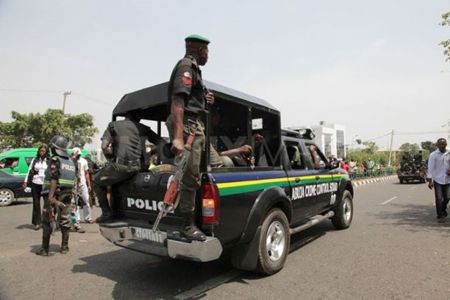
A 50-year-old man, Umar Alh. Sule, has been arrested in Bauchi State, for allegedly raping his 17-year-old biological daughter.

This was made known by the Bauchi State Police Command in a statement signed by its spokesperson, Ahmed Wakil.

The incident was reported to have occurred in November 2024, when the victim’s mother was away visiting her parents in Burra village.

According to the police statement, the victim’s father took advantage of her mother’s absence to have sexual intercourse with her on multiple occasions, which resulted in a three-month pregnancy.

The victim testified the suspect’s statements and added that her father molested her many times.

The police were informed of the crime on April 3, 2025, and a team of detectives was assigned to investigate and arrest the accused.

During interrogation, Sule willingly admitted to his wrongdoing.

The case is currently under investigation, and the Commissioner of Police, Bauchi State Command, CP Sani-Omolori Aliyu, has directed that the case be charged to court after the investigation is completed.

FG, Edo State gov’t form fact-finding committee on Uromi killings

By Hadiza Abdulkadir

The Federal and Edo State Governments have established a fact-finding committee to investigate the recent killings of 16 travellers in Uromi. 

Governor Senator Monday Okpebholo announced this during a meeting with a delegation from Kano State, led by Deputy Governor Comrade Aminu Abdulsalam Gwarzo.

Okpebholo expressed President Bola Ahmed Tinubu’s discontent with the incident and emphasised the government’s commitment to ensuring the safety of all Nigerians. He also mentioned the need to address the underlying issues contributing to such violence.

Gwarzo thanked the governor for his response to the incident and shared that Kano has formed its own committee to verify the victims’ identities and next of kin. The governor assured that justice would be pursued transparently.

The meeting included various officials and culminated in a visit to Uromi, where they engaged with the local Hausa community.

Federal University Birnin Kebbi celebrates safe return of abducted student

By Muhammad Abubakar

The Federal University Birnin Kebbi (FUBK) has welcomed back Augustine Madubiya, a final-year student recently rescued unharmed from kidnappers, thanks to local security agencies. This is stated in a press release by Jamilu M. Magaji, Head of Information and Public Relations.

Augustine was officially returned to the university on Thursday in a ceremony held at the Council Chambers. The event was attended by Kebbi State’s Deputy Governor, Sen. Umar Abubakar Tafida, along with the Commissioner of Police Kebbi State Command, CP Bello M Sani, who personally handed over the student to the Vice Chancellor, Prof. Muhammad Zaiyan Umar.

In his remarks, the Deputy Governor attributed the successful rescue to the unwavering commitment of the State Governor, His Excellency Comrade Dr Nasir Idris. He emphasised the importance of the firm directives given to security forces to take urgent action in response to the kidnapping incident.

Augustine is currently receiving medical treatment, after which he will be reunited with his fellow students at the university. The Vice-Chancellor expressed profound gratitude to the state government and security operatives for their prompt response and mobilisation of resources in support of the university during this crisis.

The university community has extended its heartfelt appreciation to Governor Idris for his ongoing commitment to the safety and security of all residents in the state, highlighting a collective effort to safeguard lives and properties.

As the university continues its mission of providing a safe learning environment, this incident serves as a reminder of the challenges faced and the resolve needed to overcome them.

Police rescue 17 abducted victims in Kaduna, recover 21 AK-47 rifles

By Sabiu Abdullahi

Security operatives from the Kaduna State Police Command’s Anti-Kidnapping Unit, in collaboration with the Office of the National Security Adviser, have successfully rescued 17 individuals who were kidnapped on March 3, 2025, in Sarkin Pawa, Niger State.

According to the police, the operation was carried out using a non-violent method and reflects the determination of the Inspector-General of Police, Kayode Egbetokun, to promote intelligence-driven strategies and cooperation among security agencies in combating crime.

The rescued individuals include Williams Ubadia (15), Samuel Ezekiel (15), Duza Ezekiel (13), Ishaku Ishaya (12), Sunday Ezekiel (8), Jessy Friday (6), Rebecca Ezekiel (32), Jummai Ishaya (32), Terriza Friday (30), Alice Ezekiel (35), Victoria Ishaya (32), Blessing Ezekiel (20), Gloria Ubadia (13), Gift Ubadia (10), Charity Ezekiel (9), Alheri Ishaya (5), and Favour Ezekiel (1).

All those rescued were taken to the Police Clinic in Kaduna for medical evaluation.

The police confirmed that they are in stable and healthy condition.

In a statement released by the Force Public Relations Officer, Assistant Commissioner of Police Olumuyiwa Adejobi, he said: “In line with the operational directives and strategic vision of the Inspector-General of Police, Kayode Adeolu Egbetokun, geared towards tackling violent crimes, dismantling criminal networks, and enhancing public safety across the country, the Nigeria Police Force has recorded significant breakthroughs in recent operations conducted in Kaduna State.”

He added: “On April 9, 2025, in a remarkable feat of inter-agency collaboration and strategic intelligence deployment, operatives of the Kaduna State Police Command’s Anti-Kidnapping Unit, in conjunction with the Office of the National Security Adviser, successfully rescued 17 victims who had been abducted on March 3, 2025, from Sarkin Pawa, Niger State.”

On the same day, officers intercepted a commercial Volkswagen Sharan vehicle at Kawo Central Motor Park in Kaduna.

Following a detailed search, 21 fabricated AK-47 rifles were found hidden inside the vehicle.

The police arrested a 27-year-old man, Jamilu Suleiman, from Rafin Guza, Kaduna. During initial questioning, he reportedly confessed that he had been directed by a union member to transport the weapons to an unidentified individual in Kaduna.

Authorities have begun a thorough investigatio n aimed at uncovering the full network behind the arms trafficking.

In a separate incident on April 9, 2025, around 5:00 a.m., the police responded to a distress call about a robbery in progress at Doggi Farm along the Kaduna–Abuja Expressway.

The Divisional Police Officer of the Tafa Division led a patrol team to the scene. Upon arrival, they exchanged fire with a gang of about 30 armed robbers who had stormed the premises.

Two suspects were shot dead during the confrontation, while others fled toward nearby hills.

Two additional suspects, who sustained injuries, were taken to Umaru Musa Yar’Adua Memorial Hospital in Sabon Wuse.

One of them later died, and the other remains in custody, aiding the investigation.

The police have assured the public that efforts are underway to capture the remaining members of the gang.

NBC bans Eedris Abdulkareem’s controversial song “Seyi Tell Your Papa” 

By Abdullahi Mukhtar Algasgaini

The National Broadcasting Commission (NBC) has banned Eedris Abdulkareem’s new song, “Seyi Tell Your Papa,” from all private and independent TV and radio stations in Nigeria, both on-air and online.  

The track, which criticises President Bola Tinubu’s administration, highlights Nigeria’s economic struggles with lyrics like: “Seyi, tell your papa, country hard. Tell your papa, people dey die. Tell your papa this one don pass jaga-jaga.” The song references Abdulkareem’s 2004 protest anthem, “Jaga Jaga,” further amplifying its political tone.  

In the banned track, the veteran rapper accuses Tinubu of failing to deliver on campaign promises, worsening socio-economic conditions. The NBC’s directive enforces a nationwide blackout of the song, citing possible violations of broadcasting codes.