Month: June 2025

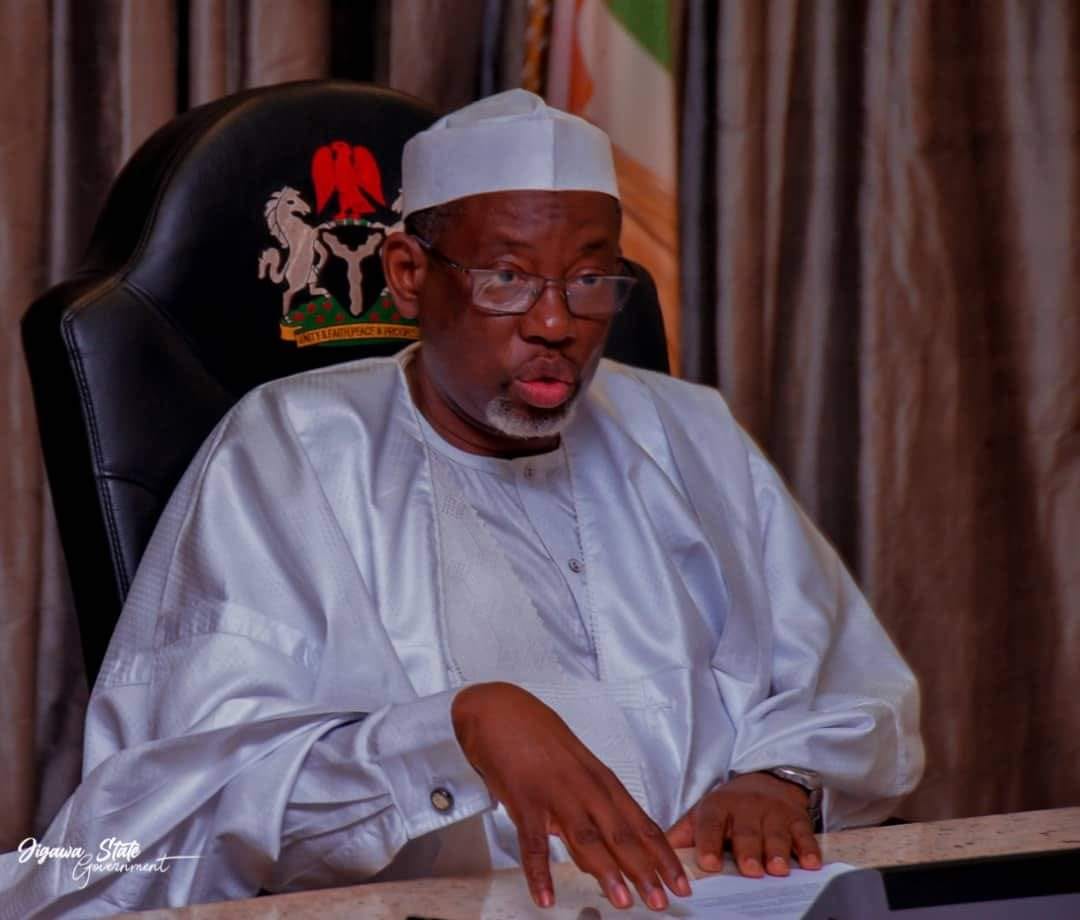
An open letter to Governor Namadi of Jigawa State

Your Excellency,

I offer my warmest congratulations on your two-year milestone as the Executive Governor of Jigawa State. Steering the affairs of a diverse and dynamic state is no small feat, and under your leadership, we have indeed witnessed tangible progress. 

May Almighty Allah continue to strengthen your resolve and guide your hands as you navigate public service responsibilities.

In these two years, your administration has recorded remarkable achievements across critical sectors—agriculture, education, infrastructure, security, and healthcare. There is much to commend, from the introduction of bold reforms to the implementation of people-centred policies. 

Notably, your decision to approve a ₦70,000 minimum wage—nearly double the previous figure—has sent a powerful signal of your administration’s commitment to workers’ welfare. This singular act resonates deeply with civil servants across the state, who now have renewed hope in a more dignified standard of living.

Sir, these achievements have not gone unnoticed. Numerous awards and recognitions by reputable organisations are a testament to the strides your government has made. 

Yet, as a concerned citizen and journalist, I feel compelled to highlight areas still yearning for attention, not to diminish your efforts, but to reinforce the voices of everyday Jigawans who earnestly seek your listening ear and urgent intervention.

Our healthcare system, for instance, still bears the scars of neglect, particularly in rural communities. Several hospitals lack basic medical facilities, suffer chronic shortages of essential drugs, and are grossly understaffed. 

During my recent fieldwork, enrollees under the Jigawa State Contributory Healthcare Management Agency (JCHMA) lamented being forced to purchase prescribed medications from private pharmacies due to stockouts in government hospitals.

Even more concerning is the plight of newly recruited nurses and midwives, many of whom are yet to be captured under the new salary structure. Their morale is low, which understandably affects service delivery quality. 

Surely, if we must strengthen healthcare delivery, the welfare of frontline health workers must not be overlooked. In the agricultural sector, where Jigawa’s reputation shines, a widening gap exists between government efforts and grassroots impact. 

According to the National Bureau of Statistics, Jigawa accounts for 75% of Nigeria’s agricultural exports, and nearly 90% of our people depend on farming for their livelihood. Yet, many smallholder farmers, particularly those in remote villages, say they have not received the much-publicised palliatives and support inputs. 

Some have had to rely on exploitative loans from private lenders, only to repay in harvests, leaving them at the mercy of uncertain seasons and fluctuating prices.

I humbly suggest the establishment of community-based monitoring committees, drawn from trusted local stakeholders, to ensure transparent and equitable distribution of agricultural support. The rural populace, whose turnout during elections often determines the course of governance, must not be left behind when dividends are shared.

Your recruitment of over 3,000 teachers and 147 first-class graduates in education is indeed laudable. This has brought renewed energy to our classrooms. However, many more qualified youths remain unemployed, submitting CVs into what seems like an unresponsive system. 

The discovery of 6,348 ghost workers and the savings of over ₦314 million monthly offer a golden opportunity to absorb some deserving graduates. The teacher shortage still looms large. The Nigeria Union of Teachers reported a deficit of 32,000 teachers in Jigawa. 

This is not just a statistic—it is a call to action. If we must invest in our future, we must first empower those who educate the future. Your administration’s empowerment initiatives have also made notable impacts—programs like the mobile kitchen distribution scheme have provided many with a path to self-reliance. 

But the landscape of youth enterprise is vast and diverse. Young people engaged in trades such as phone repairs, tailoring, and tricycle operations have felt excluded. 

To build an inclusive economy, your empowerment programs must evolve to accommodate a broader range of trades and offer skills training as well as access to starter kits or seed capital.

Your Excellency, when hope meets genuine leadership, progress becomes inevitable. The people of Jigawa have shown faith, and now they ask for more inclusion, visibility, and compassion in policy execution. Their plea is not one of criticism, but of partnership. 

They long to be part of the story you are writing for Jigawa—one of transformation, equity, and shared prosperity.

Sincerely yours,

Muhammad Abubakar Tahir,

A concerned Jigawa indigene.

Anti-immigrant riots spread in Northern Ireland

By Maryam Ahmad

Anti-migrant riots have spread across parts of Northern Ireland, with violent mobs attacking police and targeting migrant communities.

Clashes erupted in several towns, leaving police vehicles damaged and officers injured. The unrest, sparked by anti-immigrant rhetoric online, began in a Belfast suburb and quickly spread.

The Police Service of Northern Ireland condemned the violence and confirmed multiple arrests. Community leaders and rights groups have called for calm and urged protection for vulnerable communities.

Authorities continue to monitor the situation.

Wave of carnage in Plateau leaves 41 dead, many homes destroyed

By Muhammad Abubakar

A wave of violent attacks across Plateau State over the past week has claimed the lives of at least 41 people, with dozens more reportedly wounded, local sources and security officials have confirmed.

In what residents describe as a series of coordinated assaults, a total of 96 homes were set ablaze in several communities, displacing scores of families and raising fresh concerns over the escalating insecurity in the region.

The attacks, which spanned multiple local government areas, are believed to be part of ongoing communal clashes and reprisal violence that have plagued the state for years. Eyewitnesses recount harrowing scenes of gunfire, arson, and panic as armed assailants descended on their villages under the cover of darkness.

Authorities say security operatives have been deployed to the affected areas, but locals continue to express frustration over what they perceive as a slow or inadequate response to the violence.

While the Plateau State Government has condemned the attacks and promised to bring the perpetrators to justice, humanitarian agencies are calling for urgent relief efforts to support the growing number of displaced persons.

As of the time of this report, no group has officially claimed responsibility for the attacks. Investigations are ongoing.

Nigeria denies collapse of proposed crude oil forward sale

By Abdullahi Mukhtar Algasgaini

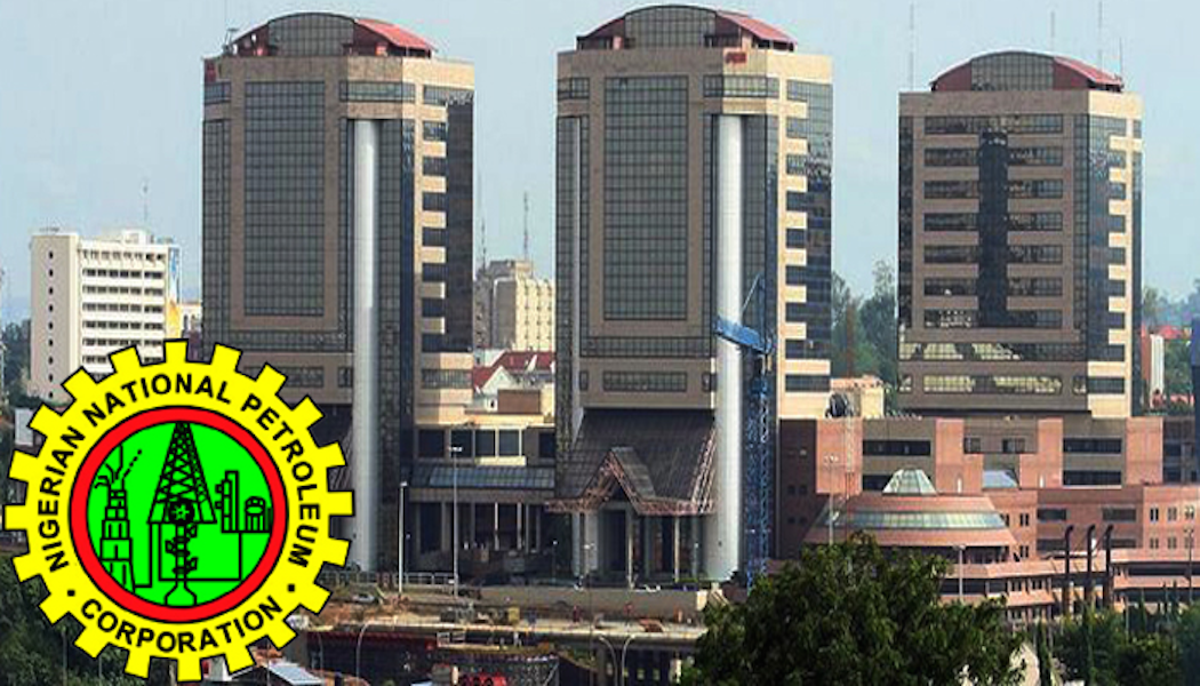
The Federal Government has dismissed media reports claiming the collapse of a potential forward sale of crude oil involving the Nigerian National Petroleum Company Limited (NNPC Ltd).

In a press statement issued by the Federal Ministry of Finance, the government acknowledged market speculation around the deal but clarified that no final decision had been made.

It described reports of the initiative’s failure as “unfounded.”

The statement emphasized the government’s commitment to exploring transparent and fiscally responsible financing options to maximize Nigeria’s oil resources, boost external liquidity, and enhance economic stability.

Authorities reassured stakeholders that innovative strategies remain underway to strengthen the nation’s financial outlook.

No further details were provided on the status of the proposed crude oil sale.

Appeal court strikes out Akpabio’s motions in Akpoti-Uduaghan’s case

By Uzair Adam 

The Court of Appeal in Abuja has dismissed two interlocutory motions filed by Senate President Godswill Akpabio in the case challenging Senator Natasha Akpoti-Uduaghan’s six-month suspension. Senator Natasha Akpoti-Uduaghan represents Kogi Central.

A three-member panel of justices, led by Justice Hamman Barka, unanimously struck out the motions after Akpabio’s legal team withdrew them. The court also awarded N100,000 in costs against the Appellant.

The ruling, delivered on May 21 and made available to reporters on Wednesday, involved motions dated March 3 and March 25, 2025, identified as CV/395/M1/2025 and CV/395/M2/2025.

Akpabio was listed as the Appellant in the appeal, while the Respondents included Senator Akpoti-Uduaghan, the Clerk of the National Assembly, the Senate, and Senator Neda Imasuem, the Chairman of the Senate Committee on Ethics, Privileges, and Public Petitions.

Akpabio’s lawyers had sought the appellate court’s permission to extend the time to appeal a Federal High Court judgment in Abuja, delivered on March 10, 2025, in a suit involving Senator Akpoti-Uduaghan and others. 

They also asked for leave to file a notice of appeal against the ruling, citing mixed law and fact grounds.

Ultimately, the appellate court struck out both motions, upholding the objections raised and awarding costs against Akpabio.

Musk apologises after online clash with Trump

By Uzair Adam 

Elon Musk, the world’s richest person and a former advisor to Donald Trump, admitted on Wednesday that he went too far in some of his social media criticisms of the US president after their public fallout last week.

“I regret some of my posts about President @realDonaldTrump last week. They went too far,” Musk posted on his social media platform X.

Musk’s apology came just days after Trump warned the billionaire of “serious consequences” if he tried to punish Republican lawmakers who supported a controversial spending bill.

Their dramatic split played out on social media last Thursday, when Musk harshly criticised Trump’s so-called “big, beautiful” spending bill, which Congress is considering.

Some Republican lawmakers opposed the bill and urged Musk, a major Republican financial backer in last year’s presidential election, to fund primary challenges against those who voted for it.

“He’ll have to pay very serious consequences if he does that,” Trump, who called Musk “disrespectful,” told NBC News on Saturday, though he did not specify the consequences.

APC cautions Ndume over prediction of Tinubu’s 2027 defeat

By Uzair Adam 

The All Progressives Congress (APC) has issued a strong warning to Senator Ali Ndume following his recent remarks suggesting that President Bola Tinubu could face the same electoral fate as former President Goodluck Jonathan in 2027 if urgent reforms are not implemented.

Senator Ndume, who represents Borno South Senatorial District, made the statement during his appearance on Channels Television’s Politics Today on Sunday.

Responding to his remarks, the APC Director of Publicity, Bala Ibrahim, on Tuesday acknowledged Ndume’s longstanding role within the party but stressed that discipline within the party is of utmost importance.

“Senator Ndume is a senior and respected member of the APC. This is not the first time he has aired his views publicly about how the country is being governed by his party, sometimes expressing dissent or contrary opinions,” Ibrahim said.

He continued, “However, the APC is a party of liberal-minded people. We do not reject diverse ideas, provided they do not violate the party’s constitution.”

Ibrahim reiterated that while the APC upholds internal democracy and freedom of expression, members are expected to operate within the party’s defined limits.

Kano govt sets up panel to probe, rebuild GSM market after fire

By Uzair Adam

The Kano State Government has inaugurated a technical committee to probe the recent fire incident at the GSM Market, Farm Centre, and oversee reconstruction efforts.

A statement signed by the Commissioner for Information and Internal Affairs, Comrade Ibrahim Abdullahi Waiya, on Tuesday, said the committee was inaugurated by the Secretary to the State Government, Alhaji Umar Farouk Ibrahim, who represented the State Governor.

Ibrahim stressed the importance of transparency in donations and cautioned against politicizing the relief efforts.

He directed that all donations be made through the Committee or the designated Zenith Bank account (Account Name: FARM CENTRE GSM MARKET FIRE INCIDENCE SUPPORT FUNDS ACCOUNT; Account Number: 1310076187).

The committee, chaired by Alhaji Nasiru Sule Garo, Commissioner for Special Duties, comprises representatives from key ministries, security agencies, traders’ associations, and the private sector.

Other members include the Hon. Commissioner, Ministry of Internal Security and Special Services; officials from the Kano State Fire Service; Ministry of Information and Internal Affairs; Director of Treasury; State Emergency Management Agency (SEMA); Nigeria Police Force; KNUPDA; Farm Centre GSM Traders’ Association; Department of State Services (DSS); Kano State Investment and Properties; KACCIMA; as well as local government officials, special advisers, and senior stakeholders.

Abdulkadir Shehu AGS-HOC serves as the Committee Secretary.The committee’s mandate covers investigating the fire’s cause, assessing damages and any loss of life, reviewing emergency response and current safety measures, and proposing preventive strategies to avoid similar incidents in the future.

It will also gather testimonies from victims and witnesses, compile a verified list of those affected, review the market layout in line with urban safety standards, and propose a framework for improved market management.

The committee will manage all donations and is expected to submit a detailed report within a week.

The Kano State Government reaffirmed its commitment to assisting victims and rebuilding the market in a safer and more organized way, urging all stakeholders to support the committee’s work.

Baba-Ahmed: Tinubu’s government has fallen short of Nigerians’ hopes

By Sabiu Abdullahi

Hakeem Baba-Ahmed, a former Special Adviser on Political Affairs to the Vice-President, has criticised President Bola Tinubu’s administration for not living up to public expectations, especially in terms of improving the quality of life for Nigerians.

Speaking on Channels Television’s Political Paradigm programme on Tuesday, Baba-Ahmed stated that the current government has failed to bring about meaningful governance improvements.

“Clearly, the Tinubu administration has failed expectations that it was going to radically improve the quality of governance,” he said.

Baba-Ahmed, who also served as spokesperson for the Northern Elders Forum, pointed out that positive reports from international bodies should not be the only measure of government performance.

He stressed that the real test lies in how citizens experience daily life under the administration.

“They will tell you they are doing great with all the World Bank statistics, all the international ratings and everything, but that’s not the only measures you use to measure a government; you measure by the way citizens live, and if that is the yardstick by which we are going to measure this administration, then clearly, the Tinubu administration has failed expectations that it was going to radically improve the quality of governance of President Buhari,” he explained.

He further advised President Tinubu to prioritise the fight against corruption, address the worsening insecurity, reduce poverty, and invest heavily in infrastructure and social welfare initiatives.

On the removal of petrol subsidies, Baba-Ahmed observed that the decision has made life more difficult for many Nigerians.

He also urged the president to ensure better management of federal allocations given to state governors, particularly those belonging to the ruling All Progressives Congress (APC).

“So much waste, so much abuse of resources and corruption going on,” he lamented.

He concluded by calling for stronger accountability mechanisms and better governance at all levels.

Kano beyond educational boom: A call for federal intervention to fuel growth 

By Ismaila Abdulmumini

Kano, renowned for its rich history, cultural vibrancy, and socio-economic vitality, marked 57 years of statehood a few days ago. A long journey of sacrifices and transformations, usually one at a time, gives Kano the new look we see and admire today. Kano is now carving a new identity as Nigeria’s educational powerhouse, boasting four federal universities, three state-owned institutions, and over five private universities, in addition to state and privately funded colleges and polytechnics. 

Equally, quantifiable challenges and rubble need to be put together to build the Kano of our dreams—the one we revere and would be proud of. The state’s transformation into a learning hub has inadvertently exposed systemic gaps in critical sectors, gaps that demand urgent federal intervention to unlock Kano’s full potential.  

Despite its academic strides, Kano grapples with erratic electricity, which stifles the industries that support its institutions. Students and entrepreneurs alike face daily blackouts, which undermine research, innovation, and productivity. Experts argue that federal investment in renewable energy projects and grid modernisation could ignite industrial growth, creating thousands of jobs while sustaining the educational sector’s momentum. 

Kano’s healthcare system, chronically underfunded and overburdened, struggles to serve its 15 million residents. State-run hospitals lack essential equipment, and medical personnel are stretched thin. Federal input through facility upgrades, increased funding, and partnerships with the private sector could reduce pressure, improve public health outcomes, and attract medical tourism, turning a cost centre into a revenue stream.  

In Kano’s bustling large markets that serve Africa, such as Dawanau’s grains, Kwari’s fabrics, and Singa’s groceries, transactions remain stubbornly analogue. This “brick-and-mortar” mentality, experts say, stifles economic scalability in the twenty-first century. “Digitisation isn’t optional; it’s survival,” argues tech entrepreneur Aisha Musa. Federal grants to build a robust digital ecosystem, e-payment platforms, online marketplaces, and broadband expansion could connect Kano’s markets to global consumers, boosting GDP and curbing youth unemployment.  

Kano’s agricultural landscape is littered with bad, indefatigable innuendo. Farms teem with tomatoes, peppers, and livestock, yet the state imports processed dairy goods. The absence of modern processing facilities leaves farmers vulnerable to waste and price fluctuations. A federal push to establish agro-industrial zones with cold storage and meat-processing plants could transform raw abundance into export-ready products, slashing Nigeria’s $10 billion annual food import bill and strengthening the naira. 

Potholed roads and inefficient rail networks cripple trade, inflating costs and deter investors. Upgrading transport infrastructure, which relies heavily on the federal government, would streamline the movement of goods from farms to ports, link markets to neighbouring countries, and position Kano as a logistics hub. “Better roads mean cheaper goods, happier consumers, and a thriving economy,” notes logistics expert Tunde Okoye.  

The blueprint for Kano’s renaissance is clear: targeted federal investments in energy, healthcare, digitisation, agro-industry, and transport. Such interventions promise to generate employment, diversify revenue streams, reduce import dependency, and fortify Nigeria’s economy. As the state stands at a crossroads, the message to Abuja is unequivocal: Empower Kano, and you empower the nation. Kano’s story does not need to be one of unfulfilled promises. With strategic governance, Africa’s “Centre of Commerce” could reclaim its title, this time, as a beacon of inclusive, 21st-century growth.

Ismaila Abdulmumini wrote via ima2040@outlook.com.