Month: December 2024

10 dead, 8 injured in Maitama church stampede

By Uzair Adam 

The Federal Capital Territory (FCT) Police Command has confirmed the death of ten people, including four children, following a stampede during a food distribution event at the Holy Trinity Catholic Church in Maitama. 

The incident, which also left eight others injured, occurred early on Saturday, December 21, 2024.  

The distribution of food items was intended to assist vulnerable and elderly individuals but tragically resulted in a chaotic scene around 6:30 a.m. 

According to a statement signed by the FCT Police Public Relations Officer, SP Josephine Adeh, four of the injured have already been treated and discharged, while the remaining victims are still receiving medical attention.  

Expressing condolences to the families of the deceased, the Police Command called for increased caution in organizing such events to prevent future tragedies.  

“To prevent such unfortunate incidents, all organizations, religious bodies, and groups planning public gatherings in the FCT are directed to notify the Police Command in advance to ensure adequate security measures are in place,” the statement read.  

The Command warned that failure to comply with this directive would lead to holding organizers accountable for any loss of life or injuries caused by negligence.  

The Police also reiterated their commitment to protecting lives and property in the FCT and urged residents to report emergencies through the control room lines provided: 0803 200 3913 or 0806 032 1234.

Nigeria: Parable of a brutish economy

By Usman Muhammad Salihu,

Nigeria, one of Africa’s largest crude oil producers, grapples with a troubling paradox: soaring fuel prices and a meagre minimum wage. This contradiction underscores the harsh realities confronting millions living in a resource-rich nation.

Crude oil has long anchored Nigeria’s economy, generating substantial revenue and foreign exchange. Yet, the wealth rarely trickles down to ordinary citizens. Fuel, a key derivative of crude oil, remains prohibitively expensive due to deregulated markets, subsidy removal, and limited domestic refining capacity. 

Instead of refining its crude oil, Nigeria imports refined petroleum products, driving costs and straining an already fragile economy. The ripple effects are profound. Transportation costs have skyrocketed, inflating the prices of goods and services. Farmers transporting produce to markets, artisans powering tools, and businesses reliant on generators to offset erratic electricity endure immense burdens. 

Small-scale businesses are teetering on the brink of collapse, and consumers face relentless price hikes for basic necessities. These challenges are insurmountable for an average Nigerian earning ₦30,000–₦70,000, one of the world’s lowest minimum wages. 

Despite rising inflation and a depreciating naira, wages have remained stagnant, forcing workers into painful trade-offs: skipping meals, forgoing healthcare, or withdrawing children from school to survive. Experts widely view Nigeria’s reliance on fuel imports as a colossal policy failure. 

The nation’s four state-owned refineries, once symbols of industrial pride, have devolved into monuments of inefficiency. Operating at less than 20% capacity for decades, these facilities consume billions in rehabilitation efforts with no meaningful outcomes, leaving the country reliant on costly imports.

Successive administrations have promised reforms to the oil and gas sector, but the results have disappointed. Corruption and a lack of political will perpetuate a cycle of waste and economic hardship.

Recent reforms, such as subsidy removal, aim to redirect funds to infrastructure and social welfare. However, these measures have worsened the immediate plight of citizens. Fuel prices have soared, deepening poverty and sparking protests. While the affluent and corporations may weather the storm, low-income earners face a relentless battle for survival.

Addressing these challenges demands transparent and decisive leadership. Revitalising local refineries is essential to reducing dependence on imports, creating jobs, and stimulating the economy. Exploring alternative energy sources like renewables can diversify the sector and alleviate pressure on oil dependency.

Revising the minimum wage to reflect inflation and the cost of living is equally critical. This adjustment would offer workers some reprieve and restore their purchasing power.

Nigeria must also prioritise institutional reforms to ensure accountability in managing its oil wealth. A transparent, well-regulated oil and gas sector could unlock enormous potential, transforming the nation from a land of paradoxes into shared prosperity.

For Nigeria to truly harness its vast resources, it must close the gap between its wealth and the welfare of its people. Affordable fuel and a living wage remain aspirations for millions—a dream that can only be realised through bold action, sustained commitment, and genuine prioritisation of the masses over vested interests.

Usman Muhammad Salihu is a PRNigeria Communication Fellow. He wrote from Jos via muhammadu5363@gmail.com.

Legal consequences come with online harassment, cursing—Police

By Abdullahi Mukhtar Algasgaini

The Public Relations Officer of the Nigeria Police Force, Olumuyiwa Adejobi, has clarified that directing curses at individuals online is a criminal offense under the law.

He explained that this behavior is considered cyberbullying and cannot be justified as freedom of expression or constructive criticism.

In his statement, he noted: “Raining direct curses on someone online is cyberbullying, not expression of freedom or criticism. And cyberbullying, which is even different from defamation, is a criminal offense and punishable. Be guided.”

This statement comes amid discussions among netizens about the defamation case involving Nigerian singer Burna Boy and his colleague Speed Darlington, with some questioning whether the offense committed by Speed Darlington qualifies as a criminal act.

Reacting to Adejobi’s statement, one X user commented:@felabayomi: “When does raining curses become a crime? I look forward to the day someone will challenge these laws they are using to take away people’s human rights in the Supreme Court. Late Gani Fawehinmi would have challenged that law by now.”

Another user, @omoopee_, agreed with the FPRO:“You are absolutely right, sir. Raining curses and engaging in cyberbullying is not freedom of expression but an act of harm. We must all learn to express ourselves responsibly. That said, sir, please, you are yet to respond to my question.”

Niger accuses Nigerian diplomat of plotting to destabilize the country

By Abdullahi Mukhtar Algasgaini

Niger’s foreign minister has called in the Nigerian charge d’affaires, accusing Nigeria of using its territory as a base to destabilize Niger. The allegations come amid ongoing tensions between the two nations since Niger’s military coup in 2023. 

Niger’s government claims that Nigeria has been complicit with foreign powers and officials of the ousted regime, continuing to fuel instability despite efforts to normalize relations. Although security cooperation between the two countries resumed in August, the recent accusations have led to renewed diplomatic friction. 

Niger has also reaffirmed its commitment to participating in the Multinational Joint Task Force (MNJT) to combat jihadist groups along the borders.

Banking service disruptions hit UDUS campus

By Wonderful Adegoke 

“I’ve also had to absorb the cost of failed transactions,” lamented Adeyemi Ademola, a food seller on campus at Usmanu Danfodiyo University, Sokoto (UDUS), her voice tinged with frustration and despair. 

Struggling to keep her business afloat, Ademola’s story highlights the pervasive challenges stemming from disrupted banking services. Her small shop, which supplies students with staples like rice, beans, garri, and other essentials, has been eerily quiet. The culprit? Persistent banking service disruptions, especially from Guaranty Trust Bank (GTB) and Access Bank, which her customers rely on for online payments.

Ademola’s predicament mirrors the experiences of countless others who cannot access essential banking services. GTB’s ongoing downtime—part of its transition to a new core banking application system—has left many in limbo. Even a visit to customer care brought little solace, as the explanation of “technical disruptions” linked to recent system upgrades felt more like a dismissal than a solution. Such upgrades, ostensibly aimed at fortifying defences against cyberattacks, have instead sown doubt about the security and efficiency of these systems.

The upgrades, though necessary, come with inevitable growing pains. Migrating vast amounts of customer data and integrating it across multiple platforms—from ATMs to mobile apps—is complex and time-intensive. Customers, however, bear the brunt of these transitions, enduring weeks or even months of service disruptions that hinder daily transactions.

In the past quarter alone, several commercial banks in Nigeria have initiated IT upgrades to bolster their operations and prepare for an increasingly competitive future. While these efforts are laudable, they have had far-reaching effects, straining banking operations and customer satisfaction. 

The National Bureau of Statistics (NBS) reports that the banking sector’s contribution to Nigeria’s GDP rose to 16.36% in Q2 2024, a testament to significant technological investments. Yet, for many, these figures are cold comfort amidst recurring downtimes and transaction failures.

Ademola’s weariness is palpable. She confides that her trust in traditional banking institutions, once the cornerstone of financial stability, is eroding. The persistent disruptions have cost her business revenue and undermined the basic operations on which her enterprise depends.

Lost Sales, Revenue, and Opportunities

The ripple effects of these banking failures are felt across various sectors. Rabi’u Bawa, a POS attendant, recounts her struggles: lost sales, revenue, and opportunities due to failed transactions. She still haunts the memory of a recent incident—a Sterling Bank system failure that left her unable to process payments. The frustrated customer walked away, leaving Bawa to shoulder the financial loss.

“This isn’t an isolated incident,” Bawa shares, her tone heavy with frustration. She’s frequently faced delayed payments and disputes stemming from unprocessed transactions. When her account is debited, but the recipient remains untouched, she finds herself mired in time-consuming and costly resolution processes, often at the expense of her reputation.

The disruptions have had devastating consequences for Adepoju Victor, an entrepreneur dealing with laptop repairs and phone accessories. “The stress and anxiety have taken a toll on my mental health,” he admits, his voice betraying sleepless nights spent worrying about his business. “The banks need to take responsibility for their actions and find a solution to this recurring problem.” His sentiment is echoed by many who have poured their resources and efforts into enterprises now threatened by systemic banking inefficiencies.

Service Disruptions Violate Customers’ Rights

The Federal Competition and Consumer Protection Commission (FCCPC) has warned financial institutions sternly about the crisis. According to a statement by Tunji Bello, the Commission’s Chief Executive Officer, these disruptions inconvenience customers and infringe upon their rights.

“Interruptions that impede customers from engaging in transactions or accessing essential funds are not merely an inconvenience,” Bello asserts. “They may constitute a violation of fundamental consumer rights.” The Commission’s stance underscores the urgency for banks to address these disruptions swiftly and decisively.

As customers continue to grapple with the fallout of these disruptions, Nigeria’s banking sector must balance technological advancements with reliable service delivery. Until then, entrepreneurs like Ademola, Bawa, and Victor have remained at the mercy of a system struggling to adapt to its progress.

Nigeria Customs Service makes new appointments, promotions—PRO Maiwada

By Sabiu Abdullahi

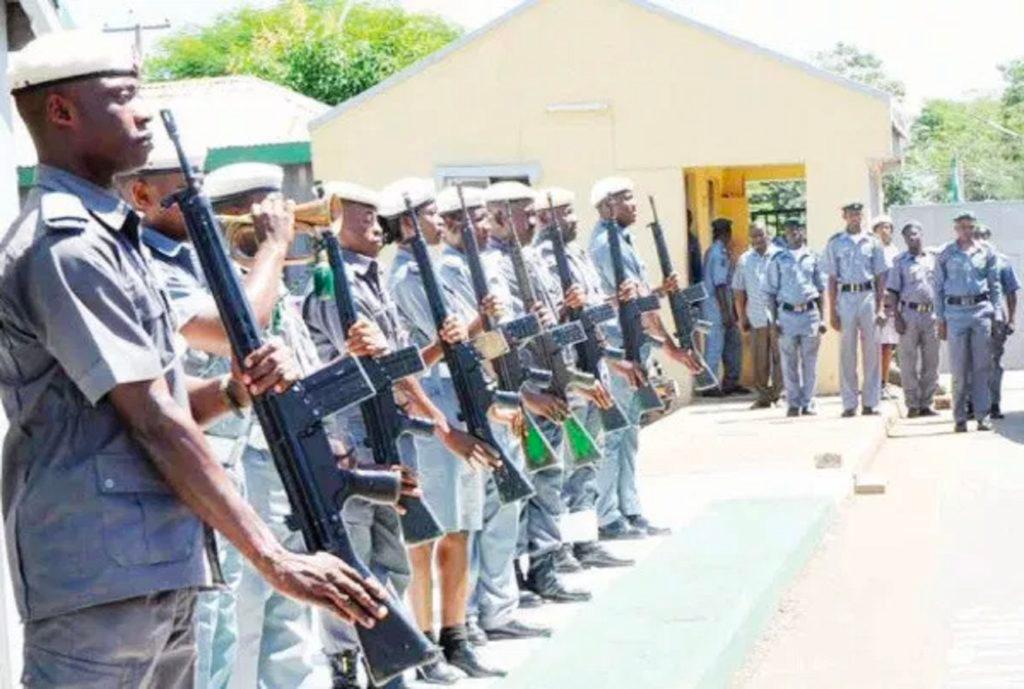
The Nigeria Customs Service Board (NCSB) has confirmed the appointment of one Deputy Comptroller General (DCG) and seven Assistant Comptrollers General (ACGs), in addition to promoting 4,291 senior officers.

According to a statement signed and released on Friday by customs spokesperson Abdullahi Maiwada, the new management team members include DCG S Chiroma and ACGs ZM Gaji, OA Adebakin, GM Omale, MS Yusuf, DA Nnadi, HK Ejibunu, and D Hassan, who will fill vacancies created by retirements in various geopolitical zones.

The statement reads, “The Nigeria Customs Service Board (NCSB), at its 61st regular meeting held on 18 December 2024, chaired by the Honorable Minister of Finance and Coordinating Minister of the Economy, Mr Wale Edun, confirmed the appointment of one Deputy Comptroller General (DCG) and seven Assistant Comptrollers General (ACGs). Additionally, 4,291 senior officers were promoted.

“The newly confirmed Nigeria Customs Service (NCS) Management Team members include DCG S Chiroma (North-East) and ACGs ZM Gaji (North-East), OA Adebakin (South-West), GM Omale (North-Central), MS Yusuf (North-Central), DA Nnadi (South-East), HK Ejibunu (North-Central), and D Hassan (North-East). These appointments are to fill the vacancies created based on the retirement of some management team members from the affected geopolitical zones of the federation. The action further aligns with the Service’s commitment to national inclusivity, institutional balance, and adherence to the Federal Character Policy as outlined in Section 14(4) of the Nigeria Customs Service Act, 2023.”

The Board also approved special promotions for 16 deserving officers and a posthumous promotion for the late Deputy Comptroller of Customs, Etop Andrew Essien, in recognition of his invaluable contributions and dedication.

Furthermore, the Board approved a strategic restructuring, transferring the Post Clearance Audit (PCA) Unit to the Office of the Comptroller General to ensure stronger oversight and increased efficiency.

The Comptroller-General of Customs, Bashir Adewale Adeniyi, congratulated the newly appointed, promoted, and retained officers, urging them to uphold the Service’s core mandates and pursue excellence.

Tax Reform Bill: A path to equity and unity!

By Zayyad I. Muhammad

Taxation is not merely a tool for generating revenue; it is a cornerstone for fostering national balance and ensuring the collective survival of all citizens. Recognizing this, with wisdom, Nigeria has exempted many essential goods and services such as agricultural produce, fertilizers, certain baby products, and healthcare items from taxation or VAT. This policy ensures that food items like rice, maize, sorghum, millet, beans, and meat—produced in states like Kano, Borno, Adamawa, Taraba, etc —can reach markets in Enugu, Lagos, and Port Harcourt, where they are accessible to Nigerians at reasonable prices.

Conversely, products such as fertilizers, agricultural machinery, baby items, and healthcare essentials manufactured in industrial hubs like Aba, Ibadan, Warri, and Lagos, etc., remain affordable across the country, including the northern states, because they are VAT-exempt. This interconnected economic framework fosters interdependence among states and promotes equitable access to essential goods, irrespective of geographic location.

However, the current discourse surrounding the proposed tax reform bill, particularly its provisions on VAT, has raised concerns about fairness and equity. Rather than serving as a unifying mechanism, the proposed VAT contributions and their sharing formula have become a source of tension, with some Nigerians—especially from the North—perceiving the system as skewed in favour of economically dominant states like Lagos. This perception has fueled suspicions, leading to terms like “Lagos colonialism” being used to describe the perceived imbalance in resource allocation and benefit distribution in the new VAT bill if passed into law by two chambers of the National Assembly 

To address these concerns, the tax reform bill must be designed to generate revenue and reflect the principles of fairness, inclusivity, and Nigeria’s complex politics.

Taxation policies should be a tool for strengthening national unity, ensuring that every Nigerian, regardless of region or state, feels an equitable share of the nation’s prosperity. There is no need to rush to nowhere- the government must patiently engage in transparent dialogue and adopt a balanced approach that considers the diverse economic contributions and needs of all states. 

One key reason the North rejected the bills is that President Tinubu’s administration is facing growing suspicion among many Northerners due to certain policies, programs, and appointments. This is a troubling development for a government that, before coming to power, proudly counted the North as its political stronghold and key support base.

Such distrust is damaging not only to the administration’s credibility but also to national unity. To maintain the confidence of all Nigerians, it is crucial for the government to address these concerns transparently, ensuring that its actions reflect inclusivity and fairness. Economics and politics often intertwine. When political backlash outweighs economic benefits, retreat and consultation are essential.

The Tinubu government must strive to deliver on its promises while fostering trust across all states and demographics, particularly among those who believe in its leadership.

In essence, taxation should not be seen as a divisive tool but as a bridge that connects the unique strengths of each state and region, fostering a truly united and prosperous Nigeria.

 Zayyad I. Muhammad writes from Abuja via zaymohd@yahoo.com.

Tinubu, Shettima’s travels, refreshments to cost over N9bn in 2025 budget

By Uzair Adam

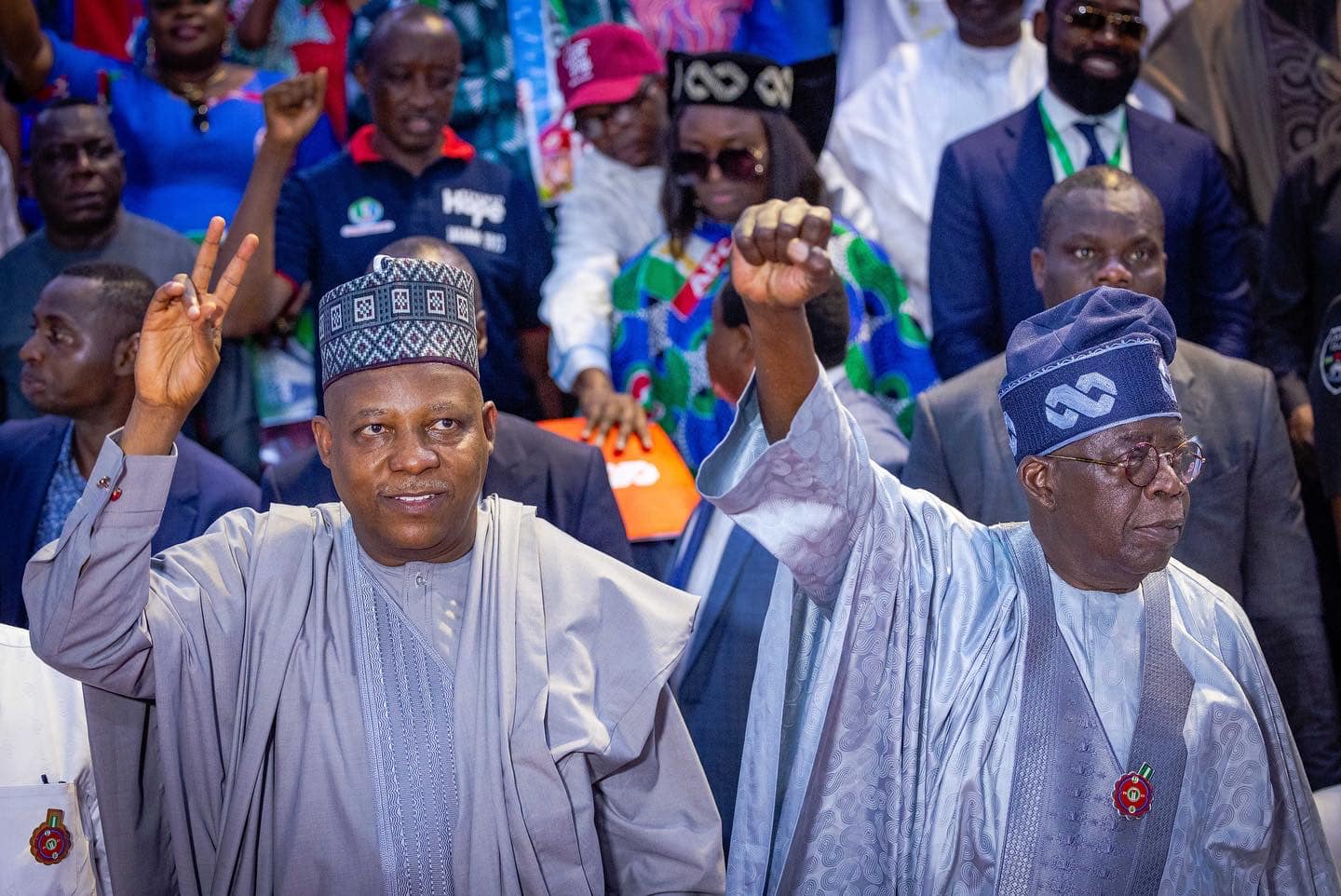
President Bola Ahmed Tinubu and Vice President Kashim Shettima are set to spend over N9.36 billion on local and international travels, as well as refreshments, in 2025.

Details of the expenditures are contained in the 2025 Appropriation Bill presented by the Ministry of Budget and Economic Planning.

The proposed budget, totaling N49.7 trillion, was presented to the National Assembly on Wednesday under the theme: ‘Restoration Budget, Securing Peace and Building Prosperity.’

According to the proposal, President Tinubu’s travels and refreshments will cost N7.44 billion, while Vice President Shettima’s similar expenses will amount to N1.9 billion.

For the president, international travels are expected to consume N6.14 billion, while local trips will cost N873.9 million. In addition, N431.6 million has been allocated for refreshments, meals, foodstuffs, and catering supplies.

The vice president’s travel expenses include N1.31 billion for international trips and N417.5 million for local ones.

Refreshments, meals, and catering for the vice president are budgeted at N186.02 million. Between January and March 2024, President Tinubu, Vice President Shettima, and First Lady Remi Tinubu reportedly spent over N5.24 billion on travel expenses, according to data from GovSpend, a civic tech platform tracking government expenditures.

The presidency has also allocated N10.6 billion for vehicles, honorariums, and fuel. Of this amount, N4.76 billion is earmarked for vehicles, including N3.66 billion for operational vehicles and N1 billion for replacing Sport Utility Vehicles (SUVs).

An additional N255.7 million is budgeted for other vehicle purchases, including SUVs for the presidential fleet. Other allocations include N5.93 billion for honorariums, fuel for generators, and the construction of offices for Special Advisers (SAs) and Senior Special Assistants (SSAs).

Notably, N2.12 billion is set aside for sitting allowances and honorariums, while N1.99 billion is for fuel expenses.

The N49.7 trillion budget has passed its second reading in both the Senate and the House of Representatives.

The appropriation bill will now proceed to the respective Committees on Appropriations for further scrutiny.

In addition, the House of Representatives approved a bill to extend the capital component of the 2024 budget to June 30, 2025, to ensure ongoing projects are completed.

Both chambers of the National Assembly have adjourned until January 14, 2025, for the yuletide recess.

ICPC reveals non-compliance of supreme court, NAHCON, others in integrity assessment

By Uzair Adam

The Independent Corrupt Practices and Other Related Offences Commission (ICPC) has disclosed that the Supreme Court of Nigeria, the National Hajj Commission of Nigeria (NAHCON), and 13 other agencies failed to meet the standards set by its 2024 Ethics and Integrity Compliance Scorecard (EICS).

This revelation underscores the inability of several prominent institutions to adhere to the ethical benchmarks established by the ICPC.

The announcement was made on Thursday in Abuja during the unveiling of the agency’s EICS report by Dr. Musa Aliyu, Chairman of the ICPC, who was represented by Demola Bakare, the Director of Public Enlightenment and Education.

According to Aliyu, a total of 330 Ministries, Departments, and Agencies (MDAs) were evaluated in the outgoing year, with none achieving full compliance.

Among the 15 non-compliant MDAs were the University of Ibadan (UI), Obafemi Awolowo University (OAU), Legal Aid Council, Federal Teaching Hospital Gombe, the Federal Civil Service Commission, and several others.

These agencies reportedly failed to conduct system studies or submit required financial and audit reports.

Aliyu cautioned that the ICPC would take necessary enforcement measures to ensure compliance.

Despite the shortcomings of some MDAs, he commended the Joint Admissions and Matriculation Board (JAMB) for leading the compliance rankings with a score of 89.75 percent, followed by the Nigeria Railway Corporation (89.33 percent) and Nigeria Bulk Electricity Trading Plc (88.73 percent).

The assessment focused on indicators such as Management Culture and Structure, Governance and Executive Management, Financial Management Systems, and Administrative Systems. It also examined policies on ethics education, whistle-blowing mechanisms, and stock verification.

Aliyu stated that the EICS serves as a tool for identifying gaps, advising on policy, and fostering self-evaluation among MDAs. Between December 2023 and December 2024, the ICPC tracked 1,500 projects across 22 states, valued at N610 billion, recovering N346 million in cash, N400 million in assets, and saving N30 billion for the government.

The report highlighted that 29.55 percent of MDAs achieved substantial compliance, 51.62 percent partial compliance, and 2.92 percent were categorized as non-compliant.

Jimoh Sulaiman, Head of the Constituency and Executive Projects Tracking Initiative, noted that tracking projects had increased completion rates and public accountability.

“Nigerians now realize that project funding originates from the Federal Government, not politicians’ pockets, leading to greater demand for accountability,” he said.

Buhari dismisses reports linking him to revoked land in Abuja

By Uzair Adam

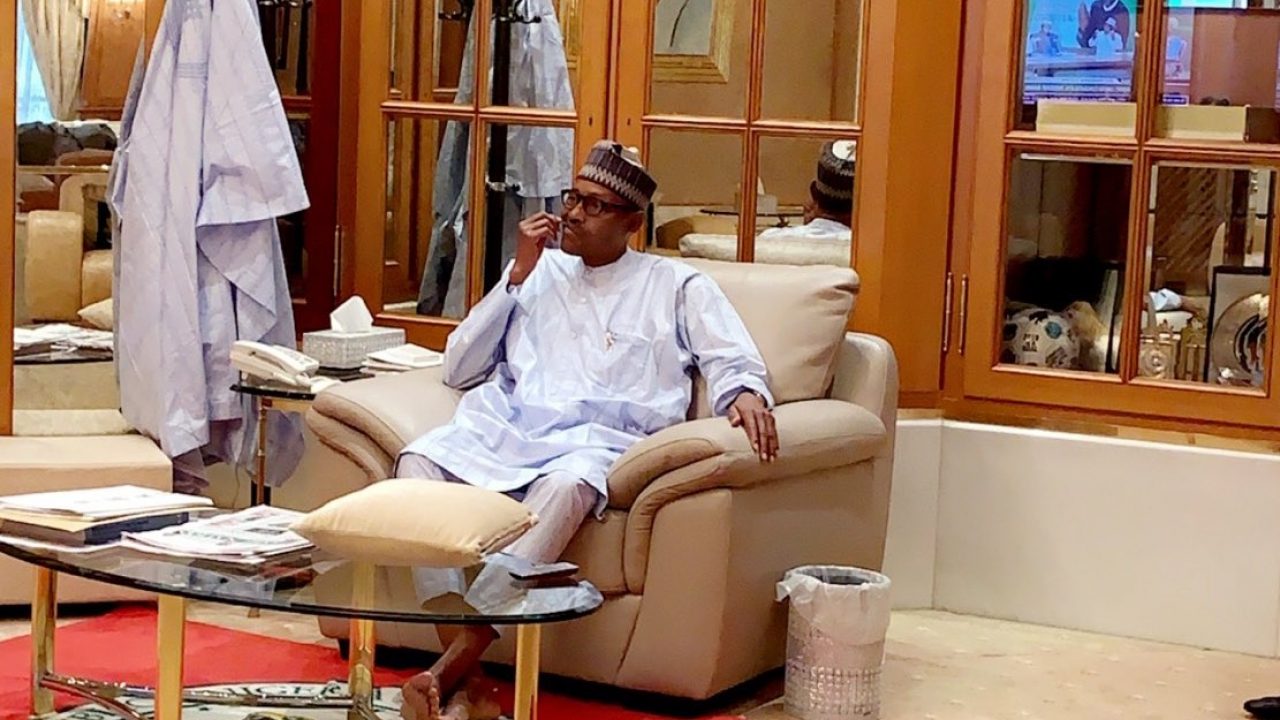
Former President Muhammadu Buhari has refuted claims of owning a piece of land recently revoked by the Federal Capital Territory Administration (FCTA) in Abuja.

The controversy stems from Minister of the Federal Capital Territory (FCT), Nyesom Wike’s announcement of the revocation of 762 plots of land in the Maitama 1 District due to non-payment of statutory fees.

Among the high-profile names reportedly affected are former President Buhari and ex-Chief Justice Walter Onnoghen.

Additionally, the FCTA has issued a two-week ultimatum to 614 individuals and organizations to settle outstanding Rights of Occupancy (R-of-O) fees or risk losing their plots.

However, in a statement released by his media aide, Garba Shehu, Buhari denied ownership of the land in question, which had been allocated in the name of a “Muhammadu Buhari Foundation.”

He clarified that the foundation was independently established by well-meaning individuals and not directly linked to him.

“Shehu explained, “When the former President and his cabinet members were invited to apply for land during his tenure, he declined the offer, stating he already owned a plot in the FCT. He suggested the land be allocated to those without one.”

The statement further noted that the Muhammadu Buhari Foundation encountered challenges in obtaining the certificate of occupancy due to an exorbitant bill from the land department of the FCDA, which eventually led to the revocation.

“Those speculating about Buhari’s alleged land ownership should verify their facts and avoid spreading misinformation,” Shehu added.

The media aide emphasized that Buhari has no personal connection to the revoked land, as he owns only one plot of land in the Federal Capital Territory.