Month: December 2024

Reforming Nigeria’s electoral system by tackling malpractice and apathy

 By Suleiman Usman Yusuf 

As we mark one month since the sham local government elections conducted in Kaduna State, it is imperative to broaden our discourse beyond the immediate events and delve into the systemic issues that have led to electoral malpractices, voter apathy, and the overall degradation of Nigeria’s electoral system. 

Having been a founder and the pioneer National Chairman of the Youth Party (YP) as a registered political party in Nigeria, I have gained invaluable insights into the root causes of these electoral challenges. While these issues are multifaceted, I will focus on several key aspects that are critical to understanding and addressing the problem, as follows: 

1. NEGLECT OF INTERNAL PARTY ELECTIONS: One significant factor contributing to the electoral malaise is the Nigerian populace’s tendency to prioritise general elections over internal party elections. The credibility, skills, and knowledge of party officials heavily influence the quality of candidates emerging from primary elections. When citizens neglect the election of these officials, they unintentionally allow unpatriotic and incompetent individuals to manage party affairs at all levels – wards, local governments, states, and nationally. 

For instance, in many local government elections, candidates are often selected based on their connections or financial support rather than their qualifications or commitment to public service. This negligence ensures that capable and well-meaning Nigerians remain sidelined, relying on flawed party structures to secure candidacy. 

 2. LACK OF INTERNAL DEMOCRACY: The absence of internal democracy within political parties is another root cause of electoral failure. Ideally, political parties should transcend individual candidates, ensuring their structures promote democratic values and accountability. Unfortunately, many candidates, especially those with amassed wealth or political power, often overshadow their parties, undermining their foundational principles. Party officials, rather than being recruited based on merit, usually come from the ranks of politicians, leading to a cycle of dependency and diminished accountability. The failure to enforce disciplinary measures further erodes the integrity of party operations, allowing influential individuals to manipulate party dynamics for personal gain. 

Take, for example, the recent primaries of major political parties in Nigeria. Decisions are frequently made by a small group of party elites, often sidelining grassroots members and leading to the emergence of candidates who do not reflect the electorate’s will. Parties lack the frameworks to generate independent funding and operate effectively, allowing influential individuals to manipulate party dynamics for personal gain. 

 3. BRAIN DRAIN FROM POLITICAL ENGAGEMENT: Our nation’s most talented individuals frequently gravitate toward secure positions in the public or private sectors, leaving political engagement to those who may not have the nation’s best interests at heart. For example, many young professionals, including engineers, doctors, and entrepreneurs, seek opportunities abroad or in stable private sectors rather than entering politics, where they perceive a lack of integrity and opportunity for meaningful change. This trend undermines the potential for transformative leadership, as the voices that could drive innovation and reform in governance are absent from the political arena. The resulting leadership vacuum allows for the perpetuation of mediocrity and stagnation in our political landscape. 

 4. INEFFECTIVE ROLE OF OPPOSITION PARTIES: Another critical issue contributing to electoral malaise in Nigeria is the failure of opposition parties to effectively engage with the government in power. In a healthy democracy, opposition parties are expected to check on the ruling party, advocating for the populace’s interests and holding the government accountable for its actions. Their role is not merely to oppose for opposition’s sake but to advance the causes of the people, ensuring that governance is responsive and transparent. For instance, during significant policy debates, such as those regarding the national budget or security measures, opposition parties often resort to sensational accusations rather than providing substantive alternatives or critiques. 

 Unfortunately, many opposition parties in Nigeria have engaged in trivial disputes rather than focusing on substantial, issue-based discussions. They often lack coherent alternative policies or robust arguments that challenge the government’s decisions. This absence of constructive criticism diminishes the quality of political discourse and leaves citizens without viable options or clear pathways for reform. By failing to present well-researched alternatives to government policies, opposition parties contribute to a stagnant political environment where the ruling party faces little pressure to improve or innovate in its governance. 

 Additionally, the lack of strong opposition undermines public confidence in the democratic process, as citizens may feel their concerns are not adequately represented or addressed. Opposition parties need to rise to their responsibilities and engage in serious debates about policies and procedures that affect Nigerians’ lives. By doing so, they can promote a more dynamic political landscape that encourages accountability and responsiveness from the government. 

 5. LACK OF INVESTMENT IN KNOWLEDGE AND RESEARCH: Most political parties in Nigeria do not prioritise investing in knowledge and research, which are crucial for informed decision-making and policy development. The absence of dedicated policy and research units within parties means that they often operate in a vacuum, disconnected from society’s pressing issues. This gap results in poorly formulated policies that fail to address the needs of citizens or adapt to changing circumstances. For example, without adequate research, parties may propose initiatives that do not resonate with the challenges faced by their constituents, leading to ineffective governance and further disenchantment with the political process. 

 Based on the foregoing, I hereby advance the following recommendations for reform: 

 1. PROMOTION OF INTERNAL DEMOCRACY: Political parties must adopt transparent processes for electing officials and candidates. Implementing democratic practices within party structures will empower grassroots participation and ensure that the best candidates emerge, promoting a culture of accountability and responsibility. 

 2. ENCOURAGING YOUTH PARTICIPATION: Engaging the youth in the political process is essential for the future of Nigeria. Programs that educate young people about the importance of political involvement and the electoral process can cultivate a new generation of leaders committed to change. Initiatives such as mentorship programs and civic education can inspire active participation among young Nigerians. 

 3. ESTABLISHING INDEPENDENT MECHANISMS: Political parties should explore diverse funding sources beyond wealthy individuals to enhance their autonomy and operational capacity. These may include membership dues, grants, and partnerships with civil society organisations. By diversifying funding streams, parties can operate more independently and reduce the influence of money in politics. 

 4. STRENGTHENING VOTER EDUCATION: Comprehensive voter education campaigns are vital to combat apathy and encourage active participation in all electoral processes, including internal party elections. Educating citizens about their rights and the importance of their votes can empower them to demand accountability from their elected officials. 

 5. ENHANCING THE ROLE OF OPPOSITION PARTIES: Opposition parties must fulfil their critical role in engaging with the government and providing constructive criticism. They should focus on presenting well-researched alternative policies and robust arguments that address pressing issues affecting the populace. By promoting a culture of accountability and transparency, opposition parties can help ensure that governance remains responsive to citizens’ needs. These parties must rise above trivial disputes and engage in meaningful dialogue that reflects the interests of the people they represent. 

In conclusion, the recent elections in Kaduna State serve as a vivid reminder of the vulnerabilities within Nigeria’s electoral system. To safeguard democracy and promote effective governance, we must confront these root causes head-on, fostering an environment where transparency, accountability, and active participation thrive. 

It is time for Nigerians to reclaim their political landscape, ensuring that those who seek to represent them do so with integrity and a genuine commitment to the public good. By addressing these systemic issues, we can pave the way for a more robust democratic process that genuinely reflects the will and aspirations of the Nigerian people. 

God Bless Nigeria! 

Suleiman writes from Kaduna State, Nigeria, and can be reached via suleimanusmanbac@gmail.com.

Police accidentally shoots Taraba governor’s sister during gunmen ambush

By Uzair Adam 

Atsi Kefas, the sister of Taraba State Governor Agbu Kefas, sustained injuries after being accidentally shot by a police escort during an attack by gunmen on Thursday.  

According to reports by Zagazola Makama, a counter-insurgency publication focusing on the Lake Chad region, the incident occurred along Kente Road in Wukari Local Government Area of Taraba State. 

Our reporters gathered that Atsi and the governor’s mother, Jumai, were travelling together when their convoy was ambushed.  

In an attempt to repel the attackers, a police officer providing escort for the family mistakenly shot Atsi Kefas.  

Troops quickly intervened, rescuing the victims and evacuating Jumai and Atsi Kefas from the scene via an air ambulance. 

Atsi was immediately taken to a hospital for treatment, although her current condition remains unknown at the time of this report.  

Security forces recovered the vehicle used by the assailants, along with an empty magazine and passenger luggage left behind by the attackers.

Troops block 174 men en route to border communities in Niger 

By Uzair Adam  

Troops of the Multinational Joint Task Force (MNJTF) under Sector 4 in Diffa, Republic of Niger, intercepted 174 Nigerian men attempting to cross into border communities in Niger.  

The suspects, stopped at Gueskeru, a strategic border town linking Yobe State to Niger, claimed they were travelling to the Lake Chad region for fishing activities.  

However, concerns were raised about the porous nature of the borders, often exploited by terrorist groups such as Lakurawa, notorious for attacks on border communities.  

In a statement, MNJTF spokesperson Lt. Col. Olaniyi Osoba noted that allowing such a large group of able-bodied men to access terrorist-prone areas could threaten regional security.  

The suspects are currently undergoing profiling and questioning to determine their motives and ensure they do not pose a security risk.  

The MNJTF noted its commitment to counterterrorism, civilian protection, and regional stability.  

It called for enhanced border vigilance and greater collaboration among troop-contributing countries to tackle cross-border terrorism effectively.

The erosion of values: How Hisbah’s decision to stop arrests is affecting Kano, by Muhsin Ibrahim

By Muhsin Ibrahim – Cologne, Germany

Let me say it aloud today: the Kano Hisbah Board’s decision to stop arresting people is quite disturbing.

Of course, I am one of those brave few commentators who criticised their method of arresting suspects some time ago, and I still stand by that view and criticism.

From Berlin to Baltimore, London to Lahore, Tel Aviv to Taipei, and Moscow to Muscat, security operatives sometimes manhandle individuals when arresting them. We are all humans!

If all arrests are halted, people will have free rein in Kano. Soon after Hisbah’s announcement, some socialites from other states and countries began relocating to Kano. They act freely and upload their videos on social media.

Kano is cosmopolitan but has unique norms, values, cultures, and religion that deserve respect. We cannot stop globalisation and cultural diffusion, but we should be concerned when our values are undermined.

Globally, countries still protect their “values” in one way or another. “Muhammad” can be – and is – the most popular baby name in England and Wales, but that doesn’t mean Muslims can, for example, legally practice polygyny. This is just but one example.

Kano State Government should reconsider how it manages Hisbah. You either have a functioning Hisbah or no Hisbah at all.

Hisbah should not be a toothless dog. Several clerics are already preaching (wa’azi, nasiha, etc.). It’s not Hisbah’s role to do just that; they need some power to use “force” at a certain level.

May we be guided, amin.

Muhsin Ibrahim is a Kano-born lecturer at the University of Cologne, Germany. He can be reached via muhsin2008@gmail.com.

JUST IN: Security operatives surround Kano emir’s palace, restrict movement  

By Uzair Adam 

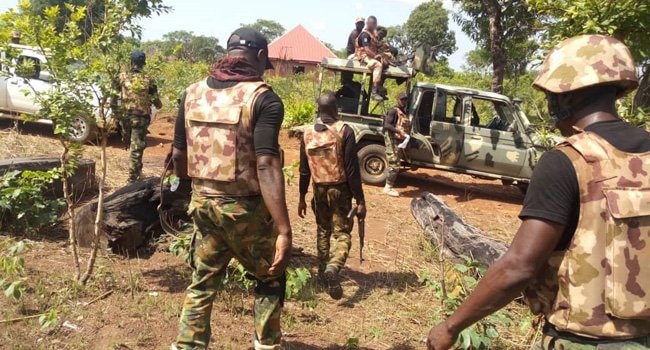
Armed police officers and operatives of the State Security Service (SSS) have cordoned off the Kano Emir’s Palace at Kofar Kudu, preventing entry and exit from the premises.  

The Daily Reality gathered that this development comes ahead of an anticipated escort by Emir Muhammadu Sanusi II, who is expected to accompany the newly-appointed Wamban Kano, Munir Sanusi, to his district posting in Bichi.  

Several reports have indicated that the Bichi Emir’s Palace is also under heavy security presence, with armed operatives stationed around the area.  

Details of the situation remain sketchy at the moment, but more updates are expected as events unfold.

FG commences payment of military salary arrears, entitlements

By Uzair Adam

The Federal Government has started disbursing salary increases and three months of arrears to military personnel.

The announcement was made by the Minister of State for Defence, Dr. Bello Matawalle, through a statement released in Abuja by Mr. Henshaw Ogubike, Director of Information and Public Relations, Ministry of Defence.

According to Matawalle, military personnel have already begun receiving alerts confirming the payments.

He noted that President Bola Tinubu authorized the release of funds on Thursday for the payment of pensions and other entitlements owed to retired military personnel.

The minister praised President Tinubu’s dedication to improving the welfare of both serving and retired military officers. He emphasized that addressing outstanding pension arrears remains a priority.

“This initiative underscores the President’s commitment to enhancing the living conditions of those who have served the nation,” Matawalle stated.

He also expressed appreciation for the Minister of Finance and Coordinating Minister of the Economy, Mr. Wale Edun, for his vital role in ensuring the timely execution of the payments.

Matawalle urged the Nigerian military to remain resolute in their duties, reassuring them of the President’s support in boosting their morale and providing resources to address security challenges across the nation.

“Despite initial challenges, rest assured that Mr. President is fully committed to uplifting the military forces as they tackle insecurity,” he added.

The minister expressed gratitude to President Tinubu for his decisive actions and recognized the essential contributions of both serving and retired military personnel in safeguarding the nation and combating insurgency.

He reiterated the government’s resolve to strengthen the armed forces and ensure sustained efforts to eradicate insecurity in Nigeria.

Navigating Kano’s complex politics and challenges 

By Abubakar Hassan Muhammad BUK 

Kano State politics has been a subject of interest in Nigeria, especially since the Supreme Court judgment restored Abba Kabir Yusuf as the governor of Kano State. Yusuf, a member of the New Nigeria Peoples Party (NNPP), had his election initially nullified by lower courts, but the Supreme Court unanimously upheld his victory in the March 2023 election.

The State has a rich history of leadership, dating back to the Kingdom of Kano, which existed from 1000 AD to 1349. The state’s capital and largest city, Kano, is Nigeria’s second most populous city after Lagos. The incumbent governor, Abba Kabir Yusuf, was sworn in on 29 May 2023.

Kano State faces several challenges, including attacks by Islamist terrorist groups, inter-religious violence, and extreme poverty. The state operates under Sharia law within the legal framework of the Nigerian constitution. The Supreme Court’s decision to restore Yusuf as governor has received mixed reactions from Nigerians, with some praising the judgement and others expressing concerns.

The State has a diverse economy with a strong focus on industry, agriculture, and Islamic banking. The state is home to several large markets, including Kurmi Market and Kantin Kwari Market, which specialise in textiles and grains. Agriculture is also a significant sector, with crops such as millet, cowpeas, and sorghum being cultivated for local consumption.

Kano State politics are complex and multifaceted, reflecting the state’s rich history and cultural diversity. Under Governor Yusuf’s leadership, the state faces significant challenges and opportunities for growth and development. But he has been trying his best to overcome these challenges.

Abubakar Hassan Muhammad wrote via abubakarsadik2023@gmail.com.

Niger governor reportedly orders arrest of journalist for reporting bandit attack on convoy

By Sabiu Abdullahi

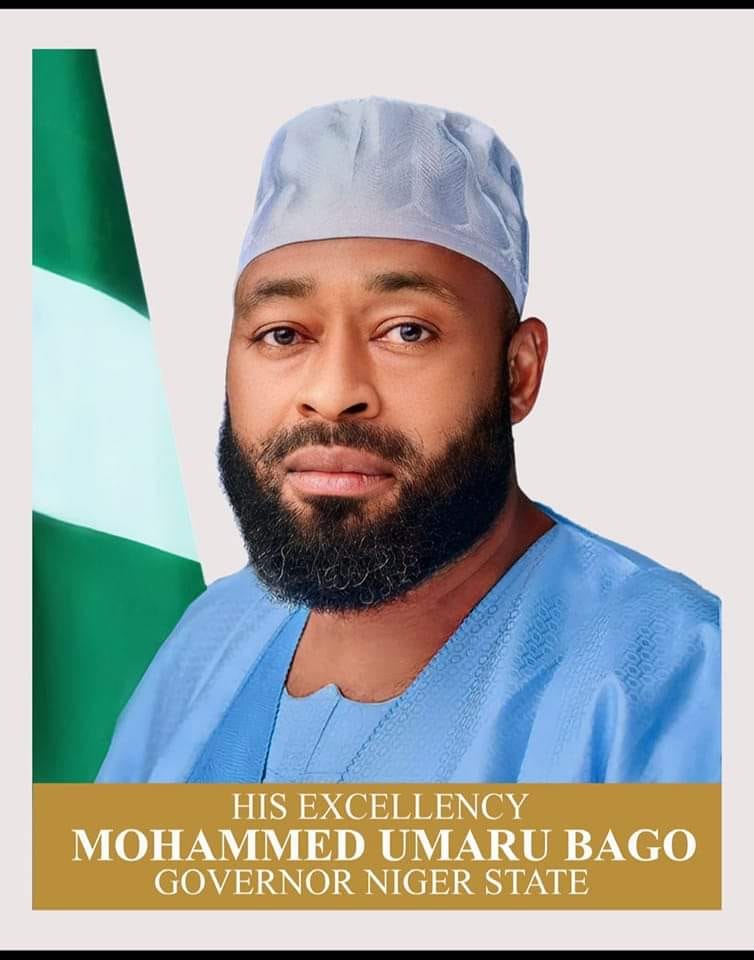
A Niger State-based journalist, Mustapha Bina, was detained by the Department of State Services (DSS) after reporting an alleged bandit attack on Governor Umaru Bago’s motorcade during a project tour to Mashegu Local Government Area.

According to the report, the attackers opened fire on the governor’s convoy, prompting a swift response from his security team.

“Several bandits were neutralised, while others fled into the bush after being overpowered,” a source claimed.

Some vehicles in the convoy, including a Hilux and a bulletproof vehicle of the Counter-Terrorism Unit, were reportedly damaged.

However, the Niger State Government has since denied the incident, with the chief press secretary to the governor and the state commissioner for Information issuing a statement debunking the report.

Despite the denial, Bina was arrested and detained by the DSS, allegedly on the orders of Governor Bago. An insider source revealed that it took the intervention of the state NUJ chairman and other stakeholders to secure Bina’s bail.

“Mr Bina was invited to the SSS office in Minna for questioning. The governor really felt embarrassed that the issue was out,” the source said.

The incident has reignited concerns about the growing restrictions on press freedom in Niger State.

“It is very unfortunate that the civic space is becoming stifled, and the environment hasn’t been very conducive for journalists, especially under the current administration,” the source added.

Mental Health: Strategies to prevent sociopathic and psychopathic behaviours

By Maimuna Katuka Aliyu

In recent times, there has been a disturbing rise in violent crimes perpetrated by loved ones, friends, or neighbours, leaving families and communities devastated. These acts of violence often reveal psychopathic or sociopathic behaviour, underscoring the importance of understanding how to protect oneself from such individuals.

Understanding Sociopathy and Psychopathy

Antisocial personality disorder, commonly known as sociopathy, is a mental health condition where a person consistently disregards right and wrong and shows a lack of empathy toward others. People with this disorder are manipulative, deceitful, and indifferent to the harm they cause. They often engage in impulsive or violent behaviour, violate laws, and struggle with relationships and responsibilities.

Psychopaths are more calculated and egocentric. They lack conscience and empathy, and while they can follow social norms when they benefit them, they typically harbour deep-rooted criminal tendencies. Sociopaths, in contrast, are more volatile and prone to sudden outbursts of anger. While psychopaths can maintain a façade of normalcy, sociopaths struggle to control their emotions and often lead chaotic lives.

Challenges in Societal Protection

In Nigeria, where insecurity has become a significant issue, many citizens feel unsafe. The government’s inability to consistently enforce laws and protect its people has only heightened the risks. For instance, despite the Firearms Act prohibiting the possession of firearms without a license, many criminals are rarely held accountable. Terrorists and other violent offenders often walk free shortly after being arrested, eroding public trust in law enforcement.

One heartbreaking case is that of Christiana Idowu, a Federal University of Agriculture Abeokuta student who was abducted and later killed despite her family paying the ransom. Her kidnapper was eventually apprehended after police traced the bank details used for the ransom payment. This tragic incident illustrates the chilling reality of unchecked violence in Nigerian society.

Elsewhere, in Atlanta, 14-year-old Colt Gray shot and killed two students and two teachers at his school, a crime linked to his experience with bullying and parental separation. Such incidents are stark reminders of how mental trauma if left untreated, can lead to catastrophic outcomes.

Signs of Sociopathic and Psychopathic Behavior

It is crucial to recognise early signs of mental health issues that could lead to sociopathy or psychopathy. Common symptoms include:

– Persistent feelings of sadness or hopelessness

– Withdrawal from social activities

– Extreme mood swings

– Difficulty concentrating or maintaining focus

– Lack of empathy or remorse

Sociopaths, specifically, tend to:

– Display impulsive, hot-headed behaviour

– Have violent outbursts

– Fail to maintain stable jobs or relationships

– Rationalize their harmful actions despite knowing they are wrong

Psychopaths, on the other hand, often:

– Exhibit cold-hearted, manipulative behaviour

– Maintain a “normal” life to cover up their criminal actions

– Lack of genuine emotional attachments, even in close relationships

Impact of Childhood Trauma

Childhood trauma, such as abuse, neglect, or bullying, significantly increases the risk of developing violent or antisocial behaviour. These experiences can disrupt emotional development, impair attachment to others, and lead to aggressive tendencies. If left unaddressed, childhood trauma can manifest in mental health conditions such as depression, anxiety, or schizophrenia, with potential long-term consequences.

How to Protect Yourself

Given the prevalence of sociopathic and psychopathic behaviour, it is essential to take precautions to safeguard yourself. Below are a few practical steps to consider:

1. Be Aware of Red Flags: Pay attention to signs of manipulation, dishonesty, or indifference to the feelings of others. Sociopaths and psychopaths often use charm to disguise their true intentions.

2. Set Clear Boundaries: Protect yourself by establishing firm personal boundaries. Do not allow people to guilt or manipulate you into actions or decisions you are uncomfortable with.

3. Keep Your Loved Ones Informed: Always share your location and movements with someone you trust. This simple step can go a long way in ensuring your safety and preventing unnecessary panic during emergencies.

4. Trust Your Instincts: If you feel offended by someone’s behaviour or a situation that makes you uncomfortable, trust your gut feelings and distance yourself from the individual or scenario.

5. Educate Yourself: Stay informed about the tactics sociopaths and psychopaths use to exploit and manipulate others. The more you know, the better equipped you are to recognise and avoid their toxic influence.

6. Build a Supportive Network: Surround yourself with trusted friends and family members who can offer guidance and emotional support. A strong support system can provide a buffer against harmful individuals.

Conclusion

In a world where mental health challenges are becoming more apparent, understanding the traits of sociopaths and psychopaths is critical to self-preservation. By staying vigilant, setting clear boundaries, and cultivating supportive relationships, you can protect yourself from their harmful behaviour and ensure a safer, more fulfilling life.

Maimuna Katuka Aliyu wrote via munat815@gmail.com.

Kano assembly moves to regulate cooking gas sales

By Abdullahi Mukhtar Algasgaini

Kano State House of Assembly has commenced the process of regulating the indiscriminate sale of cooking gas within the Kano metropolis.

The assembly is set to repeal and also insert a section in the State Fire Service Directorate Edict No 17 of 1970 to accommodate the move.

The measure followed a report by the standing committee on special duties after an investigation on the sale of cooking gas within residential areas during plenary on Wednesday.

While presenting the report, the committee chairman and member representing Gezawa constituency, Abdullahi Yahaya, said the Kano State Fire Service Directorate reported about 475 illegal cooking gas premises after engaging with relevant stakeholders within the state.

He also stated that statistics available from the state chapter of the Nigerian Mainstream and Downstream Petroleum Regulatory Authority (NRDPRA) showed that there are 234 unlicensed natural gas retailers in the state.

Yahaya added that the investigation was carried out following a motion moved by a member representing Kiru constituency, Hon. Tasiu Abubakar on the hazards of the sale of the product within the metropolis.