Month: March 2024

Nigeria reopens borders with Niger Republic, lifts sanctions 

By Sabiu Abdullahi 

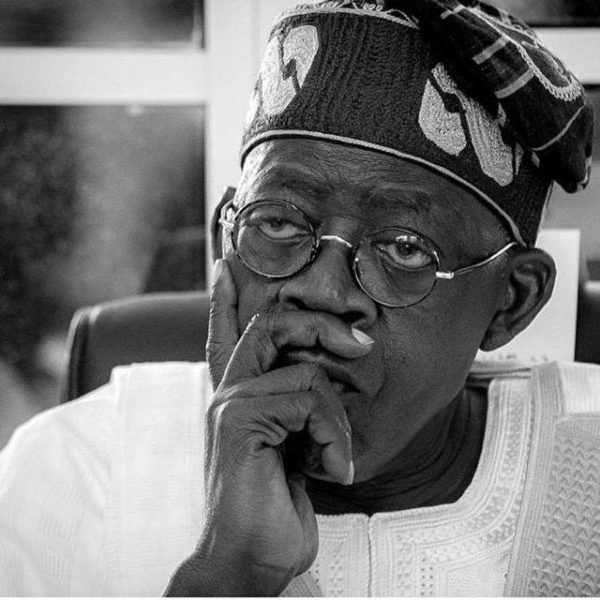
President Bola Tinubu has taken a significant step towards enhancing regional relations by ordering the reopening of Nigeria’s land and air borders with the Republic of Niger.

Additionally, President Tinubu has instructed the lifting of various sanctions imposed on Niger, further strengthening diplomatic ties between the two nations. 

In a statement released by his Special Adviser on Media and Publicity, Ajuri Ngelale, titled ‘Nigeria opens land and air borders with Republic of Niger, lifts other sanctions,’ President Tinubu’s directive shows his government’s commitment to the course. 

Consequently, the President has directed that the following sanctions imposed on the Republic of Niger be lifted immediately: “Closure of land and air borders between Nigeria and Niger Republic, as well as ECOWAS no-fly zone on all commercial flights to and from Niger Republic. 

“Suspension of all commercial and financial transactions between Nigeria and Niger, as well as a freeze of all service transactions, including utility services and electricity to the Niger Republic. 

“Freeze of assets of the Republic of Niger in ECOWAS Central Banks and freeze of assets of the Republic of Niger, state enterprises, and parastatals in commercial banks. 

“Suspension of Niger from all financial assistance and transactions with all financial institutions, particularly EBID and BOAD. 

“Travel bans on government officials and their family members,” the statement read.

Beyond fiction: A short review of Khaled Hosseini’s The Kite Runner

By Muhammad Sani Usman

If you are an introvert and, worst of all, you don’t want to go out and meet strangers, or you are not financially stable enough to explore the world you romanticise in your head, then you should read fictional books.

Consider The Kite Runner by Khaled Hosseini for a unique perspective on Afghanistan. Unlike the war-torn image often portrayed in American movies, Hossien’s narrative paints a different picture. He depicts a flowing country, with small boys flying kites in the streets of Kabul and the vibrant Afghan holidays like Nowruz. 

You will learn about friends and kinship. There is Amir, the privileged son of a wealthy businessman, and Hassan, the son of their family servant, who grew up together in Kabul. Despite their different social statuses, they are inseparable as children. They spend their days flying kites, with Hassan being the best kite runner, always ready to retrieve the kite Amir cuts down. 

If you don’t know what betrayal is by a friend, then you should look at how Amir witnesses Hassan being sexually assaulted but chooses to do nothing out of fear and selfishness. This event haunts Amir, leading to guilt and a sense of betrayal that defines much of his life.

If you are still wondering about the lengths people go to with the ones they love, you will see how Amir chooses to marry Soraya (his girlfriend), accepting her past and the societal judgment that comes with it. In essence, you will see matured and refined love between Hassan and Soraya.

You will only get all this information from creative writers pushing the world close to you. 

Muhammad Sani Usman wrote muhdusman1999@gmail.com

Sardaunan Samarin Gombe: A portrait of excellence

By Usman Muhammad Salihu

Usman Umar, also known as Sardaunan Samarin Gombe, is a figure whose name resonates not only within his community but also among his peers and colleagues. His persona is one of remarkable achievement, characterised by a relentless pursuit of excellence in every endeavour he undertakes.

From his formative years, Usman Umar has displayed an unwavering commitment to academic and personal growth. His journey as an exemplary student in secondary school paved the way for a trajectory marked by consistent success and distinction.

What sets Usman Umar apart is his academic prowess and innate ability to inspire and uplift those around him. Whether it’s through his words of encouragement or his actions that speak volumes, he has a way of leaving a lasting impact on everyone he encounters.

Beyond his academic achievements, Usman Umar is a shining example of resilience and determination. His unwavering dedication to his goals, coupled with his ability to overcome obstacles, serves as a source of inspiration for aspiring individuals.

Usman Umar’s commitment to service and community development is another defining aspect of his personality. He understands the importance of giving back to society and actively seeks opportunities to make a positive difference in the lives of others.

In essence, Usman Umar embodies the qualities of a true leader – someone who leads by example, empowers those around him, and remains steadfast in his pursuit of excellence. His story serves as a testament to the power of determination, resilience, and service in shaping a life of significance and impact.

Usman Muhammad Salihu writes via usmande5363@gmail.com.

JUST IN: Senator Ningi resigns as chairman of Northern Senators Forum

By Uzair Adam Imam 

Senator Abdul Ningi of Bauchi State has announced his resignation as chairman of the Northern Senators Forum, following his suspension from the Senate.  

Ningi had been accused of making misleading claims about the size of the 2024 budget, which he alleged was padded with N3.7 trillion in additional funds.  

He has denied any wrongdoing, but the Senate has suspended him pending an investigation into the matter. 

In response to the allegations made by Senator Ningi, the Senate has suspended him for three months while it investigates the matter.  

The Senate has stated that there is no evidence to support Ningi’s claim that the 2024 budget was padded.  

The Senate also expressed its concern over the potential damage to the reputation of the body and the Nigerian people caused by Ningi’s remarks.  

Meanwhile, Ningi tendered his resignation letter as the chairman of the Northern Senators Forum following his suspension. 

“I will like to resign my position as the chairman of the Northern Senators Forum. This is of course necessitated by unfolding events in the National Assembly, the North and the Nation at large. 

“I will like to specially thank members of the forum for the opportunity given to me for the last eight months to spearhead this very important forum. 

“I believe this forum is very important to the progress and development of Northern Nigeria,” the letter reads.

An open letter to Jigawa State Governor, Malam Umar Namadi

By Garba Sidi.

I hope this letter finds you in good health and high spirits. 

I am writing to bring to your attention the commendable efforts of Honourable Abdulladir Umar Bala (T.O.) during his tenure as the Chairman of Hadejia Local Government. As a concerned citizen of Hadejia and someone who deeply cares about our town’s progress, I wish to express my support for Honourable Abdulladir Umar Bala’s candidacy for a second term.

Throughout the years, it has been observed that, apart from Bello Auyo, no other leader has contributed as significantly to the development of Hadejia as Honourable Abdulladir Umar Bala. His dedication to improving our town is evident in the transformative projects initiated under his leadership.

The essence of democracy lies in representing the people’s will, and Honourable Abdulladir Umar Bala (T.O) has proven himself to be a leader who genuinely understands and serves the people’s needs. “Government is the people, for the people, by the people,” and this principle resonates with the Hadejia community, which admires his leadership.

Furthermore, I would like to highlight Honourable Abdulladir Umar Bala’s unwavering commitment to the All Progressives Congress (APC). He wholeheartedly supported the party, actively participating in the campaign for His Excellency Mallam Umar Namadi, contributing significantly to the success of the 2023 elections.

Despite facing unjust attempts to tarnish his image, Honourable Abdulladir Umar Bala perseveres to bring beneficial projects to Hadejia. Recognising that certain political rivals may be trying to sow discord between his administration and your esteemed government is crucial. I sincerely hope you see through these divisive tactics and acknowledge the positive impact he has had on our community.

The people of Hadejia are well-informed and discerning, and they can distinguish between genuine efforts for development and misleading narratives meant to undermine a dedicated leader. Denying Honourable Abdulladir Umar Bala the opportunity to run for a second term could be perceived as a hindrance to the progress and development of our town.

I trust that this message will reach you, and I urge you to consider the positive contributions of Honourable Abdulladir Umar Bala (T.O.) to Hadejia. Allowing him to run for a second term would be a decision in favour of continued growth and prosperity for our beloved town.

Thank you for your time and consideration.

Binance’s conflict with Nigerian authorities and troubles worldwide

By Haruna Chiroma

Binance is widely regarded as the largest cryptocurrency platform globally, facilitating billions of dollars in transactions daily. As of March 3 2024, it had over 179 million registered users across 100 countries and supported over 30 languages. Despite its prominence, this emerging financial institution operates with relatively lax oversight from financial regulatory agencies, unlike traditional financial institutions. This lack of stringent policing renders the platform vulnerable to illicit transactions. 

However, Binance also plays a significant role in fostering economic growth and providing earning opportunities for both digital natives and digital immigrants. Established in 2017, Binance rapidly gained widespread acceptance, particularly among digital natives, spreading rapidly like wildfire. 

Binance has encountered significant resistance from governments worldwide, citing concerns over its lack of transparency and regulatory issues. Numerous countries have completely banned Binance from their cyberspace, prohibiting transactions within their borders. These countries include China, Malaysia, Italy, Vietnam, the Philippines, Thailand, Australia, and several others. Despite all this, Binance is boldly embracing the wave of AI to stay competitive in the cryptocurrency market. 

The company has incorporated an AI token known as “Sleepless AI” into its platform, which is available on the Binance Launchpool. A visit to the Binance website indicates a listing of the top AI crypto tokens according to market capitalisation, with a market cap of over $7 billion and over $1.3 billion in trading volumes. 

Despite being banned from Japan, in 2022, Binance made determined efforts to re-enter the Japanese crypto market by expressing interest in acquiring Sakura, a Japanese crypto company. In another development, Binance sought a crypto license in Germany to facilitate transactions within the country’s crypto market, aiming to expand its presence across Europe. 

However, the crypto giant encountered regulatory hurdles from German financial regulators. In a prompt response, in March 2023, Binance announced the withdrawal of its license application. Following sanctions imposed on Iran, sidelining the country from traditional financial systems, Iran turned to Binance as an alternative gateway to financial institutions. Blockchain data reveals that between 2018 and 2022, Binance facilitated over $8 billion worth of transactions for Iranian firms. 

Banning Binance from a country does not necessarily prevent Binance customers from finding alternative means to conduct transactions within the banned country’s crypto market. The Wall Street Journal, published on August 2, 2022, stated that Binance successfully facilitated over $90 billion in transactions in one month within China’s crypto market. 

In the current digital age, blocking access to Binance is unlikely to be effective. Users can easily bypass restrictions by installing a Virtual Private Network (VPN) with a fleet of thousands of servers across many countries, choosing a server in a country where Binance operates, and accessing the platform with minimal effort. 

In 2021, Binance encountered regulatory challenges in Thailand, with the country’s financial authorities accusing the platform of operating without a license. This led to filing a criminal complaint against Binance with the Thai police. Later, Binance was finally banned from operations in Thailand.

Binance finds itself entangled in a legal dispute with US authorities, facing accusations of violating federal money laundering laws by neglecting to report more than 100,000 transactions deemed suspicious. Prosecutors argue that Binance serves as a prime environment for ransomware transactions (a cyberattack method that denies victims access to their computers until a specified ransom is paid via payment systems) and the exchange of payments for child abuse materials. In what appears to be an effort to resolve the matter out of court, Binance has opted for a plea bargain with US authorities. 

Under the terms of that agreement, Binance agreed to pay the US authorities a substantial fine of over $4.3 billion ($1.81 billion for criminal acts and forfeiture of $2.52 billion). Additionally, Binance plead guilty to sponsoring terrorism and involvement in money laundering. As part of the agreement, Binance has committed to operating within the legal framework and implementing monitoring mechanisms, as reported by Reuters on February 24, 2024. 

On February 24, 2013, NPR reported that the US Securities and Exchange Commission and Commodity Futures Trading Commission filed a lawsuit against Binance in court. The lawsuit was based on the absence of regulatory oversight, highlighting Binance’s operation without stringent policing akin to traditional financial institutions, artificially inflating trade volumes, and diversion of customer funds. 

Currently, Binance is engaged in a contentious dispute with the Nigerian government, which has resulted in the government blocking access to the platform. The government reportedly fined Binance a substantial sum of $10 billion, though the circumstances surrounding the fine are controversial. Users can circumvent the block by utilising a VPN, as previously discussed. Therefore, legalising and regulating the platform would be more prudent rather than the Nigerian government potentially losing billions in revenue through the backdoor. 

Given that Binance handles transactions in billions of dollars, I argue that it would be unwise to discard the benefits along with the drawbacks (“throwing a baby with the bath water”). Particularly in light of the high levels of unemployment among youths and the prevailing hardships in the country, many young people have discovered opportunities in the world of Binance. Therefore, rather than outright banning Binance from Nigeria, integrating it into its legal framework may yield better outcomes. 

As a short-term solution, Binance should be permitted to continue its operations in Nigeria under stringent control mechanisms established within the country’s legal framework, with critical oversight from entities such as the Central Bank of Nigeria (CBN), Economic and Financial Crimes Commission (EFCC), and other relevant authorities. 

For a long-term strategy, the CBN and EFCC, in collaboration with the Cybersecurity Department of the Federal University of Technology, Minna, should undertake high-impact research to be sponsored by the CBN and EFCC to develop a robust framework for regulating cryptocurrency operations in Nigeria. This framework should balance Nigeria’s legal system and economic growth objectives. 

Emphasising research and development is a globally recognised best practice for addressing societal challenges instead of relying solely on inter-ministerial committees, which may lack the necessary technical expertise, resources and research skills. 

Haruna Chiroma, Ph.D. Artificial Intelligence, wrote from the University of Hafr Al Batin, Saudi Arabia, via freedonchi@yahoo.com.
CGC Adeniyi meets Gov. Abba Kabir, pledges to boost trade in Kano 

By Sabiu Abdullahi 

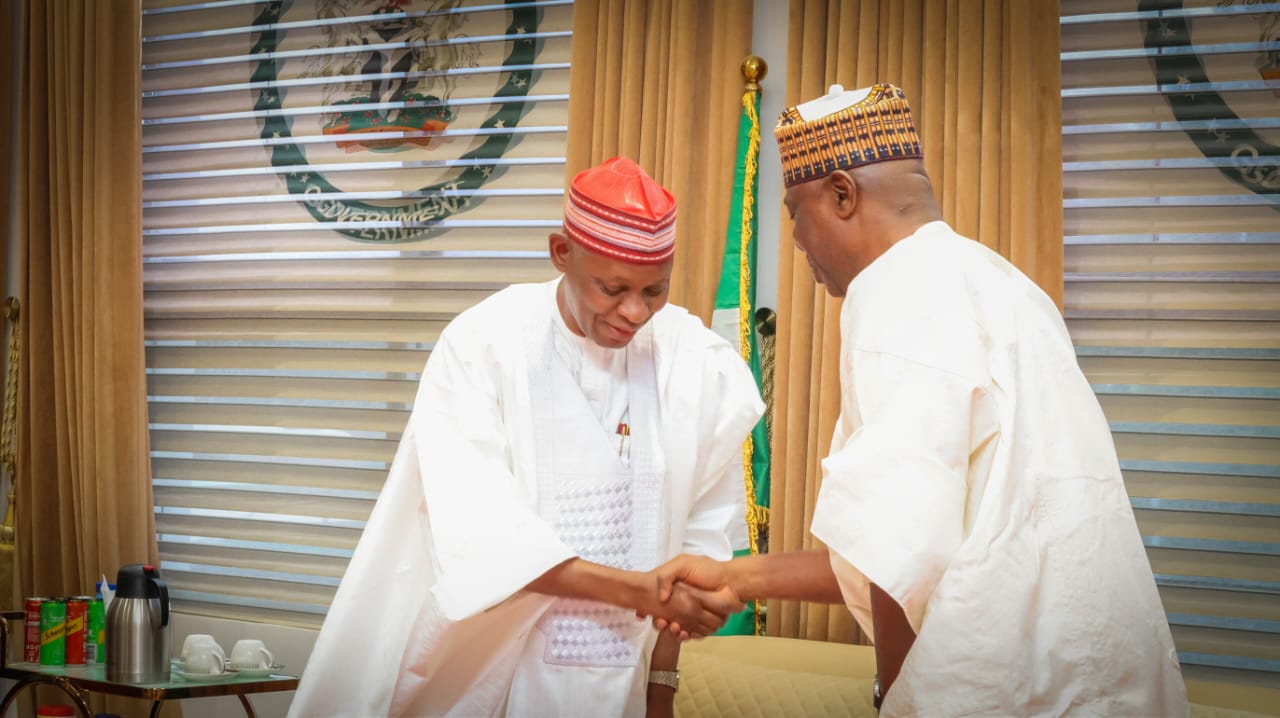
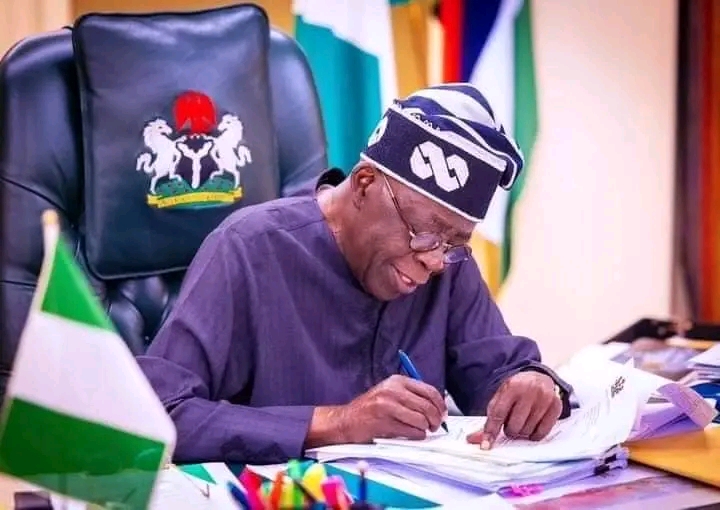
In a bid to strengthen ties between the Nigeria Customs Service and the Kano State Government, the Comptroller-General of Customs, Bashir Adewale Adeniyi, held a crucial meeting with Governor Abba Kabir on Sunday, March 10, 2024.

The meeting underscored the commitment of both parties to enhancing trade facilitation and addressing food security challenges within Kano State. 

During the meeting, CGC Adeniyi reiterated the Nigeria Customs Service’s dedication to fostering trade and cooperation with the Kano community.

He stated the importance of establishing an export terminal in the state to streamline business operations, addressing concerns regarding food security.

Additionally, directives from President Ahmed Tinubu regarding the return of detained grains to alleviate food insecurity were shared. 

Governor Abba Kabir warmly welcomed CGC Adeniyi, commending the proactive efforts of the Nigeria Customs Service in safeguarding national borders and promoting economic prosperity.

He pledged full support from the Kano State Government to facilitate the implementation of policies aimed at enhancing import and export activities, especially within the Dawanau International Grains Market. 

In a separate engagement aimed at fostering collaboration with stakeholders, CGC Adeniyi visited the Mamuda Group of Companies in Kano.

This visit showcased the Nigeria Customs Service’s commitment to forging strong partnerships with private enterprises to facilitate trade and revenue generation across the nation. 

During the visit, CGC Adeniyi noted the importance of easing business processes for traders nationwide, highlighting the pivotal role of collaboration between the Customs Service and private enterprises.

In response, Mr. Hassan Hammoud, Chairman and CEO of the Mamuda Group, expressed appreciation for CGC Adeniyi’s visit and reaffirmed the company’s commitment to complying with customs regulations, ensuring a mutually beneficial relationship. 

Hardship: President Tinubu, please listen to Arewa Economic Forum

By Haroon Aremu

Nigeria’s current economic woes are not isolated incidents but rather the peak of years of systemic challenges and policy missteps. From the decline of industries in the 1990s to the era of military rule marked by corruption and mismanagement, the nation has weathered numerous storms on its path to progress. 

In the vibrant tapestry of Nigeria’s economic history, the 1980s stood as a golden era marked by robust growth, industrialization, and promise. However, the echoes of prosperity have gradually faded into the stark reality of economic downturns, leaving the populace grappling with unprecedented challenges.

The 1980s witnessed Nigeria’s emergence as an economic powerhouse, fueled by oil revenue and ambitious development projects. With a thriving manufacturing sector, a stable currency that cannot be competed with and strategic investments in infrastructure, the nation seemed poised for enduring prosperity. 

However, the dawn of the new millennium brought with it a stark reality check as the nation grappled with a series of economic setbacks that threatened to undo decades of progress. Mismanagement, corruption, and global market fluctuations emerged as formidable adversaries, eroding confidence in Nigeria’s economic prowess and exposing deep-seated vulnerabilities. 

While well-intentioned, the decision to remove fuel subsidies proved to be a double-edged sword, unleashing a torrent of consequences that reverberated throughout society. The subsequent free fall of the Naira sent shockwaves through the economy, triggering a cascade of hardships that tested the populace’s resilience. 

Hyperinflation ran rampant, rendering incomes inadequate and purchasing power a distant memory. Faced with dwindling resources and mounting uncertainty, Nigerians found themselves thrust into a desperate struggle for survival.

To understand the gravity of Nigeria’s economic predicament, one must delve into its root causes, which are as deep-seated as they are complex. Corruption, a scourge that has plagued the nation for decades, continues to gnaw away at its foundations, siphoning off resources meant for public good and fostering an environment of impunity.

Inefficiency and a lack of diversification further compound the problem, leaving Nigeria’s economy dangerously reliant on oil revenue—a precarious position exacerbated by volatile global markets and shifting geopolitical dynamics. 

Despite ample opportunities for growth and development in sectors such as agriculture and manufacturing, inadequate investment and strategic planning have stymied progress and perpetuated cycles of poverty.

The failure to address these systemic issues has left Nigeria vulnerable to external shocks and internal instability, undermining efforts to achieve sustainable development and improve the lives of its citizens. Without decisive action and a concerted effort to address the root causes of its economic woes, Nigeria risks being trapped in a cycle of decline, with far-reaching consequences for generations to come.

Amidst this economic quagmire, the Arewa Economic Forum (AEF) emerges as a beacon of hope, advocating for pragmatic solutions to stem the tide of despair. In a recent press briefing that took place at PRNigeria Centre Abuja, Chairman Ibrahim Shehu Dandakata delivered a compelling call to action, urging a rethink of subsidy removal policies and proactive measures to address the pressing issues at hand.

The AEF highlights the adverse effects of fuel subsidy removal on the populace, citing the widening gap between state allocations and tangible improvements in livelihoods. Calling for a reversal of the subsidy removal policy, the forum emphasizes the need for accountable governance and targeted interventions to alleviate the suffering of the masses.

In a comprehensive approach to economic revitalization, the AEF advocates for strategic investments in agriculture and artisanal mining. By harnessing the potential of these sectors, the nation can unlock opportunities for job creation and sustainable development, empowering local communities and diversifying the economy.

Recognizing the detrimental impact of forex crises on the economy, the AEF calls for decisive action to stabilize the Naira and curb illicit financial practices. Proposals include banning the use of dollars for domestic transactions and cracking down on currency hoarding, signalling a commitment to restoring confidence in the national currency.

At the heart of Nigeria’s economic resurgence lies a renewed focus on education and skills development. The AEF emphasizes the importance of equipping the youth with practical skills and knowledge that align with market demands, fostering a generation of innovators and problem-solvers poised to drive sustainable growth.

To President Tinubu, As the leader of our great nation, the burden of Nigeria’s economic hardship weighs heavily on your shoulders. In these trying times, we implore you to remain steadfast in your commitment to steering the country towards prosperity. The recent press briefing by the Arewa Economic Forum underscores the urgency of the situation and the need for decisive action.

The removal of fuel subsidies has inflicted untold suffering on the populace, exacerbating inflation and widening the gap between the rich and the poor. We urge you to heed the call for policy reversal and prioritize the welfare of the Nigerian people above all else. Your leadership in this critical moment will determine the trajectory of our nation’s future.

Solving Nigeria’s economic woes is not the sole responsibility of the government; it requires collective effort and sacrifice from all stakeholders. Citizens must hold their leaders accountable, demand transparency, and actively participate in nation-building initiatives. Only through unity and collaboration can we overcome the challenges that lie ahead. 

As Nigeria stands at a crossroads, the imperative for decisive action has never been clearer. The Arewa Economic Forum’s impassioned plea for reform resonates across the nation, igniting fervour for change and renewal. It is a call to reclaim Nigeria’s economic destiny, guided by foresight, resilience, and a shared commitment to prosperity for all.

In conclusion, let us remain prayerful and hopeful that Nigeria will emerge stronger from this economic downturn. With resilience, determination, and a shared vision for a brighter future, we can overcome adversity and build a nation where prosperity is accessible to all. God bless Nigeria.

Haroon Aremu Abiodun is a youth corps member with PRNigeria Centre, Abuja.

Hikima fails to meet demands: My prophecies about his partisanship happened

Yakubu Nasiru Khalid

In March 2023, I wrote an open letter to Barrister Abba Hikima titled “Should a social fighter be a partisan?” The Daily Reality published the letter in the same month. In it, I declared the influence of politics and suggested partisanship in politics. All that I prophesied would happen to him is happening now. One cannot eat two corns at the same time. 

On this day, 10th March 2024, I came across several posts by Hikima that revealed his hidden connections with a governor, Abba Kabir Yusuf (AKY). These posts, which criticised AKY’s government for mismanagement and unfulfilled campaign promises, were rife with political cultism, a trait often associated with the members of the Kwankwasiyya sect.

As I studied him, he always thought he was right and did not make an excuse for fault or blunder. This is quite the wrong line of thinking, as he prefixed the title “Esq” in front of his name to address these issues in such a way. 

Hikima’s attempt to expose the weaknesses of AKY aims to get fame and widespread admiration from the opposing parties, but this will be in vain. As he considers himself a public saviour, this is outright wrong for him, and it’s too early to do so. Read, listen, make an excuse, advise and take action; these are what should be done for a well-sounding veteran social worker or fighter.

“Any momentary triumph you think you have gained through argument is a Pyrrhic victory: The resentment and ill will you stir up is stronger and lasts longer than any momentary change of opinion. It is much more powerful to get others to agree with you through your actions, without saying”~law 9

Most people who are happy about Hikima’s criticism writings are either members of opposing parties or those called “absolute blind loyalists” because they swallow everything without asking a question. What happened to Abba Hikima and AKY is almost identical to what happened to Sheikh Aminu Daurawa and AKY. 

Many believed Daurawa was wrong, but the way Abba made corrections was unreasonable and impolite. People are not making a fair judgement. Resolving a conflict encourages one to insist on objective criteria, not personal interest. How many times did Abba meet the governor privately for these issues? 

Lastly, I suggest he work smartly and silently within either a line of partisanship or as a social fighter. He can only do one at a time. A man who constantly complains is not the right person. Be a problem solver, not a complainer. 

Yakubu Nasiru Khalid wrote via yakubunasirukhalid@gmail.com

Ramadan: Kano governor urges reopening of borders to ease food crisis

By Uzair Adam Imam

Kano State Governor, Abba Kabir Yusuf, has appealed to President Bola Ahmed Tinubu to consider reopening the country’s borders for the importation of foodstuff in order to address the current food crisis.

Governor Yusuf stressed that the closure of the borders has had a significant impact on the people of Kano State, leading to increased food prices and suffering.

In a statement issued by the governor’s spokesperson, Sunusi Bature Dawakin Tofa, Kano Governor Abba Kabir Yusuf called for the reopening of the country’s borders to address the current food crisis.

The statement was released following a meeting between the governor and the Controller General of the Nigerian Customs Service, Alhaji Bashir Adewale Adeniyi, at the Government House in Kano.

Governor Yusuf noted the critical condition of hunger and starvation in the country, which has been exacerbated by the sharp increase in commodity prices.

The statement read in part; “We wish appreciate the President’s intervention on the ongoing national food initiative which he considers Kano as the host for the initiative to be launched believing that the programme will cushion the effects of food scarcity if implemented”

Governor Yusuf stressed the urgent need for intervention, including the reopening of the borders to allow for the importation of commodities.

In his meeting with the Controller General of Customs, Bashir Adewale Adeniyi, Governor Yusuf highlighted the hardships faced by the people, particularly during Ramadan.

He stressed that the opening of the borders would be a crucial step in alleviating the distress of the people.

In addition to advocating for the reopening of the borders, Governor Yusuf commended the Customs Service’s initiative to distribute food items to the people of Kano, who have been facing hardship and hunger.

He urged the Customs Service to ensure that the food reaches those who are most affected. The governor also pledged his support to the Customs Service in its efforts to benefit the people of Kano and Nigeria as a whole.

In his response, Adeniyi emphasized the importance of building strong ties between the Nigerian Customs Service and the Kano community.

He emphasized the Service’s commitment to collaboration and constructive dialogue, and pledged to implement policies that would improve business processes and strengthen engagement with all stakeholders.

In addition to his interaction with stakeholders, the Controller General Adeniyi revealed that the Customs Service had made extensive plans to address the challenges of food scarcity and hardship in Kano. This includes the distribution of food items to the people of Kano.